The Best Things to Do in Peru: A Complete Guide for 2026
From Machu Picchu and the Amazon to Lake Titicaca and the Nazca Lines, here are the best things to do in Peru in 2026 - the must-sees, the hidden gems, and how to plan it.
People come to Peru for Machu Picchu and leave talking about everything else. That was certainly true for me. I arrived with a single bucket-list photo in my head and left having floated on the highest lake in the world, eaten the best meal of my life in a Lima strip mall, and sandboarded down a dune the size of an office block at sunset. Peru packs more into one country than feels reasonable.
This guide is my attempt to lay out the best things to do in Peru without drowning you in a list of 50 ruins. Instead I’ve organized it the way I’d actually plan a trip: the greatest hits first, then by what you’re into, then region by region so you can see what clusters together.
The short version: the best things to do in Peru are exploring Machu Picchu and the Inca sites around Cusco and the Sacred Valley, trekking the Andes (the Inca Trail, Rainbow Mountain, Colca Canyon), getting out on Lake Titicaca, going deep into the Amazon, eating your way through Lima, and chasing the desert oddities of the south coast — the Nazca Lines, the Huacachina dunes and the Ballestas Islands.
Who this is for: anyone trying to figure out what’s actually worth their limited days in Peru. I’ll link to deeper guides on each place as we go — starting with the big one, Machu Picchu.
Peru at a glance: three countries in one
The single most useful thing to understand before you plan is that Peru is really three very different worlds stitched together, and almost everything you’ll want to do falls into one of them:
- The coast — a long ribbon of desert along the Pacific, home to Lima, the food scene, the Nazca Lines, the Huacachina oasis and the Ballestas Islands.
- The Andes — the high mountain spine where the Inca built their empire: Cusco, the Sacred Valley, Machu Picchu, Lake Titicaca, Arequipa and Colca Canyon, plus the trekking around Huaraz.
- The Amazon — the vast rainforest that covers nearly two-thirds of the country’s land but sees a fraction of its visitors.
Most first trips spend nearly all their time in the Andes (the Cusco region especially) with a day or two on the coast in Lima. That’s the right call for a first visit. But the magic of Peru is how easily you can bolt on something completely different — a jungle lodge, a desert oasis, a high-altitude lake — without leaving the country.
| Experience | Where | Why go |
|---|---|---|
| Machu Picchu | Cusco region (Andes) | The reason most people come — and it lives up to it |
| Cusco & the Sacred Valley | Andes | Inca capital, ruins, markets, the launchpad for everything |
| Rainbow Mountain | Near Cusco | Surreal striped peak at 5,000 m |
| Lake Titicaca | Puno (Andes) | Floating reed islands and living traditions |
| Colca Canyon | Near Arequipa | Andean condors over one of the world’s deepest canyons |
| The Amazon | Puerto Maldonado / Iquitos | Macaws, monkeys, caimans and the world’s wildest jungle |
| Nazca Lines & Huacachina | South coast | Mysterious geoglyphs and a sandboarding oasis |
| Lima’s food scene | Coast | Some of the best restaurants on the planet |
The unmissable experiences (Peru’s greatest hits)
If it’s your first time and you want the experiences that genuinely justify the long flight, start here.
Machu Picchu
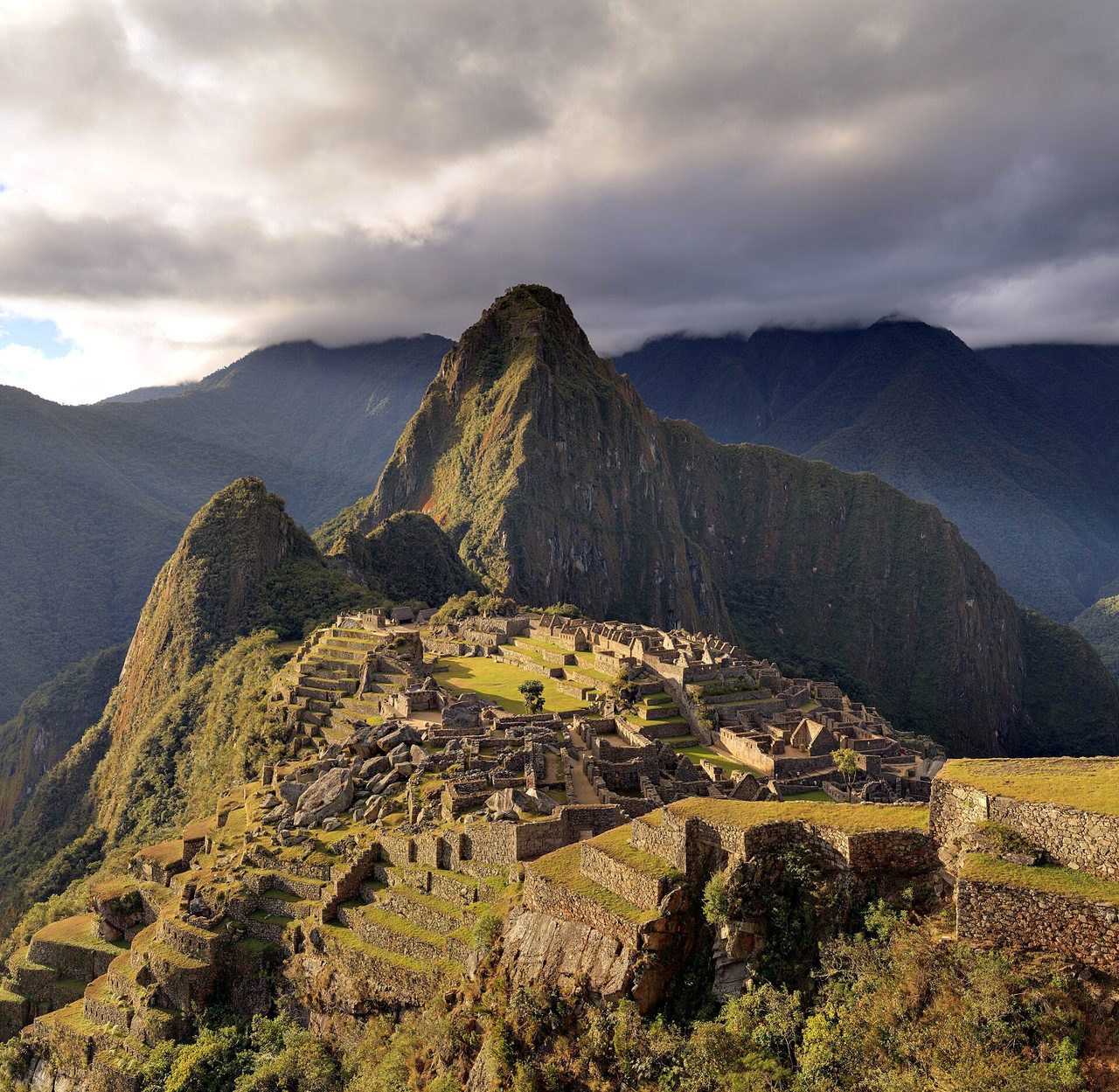
It’s the icon for a reason. The 15th-century Inca citadel draped across a ridge between two green peaks is even more dramatic in person than in the photos, and standing at the Guardian’s House as the morning cloud lifts is one of those rare travel moments that actually delivers. Getting there takes planning — timed tickets, a train, the new circuit system — so it’s worth reading our full Machu Picchu guide before you book. Give it a clear morning and a guide, and don’t rush it.
Cusco, the old Inca capital
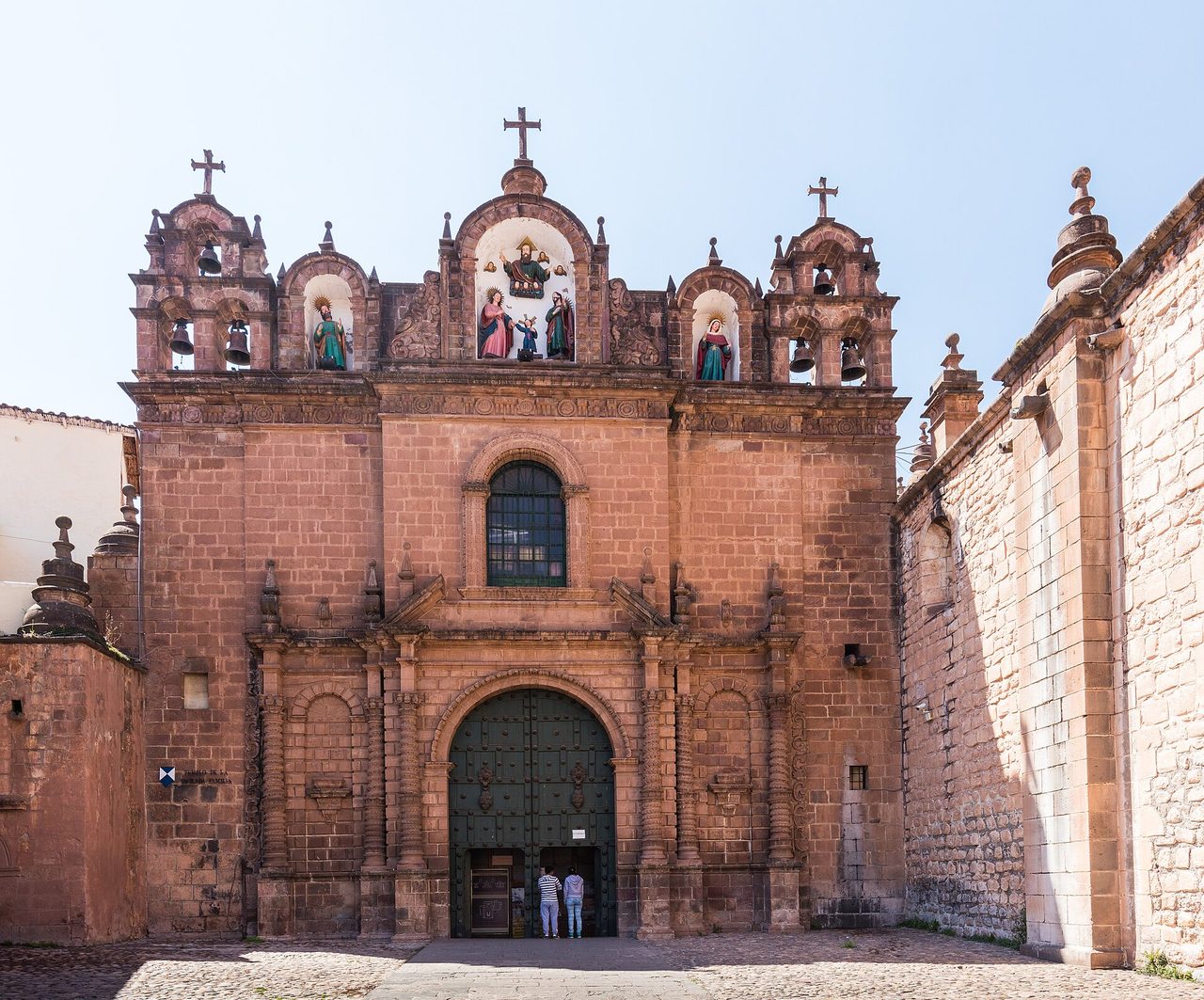
I’d argue Cusco is as much a highlight as Machu Picchu itself. The former capital of the Inca empire is a gorgeous tangle of Inca stone walls, Spanish colonial churches and buzzing plazas at 3,400 m, and it’s where nearly every Andes adventure begins. Spend a couple of days acclimatizing here, wandering the San Blas neighborhood and the Sunday markets — our Cusco guide covers what to do and where to stay. Just outside town, the colossal zigzag walls of Sacsayhuamán are worth the uphill walk.
The Sacred Valley of the Incas
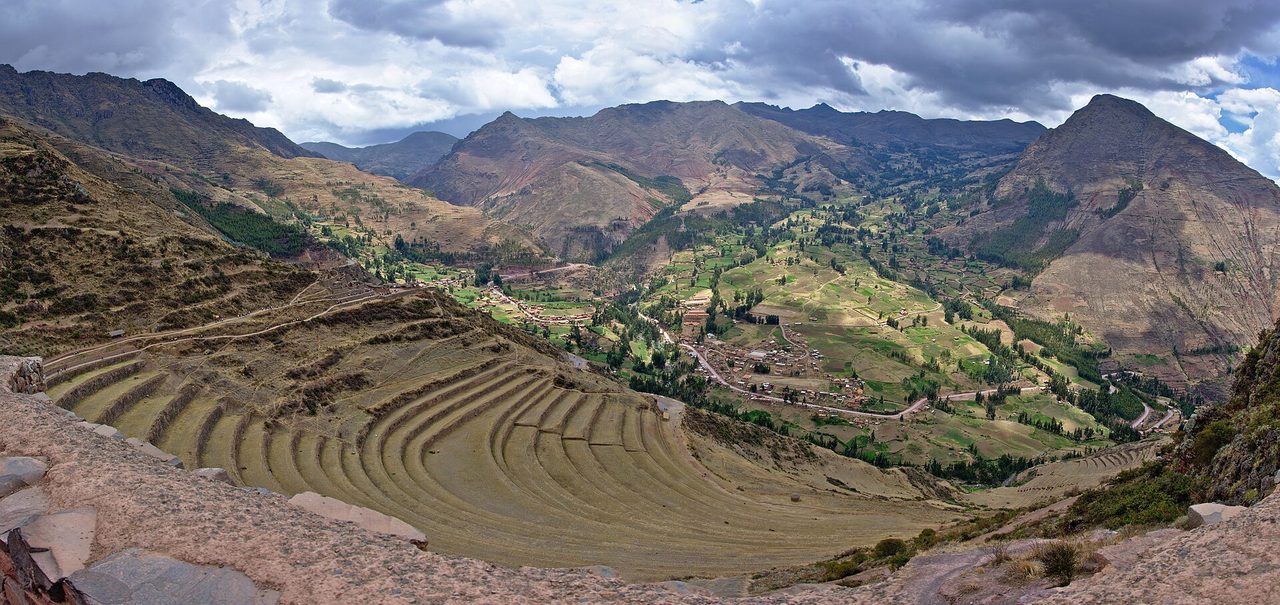
Between Cusco and Machu Picchu, the Sacred Valley is lower, warmer and (in my opinion) more relaxing than Cusco — which makes it a smarter base for acclimatizing. It’s stuffed with highlights: the terraced fortress of Ollantaytambo, the hilltop ruins and craft market of Pisac, and the surreal salt pans and crop-testing circles of Maras and Moray. See the full Sacred Valley guide for a day-by-day plan.
Rainbow Mountain (Vinicunca)
Ten years ago nobody had heard of it; today Vinicunca is one of Peru’s most-photographed spots. The mineral-striped slopes really are that vivid on a clear day. Be honest with yourself about the altitude, though — the trail tops out above 5,000 m, higher than any Machu Picchu hike, so only attempt it once you’re well acclimatized. Our Rainbow Mountain guide has the timing and fitness details; if you want a gentler, equally beautiful day trip, Humantay Lake is my quiet favorite.
Lake Titicaca and the floating islands
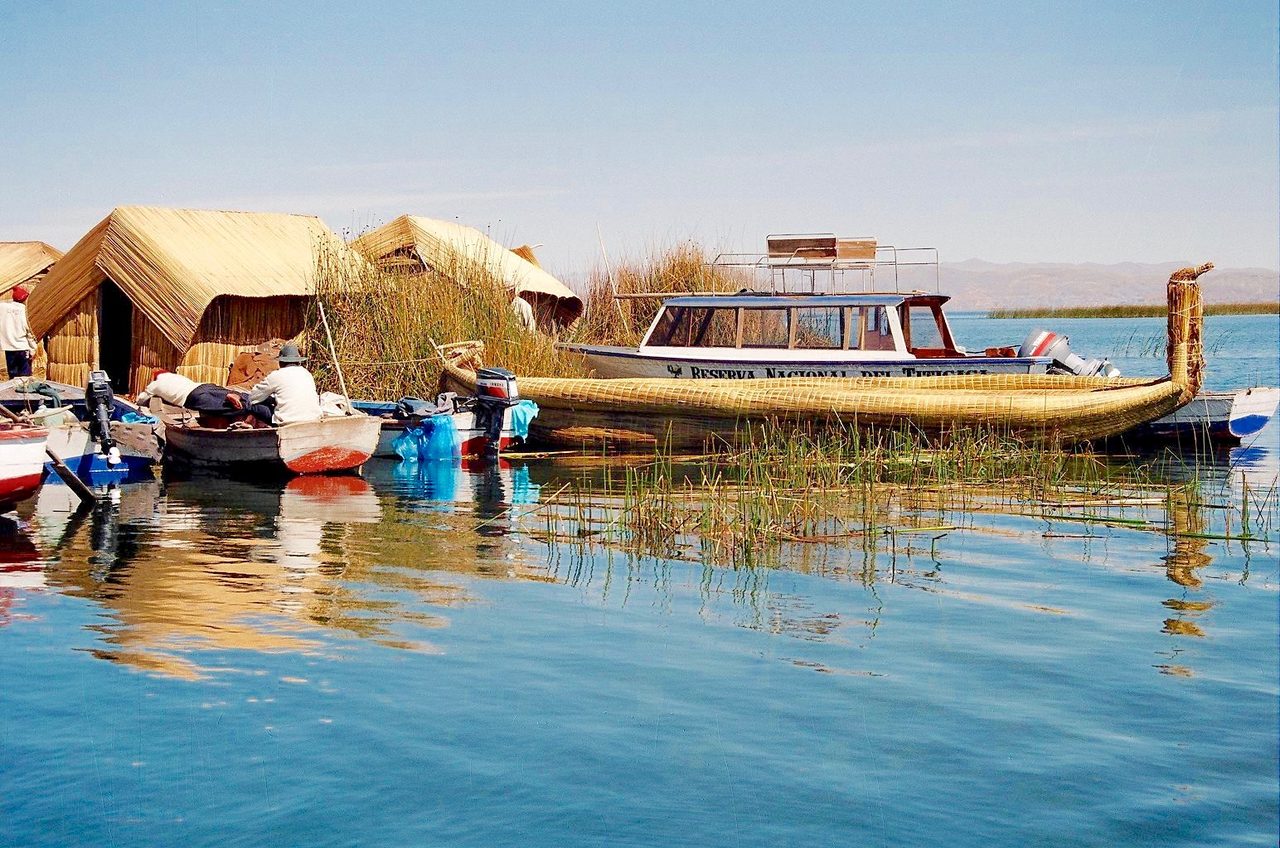
At 3,800 m, Titicaca is the highest navigable lake in the world, and a boat trip from the port of Puno is unlike anything else in Peru. The Uros people live on islands they build and rebuild from totora reeds; further out, Taquile and Amantani are real communities where you can do a homestay and eat trout with a family. It’s touristy in parts, but the living traditions are genuine. Our Lake Titicaca guide explains the half-day versus overnight options.
Arequipa and Colca Canyon
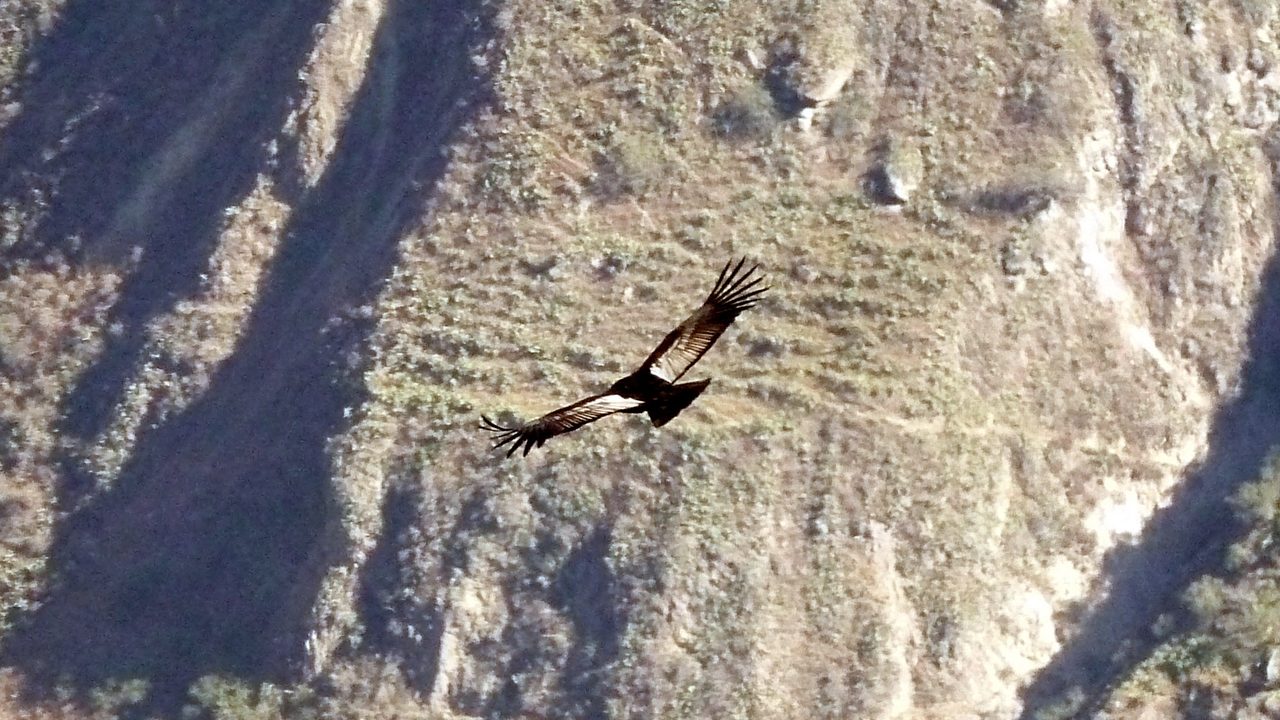
Arequipa, the elegant “White City” built from pale volcanic sillar stone, is worth two days on its own — and it sits at a gentler 2,300 m, making it a great place to start acclimatizing. From there, most people head to Colca Canyon, twice as deep as the Grand Canyon, where giant Andean condors ride the morning thermals at the Cruz del Cóndor lookout. Watching a 3-metre wingspan glide past at eye level is genuinely moving. The full Arequipa & Colca guide has the logistics.
The Peruvian Amazon
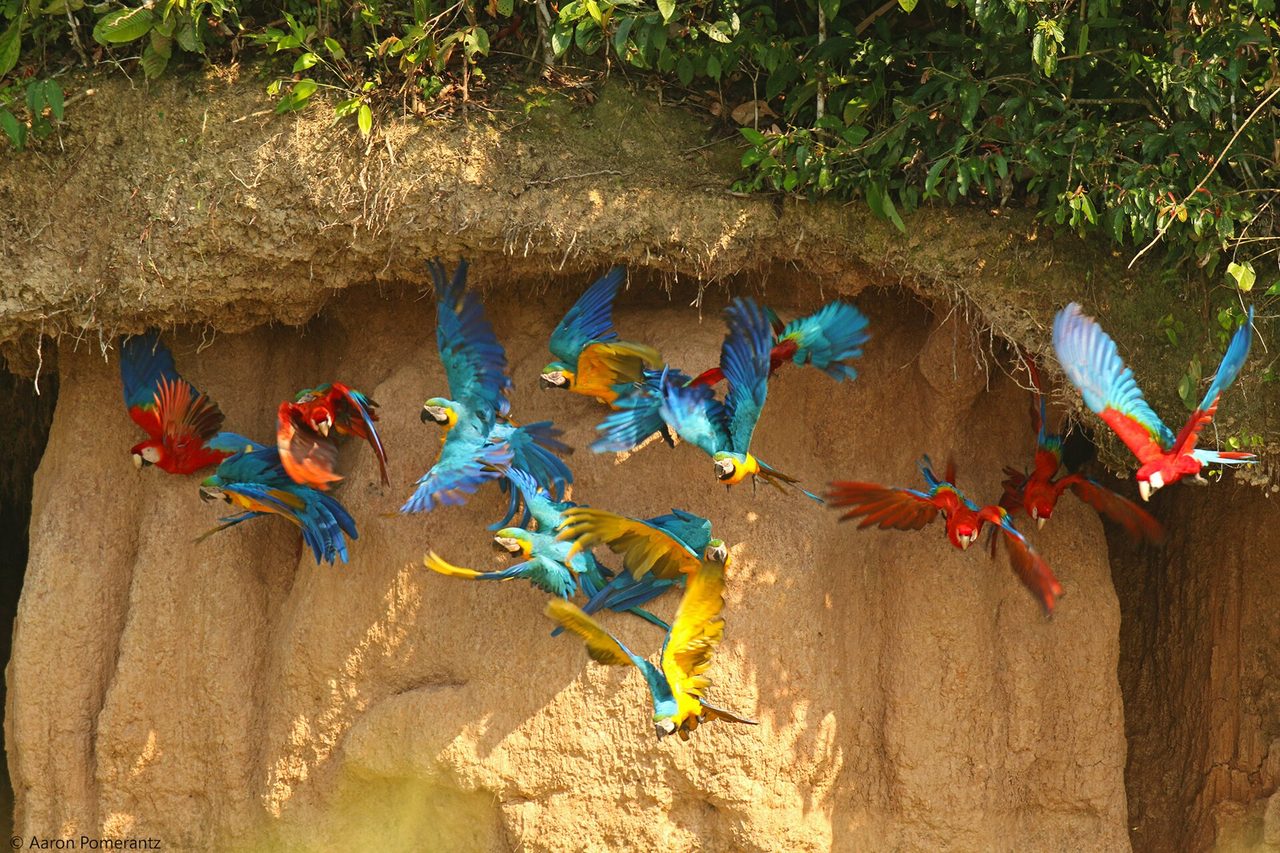
This is the part of Peru people most often skip and most often regret skipping. A few days at a jungle lodge — reached by boat from Puerto Maldonado or Iquitos — drops you into a world of macaw clay licks, monkeys, caimans and night walks alive with sound. You don’t need to be a hardcore naturalist to love it; you just need to swap your itinerary’s “one more ruin” for “three nights in the rainforest.” Our Peruvian Amazon guide compares the gateways and lodges.
The Nazca Lines and Huacachina
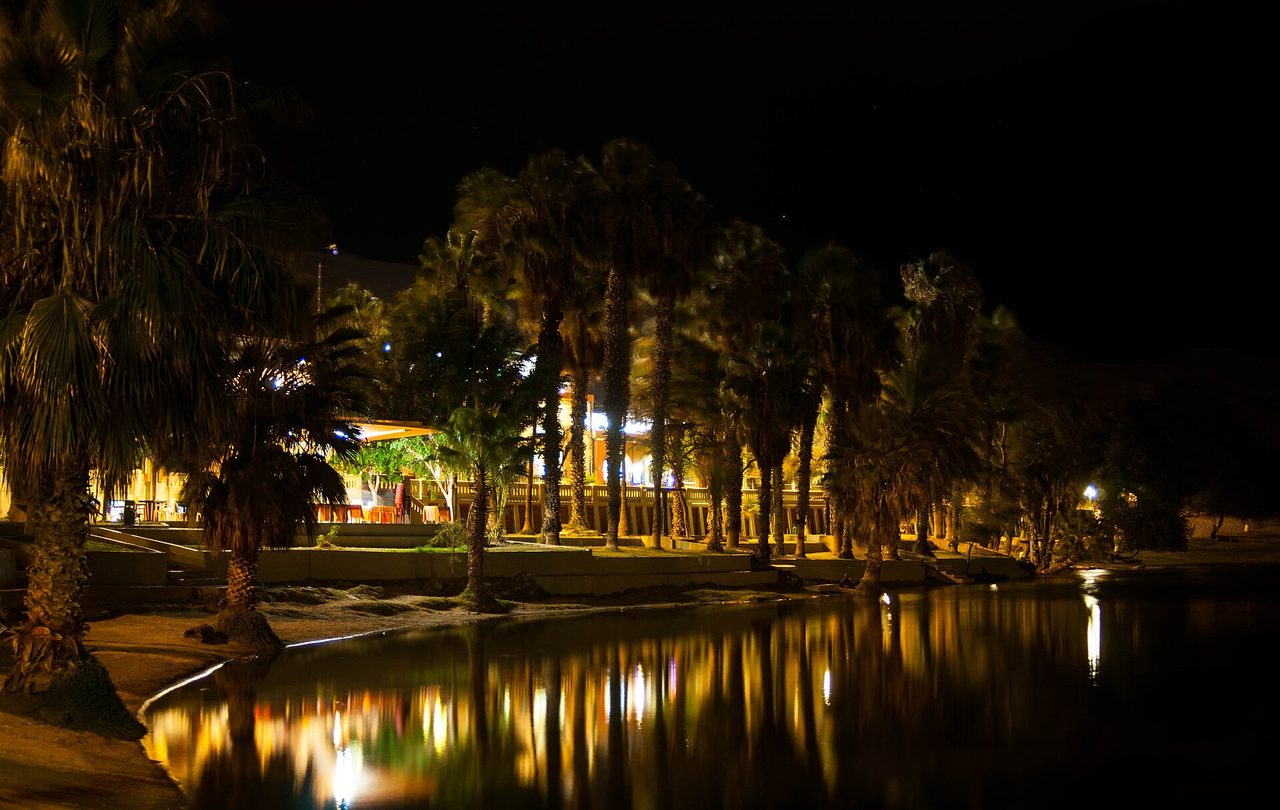
Peru’s south coast is its weird, wonderful underbelly. The Nazca Lines — giant geoglyphs of a hummingbird, a monkey and a condor scratched into the desert over 1,500 years ago — only really make sense from a small plane overhead. A couple of hours north, Huacachina is a palm-fringed lagoon marooned in towering dunes, and the dune-buggy and sandboarding runs at sunset are the most pure fun I had in Peru. Both pair naturally with the wildlife-packed Ballestas Islands near Paracas.
Eating your way through Lima
Lima surprises people. The capital’s coastal neighborhoods of Miraflores and Barranco have, by common consent, some of the best restaurants on Earth — and you don’t need a tasting-menu budget to eat brilliantly. A bowl of fresh ceviche at a neighborhood cevichería, an anticucho (beef-heart skewer) from a street grill, a lomo saltado — this is reason enough to build in two Lima days at the start or end. See our Lima guide and the deep dive on Peruvian food.
The best things to do in Peru by interest
Peru rewards almost any obsession. Here’s how I’d steer you depending on what makes you tick.
For adventure and trekking
This is a hiker’s country. The classic Inca Trail to Machu Picchu is the headline (book permits months ahead), but the Salkantay trek is arguably more spectacular and needs no permit. For raw mountain scenery without the Machu Picchu crowds, base yourself in Huaraz and hike to the electric-blue Laguna 69. Add sandboarding on the coast and white-water rafting near Cusco and you’ve got a full adrenaline itinerary — see all the options in adventure activities in Peru and the roundup of the best treks in Peru.
For history and ancient ruins
Machu Picchu is the famous one, but Peru is wall-to-wall with civilizations that rose and fell long before the Inca. Don’t miss the cliff-top fortress of Kuélap (the “Machu Picchu of the north,” older and far emptier), the vast adobe city of Chan Chan near Trujillo, and the enigmatic carvings of Chavín de Huántar. Our guides to Inca ruins beyond Machu Picchu and Peru’s UNESCO World Heritage Sites map the lot.
For food lovers
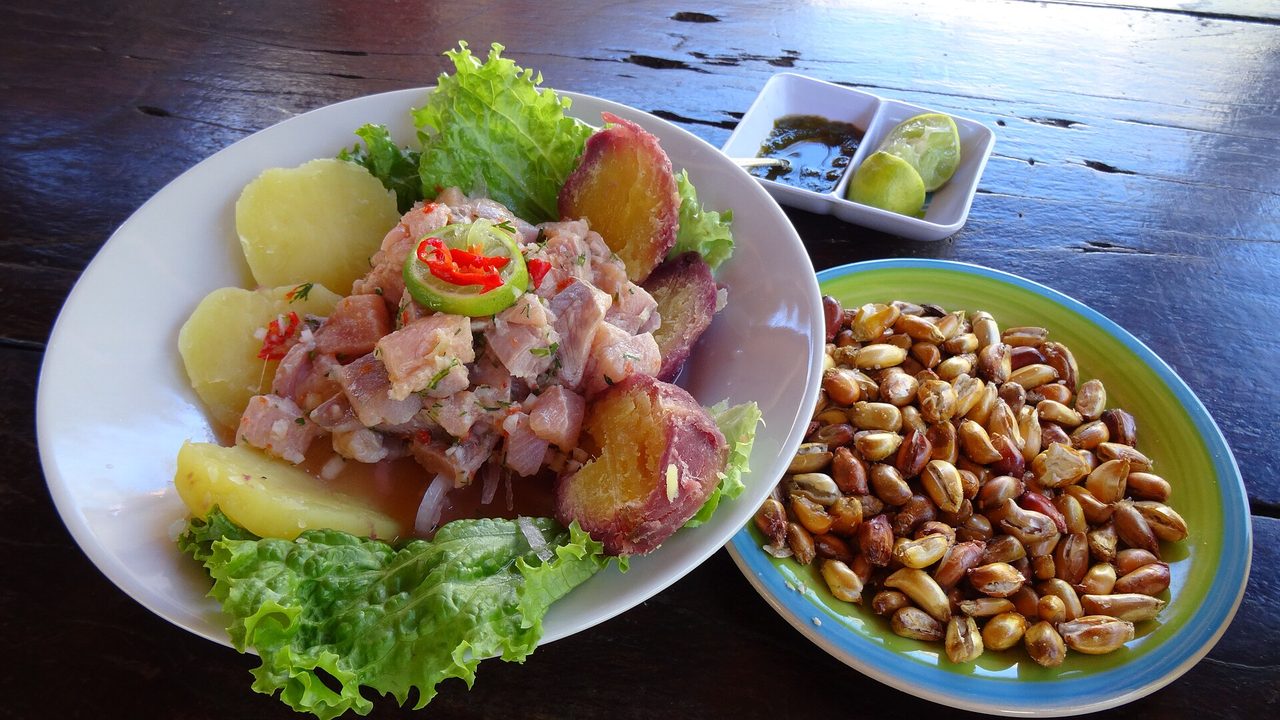
Peru has been named the world’s best culinary destination more times than I can count, and once you’ve eaten here you’ll understand why. Start with ceviche — raw fish “cooked” in lime with chili and red onion — then work through lomo saltado, ají de gallina, anticuchos and a pisco sour or two. Do a market tour or a cooking class; both are among the best things to do in Peru if you like to eat. The full Peruvian food guide tells you what to order and where.
For wildlife and nature
Between the Amazon, the Andes and the cold Pacific, Peru is a wildlife heavyweight. The rainforest delivers monkeys, macaws and caimans; the Ballestas Islands swarm with sea lions, penguins and seabirds; and Colca Canyon is one of the most reliable places on earth to watch wild condors. Our Peru wildlife guide rounds up the best spots and seasons.
For culture and festivals
Time your trip right and you’ll catch one of South America’s great spectacles. Inti Raymi, the Inca Festival of the Sun, fills Cusco and Sacsayhuamán every June 24; the Sunday market at Pisac is a riot of textiles and produce; and countless smaller fiestas erupt across the highlands year-round. See the calendar in our guide to festivals in Peru.
Peru region by region
If you’d rather think geographically, here’s what each part of the country is best for — and how it connects.
Cusco and the Sacred Valley
The heart of any first trip. Cusco is your base; the Sacred Valley and Machu Picchu are the headline acts, with Rainbow Mountain and Humantay Lake as day trips. Most people give this region four to six days, and you could happily spend more.
Lima and the central coast
Your likely arrival point, and far more than a transit stop. Beyond the food and the cliff-top Miraflores boardwalk, Lima has pre-Inca pyramids in the middle of the city and a genuinely great museum scene. Two days is plenty for most.
The southern desert coast
South of Lima, the Paracas–Ica–Nazca corridor strings together the Ballestas Islands, the Huacachina dunes and the Nazca Lines — an easy, fun two-to-three-day add-on by bus.
Arequipa, Colca and Lake Titicaca
The classic southern circuit. Pair the White City of Arequipa and Colca Canyon with Lake Titicaca, then continue overland to Cusco. It’s a beautiful, high-altitude few days — build in time to acclimatize.
The Amazon
Reachable by a short flight from Cusco (to Puerto Maldonado) or Lima (to Iquitos), the Peruvian Amazon is the easiest “completely different world” to bolt onto any itinerary. Three nights at a lodge is the sweet spot.
Northern Peru
The road less traveled: the surf town of Máncora, the cloud-forest fortress of Kuélap, and the ancient cities around Trujillo and Chiclayo. Fewer crowds, more legwork — perfect for a second trip. Our northern Peru guide has routes.
Free and offbeat things to do
Plenty of the best things to do in Peru cost nothing: wandering Cusco’s San Blas lanes, watching the sunset over Lima’s cliffs, browsing Andean markets, or joining a free walking tour. And if you’ve done the classics, there’s a whole layer of unique and offbeat experiences — from the Choquequirao trek to the pre-Inca pyramids of the north. See our roundups of free things to do in Peru and the overall best places to visit.
How to fit it together: planning your Peru trip
Knowing the best things to do is half the battle; the other half is stitching them into a trip that doesn’t leave you exhausted or altitude-sick. Here’s the practical layer.
How many days do you need?
For the classic first trip — Lima, Cusco, the Sacred Valley and Machu Picchu — give yourself 7 to 10 days. Ten days lets you add either Lake Titicaca or the Amazon without rushing; two full weeks lets you fold in the southern circuit (Arequipa, Colca, Titicaca) or a few jungle nights. Fewer than seven days and you’ll spend too much of the trip in transit. Our Peru itineraries hub has ready-made routes for 5, 7, 10 and 14 days.
When to go
The dry season (May to September) is peak for a reason: clear Andean skies and reliable trekking, especially June to August. The shoulder months — April, May, late September and October — are my sweet spot, with good weather and thinner crowds. The wet season (roughly December to March) brings green hillsides, lower prices and afternoon rain in the mountains; note the Inca Trail closes every February. The full breakdown is in best time to visit Peru.
Getting around
Peru is big and the terrain is brutal, so most travelers fly the long hops (Lima–Cusco, Lima–Arequipa) and take comfortable long-distance buses or trains for the scenic shorter legs. Within the Cusco region, shared vans and taxis cover most day trips. The trains to Machu Picchu are an experience in themselves. See getting around Peru for the routes and booking tips.
What it costs
Peru works on almost any budget. Backpackers get by on US$40–60 a day; a comfortable mid-range trip runs US$100–150 a day; and the sky’s the limit at the luxury end (Belmond trains, Relais & Châteaux jungle lodges). The big-ticket items are domestic flights, the Machu Picchu train and multi-day treks. Our Peru trip cost guide breaks it down.
Where to stay
From Cusco boutique hotels in converted colonial mansions to riverside Amazon lodges and Sacred Valley retreats, the range is huge and generally great value. Our where to stay in Peru guide sorts it by city and style.
Safety, altitude and health
Peru is a rewarding but high place. The single most important planning decision is to acclimatize before any hard hiking — spend your first days in the lower Sacred Valley or Arequipa rather than charging straight up to Cusco’s 3,400 m. Beyond that, normal city common sense applies. Everything you need is in our Peru travel tips and safety guide.
If you only have a week (or two)
To turn all of the above into something concrete, here are the shapes I’d book:
- One week (7 days): Lima (2 nights, eat well) → fly to Cusco → Sacred Valley to acclimatize → Machu Picchu → Cusco. The greatest-hits trip.
- Ten days: the week above, plus either three nights in the Amazon (fly from Cusco) or two nights on Lake Titicaca.
- Two weeks: add the southern circuit — Arequipa, Colca Canyon and Lake Titicaca — then continue to Cusco and Machu Picchu, finishing with the south-coast dunes and Nazca Lines on the way back to Lima.
Mix and match around your own must-dos; the itineraries hub has detailed day-by-day versions of each.
Easy day trips from Cusco
Because almost everyone bases themselves in Cusco for several days, it’s worth knowing just how much you can see on day trips without changing hotels. These are the ones I’d prioritize:
- The Sacred Valley loop — Pisac ruins and market, Ollantaytambo, and the Maras salt pans, all doable in a (long) day, though it deserves an overnight. See the Sacred Valley guide.
- Rainbow Mountain — a pre-dawn start and a high-altitude hike reward you with those famous stripes. Read the Rainbow Mountain guide first.
- Humantay Lake — a shorter, gorgeous glacial-lake hike that makes a gentler alternative; details in the Humantay Lake guide.
- Maras and Moray — the salt terraces and the Inca crop-testing rings, often combined with the Sacred Valley. See Maras & Moray.
- Sacsayhuamán and the Cusco ruins — the giant zigzag walls just above town, plus Q’enqo, Puka Pukara and Tambomachay on the same ticket. See the Sacsayhuamán guide.
With four or five Cusco nights you can do Machu Picchu plus two or three of these, which is why the region is the backbone of nearly every itinerary.
Getting to Peru: the practical first steps
Almost everyone flies into Lima’s Jorge Chávez airport, the country’s main hub, then connects onward by a short domestic flight — Lima to Cusco is about 80 minutes and the single most-booked route in the country, so reserve it early in high season. Citizens of the US, UK, EU, Canada, Australia and many other countries don’t need a visa for tourist stays of up to 90–183 days; you just need a passport valid for at least six months and proof of onward travel.
Once you land, grab an affordable local SIM or eSIM at the airport, change a little cash into soles (cards are widely accepted in cities but handy to have for markets and small towns), and resist the urge to charge straight up to altitude. If your first stop is Cusco, plan a quiet first day. The nuts and bolts — transport between regions, money, connectivity and health — are all in our getting around Peru and travel tips guides.
First trip or fifth: how to choose what to do
If it’s your first time, don’t overthink it: Lima for the food, then Cusco, the Sacred Valley and Machu Picchu, with Lake Titicaca or the Amazon if you have ten days. It’s the classic route because it works.
If you’re coming back, this is where Peru really opens up. Trek to Choquequirao or through the Cordillera Blanca around Huaraz; explore the northern ruins around Kuélap and Trujillo; surf at Máncora; or go deep into the Amazon at a remote Manu or Tambopata lodge. The crowds thin out fast once you step off the main trail, and some of my favorite days in Peru have been in places most visitors never reach — the offbeat experiences guide is built for exactly this.
More standout experiences worth your time
Once you’ve locked in the headliners, here are the experiences I’d reach for next — the ones that turn a good Peru trip into a great one.
- Maras and Moray — the dazzling white salt terraces and the Inca’s concentric agricultural laboratory, an easy half-day from the Sacred Valley. See the Maras & Moray guide.
- The Choquequirao trek — Machu Picchu’s remote “sister city,” reached only on foot, with a fraction of the visitors. One of the most rewarding hard hikes in the country.
- Humantay Lake — a turquoise glacial lake below Salkantay, doable as a day trip from Cusco and a gentler alternative to Rainbow Mountain. Details in the Humantay Lake guide.
- The Ballestas Islands and Paracas — Peru’s “poor man’s Galápagos,” with sea lions, Humboldt penguins and clouds of seabirds, plus the desert-meets-ocean Paracas reserve. See the Ballestas Islands guide.
- Kuélap and the Gocta waterfall — the headline acts of the far north: a cloud-forest fortress reached by cable car and one of the world’s tallest waterfalls. Start with the Kuélap guide.
- Huaraz and the Cordillera Blanca — Peru’s trekking capital, with day hikes to glacial lakes like the unreal Laguna 69 and the classic Santa Cruz trek. See Huaraz.
- Chan Chan and the Moche pyramids — the largest adobe city in the Americas and the painted temples of the Moche, all around Trujillo on the north coast.
- Máncora — warm water, easy surf and beach-bar evenings on the far north coast; the antidote to high-altitude trekking. See the Máncora guide.
- The Belmond Hiram Bingham train — if you want to splurge once, the vintage dining train to Machu Picchu is a glorious way to do it.
- A Lima food tour or cooking class — the most delicious half-day in the country, and the best crash course in why Peruvian food is world-famous.
The best things to do in Peru by traveler type
Families
Peru is a brilliant family destination if you pace the altitude. Kids love the llamas at Machu Picchu, the reed boats on Lake Titicaca, the dune buggies at Huacachina and the wildlife of the Amazon. Stick to gentler hikes, build in rest days, and lean on the lower-altitude Sacred Valley as a base.
Couples and honeymooners
Few places are as quietly romantic as a Sacred Valley lodge or a private Amazon cabin. Sunrise at Machu Picchu, a candlelit cevichería in Barranco, the luxury train across the altiplano — Peru does romance without trying. Our where to stay guide flags the most romantic hotels.
Solo and budget travelers
Peru is one of South America’s easiest and most affordable countries for independent travel, with a well-worn gringo trail, cheap and excellent food, and hostels everywhere. Buses are comfortable and safe between major hubs, and it’s easy to meet people on group treks and tours.
Mistakes to avoid
- Underestimating the altitude. Don’t fly into Cusco and hike Rainbow Mountain the next morning. Acclimatize first — ideally in the lower Sacred Valley or Arequipa.
- Trying to see everything. Peru is enormous. Pick two or three regions and do them well rather than spending your trip on planes and buses.
- Booking Machu Picchu and the Inca Trail too late. Permits and the best circuits sell out months ahead in high season — lock them in before your flights.
- Skipping Lima. “It’s just the airport city” is a costly myth. Give it two days for the food alone.
- Ignoring the Amazon and the south coast. They’re the easiest ways to add variety, and they’re what people rave about later.
Travel responsibly in Peru
Peru’s biggest draws are under real pressure. Machu Picchu now sees well over a million visitors a year, which is exactly why the timed-entry tickets, one-way circuits and daily caps exist — they’re a little frustrating to navigate, but they’re keeping the site standing, so plan around them rather than against them. The same goes for the strict permit limits on the Inca Trail.
A few habits go a long way. Book through reputable, ideally locally owned operators — it matters most on treks, where porter welfare varies enormously between companies. Lean into community-based tourism: a homestay on Lake Titicaca, a weaving demonstration in a Sacred Valley co-op, or a meal cooked by a local family puts your money directly into the communities that make Peru special. Buy crafts from the artisans who made them rather than airport stalls, and pay a fair price — the haggling here is gentle.
On the trails and in the parks, the usual rules apply with extra force at altitude, where the landscape recovers slowly: carry out your rubbish, stick to marked paths, and skip the single-use plastics (they’re banned at Machu Picchu anyway). Treat the high lakes, the rainforest and the ruins as the once-in-a-millennium places they are, and they’ll still be here for the next traveler. Our Peru travel tips guide has more on traveling thoughtfully.
Is Peru worth visiting?
Completely. I’ve traveled a lot of South America, and no other country crams in this much variety: world-class ruins, the planet’s best food scene, the Amazon, the high Andes, surf beaches and desert oases — all in one trip, all reachable on a decent network of cheap flights and comfortable buses. It’s affordable, the people are warm, and the gringo trail is well-worn enough to be easy without feeling packaged. The only real downside is that one trip is never enough; most people I know who go once start planning the next before they’re home.
When to do what: timing each experience
A few experiences are season-sensitive, so if your dates are fixed it helps to know:
- Trekking (Inca Trail, Salkantay, Huaraz): best May–September; the Inca Trail closes every February.
- Machu Picchu and the Andes: clearest May–September; greener and quieter April, October–November.
- The Amazon: the drier months (roughly May–September) make wildlife-watching and trails easier.
- The south-coast beaches and Huacachina: warmest and sunniest December–March.
- Festivals: Inti Raymi fills Cusco on June 24; Semana Santa (Easter) is huge in Ayacucho and Cusco.
For the full picture, see best time to visit Peru.
Things to do in Peru: FAQ
What is Peru best known for?
Machu Picchu and the Inca legacy above all — the citadel, Cusco and the Sacred Valley. But Peru is also famous for its food (regularly voted the world’s best culinary destination), the Amazon rainforest, Lake Titicaca, the Nazca Lines, and Andean culture and textiles.
What is the number one thing to do in Peru?
Visiting Machu Picchu. It’s the country’s most famous sight and, unusually for a mega-attraction, it genuinely lives up to the hype. Pair it with Cusco and the Sacred Valley and you have the heart of any first trip.
What are the best things to do in Peru besides Machu Picchu?
Plenty: a boat trip on Lake Titicaca, condor-watching at Colca Canyon, a few nights in the Amazon, sandboarding at Huacachina, flying over the Nazca Lines, eating through Lima, and hiking Rainbow Mountain.
How many days do you need in Peru?
Seven to ten days covers the classic Lima–Cusco–Sacred Valley–Machu Picchu loop comfortably. Two weeks lets you add the southern circuit (Arequipa, Colca, Titicaca) or the Amazon. Fewer than seven days means a lot of time in transit. See our Peru itineraries.
What is the best time of year to visit Peru?
The dry season, May to September, for the clearest mountain weather and best trekking — though it’s the busiest. April, May, September and October are a great-weather, lower-crowd compromise. The wet season (December–March) is green, cheaper and quieter, with afternoon rain in the highlands.
Is Peru safe for tourists?
Generally yes. Millions visit every year without trouble. Use normal city sense in Lima and Cusco (watch for pickpockets, use registered taxis), keep an eye on the news for occasional transport strikes, and respect the altitude. Our Peru travel tips cover safety and health in full.
Is Peru expensive to visit?
No — it’s one of the better-value destinations in South America. Backpackers manage on US$40–60 a day and mid-range travelers on US$100–150. The big costs are domestic flights, the Machu Picchu train and multi-day treks. See our Peru trip cost guide.
What food should I try in Peru?
Start with ceviche, then lomo saltado, ají de gallina, anticuchos, and a creamy causa; wash it down with a pisco sour or a glass of chicha morada. In the highlands, try alpaca and, if you’re game, cuy (guinea pig). Our Peruvian food guide has the full menu.
Do you need to acclimatize to the altitude?
Yes. Cusco sits at 3,400 m and the Andes go higher, so build in two or three easy days before any hard hiking. Starting in the lower Sacred Valley or Arequipa helps a lot. Drink water, take it slow, and lean on coca tea like the locals.
What is the best region of Peru to visit?
For a first trip, the Cusco region — Cusco city, the Sacred Valley and Machu Picchu — is unbeatable and where most of the greatest hits cluster. Add the southern circuit or the Amazon if you have two weeks. The north is the reward for a second visit.
Can you visit Peru without hiking?
Absolutely. You can reach Machu Picchu entirely by train, watch condors at Colca from a lookout, cruise Lake Titicaca, eat through Lima, and explore the Sacred Valley by van — all with minimal walking. The treks are optional highlights, not requirements.
What is the best Peru itinerary for first-timers?
The classic loop is hard to beat: two nights in Lima for the food, then fly to Cusco and head straight to the lower Sacred Valley to acclimatize, visit Machu Picchu by train, and spend your last couple of days exploring Cusco itself. With ten days, add either Lake Titicaca or three nights in the Amazon. Our itineraries hub lays it out day by day.
Do you need a guide to travel in Peru?
Not for the country generally — the gringo trail is easy to do independently. But a licensed guide is officially required to enter Machu Picchu, and a good guide transforms the ruins, the Sacred Valley sites and the Amazon, where local knowledge is the difference between “nice trees” and spotting a sloth overhead. For treks, a guide (and operator) is essential.
Final thoughts
The best things to do in Peru aren’t really a checklist — they’re a sequence of contrasts. You go from a misty mountaintop ruin to a riot of color at a market, from the silence of the high lake to the roar of the rainforest at night, from a 1,500-year-old line in the desert to the best plate of food you’ve had in years. Pick the experiences that pull at you, give yourself room to slow down, and let Peru do the rest. Start with Machu Picchu, then build outward — and don’t be surprised when one trip turns into a plan for the next.
Sources
- PROMPERÚ — the official Peru tourism board
- UNESCO World Heritage Centre — Peru’s World Heritage Sites
About this guide: Written by the Peru Tourism Guide team — writers and trip-planners who have explored Peru’s coast, Andes and Amazon over many trips. We keep this guide current as routes, prices and seasons change.
Last updated: June 2026.