Cusco Travel Guide: The Best Things to Do in Cusco (2026)
What to do in Cusco, Peru's Inca capital: the top sights, day trips to Machu Picchu and Rainbow Mountain, where to stay, eat and sleep, and how to handle the altitude.

Most people treat Cusco as a place to sleep before Machu Picchu. That’s a mistake, and one I made on my first trip — I gave it a single rushed night and spent the next decade going back to make up for it. The former capital of the Inca empire is one of the most rewarding cities in South America: a 3,400-metre maze of Inca stone walls, gold-lined colonial churches and steep cobblestone lanes that climb to viewpoints over a sea of red-tiled roofs.
This guide covers the best things to do in Cusco, the day trips that fan out from it, where to stay, what to eat, and — crucially — how to handle the altitude so you actually enjoy it. It’s the city nearly every Peru trip pivots around, so it’s worth getting right.
The short version: the best things to do in Cusco are wandering the Plaza de Armas and the San Blas artists’ quarter, touring the Inca-and-colonial wonders of Qorikancha and the Cathedral, browsing the San Pedro market, and using the city as a base for the Sacred Valley, Machu Picchu and Rainbow Mountain. Give it three or four days — the first one slow, for the altitude.
Who this is for: anyone basing themselves in Cusco (which is almost everyone visiting Peru). It links out to deeper guides as we go, and sits within our wider roundup of things to do in Peru.
Cusco at a glance
A bit of orientation makes everything easier:
- What it is: the historic capital of the Inca empire and a UNESCO World Heritage city, where Inca foundations literally hold up Spanish colonial buildings.
- Elevation: about 3,400 m (11,150 ft) — high enough that altitude is the first thing to plan around.
- Why you’re here: Cusco is the gateway to Machu Picchu, the Sacred Valley, the Inca Trail and Rainbow Mountain — but it’s a headline destination in its own right.
- How long: three to four days lets you see the city and do a couple of big day trips without rushing the altitude.
- Getting here: a short flight from Lima (about 80 minutes) is how most people arrive.
| Do this in Cusco | Roughly how long | Good for |
|---|---|---|
| Plaza de Armas & the Cathedral | Half a day | The historic heart, art and people-watching |
| Qorikancha (Temple of the Sun) | 1–2 hours | The single best Inca-meets-colonial site in the city |
| San Blas & the Twelve-Angled Stone | Half a day | Artisans, viewpoints, Inca masonry |
| San Pedro Market | 1–2 hours | Food, juices and local color |
| Sacsayhuamán & the nearby ruins | Half a day | Colossal Inca walls above the city |
| Day trips (Sacred Valley, Machu Picchu, Rainbow Mountain) | 1 day each | The region’s greatest hits |
First, the altitude (read this before anything else)
I’ll be blunt: the fastest way to ruin your Cusco days is to fly in from sea level and immediately go hard. At 3,400 m there’s roughly a third less oxygen than at the coast, and a lot of visitors feel it — headache, breathlessness, poor sleep, the works. The good news is that it’s very manageable if you respect it.
My rules: take the first day almost completely easy (a gentle stroll around the Plaza, an early night). Drink far more water than feels normal, go light on alcohol for 48 hours, and lean on coca tea like the locals do. If you’re heading onto a trek, give yourself at least two or three days at altitude first. And here’s the pro move — if your schedule allows, spend your first night or two lower down in the Sacred Valley (around 2,800 m) and come up to Cusco once you’ve adjusted. Our dedicated Cusco altitude guide and the broader altitude sickness guide have the full prevention-and-treatment rundown; if symptoms get severe, see a doctor (Cusco has clinics used to this).
The best things to do in Cusco city
You could fill three days inside the city without ever taking a tour bus. Here’s what I’d prioritize, roughly in the order I’d do it.
The Plaza de Armas and the Cathedral
Cusco’s main square is the obvious starting point and a genuinely lovely one — arcaded balconies, fountains, and two floodlit churches that look magnificent at night. The Cathedral holds an astonishing colonial art collection, including a famous Last Supper painting in which Jesus and the apostles are tucking into cuy (guinea pig). Sit on a balcony cafe with a coca tea and just watch the square for an hour; it’s the best free show in town.
Qorikancha, the Temple of the Sun
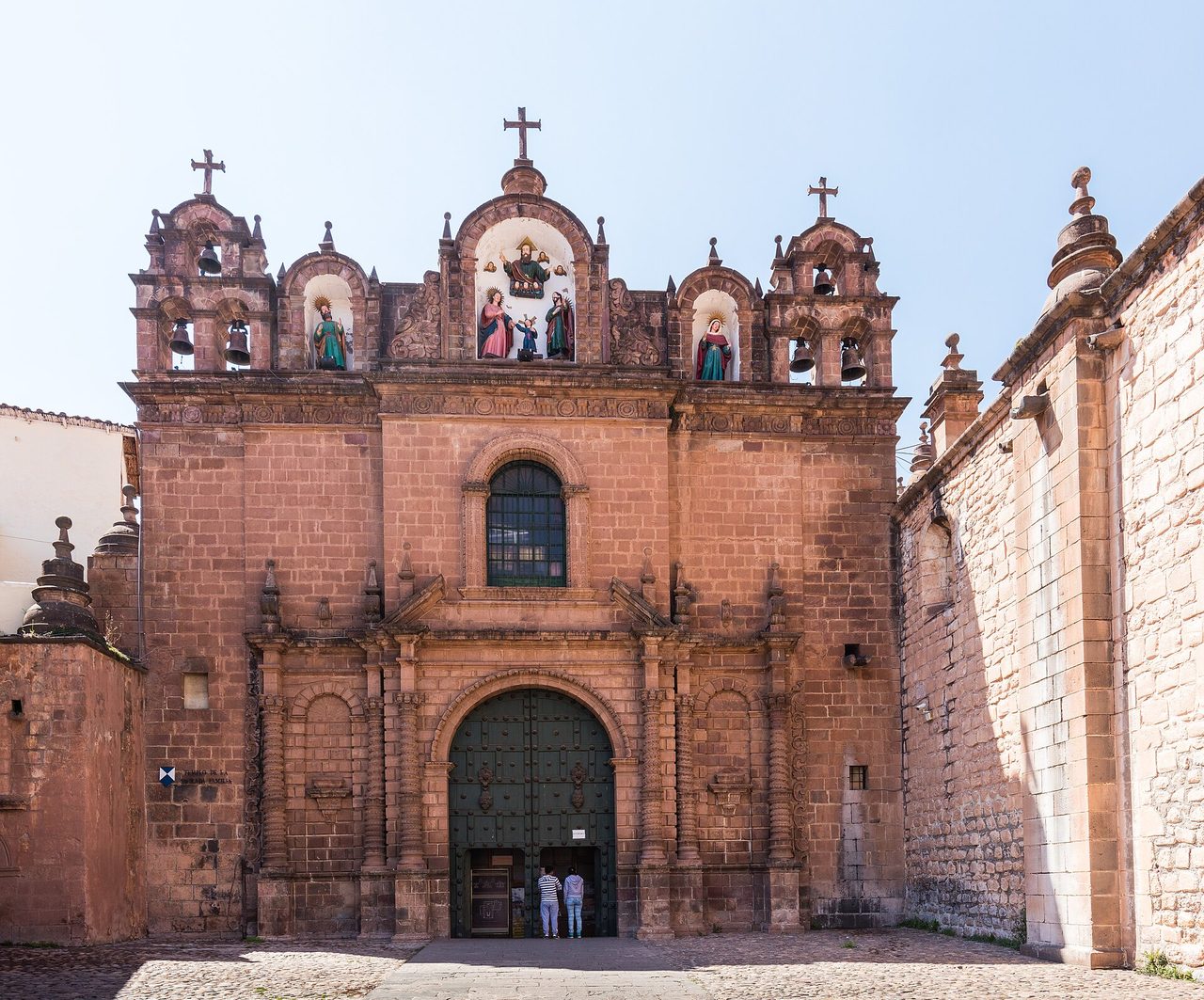
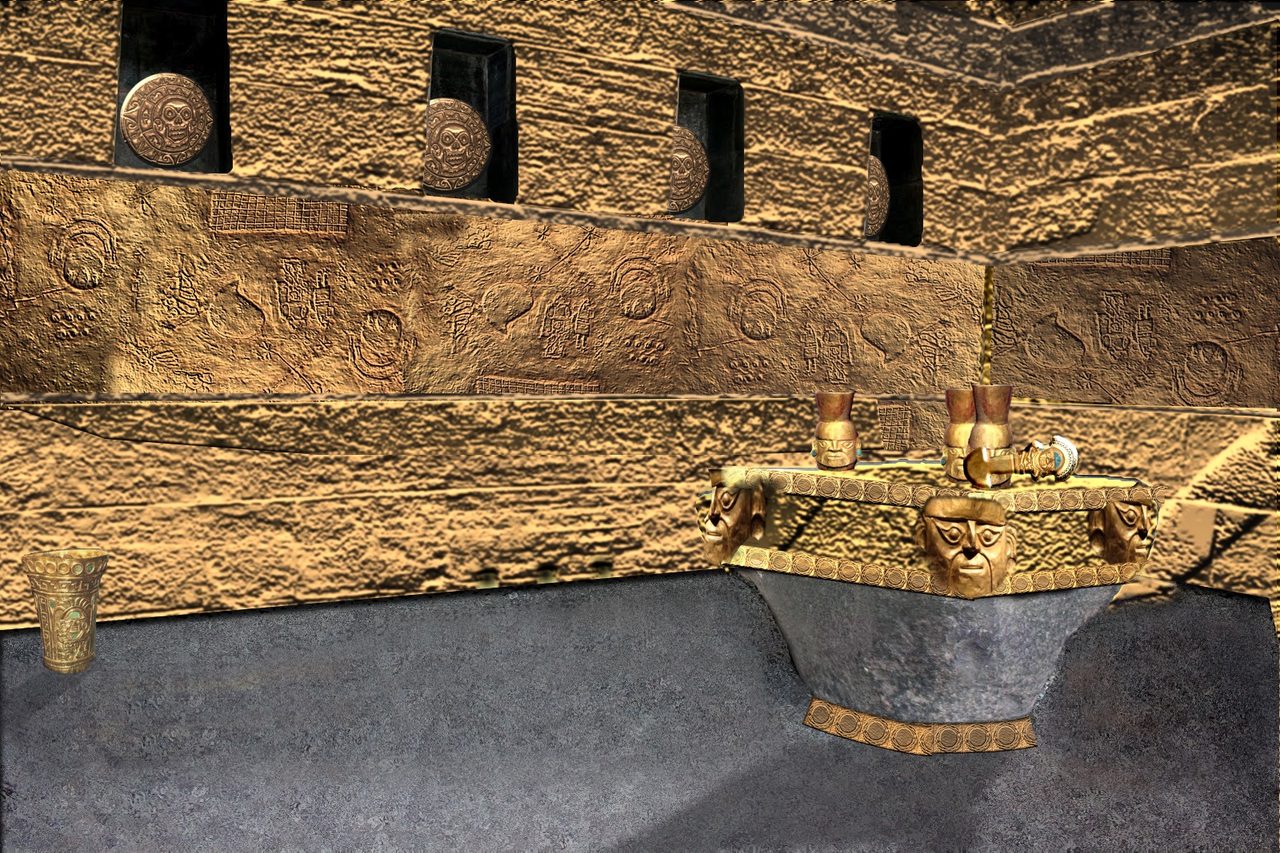
If you see one paid site in the city, make it Qorikancha. This was the Inca empire’s holiest temple, its walls once sheathed in sheets of gold; after the conquest the Spanish built the Santo Domingo convent directly on top of it. The result is unforgettable — flawless Inca stonework cradling colonial arches, a perfect snapshot of how Cusco was literally built on the Inca city. The precision of the masonry, curved and seamless, is staggering up close.
San Blas, the artists’ quarter
Uphill from the Plaza, San Blas is the prettiest and most atmospheric corner of Cusco: steep cobbled lanes, whitewashed houses, craft workshops and small cafes, with a little plaza and a viewpoint at the top that’s worth the climb (take it slowly — those stairs are a real altitude test). It’s the best neighborhood for browsing genuine Andean textiles and ceramics straight from the makers.
The Twelve-Angled Stone and the Inca walls
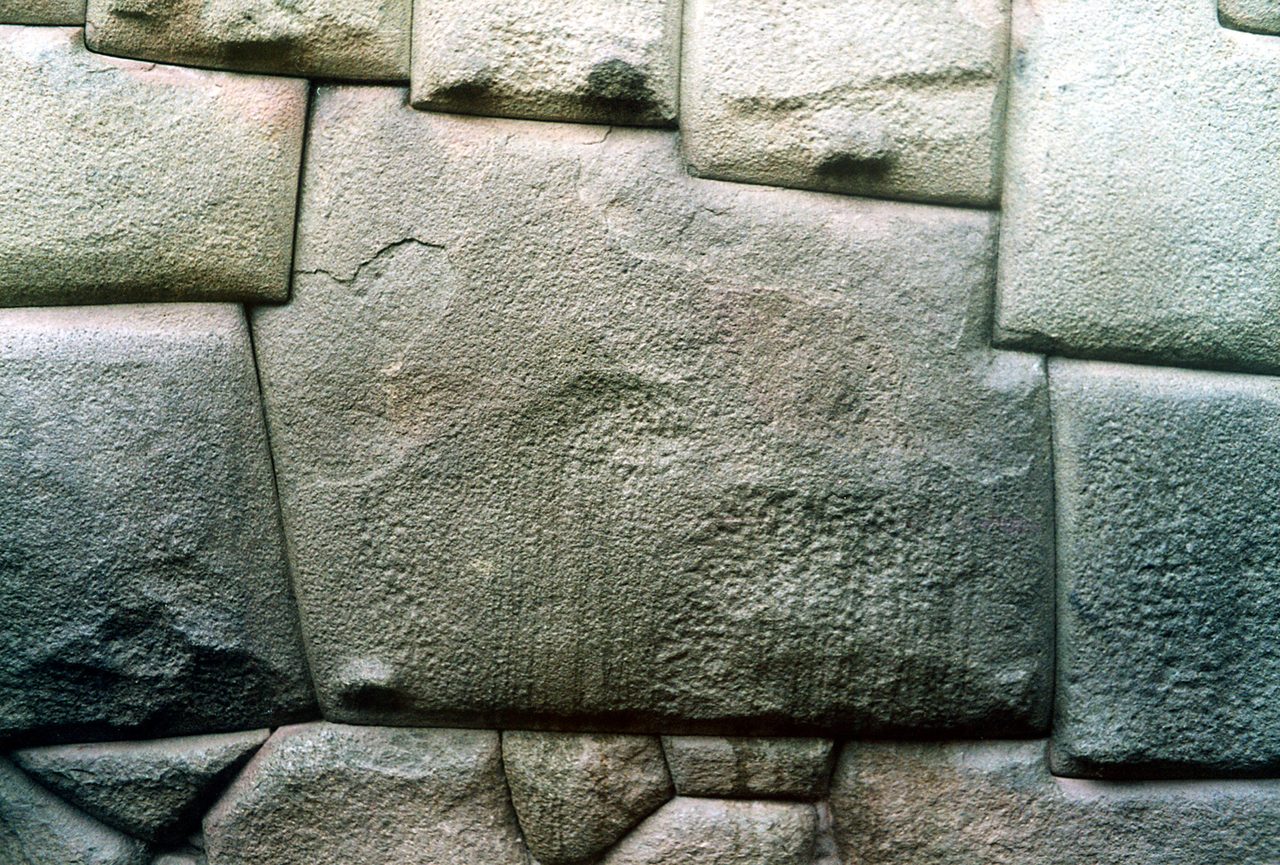
On Hatun Rumiyoc street, a single perfectly fitted block with twelve precisely cut angles draws a permanent little crowd — it’s become a symbol of Inca engineering. But don’t just photograph it and leave; the whole street is a wall of original Inca masonry, mortar-free and earthquake-proof, with the colonial city stacked on top. Run your hand along it and you’ll feel why these walls have outlasted everything built since.
San Pedro Market
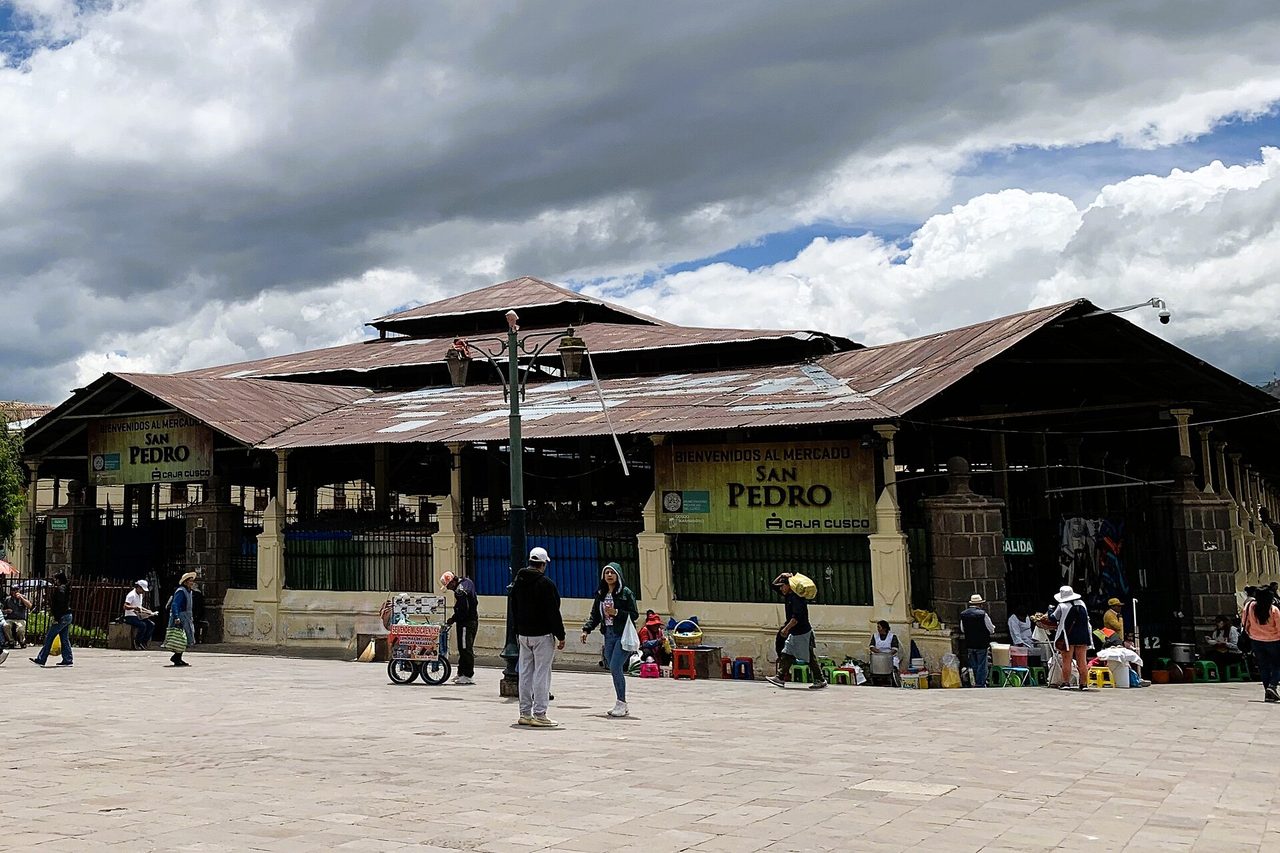
For a jolt of real, everyday Cusco, spend an hour in the San Pedro Market. It’s a riot of color and smell: pyramids of a thousand kinds of potato and corn, sacks of dried herbs, hanging sides of meat, and a row of juice stalls where a couple of soles buys a glass of fresh fruit blended to order. The food stalls at the back are where I eat a cheap, delicious lunch — soup, a plate of the day — surrounded by locals doing the same.
Museums and viewpoints
If you like museums, the Museo de Arte Precolombino (MAP) is a small, beautifully curated collection of pre-Columbian art, and the Inka Museum tells the empire’s story well. For views, climb (or taxi) up to the white Cristo Blanco statue and the San Cristóbal viewpoint at sunset, when the whole terracotta city glows below you. Chocolate lovers should drop into the ChocoMuseo for a bean-to-bar workshop. For the full list, including the genuinely good free options, see our guide to the best things to do in Cusco.
The Inca ruins above the city
A short way above Cusco sits a cluster of Inca sites that most people see together in a half-day, and they’re superb.
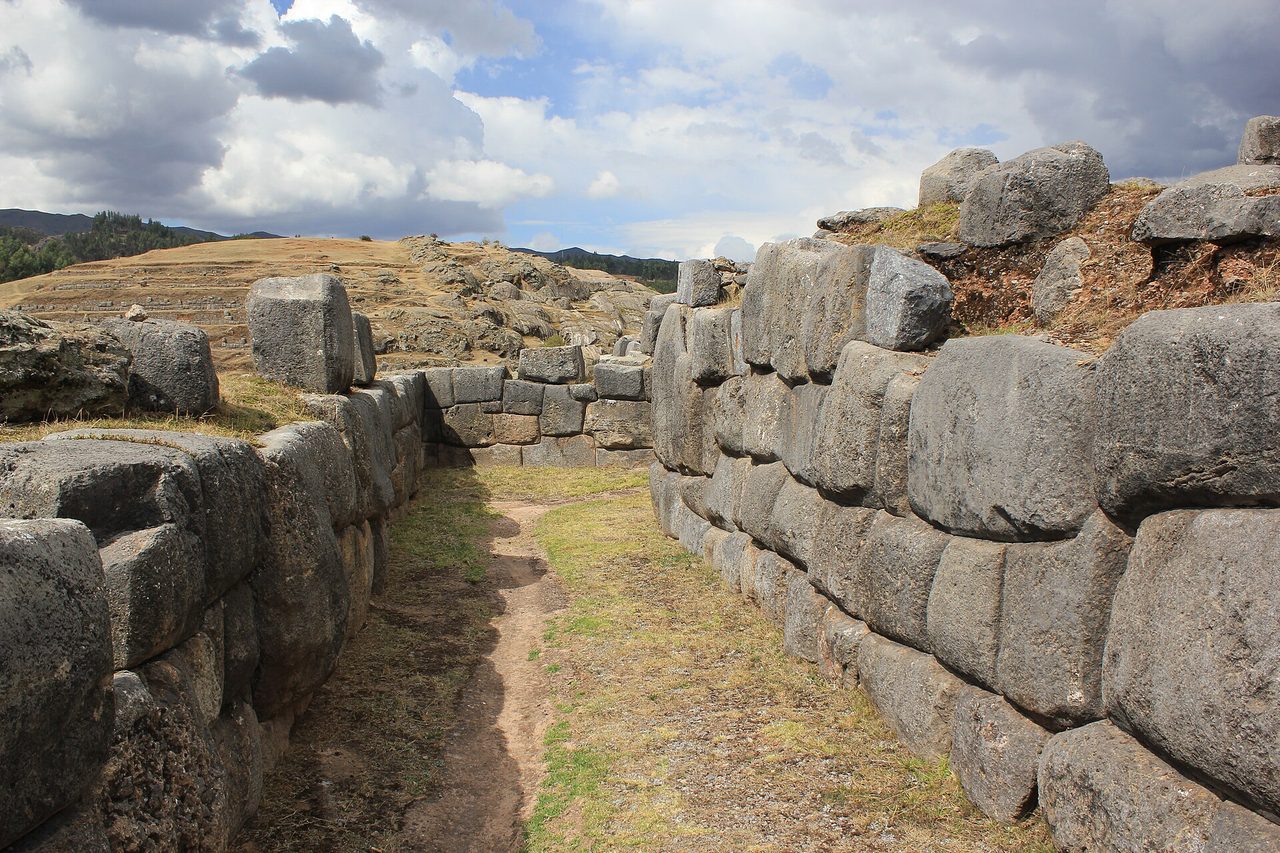
Sacsayhuamán is the headliner: a vast ceremonial fortress whose zigzag terraces are built from limestone blocks so enormous — some weighing over 100 tons — that nobody is entirely sure how the Inca moved and fitted them. Standing beneath those walls is one of the most humbling things you can do in Cusco, and the site looks straight down over the city. It’s also the stage for the spectacular Inti Raymi festival every June 24.
Nearby, and usually visited on the same loop, are Q’enqo (a carved ritual rock with an underground altar), Puka Pukara (a small reddish fort with valley views) and Tambomachay (the elegant “Inca baths,” a still-functioning system of ceremonial fountains). You can walk up to Sacsayhuamán from the Plaza in about 45 minutes, or take a cheap taxi and walk back down.
The Boleto Turístico: most of these ruins (and many Sacred Valley sites) aren’t sold individually — you buy the Boleto Turístico, Cusco’s combined tourist ticket. The full version covers 16 sites over 10 days; a partial ticket covers a smaller group for less. It’s good value if you’re seeing several sites, which most people are.
The best day trips from Cusco
Half the reason Cusco is so good is everything within reach of it. With three or four full days you can pair the city with two or three of these.
The Sacred Valley
The single best day trip — and arguably worth an overnight. The Sacred Valley strings together the terraced fortress of Ollantaytambo, the ruins and Sunday craft market of Pisac, and the surreal salt pans and crop-testing circles of Maras and Moray, all at a gentler altitude than Cusco. See our Maras & Moray guide for that pairing.
Machu Picchu
The obvious one. Cusco is the launchpad for Machu Picchu, whether you take the train via Ollantaytambo or trek in. It’s doable as a very long day, but an overnight in Aguas Calientes is far less stressful — our guide on getting from Cusco to Machu Picchu lays out every option.
Rainbow Mountain (Vinicunca)
The famous striped peak is a long day trip — a pre-dawn start, a three-hour drive and a hike that tops out above 5,000 m — but on a clear day it’s unforgettable. Only attempt it once you’re well acclimatized; full details are in the Rainbow Mountain guide.

Humantay Lake
My quiet favorite: a shorter, steep hike to a glowing turquoise glacial lake below the Salkantay peak. It’s less of a slog than Rainbow Mountain and, to my eye, just as beautiful. See the Humantay Lake guide.
For the complete rundown, including the South Valley sites and how to combine them, see our guide to the best day trips from Cusco.
Where to stay in Cusco
Where you sleep shapes your trip more than you’d expect, mostly because of the hills and the altitude. The main choices:
- The Historic Center (around the Plaza de Armas): the most convenient base — flat(ish), walkable, packed with restaurants, and where nearly every tour picks up. Best for a first or last night and for anyone who wants to minimize uphill walking while acclimatizing.
- San Blas: the most charming option, full of boutique hotels and views — but it’s steep and stair-heavy, which can be a lot on day one at altitude. Perfect once you’ve adjusted.
- San Cristóbal and the upper slopes: cheaper and with great views, at the cost of a climb home each night.
- The Sacred Valley: not Cusco at all, but worth mentioning — basing in the lower valley first is the smartest acclimatization strategy and suits hikers and families.
Cusco’s accommodation is excellent value, from beautiful hostels to converted colonial mansions with courtyards and heated floors (worth it — nights are cold). Our where to stay in Cusco guide breaks down the neighborhoods and my favorite hotels at each price point, and the country-wide where to stay in Peru hub puts it in context.
Food and restaurants in Cusco
Cusco eats well, and it’s a great place to try the heartier highland side of Peruvian cooking. Look for chiriuchu (a cold platter eaten at Corpus Christi), cuy (roast guinea pig — genuinely a delicacy, if you’re game), alpaca steaks (lean and delicious), and a steaming bowl of chairo soup on a cold night. The San Pedro Market, as I said, is the best cheap lunch in the city.
Beyond the market, Cusco has everything from cozy mid-range bistros to genuinely world-class tasting menus (the city has its own outpost of Peru’s fine-dining scene). A cooking class or market tour is one of the best things to do in Cusco if you like food — you’ll shop the market, learn about Andean ingredients, and cook your own ceviche and lomo saltado. For where to eat at every budget, see our best restaurants in Cusco guide and the wider Peruvian food guide. One practical note: eat lightly your first day — rich food and altitude don’t mix.
Nightlife and bars
For a high-altitude city, Cusco has a surprisingly lively after-dark scene, most of it clustered around and just off the Plaza de Armas. You’ll find everything from cozy pisco bars and craft-beer taprooms to late-night clubs full of travelers fresh off the Inca Trail. The rooftop bars around the square are my pick for an early evening pisco sour as the churches light up. If you want the full rundown of bars, clubs and the best spots for a quieter drink, see our Cusco nightlife guide — just remember that alcohol hits harder at 3,400 m, so pace yourself, especially early in your trip.
Free things to do in Cusco
One of Cusco’s best features is how much costs nothing. You could spend a full, rich day here without paying for a single ticket:
- The Plaza de Armas — sit, watch, soak up the floodlit churches at night.
- The Twelve-Angled Stone and the Inca walls of Hatun Rumiyoc and Loreto streets — free, and astonishing up close.
- San Blas — wander the lanes, browse the workshops, climb to the little plaza for the view.
- The Cristo Blanco and San Cristóbal viewpoints — the best free panoramas over the red roofs, especially at sunset.
- San Pedro Market — free to wander even if you don’t buy (though you’ll want a fresh juice).
- The Avenida El Sol murals and a free walking tour — an easy, low-altitude way to learn the history on day one.
It’s a backpacker’s dream and a great way to fill the slow first day your lungs need. For more, see our roundup of things to do in Cusco and free things to do in Peru.
Getting around Cusco
The historic center is compact and made for walking — just remember every direction seems to be uphill, and at 3,400 m that’s a workout, so take the lanes slowly, especially early in your trip. Taxis are cheap and everywhere; agree the fare before you get in or use a ride app, and stick to official taxis or apps after dark. Most tours and treks pick you up from central hotels, which is another reason to base near the Plaza. For the ruins above town you can walk up or grab a quick taxi, and for day trips you’ll either join a tour or take a shared colectivo van. You won’t need to rent a car — in fact I’d actively avoid driving here.
How to spend one day in Cusco
Short on time, or here on a layover before Machu Picchu? You can get a real taste of the city in a day, as long as you go gently on the altitude:
- Morning: the Plaza de Armas and the Cathedral, then Qorikancha — the city’s two essential sights, close together and low-effort.
- Lunch: the food stalls at San Pedro Market, or a cafe on the square.
- Afternoon: walk up into San Blas, find the Twelve-Angled Stone, and climb (slowly) to the San Cristóbal viewpoint.
- Evening: a pisco sour on a rooftop bar as the churches light up.
It’s a lot for one day at altitude, so don’t pile a hard activity on top — and ideally give Cusco longer if you can.
How to get to Cusco
Almost everyone flies. Cusco’s airport has frequent connections from Lima (about 80 minutes) and a few other Peruvian cities, plus some direct international flights from neighboring countries. The Lima–Cusco route is the busiest in the country, so book it early in high season and aim for a morning flight — afternoon departures are more prone to weather delays. If you have time and want to acclimatize gradually, the scenic overland routes from Arequipa or Puno (by bus or the tourist train) climb to Cusco over a day or so. Once you land, official airport taxis or your hotel’s pickup get you into the center in 15–20 minutes; our getting around Peru guide covers the wider connections. From Cusco onward, the train to Machu Picchu is the classic next leg — see Cusco to Machu Picchu.
How many days do you need in Cusco?
For the city plus the essentials, plan three to four days based in Cusco — one to acclimatize and explore the center, one for Sacsayhuamán and the nearby ruins, and one or two for day trips like the Sacred Valley and Machu Picchu. If you’re adding Rainbow Mountain, a trek, or more of the valley, build in more. Fewer than three days and the altitude will eat into everything. Our how many days in Cusco guide has sample lengths for different trip styles.
The best time to visit Cusco
Cusco has two clear seasons. The dry season (May to September) brings sunny days, cold nights and the best conditions for trekking — it’s peak season for good reason, and June is festival month, crowned by Inti Raymi on June 24. The wet season (December to March) is greener and quieter, with cheaper rooms but frequent afternoon rain (and the Inca Trail closed every February). My favorite windows are the shoulder months — April, May, September and October — with good weather and thinner crowds. The full breakdown is in our best time to visit Cusco guide, set within the country-wide best time to visit Peru overview.
Costs, safety and practical tips
Cusco is affordable by Western standards but pricier than the rest of Peru, simply because it’s the tourism hub. You can travel well on a mid-range budget, with the big costs being tours, the Boleto Turístico and onward transport to Machu Picchu; our Peru trip cost guide has the numbers. A few things I’ve learned:
- Carry small cash. Markets, taxis and small shops are cash-only; cards work in hotels and nicer restaurants.
- Dress in layers. Sunny days flip to genuinely cold nights; bring a warm layer and a rain shell.
- Use official taxis or apps rather than flagging cars at night, and keep an eye on your bag in crowded markets — petty theft is the main risk, and it’s easily avoided.
- Watch the sun. At altitude it burns fast; sunscreen and a hat are non-negotiable even when it’s cool.
For health, safety and packing in depth, see our Peru travel tips guide.
A sample 4-day Cusco plan
Here’s the rhythm I’d book for a first visit, assuming you arrive from sea level:
- Day 1: arrive, take it easy — Plaza de Armas, a slow lunch, coca tea, an early night. Nothing strenuous.
- Day 2: the city — Qorikancha, San Blas, the Twelve-Angled Stone and the San Pedro market, finishing at the San Cristóbal viewpoint for sunset.
- Day 3: Sacsayhuamán and the nearby ruins in the morning; afternoon free, or a half-day to Rainbow Mountain’s gentler cousin, Humantay Lake, if you’re acclimatized.
- Day 4: a full day in the Sacred Valley — or set off early for Machu Picchu.
More experiences in and around Cusco
Once you’ve done the headline sights, Cusco keeps giving. A few I’d single out:
- A weaving demonstration — at a traditional textile cooperative you’ll see how the dazzling Andean cloth is dyed with cochineal and plants and woven by hand. It’s the best way to understand (and ethically buy) the textiles you’ll see everywhere.
- The Cusco Planetarium — a small, charming look at how the Inca read the night sky, which reframes a lot of what you see at the ruins.
- A free walking tour — an easy, low-altitude way to get oriented on day one (tip your guide well).
- The South Valley — the quieter side trip most people miss: the water terraces of Tipón, the sprawling Wari ruins of Pikillacta, and the village church of Andahuaylillas, so lavishly painted it’s nicknamed the “Sistine Chapel of the Americas.”
- Adventure on the doorstep — Cusco is the start line for the Inca Trail and the Salkantay trek, plus white-water rafting on the Urubamba, mountain biking and horseback riding. See the wider menu in adventure activities in Peru and the best treks in Peru.
Cusco for every kind of traveler
Families
Cusco is a great family base if you pace the altitude. Kids love the chocolate workshop, the planetarium, the llamas and alpacas, and the gentler Sacred Valley day trips. Stick to flat central lodging and easy first days.
Budget and backpackers
Few cities give you this much for free: the Plaza, San Blas, the viewpoints, the market and the Twelve-Angled Stone cost nothing, and Cusco has some of Peru’s best hostels. Eat at San Pedro, walk the center, and save your money for one or two big day trips.
Luxury travelers
At the other end, Cusco does serious luxury — converted-convent hotels with oxygen-enriched rooms, private guides who can open doors at the ruins, and the vintage Belmond train onward to Machu Picchu. Our where to stay guide flags the standout stays.
Adventurers
This is your town. Beyond the treks, you can raft, bike down from high passes, zipline across the Sacred Valley, or tackle the via ferrata at the Skylodge. Just bank your acclimatization days first.
Festivals and traveling responsibly
Time it right and Cusco throws one of the great parties on the continent. Inti Raymi (June 24) reenacts the Inca Festival of the Sun at Sacsayhuamán; Corpus Christi, Semana Santa (Easter) and the high-mountain Q’oyoriti pilgrimage fill the calendar around it. June is glorious but busy — book months ahead if those are your dates.
However you visit, a little care goes a long way here. Buy textiles and crafts directly from the artisans and cooperatives that make them, and pay a fair price rather than haggling hard — this is someone’s livelihood. If you want a photo of the women in traditional dress with their lambs and llamas around the Plaza, it’s polite to ask and to tip a sol or two. On treks, choose operators with fair porter policies. And treat the Inca walls and ruins gently — they’ve stood for 500 years and deserve to stand for 500 more. Our Peru travel tips guide has more on traveling thoughtfully.
Is Cusco worth visiting?
Completely — and I’d go further: Cusco is one of the highlights of any Peru trip, not just the doorway to Machu Picchu. Few cities anywhere layer their history so visibly, with Inca temple walls holding up baroque churches and a living Quechua culture all around you. Add the food, the markets, the festivals and the day trips on its doorstep, and three or four days here rarely feel like enough. The only real catch is the altitude, and that’s a planning problem, not a reason to skip it.
Cusco vs the Sacred Valley: where should you base yourself?
This is the question I get asked most. The honest answer is that the smartest trips use both. The Sacred Valley sits several hundred metres lower than Cusco, so it’s noticeably easier on arriving lungs, and it’s closer to Ollantaytambo (where the Machu Picchu trains leave) and the valley’s own ruins. Cusco, on the other hand, has the nightlife, the restaurants, the museums and the city buzz.
My usual plan: spend the first night or two in the lower Sacred Valley to acclimatize and see Pisac and Ollantaytambo, do Machu Picchu from there, then finish in Cusco itself once you’re adjusted and can enjoy the hills and the late nights. If you only have time for one base, choose Cusco for the atmosphere and convenience — just take your first day very easy.
Cusco travel FAQ
How many days do you need in Cusco?
Three to four days for the city plus a couple of day trips — one to acclimatize, one for the center, and one or two for the Sacred Valley, Machu Picchu or Rainbow Mountain. Add more if you’re trekking. See our how many days in Cusco guide.
How high is Cusco, and will I get altitude sickness?
Cusco sits at about 3,400 m (11,150 ft), and mild altitude symptoms are common but usually manageable. Rest on your first day, hydrate, go easy on alcohol, and consider starting in the lower Sacred Valley. Our Cusco altitude guide covers prevention and treatment in full.
Is Cusco safe for tourists?
Yes, broadly — millions visit safely each year. The main risk is petty theft in crowded spots like the market and at night, so watch your bag and use official taxis or apps. Occasional strikes can disrupt transport, so keep some buffer in tight plans. More in our Peru travel tips.
What is the best time of year to visit Cusco?
The dry season (May–September) has the clearest weather and the big June festivals, but the most crowds. April, May, September and October are a great-weather, lower-crowd compromise. The wet season (December–March) is green, cheap and quiet, with afternoon rain. See best time to visit Cusco.
How do you get from Lima to Cusco?
By far the easiest way is to fly — it’s about 80 minutes and the country’s busiest route, so book early and pick a morning flight to dodge weather delays. Overland buses take around 20–22 hours; the scenic train and bus routes from Arequipa or Puno are an option if you’re acclimatizing as you go.
Should I stay in Cusco or the Sacred Valley?
Ideally both: the lower Sacred Valley first to acclimatize and reach Machu Picchu, then Cusco for the atmosphere. If you must pick one, choose Cusco for convenience and nightlife — just take it easy on arrival. See the comparison above and our where to stay in Cusco guide.
What are the best day trips from Cusco?
The Sacred Valley and Machu Picchu top the list, followed by Rainbow Mountain, Humantay Lake and the salt pans of Maras and Moray. Our day trips from Cusco guide has them all.
Is Cusco expensive?
It’s pricier than the rest of Peru because it’s the tourism hub, but still good value — you can eat, sleep and explore well on a mid-range budget. The big costs are tours, the tourist ticket and onward travel to Machu Picchu. See our Peru trip cost guide.
Do you need a guide in Cusco?
Not to explore the city — it’s easy and walkable. But a guide adds a lot at the ruins (Sacsayhuamán, Qorikancha) and is essential for treks. A cheap half-day city or ruins tour, or a free walking tour, is a great way to get the context.
What should I pack for Cusco?
Layers above all: warm days and cold nights mean a fleece or down layer, a rain shell, and a hat and sunscreen for the fierce high-altitude sun. Add comfortable broken-in shoes for the cobbles, and a small daypack. Our travel tips guide has a full packing list.
What is Cusco famous for?
Cusco is famous as the historic capital of the Inca empire and the gateway to Machu Picchu. It’s known for its extraordinary Inca stonework (Qorikancha, Sacsayhuamán, the Twelve-Angled Stone), its blend of Inca and Spanish colonial architecture, its living Quechua culture and textiles, and the Inti Raymi festival each June. It’s a UNESCO World Heritage city.
Is one day enough for Cusco?
You can see the essentials — the Plaza, Qorikancha, San Blas and a viewpoint — in a single day, as our one-day plan above shows. But it’s tight at altitude, and you’ll miss the ruins above town and the day trips. Two to four days is far more comfortable and lets your body adjust.
What is the Boleto Turístico and do I need it?
It’s Cusco’s combined tourist ticket, covering Sacsayhuamán, several Sacred Valley sites and city museums (individual entry usually isn’t sold). The full ticket covers 16 sites over 10 days; a cheaper partial ticket covers a smaller group. If you’re visiting the ruins or the valley — which most people are — it’s worth buying.
Do you need cash in Cusco?
Yes, carry some Peruvian soles. Hotels and nicer restaurants take cards, but markets, taxis, small shops, entrance fees and tips are cash. There are plenty of ATMs around the center; withdraw a little at a time and keep small notes handy for day-to-day spending.
What language do they speak in Cusco?
Spanish is the main language, but Cusco is also a stronghold of Quechua, the language of the Inca, which you’ll hear in the markets and villages. English is widely spoken in hotels, tour agencies and tourist restaurants, but a few words of Spanish (and a friendly “allillanchu,” hello in Quechua) go a long way and are warmly received.
Is Cusco good for solo travelers?
Very — it’s one of the easiest, most sociable places to travel alone in South America. The city is compact and walkable, hostels and group day tours make it simple to meet people, and the well-worn gringo trail means plenty of fellow travelers. Use normal city sense at night and you’ll have a great time.
Final thoughts
Cusco rewards the time most people don’t give it. Slow down, let the altitude settle, and the city opens up — a coca tea on a balcony over the Plaza, the hush inside Qorikancha, the climb to a viewpoint as the roofs turn gold, a bowl of soup in the market among people going about their day. It’s the beating heart of Andean Peru, and the best base you could ask for. Get your bearings here, then fan out to Machu Picchu, the Sacred Valley and beyond — and see how it all fits into our guide to things to do in Peru.
Sources
About this guide: Written by the Peru Tourism Guide team — writers and trip-planners who have spent weeks in and around Cusco over many trips. We keep this guide current as prices, tickets and schedules change.
Last updated: June 2026.