Peru Trip Cost: What to Budget for Peru in 2026
A complete, itemized 2026 breakdown of the Peru trip cost — flights, hotels, food, Machu Picchu and internal transport — with real backpacker, mid-range and luxury budgets.
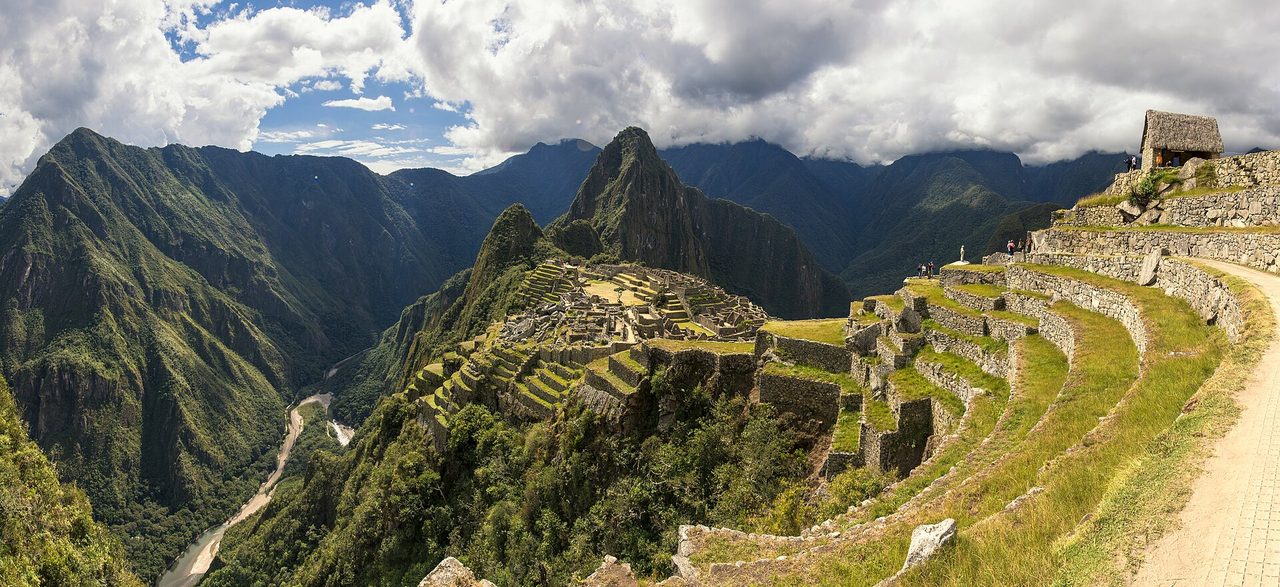
The question I get asked about Peru more than any other isn’t about altitude sickness or whether it’s safe — it’s about money. Specifically, what a realistic Peru trip cost actually comes to once you add up the flights, the famous train, the guides, the ceviche and the dozen small things nobody warns you about. I’ve travelled Peru as a broke backpacker counting soles in a Cusco hostel, and again years later on a comfortable mid-range budget with my own bathroom and the odd tasting menu, so I’ve watched the meter from both ends.
This guide is the honest, itemized breakdown I wish someone had handed me before my first trip. I’ll walk you through every category — international airfare, hotels, food, internal transport, Machu Picchu, tours and the easy-to-forget extras — give you real 2026 prices in both soles and US dollars, and then build three complete sample budgets (backpacker, mid-range and luxury) so you can see exactly where the money goes. No vague “it depends” hand-waving; actual numbers you can plan around.
The short version: most travellers spend between US$50 and US$200 a day on the ground in Peru, plus US$450–900 for international flights. A typical 10-day trip lands around US$1,100 budget, US$2,000–2,800 mid-range, or US$5,000-plus for luxury — before airfare. Peru is genuinely affordable; Machu Picchu and flights are what move the needle.
Peru trip cost at a glance (2026)
If you only read one section, make it this one. The table below is the quickest way to anchor your expectations. These figures are per person and cover spending on the ground in Peru — accommodation, food, internal transport, tours and entrance fees — but exclude your international flight, which I break out separately because it varies so much by where you live.
| Travel style | Per day (land only) | 10 days | 2 weeks | + Round-trip airfare |
|---|---|---|---|---|
| Shoestring backpacker | US$45–70 | US$650–900 | US$900–1,300 | +US$450–800 |
| Comfortable mid-range | US$120–200 | US$1,500–2,400 | US$2,200–3,400 | +US$500–900 |
| Luxury | US$300–600+ | US$3,500–6,500+ | US$5,500–10,000+ | +US$800–2,000 |
A few honest caveats before we go deeper. These ranges assume a classic first-timer route — Lima, Cusco, the Sacred Valley and Machu Picchu, maybe with Arequipa or Lake Titicaca bolted on. They flex with the season (the dry-season months of June to August cost more across the board), how many big-ticket tours you book, and whether you fly or take the bus between cities. The single biggest variable inside the country is Machu Picchu: do it as a budget day trip and it’s manageable; do it as the Inca Trail or with the panoramic train and a private guide and it can quietly become a third of your entire Peru trip cost.
What actually drives the cost of a trip to Peru
Before drowning you in numbers, it helps to know which levers actually matter. In my experience, after hundreds of conversations with other travellers comparing receipts, your total comes down to six things, in roughly this order of impact:
- International airfare. Often the single largest line item, and the one with the widest swing — the same Miami–Lima seat can be US$420 or US$1,100 depending on the month and how early you book.
- Machu Picchu. The entrance ticket is cheap; everything around it (train, bus, guide, a night in Aguas Calientes, or a multi-day trek) is not. Budget this as its own mini-trip.
- How you move between cities. Peru is big. Flying Lima–Cusco saves a day but costs more than the bus; do that four or five times and it adds up fast.
- Tours and guided activities. Rainbow Mountain, the Sacred Valley, Lake Titicaca, Colca Canyon, the Amazon — each guided day is US$15–90, and they’re the easiest place to overspend without noticing.
- Your standard of accommodation. The gap between a US$12 dorm and a US$250 boutique hotel is the whole spread of this article.
- When you go. High season (roughly June–August) inflates flights, hotels and trek prices; the green season is materially cheaper.
Notice what’s not on that list: day-to-day food and local transport. Peru is one of those wonderful countries where you can eat like a king and zip around cities for pocket change. You will almost never blow your budget on a US$3 set lunch or a US$2 Uber. You blow it on flights, treks and tours. Keep that hierarchy in mind and the rest of this guide makes intuitive sense. I keep a running, no-fluff version of this in the companion piece on how much a trip to Peru costs, but the full breakdown below is where the planning really happens.
International flights: getting yourself to Peru
Almost everyone arrives through Jorge Chávez International Airport in Lima (airport code LIM), which reopened its shiny new terminal in 2025 and is the main gateway to the country. Your airfare is usually the biggest single cheque you’ll write, so it deserves real attention — shaving US$200 off your flight is far easier than saving US$200 on the ground.
Here’s what round-trip economy fares realistically look like in 2026, booked a couple of months out:
| From | Typical round-trip | Cheap (shoulder/sale) | Peak / last-minute |
|---|---|---|---|
| Miami | US$480–650 | US$350–420 | US$900+ |
| New York / East Coast | US$550–750 | US$420–520 | US$1,000+ |
| Los Angeles / West Coast | US$700–850 | US$500–600 | US$1,100+ |
| London / Western Europe | US$700–1,050 | US$550–700 | US$1,300+ |
A few things I’ve learned the hard way. September and May are consistently the cheapest months to fly — shoulder-season sweet spots when demand dips but the weather is still good. Tuesday and Wednesday departures usually beat weekend ones. And the LATAM trick is real: LATAM, the dominant carrier, sometimes shows noticeably lower fares on its non-US websites for the exact same flights, so it’s worth comparing the New Zealand or Chilean site before you book. Set a fare alert on a comparison engine eight to twelve weeks ahead and pounce when it dips.
One more thing people forget: many itineraries route through Lima even if your real target is Cusco. You can sometimes book straight through to Cusco (CUZ) on one ticket, which spares you re-checking bags in Lima. Whether you should fly onward immediately or spend a night in Lima first is partly a budget question and partly an altitude one — I get into the logistics in the guide to getting to and around Peru.
Accommodation: what a bed actually costs
This is the category you have the most control over, and where the spread is enormous. Peru has everything from US$8 hostel dorms to US$1,000 cliffside suites, and the good news is that the middle is excellent value. A clean, characterful private room with breakfast in Cusco or Arequipa for US$45–70 is entirely normal, and it’s the sort of thing that would cost three times as much in Western Europe.
| Type | Per night (soles) | Per night (USD) | What you get |
|---|---|---|---|
| Hostel dorm bed | S/35–65 | US$10–19 | A bunk, shared bathroom, free breakfast and the backpacker social scene |
| Private room in a hostel / guesthouse | S/85–200 | US$25–60 | Your own room, often en-suite; the budget sweet spot for couples |
| 3-star hotel | S/240–480 | US$70–140 | Comfortable, central, reliable hot water and heating |
| 4-star / boutique | S/500–1,000 | US$150–300 | Design, restaurants, real service; converted colonial mansions in Cusco |
| 5-star / luxury lodge | S/1,200–5,000 | US$350–1,400+ | Belmond-level hotels, Sacred Valley resorts, jungle eco-lodges |
My honest take after a lot of nights in Peru: the mid-range here punches absurdly above its weight, and I’d happily spend the rest of my life in the US$50–90 bracket. You get heating (which matters more than you’d think in a Cusco winter, where rooms can be properly cold at night), a hot shower, breakfast, and usually a staff member who’ll sort your taxi and your train. Two practical notes: rooms in the Andes are often unheated at the budget end, so check, and a handful of luxury hotels quote prices in dollars and add an 18% IGV sales tax that foreign tourists are technically exempt from on accommodation — make sure that exemption is applied so you’re not overpaying. If you’re weighing neighbourhoods and styles city by city, the deeper dive lives in the guides to Lima and Cusco.

Eating in Peru: the best-value part of the whole trip
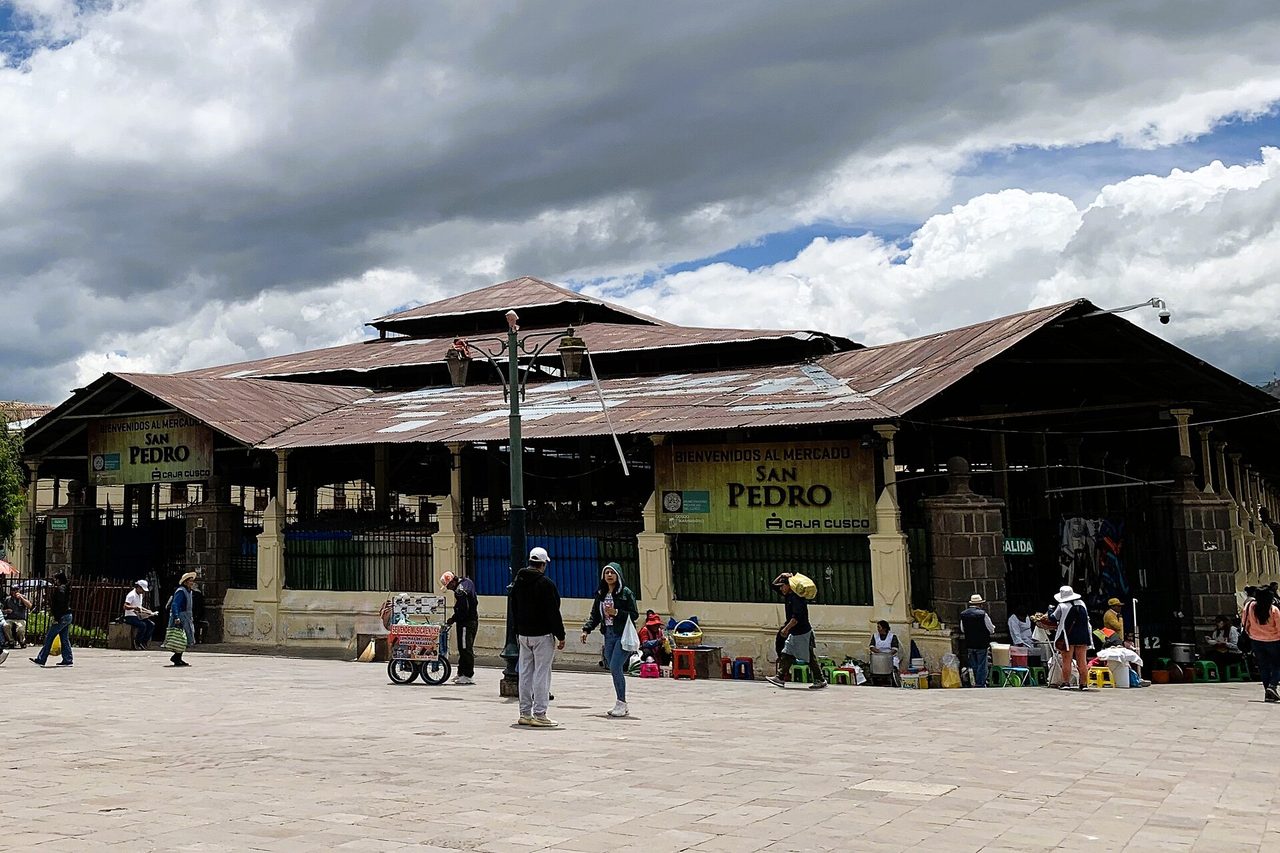
If there’s one place your money goes further than you can quite believe, it’s the dinner table. Peru is a genuine global food destination — Lima regularly lands restaurants on the world’s-best lists — and yet you can eat brilliantly for a handful of soles. The trick every local knows is the menú del día: a fixed-price lunch, usually a soup or starter, a generous main and a drink, served at neighbourhood spots a street or two off the tourist drag. I’ve paid as little as S/10 and rarely more than S/20 for one, and they’re often the best meals of the day. Eating this way is one strand of a wider point: a great deal of what makes Peru good costs nothing, which I have gathered into a guide to free things to do in Peru.
| Item | Soles | USD |
|---|---|---|
| Menú del día (set lunch: soup, main, drink) | S/10–20 | US$3–6 |
| Street food (anticuchos, empanada, papa rellena) | S/3–10 | US$1–3 |
| Ceviche at a cevichería | S/30–60 | US$9–18 |
| Main course, mid-range tourist restaurant | S/30–55 | US$9–16 |
| Large beer or pisco sour | S/12–25 | US$3.50–7 |
| Coffee / fresh juice | S/6–14 | US$2–4 |
| Tasting menu at a top Lima restaurant | S/600–1,200+ | US$175–350+ |
So what should you budget per day for food? If you eat where Peruvians eat — markets, menú spots, the odd street skewer — US$10–15 a day covers three good meals. Eat mostly in tourist-facing restaurants with a beer or two and you’re at US$25–40. The only way to spend serious money on food in Peru is to deliberately chase the famous tasting menus in Lima, where a single dinner at a place like Central or Maido can run US$200 or more per person with the drinks pairing. They’re extraordinary, and worth doing once if it’s your thing — just know that one of those dinners equals a week of eating everywhere else. I keep an up-to-date rundown of exactly what dishes and groceries cost in the dedicated guide to food prices in Peru.
One small caveat that protects both your budget and your stomach: tap water isn’t safe to drink anywhere in Peru, so you’ll either buy bottled water (about S/2–5 a bottle, which adds up) or — far better — bring a filter bottle and refill for free. Over a two-week trip a filter bottle pays for itself and spares you a small mountain of plastic.
Getting around Peru: buses, flights, trains and taxis
Peru is the third-largest country in South America, and the headline sights are spread out, so internal transport is a real budget category rather than an afterthought. The core tension is always the same: time versus money. Flying turns a brutal 21-hour bus ride into a 90-minute hop, but costs more and shows you nothing but clouds. Here’s the lay of the land for the routes you’re most likely to use.
| Journey | Option | Cost | Time |
|---|---|---|---|
| Lima → Cusco | Flight (LATAM, Sky, JetSMART) | US$60–130 each way | ~1h20 |
| Lima → Cusco | Direct bus | US$45–80 each way | 20–22 hrs |
| Lima → Cusco corridor | Peru Hop hop-on/hop-off pass | US$150–300 (multi-stop) | Several days, your pace |
| City taxi or Uber (in town) | App or street | S/8–30 (US$2–9) | — |
| Colectivo (shared minivan, short hops) | Street | S/5–15 (US$1.50–4) | — |
| Airport transfer | Pre-booked / app | US$10–20 | — |
My rule of thumb: fly the one long leg, take buses for everything else. The Lima–Cusco flight is the single best time-for-money trade in the country — it saves you the better part of a day and a sleepless night for around US$80 if you book ahead. But for shorter, scenic legs like Cusco to Puno or Arequipa to the Colca Canyon, the buses are comfortable, cheap and let you actually see the Andes go by.
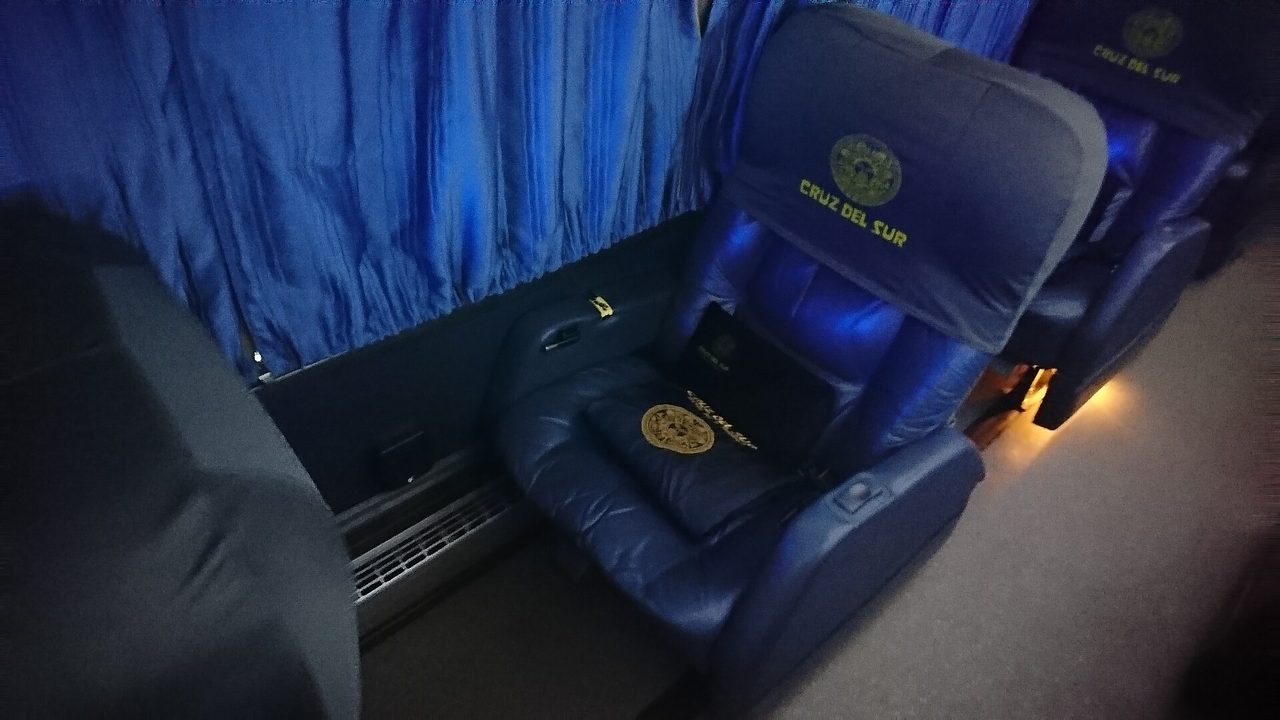
On the buses themselves: Peru’s long-distance coaches are a genuine highlight, and far nicer than most first-timers expect. Companies like Cruz del Sur run double-decker buses with lie-flat cama seats, meals and films — an overnight in one of those lie-flat seats is a legitimate way to save a night’s accommodation while you travel. Just book the reputable operators rather than the cheapest no-name line, and keep your daypack on your lap. In cities, always use the Uber/Cabify apps rather than flagging a taxi off the street: it’s cheaper, safer and you skip the haggling. The full mechanics — which bus companies, how the trains work, domestic airline quirks — live in the getting around Peru guide.
Machu Picchu: the single biggest line item inside Peru
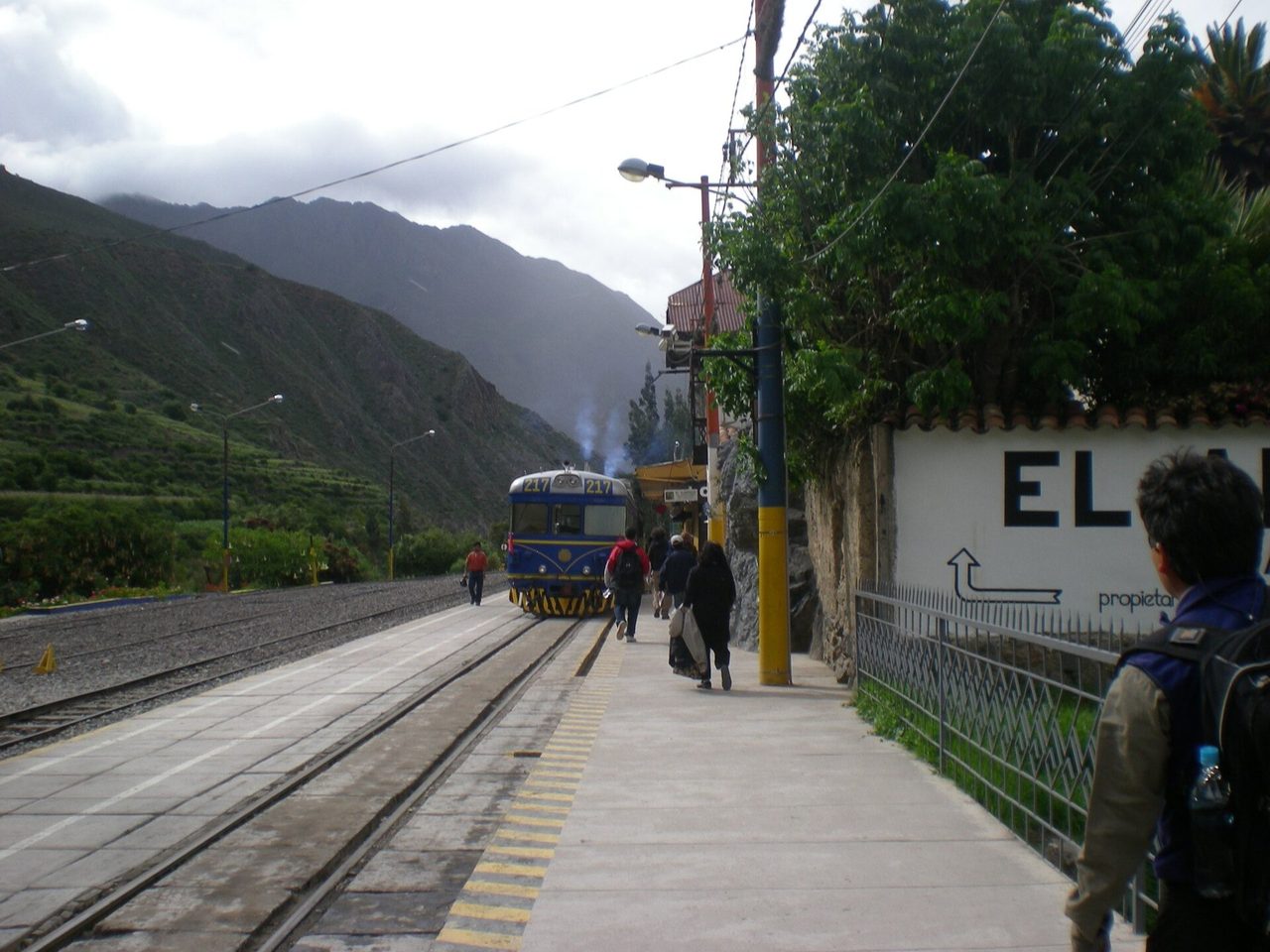
Here’s the thing nobody quite prepares you for: the Machu Picchu ticket is cheap — S/163 (about US$44) for a standard foreign adult since May 2026 — but actually getting yourself to the ruins and back is where the money lives. There’s no road to the site. Every route funnels through the town of Aguas Calientes, and the famous train that gets you there is one of the most expensive short rides on earth per kilometre. Let me break the whole day down so there are no surprises.
| Component | Budget option | Typical option | Premium |
|---|---|---|---|
| Entrance ticket (foreign adult) | S/163 (US$44) | S/163 (US$44) | S/211 (US$57) with a mountain add-on |
| Train each way (Ollantaytambo–Aguas Calientes) | US$60–75 (Expedition / Voyager) | US$80–130 (Vistadome / 360°) | US$450–500 (Belmond Hiram Bingham) |
| Shuttle bus up to the gate (round trip) | US$24 | US$24 | US$24 |
| Licensed guide | US$15–25 (shared group) | US$30–60 (small group) | US$120+ (private) |
| Night in Aguas Calientes | US$20–40 (hostel) | US$70–150 (hotel) | US$500+ (Inkaterra / Sumaq) |
Add it up and a do-it-yourself Machu Picchu day from Cusco — standard train both ways, bus, ticket and a shared guide, no overnight — comes to roughly US$180–260 per person. A more relaxed version with the panoramic train and a night in Aguas Calientes is more like US$350–500. And if you book the whole thing as a packaged two-day tour through an agency, expect US$350–600 depending on the train and hotel class. None of this includes the optional add-on climbs of Huayna Picchu or Machu Picchu Mountain, which cost a little extra and sell out months ahead.
Then there are the treks, which are a different financial animal entirely. Walking to Machu Picchu instead of taking the train is, for a lot of people, the best decision of the trip — but it’s not the budget option people sometimes assume. The classic 4-day Inca Trail runs US$700–950 per person through a licensed operator in 2026, because the price bundles permits, porters, a guide, all your meals and camping gear, and permit numbers are strictly capped so they sell out four to six months ahead. The 5-day Salkantay trek is the great-value alternative at US$350–500, with bigger mountain scenery and no permit lottery. I compare every route, price and difficulty level in the dedicated Inca Trail and treks hub, and break down the day-trip numbers further in the Machu Picchu cost guide. For everything else about visiting — circuits, tickets, when to go — start with the main Machu Picchu guide.
Bottom line on Machu Picchu: whatever style you choose, ring-fence US$200 at the very least, US$400–500 for a comfortable two-day version, and US$700–950 if you’re trekking. It’s the one part of a Peru trip cost that consistently surprises people, so plan it first and build the rest of the budget around it.
Tours, tickets and activities: the easy place to overspend
Outside Machu Picchu, the rest of Peru’s headline experiences are mostly sold as day tours or multi-day excursions, and they’re priced very reasonably — which is exactly why they sneak up on you. Book one every single day and a string of US$25 tours quietly becomes US$300. Here’s what the popular ones actually cost in 2026:
| Experience | Typical cost (per person) |
|---|---|
| Cusco boleto turístico (tourist ticket, 16 sites, 10 days) | S/130 (US$38); partial circuits S/70 (US$20) |
| Sacred Valley full-day tour | US$15–40 (+ the boleto for the ruins) |
| Rainbow Mountain (Vinicunca) day trip | US$15–35 |
| Lake Titicaca: Uros & Taquile islands day tour | US$25–45 |
| Colca Canyon 2-day tour from Arequipa | US$40–90 |
| Amazon lodge, 3–4 days (Puerto Maldonado) | US$300–700 all-inclusive |
| Lima city or food walking tour | US$0 (tip-based) to US$60 |
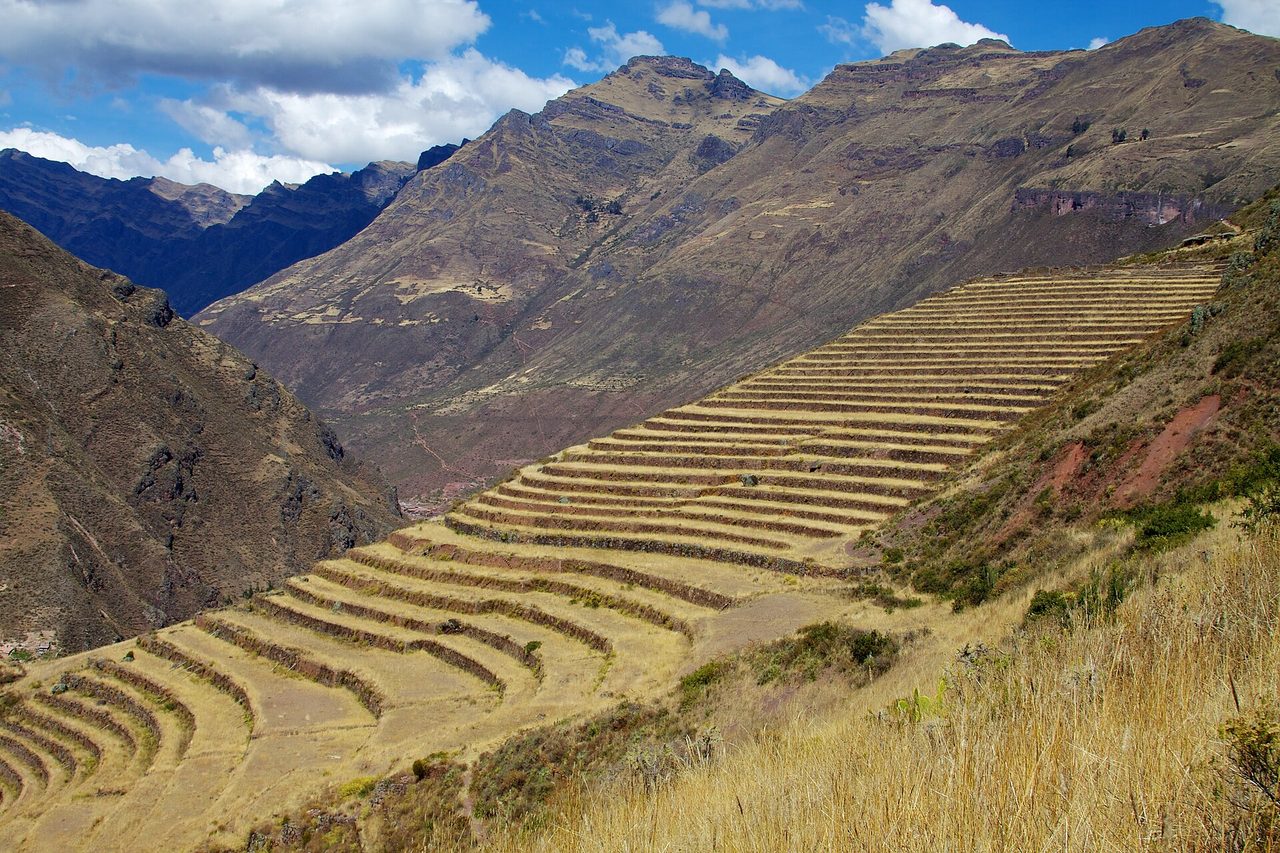
The piece of paper that confuses everyone is the boleto turístico, Cusco’s combined tourist ticket. You essentially can’t visit the major Sacred Valley ruins — Pisac, Ollantaytambo, Moray, Chinchero — or several Cusco museums without it, and most day tours quote a price that does not include it, so you buy it separately for S/130. Factor it in or you’ll be caught out at the gate. The Sacred Valley itself is glorious and very much worth a full day; I lay out the route and the best stops in the Sacred Valley guide.
My advice: pick your two or three must-do experiences and book those properly, then leave room to simply wander. Some of my favourite days in Peru cost nothing — a free walking tour in Cusco’s San Blas, an afternoon in Lima’s Barranco district, an evening watching the light change over the Plaza de Armas. You don’t need a guided tour every day to have a full trip. For inspiration on what’s actually worth your money, the big-picture things to do in Peru guide is the place I’d start.
Three real Peru budgets: backpacker, mid-range and luxury
Tables of price ranges are useful, but nothing beats seeing the whole thing added up. So here are three complete, itemized budgets for the same classic 10-day first-timer trip — Lima, Cusco, the Sacred Valley and Machu Picchu — at three very different comfort levels. All figures are per person and exclude your international flight (add the airfare from the table earlier). These are the numbers I’d actually plan around.
The shoestring backpacker (~US$700 for 10 days)
| Category | 10-day total | Notes |
|---|---|---|
| Accommodation | US$120 | Hostel dorms at ~US$12/night |
| Food | US$130 | Menú lunches, markets, street food |
| Internal transport | US$110 | Overnight bus Lima–Cusco, colectivos, Ubers |
| Machu Picchu (DIY day trip) | US$200 | Standard train, bus, ticket, shared guide |
| Tours & entrances | US$110 | Boleto turístico, Rainbow Mountain, a couple of day tours |
| Extras (SIM, water, tips, a few beers) | US$60 | — |
| Total (land only) | ~US$730 | About US$73/day |
The comfortable mid-range traveller (~US$2,000 for 10 days)
| Category | 10-day total | Notes |
|---|---|---|
| Accommodation | US$650 | Nice 3-star hotels & a boutique night, ~US$70/night |
| Food | US$320 | Mix of local spots and good restaurants, wine with dinner |
| Internal transport | US$220 | Flight Lima–Cusco both ways, private transfers |
| Machu Picchu (2-day, panoramic train) | US$430 | Vistadome train, night in Aguas Calientes, small-group guide |
| Tours & entrances | US$280 | Private Sacred Valley day, Rainbow Mountain, Lima food tour |
| Extras | US$120 | Tips, SIM, souvenirs, the odd cocktail |
| Total (land only) | ~US$2,020 | About US$200/day |
The luxury trip (~US$5,500+ for 10 days)
| Category | 10-day total | Notes |
|---|---|---|
| Accommodation | US$3,000 | 5-star & Belmond-level hotels, Sacred Valley resort |
| Food | US$800 | Hotel dining plus a Lima tasting menu or two |
| Internal transport | US$400 | Flights plus private drivers throughout |
| Machu Picchu (private, premium train) | US$900 | Hiram Bingham train or private guide, luxury overnight |
| Tours & entrances | US$600 | Private guided excursions every day |
| Extras | US$200 | Spa, tips, fine wine |
| Total (land only) | ~US$5,900 | About US$590/day, and the sky’s the limit above this |
Stretch any of these to two weeks and you’re not simply doubling the total — the big fixed costs (Machu Picchu, the Lima–Cusco flight) don’t repeat, so the extra days are mostly just accommodation, food and a few more tours. That’s why a fortnight often delivers far better value per day than a rushed week. I run the maths on the longer trip in detail in the cost of 2 weeks in Peru guide, and if you’re still shaping your route, pair this with the Peru itinerary planner and the deeper Peru daily budget breakdown.
Is Peru expensive? An honest answer
No — and this is the part I most want first-timers to hear. By the standards of North America or Western Europe, Peru is a genuine bargain. Your day-to-day costs — food, local transport, mid-range hotels — routinely run 50–70% below what the equivalent would cost back home, and often the quality is higher. A US$3 lunch that would be a US$15 lunch in your home city. A US$50 hotel room that would be a US$150 room. That’s the everyday reality, and it’s why your money stretches so far once you’re on the ground.
Within South America, Peru sits comfortably in the middle. It’s noticeably cheaper than Chile, Brazil or Argentina, broadly on par with Colombia, and a touch pricier than Bolivia or Ecuador for daily spending. The things that can make Peru feel expensive are specific and avoidable: the Machu Picchu train, internal flights booked late, fine dining in Lima, and private guided tours. Strip those back and you’re travelling one of the most affordable major destinations in the Americas. Lean into all of them and you can spend like you’re in Switzerland. The country accommodates both, which is part of its charm. I dig into the comparisons and the psychology of it in the companion piece, is Peru expensive?
Money in Peru: cash, cards, ATMs and the exchange rate
The currency is the Peruvian sol (plural soles, symbol S/, code PEN). In mid-2026 the exchange rate hovers around 3.4 soles to the US dollar, so a quick mental shortcut is to divide sol prices by roughly three-and-a-bit to get dollars. Rates drift, so check the day you travel, but it’s been fairly stable.
A few money habits will save you more than any single discount:
- Carry cash for small things. Markets, menú restaurants, colectivos, street food, tips and small shops are cash-only or cash-preferred. Cards work fine in hotels, tour agencies and nicer restaurants, but the everyday economy runs on soles.
- Use bank ATMs, and decline the conversion. Withdraw from ATMs attached to major banks (BCP, BBVA, Interbank, Scotiabank) rather than the standalone Globalnet machines, which charge punishing fees. When any ATM or card machine offers to charge you “in USD,” always say no and choose soles — that “dynamic currency conversion” quietly adds 3–8%.
- Bring a no-foreign-transaction-fee card. It’s the single easiest way to stop leaking money on every purchase.
- Avoid airport exchange counters, which offer the worst rates in the country. Change just enough cash for your first taxi and meal, then use ATMs in town.
- Keep small notes. Nobody can break a S/200 note for a S/8 taxi. Hoard your S/10s and S/20s.
On tipping: it’s appreciated but modest in Peru, not the obligation it is in the US. In restaurants, 10% is generous (check whether a servicio charge is already on the bill); round up taxis; and on tours, US$5–10 a day for a good guide is the norm. The big exception is a multi-day trek, where you tip the porters, cook and guide collectively at the end — budget around US$50–80 over a 4-day Inca Trail, which the crew genuinely earns. I spell out the who-and-how-much in the tipping in Peru guide, and cover cards, scams and safe withdrawals in money in Peru.
How to cut your Peru trip cost without gutting the trip
You don’t have to choose between a good trip and a cheap one. Almost everything that makes Peru special — the landscapes, the markets, the history, the food — is either free or close to it. Here’s where the real savings hide, in rough order of impact:
- Travel in shoulder season. April, May, September, October and November give you good weather, thinner crowds and lower prices on flights, hotels and treks all at once. This is the highest-leverage decision on the list.
- Book the Lima–Cusco flight early, then take buses elsewhere. Booked weeks ahead it’s cheap; booked last-minute it’s not. For other legs, the comfortable overnight buses save you both a fare and a night’s hotel.
- Do Machu Picchu yourself. Buying the train, bus and ticket separately and joining a guide at the gate is materially cheaper than an all-in agency package — often by US$100–200.
- Eat the menú del día. Lunch is the big Peruvian meal and the best value; make it your main meal and graze lightly at night.
- Take the free walking tours, which run in every major city and are excellent — just tip the guide.
- Carry a student card if you have one. A valid ISIC card unlocks real discounts at many sites and on some Machu Picchu tickets.
- Use the apps for taxis (Uber, Cabify, inDrive) to skip both overcharging and the safety risk of street cabs.
- Refill water with a filter bottle instead of buying bottled, and bring layers so you’re not buying alpaca jumpers you didn’t plan for (though, honestly, you’ll want one anyway).
Do most of these and a mid-range trip slides comfortably toward the budget end without feeling like a sacrifice. There’s a whole strategy guide to this in how to travel Peru on a budget.
When you go changes what you pay
Timing deserves its own mention because it touches every category at once. Peru’s dry season (June, July and August) is peak tourist season — the clearest skies, the biggest crowds, and the highest prices on flights, hotels and Inca Trail permits, which sell out months ahead. The green or shoulder season (roughly the bookends of April–May and September–November) is the sweet spot I steer most people toward: still-good weather, noticeably lower prices and far fewer people at the famous viewpoints. The rainy heart of summer (December–February) is cheapest of all, though trails get muddy and the Inca Trail closes entirely each February for maintenance. Matching your trip to the right window is as much a budget decision as a weather one — I lay out the month-by-month trade-offs in the guide to the best time to visit Peru.
The extras that sneak onto every Peru budget
Finally, the small line items that don’t fit neatly anywhere else but quietly add up. None is huge on its own, but together they can be a few hundred dollars, so it’s worth penciling them in rather than being surprised:
- Travel insurance: US$40–120 for a typical trip, and genuinely non-negotiable for a country where you’ll be at altitude and possibly trekking. It’s the cheapest peace of mind you’ll buy.
- An eSIM or local SIM: US$10–25 for plenty of data. A Peruvian Claro or Entel SIM is cheap if you want a local number; an eSIM is the painless option and works the moment you land.
- Altitude remedies: a few dollars. Cusco sits at 3,400 m, so many travellers buy soroche pills or coca tea locally, or bring prescription acetazolamide from home. Budget a rest day on arrival, too.
- Vaccinations and a yellow-fever certificate if you’re heading into the Amazon — costs vary by country, so check well ahead.
- Laundry: US$1–2 per kilo at the little lavanderías everywhere — a small luxury that’s almost free.
- Luggage storage: most hotels store bags free while you trek or do an overnight to Machu Picchu, which saves dragging everything up the mountain.
- Souvenirs: entirely up to you, but the alpaca textiles, ceramics and silver are good and the haggling is gentle — set yourself a number and enjoy it.
Tally those alongside the big categories and you’ve got a complete, realistic picture of what your trip will actually run — no nasty surprises at the airport, the gate or the ATM.
Frequently asked questions about the cost of a trip to Peru
How much does a trip to Peru cost on average?
For a typical 10-day first-timer trip covering Lima, Cusco and Machu Picchu, budget roughly US$700–900 on the ground if you’re a shoestring backpacker, US$1,500–2,400 mid-range, or US$3,500–6,500+ for luxury — then add US$450–900 for your international flight. Most comfortable travellers land somewhere around US$2,000–2,800 all-in for a well-rounded trip.
How much money do I need for 2 weeks in Peru?
Two weeks on a budget can be done for around US$900–1,300 on the ground; a comfortable mid-range fortnight runs US$2,200–3,400; and luxury starts around US$5,500 and climbs from there. Because the big fixed costs (Machu Picchu and the Lima–Cusco flight) don’t repeat, a two-week trip is often better value per day than one week.
Is Peru cheap or expensive for tourists?
Peru is affordable. Everyday costs run 50–70% below North American or Western European prices, and it’s mid-range by South American standards — cheaper than Chile or Brazil, pricier than Bolivia. The only genuinely expensive things are the Machu Picchu train, late-booked internal flights, fine dining in Lima, and private tours, all of which are optional.
How much spending money should I take to Peru per day?
Plan on US$45–70 a day as a backpacker, US$120–200 a day mid-range, and US$300+ for luxury, covering accommodation, food, local transport and activities. Day-to-day food and transport are cheap; the daily figure swings mostly on your hotel and how many guided tours you book.
How much does Machu Picchu cost in 2026?
The entrance ticket is S/163 (about US$44) for a foreign adult, following the S/11 conservation surcharge added on 1 May 2026. Getting there is the expense: a do-it-yourself day trip from Cusco with the standard train, shuttle bus and a shared guide runs roughly US$180–260, a two-day version with the panoramic train and an overnight is US$350–500, and the 4-day Inca Trail is US$700–950.
Is it better to use cash or card in Peru?
Carry both. Use cash (soles) for markets, set-lunch restaurants, colectivos, street food and tips, and a no-foreign-fee card for hotels, agencies and nicer restaurants. Withdraw from major-bank ATMs, and always choose to be charged in soles rather than dollars to dodge the dynamic-currency-conversion markup.
What is the cheapest time to visit Peru?
The rainy season from December to February is cheapest for flights and hotels, though trails are muddy and the Inca Trail closes each February. The better all-round value is shoulder season — April–May and September–November — when prices drop but the weather is still good and the crowds thin out.
How much should I budget for food in Peru per day?
If you eat where locals eat — markets, menú del día spots, the occasional street skewer — US$10–15 a day covers three good meals. Mostly tourist restaurants with a drink or two puts you at US$25–40. The only way to spend big is chasing Lima’s famous tasting menus, which run US$175–350+ for a single dinner.
Can you visit Peru on a tight budget?
Absolutely. Peru is one of the best-value major destinations in the Americas. Stick to hostels and menú lunches, take overnight buses, do Machu Picchu independently, travel in shoulder season and lean on free walking tours, and you can have a rich 10-day trip for well under US$1,000 on the ground.
The bottom line on your Peru trip cost
Peru is that rare destination that genuinely works at almost any budget. You can backpack it on US$50 a day and never feel like you’re missing out, or you can spend ten times that and find ways to use it — and either traveller comes home raving. The numbers in this guide are the ones I’d plan around in 2026, but treat them as a frame rather than a cage: decide on your Machu Picchu style first, book the flights and that one internal hop early, and then let the wonderfully cheap day-to-day — the S/12 lunches, the S/10 taxis, the free afternoons wandering Cusco — take care of itself. Plan the big rocks well and the small stuff genuinely won’t break you. Whatever your budget, Peru gives back more than you put in. Now go book the flight.