Peru Amazon: The Complete Guide to Visiting the Peruvian Amazon
How to choose your gateway, when to go, what wildlife you'll actually see, what it costs, and what to pack for the Peru Amazon — from someone who's spent weeks in the rainforest.
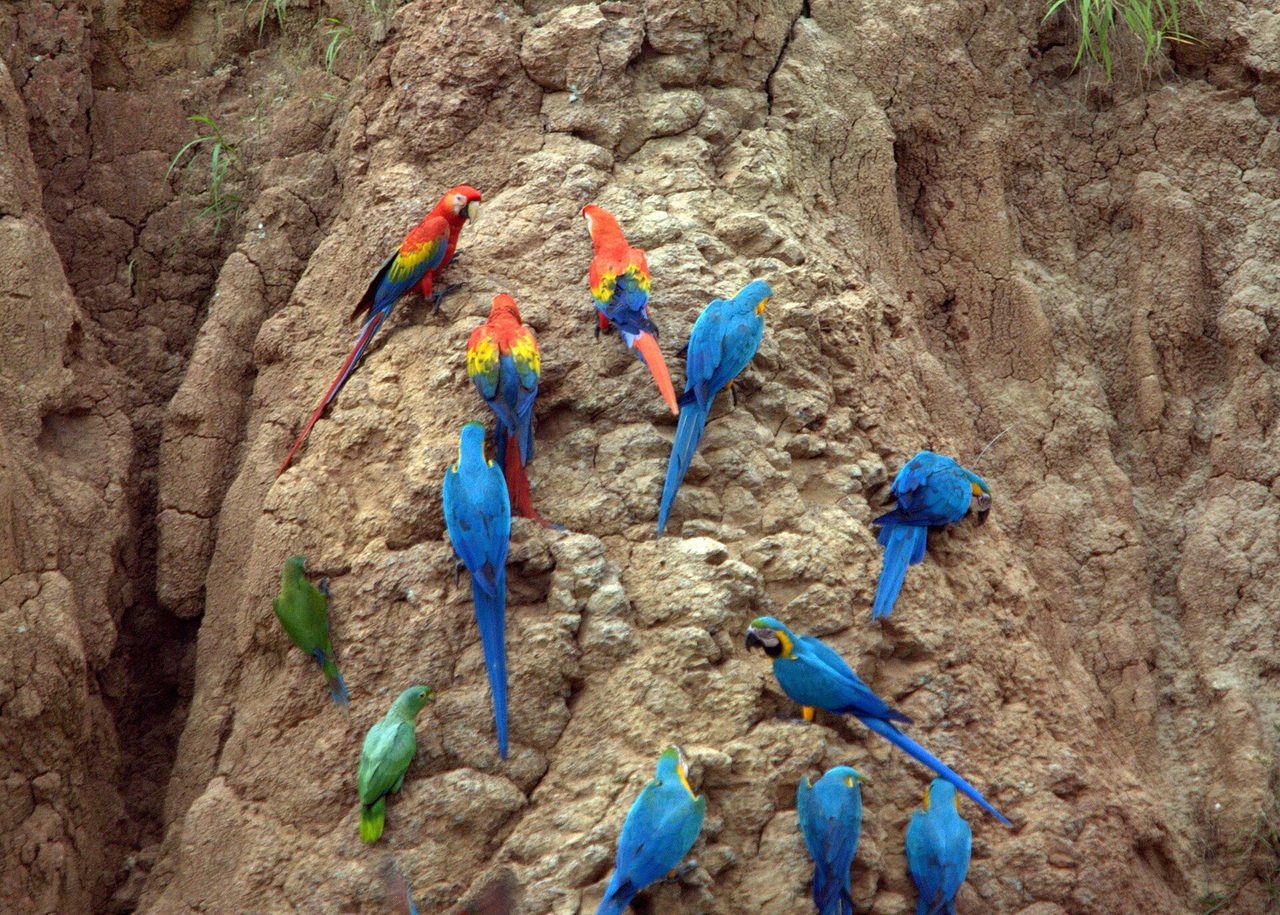
The Peru Amazon is the vast lowland rainforest that blankets nearly 60% of the country east of the Andes — and the single richest wildlife destination in South America. Most travellers reach it through one of three gateways: Puerto Maldonado (the easy, comfortable choice near Cusco), Iquitos (the deep river-cruise country in the north), or Manu (the wild, hard-to-reach one for serious naturalists). Three to four days is the sweet spot.
I still remember my first morning on the Tambopata River. It was barely light, the boat engine had been cut, and we were drifting past a clay bank when the first scarlet macaws dropped out of the canopy — then dozens more, red and blue and gold, screaming and squabbling over a wall of mud. My guide just grinned and whispered, “This is why people come.” He was right. You can see Inca ruins and eat astonishing food all over the country, but the rainforest is where Peru stops being a highlights reel and turns into something genuinely wild.
This guide is the one I wish I’d had before my first trip. I’ll walk you through the three gateways and how to pick between them, when to go (it matters more than you’d think), what wildlife you’ll realistically see, how lodges actually work, what it all costs, and the unglamorous-but-important stuff — vaccines, mosquitoes, and what to throw in your bag. The Peruvian Amazon rewards a little planning more than almost anywhere else in Peru, so let’s get you ready.
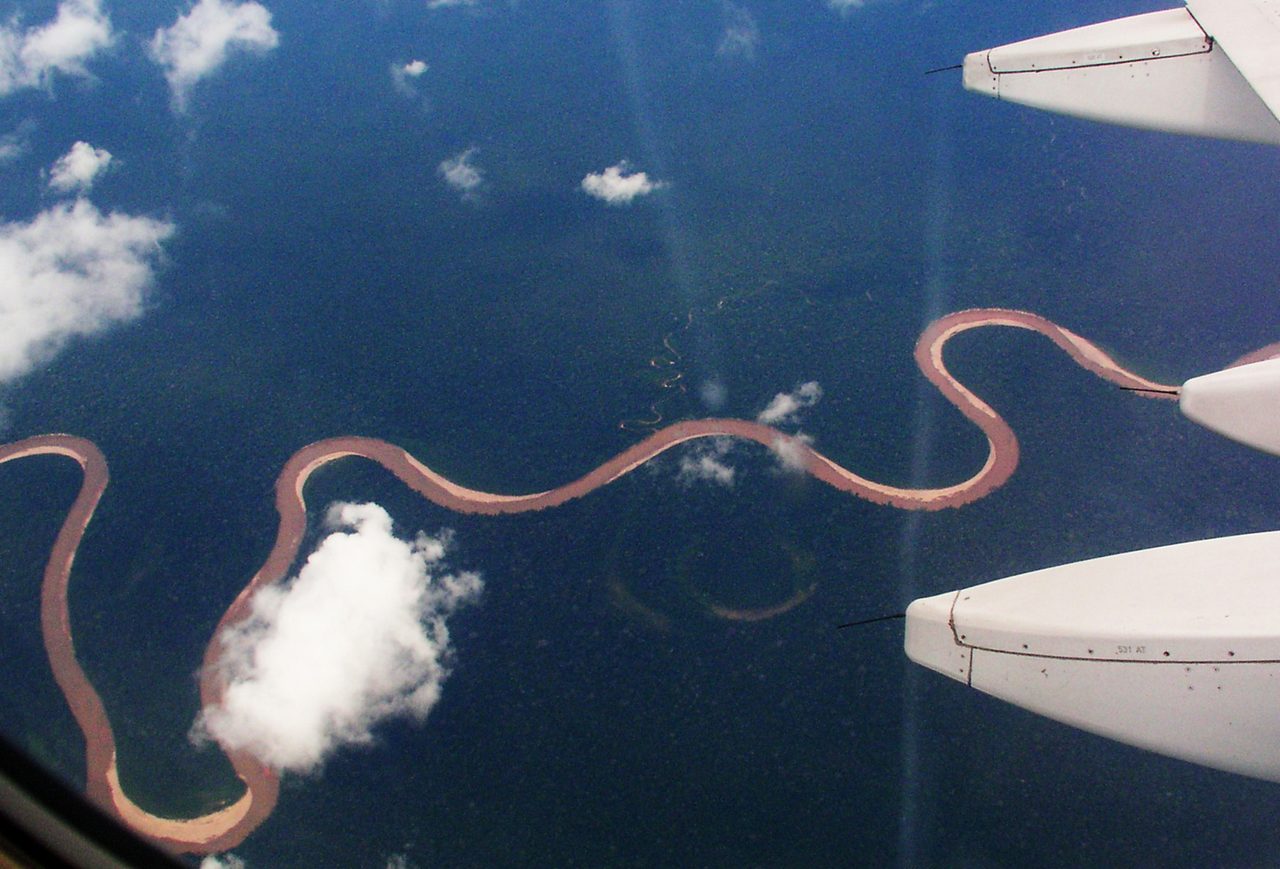
The Peru Amazon at a glance: three gateways compared
Almost every decision about an Amazon trip flows from one question: which gateway do you fly into? You don’t really choose “the jungle” — you choose Puerto Maldonado, Iquitos, or Manu, and each delivers a different experience. Here’s the honest comparison I give friends before they book.
| Gateway | Region | How you get there | Best for | Signature wildlife | Comfort level | Ideal length |
|---|---|---|---|---|---|---|
| Puerto Maldonado (Tambopata) | Southern Amazon (Madre de Dios) | 45–55 min flight from Cusco; ~1h40 from Lima, then a 20–120 min boat | First-timers, families, anyone short on time or pairing it with Machu Picchu | Macaw clay licks, giant river otters, caimans, monkeys | Comfortable eco-lodges with screened rooms, hot water | 3–4 days |
| Iquitos | Northern Amazon (Loreto) | ~2 hr flight from Lima only (no roads in) | River-cruise lovers, pink-dolphin seekers, return visitors | Pink river dolphins, flooded-forest birds, sloths | Anything from basic lodges to true luxury cruise ships | 4–5 days |
| Manu | Southern Amazon + cloud forest | Long road from Cusco (6–10 hrs) then river, or a short charter flight | Serious birders and wildlife purists who want pristine forest | Cock-of-the-rock, tapir, 1,000+ bird species, possible jaguar | Rustic; deeper zones are basic and remote | 5–8 days |
If you only take one thing from that table: Puerto Maldonado for ease, Iquitos for the river, Manu for the wild. The rest of this guide unpacks each one so you can match it to the kind of trip you actually want. And if you’re still mapping out the bigger picture, our overview of things to do in Peru shows where the rainforest fits alongside the mountains, the desert coast and the cities.
The three gateways to the Peruvian Amazon
Think of these as three different doors into the same enormous forest. They sit hundreds of kilometres apart, draw on different rivers, and attract different crowds. You almost never visit more than one on a single trip, so this is the choice that shapes everything else.
Puerto Maldonado and the Tambopata Reserve: the easy win
If this is your first taste of the rainforest — and especially if you’re already going to Cusco and Machu Picchu — Puerto Maldonado is the answer for about 80% of travellers. The flight from Cusco is absurdly short (under an hour; you’re handed a snack and then you’re descending over an unbroken green carpet), and within a couple of hours of landing you can be on a boat down the Madre de Dios or Tambopata River, watching the town dissolve into jungle behind you.
The big draw here is the Tambopata National Reserve and the adjacent Bahuaja-Sonene National Park, which together protect more than 600 bird species, 200 mammals, over 1,000 species of butterfly, and an almost comical 10,000 species of plant. Two experiences make Tambopata famous. The first is the macaw clay lick — the Chuncho and Colorado licks are among the largest in the world, where hundreds of parrots, parakeets and big macaws gather on exposed riverbank clay at dawn to eat the mineral-rich mud. The second is Lake Sandoval, a palm-fringed oxbow lake where a family of endangered giant river otters fishes in the early morning, black caimans drift like logs, and hoatzins (a genuinely prehistoric-looking bird) crash about in the reeds. I’ve done the Sandoval sunset paddle three times and it has never once been boring.
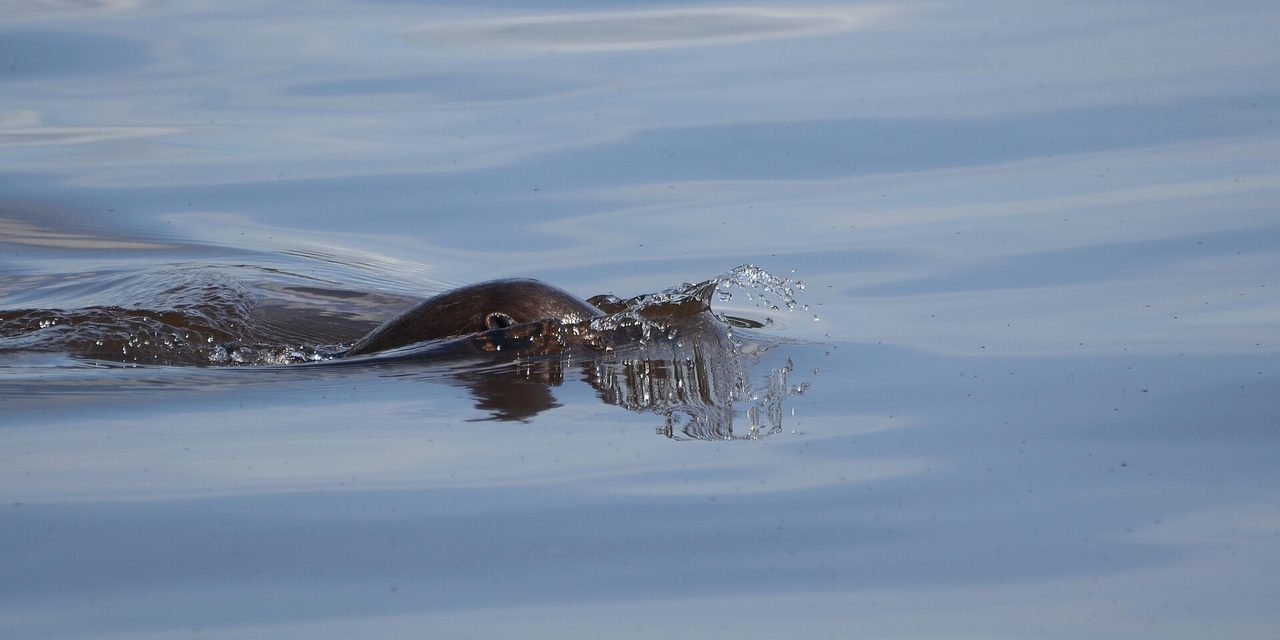
Lodges here range from rustic-but-cosy to genuinely lovely, with screened rooms, fans, hot showers and surprisingly good food. Because the boat transfers are short, you spend less time in transit and more time actually in the forest — which is exactly what you want on a three-day trip. For the full breakdown of this gateway, see our dedicated Puerto Maldonado and Tambopata guide, and when you’re choosing where to sleep, our roundup of the best Amazon lodges in Peru compares the standouts. Most people fly in straight after their highland leg, so it pairs naturally with our Cusco travel guide.
Iquitos and the northern Amazon: river country
Iquitos is the strange and wonderful one. It’s the largest city on Earth that you cannot drive to — there are no roads in, only planes and boats — and it sits right on the Amazon River proper, not a tributary. That single fact changes the experience. Around Iquitos you explore by water, gliding through flooded forest where the trees grow straight out of the river, drifting past villages on stilts, and (if the season’s right) watching pink river dolphins roll and surface near the confluences. The northern reserves — vast Pacaya-Samiria and the wildlife-dense Tamshiyacu-Tahuayo — are some of the best places in the whole Amazon basin for aquatic life and birds.
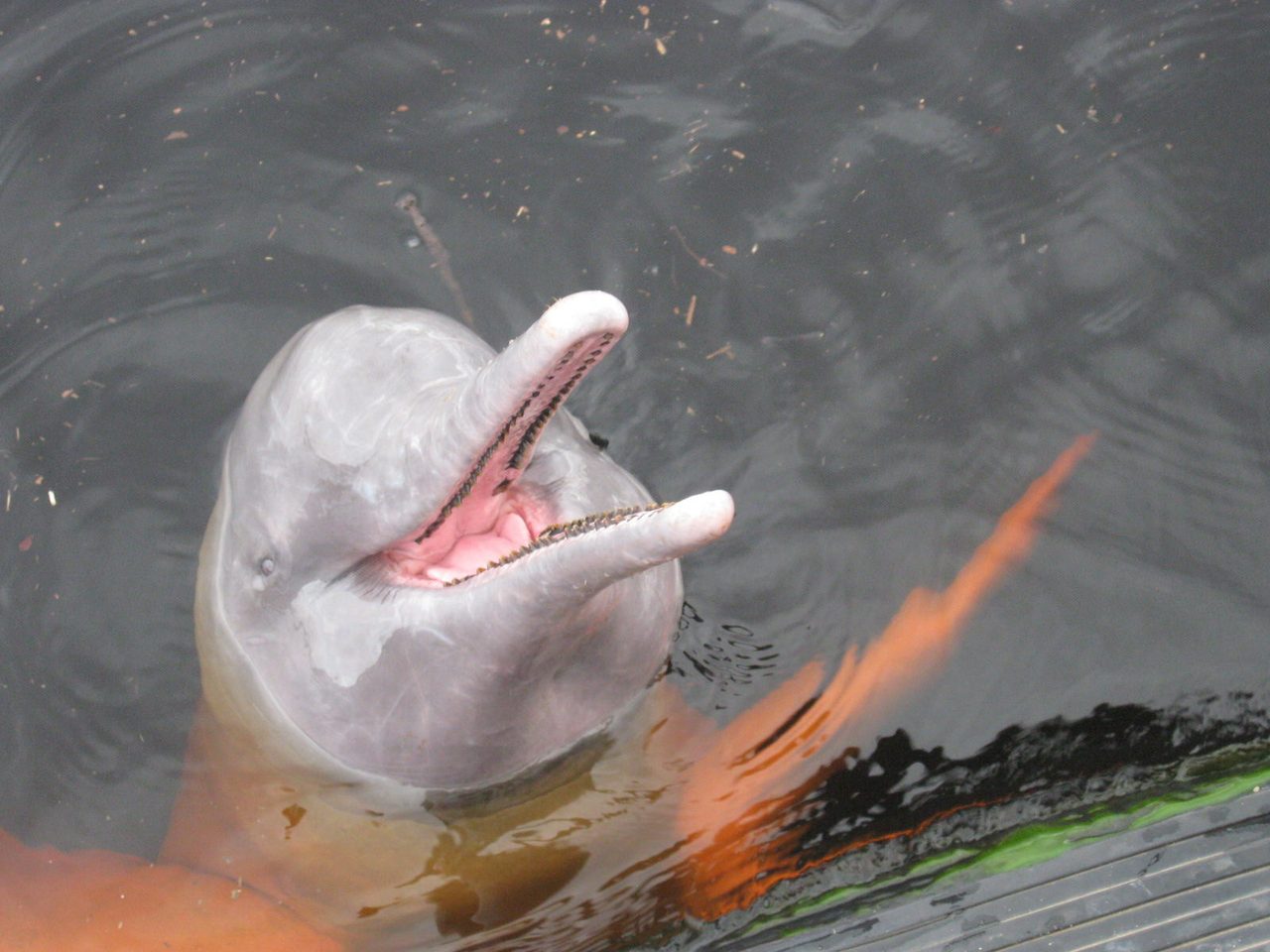
Iquitos is also the home of the Amazon river cruise. If “roughing it in the jungle” is not your idea of a holiday, this is your gateway: small, beautifully appointed ships with private cabins, air conditioning, a chef and a naturalist guide cruise the Marañón and Ucayali rivers in real comfort, sending you out twice a day in skiffs to find wildlife and returning you to a hot shower and a cold drink. I’ll be honest — I’m a lodge person at heart, but a few nights on a good cruise through Pacaya-Samiria converted me to how much ground (well, water) you can cover. Read our deep dives on the Iquitos Amazon guide and Amazon river cruises from Iquitos for the specifics. Because Iquitos is only reachable by air, you’ll connect through the capital — handy to combine with our Lima travel guide.
Manu National Park: the deep wild
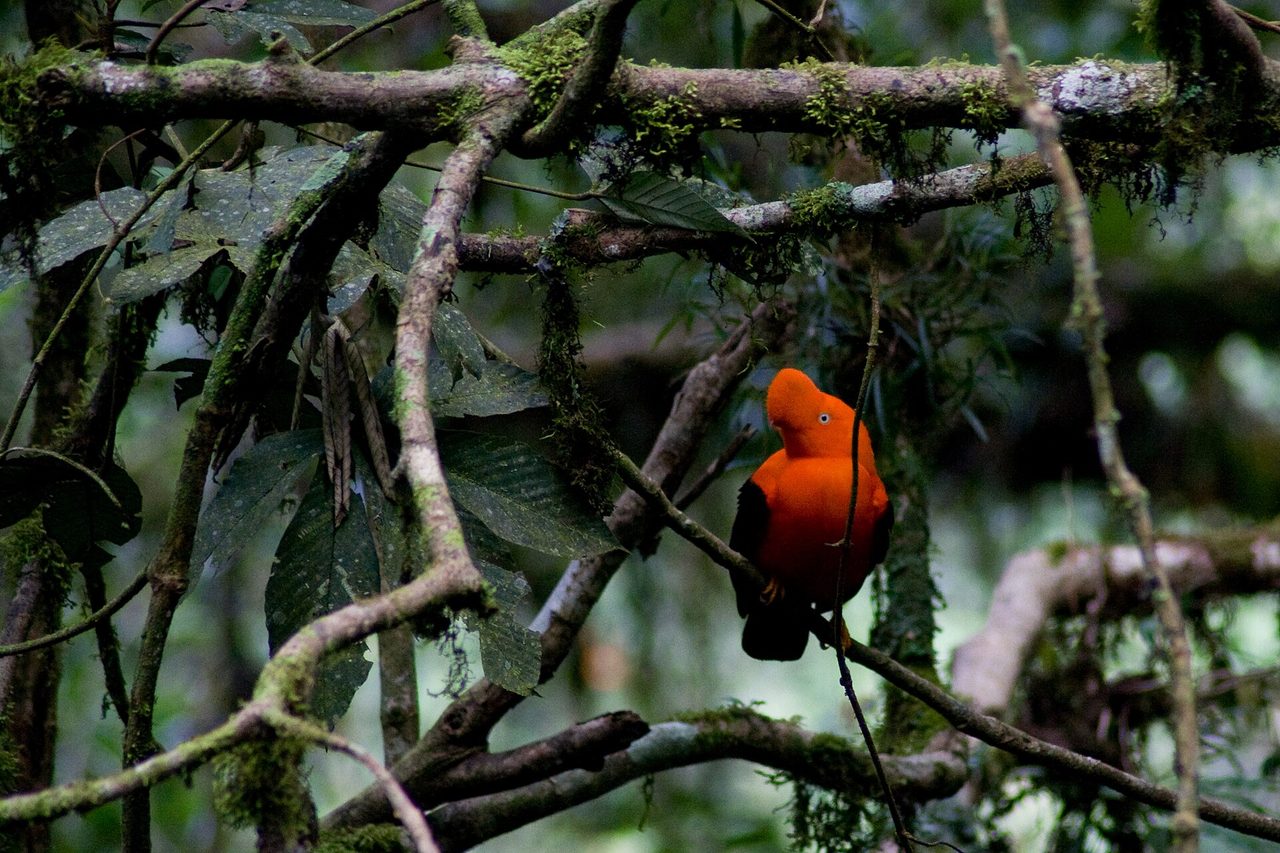
Manu is for people who want the real thing and have the time to earn it. It is one of the most biodiverse protected areas on the planet — over 1,000 bird species, 200-plus mammals, and a roll-call of rare creatures (jaguar, tapir, giant armadillo, harpy eagle) that makes biologists weak at the knees. Getting there is part of the deal: most trips take a long road from Cusco that drops from high Andean passes down through misty cloud forest — where you stop to watch the flame-orange Andean cock-of-the-rock perform its bizarre courtship dance at dawn — before continuing by river into the lowland rainforest.
The trade-off is comfort and time. Accommodation gets more basic the deeper you go, the famous Reserved Zone requires permits and a licensed operator, and you should budget at least five days (eight is better) to make the long travel worthwhile. But for sheer density of wildlife and the feeling of being somewhere truly untouched, nothing else in the Peru jungle comes close. Our full Manu National Park guide covers the zones, permits and operators in detail.
How to choose your Peru Amazon gateway
Cutting through it: if you’re combining the rainforest with Cusco, Machu Picchu and the Sacred Valley and you have three or four days, fly to Puerto Maldonado — it’s the path of least resistance and the wildlife is excellent. If you specifically want pink dolphins, a river cruise, or a more remote-feeling river culture and you can spare four to five days, choose Iquitos. If you’re a hardcore birder or naturalist with a week-plus and a tolerance for long travel and rustic lodges, go to Manu. Still torn between the two southern-versus-northern options? Our side-by-side Iquitos vs Puerto Maldonado comparison settles most arguments. The truth is there’s no wrong answer here — every one of these is a world-class slice of the Amazon rainforest in Peru.
When to visit the Peru Amazon: seasons and wildlife
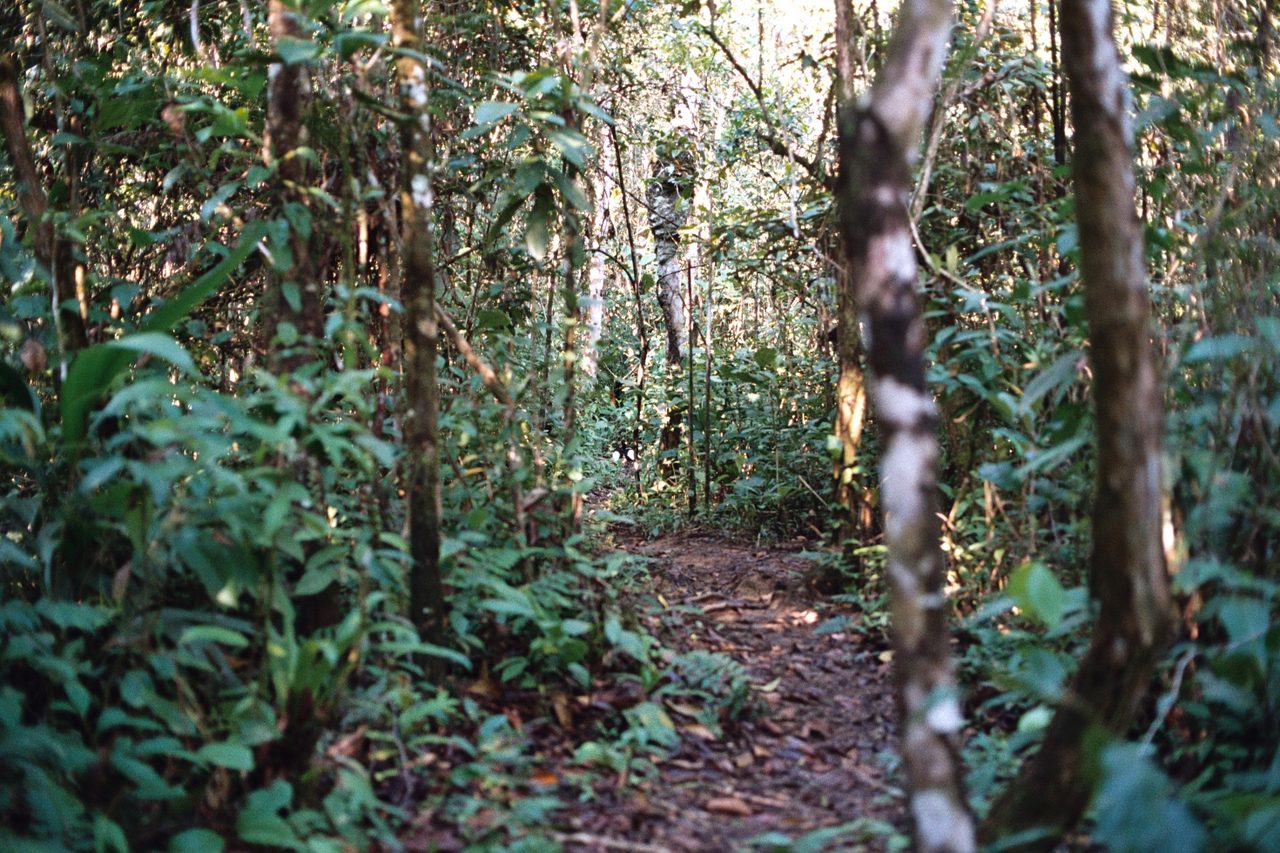
Here’s the thing nobody tells you until you’re already planning: in the rainforest you don’t plan around temperature, you plan around water. It’s hot and humid year-round (think 26–32°C / 80–90°F most days, with bursts of rain in any month). What actually changes your trip is whether the rivers are high or low, and the two seasons offer genuinely different experiences.
High-water season (roughly December to May)
During the wet months the rivers swell dramatically — in the north they can rise 9 metres (30 feet) or more — and the forest floods. That sounds like a problem; it’s actually a different kind of magic. Boats can slip deep into flooded “várzea” forest and quiet backwater creeks that are bone-dry the rest of the year, so you glide silently among the treetops looking for monkeys and birds. This is the best time for pink river dolphins, which are most active from about January to May, and for birdlife along the channels. The downsides: more rain (usually short, heavy bursts rather than all-day drizzle), more mosquitoes, and flooded trails, so you spend more time in the boat and less on foot.
Low-water season (roughly June to November)
As the waters drop, sandy beaches and mudflats appear, trails open up, and hiking becomes the main event. Crucially, wildlife concentrates around the shrinking water sources, which makes land mammals — capybaras, tapirs, monkey troops — much easier to find. The macaw clay licks peak in this window, with the most reliable activity from roughly August to October, and clearer skies make for better photography. River journeys can take longer as channels narrow, but most first-timers find the dry season the easier, more comfortable trip. June to September is the classic “best weather” stretch.
Month-by-month: a quick planner
| Months | Water level | What’s good | Watch out for |
|---|---|---|---|
| December–February | Rising / high | Lush forest, strong birding, dolphins, fewer crowds | Heaviest rain, more bugs |
| March–May | Peak high water | Flooded-forest boating at its best; pink dolphins shine | Some trails closed; humid |
| June–August | Dropping / low | Best hiking, clear skies, land mammals, peak travel season | Popular — book lodges early |
| September–November | Low | Outstanding macaw clay licks, beaches, great photography | Can be very hot midday |
My personal pick? The shoulder months of April–May and October–November. You dodge the worst of both extremes and still catch the headline wildlife. For how the rainforest seasons line up with the rest of the country (the Andes and coast run on a slightly different rhythm), cross-check our full best time to visit Peru guide and the rainforest-specific best time to visit the Peruvian Amazon.
Amazon wildlife in Peru: what you’ll actually see
Let me manage expectations, because the nature documentaries have done a number on all of us. You will almost certainly not see a jaguar (I’ve spent weeks in the forest and seen exactly one, for about four seconds). What you will see, if you go out at dawn and dusk with a good guide, is a steady, thrilling parade of life that builds over a few days into something unforgettable. Here’s the realistic roll-call.
Birds are the headliners. Macaws and parrots at the clay licks are the showstopper, but you’ll also clock toucans, hoatzins, herons, kingfishers, oropendolas building their hanging nests, and — if you visit a canopy tower — raptors cruising above the treetops. Serious birders rack up a hundred-plus species in a few days. Bring binoculars; it’s the single piece of gear that most transforms the trip.
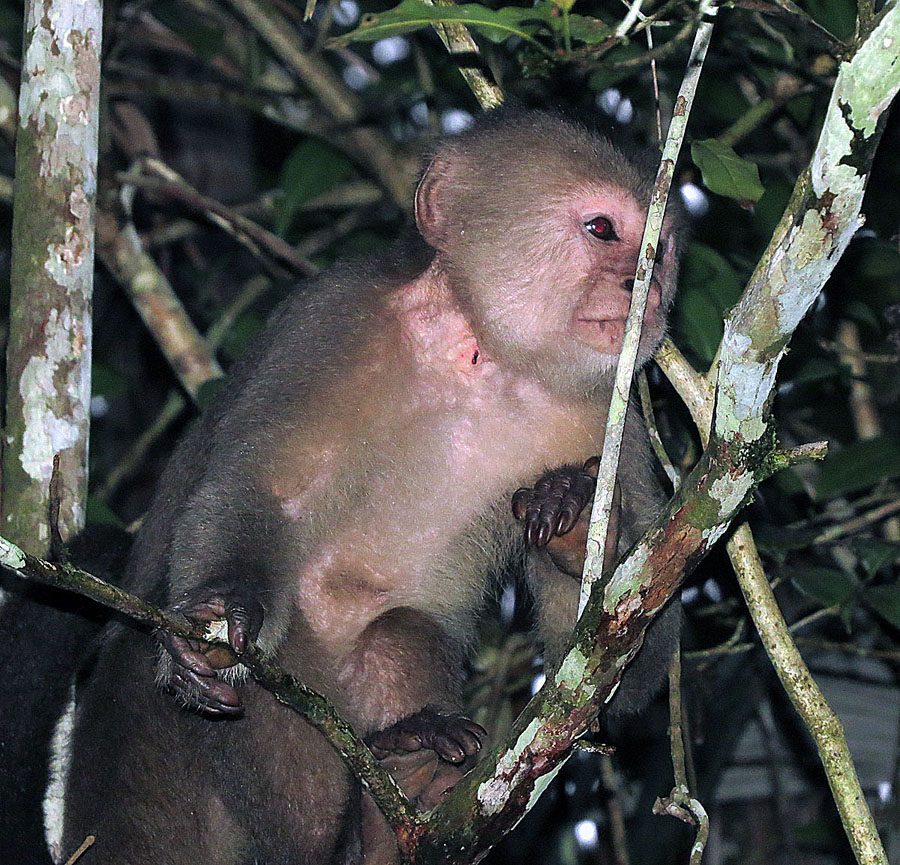
Monkeys are the crowd-pleasers. Troops of squirrel, capuchin, howler, spider and tamarin monkeys move through the canopy, often close enough that you hear them before you see them. Howlers in particular provide the soundtrack — a deep, rolling roar at dawn that sounds far more like a big cat than an animal the size of a small dog.
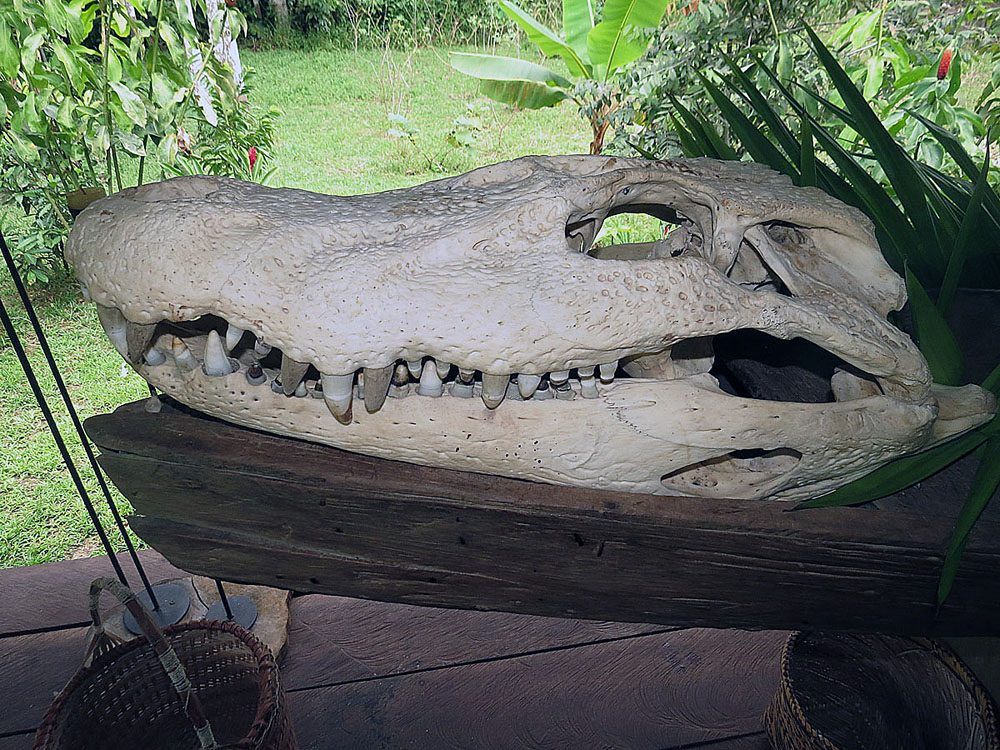
On and around the water you’ll find capybaras (the world’s largest rodent, grazing in family groups), both black and spectacled caimans (best spotted at night, when your guide’s torch picks up their orange eye-shine), turtles, and — in the right spots — the giant river otters of the oxbow lakes. Night boat rides and night walks are when the forest changes character entirely: frogs, snakes, tarantulas, and a million insects you’ll be glad you can’t quite see.
And then the rare prizes: tapirs (often at clay licks in Manu), sloths draped in the high branches, and yes, the ghost of a chance at a jaguar along a remote riverbank. The secret to all of it is simple — go out early, go out late, stay quiet, and trust your guide’s eyes, which are calibrated in ways yours never will be. For a species-by-species look at what lives where, see our Peru Amazon wildlife guide.
How many days do you need in the jungle?
Short answer: three days and two nights is the realistic minimum, and four days is the sweet spot. Here’s why. Day one is mostly travel — flight, transfer, boat — with maybe an afternoon walk. Day two is your one genuinely full day in the forest. Day three you’re heading back out by mid-morning to catch your flight. So a “three-day” trip is really one full day of wildlife plus two half-days. Add a fourth day and you roughly double your real forest time, which is why I always nudge people toward four.
Iquitos and especially Manu want more: four to five days for a satisfying Iquitos cruise or lodge stay, and five to eight for Manu given the long travel. If you’re slotting the rainforest into a wider route, our how many days in the Amazon breakdown and our overall Peru itinerary planner will help you balance jungle time against the highlands and coast.
What a day at a jungle lodge in Peru actually looks like
People often picture the Amazon as either non-stop adventure or hammock-bound idleness. The reality is a gentle, nature-led rhythm that I came to love, built around what you can realistically expect to see. A typical day at a Peru jungle lodge runs something like this:
- 5:00–5:30 am — A soft knock or a bell. You’re up before the sun because that’s when the forest is most alive. Coffee, then onto the boat or trail in the cool half-light.
- 6:00–9:00 am — The morning excursion: a clay lick, an oxbow-lake paddle, or a canopy-tower climb. This is prime wildlife time.
- 9:30 am — Back for a proper breakfast. The middle of the day is hot, so this is when you rest, read, swing in a hammock, or nap to the sound of cicadas.
- 3:30–6:00 pm — The afternoon outing as the heat breaks: a forest walk, a fishing trip for piranha, or a visit to a local community.
- After dinner — An optional night walk or night boat ride to find caimans, frogs and nocturnal creatures. Then to bed under a mosquito net, with the loudest, strangest lullaby you’ve ever heard.
Most multi-day Amazon tours in Peru bundle all of this — accommodation, every meal, a bilingual naturalist guide, boat transfers and excursions — into one price, which makes budgeting refreshingly simple once you’ve booked.
How to get to the Peruvian Amazon
Almost every rainforest trip starts with a domestic flight from Lima or Cusco. You won’t be driving yourself anywhere — and in the case of Iquitos, you literally can’t. Here are the routes and rough flight times:
- Lima → Puerto Maldonado: about 1 hour 40 minutes (sometimes via Cusco).
- Cusco → Puerto Maldonado: under 1 hour — the most popular hop, perfect after Machu Picchu.
- Lima → Iquitos: about 2 hours, and the only practical way in.
- Cusco → Manu: a 6–10 hour road journey down through the cloud forest, then river travel; limited charter flights exist in some seasons.
From the airport you’ll be met and shuttled to a boat dock, then it’s anywhere from 20 minutes to a few hours upriver to your lodge. Book early-morning flights where you can — weather windows are better and you won’t lose your first day to a delay. For the nuts and bolts of domestic flights, buses and transfers across the country, our getting to and around Peru guide has you covered.
What a Peru Amazon trip costs
The Amazon can be done on a backpacker budget or as a serious splurge, and the gap between them is huge. These are realistic per-person ballparks in 2026 for the land/lodge portion (excluding your international and domestic flights), based on what I’ve paid and what operators are quoting:
| Style | Typical cost (per person) | What you get |
|---|---|---|
| Budget lodge (3D/2N) | ~US$280–450 | Simple screened rooms, shared transfers, group excursions, all meals |
| Mid-range lodge (4D/3N) | ~US$500–900 | Comfortable eco-lodge, private bathroom, smaller groups, better guides |
| Premium lodge (4D/3N) | ~US$1,000–1,800 | Top lodges (e.g. Tambopata’s best), excellent food and naturalists |
| Luxury river cruise (4–8 days) | ~US$1,500–6,000+ | Iquitos-based ships, private suites, chef, all excursions and park fees |
| Manu expedition (5–8 days) | ~US$600–1,400 (group) | Cloud forest + lowland, permits, transport, rustic lodges |
On top of the package, budget for your domestic flight (often US$80–200 return), tips for guides and boat crew, a few drinks, and any souvenirs. The Amazon is rarely the cheapest leg of a Peru trip, but it’s also the one people regret skimping on. For how it stacks up against the rest of your budget, see our detailed Peru trip cost and budget guide.
Health and safety: vaccines, malaria and mosquitoes
This is the part people worry about most and, with a little preparation, need to worry about least. I’m not a doctor and this isn’t medical advice — see a travel clinic four to six weeks before you go — but here’s the practical lay of the land.
Yellow fever: a yellow fever vaccination is strongly recommended for the Amazon lowlands, and because it needs about 10 days to take effect, you’ll want to sort it well ahead of time. Carry your vaccination certificate; some neighbouring countries ask for it if you cross over afterwards.
Malaria: malaria exists in the lowland jungle (including around Iquitos and Puerto Maldonado, both below 2,000 m). Whether to take antimalarial tablets depends on exactly where and how long you’re going, so ask your doctor — many short, lodge-based trips are lower risk than you’d assume, but the call should be a professional’s. Dengue and Zika are also mosquito-borne and have no vaccine, which makes bite prevention the real hero.
Mosquitoes: they’re part of the deal, but they’re manageable. Use a repellent with 30–50% DEET (or picaridin), wear long, light-coloured sleeves and trousers at dawn and dusk, and sleep under the net your lodge provides. Good lodges have fully screened rooms, so nights are genuinely fine. Drink only filtered or bottled water — every reputable lodge supplies it — and pack a small personal first-aid kit with rehydration salts.
As for general safety: with a reputable operator the Amazon is a well-managed environment. Stay with your guide, wear the life jacket on boats, don’t swim unless you’re told it’s safe, and keep valuables zipped away in the river towns. For broader country-wide advice on staying healthy and safe, our Peru travel tips, safety and health guide goes deeper.
What to pack for the Peruvian Amazon
Packing for the rainforest is its own small art: you want to stay cool, dry-ish, and un-bitten, all at once. Lodges often provide rubber boots (tell them your size in advance), so you can leave the heavy hiking boots at home. Here’s my tried-and-tested list:
- Lightweight long-sleeved shirts and long trousers in muted colours — sun and bug protection in one.
- A light rain jacket or poncho — it’s a rainforest; it rains.
- Quick-dry everything — cotton stays damp for days in this humidity.
- Insect repellent (30–50% DEET or picaridin) and high-SPF sunscreen.
- A wide-brimmed hat, sunglasses, and a reusable water bottle.
- Binoculars — non-negotiable for wildlife.
- A headlamp (lodges run on limited generator hours) and a power bank.
- Dry bags or zip-lock bags to protect your phone, camera and documents from rain and river spray.
- Sandals for the lodge, plus any personal medications.
Pack it all in a soft duffel rather than a hard suitcase — it’s easier to load into a boat — and keep luggage light, as small planes have strict limits. Our full Amazon packing list for Peru has a printable version.
Food in the Peru jungle
Don’t sleep on the food. Amazonian cuisine is its own delicious world, built on river fish, tropical fruit and ingredients you simply won’t find anywhere else in the country. Look out for paiche (a massive, meaty river fish, often grilled), juane (rice and chicken steamed in a bijao leaf), and tacacho con cecina (mashed roasted plantain with cured pork). Wash it down with juices pressed from camu camu, cocona and aguaje — tart, floral flavours that taste like nowhere else. Most lodges handle vegetarian and vegan diets happily with a little notice. If Peruvian food is part of why you’re coming, our guide to Peruvian food and drink covers the whole national table.
Choosing a responsible lodge and operator
In a place this fragile, who you book with genuinely matters — for the wildlife, for the communities, and for the quality of your own trip. The best operators are also, not coincidentally, the ones who’ll show you the most. A few things I look for: certified, local, English-speaking naturalist guides (they’re the difference between “nice trees” and a hundred species); lodges that manage waste and water, run on solar where possible, and employ and partner with local and Indigenous communities; and a clear conservation ethic — keeping respectful distances from animals, never feeding or baiting them, and steering clear of any “attraction” that involves handling wildlife.
When you visit a community, follow your guide’s lead: ask before photographing people, dress modestly, and buy crafts directly from the makers. These choices keep tourism money in the forest economy, which is ultimately what gives local people a reason to keep the forest standing. A well-run trip proves that a living rainforest is worth more than a logged one — and that’s the most important souvenir you can bring home.
Where the Amazon fits in a Peru trip
For most visitors the rainforest is one chapter in a bigger Peruvian story, and it slots in beautifully. The classic move is to do your highland sightseeing first — acclimatising in Cusco, exploring the Sacred Valley of the Incas, and visiting Machu Picchu — and then drop down to the jungle at the end, where the warm, oxygen-rich air feels like a reward after the thin mountain altitude. A short flight from Cusco to Puerto Maldonado makes this almost effortless.
If you’re trekking, note that the Amazon makes a perfect decompression after the Inca Trail — sore legs love a few days of boat rides and hammocks. And if you’ve got two weeks or more, you can string together the coast, the Andes and the rainforest into one of the great trips of a lifetime. Our Peru itineraries guide lays out day-by-day plans that build the Amazon in without making you backtrack. However you assemble it, give the rainforest its own dedicated days rather than trying to bolt it onto a single afternoon — it deserves them.
First-timer mistakes to avoid in the Peruvian Amazon
After enough trips into the forest — and enough conversations with travellers at the lodge bar — the same avoidable mistakes come up again and again. Sidestep these and you’re most of the way to a great trip.
Going for too few days. The most common regret by a mile. A “three-day” trip is really one full day in the forest. If the Amazon is on your list at all, give it four days; you’ll see roughly twice as much for one extra night.
Picking the gateway by price alone. The cheapest flight isn’t the point. Choose Puerto Maldonado, Iquitos or Manu based on the experience you want — dolphins and cruises versus clay licks and otters versus deep wilderness — then optimise cost within that.
Packing cotton and dark forgetting repellent. Cotton never dries in the humidity, and the one time you forget DEET is the one time you’ll remember it for days. Quick-dry fabrics and good repellent are the difference between comfortable and miserable.
Expecting a zoo. The forest is dense and the animals are wild and shy. Sightings build over days of patient, early-morning effort — they don’t arrive on schedule. Travellers who lean into the rhythm (and look hard at the small stuff: insects, frogs, plants) always come away happier than those waiting for a jaguar to walk across the path.
Bolting it onto the end with no buffer. Small planes and river weather mean delays happen. Don’t book your international flight home for the same evening you’re due out of the jungle — leave a night in Cusco or Lima as a cushion.
Peru Amazon FAQ
When is the best time to visit the Peru Amazon?
Both seasons are rewarding, so it depends on your priorities. The dry, low-water season (roughly June to November) is the most popular and the easiest: better hiking, clearer skies, concentrated land wildlife, and peak macaw clay-lick activity from August to October. The wet, high-water season (December to May) floods the forest for superb boat-based exploration and is the best time for pink river dolphins. For a balance of both, aim for the shoulder months of April–May or October–November.
Which is better: Iquitos, Puerto Maldonado, or Manu?
None is “best” — they’re different. Puerto Maldonado is the easiest and most comfortable, ideal for first-timers and anyone pairing the jungle with Cusco. Iquitos puts you on the Amazon River itself, with pink dolphins and the option of a luxury river cruise. Manu is the wildest and most biodiverse, but it demands more time and a tolerance for basic, remote lodges. Match the gateway to how much time, comfort and effort you want.
How many days do you need in the Peruvian Amazon?
Three days and two nights is the practical minimum, but it really gives you only one full day in the forest, so four days is the sweet spot for a lodge trip near Puerto Maldonado. Iquitos cruises and lodge stays work best over four to five days, and a Manu expedition deserves five to eight days because so much of it is spent travelling to and from the deep forest.
Do I need a yellow fever vaccine or malaria tablets?
A yellow fever vaccination is strongly recommended for the Amazon lowlands and should be done at least 10 days before you travel. Malaria exists in the lowland jungle, but whether you need antimalarial tablets depends on your exact route and trip length — that’s a conversation for a travel clinic four to six weeks ahead. Either way, bite prevention (repellent, covering up at dawn and dusk, sleeping under a net) is essential, since dengue and Zika have no vaccine.
Is the Peruvian Amazon safe to visit?
Yes, with a reputable operator it’s a well-managed and safe experience. The main risks are practical rather than dramatic: insect bites, sun, and slippery trails. Stay with your guide, wear life jackets on the boats, drink only filtered or bottled water, and use registered transfers in the river towns. Choosing an established lodge or tour company with licensed guides and proper safety gear handles most of the rest.
How much does an Amazon tour in Peru cost?
A budget lodge trip (3 days/2 nights) starts around US$280–450 per person all-inclusive, mid-range eco-lodges run roughly US$500–900 for four days, and premium lodges climb to US$1,000–1,800. Luxury river cruises from Iquitos span about US$1,500 to US$6,000-plus depending on the ship and length, while group Manu expeditions land around US$600–1,400. Remember to add your domestic flight, tips and incidentals on top.
What animals will I see in the Peru Amazon?
Realistically: lots of birds (macaws, parrots, toucans, herons, hoatzins), several monkey species, caimans, capybaras, and a good chance of giant river otters on the oxbow lakes. Sloths, tapirs and snakes turn up with luck and a sharp-eyed guide. Big cats like the jaguar are possible but genuinely rare — treat any sighting as a once-in-a-lifetime bonus rather than an expectation, and you’ll come home thrilled.
Can I visit the Amazon on a budget or independently?
You can keep costs down by basing yourself in Puerto Maldonado or Iquitos and booking a simple, locally run lodge with shared excursions — that’s the backpacker classic. Fully independent jungle travel, however, is impractical and often unsafe: you need boats, guides and permits, so even budget travellers go through an operator. The good news is that all-inclusive pricing means once you’ve booked, there’s very little to spend money on inside the forest.
Is the Amazon worth it if I’m already doing Machu Picchu?
Absolutely — and the logistics could hardly be easier, with sub-hour flights from Cusco to Puerto Maldonado. The rainforest is a completely different Peru from the ruins and mountains: a change of climate, scenery, food and pace that makes your trip feel twice as rich. If you can spare three or four extra days, adding the jungle is one of the best upgrades you can make to a classic Peru itinerary.
The Peru Amazon is the kind of place that recalibrates you. After a few days of dawn boat rides, howler-monkey wake-up calls and skies full of macaws, the rest of the world feels a little quieter and a lot smaller. Pick your gateway, get your timing right, pack smart — and go let the forest do the rest.