Peru Travel Tips, Safety & Health
Peru Travel Tips: Safety, Health & What I Wish I’d Known
Every Peru travel tip I actually give friends: altitude tricks, taxi and money rules, scams to dodge, what to book ahead and how to stay healthy - from someone who learned the hard way.
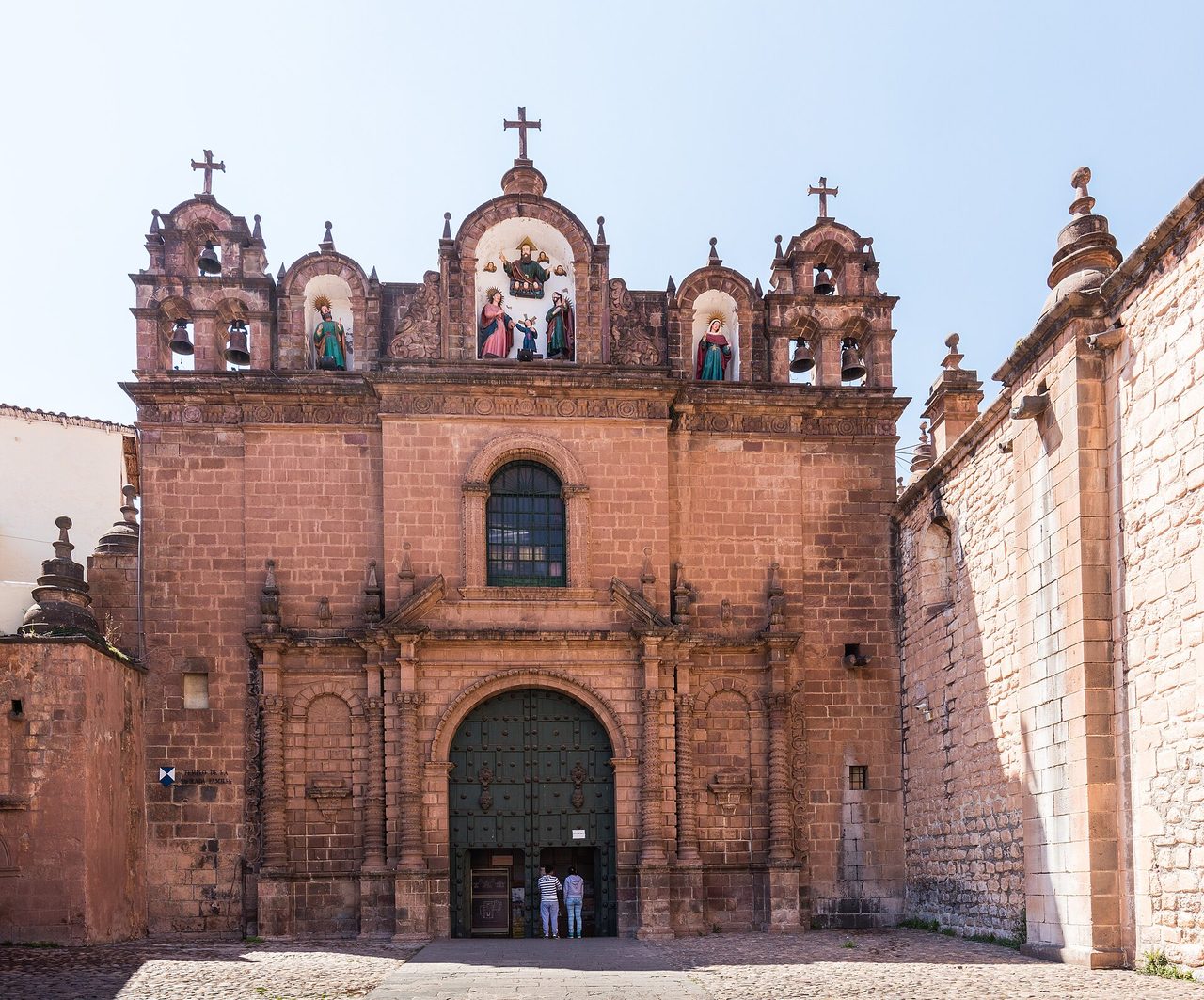
Somewhere in my first week in Peru, I kept a running list on my phone titled “things I wish someone had told me.” It started with “your card is useless at the market” and grew to forty-odd entries by the time I flew home. That list — tested, trimmed and updated across every trip since — became this guide. These are the Peru travel tips I actually give friends before they go: not the generic “bring sunscreen” filler, but the specific stuff about altitude, taxis, counterfeit banknotes and why you should never schedule Machu Picchu for the day after you land in Cusco.
The short answer: Peru is safe, cheap-ish and easier than its reputation suggests — if you respect three things: the altitude (acclimatize before you exert), the water (never from the tap) and the logistics (book Machu Picchu and long buses ahead, carry small soles notes, and use taxi apps instead of street cabs).
Peru essentials at a glance
Before we get into the weeds, here’s the cheat sheet I send people who ask me “so what do I actually need to know?” Screenshot it; it covers the questions you’ll otherwise be googling from the airport.
| Essential | The quick version |
|---|---|
| Entry | No visa for US, UK, EU, Canadian, Australian and most other tourists; up to 90 days stamped in digitally (the old paper Andean Migration Card is gone). Passport needs 6 months’ validity. |
| Currency | Peruvian sol (PEN). Cash still rules outside cities — carry small bills. Cards fine in hotels and better restaurants. |
| Language | Spanish (plus Quechua and Aymara in the highlands). English is limited outside hotels and tour offices. |
| Water | Tap water is not safe to drink anywhere in Peru. Bottled, boiled or filtered only — including for brushing teeth if you have a sensitive gut. |
| Altitude | Cusco sits at 3,400 m, Puno at 3,830 m. Altitude sickness is real; plan 1–2 easy days before anything strenuous. |
| Safety | US State Department Level 2 (“exercise increased caution”) — same tier as France or Spain. Petty theft is the main risk; violent crime against tourists is rare. |
| Vaccines | Nothing required for entry. Hepatitis A and typhoid recommended; yellow fever if you’re heading into the Amazon. |
| Plugs & power | 220V / 60Hz, type A and C sockets. Most phone and laptop chargers are dual-voltage; hair tools usually aren’t. |
| Emergency | 105 for police. Tourist police (POLTUR) operate in Lima, Cusco, Arequipa and other visitor hubs; iPeru offices give free, legitimate tourist help. |
| Best months | May–September for the Andes and trekking (dry, cold nights); November–March is beach season on the coast and high-water season in the Amazon. |
The Peru travel tips I give everyone first
If you read nothing else, read these ten. They’re the difference between a smooth trip and learning everything the hard way, which I can confirm is character-building but overrated.
- Don’t sleep in Cusco on night one if you can help it. Land, then drop straight down to the Sacred Valley (about 600 m lower) and acclimatize there. Your first Cusco staircase will still humble you, but you’ll skip the worst of the headache-and-nausea lottery.
- Book Machu Picchu before you book anything else. Tickets are limited by circuit and sell out weeks ahead in dry season; Inca Trail permits go months ahead. Build the rest of the trip around that date.
- Carry cash, in small bills, always. A surprising amount of Peru runs on 10- and 20-sol notes: markets, colectivos, toilets (yes, you often pay 1 sol), tips, that emergency Inca Kola. Nobody ever has change for a 100.
- Use taxi apps, not street cabs. Uber, Cabify and inDrive work in Lima, Cusco and Arequipa. Peruvian taxis have no meters; apps remove the haggle and add a digital trail.
- Never drink the tap water. Not in Lima, not in a five-star hotel. Bottled or filtered, full stop.
- Respect the altitude like it’s a third member of your party. It dictates your itinerary order, your first 48 hours and how much pisco you should drink on arrival (none).
- Buy travel insurance that covers 4,000+ m and evacuation. Standard policies often cap altitude. If you’re trekking, check the fine print before you buy, not in a clinic in Cusco.
- Take the good buses. Cruz del Sur, Oltursa and Civa’s premium services are genuinely comfortable and safe. The bargain-basement companies are where the horror stories come from.
- Learn ten words of Spanish. Buenos días, por favor, gracias, la cuenta, cuánto cuesta. Effort is currency in Peru; people visibly soften when you try.
- Build a buffer day before your flight home. Strikes, roadblocks and weather happen. Don’t make Machu Picchu or a jungle lodge the day before an international departure.
Everything below unpacks these — plus the money, health, packing and etiquette details that don’t fit in a list.
Before you go: entry, insurance and paperwork
Peru is refreshingly low-friction to enter, but a few details trip people up — usually the ones who assume it works like it did in 2015.
Entry requirements and the digital TAM
Most nationalities — including the US, UK, EU, Canada, Australia and New Zealand — get up to 90 days visa-free as tourists. Two things matter here. First, your passport must be valid for at least six months from your arrival date; airlines enforce this at check-in, and I’ve watched someone get turned away at the gate over it. Second, the old paper Andean Migration Card (TAM) is now fully digital: your entry is registered when your passport is scanned, and no slip of paper appears. The catch is that immigration officers decide how many days you get, and it’s not always 90. Check the number before you walk away from the booth — you can verify your stamp later on the Migraciones website. Overstaying costs you a fine per extra day and an awkward conversation on the way out. I keep a full breakdown in my Peru entry requirements guide, including the proof-of-onward-travel question (rarely asked, but bring a flight confirmation just in case).
Travel insurance: the altitude clause
This is the least glamorous tip in this guide and the one I’m most insistent about. Peru is a country where the nearest serious hospital can be a twelve-hour drive away, and where a twisted ankle on a trek means mules, then a van, then maybe a helicopter. Get insurance that explicitly covers: trekking to your maximum planned altitude (many policies cap at 3,000 or 4,500 m — the Inca Trail tops out at 4,215 m and Rainbow Mountain at over 5,000 m), emergency evacuation, and medical treatment abroad. Read the adventure-activities exclusions if you’re planning sandboarding in Huacachina or anything with a paddle.
Vaccines and the pre-trip doctor visit
Nothing is required to enter Peru. That said, travel clinics (and the CDC) generally recommend being current on routine shots plus hepatitis A and typhoid — both food-and-water-borne, both very much present. If your itinerary includes the Amazon — Iquitos, Puerto Maldonado, Manu — yellow fever vaccination is strongly advised (some lodges ask for proof), and it needs to be done at least 10 days before travel to be effective. Malaria pills only enter the conversation for deeper jungle stays; ask a travel clinic rather than the internet. Rabies is a judgment call for long trips and remote areas — Peru has a lot of free-roaming dogs. The full rundown lives in my Peru vaccines guide.
Is Peru safe? An honest answer
Yes — with the same caveats as most of Latin America’s big tourist countries. I’ve wandered Lima, Cusco, Arequipa and a dozen smaller towns at all hours and the worst thing that’s happened to me in Peru is a fake 50-sol note (more on that in the money section). The US State Department keeps Peru at Level 2, “exercise increased caution” — the same level as France, Spain and the UK. Millions of people visit every year and the overwhelming majority go home with nothing worse than sunburn. For the full deep-dive, I’ve written a dedicated guide to whether Peru is safe; here’s the practical version.
Petty theft: the actual risk
The crime that actually affects tourists is opportunistic: pickpocketing in crowded markets and bus terminals, bag-snatching from café chairbacks, phones lifted from back pockets on public transport. The defenses are boring and effective. Keep your phone zipped away in crowds. Loop a bag strap around your leg in restaurants. Don’t put anything in the seat pocket on buses. Carry a decoy amount of cash in an accessible pocket and the rest somewhere a thief would need a relationship with you to find. In eight trips’ worth of time in Peru I’ve lost exactly nothing this way, but I’ve met plenty of travelers who learned the chairback lesson in Miraflores.
Taxis, apps and the airport gauntlet
Peruvian street taxis have no meters — every ride is a negotiation, and arriving tourists lose negotiations. Worse, unlicensed cabs are the vector for the rare-but-real “express kidnapping” scam, where a driver detours via ATMs. The fix is simple: use Uber, Cabify or inDrive in cities (all work well in Lima and Cusco), or have your hotel call a taxi and agree the fare before you get in. At Lima airport, ignore the scrum of guys shouting “taxi amigo” and use the official taxi counters inside the terminal or the airport express bus to Miraflores. It costs a few soles more and is worth every céntimo. My getting around Peru guide covers airport transfers in detail.
The scams worth knowing
Peru’s scams are mostly low-stakes hustle, but they’re predictable enough to list:
- The counterfeit change switch. You pay with a 100, the bill “becomes” fake, or your change includes a counterfeit. Count change slowly, learn the feel of real notes (more below), and break big bills in supermarkets, not taxis.
- The broken meter / inflated fare. There is no meter. Agree the price before the door closes or use an app.
- Fake tour agencies. A storefront with a laminated photo of Rainbow Mountain does not equal a licensed operator. Book treks with companies that have real reviews, real offices and real permits — especially for the Inca Trail, where permits are non-transferable.
- The “helpful” stranger at the ATM or terminal. Anyone hovering to assist you with a machine or your bags wants something. Be polite, be firm, keep moving.
- Distraction teams. A spilled drink, a sudden argument, an old lady dropping coins — classic setups. Hand on your bag, keep walking.
- “Baby alpaca” that is neither baby nor alpaca. The 25-sol “alpaca” sweater is acrylic. Real alpaca comes from certified shops and costs real money. Buy accordingly and nobody gets hurt.
Protests, roadblocks and the VRAEM
Two structural things to know. First, protests and road blockades are a normal part of Peruvian political life — they flare around elections and mining disputes, they can close highways and rail lines (including, occasionally, the Machu Picchu line) with little warning, and they’re disruptive rather than dangerous for foreigners. Stay flexible, follow local news, and build slack into your route. Second, a couple of regions carry “do not travel” advisories: the VRAEM (a remote valley system associated with coca production) and parts of the Loreto border with Colombia. No tourist itinerary goes near either — Machu Picchu, Cusco, the Sacred Valley, Arequipa, Titicaca and the main Amazon lodges are nowhere close.
Solo travelers and solo women
Peru has one of South America’s most worn gringo trails, which makes it one of the easier countries on the continent to travel alone — hostels are social, buses are organized, and you’re rarely the only foreigner in town. Solo women I’ve traveled with report the usual Latin America annoyances (catcalling, occasional over-friendly guides) more than actual danger, with the standard playbook: apps not street cabs at night, drinks watched, confidence projected. I’ve collected specific advice in my solo travel in Peru guide.
Altitude: the tip that outranks all other Peru travel tips
Here’s the thing nobody quite believes until they’re gasping on a hotel staircase: altitude sickness doesn’t care how fit you are. Marathon runners get flattened while their sedentary partners feel fine. Cusco sits at 3,400 m (11,150 ft), Puno at 3,830 m, and the moment you fly in from sea-level Lima, your body is suddenly working with about a third less effective oxygen. Soroche — the local name for it — typically shows up as headache, nausea, dizziness, terrible sleep and a general sense that gravity has been turned up.
The good news: it’s largely manageable with sequencing and patience. Here’s the system that’s worked for me and everyone I’ve inflicted it on:
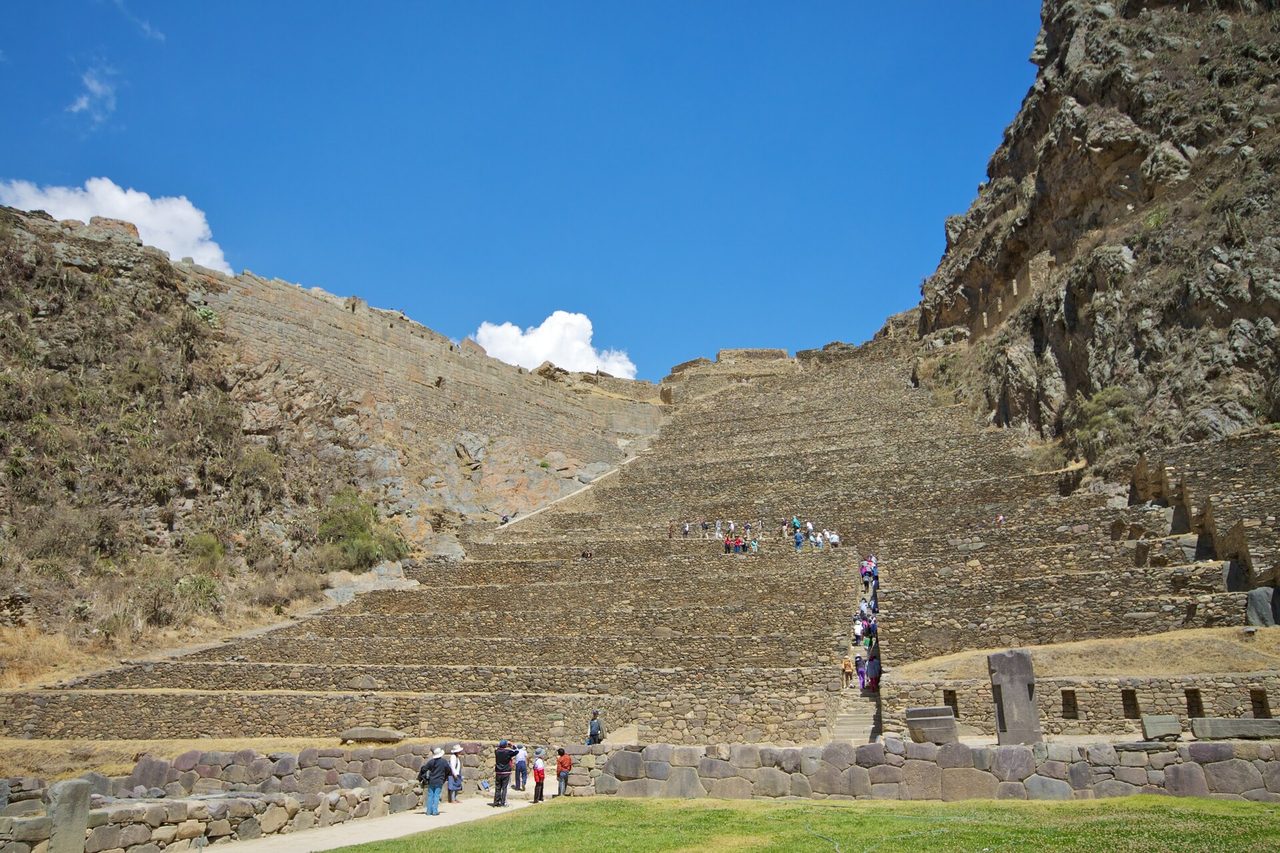
- Go low first. If your route allows it, land in Cusco and transfer straight to the Sacred Valley — Ollantaytambo and Urubamba sit around 2,800 m, meaningfully gentler than Cusco. Spend your first night or two there, see the ruins, then climb back up to Cusco already half-adjusted. Arequipa (2,335 m) is another good stepping stone if you’re coming from the south.
- Make day one boring. Walk slowly, eat light, skip alcohol, drink more water than seems reasonable. The plaza and a long lunch is a full first-day itinerary. Save Cusco’s bigger sights for day two or three.
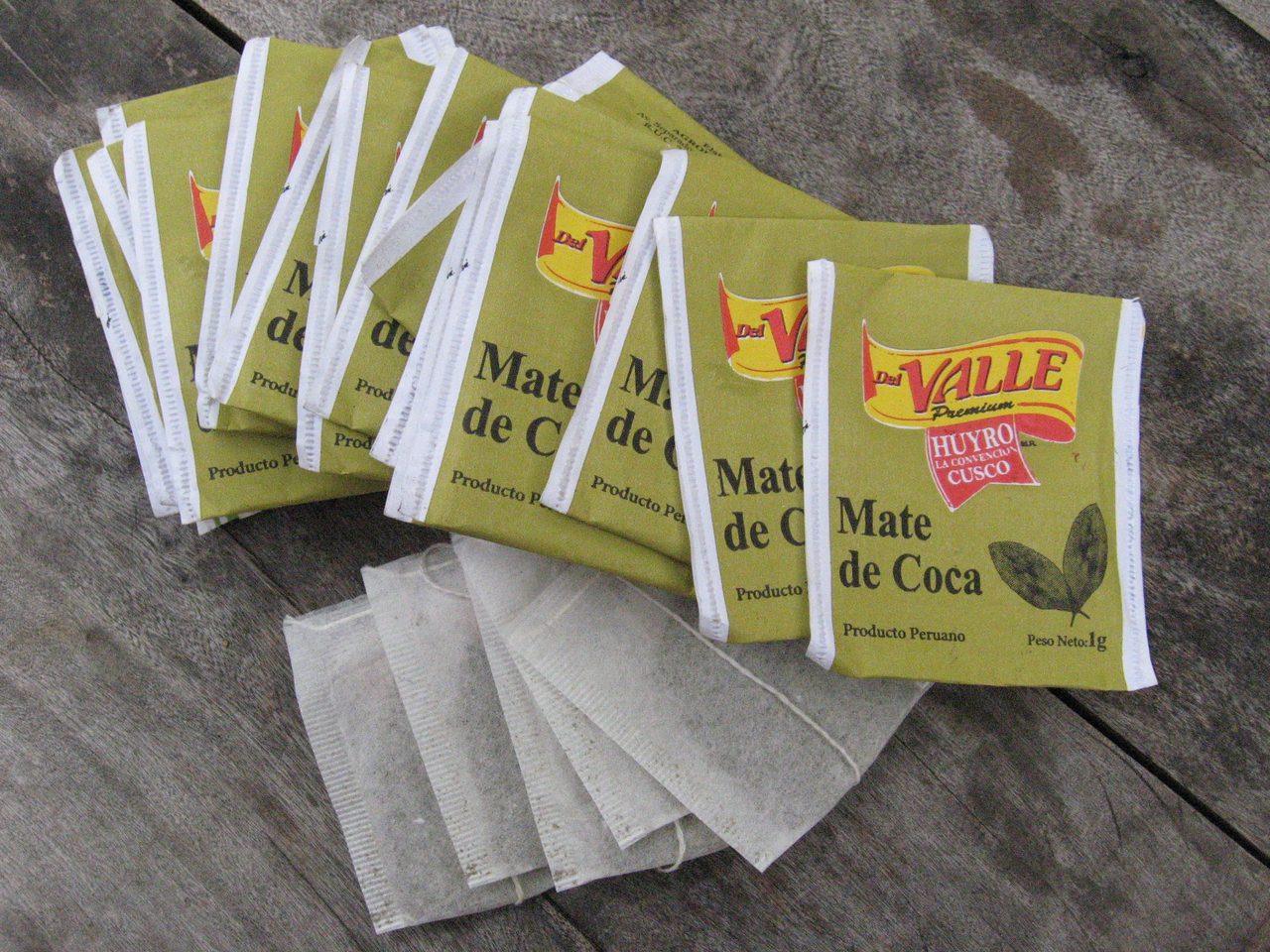
- Coca tea works, sort of. Mate de coca — hot water over coca leaves, available free in half the hotel lobbies in the Andes — is a mild stimulant that takes the edge off symptoms. It’s legal and traditional in Peru. (Worth knowing: it can trigger a positive drug test, so skip it if that matters for your job, and don’t bring leaves home through customs.)
- Consider Diamox. Acetazolamide, the actual altitude drug, speeds acclimatization rather than masking symptoms. Talk to your doctor before the trip; locals will also sell you “sorojchi pills,” which are basically aspirin-caffeine combos.
- Know the escalation rule. Mild symptoms that improve over 24–48 hours are normal. Symptoms that worsen despite rest — confusion, breathlessness at rest, a wet cough — mean descend, now, and see a doctor. Descent is the only real cure.
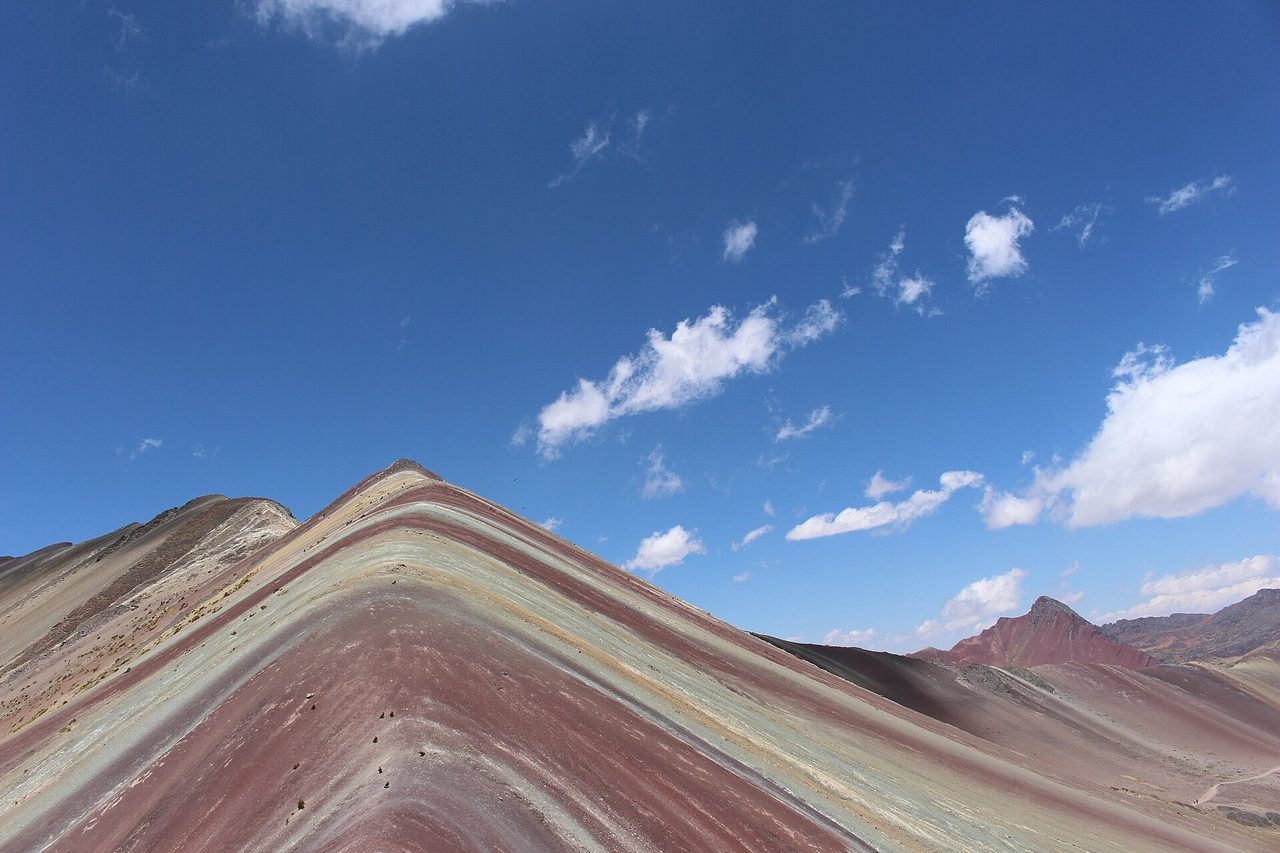
One more sequencing trick: altitude tolerance builds. If your itinerary includes a big trek or Rainbow Mountain (5,036 m at the pass), schedule it late in your Andes stay, not early. By day five in the highlands, the hike that would have wrecked you on day two becomes merely hard. I’ve put the full medical detail — symptoms, medications, kids and altitude, when to worry — in my altitude sickness in Peru guide.
Health: water, food and the gringo gut
Statistically, the thing most likely to go wrong on your Peru trip isn’t crime or altitude — it’s your stomach. Some of that is bad luck, but most of it is avoidable with a few habits.
Water rules
Tap water is not potable anywhere in Peru — not in Lima’s fanciest district, not boiled-looking, not “probably fine.” Drink bottled, boiled or filtered water only. I travel with a filter bottle (any of the big filter/purifier brands work) which pays for itself in about four days and saves a mountain of plastic; big 2.5-liter bottles from supermarkets are the cheap backup. Ice in proper restaurants is generally made from purified water; ice from a street cart is a gamble I don’t take. Whether you brush your teeth with tap water is a personal risk tolerance thing — I do, sensitive stomachs shouldn’t. Full reasoning in can you drink the tap water in Peru.
Food rules
Peru has arguably the best food on the continent — ceviche, lomo saltado, aji de gallina, a thousand potato varieties — and you should eat ambitiously. Just sequence your bravery:
- Eat ceviche at lunchtime, when the fish came in that morning. Cevicherías traditionally close by late afternoon for exactly this reason.
- Pick the busy place. A street stall with a queue of locals turns its food over fast; the empty one next to it doesn’t.
- Hot and fresh beats cold and sitting. Soups, grills and anything cooked to order are safer than buffets.
- Peel your own fruit; be suspicious of pre-cut fruit salads and raw salads outside good restaurants in your first week.
- Ease in. Give your gut a few days of restaurant food before you graduate to market menus and street anticuchos — which you absolutely should graduate to.
Even careful eaters sometimes lose a day. Pharmacies (Inkafarma and Mifarma are on every block) sell rehydration salts and loperamide over the counter; bland food and fluids fix most cases in 24–48 hours. If fever or blood enters the picture, see a doctor — Lima, Cusco and Arequipa have good private clinics used to treating travelers.
Sun, bugs and pharmacies
Three quiet health items that punch above their weight. First, the sun: at 3,400 m the UV index regularly hits extreme, and you will burn through cloud. Sunscreen and a real hat are non-negotiable, even when it’s cold. Second, insects: the highlands are blissfully mosquito-light, but the Amazon and lowland valleys demand DEET or picaridin, long sleeves at dusk and your yellow fever shot. Sandflies at Machu Picchu’s town, Aguas Calientes, are a known menace — repellent helps. Third, pharmacies are excellent and everywhere; many medications that need prescriptions at home are over-the-counter in Peru, but bring your own prescription meds in original packaging anyway, plus a basic kit (painkillers, plasters, motion sickness tablets for mountain roads — trust me on that last one).
Money in Peru: cash, cards and counterfeits
Peru runs on the sol (PEN), and the country’s money culture is split-personality: Lima’s nicer districts are nearly cashless, while the market two blocks away wants coins. The system that works: cards where they’re obviously accepted, cash for everything else, and small denominations always.
ATMs and getting soles
Skip the airport currency desks and just withdraw soles from bank ATMs: BCP, Interbank, Scotiabank and BBVA are the big four, and machines physically inside bank branches are the safest bet (both for skimmers and for not being watched). Two warnings. ATM fees can sting — shop around, since fees vary by bank, and decline the machine’s “conversion” offer (always choose to be charged in soles, not your home currency; the dynamic conversion rate is a quiet robbery). And tell your bank you’re traveling so they don’t freeze your card the first time it meets Cusco. US dollars in good condition are accepted at some hotels and tour agencies, but you’ll get change in soles at a mediocre rate — dollars are backup, not a plan.
The counterfeit problem
Fake notes circulate widely enough in Peru that checking money is a normal, non-offensive thing everyone does — shopkeepers will hold your 50 up to the light, and you’re entitled to do the same with your change. Real notes have a watermark, a security thread, and raised, textured ink you can feel; fakes feel flat and waxy. The practical rules: break large notes in supermarkets and chain pharmacies rather than taxis and market stalls, count your change deliberately, and if a note feels wrong, hand it back and ask for another. The one fake 50 I’ve ever received came as change from a street cab at night — every part of that sentence was the mistake.
Tipping: the cheat sheet
Tipping in Peru is appreciated but low-pressure — nobody chases you down the street. Here’s what I actually do:
| Situation | What to tip |
|---|---|
| Sit-down restaurant | 5–10% if no service charge; round up at cheap menús |
| Street food / market stalls | Not expected |
| Taxis and app rides | Not expected; round up for help with bags |
| Day-tour guide | 10–20 soles per person |
| Multi-day trek guide | 50–100+ soles per trekker; team tips are usually pooled |
| Porters and cooks on treks | Pooled tips — your operator will suggest amounts; be generous, they earn it |
| Hotel porters / housekeeping | 2–5 soles per bag / per day |
Haggling without being a jerk
Bargaining is normal in markets and with unmetered taxis; it is not normal in shops with price tags, restaurants or supermarkets. The etiquette: smile, counter at maybe 60–70% of the opening price, meet somewhere in the middle, and keep perspective — grinding a weaver down over what amounts to a dollar is a bad look. If you’re buying handmade textiles directly from the maker, asking about the work gets you further (and often a better price) than hardball. For the bigger budget picture — what a trip actually costs per day, by style — see my Peru trip cost guide.
Getting around: buses, flights and the gringo trail
Peru is huge — Lima to Cusco is a 21-hour drive — so how you move shapes your whole trip. The full breakdown lives in my getting to and around Peru guide, but these are the tips that matter most.
- Fly the long hops. Lima–Cusco is a 1.5-hour flight that replaces a day and a night of mountain road. LATAM is the full-service option; Sky and JetSMART are the budget carriers. Book early, watch the baggage rules, and take morning flights — afternoon weather in the Andes cancels things.
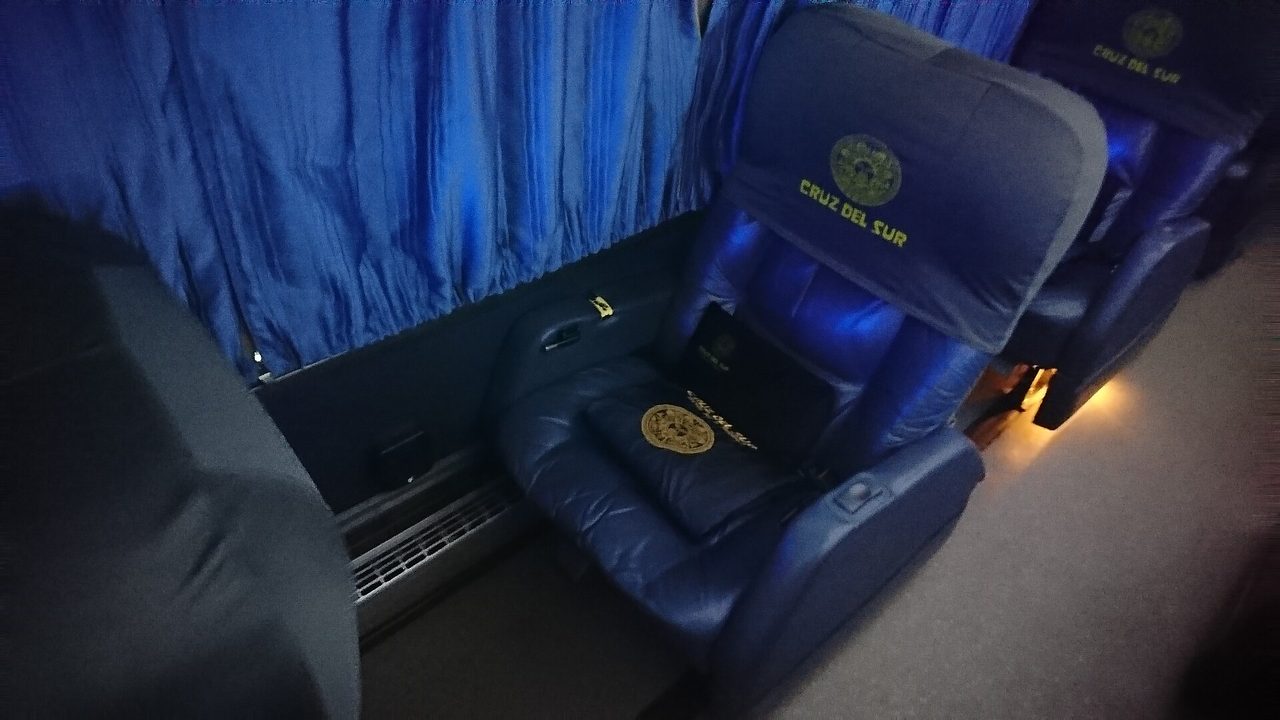
- Take premium night buses, not cheap ones. Cruz del Sur and Oltursa’s top services (look for “cama” or 160°–180° seats) are safer and more comfortable than most airlines’ economy. The rock-bottom companies cut corners on drivers and maintenance; this is the one category where I never shop on price.
- PeruHop exists for a reason. The hop-on-hop-off bus down the southern coast — Paracas, Huacachina, Arequipa — is tourist-bubble travel, but it’s flexible, safe and sociable, and for first-timers it removes a lot of logistics friction.
- Colectivos are the local secret. Shared vans and cars run fixed routes (Cusco to the Sacred Valley, for instance) constantly, cheaply and faster than buses. No schedule; they leave when full. Ask your accommodation where the departure point is.
- Trains are for Machu Picchu and romance. PeruRail and Inca Rail run the only practical route to Machu Picchu; book classes and times well ahead in high season. Everything else train-wise in Peru is scenery, not transport.
- Don’t rent a car for the classic route. Between mountain roads, aggressive driving norms and abundant cheap alternatives, self-driving the Lima–Cusco–Titicaca circuit is all cost and no benefit. The exception is the north coast, where a car genuinely helps.
Book-ahead list: the things that actually sell out
Peru rewards spontaneity in most places and punishes it in exactly five:
- Inca Trail permits — capped daily, released in batches, and gone 3–6 months out for dry season dates. No permit, no trail; alternatives like the Salkantay trek book much later.
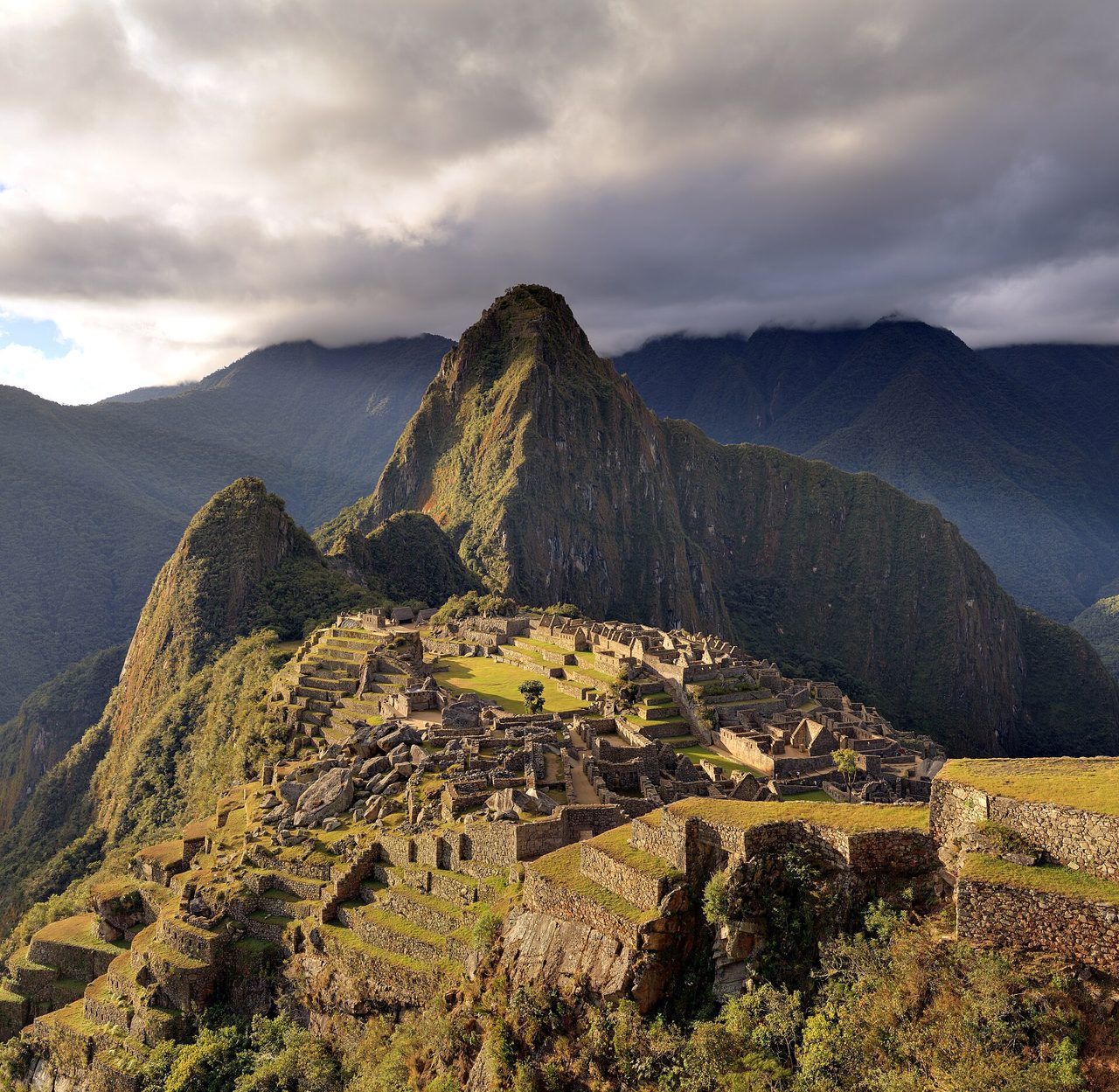
- Machu Picchu entry tickets — sold by circuit and time slot with daily caps. Dry-season and holiday dates sell out weeks ahead; the climbing add-ons (Huayna Picchu, Machu Picchu Mountain) go fastest of all.
- Machu Picchu trains — the cheap and well-timed departures vanish first, especially around Inti Raymi (late June) and national holidays in late July.
- Amazon lodges — the good ones in Tambopata and around the Peruvian Amazon run on fixed boat schedules and fill up in dry season.
- Hotels for festival weeks — Cusco around Inti Raymi and anywhere during Fiestas Patrias (July 28–29) gets tight and pricey.
Everything else — city hotels, day tours, Colca Canyon, Rainbow Mountain, paragliding in Lima — you can comfortably book days ahead or on arrival, usually for less than the online price. For sequencing all this into a sane route, my Peru itinerary guide has day-by-day plans from one to three weeks.
Packing: layers, plugs and the things people forget
Peru’s party trick is serving you three climates in one trip: damp coastal grey, thin freezing highland air and jungle humidity, sometimes all in the same week. The packing answer is layers — a base layer, a warm mid-layer (buy the alpaca sweater there; it’s the best souvenir category in the country), and a proper rain shell. Beyond that, the items people most often wish they’d brought:
- A type A/C plug adapter and a dual-voltage check. Peru runs 220V at 60Hz with US-style two-pin and European round-pin sockets. Phones and laptops are fine; single-voltage hair dryers and straighteners die dramatically.
- Real sun protection. High-SPF sunscreen, lip balm with SPF, sunglasses, a brimmed hat. Altitude sun is not negotiating.
- A filter water bottle. Saves money, plastic and stomach trouble.
- Broken-in walking shoes with grip. Inca stonework is beautiful and lethally slick when wet; cobblestones everywhere.
- A daypack that zips fully shut and ideally sits on your front in markets.
- Motion sickness tablets for mountain roads, small-plane Nazca flights and Titicaca boats.
- A headlamp if you’re trekking — and spare batteries, because pre-dawn starts are standard.
- Copies of your passport (photo on your phone plus a paper copy). You’ll need the physical passport for Machu Picchu entry and train tickets, so have a system for where it lives.
Two full guides if you want them: my complete Peru packing list and a more style-focused look at what to wear in Peru (short version: Peruvians dress modestly and neatly; save the crop tops for the coast).
Phones, SIMs and staying connected
Connectivity in Peru is better and cheaper than most visitors expect. The four carriers are Claro, Movistar, Entel and Bitel; Claro and Entel have the strongest tourist-route coverage. If your phone supports eSIM, the painless move is buying a Peru or Latin America eSIM before you land (Airalo, Holafly and friends) so you exit the airport already online. Physical SIMs are cheap but must be registered to your passport at an official carrier store — skip the guys selling pre-registered SIMs at the airport curb. Coverage is solid in cities and most towns, patchy on mountain roads, and nonexistent in the deep Amazon and on most treks (lodges and trekking companies use satellite connections for emergencies; download offline maps before you go). Hotel Wi-Fi is universal and universally mediocre. Details and current prices in my Peru SIM card and internet guide.
Language and culture: small efforts, big returns
English will get you through hotels, trains and tour desks on the main circuit, and not much further. Peru rewards even embarrassing Spanish: greetings before transactions (“buenos días” first, then your question — this matters), por favor and gracias liberally, “la cuenta, por favor” for the bill, “¿cuánto cuesta?” for prices. In the highlands, millions of people speak Quechua first; one word — “sulpayki,” thank you — earns smiles all day. I keep a cheat sheet of useful Spanish phrases for Peru with pronunciation.
Cultural notes that keep you on the right side of things: ask before photographing people, especially in traditional dress (the women with lambs and llamas in Cusco’s plazas pose for a living — a few soles is the fair exchange); dress modestly in churches and rural communities; don’t climb on ruins or pocket “souvenir” stones; and treat festivals and processions as the religious events they are rather than photo ops. Peruvians are warm, proud of their country and genuinely delighted when visitors engage with it respectfully — the bar is low and the payoff is high.
One scheduling quirk worth flagging twice: many museums close on Mondays, including big ones in Lima and Cusco. Plan museum days accordingly.
Eating well (and the dishes worth crossing town for)
I won’t pretend to compress Peruvian food into a paragraph, but as travel advice: eat the menú del día at lunch (a soup, a main and a drink for 10–20 soles — the single best value in the country), try ceviche within your first 48 coastal hours, order lomo saltado anywhere with a wok-burnished smell, drink one proper pisco sour, and keep an open mind about cuy (guinea pig — a festival dish, more tradition than transcendence, worth trying once). Vegetarians do better than Peru’s meat-heavy reputation suggests, especially in Lima and Cusco; the magic words are “sin carne.” Coffee paradox: Peru grows superb beans and serves instant Nescafé by default outside specialty cafés — seek out the good stuff.
Quick regional tips for the places you’ll actually go
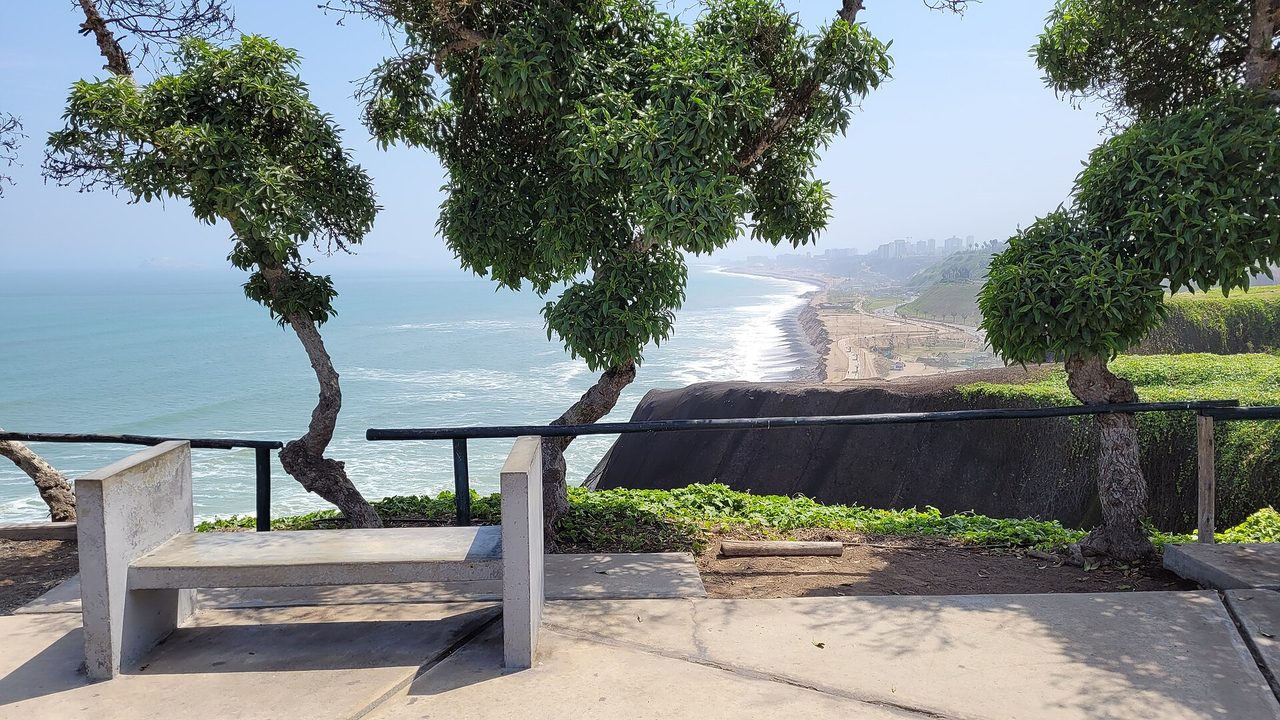
Lima: Stay in Miraflores or Barranco, not the historic center. Walk the clifftop malecón, eat your most ambitious meals here (it’s one of the world’s great food cities), and treat the grey winter sky (May–October) as atmosphere rather than disappointment. Cross streets defensively; Lima traffic is a contact sport.
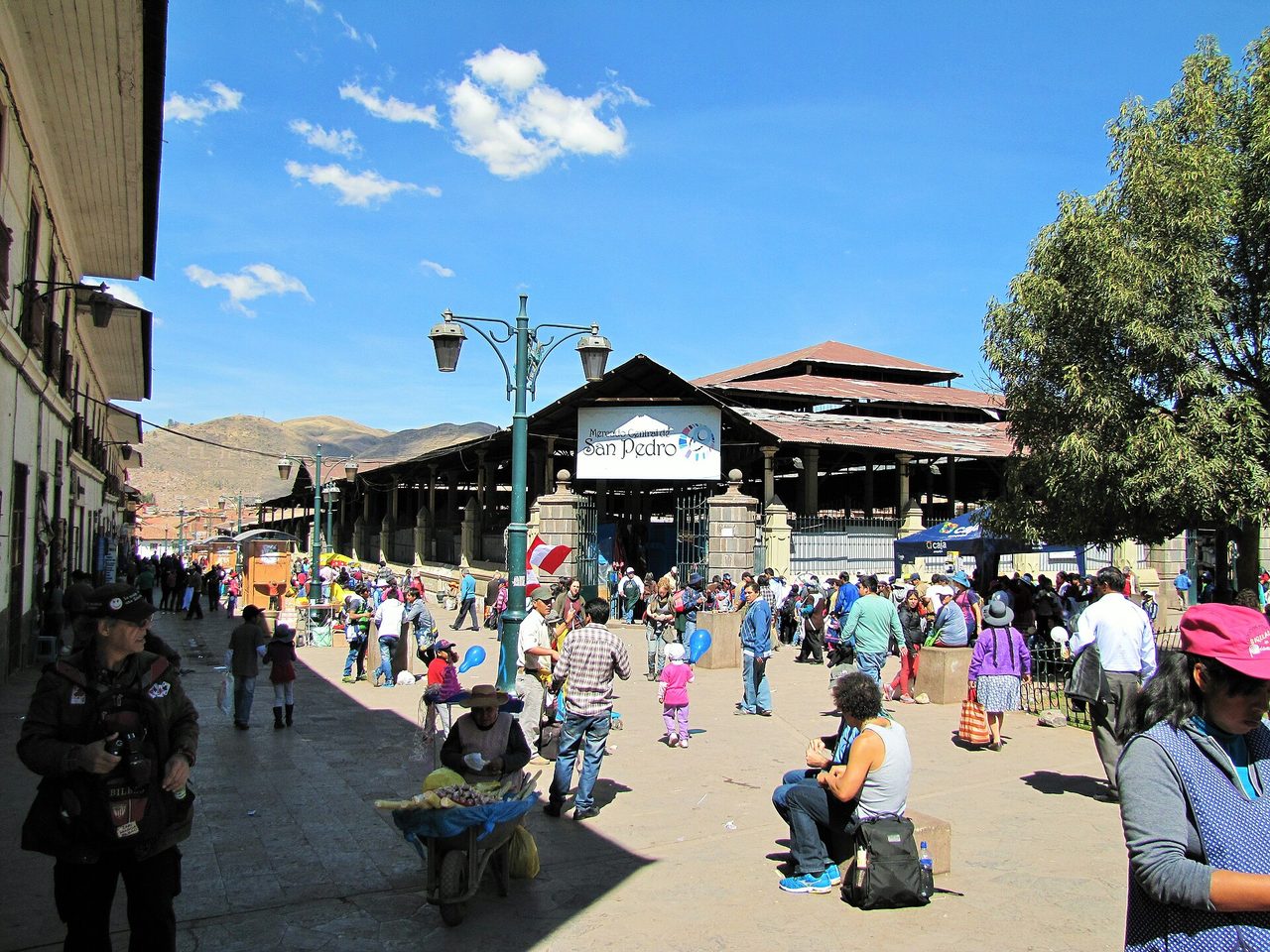
Cusco and the Sacred Valley: Acclimatize low, sleep in Ollantaytambo at least one night, and buy the Boleto Turístico (the combined ticket for ruins around Cusco and the Valley) only after checking which sites you’ll actually visit — there are partial versions. San Pedro market is the cheap-lunch and people-watching headquarters.
Machu Picchu: Go early or late in the day, carry your passport, and remember there are no toilets inside the site (use the ones at the gate; take small change). Day one rule applies: don’t schedule it for the morning after you land at altitude. Full logistics in the Machu Picchu guide.
Arequipa and Colca Canyon: Peru’s prettiest city and an underrated food scene — try rocoto relleno. Colca’s condors fly on morning thermals; the viewpoint crowds are worth it. Arequipa’s moderate altitude makes it a smart acclimatization stop. More in my Arequipa & Colca guide.
Lake Titicaca: At 3,830 m, Puno is the altitude boss fight — arrive acclimatized. Skip the rushed half-day tour; an overnight island homestay (Amantaní or Taquile) is the real experience. Bring warm layers and cash; there’s a full guide to Lake Titicaca and Puno.
The Amazon: Pick your gateway by trip length — Puerto Maldonado for 2–4 day lodge stays, Iquitos for deeper expeditions. Yellow fever shot, repellent, long sleeves, and manage your wildlife expectations: it’s a dense green world of small wonders, not a safari. See the Peruvian Amazon guide.
Timing your trip (the two-sentence version)
May through September is the Andes’ dry season: brilliant trekking weather, cold nights, peak crowds and prices. November through March flips the script — rainy (and gorgeous) highlands, the Inca Trail closed each February, but prime beach weather on the coast and high water in the Amazon. April and October are the shoulder-season sweet spots. The full month-by-month breakdown is in my best time to visit Peru guide — and whatever you do, check Peruvian holiday dates (Inti Raymi in late June, Fiestas Patrias in late July) before locking in Cusco hotels.
Seven mistakes I see first-timers make (so you don’t have to)
- Flying into Cusco and hiking the next morning. The altitude lottery always wins. Give it 48 hours.
- Treating the trip like a checklist sprint. Lima–Cusco–Machu Picchu–Titicaca–Arequipa in eight days is technically possible and reliably miserable. Fewer places, more days each.
- Booking nothing in advance. Works everywhere except the five sell-outs listed above, which happen to be the five things you came for.
- Carrying only big notes. The 100-sol bill from the ATM is a paperweight until you break it. Supermarkets are your friend.
- Hailing cabs off the street at night. Apps exist in every city you’ll visit. Use them.
- Skipping travel insurance because “it’s a short trip.” Altitude, mountain roads and remote trails don’t check your itinerary length.
- Writing off the rest of Peru. Machu Picchu earns its hype, but ask anyone back from a second trip what they loved most and they’ll say the Amazon, or Kuélap, or a market in a town you haven’t heard of yet. Leave room for Peru to surprise you.
Peru travel tips: frequently asked questions
Is Peru safe for tourists right now?
Yes, for the places tourists actually go. Peru sits at US State Department Level 2 (“exercise increased caution”), with the main tourist circuit — Lima, Cusco, the Sacred Valley, Machu Picchu, Arequipa, Titicaca, the main Amazon lodges — far from the handful of regions under stricter advisories. The realistic risks are pickpocketing, taxi overcharging and protest-related travel delays, all manageable with the precautions in this guide.
How much cash should I carry in Peru?
Day to day, I carry 100–200 soles, mostly in 10s and 20s, plus a card. Withdraw a few hundred soles at a time from bank ATMs (fees add up on small withdrawals), keep a backup stash and a backup card separate from your wallet, and break big notes at supermarkets whenever you can.
Can you drink tap water in Peru?
No — nowhere in the country, regardless of how nice the neighborhood is. Drink bottled, boiled or filtered water. A filter bottle is the cheapest, greenest solution for a trip of any length.
Do I need a visa for Peru?
Most Western nationalities (US, UK, EU, Canada, Australia, NZ and others) don’t need a visa for tourism — you get up to 90 days on arrival, registered digitally. Your passport needs six months’ validity, and you should confirm how many days the officer granted before leaving the booth.
What vaccines do I need for Peru?
None are required for entry. Hepatitis A and typhoid are recommended for almost everyone; yellow fever is strongly advised (and sometimes requested by lodges) if you’re visiting the Amazon. See a travel clinic 4–6 weeks before departure.
How do I avoid altitude sickness in Cusco?
Sleep low your first nights (the Sacred Valley is ideal), take day one slowly, hydrate, skip alcohol initially, and consider Diamox after a chat with your doctor. Coca tea helps with mild symptoms. If symptoms worsen instead of improving over 24–48 hours, descend and seek care.
Do they speak English in Peru?
In hotels, tour offices and tourist restaurants on the main circuit, yes — enough. Beyond that, Spanish (or pointing, patience and a translation app) carries the day. Even a dozen memorized phrases measurably improves your trip.
Is Uber safe in Peru?
Ride apps (Uber, Cabify, inDrive) are the safest way to take cars in Lima, Cusco and Arequipa — safer than street taxis, since rides are tracked and priced upfront. Standard app-era sense applies: check the plate, share your trip, sit in the back.
What should you not do in Peru?
Don’t drink tap water; don’t hail unmarked street cabs at night; don’t buy “Inca artifacts” (trafficking antiquities is a crime); don’t photograph people without asking; don’t underestimate the altitude; don’t haggle over tiny sums; and don’t plan anything ambitious for the day you arrive in the highlands.
How many days do you need in Peru?
Ten days covers the classic circuit (Lima, Cusco, Sacred Valley, Machu Picchu) at a humane pace; two weeks adds Titicaca, Arequipa or the Amazon. One week works if you focus tightly on Cusco and Machu Picchu. My itinerary guide maps all of these day by day.
The final word
Peru asks a little more preparation of you than, say, a beach week in Mexico — and repays it about tenfold. Respect the altitude, guard the small stuff, book the five things that sell out, and then relax: you’re in one of the most generous travel countries on Earth, where a 15-sol lunch comes with soup and a fresh juice, strangers walk you to the corner when you ask directions, and every long bus ride ends somewhere that makes you forget the bus. Start with the timing, sketch the route, budget with the cost guide — and leave a little room in the plan, and the backpack, for Peru to do its thing.