Getting Around Peru: The Complete 2026 Transport Guide
How to get around Peru in 2026 — when to fly, take the bus, ride a colectivo or the train — with real routes, journey times, costs and the companies worth trusting.
People worry about the wrong thing when they plan Peru. They fret over altitude and safety, then book a trip that has them criss-crossing the country in a way that wastes three precious days on the road. The truth is that getting around Peru is the single biggest factor in whether your itinerary feels relaxed or rushed — and once you understand how the country actually moves, the whole trip gets easier to plan. I’ve done it as a backpacker on 22-hour overnight buses to save a few dollars, and again later flying the same distance in 80 minutes because my time was worth more than my budget. Both are valid. You just need to know which to use, and when.
This guide is the honest, been-there breakdown of every way to travel within Peru: domestic flights, long-distance buses, the famous tourist trains, the shared colectivos locals actually use, and how to get around once you’re inside a city like Lima or Cusco. I’ll give you real 2026 prices in soles and US dollars, real journey times, the companies I trust, and the mistakes I’ve watched people make over and over. By the end you’ll be able to look at any two dots on the map and know instantly whether to fly, bus, or shared-van between them.
The short version: fly for the long hauls (especially Lima–Cusco), take a quality bus like Cruz del Sur or Oltursa for scenic mid-length legs, use colectivos for short hops between Andean towns, and ride-hailing apps inside cities. Trains in Peru are a scenic treat, not real transport. Plan around flying the big distances and the rest falls into place.
Getting around Peru at a glance: the four ways to move
Peru gives you four practical tools for intercity travel, and the skill is matching the tool to the leg. There’s no single “best” way — the right answer changes with distance, budget, time, and how much your stomach enjoys winding mountain roads. Here’s how they stack up, and I’ll unpack each one in detail below.
| Mode | Best for | Typical cost | Speed | The catch |
|---|---|---|---|---|
| Domestic flight | Long distances (Lima–Cusco, Lima–Arequipa, the Amazon) | US$45–130 one way | Fastest by far | Most routes connect through Lima; low-cost baggage fees |
| Long-distance bus | Mid-length scenic legs, tight budgets | US$10–70 per leg | Slow but comfortable | Big distances eat whole days/nights |
| Train | Cusco to Machu Picchu; one bucket-list scenic ride | US$60–500+ | Slow, by design | Almost no practical network; it’s an experience |
| Colectivo / shared van | Short hops between nearby towns | S/5–30 (US$1.50–8) | Quick and frequent | Cramped; leaves when full, not on a clock |
Notice the pattern: the long stuff wants a plane, the short stuff wants a van, and buses own the comfortable middle. Trains sit off to the side as a splurge experience. If you remember nothing else from this article, remember that hierarchy — it’s the foundation everything else is built on. For the bigger picture of how to thread these together into a route, my guide to Peru itineraries shows how the days actually fit together, and the Peru trip cost guide puts numbers on what all this transport adds up to.
How getting around Peru actually works (the mental model)
Before the specifics, you need the map in your head. Peru is big — the third-largest country in South America — and it’s split into three worlds that sit right next to each other: the desert coast (where Lima sits at sea level), the high Andes (Cusco, Arequipa, Puno, Lake Titicaca), and the Amazon jungle (Iquitos, Puerto Maldonado). Moving between those worlds usually means climbing or dropping thousands of metres, and that geography is exactly why transport here behaves the way it does.
The most important thing to understand is that Lima is the hub for almost everything that flies. The domestic air network is shaped like a wheel, with Lima at the center and spokes running out to Cusco, Arequipa, Juliaca (for Lake Titicaca), Iquitos, and the rest. Want to fly from Arequipa to Cusco? Historically you often had to connect through Lima, though that’s finally changing with a few direct interregional routes. The practical upshot: build your itinerary as a loop or a line that minimises backtracking, because every time you zig-zag you pay for it in either a Lima connection or a very long bus.
The second thing: distances that look small on a map are not small on the ground. Cusco to Puno is only about 390 km, but it’s a six-to-seven-hour bus over high passes. Lima to Cusco is 1,100-odd km of mountain road — 21 hours or more by bus, versus 80 minutes in the air. Andean roads are spectacular and slow; there’s no straight line anywhere up there. Always check the real journey time before you assume a leg is “quick.”
The third thing is altitude, and it quietly shapes your transport choices. Flying from Lima (sea level) straight to Cusco (3,400 m) drops you into thin air with zero adjustment, which is why some people feel rough on day one. Taking the bus or training in more gradually gives your body time. I get into the timing trade-offs in the guide to the best time to visit Peru, but keep it in mind here: sometimes the “slower” transport is the kinder one for your head.
Domestic flights: how to cross Peru in an afternoon
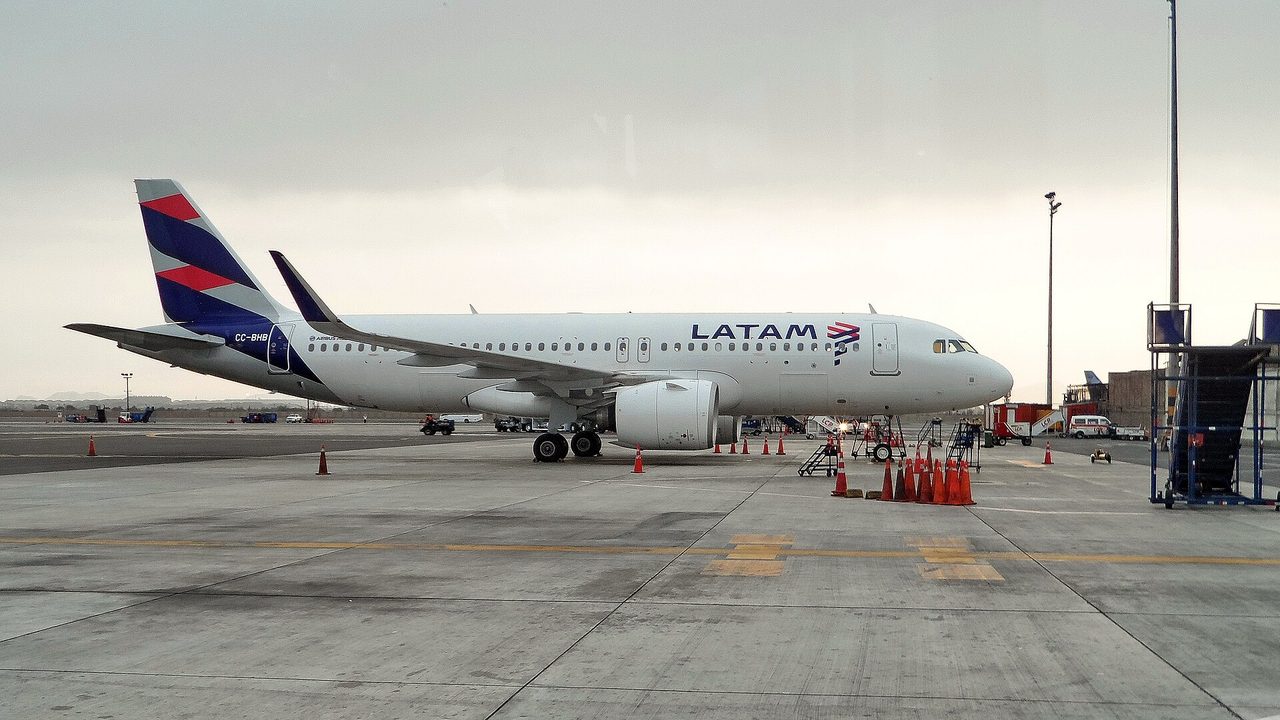
For the long hauls, flying is almost always the right call, and Peru’s domestic flights are cheaper than first-timers expect. The maths is simple: a Lima–Cusco flight is about 80 minutes and frequently US$45–90 if you book ahead, while the same journey by bus is 21-plus hours. Unless the overland scenery is the point of your trip, paying a bit more to reclaim an entire day is the best-value decision you’ll make. On a two-week itinerary, two or three smart flights can be the difference between seeing four regions and seeing two.
Four airlines carry the domestic load, and they fall into two camps. LATAM is the full-service incumbent — it flies the most routes, runs the most daily frequencies, and carries the majority of passengers, with fares that include a carry-on and usually feel the most reliable. Then there are the low-cost carriers: Sky Airline and JetSMART, both Chilean-born budget airlines that have shaken up Peruvian skies with genuinely cheap headline fares. JetSMART in particular has built the widest low-cost network, flying from Lima to Cusco, Arequipa, Juliaca, Iquitos, Tarapoto, Piura, Trujillo, Cajamarca and more — and it has even opened a handful of direct interregional routes like Cusco–Arequipa that skip the Lima connection entirely. Finally, Star Perú is a small operator covering mostly central and northern destinations (Iquitos, Pucallpa, Tarapoto, Cajamarca, Chiclayo).
| Airline | Type | Strengths | Watch out for |
|---|---|---|---|
| LATAM | Full-service | Most routes & frequencies, carry-on included, reliable | Usually the priciest of the four |
| JetSMART | Low-cost | Widest budget network, some direct interregional routes | Everything beyond a personal item costs extra |
| Sky Airline | Low-cost | Cheap fares, modern A320neo fleet | Fewer routes; strict baggage rules |
| Star Perú | Regional | Reaches smaller central/northern cities | Limited schedule; book around it |
The low-cost trap is baggage, and I’ve watched travellers get stung by it at the gate more times than I can count. That US$39 fare buys you a seat and a small personal item — nothing more. A carry-on bag is extra, a checked bag is more again, and buying either at the airport costs roughly double what it would have online. Always add your bags when you book, weigh your pack honestly, and compare the all-in price rather than the teaser fare. Half the time LATAM’s “expensive” ticket is actually cheaper once a budget airline’s bag fees are added.
A few more things I’ve learned booking these flights. Book early for Cusco — in the June–August high season, popular Lima–Cusco departures genuinely sell out or climb in price, so lock them in as soon as your dates are firm. Fly Cusco in the morning; Andean afternoons build cloud and wind, and afternoon flights are far more prone to delay or diversion. Everyone arrives through Lima’s Jorge Chávez International Airport, which opened a big new terminal in 2025, so give yourself extra time the first time through while you learn the new layout. And carry your passport for every domestic flight — you’ll need it to check in, the same document you flew into the country on. If your trip starts in the capital, the Lima travel guide covers what to do with a day on either side of your connection.
For the route-by-route detail — which airline flies where, seat tips, and how to snag the cheapest seats — I keep a dedicated companion piece on domestic flights in Peru. But for most travellers the rule of thumb is enough: fly the long stuff, book it early, and read the baggage fine print.
Long-distance buses: the comfortable backbone of Peruvian travel

If flying is how you cover the giant distances, buses are how you travel Peru properly. The intercity bus network is vast, cheap and — on the good companies — far more comfortable than anything you’ve ridden in North America or Europe. We’re talking seats that recline almost flat, onboard meals, blankets, and an attendant. You can cross most of the country for under US$70, and a decent mid-length leg is often US$15–35. For travellers with more time than money, the bus is not a compromise; it’s a genuinely pleasant way to watch Peru roll past the window.
The catch is that bus quality in Peru spans an enormous range, from world-class to genuinely sketchy, and the brand on the side matters more than almost any other choice you’ll make. Stick to the reputable operators and you’ll be fine. The ones I trust:
- Cruz del Sur — the gold standard. The widest network, the newest buses, proper terminals, online booking, and a safety record that earns the premium. If a Cruz del Sur runs your route, it’s usually my default.
- Oltursa — over thirty years in business and a favourite of Peruvians who know buses. Excellent cama and VIP services, especially on the coast (Lima–Arequipa, Lima–the north).
- Civa / Excluciva — a big national network; the premium “Excluciva” tier is comfortable and well-priced.
- Movil Tours — strong on northern and jungle-edge routes (Huaraz, Chachapoyas, Tarapoto).
- Peru Hop — not a normal bus company but a hop-on, hop-off network built for tourists, which I’ll come back to in a moment.
The other decision is your seat class, and the vocabulary is worth learning because it directly controls how you’ll feel the next morning. Peruvian buses sell tiers based on how far the seat reclines:
| Seat class | Recline | Best for | Feel |
|---|---|---|---|
| Económico / Semi Cama | ~140° | Short daytime legs (under ~6 hrs) | Fine, like a good coach seat |
| Cama | ~160° | Long days and most overnights | Genuinely restful |
| VIP / Suite / Cama 180 | ~180° (flat) | Long overnights (Lima–Arequipa, Lima–Cusco) | Lie-flat; you actually sleep |
My rule: for anything over about 15 hours, or any overnight, pay the extra US$10–20 for a full cama or VIP seat on the lower deck. Your back, your mood and your first day at the destination will thank you. Semi-cama is perfectly fine for a daylight hop like Arequipa–Puno, but it’s a false economy on an overnight. Book the lower deck (primer piso) if you want the smoothest, quietest ride and the quickest exit; book the front of the upper deck if you want the panoramic windscreen views and don’t mind a bit more sway.
Two practical habits will save you money and stress. First, buy from the company directly — at their terminal counter or official website — rather than through a hostel or third-party reseller tacking on commission; the apps redBus and Busbud are handy for comparing schedules, but cross-check the operator’s own price. Second, keep your valuables on your body, not in the hold. Your daypack with passport, cash, phone and electronics rides on your lap; only your big bag goes underneath (you’ll get a claim tag for it). Petty theft on buses is the most common traveller complaint, and it’s almost entirely avoidable with that one rule. For the full company-by-company comparison and route specifics, see my dedicated guide to buses in Peru.
Peru Hop: the training-wheels bus a lot of first-timers love
One operator deserves its own mention because travellers either adore it or roll their eyes at it: Peru Hop. It’s a hop-on, hop-off bus network aimed squarely at international travellers, running the popular southern corridor between Lima, Paracas, Huacachina, Nazca, Arequipa, Puno and Cusco. You buy a pass for a route rather than a single ticket, then hop off and back on at the stops over days or weeks, with bilingual guides, hotel-door pickups and built-in detours to places public buses skip. It costs more than stitching the legs together yourself on Cruz del Sur, but for a nervous first-timer, a solo traveller who wants company, or anyone short on planning time, the convenience and safety are worth real money. Confident budget travellers will save by going independent; that’s the honest trade-off.
Trains in Peru: scenic, special, and not really public transport
Here’s the thing nobody tells you plainly: Peru has almost no passenger rail network. After more than a century of road-building swallowing the old lines, trains here survive as a handful of tourist routes sold as an experience, not as a way to get from A to B efficiently. That’s not a criticism — one of these rides belongs on your trip — but set your expectations correctly so you don’t build an itinerary around rail that doesn’t exist.
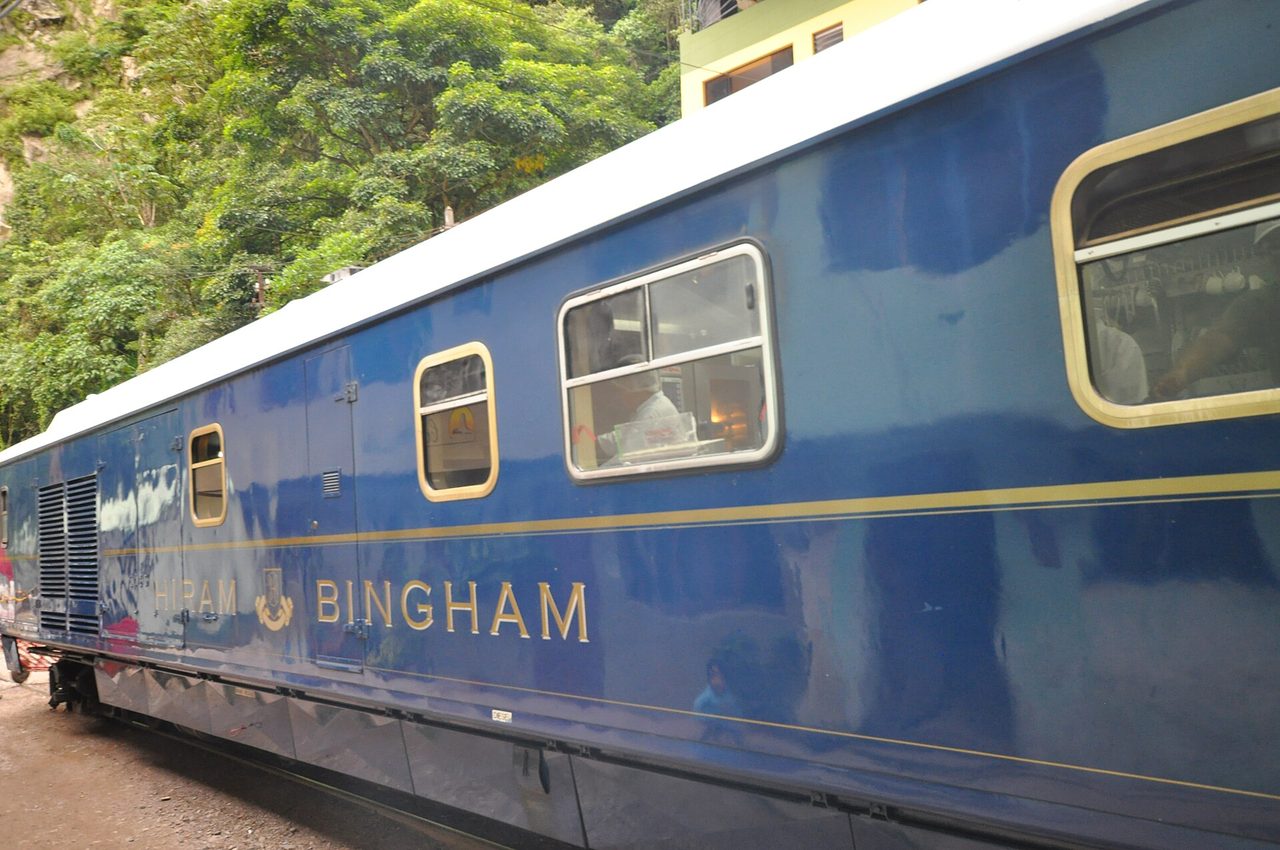
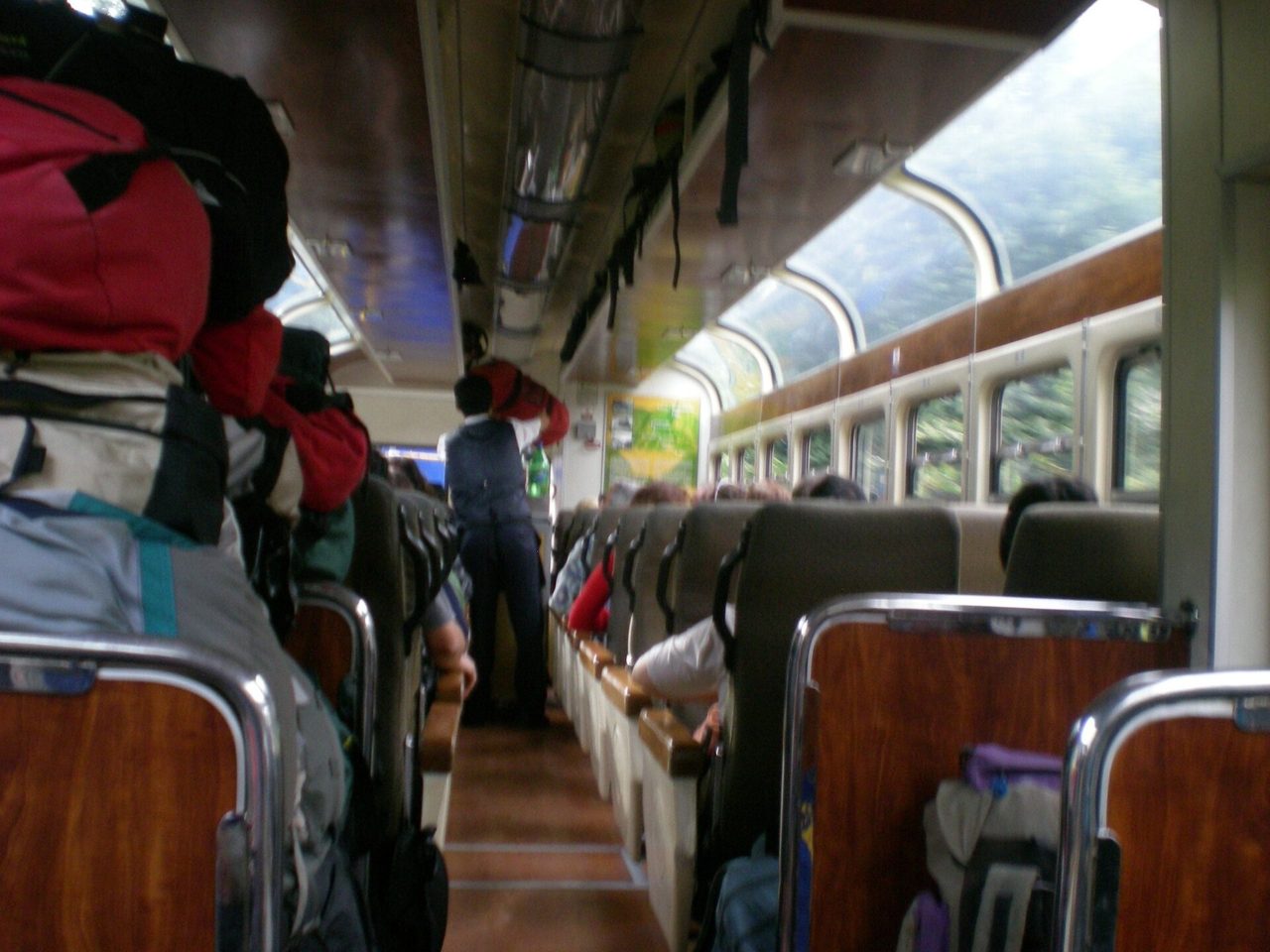
The one route that’s genuinely the best way to travel is Cusco (or Ollantaytambo) to Aguas Calientes, the jumping-off town for Machu Picchu. There is no road to the citadel itself, so unless you’re trekking the Inca Trail, the train is how you arrive. Two companies run it: PeruRail and Inca Rail, and they’re broadly comparable. The leg from Ollantaytambo down to Aguas Calientes is about 1 hour 45 minutes, following the Urubamba River through deepening cloud-forest gorge — one of the prettiest stretches of track anywhere. Expect to pay roughly US$60–160 round trip for standard panoramic-window services (Inca Rail’s 360° dome and PeruRail’s Vistadome), more for premium service, and well into the hundreds for the ultra-luxe Hiram Bingham. Crucially, book 60–90 days ahead in high season, because the convenient departure times sell out and you do not want to be stuck with a 5 a.m. train you didn’t choose.
Beyond Machu Picchu, the rest is pure splurge. PeruRail’s Titicaca train runs Cusco to Puno (Lake Titicaca) in about 10 scenic hours across the high plateau — gorgeous, but a comfortable bus does the same trip in six or seven for a fraction of the cost. And the Belmond Andean Explorer is a luxury sleeper looping Cusco–Puno–Arequipa, with cabins starting in the thousands of dollars per couple; it’s a once-in-a-lifetime hotel-on-rails, not transport. If a scenic train is on your bucket list, do it with eyes open; if you just need to get to Lake Titicaca, take the bus and spend the savings elsewhere. My full breakdown of services, classes and how to choose lives in the guide to trains in Peru.
Colectivos and combis: the local secret for short hops
Once you’re in a region — say, based in Cusco and exploring the Sacred Valley — the cheapest and often fastest way between nearby towns isn’t the bus at all. It’s the colectivo: a shared car or minivan that runs a fixed route and leaves when it fills up, which in practice is every few minutes on popular runs. Cusco to Ollantaytambo, Cusco to Pisac, Arequipa toward the Colca turnoffs — these all have colectivo stands where you pay a few soles, squeeze in, and go. A Cusco–Ollantaytambo colectivo runs around S/10–15 (US$3–4) and beats waiting for a scheduled bus.
A few rules make colectivos painless. They leave when full, not on a timetable, so they’re brilliant for flexibility and useless if you’re chasing a fixed deadline — don’t take one to catch a flight. Confirm the price and destination before you climb in, keep your bag on your lap, and have small change ready because nobody can break a S/100 note. The vans (combis) are more cramped than the cars but cheaper still. Locals use these constantly; once you get the hang of them they make day-tripping around a region feel effortless and almost free. For getting around inside the cities themselves, ride-hailing apps are the move — more on that below.
The routes you’ll actually travel (and how to do each one)
Theory is nice, but you’re going to travel specific legs, so let’s get concrete. These are the corridors almost every itinerary uses, with my honest pick for each. Times are real-world door-to-door-ish; prices are 2026 ballparks per person.
| Route | Best option | Time | Rough cost | Notes |
|---|---|---|---|---|
| Lima → Cusco | Fly | ~1h20 (vs 21–23h bus) | US$45–130 air | The classic. Fly unless the road is the point. |
| Cusco → Sacred Valley | Colectivo or taxi | 1–1.5h | S/10–15 colectivo | Cheap, frequent, easy. |
| Ollantaytambo → Machu Picchu | Train (only option) | ~1h45 | US$60–160 r/t | No road exists; book ahead. |
| Cusco → Puno (Titicaca) | Bus (or scenic train) | ~6–7h bus | US$15–30 bus | Tourist buses stop at ruins en route. |
| Puno → Arequipa | Bus | ~5–6h | US$12–25 | Daytime for the altiplano scenery. |
| Arequipa → Lima | Fly (or overnight bus) | ~1h30 air / 16–17h bus | US$50–120 air | Bus is a long but easy coastal overnight. |
| Lima → Paracas / Huacachina | Bus | ~3.5–4h / ~5h | US$10–25 | Easy coastal day; Peru Hop popular here. |
| Lima → Iquitos (Amazon) | Fly (only realistic way) | ~2h | US$60–140 | Iquitos has no road in — flight or river only. |
The route table makes the strategy obvious. The two big distances at the ends of a typical trip — Lima–Cusco at the start and Arequipa/Puno–Lima at the end — want flights. The middle, around the southern Andes, is bus and colectivo country where the scenery earns the slower pace. And a couple of legs (Machu Picchu, Iquitos) have exactly one sensible option, so they’re decisions that make themselves. Lay your itinerary over this and you’ll instantly see where to spend on speed and where to relax and ride. If you’re weighing the single most-asked leg, my dedicated Lima to Cusco comparison goes deep on flight-versus-bus, and there are companion guides for Cusco to Puno and Arequipa to Cusco too.
One corridor worth its own note: international border crossings. Plenty of travellers fold Bolivia (Lake Titicaca, the salt flats) or northern Chile into a Peru trip, and the overland crossings — Puno to Copacabana and La Paz, or Tacna to Arica — are straightforward by bus if you have your documents in order and a little patience for the formalities. I cover the logistics in the guide to border crossings from Peru.
Getting around within Peru’s cities
Intercity is only half the puzzle; you also have to move around once you arrive. This is where the rules change completely from one city to the next, and where a little local knowledge keeps you both safer and richer.
Lima: use the apps, learn the Metropolitano
Lima is huge, sprawling and notorious for traffic, but it’s easy to navigate if you do one thing: use ride-hailing apps, not street taxis. Uber, Cabify, DiDi and inDrive all operate across the city, and they’re the single safest, simplest way for a visitor to get around. The price is fixed and shown up front, the driver and plate are logged, and you skip the haggling and the small but real risk that comes with flagging an unmarked car off the street. As a feel for cost, a ride between Miraflores and the airport typically runs S/45–70 (US$12–19), and most trips around the tourist neighbourhoods are S/10–25. Cabify tends to feel the most formal, Uber has the widest availability, and DiDi often comes in cheapest — I keep two of them installed and just check which is quicker.
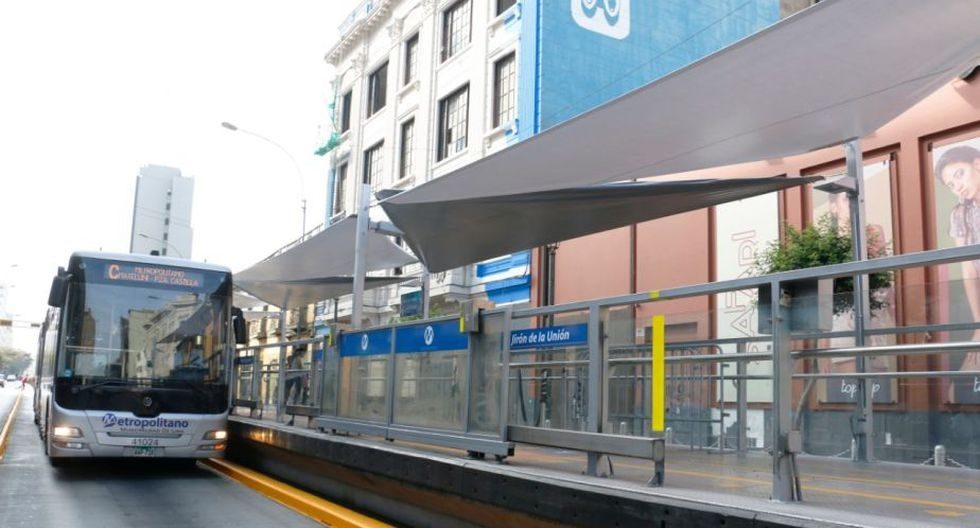
For the budget-minded, Lima’s Metropolitano is a godsend: a bus-rapid-transit line with its own dedicated lane running north–south through the city, including handy stops for Barranco, Miraflores and the historic centre. It’s fast precisely because it skips the traffic, and a ride costs pocket change on a rechargeable card. The catch is that it gets sardine-packed at rush hour and the route is linear, so it’s brilliant for the corridors it serves and useless elsewhere. Lima also has a growing rail system — the elevated Metro Line 1 plus the partially open Line 2 subway — but the network doesn’t yet reach the main tourist areas or the airport, so for now treat it as a bonus rather than your main plan.

About that airport: as of 2026 there is still no train into Jorge Chávez, despite a future metro connection being years off. From the new terminal your realistic options are a ride-hailing app, an official airport taxi, a pre-booked private transfer, or the dedicated Airport Express bus to Miraflores. Whatever you do, arrange your ride inside the official channels — book the app, use the licensed counter, or have your hotel send someone — rather than accepting an offer from a tout in the arrivals hall. It’s the one piece of Lima transport where cutting corners genuinely isn’t worth it.
Cusco and the Andean towns: walk, then taxi
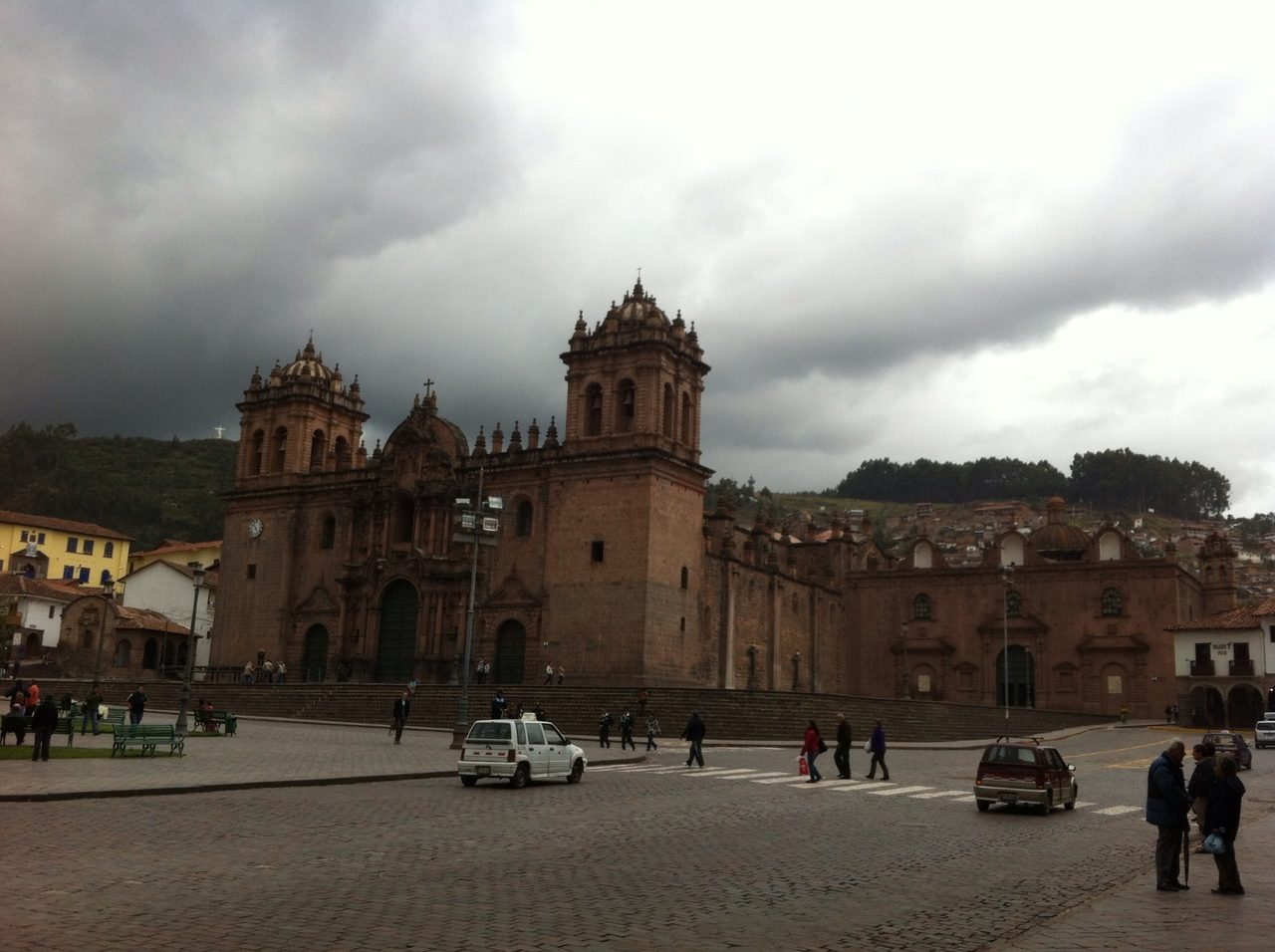
Cusco is the opposite of Lima: compact, historic and best explored on foot. From the Plaza de Armas you can walk to most of the centre, San Blas and the main sights, altitude permitting — take the hills slowly for the first day or two. When you do need a ride, taxis are cheap and ubiquitous, but unlike Lima they mostly aren’t metered, so agree the fare before you get in. A short hop across the city is usually S/8–15. Ride-hailing coverage outside Lima is patchier; inDrive has decent presence in Cusco and Arequipa, where you name your price and a driver accepts, but don’t count on Uber the way you would in the capital. For getting around Cusco specifically and the day trips that radiate out from it, the Cusco travel guide has the on-the-ground detail.
The same playbook works in Arequipa, Puno and the smaller towns: the historic core is walkable, taxis are cheap if you confirm the price first, and colectivos handle the trips out to nearby sights. Carry small bills, keep your phone tucked away on busy streets, and you’ll find Peruvian cities far easier to navigate than their reputation suggests.
Should you rent a car in Peru? Usually not
I’ll be blunt, because the guidebooks often hedge: for most travellers, renting a car in Peru is a mistake. The intercity buses and flights are cheap, the driving culture is aggressive and improvisational, mountain roads are narrow and poorly marked, signage is inconsistent, and both the US and UK governments specifically caution against self-driving here. Add the altitude, the risk of a breakdown in the middle of nowhere, and the hassle of parking and theft, and the case mostly collapses. You’d be paying more to do the hard, stressful version of a thing the buses do well for less.
There are exceptions. If you’re a confident driver who wants to roam the Sacred Valley, the Colca Canyon backroads, or the southern coast at your own rhythm — stopping at viewpoints no tour reaches — a rental for a few days can be genuinely rewarding. In those specific, contained areas, on roads you can scout in daylight, it works. Just skip the idea of driving the big intercity distances yourself, bring an international driving permit, photograph the car thoroughly at pickup, and spring for the full insurance. The full case for and against is in my guide to renting a car in Peru.
Booking it all: apps, tickets and timing
You can arrange nearly all of this from your phone, and a little advance booking removes most of the friction. For flights, book directly on the airline sites (LATAM, JetSMART, Sky) or via a comparison engine, and set a fare alert eight to twelve weeks out. For buses, the operators’ own websites and the redBus and Busbud apps let you pick seats in advance — worth doing for the lower-deck cama seats on popular overnights. For trains to Machu Picchu, book on the PeruRail or Inca Rail sites as early as you can in high season. And for city rides, download Uber, Cabify, DiDi and inDrive before you arrive so you’re ready from the moment you land.
Pay attention to one Peruvian wildcard: strikes and protests (paros) can occasionally block roads, especially in the southern Andes, sometimes shutting a highway for a day with little notice. It’s not constant and shouldn’t put you off, but it’s why I build a buffer day before any international flight home and lean toward flying for the truly critical connections. If a road leg is the only thing standing between you and your flight out of the country, that’s exactly when the extra cost of a plane ticket is worth it.
Hard-won tips for getting around Peru smoothly
The small stuff that separates a smooth trip from a stressful one, learned the slow way:
- Respect the altitude when you arrive. Flying into Cusco at 3,400 m hits harder than easing in overland. Take it easy on day one, and consider basing your first nights lower in the Sacred Valley (around 2,800 m) before tackling Cusco proper.
- Pack motion-sickness tablets. Andean roads are gloriously, relentlessly winding. Even good sailors can feel queasy on a switchbacking bus, so keep something in your daypack.
- Favour daytime travel on mountain roads. Overnight buses are great for long, straight coastal runs, but on twisting Andean routes a daytime ride is both safer and far more scenic.
- Keep your passport on you and accessible. You need it to board domestic flights, buy and board long-distance buses, and check into hotels. A photo on your phone helps, but carry the real thing.
- Carry small soles for transport. Colectivos, local taxis, the Metropolitano card and bus-terminal snacks all want cash in small denominations; nobody wants your S/100 note. The wider money picture is in the Peru trip cost guide.
- Build in buffer time. Flights divert for weather, buses run late, and roads occasionally close. Don’t schedule a tight same-day connection between a long bus and an international flight — give yourself the cushion.
- Match transport to your route, not the other way round. Plan the places you want to see first, then read this guide to thread them together efficiently — the things to do in Peru overview is a good place to gather the dots before you connect them.
Frequently asked questions about getting around Peru
What is the best way to get around Peru?
There isn’t one single best way — you mix modes by distance. Fly the long hauls (Lima–Cusco, Lima–Arequipa, anywhere in the Amazon), take a quality bus like Cruz del Sur or Oltursa for scenic mid-length legs, use shared colectivos for short hops between Andean towns, and ride-hailing apps inside cities. The train is reserved for reaching Machu Picchu and the odd bucket-list scenic ride.
Is it easy to get around Peru as a tourist?
Yes, surprisingly so. Peru has a dense, affordable transport network and you can arrange almost all of it from your phone. The learning curve is just knowing which mode suits which leg and which companies to trust. Stick to reputable bus operators, fly the big distances, use apps for city taxis, and the logistics rarely become a headache.
Is it better to fly or take the bus in Peru?
Fly when the distance is large and your time is limited — an 80-minute Lima–Cusco flight versus a 21-hour bus is no contest for most people. Take the bus when the leg is shorter, the scenery is the point, or your budget is tight. A good rule: fly anything over about 10–12 hours of road, bus the rest. Many travellers do both on one trip.
How do you get from Lima to Cusco?
Three ways. Flying is fastest and usually best value once you count the time saved (~1h20, often US$45–130). A direct bus is the cheapest point-to-point ride but takes 21–23 hours over the mountains. Or a hop-on, hop-off service like Peru Hop turns the journey into a multi-day trip down the coast and up through the Andes. Most first-timers fly at least one direction. See the dedicated Lima to Cusco guide for the full comparison.
Are buses safe in Peru?
On the reputable companies, yes. Cruz del Sur, Oltursa, Civa and the other established operators run modern coaches with good safety records, GPS tracking and proper terminals. Risk rises sharply on the cheapest no-name lines and from petty theft, so book a known brand, keep your valuables in your carry-on on your lap, and favour daytime travel on winding mountain roads. Done that way, bus travel in Peru is comfortable and safe.
Do you need a car in Peru?
No, and most travellers are better off without one. Buses and flights cover the country cheaply, and self-driving means contending with aggressive traffic, rough mountain roads, poor signage and official travel advisories against it. A short rental can be fun for the Sacred Valley, Colca Canyon or the southern coast if you’re a confident driver, but you never need a car to see Peru’s highlights.
Is Uber safe and available in Peru?
Uber works well in Lima and is far safer than hailing a street taxi, along with Cabify, DiDi and inDrive. Use the in-app safety features: confirm the plate and driver photo, share your trip, and don’t accept a driver who calls asking you to cancel and pay cash. Coverage thins outside Lima — inDrive is the most useful app in Cusco and Arequipa — where agreeing a fare with a street taxi up front is normal.
How much does it cost to get around Peru?
Less than you’d think. Domestic flights run US$45–130 a leg if booked ahead, quality buses US$10–70 depending on distance and seat class, colectivos a couple of dollars, and city app-rides US$3–19. A typical two-week trip might spend US$200–450 per person on internal transport if you fly two or three legs and bus the rest — itemised in the Peru trip cost guide.
What are colectivos in Peru?
Colectivos are shared taxis or minivans that run fixed routes between towns and leave when they fill up rather than on a timetable. They’re the cheapest, most frequent way to cover short Andean hops — Cusco to Ollantaytambo or Pisac, for instance — for just a few soles. Confirm the destination and price before boarding, keep your bag on your lap, and bring small change.
Can you travel around Peru by train?
Only in a limited, scenic sense. Peru has no national passenger rail network — trains survive as tourist routes. The essential one is Cusco/Ollantaytambo to Machu Picchu (the only way in besides trekking); beyond that, the Cusco–Puno Titicaca train and the luxury Andean Explorer are splurge experiences, not practical transport. For everything else, you’ll fly, bus or take a colectivo.
The bottom line on getting around Peru
For all its reputation as a logistically tricky destination, Peru is one of the more rewarding countries to travel once the system clicks. The network is cheap, extensive and genuinely comfortable on the good operators — you just have to play it right. Fly the big distances and reclaim your days. Ride a quality cama bus through the Andes when the view earns the hours. Drop into a colectivo for the short stuff and feel like a local. Use the apps in Lima, walk in Cusco, and save the train for the one journey where the ride itself is the destination. Get those instincts down and getting around Peru stops being a worry and starts being part of the adventure. Plan your places first, thread them together with the right mix of wheels, wings and rails, and the country opens up in front of you. Now go build that route.