Arequipa & Colca Canyon: The Complete Guide
Peru's White City and the world's second-deepest canyon — how many days to stay, the best things to do, Colca condors, food, altitude and how to get to Arequipa.
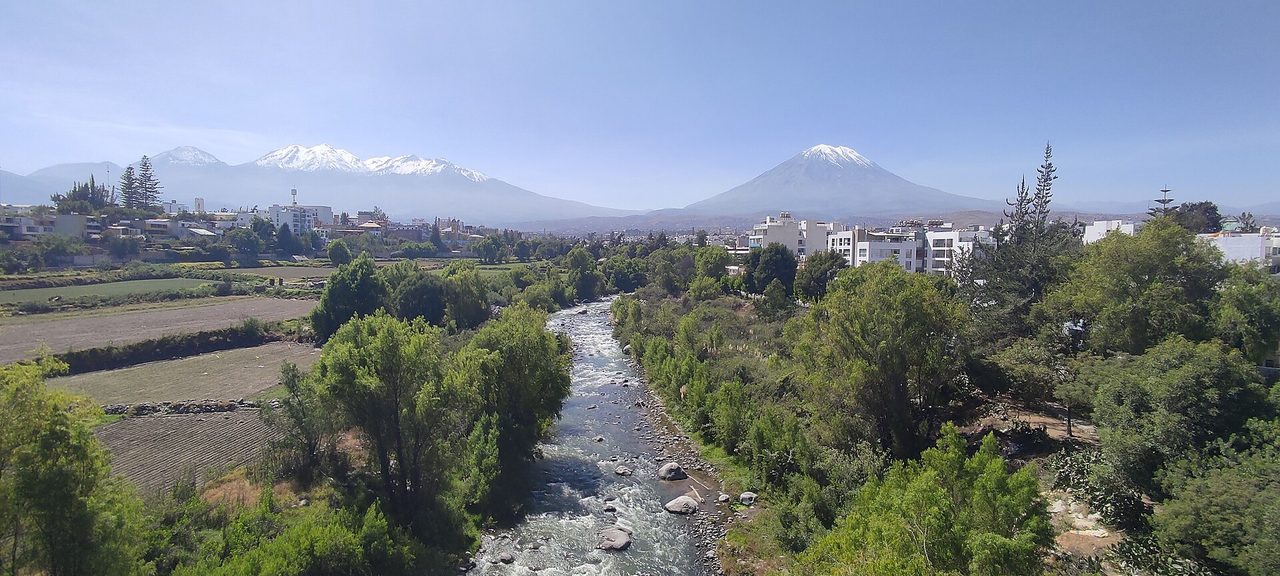
I almost skipped Arequipa. It was a line on a bus schedule between Lima and Lake Titicaca, a place I’d vaguely filed under “second city, probably fine.” Then I walked out of my hostel on the first morning, turned a corner near the Plaza de Armas, and stopped dead in the middle of the cobbles. The whole street was built from a white volcanic stone that seemed to hold the light, and floating above the rooftops at the end of it was El Misti — a near-perfect snow-dusted volcanic cone, almost close enough to touch. A woman selling queso helado from a cart watched me gawp and said, simply, “Bonita, ¿no?” Pretty, right. I ended up staying five nights.
This is the guide I wish I’d had on that bus. I’ve now visited Arequipa three times — once as a rushed overnight, once for a proper week, once specifically to walk into the Colca Canyon — and I’ve made most of the mistakes so you don’t have to. What follows is everything that actually matters: how long to stay, what to see in the city, how to handle the Colca Canyon and its condors, what to eat (this is arguably Peru’s best food city), how to get here, and how to use the altitude to your advantage. No filler, no padded listicles — just the stuff I’d tell a friend.
The short version: Arequipa is Peru’s elegant southern “White City,” built from pale volcanic sillar stone at 2,335 m beneath three volcanoes. Give it two to three days for the UNESCO-listed center, plus two more for the Colca Canyon — the world’s second-deepest canyon and the best place in Peru to watch giant Andean condors. The centre is one of Peru’s thirteen UNESCO World Heritage sites.
Arequipa at a glance
If you skim nothing else, read this. These are the numbers and facts that shape every day you’ll spend here.
- What it is: Peru’s second-largest city and the capital of the south, nicknamed La Ciudad Blanca (the White City) for the pale sillar volcanic stone its colonial center is carved from.
- Altitude: 2,335 m (7,660 ft) — high enough to notice, but far gentler than Cusco (3,400 m) or Puno (3,830 m). This makes it the ideal first stop to acclimatize.
- The volcanoes: three of them frame the skyline — El Misti (5,822 m), Chachani (6,057 m) and Pichu Pichu. Misti is the iconic cone you’ll see from everywhere.
- Founded: 1540 by the Spanish, on a much older Andean settlement. The historic center has been a UNESCO World Heritage Site since 2000.
- How long to stay: 2–3 days for the city; add 2 more for a Colca Canyon trip. One day is possible but a shame.
- The big day trip: the Colca Canyon, roughly 3–4 hours away — the world’s second-deepest canyon and home to the Cruz del Cóndor condor viewpoint.
- Famous for food: Arequipa is a UNESCO Creative City of Gastronomy, the home of rocoto relleno, chupe de camarones and the lunchtime institutions called picanterías.
- Money & language: Peruvian sol (about S/3.7 to US$1 at the time of writing); Spanish, with Arequipeños fiercely proud of their own accent and identity.
- Best time to visit: the dry season, roughly April to November, with around 300 sunny days a year and the best condor-watching odds.
Why visit Arequipa — the case for the White City
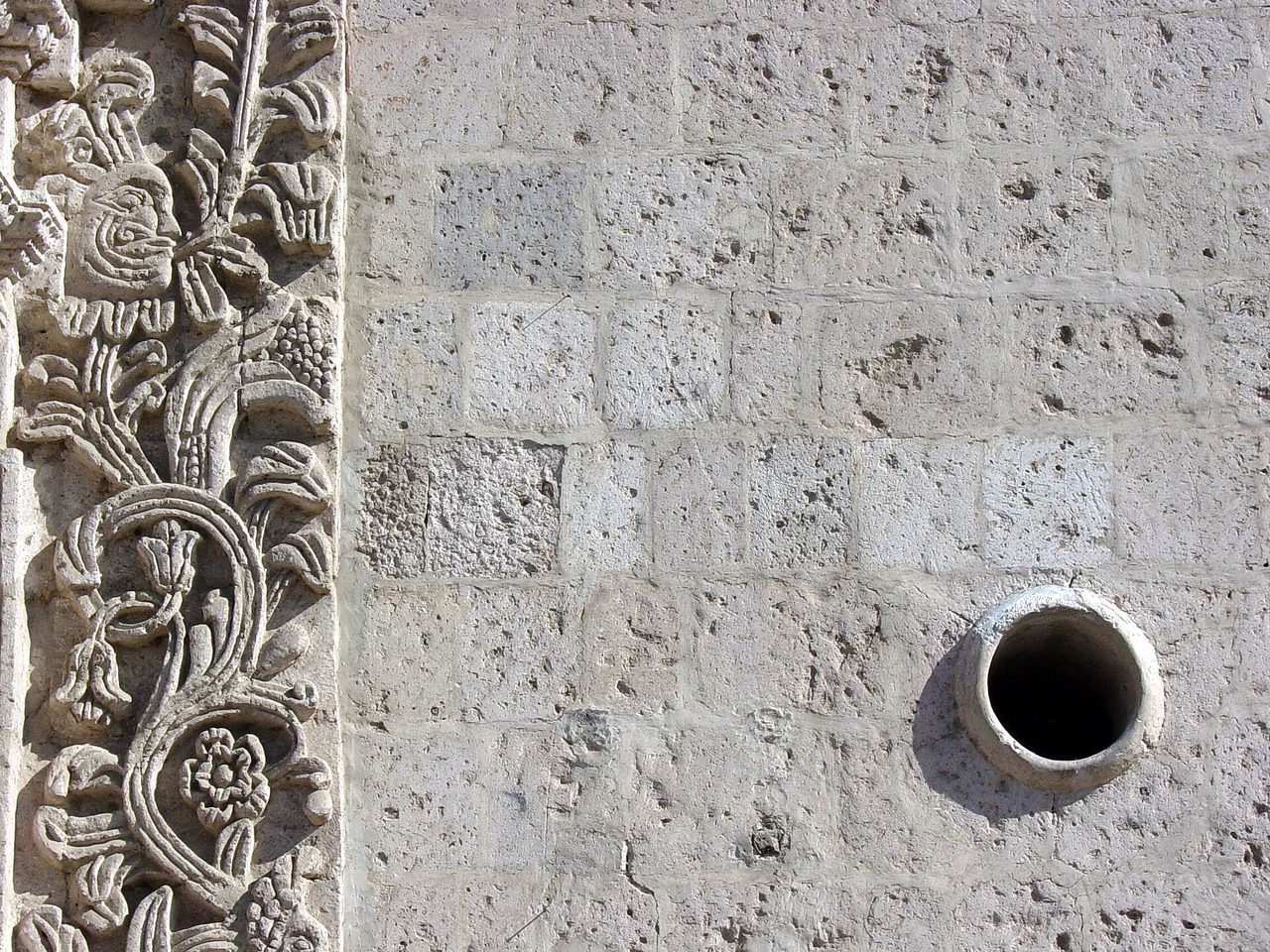
Here’s the honest pitch: Arequipa gives you a lot of what people love about Cusco — gorgeous colonial architecture, big Andean scenery, deep local pride — with a fraction of the crowds and a much gentler altitude. Founded in 1540 and sitting at 2,335 m, the city was built almost entirely from sillar, a chalk-white (sometimes pinkish) volcanic stone quarried from the surrounding mountains. The result is a historic center that genuinely glows in the sun, all carved portals and shaded courtyards, ringed by snow-capped volcanoes. It’s no accident the whole core is a UNESCO World Heritage Site.
But the thing that surprised me most wasn’t the architecture — it was the attitude. Arequipeños have their own accent, their own flag, their own cuisine, and a long-running, only-half-joking sense that Arequipa should perhaps be its own country. There’s a local “passport” gag that captures it perfectly. That pride translates into a city that feels lived-in and confident rather than staged for tourists. You can sit in a 400-year-old courtyard café, eat some of the best food in South America, and watch daily life roll past without ever feeling like you’re in a theme park.
And then there’s the practical argument, which I think is underrated: Arequipa is the smartest place to begin a southern-Peru loop. Most people fly into the high cities and spend their first 48 hours feeling rotten. Sleeping a couple of nights here at 2,335 m before heading up to Colca, Puno and Cusco gives your body a sane, staged introduction to altitude. You arrive, you eat well, you wander beautiful streets — and you acclimatize while you’re at it. More on that below, and in our wider Peru travel tips and health guide.
How many days do you need in Arequipa?
The short answer: two to three days for the city, plus two more if you want the Colca Canyon. The longer answer depends on your pace and what you came for. I’ve done Arequipa in 24 hours and I’ve done it in a week, and the week was much closer to the city’s actual speed. This is a place that rewards lingering — the café culture alone can eat an afternoon. Here’s how the math usually shakes out, and you can dig deeper in our dedicated how many days in Arequipa guide.
| Time you have | What you can realistically do | Who it suits |
|---|---|---|
| 1 day | Plaza de Armas, the Cathedral, Santa Catalina Monastery, a Yanahuara sunset and one great picantería lunch. No Colca. | Tight itineraries and overnight bus travelers passing through. |
| 2 days | All of the above, unhurried, plus the Juanita mummy museum, Mercado San Camilo and a cooking or chocolate class. | Most first-timers who aren’t doing Colca. |
| 3–4 days | The full city and a Colca Canyon trip (one-day tour or a two-day trek), with a recovery day built in. | The sweet spot for the majority of travelers. |
| 5+ days | City, a multi-day Colca trek, the Sillar Route or Salinas reserve, and time to simply enjoy the cafés and food scene. | Slow travelers and anyone who loves a good city. |
My one strong opinion here: don’t try to “do” Colca as a single 14-hour day trip if you can possibly avoid it, and don’t pair a one-day Arequipa visit with a same-day onward night bus. The city is at a comfortable altitude and the Colca road climbs to nearly 4,900 m; rushing both leaves you exhausted and altitude-frazzled. Build in a buffer. You’re acclimatizing, remember — that’s a feature, not lost time.
The best things to do in Arequipa city
You can walk to almost everything in the historic center; it’s compact and flat-ish, which is a relief after the hill-cities. Below are the sights I’d genuinely prioritize, roughly in order. For a deeper cut with opening hours and current prices, our best things to do in Arequipa guide goes further.
Santa Catalina Monastery — a city within the city
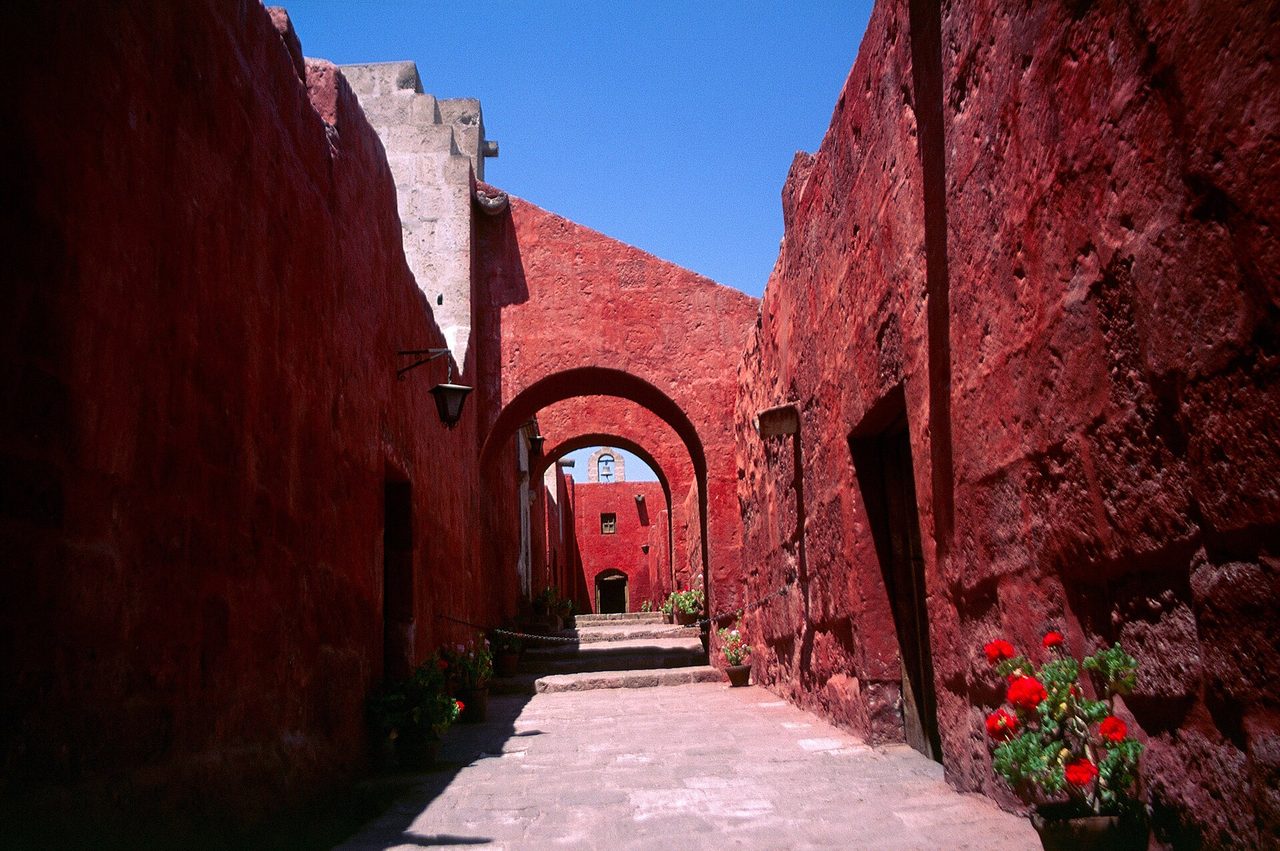
If you do one thing in Arequipa, make it the Santa Catalina Monastery. Founded in 1579, this is not a single building but an entire walled quarter — roughly 20,000 square meters of cobbled lanes, plazas and cloisters where cloistered nuns lived (and, for centuries, a surprising number of them lived rather well, with private cells and servants). The walls are painted in deep cochineal red and Majorelle blue, and walking the empty “streets” with their geranium pots and shafts of high-altitude light is genuinely one of the most photogenic experiences in Peru.
Practical notes from my last visit: entry is around S/50 (roughly US$13), with discounts for students and seniors; it’s open daily about 9am–6pm, with later evening hours on certain days (often Tuesday and Thursday until 8pm), when the lanes are lit by candlelight and it’s magical. A guided tour costs a little extra and takes about two hours — worth it, because the history is the point. Go early or late to dodge the tour-group crush, and give yourself at least two hours.
Plaza de Armas and the Cathedral rooftop
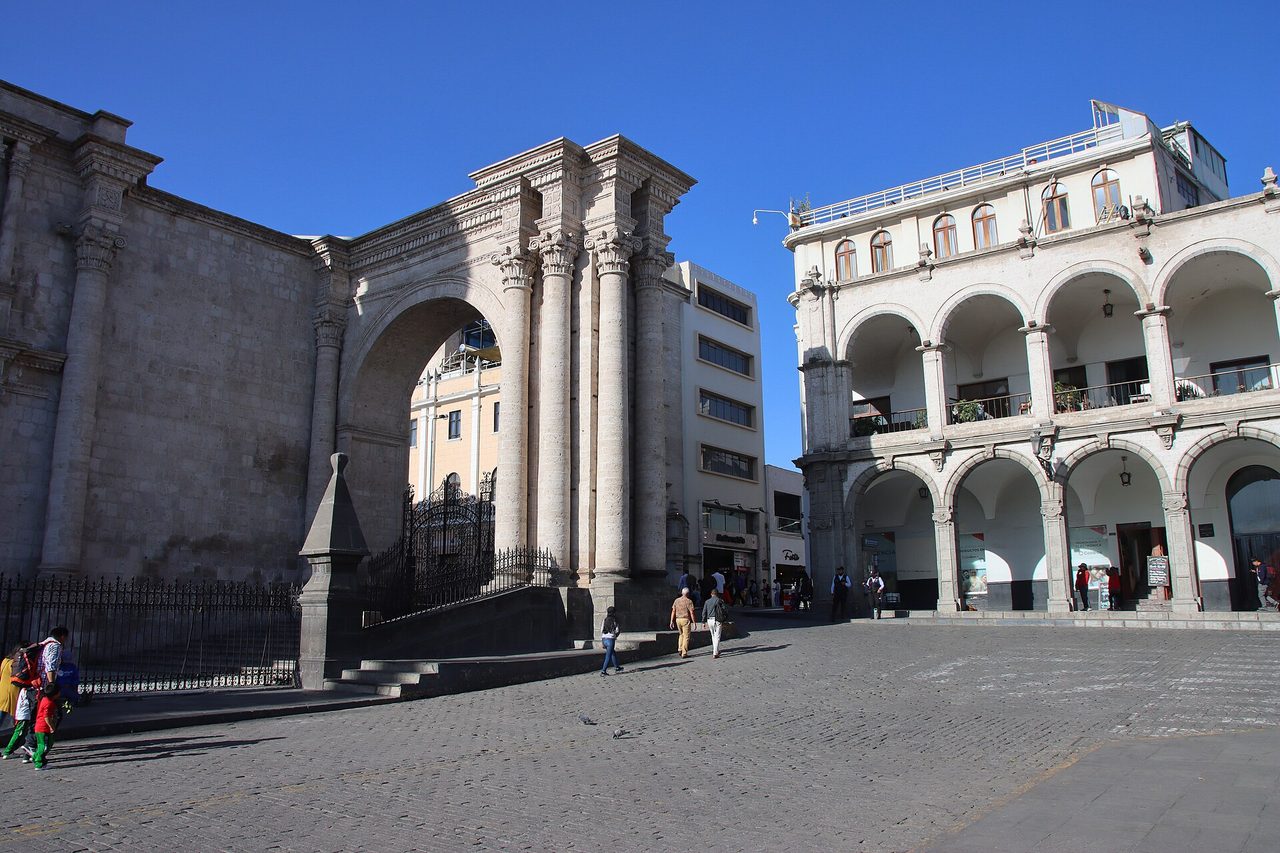
Arequipa’s Plaza de Armas is, to my eye, one of the most elegant main squares in South America — arcaded on three sides in white sillar, with palm trees, a central fountain, and the enormous Basilica Cathedral filling the fourth side. The Cathedral is unusual in that it stretches across the entire length of the plaza, and its rooftop tour is the move most people miss: you climb up among the towers for a close-up of the bells and a sweeping view of the square with El Misti behind it. There’s a modest dress code (cover shoulders and knees). Come back after dark, too — when the arches are floodlit, the whole plaza turns gold.
Juanita the “Ice Maiden” at the Museo Santuarios Andinos
This one sneaks up on people. The Museo Santuarios Andinos houses Juanita, also called the Lady of Ampato — the remarkably preserved mummy of an Inca girl, around 12–14 years old, who was sacrificed in a capacocha ceremony high on the slopes of Ampato volcano around 1440–1450 and discovered in 1995 when volcanic ash from a nearby eruption melted the ice that had entombed her for five centuries. She’s displayed frozen, behind glass, kept at roughly −18°C. The compulsory guided visit (about an hour) walks you through the archaeology and the Inca mountain-worship that shaped this whole region. It’s sobering and unforgettable, and it connects directly to the volcanoes you’ve been admiring all day.
Mirador de Yanahuara — the postcard view
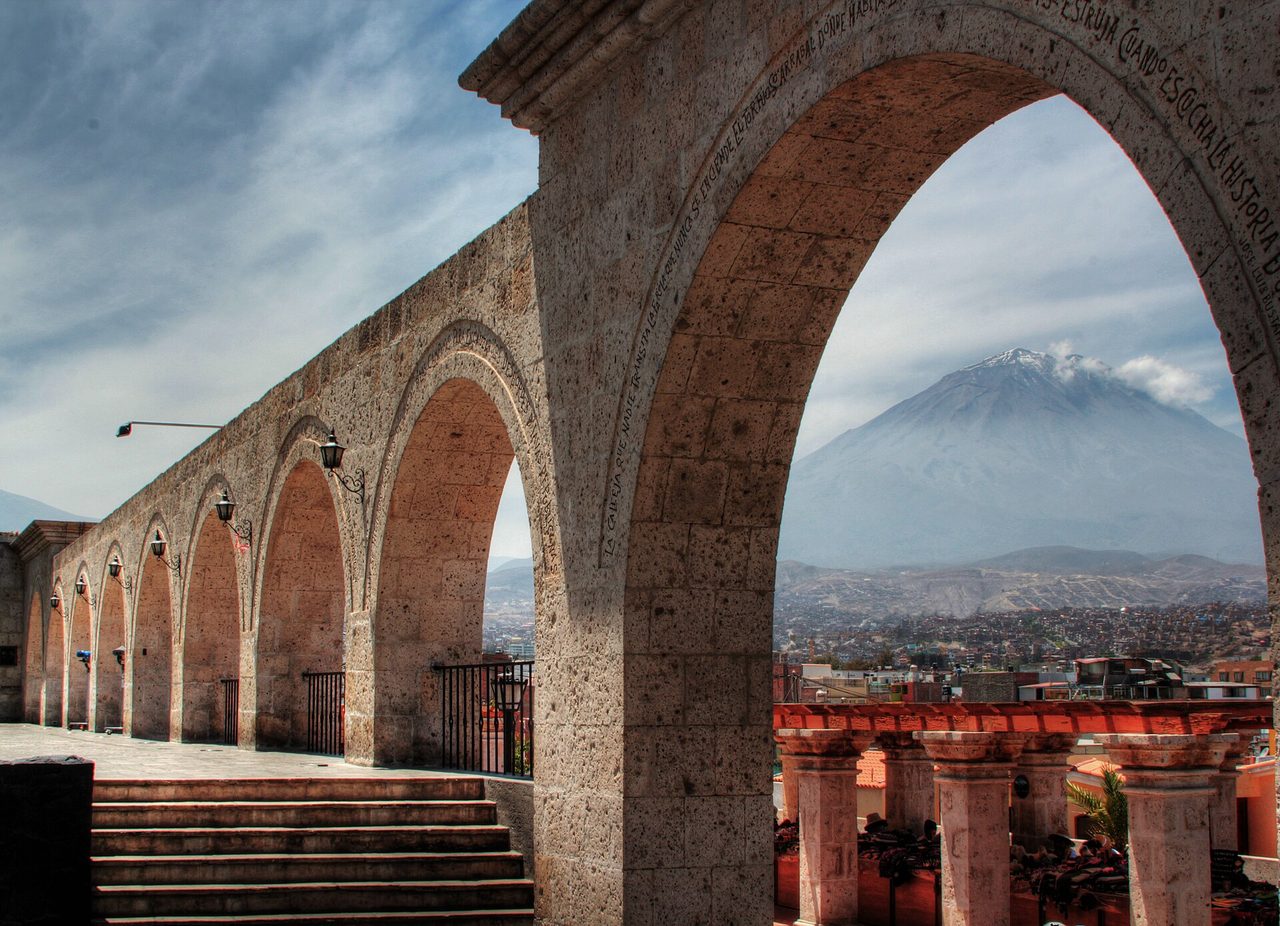
A 20-minute stroll (or a short taxi) from the center, the little district of Yanahuara has a viewpoint built from carved sillar arches, each inscribed with a quote from an Arequipeño writer. Frame El Misti through one of those arches and you’ve got the photograph that sells the whole city. Go for sunset, then wander Yanahuara’s quiet plaza and the famous picantería nearby. It’s free, it’s lovely, and it’s the image you’ll keep.
Markets, alpacas and chocolate
For everyday Arequipa, spend half an hour in Mercado San Camilo, a cast-iron market hall where you can graze on exotic fruit, fresh juices and — if you’re brave — a cup of queso helado from a stall. Nearby, Mundo Alpaca is a free, slightly quirky garden where you can meet alpacas, llamas and vicuñas and watch traditional weaving; it’s genuinely charming and good for travelers with kids. And chocolate lovers should not miss Chaqchao, a café that runs hands-on bean-to-bar chocolate-making workshops with Peruvian cacao. None of these eat much time, and together they show you the city beyond its monuments.
The volcanoes: Misti, Chachani and Pichu Pichu
Those three peaks aren’t just scenery — they’re climbable, and Arequipa is one of the few cities on earth where you can summit a near-6,000 m volcano on a weekend. El Misti (5,822 m) is the classic two-day climb: no technical skills required, but a serious slog on scree that demands real acclimatization. Chachani (6,057 m) is, with the right operator and a 4×4 to the trailhead, one of the most accessible 6,000 m summits anywhere — though “accessible” still means brutal cold, thin air and a pre-dawn push. Don’t attempt either on fresh legs straight from sea level; these are end-of-trip objectives once you’re properly adjusted. Even if you never lace up, the volcanoes are the reason the light here is so extraordinary.
The Colca Canyon: condors, canyon and the high road
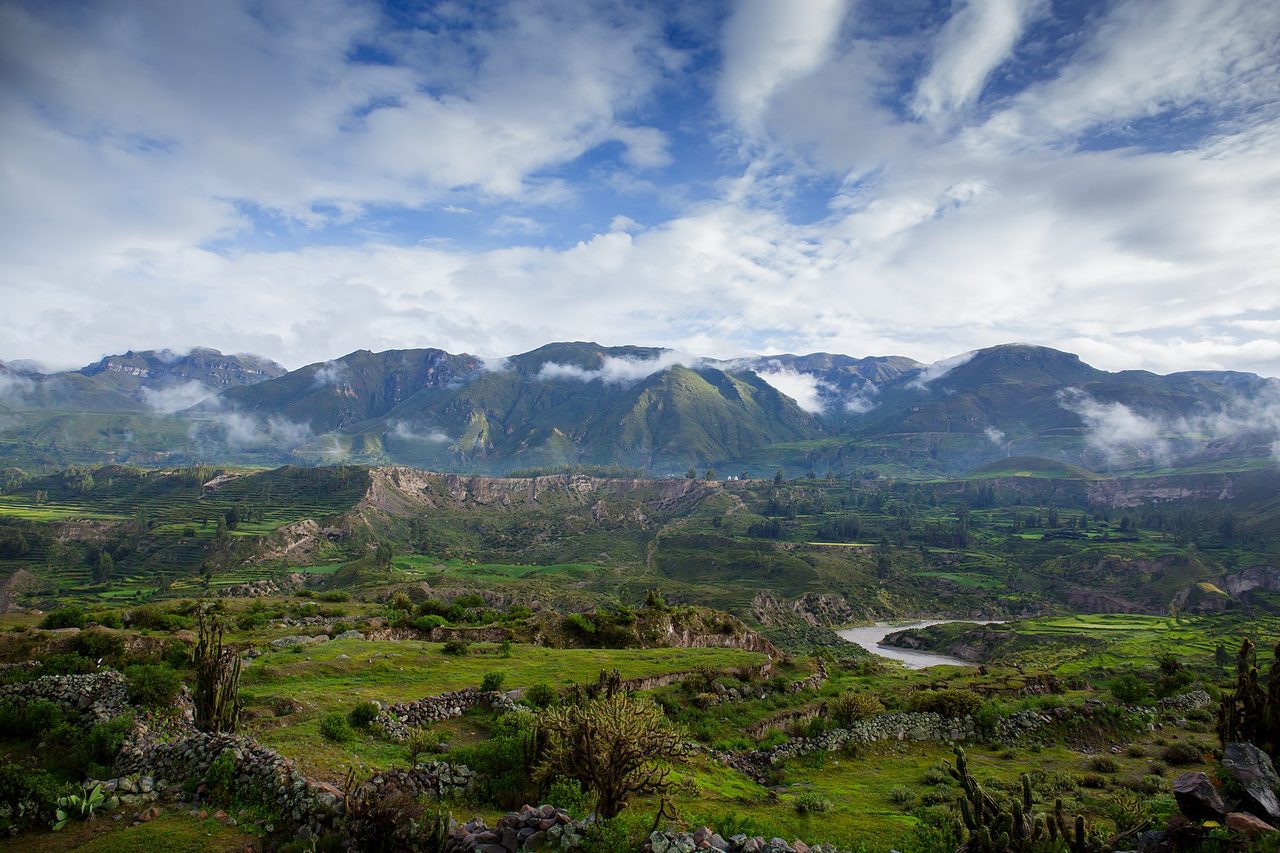
For a lot of travelers, Arequipa is the Colca Canyon — the city is the launch pad, and the canyon is the headline. And it earns the billing. The Colca is the world’s second-deepest canyon, plunging around 3,270 m from rim to river — well over twice the depth of the Grand Canyon — with terraced walls that have been farmed continuously since pre-Inca times and traditional Collagua and Cabana villages still living along them. It sits 3–4 hours northwest of the city by road, and that road is half the experience: you cross a high altiplano reserve dotted with vicuñas and climb to the Patapampa pass at about 4,910 m, where the air is thin enough to make you giddy. Our Colca Canyon tour guide and how to get from Arequipa to Colca guide break down the logistics; here’s the overview.
Seeing the condors at the Cruz del Cóndor
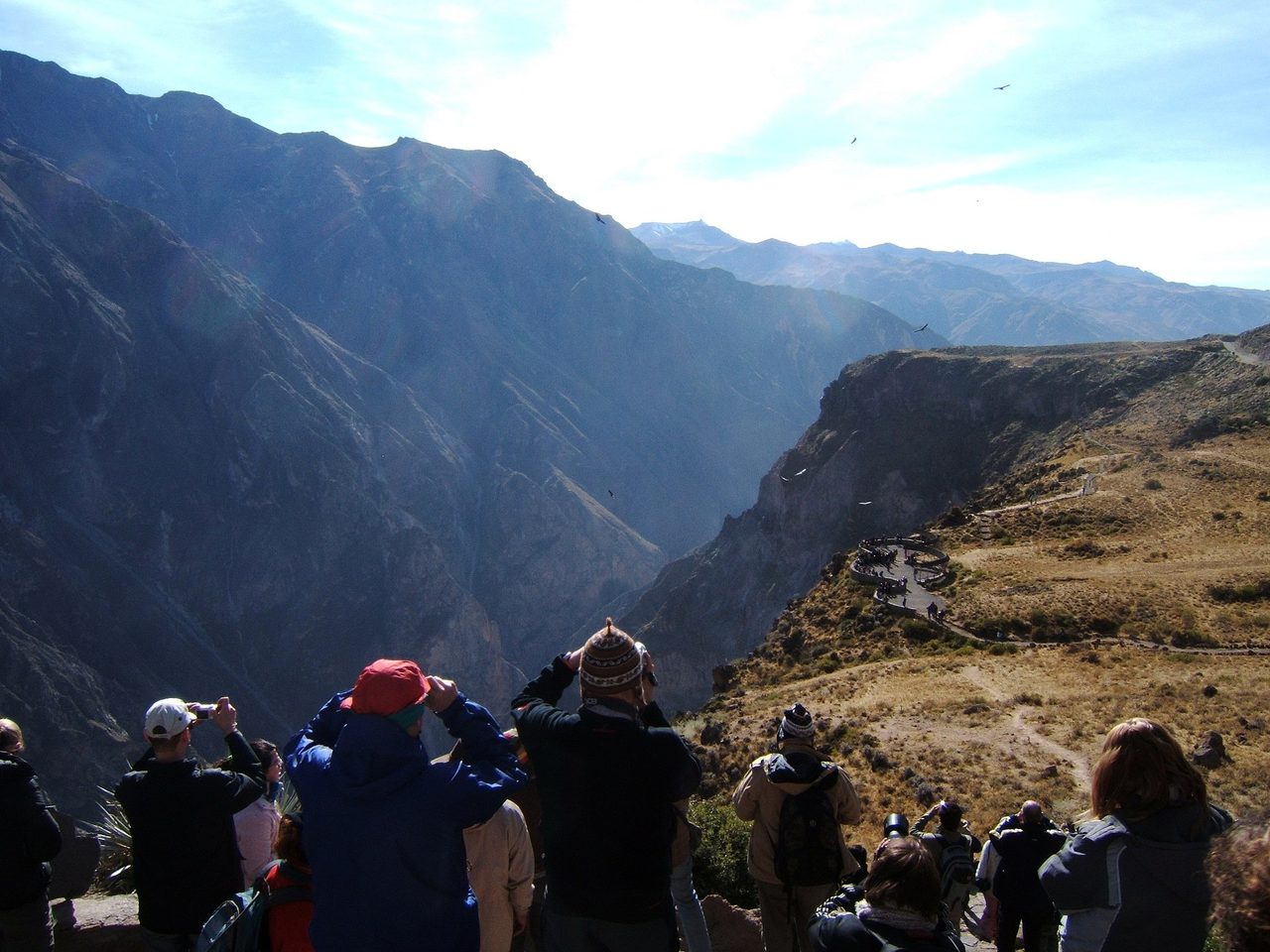
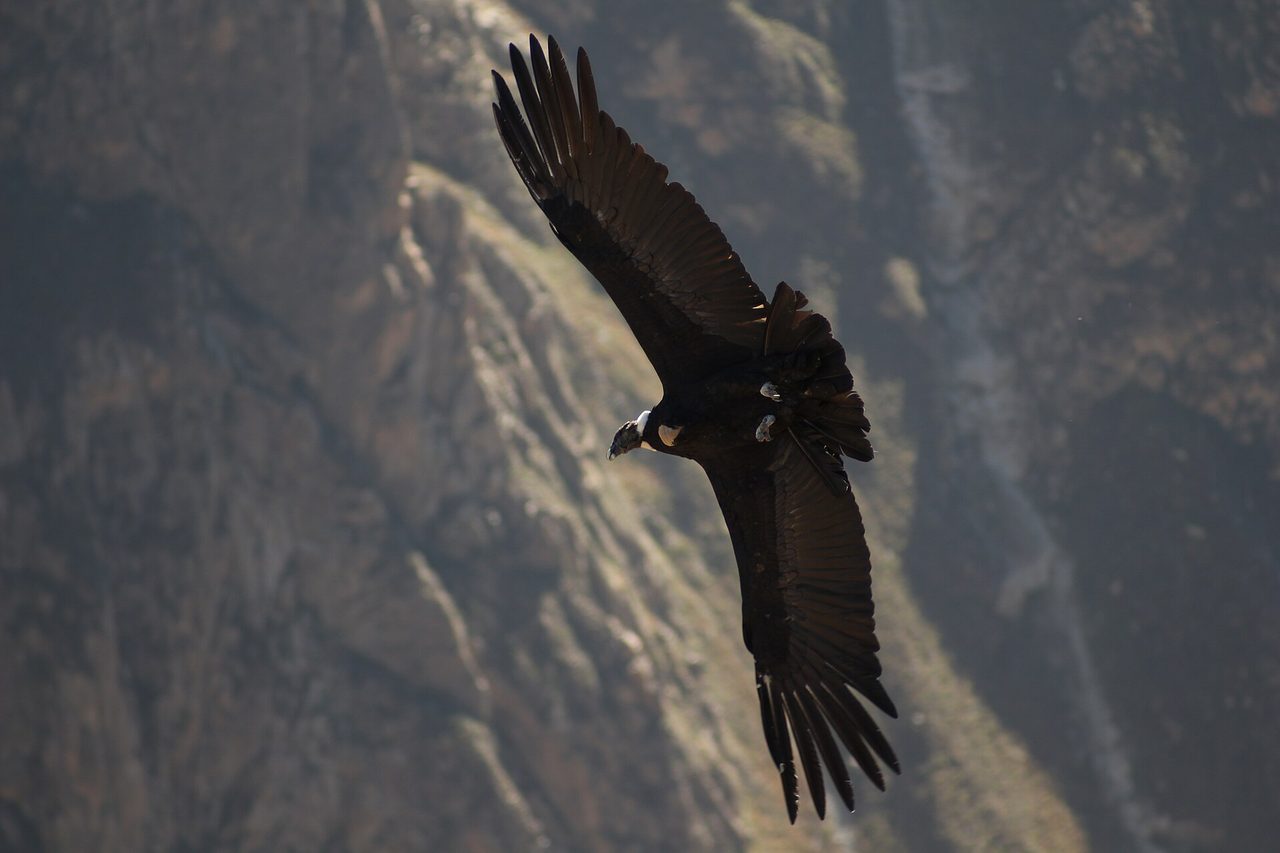
The star of the canyon is the Andean condor, one of the largest flying birds on the planet, with a wingspan that can reach about 3.2 m (10.5 ft). The reliable place to see them is the Cruz del Cóndor viewpoint, where the birds ride the morning thermals up out of the canyon and, on a good day, glide past at eye level close enough to hear the wind in their feathers. It’s a genuinely jaw-dropping wildlife moment — I’ve watched grown travelers go completely silent.
Timing is everything. Condors are most active roughly 8am to 10am, once the sun has warmed the rock and the thermals start rising, which is exactly why the day tours leave Arequipa at an unholy 3am. The best months are the dry season, about April to November; sightings drop in the wet months. Nothing is guaranteed — they’re wild birds — but show up in that morning window in dry season and your odds are very good. Our guide to seeing the condors has the details if this is your main reason for coming.
The one-day Colca tour: be honest with yourself
The classic full-day Colca tour is the most popular option and the most punishing. You’re collected around 3am, drive up over Patapampa, reach the Cruz del Cóndor for the morning flight, stop in the colonial village of Chivay and usually the hot springs or a buffet lunch, and roll back into Arequipa around 5–6pm — a 14–15 hour day, much of it on the road, topping out near 4,900 m. If you genuinely only have one day, it works and you’ll see the condors. But it’s a lot of altitude and bus time for not much canyon, and plenty of people end the day wiped out. I’d only recommend it for the truly time-poor.
The two- or three-day Colca trek: the better way
If you have the days and the legs, walking into the canyon beats looking at it from a bus window, every time. The standard trek starts from the village of Cabanaconde (about 3,300 m) and drops roughly 1,200 m down to the green palm “oasis” of Sangalle at the canyon floor (around 2,100 m), where simple lodges cluster around swimming pools fed by springs. You spend the night down there under a ferocious blanket of stars, then climb back out.
That climb is the crux. From Sangalle back up to Cabanaconde is about 1,200 m of ascent over roughly 5 km of switchbacks, and it is genuinely tough — most people start before dawn to beat the heat, and it takes around 3 hours of steady grind. Experienced trekkers regularly rate it one of the hardest single climbs they’ve done in Peru. The difference between the 2-day and 3-day versions isn’t extra route — it’s pace. The 3-day adds a night in a village like Llahuar or Malata so you’re not cramming a brutal descent and ascent into 48 hours. If you’re not in a rush, take the third day; your knees will thank you. Full route notes live in our Colca Canyon trek guide.
| Colca option | Duration | Effort | Best for |
|---|---|---|---|
| One-day tour | 14–15 hrs, round trip from Arequipa | Low (but exhausting travel; high altitude at the pass) | Time-poor travelers who just want the condors |
| Two-day trek | 2 days / 1 night, Cabanaconde–Sangalle | Hard (1,200 m down, then 1,200 m back up) | Fit hikers comfortable with a steep climb out |
| Three-day trek | 3 days / 2 nights, with an extra village stop | Moderate–hard, better paced | Most trekkers — enjoy it rather than survive it |
| Two-day “scenic” tour | 2 days / 1 night, Chivay base, no big hike | Low | Non-hikers who want the canyon without the 3am start |
One altitude note that catches people out: Cabanaconde and the canyon rim sit higher than Arequipa, and the Patapampa pass is higher still. Counterintuitively, you’ll feel the altitude more on a Colca trip than in the city, even though you’re walking down into a canyon. Acclimatize in Arequipa first, hydrate hard, and don’t schedule Colca for your first morning in the region.
What to eat in Arequipa: picanterías and the spicy south
I’ll say it plainly: Arequipa is the best place to eat in Peru outside Lima, and on its own terms it might be my favorite food city in the country. UNESCO agrees — it named Arequipa a Creative City of Gastronomy — and several of its historic picanterías are protected as national cultural heritage. The food here is bolder and spicier than the coastal cooking most travelers know, built around river shrimp, pork, fierce rocoto chilies and mountains of potato and corn. If you’ve read our wider Peruvian food guide, think of Arequipa as its hearty, high-altitude, slightly rebellious cousin.
The institution to understand is the picantería. These are traditional lunch halls — many generations old — that open for the midday meal and often close by late afternoon, serving big shared plates alongside chicha de guiñapo, a fermented dark-corn beer brewed on site. The ritual is to arrive hungry around 1–3pm, start with a soup or an adobo, then share a main or two. Don’t look for them at dinner; this is a lunchtime culture. La Lucila and La Capitana are two of the famous old-guard spots; ask a local and you’ll get a passionate, possibly argumentative recommendation.

Here are the dishes I’d cross town for:
| Dish | What it is | Heat / note |
|---|---|---|
| Rocoto relleno | A fat red rocoto pepper stuffed with spiced minced beef, olives and egg, capped with cheese and baked, served with pastel de papa (potato gratin) | Genuinely spicy — the city’s signature plate |
| Chupe de camarones | A rich, creamy chowder of Andean river shrimp with potato, corn, egg and milk | Mild, comforting, iconic |
| Adobo arequipeño | Pork slow-cooked overnight in fermented-corn chicha, chilies and spices, traditionally a Sunday breakfast | Mild, deeply savory; eaten in the morning |
| Ocopa arequipeña | Boiled potatoes under a creamy sauce of aji, peanuts, herb huacatay and cheese | Mild; a starter |
| Solterito | A bright salad of fava beans, corn, fresh cheese, onion, tomato and rocoto | Fresh, mild, great in the heat |
| Cuy chactado | Whole guinea pig flattened and fried crisp under a stone — an Andean special-occasion dish | Adventurous |
| Queso helado | “Cheese ice cream” — a frozen dessert of milk, cinnamon, coconut and cloves (no actual cheese) | Sweet; buy it from a market cart |
Beyond the picanterías, the modern center has a terrific café scene — rooftop bars overlooking the Plaza de Armas for a sunset pisco sour, stone-grill restaurants, and a wave of young chefs doing creative things with regional ingredients. You can eat a S/15 set lunch or a tasting menu, sometimes on the same block. To slot all this eating into a wider route, our Peru itinerary guide helps you balance the food cities against the trekking ones.
Where to stay in Arequipa
Most visitors stay in or right around the historic center, and for a short trip that’s the right call — you can walk to the Plaza de Armas, Santa Catalina, the markets and a hundred cafés, and roll home easily after a late dinner. The trade-off is a little street noise; ask for an interior room if you’re a light sleeper. For something quieter and more residential, Yanahuara is a five-minute taxi from the center with that famous viewpoint and a genteel, local feel, while Vallecito, just south of the core, is popular with longer-stay and budget travelers. Whatever your budget — sociable hostels, characterful mid-range boutiques in old sillar mansions, or a restored-monastery splurge — Arequipa delivers more charm per sol than almost anywhere in Peru. Our where to stay in Arequipa guide names specific neighborhoods and properties.
How to get to Arequipa
Arequipa is well connected, which is part of why it makes such a good base. Here’s how the main routes stack up; for the bigger picture on moving around the country, see our getting to and around Peru guide.
From Lima
The fast way is to fly: Lima to Arequipa’s Rodríguez Ballón airport takes about 1.5 hours, with fares often in the US$60–190 range, and the airport is only about 20 minutes from the center by taxi or Uber. The slow, scenic way is the bus down the Panamericana Sur — 15–17 hours with comfortable overnight services from companies like Cruz del Sur, Oltursa and Tepsa. Honestly, I’d rarely ride it straight through; the smart play is to break the journey at Paracas, Huacachina and Nazca on the way south, turning dead travel time into three more stops.
From Cusco
Overnight buses run Cusco–Arequipa in roughly 9–11 hours (about 490 km), descending out of the high Andes — bring warm layers, it gets cold. There are also short flights, usually via a quick connection. Many travelers do this leg the other way, using Arequipa to acclimatize before Cusco and Machu Picchu, which is the sequence I’d recommend if you’re flying into the south.
From Puno and Lake Titicaca
This is the easy one: buses link Arequipa and Puno in about 6 hours across the altiplano, and doing it by day means you actually see the vicuña-dotted high country. Arequipa and Lake Titicaca are the natural two ends of a southern loop, so most people string them together in one direction or the other.
The luxury option: the Andean Explorer train
If your budget stretches, Belmond’s Andean Explorer — South America’s first luxury sleeper train — links Arequipa, Puno and Cusco on one of the most scenic rail routes on earth. It is emphatically a splurge and a journey-as-destination experience rather than mere transport, but if a special trip is the goal, few rides compare.
Getting around the city
The historic center is walkable end to end. For anything further — Yanahuara, the airport, the bus terminals — use Uber or Cabify, which work well here and spare you the haggling; street taxis aren’t metered, so always agree the fare first. Typical short rides run a few soles; the airport to the center is around S/25–30. At 2,335 m you may find yourself a little more out of breath on the gentle hills than you’d expect, so pace the first day.
The best time to visit Arequipa and Colca Canyon
Arequipa is famously sunny — locals will tell you it sees around 300 days of sunshine a year — so there’s no truly bad time to come. That said, the dry season, roughly April to November, is the sweet spot: clear skies, reliable volcano views, dry trekking trails in the Colca and the best condor-watching odds. Days are warm and the high-altitude sun is fierce (sunscreen and a hat, even in winter), but nights get genuinely cold from June to August, so pack layers.
The wet season, December to March, brings short afternoon showers, greener countryside and thinner crowds. The city itself is perfectly enjoyable then, but Colca trekking is muddier and condor sightings less reliable. If you’re building a wider trip, cross-check our best time to visit Peru overview, and note Arequipa’s two big calendar events: Semana Santa (Holy Week) and the city’s huge anniversary celebrations around August 15, when Arequipa throws itself a days-long party of parades, fireworks and food. Our best time to visit Arequipa and Colca guide goes month by month.
Altitude, safety and practical tips
The single most useful thing to internalize about Arequipa is the altitude strategy. At 2,335 m, the city is high enough to give you a mild taste — you might feel a touch breathless or sleep poorly the first night — but low enough to be a comfortable place to adjust before the truly high country. Spend two nights here, take the first afternoon slow, drink lots of water, go easy on alcohol, and you’ll hit Colca (4,900 m at the pass), Puno (3,830 m) and Cusco (3,400 m) in far better shape. Coca tea helps many people, though if you take thyroid medication, check with a doctor first, as it can interfere. If symptoms ever turn into a pounding headache, nausea or breathlessness at rest, take it seriously and descend — our Peru travel tips and health guide covers altitude sickness in full.
On safety: Arequipa is generally safe and I’ve always felt comfortable walking the center day and evening. Use normal city sense — petty theft and the occasional group of pickpockets work the busy spots like the Plaza de Armas and markets, so keep a zipped crossbody bag, leave valuables at the hotel, and don’t leave your phone on café tables. Carry small notes (taxis and cafés rarely have change for big bills, and cards sometimes add a fee), use ATMs attached to banks, and if you hit a street protest — they happen periodically in Peru — simply head the other way. None of this is unusual for a Latin American city; Arequipa is on the calmer end of the spectrum.
A suggested Arequipa itinerary (3 days)
If you want a ready-made plan, here’s the three-day version I’d hand a friend — enough to see the city properly and get into the canyon, without sprinting.
Day 1 — the White City. Ease in (you’re acclimatizing). Morning at Santa Catalina Monastery, lunch at a picantería for rocoto relleno, an afternoon stroll through the Plaza de Armas and the Cathedral rooftop, then a taxi to the Mirador de Yanahuara for sunset and a rooftop pisco sour back in the center. Early night.
Day 2 — into the canyon. Either the very early one-day Colca tour for the condors, or — better — start a two-day trek from Cabanaconde down to the Sangalle oasis. If you’re staying in the city, fit in the Juanita mummy museum and Mercado San Camilo in the morning and take an afternoon “scenic” transfer to Chivay to overnight near the canyon.
Day 3 — condors and the climb out (or chocolate and cafés). Trekkers climb out of the canyon at dawn and stop at the Cruz del Cóndor on the drive back; city-based travelers catch the morning condor flight, then return to Arequipa for a relaxed afternoon — a chocolate workshop at Chaqchao, the alpacas at Mundo Alpaca, and a final long lunch. From here, Puno and Lake Titicaca are an easy onward hop.
Want to weave this into a longer route? Our Peru itineraries and things to do in Peru guides show where Arequipa fits, and the Peru trip cost guide helps you budget it.
Arequipa and Colca Canyon FAQ
Is Arequipa worth visiting?
Yes — emphatically. Arequipa offers some of Peru’s finest colonial architecture, arguably its best regional food, dramatic volcano scenery and the Colca Canyon, all with gentler altitude and smaller crowds than Cusco. Even travelers who arrive planning a single overnight routinely end up extending. If you’re doing southern Peru, it’s a highlight, not a filler stop.
How many days do you need in Arequipa?
Two to three days for the city covers the main sights at a comfortable pace; add two more if you want to visit the Colca Canyon. One day is enough for a whistle-stop tour of the center, but you’ll miss the canyon and the slow café culture that makes the place special. Three to four days total is the sweet spot for most travelers.
What is Arequipa famous for?
Arequipa is famous for being Peru’s “White City,” built from pale sillar volcanic stone, with a UNESCO-listed historic center and the spectacular Santa Catalina Monastery. It’s also renowned for its food — rocoto relleno, chupe de camarones and traditional picanterías — for the trio of volcanoes that frame it, and as the gateway to the Colca Canyon and its Andean condors.
Is Arequipa better than Cusco?
They’re different, and most people visit both. Cusco is the historic Inca capital and the gateway to Machu Picchu, so it’s busier and more touristed; Arequipa is lower, sunnier, calmer and (many would argue) a better place to eat. If you love big-name ruins and don’t mind crowds, Cusco wins; if you prefer elegant architecture, great food and fewer tour groups, you may quietly prefer Arequipa. Doing both, with Arequipa first to acclimatize, is the ideal.
Do you get altitude sickness in Arequipa?
Possibly a mild version. At 2,335 m, some people feel slightly breathless or sleep poorly the first night, but serious altitude sickness is uncommon at this height. That’s exactly why Arequipa is such a good first stop — it lets you adjust gently before Colca, Puno and Cusco. Take the first day easy, hydrate, and go easy on alcohol.
How do I get from Arequipa to the Colca Canyon?
It’s a 3–4 hour drive northwest, usually as part of a tour or trek that includes transport over the Patapampa pass (about 4,910 m) via Chivay to the Cruz del Cóndor. Independent travelers can take public buses to Chivay or Cabanaconde, but most people book a one-day tour or a two-/three-day trek that handles the logistics. See our dedicated Arequipa-to-Colca guide for the options.
When is the best time to see condors at Colca Canyon?
Aim for the morning window of roughly 8am to 10am at the Cruz del Cóndor, when rising thermals bring the condors up out of the canyon, and visit in the dry season (about April to November) for the best odds. They’re wild birds, so nothing is guaranteed, but those conditions stack the deck heavily in your favor.
Is the Colca Canyon trek hard?
The descent is manageable, but the climb out — about 1,200 m of ascent from the Sangalle oasis back up to Cabanaconde, often before dawn — is genuinely demanding and is regularly described as one of Peru’s toughest single climbs. Reasonable fitness and prior acclimatization make a big difference. Choosing the three-day trek over the two-day version spreads the effort and makes it far more enjoyable.
Is Arequipa safe for tourists?
Generally yes. The historic center is comfortable to explore by day and evening, with the usual big-city caveats: watch for pickpockets in crowded spots, keep valuables secured, use Uber or Cabify rather than unmarked taxis, and steer clear of any political demonstrations. Most visitors have entirely trouble-free trips.
Final thoughts
Arequipa is the Peru stop people are surprised to fall for. It doesn’t have a Machu Picchu to put on the poster, so it gets undersold — and then you arrive, and the light hits the white stone, and El Misti is just there at the end of every street, and you find yourself rebooking your onward bus. Give it the time it deserves: let the altitude do its gentle work, eat at a picantería until you can’t move, walk the red lanes of Santa Catalina at dusk, and get yourself to the rim of the Colca to watch a condor ride the morning air. It’s one of the easiest places in Peru to love, and one of the hardest to leave.
When you’re ready to build the rest of the trip, start with our things to do in Peru overview and our Peru itineraries, then carry on around the southern loop to Lake Titicaca and Puno.
Sources
- Arequipa — Wikipedia (history, altitude, sillar architecture, UNESCO status)
- Colca Canyon — Wikipedia (canyon depth, Cruz del Cóndor, geography)
- Andean Sanctuaries Museum (Juanita / Lady of Ampato) — Wikipedia
- Arequipan cuisine — Wikipedia (picanterías, rocoto relleno, regional dishes)
- Monasterio de Santa Catalina — official hours and rates