Peru Itinerary: How Many Days You Need & the Best Routes (2026)
How to plan the perfect Peru itinerary: how many days you need, plus day-by-day 7, 10 and 14-day routes covering Lima, Cusco, Machu Picchu, the Amazon and more.
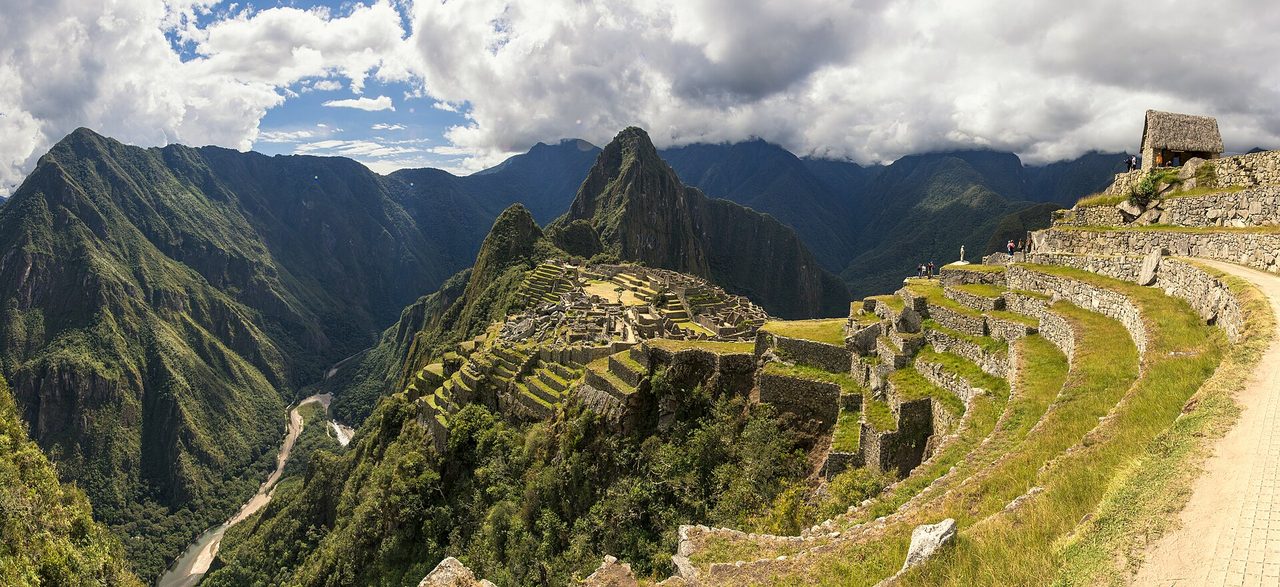
When someone is planning a Peru itinerary, the single question I get asked more than any other is some version of “how many days do I actually need?” It’s the right question, because Peru is bigger and more spread out than people expect, and the difference between a great trip and a stressful one usually comes down to how you carve up your time rather than how much of it you have.
This is the master plan for putting a Peru trip together: how many days you need, the classic routes laid out day by day, itineraries for different travel styles, and the modular “building blocks” you can slot together to design your own. I’ve done versions of all of these, and I’ll tell you what works and what to skip.
The short version: the ideal first-time Peru itinerary is 10 days — enough to do Lima, Cusco, the Sacred Valley and Machu Picchu at a comfortable pace and still add one more region. You can see the core highlights in a tight 7 days, while two weeks lets you fold in Lake Titicaca, Arequipa and the Amazon. Build any of them around one rule: respect the altitude.
Who this is for: anyone trying to turn a list of things to do in Peru into an actual route. Let’s start with the big question.
How many days do you need in Peru?
Here’s my honest take on what each trip length gets you. The numbers assume you’re flying the long hops (Peru is too big to do overland on a short trip) and pacing the altitude sensibly.
| Length | What you can realistically do | Best for |
|---|---|---|
| 5 days | Cusco, the Sacred Valley and Machu Picchu — the Inca highlights only | Short trips, add-ons, second visits |
| 7 days | Lima + the full Cusco / Sacred Valley / Machu Picchu loop | The classic one-week trip |
| 10 days | The week above, plus one more region (the Amazon, Lake Titicaca, or the south coast) | The sweet spot for first-timers |
| 14 days | All the classics plus the southern circuit (Arequipa, Colca, Titicaca) or the Amazon | Seeing Peru properly without rushing |
| 21+ days | Everything above plus the Amazon and the north (Huaraz, Chachapoyas, the coast) | The grand tour |
If you only take one thing from this guide: ten days is the sweet spot for a first trip. Seven feels rushed the moment anything goes wrong (a delayed flight, an extra acclimatization day), and ten gives you breathing room plus one region beyond the Inca core. I dig deeper into the trade-offs in our how many days in Peru guide.
How to build a Peru itinerary (the smart way)
Before the day-by-day routes, four principles that will save you grief:
- Fly the long distances. Peru is vast and mountainous. Almost every itinerary flies Lima–Cusco (about 80 minutes) rather than enduring a 20-hour bus. Our getting around Peru guide covers the routes.
- Respect the altitude — it shapes the order. Cusco sits at 3,400 m. Don’t fly in and hike the same day. The smart move is to go from Cusco down to the lower Sacred Valley first, acclimatize there, then climb back up. Save Rainbow Mountain and hard treks for later in the trip.
- Think in regions, not towns. Peru breaks into a handful of “blocks” (the Inca heartland, the south coast, the southern circuit, the Amazon, the north). Pick two or three and link them, rather than scattering across the map.
- Go in the right season. The dry season (May–September) is best for the Andes and trekking; our best time to visit Peru guide has the details.
The spine of nearly every Peru trip is the same: Lima → Cusco → the Sacred Valley → Machu Picchu. Everything else is an add-on hung off that backbone. So let’s build it up, length by length.
The 5-day Peru itinerary (the Inca essentials)
Five days is tight, so spend it all in the Cusco region and skip everything else. This is also the perfect bolt-on if you’re combining Peru with another country.
- Day 1: Fly Lima–Cusco in the morning, then transfer straight down to the Sacred Valley (lower and easier on the lungs). Gentle afternoon — Pisac market, an early night.
- Day 2: Sacred Valley — Ollantaytambo and the Maras salt pans — sleeping in Ollantaytambo.
- Day 3: Morning train to Aguas Calientes; afternoon to relax or soak in the hot springs.
- Day 4: Machu Picchu at its best, then train and transfer up to Cusco.
- Day 5: Cusco city — Qorikancha, San Blas, the San Pedro market — before your flight out.
It works, but it’s go-go-go. See the detailed version in our 5-day Peru itinerary and the focused Cusco & Machu Picchu route.
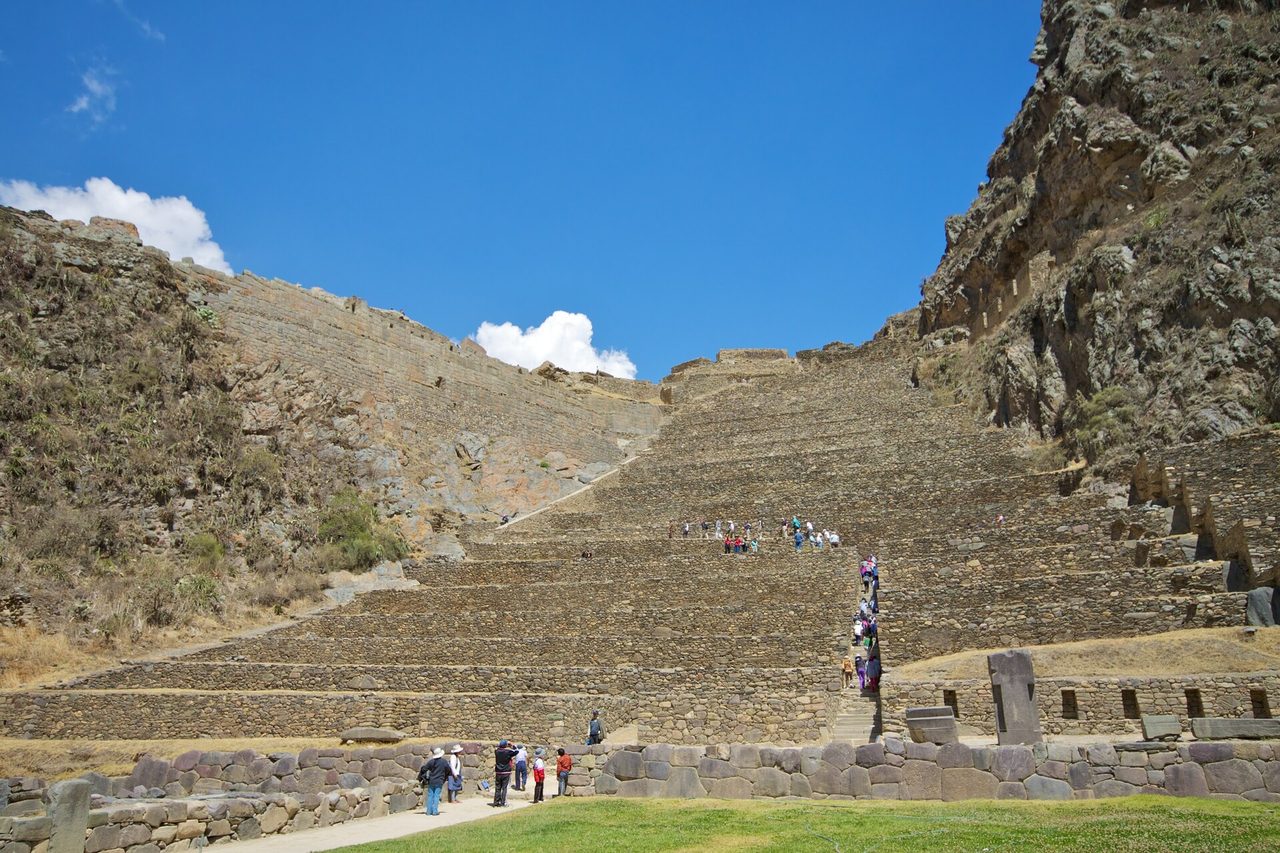
The 7-day Peru itinerary (the classic week)
One week is the most popular Peru trip, and the sweet spot is to resist cramming in extra regions. Lima for the food, then the Inca heartland at a steady pace.
- Day 1: Arrive in Lima. Settle into Miraflores or Barranco, walk the coast, eat a great first dinner.
- Day 2: Lima in the morning (a food tour or the historic center), then an afternoon flight to Cusco and transfer down to the Sacred Valley to sleep low.
- Day 3: Sacred Valley — Pisac, Ollantaytambo, Maras and Moray — acclimatizing as you go.
- Day 4: Train to Aguas Calientes; afternoon free.
- Day 5: Machu Picchu, then up to Cusco.
- Day 6: Cusco city and the ruins above it (Sacsayhuamán) — now that you’re acclimatized, the hills are manageable.
- Day 7: A final Cusco morning, then fly home via Lima.
That’s the route I’d give most first-timers on a week. The full breakdown, with where to stay each night, is in our 7-day Peru itinerary.
The 10-day Peru itinerary (the sweet spot)
Ten days is where Peru really opens up: you get the full classic week, plus a buffer day and one extra region. My favorite version adds the south-coast desert on the way, but I’ll note the alternatives.
- Days 1–2: Lima — food, Miraflores, Barranco — then south by bus to Paracas/Huacachina.
- Day 3: The Ballestas Islands in the morning, then the Huacachina dunes — sandboarding and a dune-buggy sunset.
- Day 4: Fly (via Lima) to Cusco and drop down to the Sacred Valley.
- Day 5: Sacred Valley in depth.
- Day 6: Train to Aguas Calientes.
- Day 7: Machu Picchu, then to Cusco.
- Days 8–9: Cusco city, the ruins, and a big day trip — Rainbow Mountain or Humantay Lake, now that you’re acclimatized.
- Day 10: Fly home via Lima.
Swap option: instead of the south coast, use Days 1–3 (or the back end) for three nights in the Amazon from Puerto Maldonado, or two nights on Lake Titicaca. The full day-by-day, with both variations, is in our 10-day Peru itinerary.
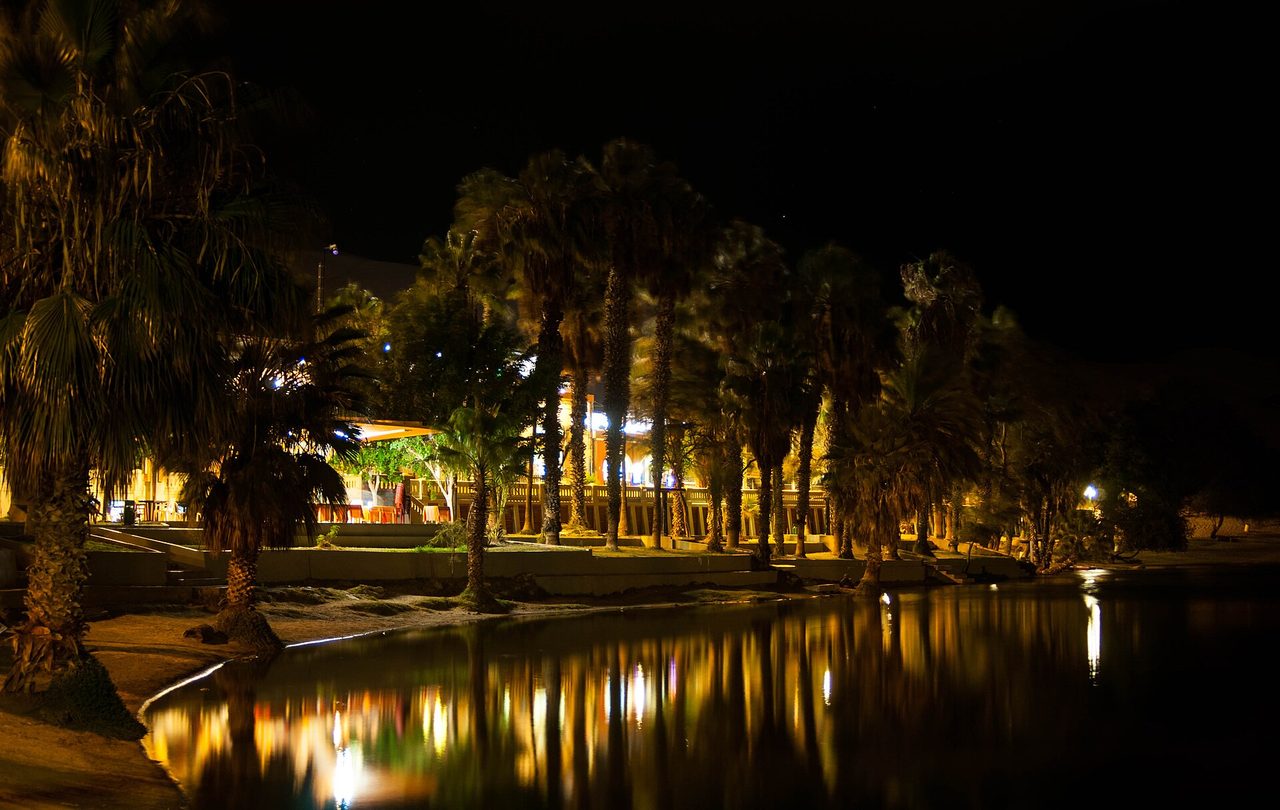
The 2-week Peru itinerary (seeing it properly)
Two weeks is, for my money, the ideal amount of time in Peru — enough to do the classics and the southern circuit without ever feeling rushed. This route loops the south: Lima, the Inca heartland, then Titicaca, Colca and Arequipa.
- Days 1–2: Lima — food and the coast.
- Days 3–5: Fly to Cusco, drop to the Sacred Valley, explore the valley, and take the train to Machu Picchu.
- Days 6–7: Cusco city, the ruins, and a day trip (Rainbow Mountain or Humantay).
- Day 8: Overland to Puno on Lake Titicaca (the scenic bus stops at ruins en route).
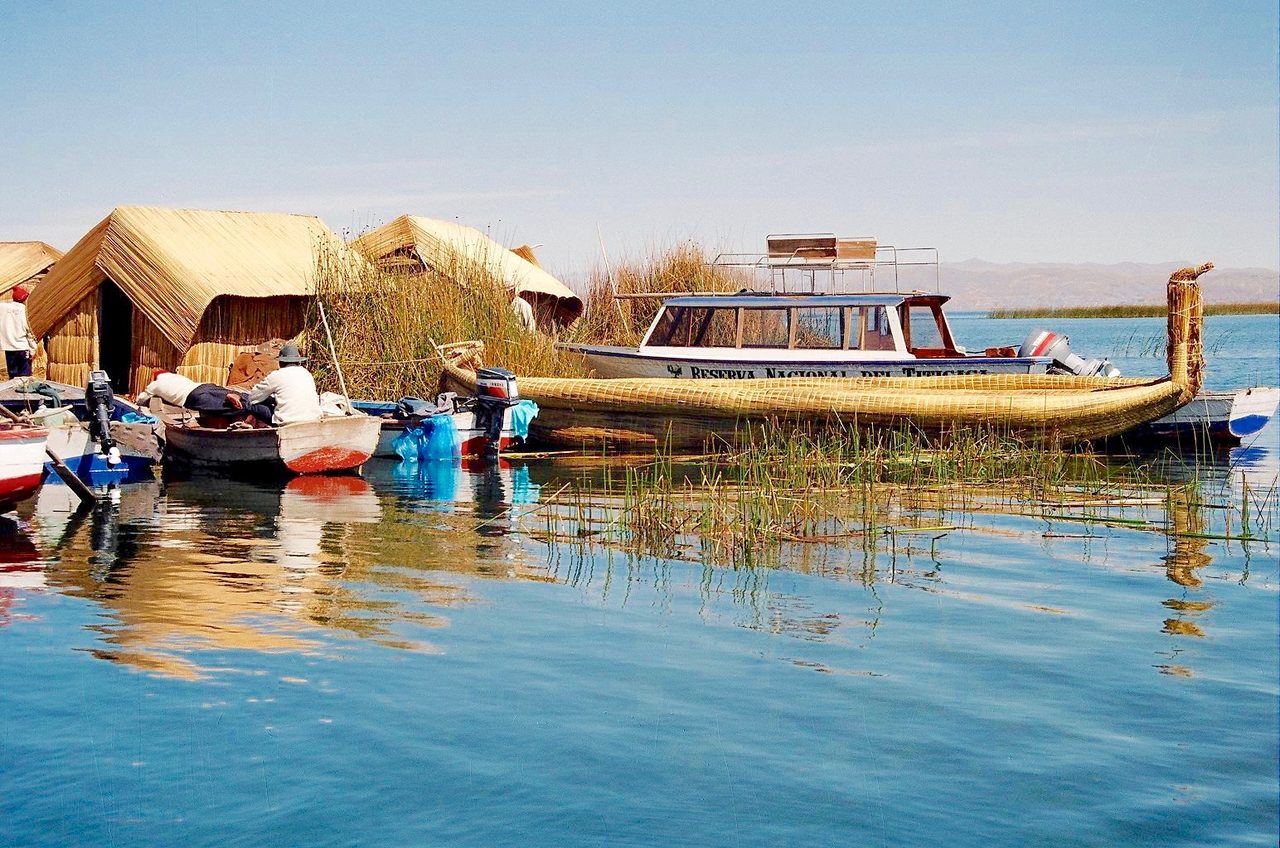
- Day 9: The Uros floating islands and Taquile on the lake.
- Day 10: Travel to Arequipa via the altiplano.
- Days 11–12: Colca Canyon — condors at the Cruz del Cóndor — then back to Arequipa.
- Days 13–14: Arequipa’s White City, then fly home via Lima.
You can flip the order (do the southern circuit first to acclimatize gradually from Arequipa upward) — some people prefer that. Either way, the detailed version lives in our 14-day Peru itinerary.
The 3-week Peru itinerary (the grand tour)
With three weeks you can stop choosing. Take the two-week southern loop above and add a serious chunk of the Amazon and a taste of the north or the central Andes.
- Week 1–2: the full two-week southern route (Lima, Inca heartland, Titicaca, Colca, Arequipa).
- Days 15–18: fly into the Amazon (Puerto Maldonado or Iquitos) for three or four jungle nights.
- Days 19–21: either the trekking around Huaraz and the Cordillera Blanca, or the cloud-forest ruins of the north — whichever suits your legs and your interests.
Three weeks is also when slower, off-the-beaten-path travel becomes possible. See the full plan in our 3 weeks in Peru guide.
Itineraries by travel style
The routes above suit most people, but a few travelers want something different. Here’s how I’d steer you:
First-timers
Don’t overthink it — the classic 7-to-10-day Lima–Cusco–Sacred Valley–Machu Picchu route is popular because it works. Our first-time Peru itinerary walks you through it with extra hand-holding on flights and altitude.
Adventurers and trekkers
Build the trip around your trek — the Inca Trail or Salkantay to Machu Picchu, or the Cordillera Blanca around Huaraz — and add acclimatization days before it, not after. Treks eat 4–5 days, so plan accordingly.
Off the beaten path
Skip (or minimize) the gringo trail and head for the north, the Choquequirao trek, or remote Amazon lodges. Our off-the-beaten-path Peru itinerary is built for repeat visitors.
Peru without Machu Picchu
Yes, it’s a real and rewarding trip — the south coast, the southern circuit, the Amazon and the north all stand on their own. See Peru without Machu Picchu.
Peru and Bolivia combined
Lake Titicaca makes a natural bridge between the two countries, so many travelers continue from Puno across the border to Copacabana and La Paz. Our Peru and Bolivia itinerary shows how to link them.
The building blocks: regions to slot into your route
The best way to design your own Peru itinerary is to think in modular blocks and link two or three. Here’s what each adds and roughly how long it needs.
Lima and the central coast (1–2 days)
Your likely arrival point and the food capital. One full day is enough for most; two if you love eating. See things to do in Lima.
The Inca heartland: Cusco, Sacred Valley & Machu Picchu (4–6 days)
The non-negotiable core of almost every trip, and where you’ll spend most of your time. Combine Cusco, the Sacred Valley and Machu Picchu, with day trips like Rainbow Mountain.

The southern circuit: Arequipa, Colca & Titicaca (4–6 days)
The classic two-week add-on: the White City of Arequipa, the condors of Colca Canyon, and Lake Titicaca. It links overland to Cusco, so it slots neatly onto the Inca heartland.

The Amazon (3–4 days)
The easiest “completely different world” to add, reached by a short flight from Cusco or Lima. Three nights at a lodge is the sweet spot. See the Peruvian Amazon guide.
The south coast: Paracas, Huacachina & Nazca (2–3 days)
A fun, low-altitude add-on south of Lima — wildlife at the Ballestas Islands, sandboarding at Huacachina, and the Nazca Lines — easily done by bus.
The north (4–7 days)
For second trips: the surf coast, the cloud-forest fortress of Kuélap, and the trekking around Huaraz. See northern Peru.
Practical planning for your itinerary
Domestic flights and logistics
Peru’s size means flying is part of almost every itinerary, and nearly all domestic flights route through Lima — so a Cusco-to-Arequipa hop, say, may connect via the capital. Book the popular Lima–Cusco leg early, favor morning departures (fewer weather delays), and leave buffer on travel days. The full picture is in getting around Peru.
When to go
The dry season (May–September) is best for the Andes and trekking; the green season (December–March) is quieter and cheaper but wetter, and the Inca Trail closes every February. Match your route to the season — details in best time to visit Peru.
Budget
Itinerary length and style drive cost more than anything. The big-ticket items are domestic flights, the Machu Picchu train and multi-day treks. Our Peru trip cost guide helps you price a route before you commit.
Where to stay along the way
From Lima’s Miraflores to Sacred Valley lodges and Amazon cabins, where you base each night matters — especially the acclimatization nights. See where to stay in Peru.
Altitude pacing
It’s worth repeating because it’s the most common itinerary mistake: build in acclimatization, start low, and keep the highest hikes for the back half of your trip. Our Peru travel tips and Cusco altitude guides cover it in full.
Common itinerary mistakes to avoid
- Trying to see too much. Peru is huge; two or three regions done well beats five done badly. Resist the urge to add “just one more” flight.
- Ignoring the altitude in your day order. Don’t schedule Rainbow Mountain for the day after you land in Cusco. Start low, climb gradually.
- Booking Machu Picchu and treks too late. Tickets, the best circuits and Inca Trail permits sell out months ahead in high season.
- Underestimating travel days. A “quick” hop often eats half a day once you count transfers, the airport and the connection through Lima.
- Skipping Lima entirely. Even one day for the food is worth it.
In what order should you visit Peru?
Order matters more in Peru than in most countries, because of the altitude. Get the sequence wrong and you’ll spend your first big day nursing a headache at 3,400 m. There are two sensible templates.

The standard route starts at sea level in Lima, then flies to Cusco — but immediately drops down to the lower Sacred Valley (around 2,800 m) to sleep the first night or two, returning up to Cusco only once you’ve adjusted. Machu Picchu (a relatively low 2,430 m) fits early; Rainbow Mountain (over 5,000 m) and hard treks go late. If you’re adding the Amazon, it’s low and warm, so it works as a relaxing finale.
The gradual-ascent route suits the southern circuit: fly to Arequipa (a gentle 2,335 m) first, then climb through Colca to Lake Titicaca (3,800 m) and on to Cusco. Your body acclimatizes step by step, which many people find easier than the jump straight to Cusco. Either way, the golden rule holds: ascend gradually and keep the highest activities for the back half of the trip.
How many days does each highlight need?
A quick reference for slotting things together:
- Lima: 1–2 days
- Cusco city: 2–3 days (including acclimatization)
- Sacred Valley: 1–2 days
- Machu Picchu: 1 day on site, 2 with travel
- Rainbow Mountain or Humantay: 1 day each
- Lake Titicaca: 1–2 days
- Arequipa & Colca Canyon: 3–4 days together
- The Amazon: 3–4 days (lodge minimum)
- South coast (Paracas, Huacachina, Nazca): 2–3 days
- Huaraz / the north: 4–7 days
Add a travel day whenever you change region, and you’ll have a realistic plan rather than a wish list.
Should you book a tour or travel independently?
Peru is one of the easiest countries in South America to travel independently. The classic route runs on a well-worn trail with frequent flights, comfortable buses and English widely spoken in the tourist trade, so most people happily DIY the backbone and book individual pieces — Machu Picchu tickets, day tours, a trek — as they go. That saves money and keeps you flexible.
A guided or private trip earns its keep in a few cases: multi-day treks (where a licensed operator is required anyway), very tight schedules where you can’t afford a logistics hiccup, families juggling kids and altitude, and luxury travelers who simply want it all handled. My usual recommendation is a hybrid — plan the route yourself, then book the treks, the Machu Picchu logistics and a couple of day tours through reputable local operators. However you do it, lock in the time-sensitive bookings (Machu Picchu, the Inca Trail) months ahead.
Combining Peru with its neighbors
If you have the time, Peru links naturally to its neighbors. Bolivia is the easiest add-on — Lake Titicaca straddles the border, so you can continue from Puno to Copacabana and La Paz (see our Peru and Bolivia itinerary). Ecuador and the Galápagos connect by a short flight via Lima or Quito, and Chile’s Atacama Desert pairs well with the southern circuit (fly from Arequipa or Lima, or cross at Tacna). Just budget at least a few extra days for each — trying to bolt a second country onto a one-week Peru trip is the fastest way to spend your holiday in airports.
Quick budgets by trip length
Length and style drive the cost of a Peru itinerary more than anything else. As a rough, per-person guide (excluding international flights to Peru, and assuming you fly the long domestic hops):
- 7 days, mid-range: roughly US$1,000–1,600, with the Machu Picchu train, entrance and a Lima–Cusco flight making up a big chunk.
- 10 days, mid-range: roughly US$1,500–2,400, depending on whether your extra region is the (cheaper) south coast or the (pricier) Amazon.
- 14 days, mid-range: roughly US$2,200–3,500 once you add the southern circuit and more internal transport.
Backpackers can do each for noticeably less by using buses and budget stays; at the luxury end, the sky’s the limit (the Belmond train and high-end lodges alone can rival the rest of the trip). Price your specific route with our Peru trip cost guide before you commit.
Short on time: 3–4 day Peru trips
If all you have is a long weekend — a layover, or an add-on to another country — you can still get to Machu Picchu, but keep it ruthlessly simple. Fly into Cusco, go straight down to the Sacred Valley to sleep low, do Machu Picchu the next day, see a little of Cusco, and fly out. It’s tight and the altitude gives you no margin, so don’t add a hard hike on top. If you genuinely can’t spare three days for the Andes, spend your time in Lima instead — the food alone justifies it, and you’ll leave wanting to come back for the rest.
My top itinerary-planning tips
A handful of things I’ve learned the hard way:
- Book Machu Picchu and any trek first, then build around them. They’re the only truly time-sensitive pieces; everything else flexes around your Machu Picchu date.
- Never fly home the same day you visit Machu Picchu. Trains and connections through Lima leave no room for delays. Give yourself a Cusco night after.
- Add a buffer day. One unscheduled day absorbs a delayed flight, an extra acclimatization day, or a place you fall in love with.
- Get proper travel insurance that covers high altitude and any trekking — standard policies sometimes exclude both.
- Carry cash in soles for markets, taxis, entry fees and tips, and keep small notes handy.
- Pace the first 48 hours. The trip you imagined starts on day three, once you’ve acclimatized — plan the gentle stuff first.
Get those right and the rest of the itinerary tends to look after itself. For the deeper health and packing detail, see our Peru travel tips.
How to adapt the classic route
Almost every great Peru itinerary is the Lima–Cusco–Sacred Valley–Machu Picchu spine with one or two blocks added. Short on time? Just do the spine. Got an extra two or three days? Add the south coast or Lake Titicaca. Got a week more? Fold in the southern circuit or the Amazon. Coming back for a second trip? Swap the classics for the north and the off-the-beaten-path treks. Once you see it as a backbone plus blocks, designing your own route stops feeling daunting — and our individual destination guides fill in the detail for each piece.
An alternative 2-week route: the road less traveled
If you’ve already done the classics, or you simply want fewer crowds, here’s a completely different two weeks that skips the gringo trail almost entirely — the trip I’d take on a second visit.
- Days 1–2: Lima, then fly or bus to Huaraz.
- Days 3–6: the Cordillera Blanca — day hikes to Laguna 69 and the glacial lakes, or the Santa Cruz trek for the fit.
- Days 7–8: north to Trujillo for Chan Chan and the Moche pyramids.
- Days 9–11: on to Chachapoyas for the cloud-forest fortress of Kuélap and the Gocta waterfall.
- Days 12–14: finish on the warm north coast at Máncora for surf and beach time before flying home via Lima.
It’s more legwork and fewer headline names, but you’ll have ruins and trails largely to yourself. The full version is in our northern Peru guide, and you could just as easily swap the north for a deep Amazon leg (an Iquitos river cruise) if jungle beats mountains for you.
Your Peru itinerary planning checklist
Once you’ve settled on a route, work through this in order and the trip more or less books itself:
- 1. Lock the dates and season. Match your route to the weather — dry season for trekking and the Andes.
- 2. Choose your blocks. Pick the two or three regions you’ll link, and set a realistic day count for each.
- 3. Book Machu Picchu (and any trek) first. These are the only truly time-sensitive pieces — everything flexes around your Machu Picchu date and circuit.
- 4. Book domestic flights. Especially Lima–Cusco; morning departures, early booking. See getting around Peru.
- 5. Plan your low-altitude first nights. Sleep in the Sacred Valley before Cusco if you can.
- 6. Sort travel insurance that explicitly covers high altitude and trekking.
- 7. Pack layers and altitude basics, and talk to your doctor about Diamox if you’re prone to it. See travel tips.
- 8. Download offline maps and have a little cash in soles ready for arrival.
- 9. Leave a buffer day somewhere in the middle.
Tick those off and you’ll arrive with a route that’s ambitious enough to be exciting and loose enough to actually enjoy.
The same route, two ways: budget vs luxury
One of the things I love about Peru is that the same itinerary works at wildly different budgets. The classic Lima–Cusco–Sacred Valley–Machu Picchu route can be done by a backpacker on hostel dorms, local buses (or the cheaper Hidroeléctrica back-route to Machu Picchu) and market lunches, or by a luxury traveler on the Belmond train, in a converted-convent hotel with oxygen-enriched rooms, with a private guide opening doors at the ruins. The stops are identical; only the comfort changes. That means you don’t need to redesign your route to fit your budget — you just dial the style up or down, leg by leg. Most people land somewhere in the middle, splurging on one or two experiences (a nice Machu Picchu train, a special dinner in Lima) and keeping the rest mid-range. Our where to stay and trip cost guides help you find that balance.
Peru itinerary FAQ
How many days do you need in Peru?
Seven days covers the classic Lima–Cusco–Sacred Valley–Machu Picchu loop; ten is the sweet spot, adding one more region at a comfortable pace; and two weeks lets you do the southern circuit (Arequipa, Colca, Titicaca) or the Amazon as well. Fewer than seven days and you’ll spend too much of the trip in transit.
Is 7 days enough for Peru?
Yes, for the highlights — Lima, Cusco, the Sacred Valley and Machu Picchu — as long as you don’t try to add extra regions. One week done well beats ten days spread too thin. Just build in altitude time and don’t schedule anything strenuous for your first day in Cusco.
What is the best Peru itinerary for first-timers?
The classic 10-day route: Lima for the food, then Cusco, the Sacred Valley and Machu Picchu, plus one extra region (the Amazon, Lake Titicaca or the south coast). It hits the must-sees, paces the altitude, and leaves a buffer day. Our first-time Peru itinerary walks through it.
What is the ideal length for a Peru trip?
Ten days for most first-timers, two weeks if you want to see Peru properly without rushing. Ten gives you the classics plus one extra region; fourteen adds the southern circuit or the Amazon and removes the time pressure entirely. Three weeks lets you reach the Amazon and the north as well.
Can you see Machu Picchu and the Amazon in 10 days?
Yes — it’s one of the best 10-day combinations. Do the classic Inca-heartland week, then fly from Cusco to Puerto Maldonado for three jungle nights at the end (it’s low and warm, a nice way to wind down). Just don’t also try to squeeze in Lake Titicaca or the south coast in the same ten days.
In what order should you visit Peru?
Lead with altitude in mind: start at sea level (Lima), do any low-altitude stops (the south coast) early, then ascend gradually, and save the highest hikes (Rainbow Mountain) and hard treks for the back half. On the standard route, fly to Cusco but sleep first in the lower Sacred Valley before coming up to the city.
How many days do you need for Machu Picchu?
Plan two days: the visit itself takes only a few hours, but getting there and back from Cusco — train, bus, the timed circuits — eats a full day on either side. An overnight in Aguas Calientes or the Sacred Valley makes it far less stressful than a single mega-day. See our Machu Picchu guide.
Is two weeks too long in Peru?
Not at all — two weeks is arguably the ideal length. It lets you do the Inca classics and the southern circuit (or the Amazon) without rushing, with time to acclimatize and absorb a delay or two. If anything, the people I know who went for two weeks wished they’d had three.
Can you travel Peru without flying domestically?
You can — the bus network is excellent — but it costs serious time. A Lima–Cusco bus is around 20 hours versus an 80-minute flight. Overland travel suits long trips and budget backpackers; on anything under two weeks, fly the big hops and bus only the scenic short legs. See getting around Peru.
When is the best time to do a Peru itinerary?
The dry season (May–September) is best for the Andes and trekking, with June to August the busiest. April, May, September and October are a great-weather, lower-crowd compromise. The wet season (December–March) is green and cheap but rainier, and the Inca Trail closes every February. See best time to visit Peru.
Should you book a tour or travel independently?
Most people DIY the route and book individual pieces (Machu Picchu, day tours, a trek) as they go — Peru’s classic trail is easy and well-served. A guided or private trip is worth it for multi-day treks, very tight schedules, families, or travelers who want zero logistics. A hybrid — plan it yourself, book the time-sensitive bits through reputable operators — is my usual recommendation.
How far in advance should you plan a Peru trip?
Book the time-sensitive pieces early: Machu Picchu tickets and the popular circuits two to three months ahead in high season, and Inca Trail permits four to six months out. The rest of the itinerary — hotels, day tours, internal flights — can be arranged closer in, though flights are cheaper booked early.
Can you combine Peru and Bolivia in two weeks?
Yes, if you focus. Do the Peru classics, then cross at Lake Titicaca to Copacabana and La Paz, perhaps adding the Uyuni salt flats. It’s a fantastic trip, but two weeks is tight for both countries — three is more comfortable. See our Peru and Bolivia itinerary.
What is the biggest itinerary mistake to avoid?
Trying to see too much, closely followed by ignoring the altitude in your day order. Pick two or three regions, link them sensibly, ascend gradually, and leave a buffer day. A relaxed route through fewer places almost always beats a frantic dash through more.
How many days should you spend in Cusco?
Plan two to three days based in Cusco — one to acclimatize and see the city, and one or two for day trips like the Sacred Valley, Machu Picchu or Rainbow Mountain. Because so much radiates from it, Cusco usually ends up being the longest single stop on a Peru itinerary. See our how many days in Cusco guide.
Is Peru safe to travel around on an itinerary?
Broadly yes — millions follow this route safely every year. Fly or take reputable buses between regions, use official taxis or apps in cities, watch your bag in markets, and keep some buffer for the occasional transport strike. The bigger practical risks are altitude and the high-altitude sun, both easily managed. See our Peru travel tips.
What is the best Peru itinerary if you struggle with altitude?
Weight your route toward low elevations: spend more time in Lima and on the south coast (Paracas, Huacachina, Nazca), add the warm, low-lying Amazon, and approach the Andes gradually — ideally via Arequipa and the Sacred Valley rather than flying straight to Cusco. You can still reach Machu Picchu (a relatively gentle 2,430 m); just give yourself extra days to adjust and keep the very high hikes off the list.
Final thoughts
The perfect Peru itinerary isn’t about cramming in the most stops — it’s about pacing. Build it on the Lima–Cusco–Sacred Valley–Machu Picchu spine, add a block or two that excite you, respect the altitude, and leave a little room for the trip to surprise you. Do that and you’ll come home with the rare feeling of having seen a country properly rather than chased it. When you’re ready to fill in the detail, start with our Machu Picchu, Cusco and things to do in Peru guides.
Sources
About this guide: Written by the Peru Tourism Guide team — writers and trip-planners who have built and traveled Peru routes of every length, from a frantic long weekend to a month on the road. We keep this guide current as flights, prices and seasons change.
Last updated: June 2026.