Peru Itinerary for First-Time Visitors
There is one classic route through Peru and most first-timers should just take it. The day-by-day plan, the altitude order that stops you losing two days to sickness, real booking lead times, and what to cut at seven days.
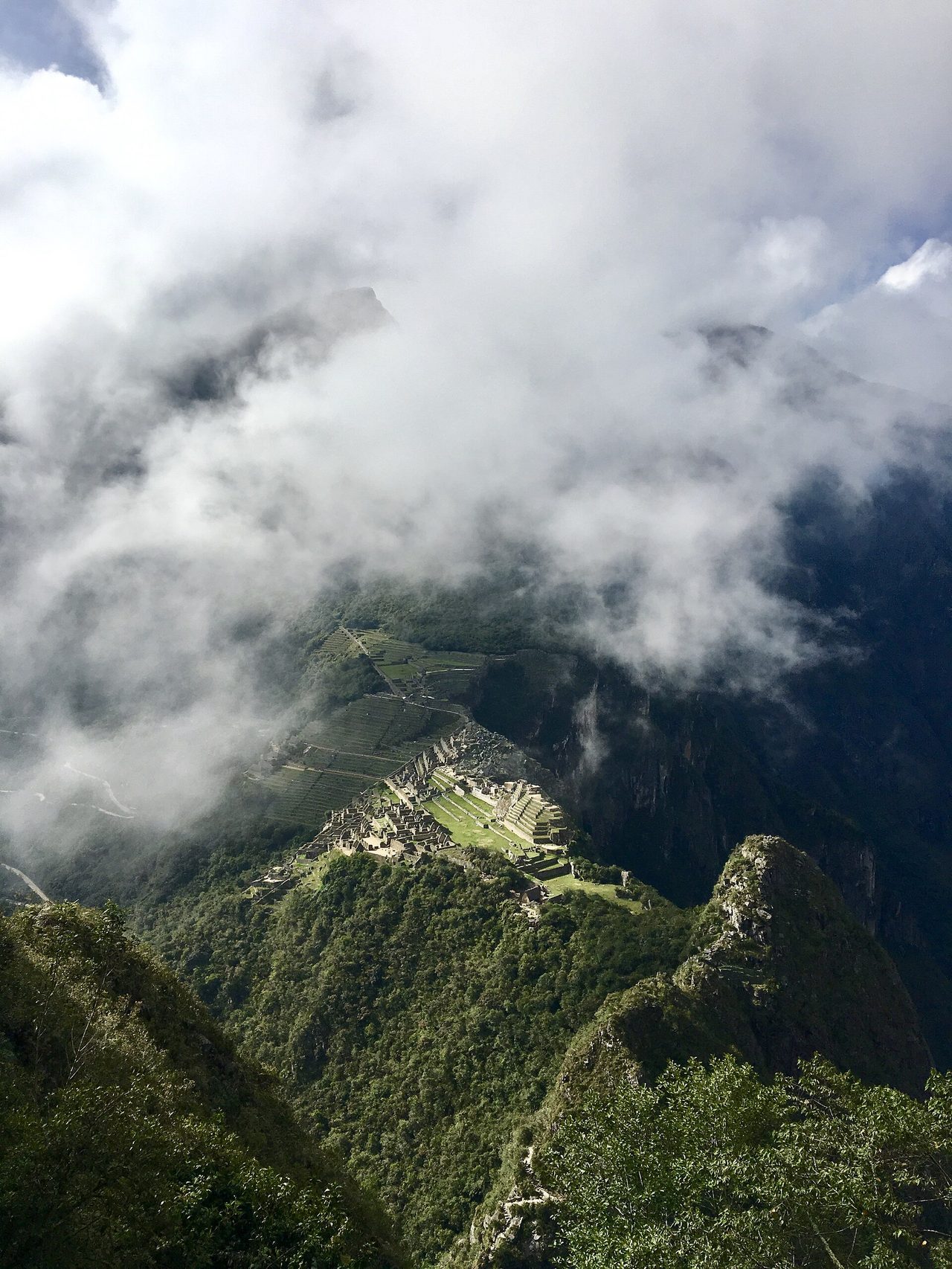
Almost every guide to Peru starts from the assumption that your trip has to be designed from scratch. It doesn’t. There is a standard first time Peru itinerary — Lima, the Sacred Valley, Machu Picchu, Cusco, roughly ten days — and for the large majority of people arriving in the country for the first time, that route is simply the correct answer. It exists because the flights, the trains and the altitude leave you very little room to be clever.
So I’m not going to pretend you need something bespoke. What I am going to do is spend the rest of this article on the decisions inside that route, because that is where first trips actually go wrong. People get the order of the stops backwards and lose two days to altitude sickness. They book Machu Picchu entry six weeks out and find the good circuits gone. They pay four times the going rate for a taxi at 1am in Lima because nobody told them what the going rate was.
Here is the honest version, with numbers.
The classic route exists for a reason. Take it.
Peru is enormous and shaped awkwardly — a coastal desert strip, a spine of Andes, and a rainforest that occupies more than half the country’s land area and almost none of its road network. There is no efficient loop. Domestic flights nearly all route through Lima, which means a “quick hop” from Cusco to the Amazon or to Arequipa often means going backwards through the capital.
What that geography produces is a single dominant corridor: Lima on the coast, then a 1 hour 20 minute flight up to Cusco, then the Sacred Valley and Machu Picchu, which sit within a couple of hours of each other by road and rail. Everything else in Peru is a detour off that corridor. That is not a failure of imagination on the part of guidebooks. It is what the map allows.
Ten days is the number that makes this work without rushing. You can compress it to seven, and I’ll show you exactly what breaks when you do. Below seven you are into a five-day dash that is really just Machu Picchu with a plane ride attached, and while people do it, they usually come home saying they wish they’d had longer. If you have more than two weeks the calculus changes completely and you should be reading about how a fortnight opens up Arequipa and Lake Titicaca instead.
If you want the wider argument about trip length before you commit to flights, we’ve set out the case for each duration from five days to a month separately. This piece assumes you’ve landed on roughly ten.
The 10-Day First Time Peru Itinerary, Day by Day
One thing to notice immediately: this route puts the Sacred Valley before Cusco, not after. Most tour packages do the opposite. The reason is in the altitude column, and I explain it properly in the next section.
| Day | Base | Sleeping altitude | What you actually do | Booked ahead? |
|---|---|---|---|---|
| 1 | Lima (Miraflores) | ~150 m | Arrive, sleep off the flight, walk the clifftop malecón at sunset, first ceviche | Hotel + airport transfer |
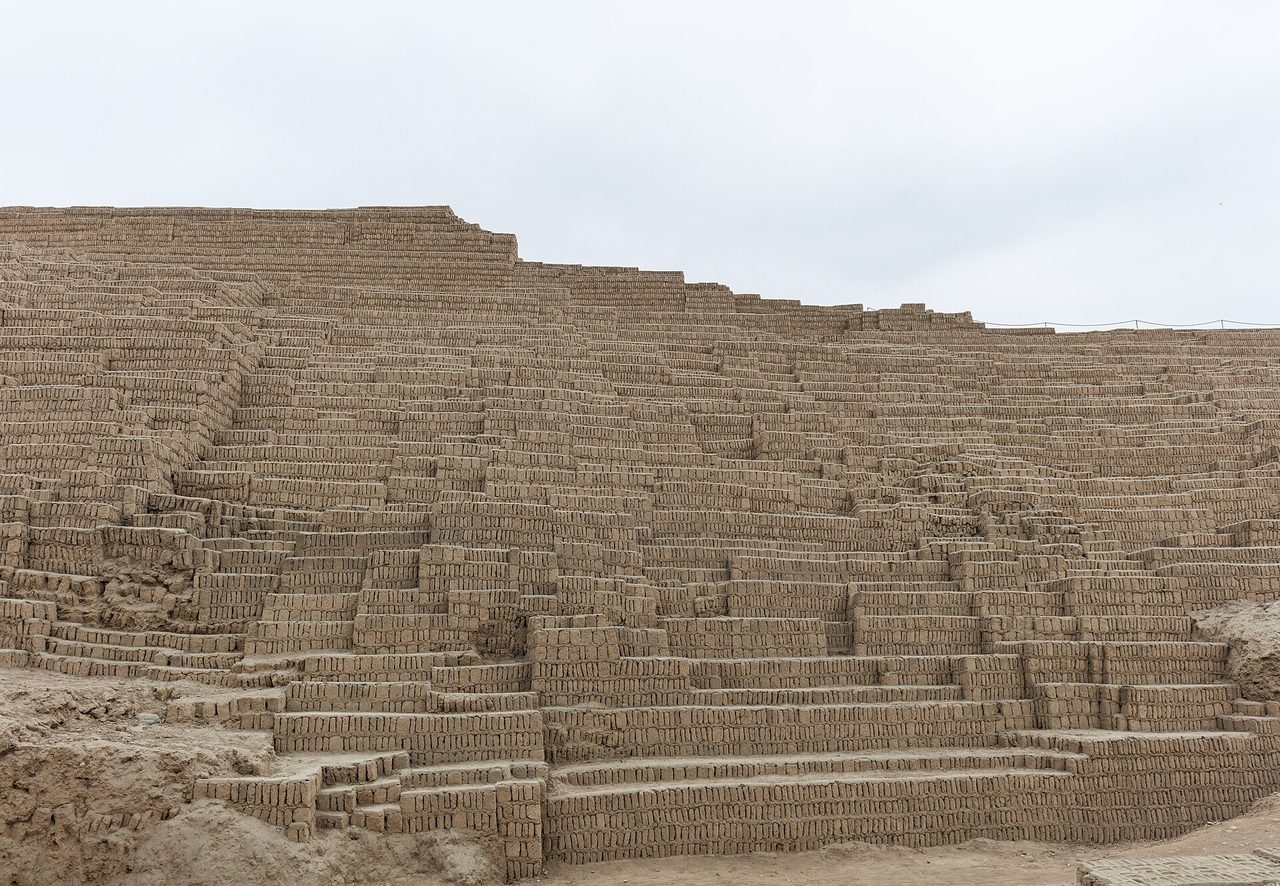
| 2 | Lima | ~150 m | Historic centre in the morning, Larco or the Huaca Pucllana pyramid in the afternoon, Barranco in the evening | Dinner reservation if you want a name restaurant |
| 3 | Sacred Valley (Urubamba or Ollantaytambo) | 2,790–2,870 m | Morning flight to Cusco, then drive straight down into the valley. Do nothing strenuous. Walk the town, eat early, sleep | Flight, private transfer |
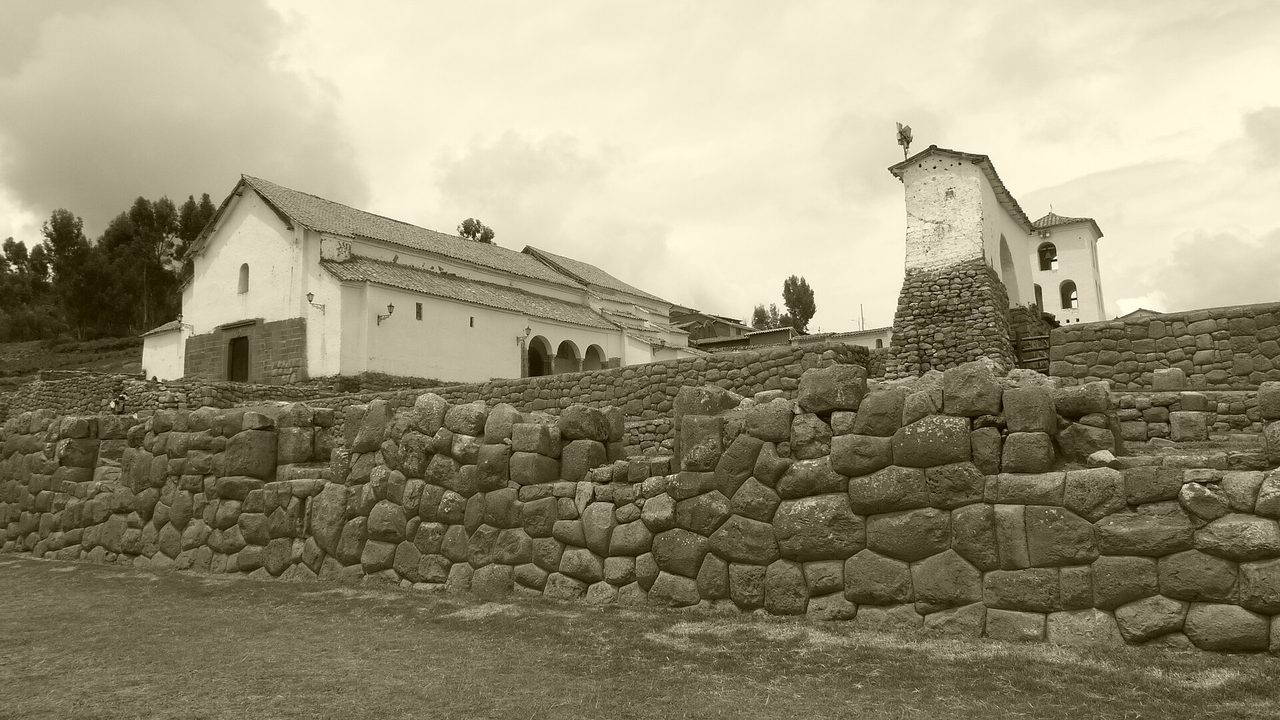
| 4 | Sacred Valley | 2,790–2,870 m | Deliberately gentle: Chinchero or the Pisac market, a weaving co-operative, a long lunch. This is your acclimatisation day and it is not optional | Boleto Turístico (buy in person) |
| 5 | Sacred Valley | 2,790–2,870 m | The big valley day: Moray’s circular terraces, the Maras salt pans, then the Ollantaytambo ruins | Driver or small-group tour |
| 6 | Aguas Calientes | 2,040 m | Afternoon train down the Urubamba gorge. Collect your shuttle bus tickets, eat, sleep early | Train — months ahead in high season |
| 7 | Cusco | 3,400 m | Machu Picchu on a morning entry slot, back down by early afternoon, train and road transfer to Cusco | Entry ticket — months ahead. Shuttle bus |
| 8 | Cusco | 3,400 m | Plaza de Armas, Qorikancha, the San Blas lanes, the San Pedro market. All on foot, all uphill, and by now you can handle it | Nothing |
| 9 | Cusco | 3,400 m | Sacsayhuamán and the three smaller sites above the city in the morning; free afternoon, or trade the whole day for a Rainbow Mountain or Humantay excursion | Tour if you’re doing the excursion |
| 10 | Out | — | Morning flight to Lima. Leave a generous connection window — Cusco’s airport closes for weather more often than people expect | Flight |
That is nine nights and ten days, which is what most people mean by ten days once you count the overnight flight in. If your international arrival lands at 5am, day one is a real day. If it lands at 11pm, it isn’t, and you should plan for eleven.
A few substitutions that don’t break anything. You can sleep in Urubamba rather than Ollantaytambo — Urubamba has the better hotels and is more central for day trips, Ollantaytambo has the train station and more atmosphere. On day 9 you can swap Sacsayhuamán for a full-day trip if the weather is good. And if you cannot get an early Machu Picchu slot, flip days 6 and 7 so you get a full afternoon in the town below the ruins rather than arriving harried.
Altitude sequencing: the single mistake that ruins first trips
Here is the thing nobody tells you clearly enough. Lima sits essentially at sea level. Cusco sits at 3,400 m. That is a bigger jump in one 80-minute flight than most people have ever made in their lives, and Cusco’s airport is inside the city, so you go from a pressurised cabin to walking uphill with a suitcase within about twenty minutes of landing.
Then people do the genuinely dangerous thing: they book Rainbow Mountain, at over 5,000 m, or start the Inca Trail, for day two or three. I have watched people be sick in the car park at Vinicunca. It is not a badge of honour, it is a planning error.
The fix is a ladder. Sleep low, climb high during the day, come back down to sleep.
| Place | Altitude | Where it belongs in the trip |
|---|---|---|
| Lima | ~150 m | Days 1–2. Free acclimatisation to nothing, but a useful buffer against jet lag |
| Aguas Calientes | 2,040 m | Night 6. The lowest you sleep in the Andes |
| Ollantaytambo | ~2,790 m | Nights 3–5. The smart first Andean sleep |
| Urubamba | ~2,870 m | Alternative to Ollantaytambo, same logic |
| Machu Picchu | 2,430 m | Day 7. Lower than everywhere in Cusco province you’ve slept except Aguas Calientes |
| Cusco | 3,400 m | Nights 7–9. Save it for when you’re adapted |
| Rainbow Mountain (Vinicunca) | ~5,036 m | Day 9 at the earliest, if at all |
Read that table again and notice the line most first-timers get exactly backwards: Machu Picchu is nearly a kilometre lower than Cusco. At 2,430 m it is a cloud-forest site, warm, humid, occasionally buggy. People arrive at the gate in full down jackets having packed for a summit. The altitude anxiety belongs to Cusco, not to the ruins. If you want the full physiological picture, we go into what 3,400 m actually does to you and how long it takes to adapt in more detail.
The practical ladder, then: fly into Cusco and leave immediately. The drive down to the valley takes about 75 minutes to Urubamba and pretty much everyone feels better for it. Give yourself a genuinely lazy day 4 — not “a light day” that turns into six hours of ruins, an actual lazy one. Then do Machu Picchu from a low base and come up to Cusco last, by which point you have had four nights above 2,700 m and the city is manageable.
Two honest notes on remedies. Coca tea and coca leaves are pleasant, mildly stimulating and culturally normal; they are not a treatment for altitude sickness, and the little bags of coca sweets sold to tourists at inflated prices in Cusco are, functionally, sweets. Acetazolamide is a real drug with real evidence behind it, and it is a conversation for your doctor before you fly, not for a pharmacy counter on the Plaza de Armas. If you get a headache that painkillers won’t touch, or you start vomiting, the answer is to descend, and from Cusco that is easy — the valley is an hour away and 600 m lower.
What to book, and how far ahead
This is where a first trip is won or lost. Peru rewards early bookers in a way most destinations don’t, because the two things everyone wants — Machu Picchu entry and Inca Trail permits — are hard-capped by the government rather than by hotel capacity.
| What | Book by | Rough cost | Notes |
|---|---|---|---|
| Inca Trail permit (4-day) | 6–8 months for Jun–Aug; 3–4 for shoulder | Bundled into a trek price, typically several hundred USD | 500 permits a day including guides, porters and cooks, so far fewer trekker spots than that. Trail closed for maintenance in February |
| Machu Picchu entry ticket | 3–6 months in high season; 4–6 weeks in low | S/163 foreign adult | S/211 if your ticket includes Huayna Picchu or Machu Picchu Mountain. Foreign student or minor around S/88; Andean Community adult around S/69 |
| Train, Ollantaytambo ↔ Aguas Calientes | 2–3 months in high season | ~$35–60 per standard-class leg | Two operators, PeruRail and Inca Rail. Panoramic services cost more |
| Lima–Cusco flight | 2–3 months | ~$60–140 return | LATAM has the most frequencies; Sky and JetSmart undercut it with strict baggage rules |
| Consettur shuttle bus up to the gate | Day before, in Aguas Calientes | ~$24 round trip | No fixed departure time, buses go when full. Passport required |
| Boleto Turístico (Cusco tourist ticket) | On arrival, in person | S/130 full 10-day; S/70 partial circuits | Covers Sacsayhuamán, Pisac, Ollantaytambo, Moray, Chinchero and a dozen more. Not sold online |
| Sacred Valley hotels | 2–3 months in high season | Wide range | The valley has far less inventory than Cusco and the good mid-range places go early |
The Machu Picchu ticket, in plain terms
Since June 2024 the site has run on three circuits subdivided into ten routes. They are one-way and rangers enforce them — you cannot double back to re-photograph something you walked past. Entry is by the hour from 06:00 to 16:00, with a 30-minute grace period on your slot, and you’ll be inside for roughly two and a half to four hours depending on which route you hold.
The daily cap is 4,500 visitors, lifted to 5,600 on designated peak dates: 1 January, 2–5 April, the long stretch from 19 June to 2 November, and 30–31 December. That extra headroom in the middle of high season is why tickets sometimes reappear when you thought everything was gone.
For a first visit, you want a route that includes both a viewpoint and a walk down through the ruins themselves. Some routes are viewpoint-only; they produce the famous photograph and nothing else. We have a full breakdown of which circuit does what and how to actually get one, and a separate comparison of the two summit add-ons that push the price to S/211, because they are very different hikes and people book the wrong one.
Prices and rules here move without much warning — the S/163 figure reflects a conservation surcharge added on 1 May 2026 on top of a base ticket that hadn’t changed. Check the official government portal before you pay anyone, and be suspicious of any third-party site quoting the old numbers.
One rule that catches people: an ISIC card is no longer accepted for the Machu Picchu student rate. You need a university photo ID with an expiry date on it, and they check at the gate. Confusingly, ISIC is still accepted for the 18–25 rate on the Cusco Boleto Turístico, which is a different agency entirely.
Trains: Vistadome or Expedition?
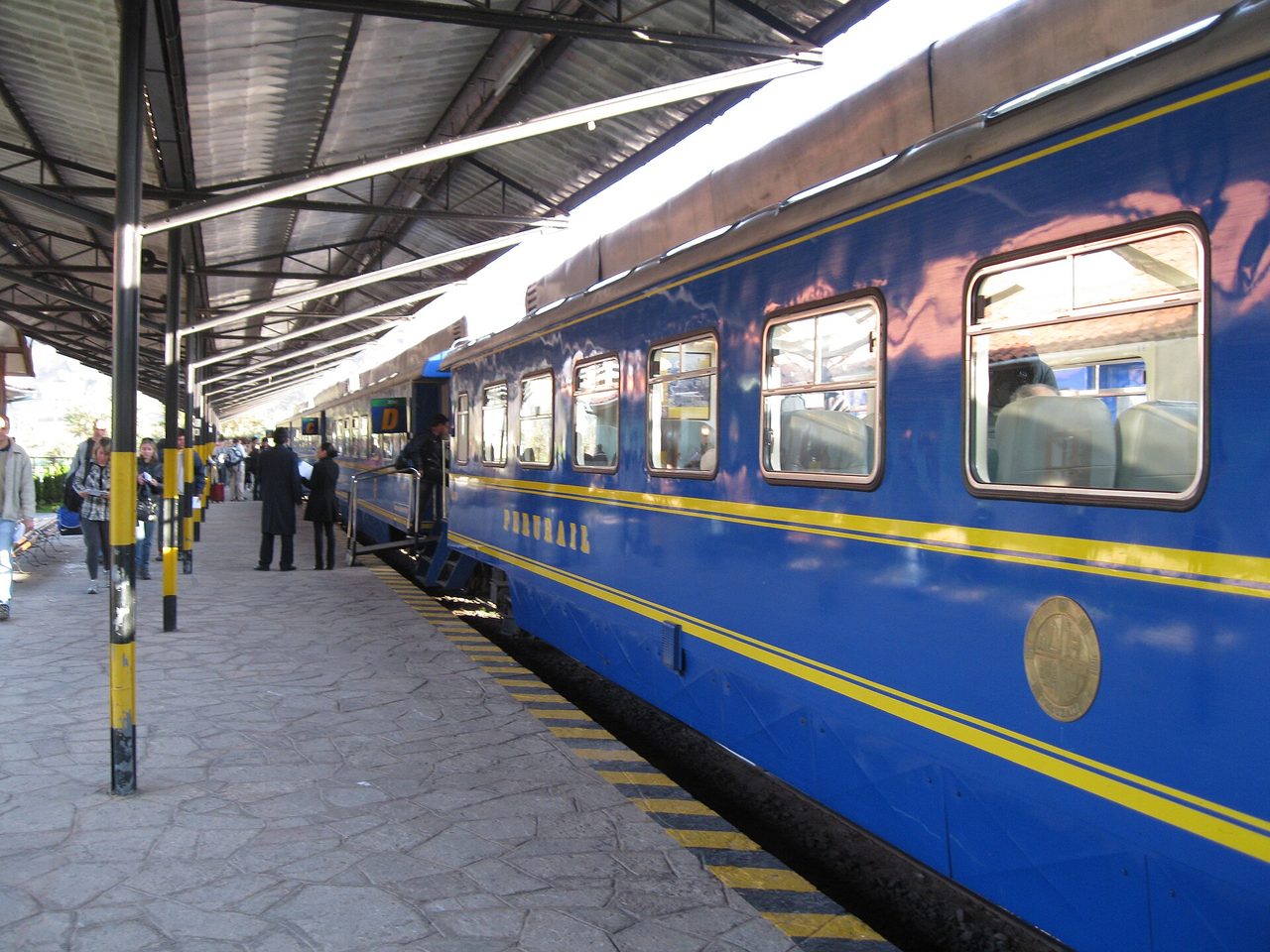
There is one railway into the Machu Picchu valley and no road, which is why the trains cost what they cost. PeruRail’s Expedition and Inca Rail’s equivalent are the standard services; Vistadome and its rivals add roof windows, a snack, and on some departures a dance performance and an alpaca-textile sales pitch on the way back.
My view, unpopular with the rail companies: on the way to Aguas Calientes, in daylight, the panoramic carriage is a genuine upgrade because the gorge is spectacular and the standard windows crop it badly. On the way back, when it’s dark and you’re exhausted, you are paying a premium for a fashion show. Book the good train one way. We compare the classes and the departure stations properly in our guide to the rail options into Aguas Calientes, and if you’re weighing rail against the cheaper Hidroeléctrica back route, the full set of ways to cover that leg is laid out separately.
What to cut if you only have seven days
Seven days is a real constraint and plenty of people are working within it. The instinct is to shave a day off everything. Don’t. Shave whole components instead, and protect the altitude ladder above all else.
Here is the honest triage, in the order I would cut:
- Cut Lima to a single night. Arrive, sleep, fly to Cusco the next morning. Lima is a great city and a world-class eating town, but it is the one stop with no structural role in the trip — it doesn’t acclimatise you to anything. You lose the museums and the historic centre. You keep the trip.
- Cut day 9, the second Cusco day. Sacsayhuamán and the ruins above town are excellent and I’d rather you saw them than Rainbow Mountain, but they are the most droppable full day on the list.
- Cut the third Sacred Valley night, not the second. Keep the do-nothing acclimatisation day. Merge Moray, Maras and Ollantaytambo into one longer day with a driver.
That gets you to: Lima 1 night, Sacred Valley 2 nights, Aguas Calientes 1 night, Cusco 2 nights, fly out on day 7. Tight but sane. Our dedicated seven-day version of this route works through that compression day by day, and if you find you can stretch to nine or ten after all, the ten-day plan has more room to breathe.
What I would not do at seven days: add anything. No Amazon lodge, no Arequipa, no Lake Titicaca. Every one of those requires two travel days for one day of experience, and at this length the maths is brutal.
What this route is not good for
This is the section the competition never writes, so here it is. The classic circuit is a good trip. It is not the right trip for everyone, and if any of the following describes you, you should be planning something else.
You want the Amazon properly
A one-night lodge stop out of Puerto Maldonado gives you a boat ride, a canopy tower and some macaws. It is pleasant and it is not the Amazon in any serious sense. Real jungle time means three or four nights minimum, preferably deeper in, on a river trip out of Iquitos or well inside Tambopata. That is a separate trip built around what the Peruvian Amazon actually offers at different depths, and bolting a token night onto a Machu Picchu itinerary mostly buys you a long transfer and a mosquito bite.
You want beach time
Lima’s coast is grey, cold and mostly for surfers. The swimmable warm-water beaches are up near Máncora, an hour and a half by air from Lima in the opposite direction to everything on this itinerary. The desert coast south of Lima has dunes, wineries and the Ballestas islands rather than swimming — the southern coast is its own kind of trip and it does not combine gracefully with the Andes in ten days.
You are drawn to northern Peru
Chachapoyas, Kuelap, the Moche pyramids and the royal tombs at Sipán are, archaeologically, some of the most interesting things in the country, and almost nobody goes. They are also a thousand kilometres north of Cusco with no useful connection between the two. If the northern circuit is what excites you, do that trip on its own terms rather than trying to graft it on.
You want solitude
Be clear-eyed. This route is the most travelled corridor in South America. In July you will queue for the shuttle bus, share the Ollantaytambo terraces with four tour groups and eat dinner in restaurants where every table is foreign. That is the cost of the itinerary being this well-oiled. If crowds genuinely spoil things for you, either shift to the shoulder months or build a trip around the parts of the country most visitors never get to.
You have mobility limits or a heart or lung condition
Cusco at 3,400 m is not a gentle environment, the streets are steep cobbles, and Machu Picchu involves a lot of uneven stone steps with drops beside them. None of that is disqualifying, but it needs planning and a conversation with a doctor, not optimism.
When to add the Amazon, Arequipa, Titicaca or Bolivia
Everyone asks. Here is a decision rule rather than a list.
Count your spare days after the core route is safe. The core needs nine nights. Anything beyond that is your add-on budget, and each add-on has a minimum viable size:
| Add-on | Minimum extra nights | Worth it when | Skip it when |
|---|---|---|---|
| Amazon lodge (Puerto Maldonado) | 3 | You want wildlife and can accept a fly-in, fly-out lodge experience | You have 2 nights — you’ll spend both travelling |
| Arequipa + Colca Canyon | 4 | You like colonial cities and want condors; Arequipa at 2,335 m also doubles as an altitude step | You’re already tired of early starts |
| Lake Titicaca (Puno) | 3 | You’re continuing to Bolivia anyway, or the floating islands genuinely appeal | You’re allergic to organised cultural visits — Uros is heavily staged |
| Bolivia (La Paz / Uyuni) | 6+ | You have three weeks and a tolerance for border logistics | Any trip under 16 days |
| Rainbow Mountain | 0 (day trip) | You’re fully acclimatised and it’s late in the trip | It’s in your first four days at altitude |
The one that surprises people is Arequipa. Because it sits at 2,335 m it works as a deliberate step on the altitude ladder if you route Lima → Arequipa → Cusco, and the city itself is more than a stopover. Titicaca is the one I’d cut first: it is a long way, it is very high at 3,810 m, and the reality of the floating island visits divides opinion sharply. Rainbow Mountain is the one to be most careful with — the 5,036 m altitude and the 3am start are the whole story, and doing it early wrecks the rest of your week.
If you find you’re trying to fit three add-ons in, you don’t have a ten-day trip any more. You have a three-week trip, and you should plan it as one.
What first-timers overpay for
Peru is not an expensive country, but there is a well-established tourist tariff and newcomers pay it. These are the four that cost people the most.
The airport taxi in Lima. Arriving at Jorge Chávez at midnight, jet-lagged, with touts inside the terminal quoting a price in dollars, is how people end up paying three or four times the normal fare to Miraflores. Use the official taxi desks inside the terminal, or pre-book a transfer through your hotel, or use a ride-hailing app from the designated pickup area. The gap between the tout price and the real price is routinely $40 or more.
Same-day Lima to Cusco connections. Booking an international arrival that connects straight onto the morning flight to Cusco looks efficient. It means you land at altitude having not slept, with your body already struggling, and if the international flight is delayed you have paid for a domestic ticket you cannot use. Sleep in Lima. It costs one night and saves the trip.
“Sunrise at Machu Picchu” tours. The first entry slot is 06:00, and the site faces east into a wall of mountains. What you get at 06:00, particularly between December and March, is fog. Sometimes glorious fog that burns off theatrically; often just fog. The tours that sell “sunrise” are selling the first bus, not a sunrise, and the first bus means queueing in the dark from around 04:30. If you want light on the stones, a mid-morning slot is frequently better. Our guide to what the weather actually does month by month at the site goes through this properly.
Coca products sold as altitude cures. Coca tea in your hotel lobby is free or nearly free and perfectly nice. The branded coca candies, capsules and “oxygen shots” sold to tourists at a markup are not medicine. Save the money for a hotel with an oxygen cylinder behind reception, which many Cusco hotels have and will let you use for nothing.
A fifth, smaller one: the day trip. Doing Machu Picchu and back from Cusco in a single day is possible and it is sold hard. It is a 16-hour day, it costs about the same as staying over, and it means arriving at the ruins already wrecked.
Who should skip the Inca Trail
The four-day Inca Trail is the most famous trek in South America and it is genuinely excellent. It is also wrong for a lot of the people who book it, and no operator is going to tell you that.
Skip it if any of these apply. You have fewer than ten days — the trek eats four of them plus a buffer day, which leaves nothing. You have never slept in a tent. You are travelling with children under about twelve, or with anyone whose knees are already a topic of conversation, because the descent from Dead Woman’s Pass is thousands of stone steps and it is the descent that hurts. You booked your trip less than four months out, in which case the decision has been made for you. Or you are primarily there for Machu Picchu itself, because arriving on foot is a wonderful thing but you will be tired, and you get exactly the same site as everyone who took the train.
The alternatives are good. Salkantay is higher, wilder, cheaper and needs no permit. The Lares route is shorter and more about villages than ruins. A two-day Inca Trail variant gets you the Sun Gate arrival without the camping. We set out the permit system and what the four days involve, and if you’re open-minded about the route, the wider trekking options are worth a look before you commit a deposit.
One correction while we’re here: the conservation surcharge that pushed standard entry to S/163 does not apply to Inca Trail entries, so the trekking price you were quoted shouldn’t have moved because of it.
Roughly what ten days costs
These are per-person figures for two people sharing, excluding international flights, and they are indicative rather than a quote. Peru moves fast on price and the sol/dollar rate does too.
| Item | Budget | Mid-range | Comfortable |
|---|---|---|---|
| Accommodation, 9 nights | $180–270 | $550–900 | $1,800+ |
| Lima–Cusco return flight | $60 | $100 | $140 |
| Trains, both legs | $70 | $110 | $250+ |
| Machu Picchu entry | S/163 (~$45) | S/163 (~$45) | S/211 (~$58) with a summit |
| Consettur shuttle | $24 | $24 | $24 |
| Boleto Turístico | S/70 partial | S/130 full | S/130 full |
| Food and drink, 10 days | $100–150 | $250–400 | $600+ |
| Transfers, guides, day trips | $60 | $200 | $500+ |
| Indicative total | ~$550–700 | ~$1,300–1,900 | ~$3,400+ |
The line that shocks people is Machu Picchu. Between entry, both train legs, the shuttle and a night in Aguas Calientes, the single day at the ruins routinely accounts for a quarter of the whole trip’s cost. There is no way around it — there is one railway and one bus company. There are ways to trim it, which we cover in the cheapest legitimate ways to reach the site, and the broader breakdown lives in our guide to what a trip to Peru costs at each level.
Timing, and a few things nobody mentions
Dry season in the Andes runs roughly May to September, and that is when the route works best: clear mornings, reliable views, and the highest chance of seeing the ruins rather than the inside of a cloud. It is also when everything sells out and prices peak. April and October are the sweet spot if you can be flexible — shoulder weather, noticeably fewer people. February is the month to avoid outright: it is the wettest, and the Inca Trail closes for maintenance. Our month-by-month look at when to go and what each season actually delivers has the detail.
A handful of practical things that catch first-timers:
- Bring your passport everywhere. Machu Picchu, the shuttle bus, the trains and the Boleto Turístico all check it. A photocopy is not enough at the Machu Picchu gate.
- Cash matters more than you expect. Markets, small restaurants, taxis and site entrance kiosks are cash-first. Withdraw soles, not dollars, and take smaller notes — nobody can change a S/200.
- Big luggage cannot go on the train. There is a strict size and weight limit into Aguas Calientes. Every Sacred Valley and Cusco hotel will store your main bag for free.
- Cusco’s airport is weather-sensitive. Morning flights are far more reliable than afternoon ones, and delays cascade. Never book a same-day international connection out of Cusco.
- Layers, not a parka. The Andes swing from genuinely hot at midday to near freezing after dark, and Machu Picchu is a warm cloud forest. What to actually pack for the site is more specific than most packing lists.
- Eat the set lunch. The menú del día is the best value in the country and the fastest route into how Peruvians actually eat, as opposed to the tasting-menu version.
Frequently asked questions
Should I stay in Cusco or the Sacred Valley first?
The Sacred Valley, without much hesitation. It sits 500–600 m lower than Cusco, which makes your first Andean nights substantially more comfortable, and it puts you closer to the Ollantaytambo train station for Machu Picchu. Save Cusco for the end, when your body has adapted and you can enjoy the steep streets instead of stopping halfway up them. That said, if your flight lands late in the afternoon, one quiet night in Cusco before dropping to the valley is a reasonable compromise — just do nothing that evening. Advice on which Cusco neighbourhood suits which kind of traveller is worth reading before you book.
Is Machu Picchu really lower than Cusco?
Yes, and by a lot. Machu Picchu sits at 2,430 m; Cusco is at 3,400 m. Aguas Calientes, in the gorge below the ruins, is lower still at around 2,040 m. This trips up almost everyone, because the photographs make the citadel look like a summit when it is actually perched on a ridge deep in a valley. The practical consequences: it is warmer than you expect, it rains more than Cusco does, and altitude sickness is unlikely to be your problem there.
How many days do I need at Machu Picchu itself?
One entry is enough for most people. The circuits are one-way and timed, so you cannot wander for a whole day even if you want to — you’ll be inside for two and a half to four hours. A second entry only makes sense if you want a summit hike as well, or if you’re visiting in the rainy season and want a fog insurance policy. We work through the trade-off in how long to give the site and its surroundings.
Do I need a guide at Machu Picchu?
Officially, guides are required for first entry, and in practice enforcement varies by gate and by season. Beyond the rules, I would hire one anyway for a first visit. The site is almost entirely unlabelled, and without context you are looking at very well-made walls. Guides can be booked in advance or picked up at the entrance, and the entrance option is cheaper if you’re willing to share with a small group. Some background on who built it and what it was for before you go makes a real difference too.
Is Peru safe for a first trip?
On this route, broadly yes, with the ordinary caveats. Petty theft is the realistic risk, not violence: phones on restaurant tables, bags on the back of chairs, distraction scams around busy plazas. Central Lima at night warrants more care than Miraflores or Barranco. Cusco is heavily policed because tourism is the local economy. Use registered taxis or apps rather than hailing on the street, don’t take valuables to Machu Picchu, and keep a card and some cash separate from the rest. More on this in the practical things worth knowing before you land.
Is Machu Picchu worth the cost and the hassle?
For a first-time visitor, yes — but the honest answer has conditions attached, and we argue both sides in our piece on whether the site lives up to it. It is expensive, tightly controlled and crowded, and if you arrive expecting a private moment of communion you will be disappointed. If you arrive understanding that you are visiting one of the great engineering achievements of the pre-industrial world, along with several thousand other people, it holds up completely.
Can I fit the Amazon into ten days?
Not well. A meaningful jungle stay needs three extra nights on top of the core route, because the flights only make sense as a return from Cusco or Lima and you lose most of two days in transit. At ten days total you would be gutting the Sacred Valley to do it, which is the wrong trade. Thirteen or fourteen days is where it starts to work.
What if I want to move around independently rather than on tours?
Entirely doable and often cheaper. Colectivos run constantly between Cusco, Urubamba and Ollantaytambo for a few soles. Long-distance buses in Peru are genuinely comfortable in the upper classes. The only fixed points you cannot improvise are the Machu Picchu ticket and the train. Our overview of buses, colectivos, flights and when each makes sense covers the options, and there’s a full rundown of every route to the ruins including the budget Hidroeléctrica approach.
The short version
Do the classic route. Fly into Cusco and leave the city immediately for the Sacred Valley. Give yourself one genuinely empty day at around 2,800 m before you ask anything of your body. Book Machu Picchu entry and the train the moment your dates are fixed, and the Inca Trail six months out if you want it at all. Come up to Cusco at the end, not the beginning, and spend those last days on the city’s ruins, markets and San Blas lanes and the enormous stonework at Sacsayhuamán above the rooftops.
Everything else — the Amazon, Titicaca, Arequipa, the north — is a second trip. That is not a consolation. It is the point. And if you want to see how this route sits alongside every other way of carving up the country, our main Peru itinerary hub lays them all out side by side.