Cusco & Machu Picchu in 4-5 Days
Four or five days in the Cusco region, sequenced around altitude rather than around what tour operators like to sell. Two day-by-day plans with real times, the four ways of reaching Machu Picchu compared, the Aguas Calientes trade-off, and which circuit gives you the classic view.
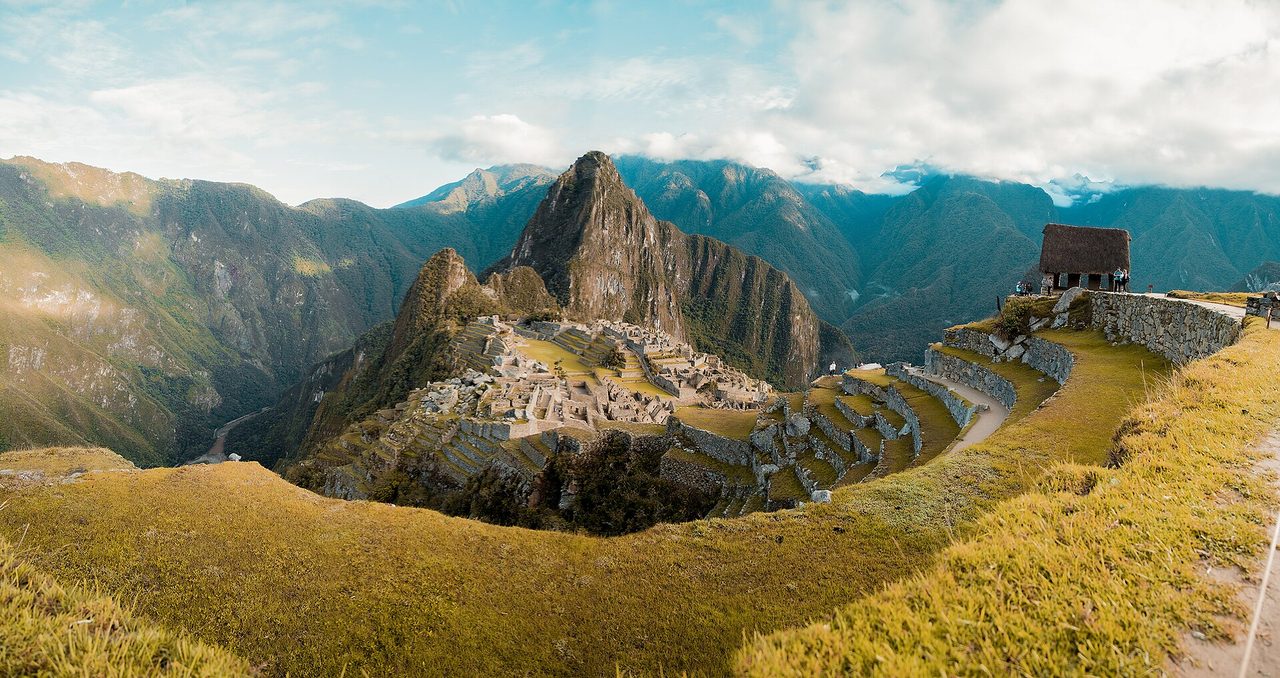
Almost every four-day Cusco plan I have seen online fails in the same place. It puts the city tour on day one, at 3,400 m, six hours after the traveller stepped off a plane. Then it stacks Machu Picchu and Rainbow Mountain on consecutive days. A good cusco and machu picchu itinerary is not a list of sights in the order a tour operator likes to sell them — it is a sequence built around two things: altitude, and the one decision that shapes everything else, which is how you physically get to the ruins.
This guide is for people who are already committed to the region. You have four or five days in and around Cusco, you want Machu Picchu, and you want the rest of the time to be worth something rather than a series of transfers. If instead you are trying to fit the whole country into a short trip and are weighing Lima, flights and coastal detours, the five-day plan for Peru as a whole country answers that question. This one stays inside the Cusco region and does not mention a domestic flight again.
What this cusco and machu picchu itinerary assumes
Four assumptions, stated up front so you can bail out early if they do not match your trip.
- Your days start and end in the region. Day 1 begins when you land at Cusco airport or step off the overnight bus. If your flight lands at 3pm, shift everything by half a day and read the four-day plan as a three-and-a-half day plan.
- You are not trekking the classic Inca Trail. Four days of hiking is four days of your trip. More on that below.
- You will take at least one train. There is a cheap overland alternative and I cover it, but it costs you time you probably do not have.
- You accept that you are going to miss things. A short trip in this region is a series of deliberate exclusions. The articles that promise you Machu Picchu, the Sacred Valley, Rainbow Mountain and Humantay in four days are describing a physically possible schedule that nobody enjoys.
Decision one: how you reach Machu Picchu
Everything else bends around this. There is no road to Machu Picchu — the last stretch is rail, foot, or both — and the option you pick determines how many days are left for anything else. There are four realistic ways in on a short trip, and they are not equivalent.
| Route | Days it consumes | Rough cost per person | What it costs you elsewhere |
|---|---|---|---|
| Train from Ollantaytambo | 1.5–2 | $70–120 return rail plus $24 shuttle | Nothing much. This is the efficient default. |
| Hidroeléctrica bus + 10 km walk | 2–2.5 | $45–70 all in | Roughly a full day of daylight in each direction, on rough roads. |
| Two-day Inca Trail from KM104 | 2 | $450–700 guided, permit included | Your Sacred Valley day. Requires a permit months ahead. |
| Salkantay trek (4–5 days) or Lares (3 days) | 4–5, or 3 | $350–600 (Salkantay), $300–450 (Lares) | Everything else. The trek is the trip. |
The train, which is what most people should do
Cusco to Ollantaytambo is 1 hour 45 minutes to 2 hours by road. Ollantaytambo to Aguas Calientes is another 1 hour 30 to 2 hours by rail through the gorge. Standard-class tickets on PeruRail Expedition or IncaRail The Voyager run about $35–60 per leg depending on departure time and season, with the dawn and mid-morning departures the most expensive because everybody wants them. Trains also run from Poroy and San Pedro near Cusco on some dates, but the Ollantaytambo departures are cheaper and there are far more of them. I go into the classes, the bimodal services and how far ahead they sell out in the piece on the rail options to Aguas Calientes; for planning purposes here, assume you need the train booked before anything else except your entry ticket.
The Hidroeléctrica route, which is cheap and eats a day
The budget alternative is a minivan from Cusco over the Abra Málaga pass to the Hidroeléctrica station — roughly 190 km and six to seven hours — then a flat 10 km walk along the railway line to Aguas Calientes, which takes most people two and a half to three hours. Total cost is usually $30–45 return for the transport, sometimes less. It is a genuinely good day if you like that sort of thing, and the walk beside the Urubamba is more interesting than the train window. But you arrive in the late afternoon with nothing left in you, and the return is the same in reverse. On a four-day trip that is close to half your time. If money is the constraint rather than time, the detailed version lives in the guide to doing Machu Picchu cheaply. Every option, including the ones I have not bothered with here, is laid out in the comparison of every route into Machu Picchu.
The two-day Inca Trail from KM104
This is the underrated option for a short trip. You board a morning train from Ollantaytambo, get off at KM104, hike up past Wiñay Wayna and enter the site through the Sun Gate in the afternoon — which is the only way to arrive at Machu Picchu the way it was designed to be arrived at — then sleep in Aguas Calientes and re-enter properly the next morning on a lower-sector route. It is about six to seven hours of walking with roughly 700 m of climbing, no camping, and it still requires a government permit through a licensed operator. Permits for the short trail sell out less catastrophically than the four-day version, but three to four months ahead is normal in high season, and the whole trail closes for February. The full picture, including how the permit system works, is in the guide to the Inca Trail and its permit rules.
Salkantay or Lares
Salkantay in four or five days crosses a 4,600 m pass under the mountain itself and finishes at Machu Picchu. Lares in three days is lower, more about villages than scenery, and usually ends with a train from Ollantaytambo. Both are excellent and both mean you are not doing a Cusco itinerary at all — you are doing a trek with a ruin at the end. If that appeals more than the Sacred Valley does, take it, and read the comparison of Peru’s multi-day trekking routes before committing. Just do not pretend you will also see Pisac and Moray.
Decision two: the order, which is an altitude problem
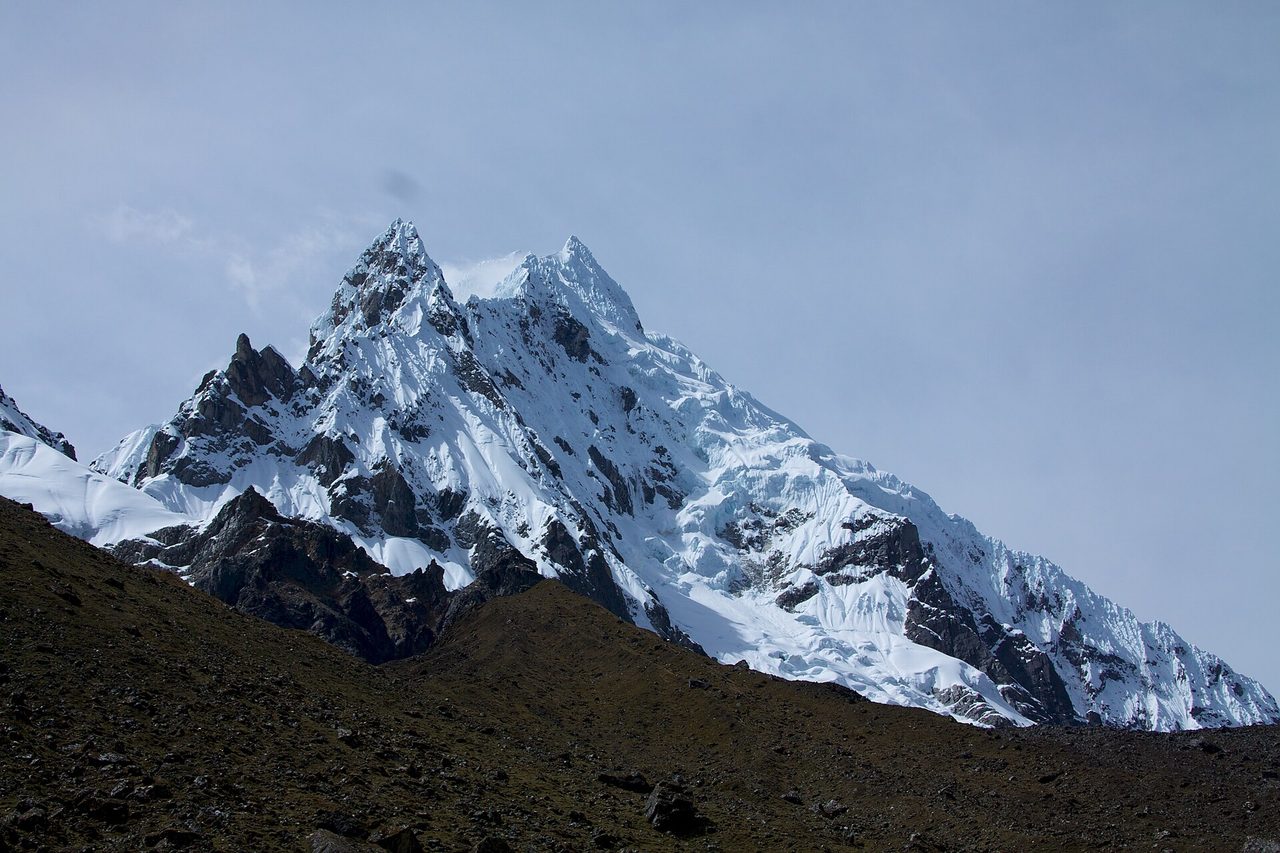
Here is the number nearly every itinerary gets wrong by omission. Machu Picchu sits at 2,430 m. Cusco sits at 3,400 m. The ruins are almost a kilometre lower than the city you fly into. The Sacred Valley floor at Urubamba and Ollantaytambo is around 2,800 m, in between.
So the standard advice — “acclimatise in Cusco before Machu Picchu” — is backwards as a matter of physiology. You do not need to acclimatise to go down. What you need is to not spend your first 24 hours at the highest point of the trip, gasping on Cusco’s staircases with a headache, and then write off day two.
The right order at this length is: valley first, Machu Picchu in the middle, Cusco city last. You land, you get straight into a shared taxi or a colectivo down to the valley, and you sleep your first night 600 m lower than everybody else on your flight. You sleep better, you eat properly, and the walking you do on day two is at 2,800 m rather than 3,400 m. By the time you come back up to Cusco on day three or four you have had two or three nights above 2,400 m and the city is genuinely pleasant instead of a chore.
What goes wrong when people do the opposite: they lose day one to a bad night, they do the city tour half-conscious, they arrive at Machu Picchu tired rather than acclimatised, and they end the trip with the one part — Cusco itself — that most rewards being able to walk uphill. The mechanics of soroche, how long it actually takes, and what the coca tea does and does not do are covered in the piece on coping with Cusco’s altitude. The short version for itinerary purposes: descend on arrival if you can, and never put your hardest day first.
One exception. If you are doing Salkantay, Rainbow Mountain or anything above 4,000 m, you do need real time high. That is a different trip and a different sequence.
The 4-day itinerary, day by day
This is the version I would give a friend. It assumes a morning arrival into Cusco, a train from Ollantaytambo, and no trekking.
Day 1 — Land, descend, Ollantaytambo
- 09:00 Land at Cusco. Do not check into a Cusco hotel. Collectivos to Urubamba leave from Calle Pavitos; a private transfer to Ollantaytambo runs $35–55 and takes the decision away.
- 11:00 Arrive Ollantaytambo. Drop bags, eat, do nothing strenuous for two hours.
- 14:00 The Ollantaytambo terraces, which are on the Boleto Turístico. Two hours is plenty. Then walk the old town grid behind the plaza — the canals still run under the streets and it is the best-preserved Inca town plan anywhere.
- Night Ollantaytambo, 2,792 m. Early night; the alarm is unkind.
Day 2 — Train, Machu Picchu, back to the valley
- Early morning Train to Aguas Calientes. Take the earliest departure you can get a seat on; the very first services leave Ollantaytambo before dawn in high season and the difference between a 05:00-ish and an 08:00 departure is the difference between a 07:00 and a 10:00 entry slot. Check the live timetables when you book — PeruRail and IncaRail both change them seasonally.
- On arrival Straight to the Consettur queue. Shuttle up is 25–30 minutes on switchbacks.
- Inside 2.5–4 hours depending on circuit. Take a guide at the gate if you have not pre-booked one; the site makes almost no sense unguided and the price at the entrance is negotiable in a way it is not online.
- Afternoon Bus down, lunch in Aguas Calientes, afternoon train back to Ollantaytambo.
- Night Ollantaytambo again, or move up to Urubamba if you want better food.
Day 3 — Sacred Valley, then up to Cusco
- 08:00 Moray and the Maras salt pans, which are 40 minutes apart and both worth it. The concentric terraces at Moray are on the Boleto; the salt pans charge separately and take cash.
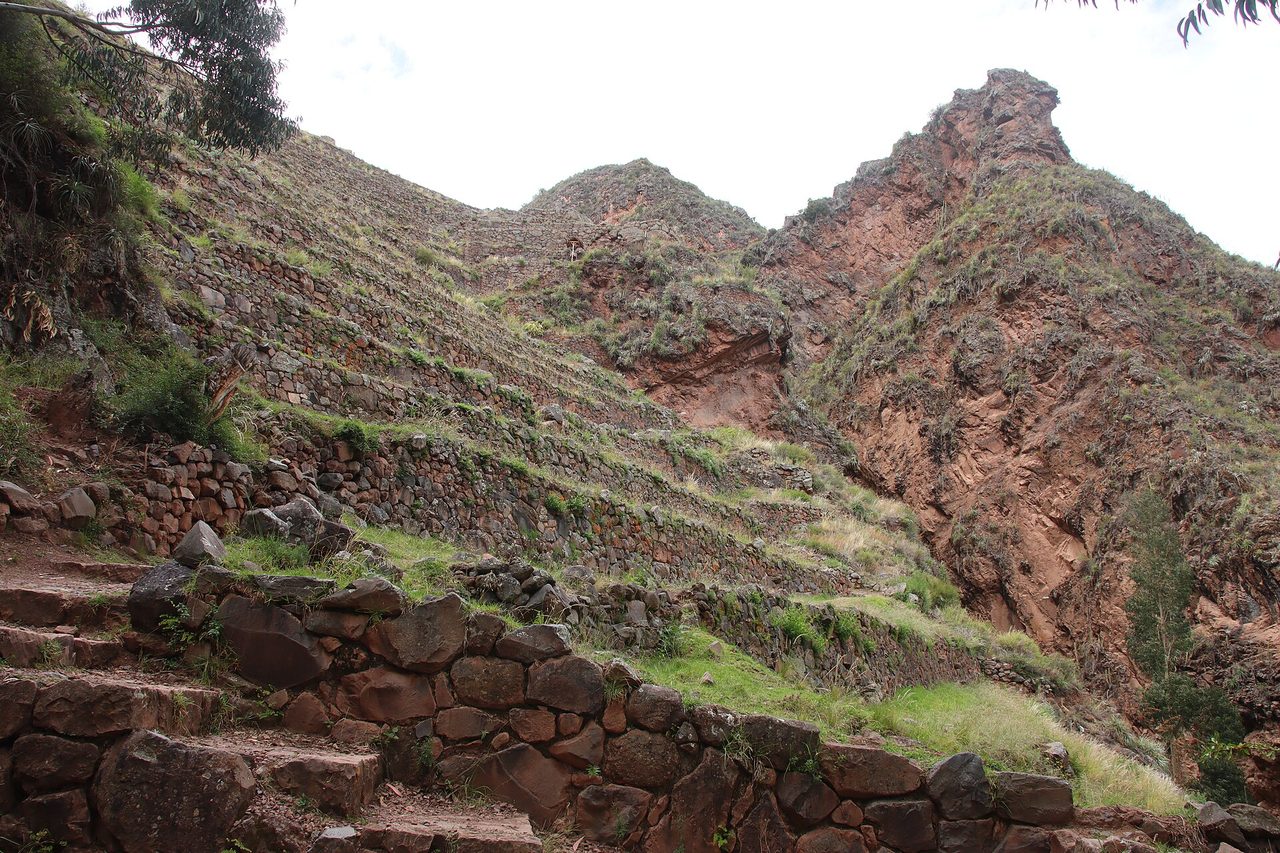
- 13:00 Drive down-valley to Pisac. The terraces above the town are the best ruin in the valley and most tour buses only do the market.
- 17:00 Continue up to Cusco, arriving early evening. You are now at 3,400 m with three nights of altitude behind you.
- Night Cusco. The neighbourhood you pick matters more than the hotel — San Blas is prettier and steeper, the centre is flatter and louder. There is a breakdown in the guide to choosing a Cusco neighbourhood.
The valley deserves more than a day and a half. If you want the version with Chinchero, Huchuy Qosqo and the weaving cooperatives, the standalone Sacred Valley guide lays out what is realistic in one day versus two.
Day 4 — Cusco, properly
- Morning Qorikancha, then the walk up to Sacsayhuamán. It is a steep 40 minutes on foot from the Plaza de Armas and much better than arriving by van, because you approach the walls from below the way they were meant to be seen. The stonework at Sacsayhuamán is arguably more impressive than anything at Machu Picchu, which nobody says out loud.
- Afternoon San Pedro market, the Museo de Arte Precolombino if it rains, and the streets around San Blas. A list of what is actually worth your time is in the rundown of the best things to do in Cusco.
- Evening One proper dinner. Cusco’s restaurant scene has become genuinely good and is no longer just alpaca steak for tourists — see the notes on where to eat in Cusco.
The 5-day itinerary, and what the fifth day actually buys
Days 1 to 4 stay exactly as above. The fifth day slots in either after day 3 or at the end, and you have three honest options. You can have one. Not two.
| Fifth-day option | Wake-up | Home by | Cost | Who it suits |
|---|---|---|---|---|
| Rainbow Mountain (Vinicunca) | 03:30–04:30 | 18:00–19:00 | $35–70 group tour | People who are genuinely fine at altitude. The summit is around 5,000 m. |
| Humantay Lake | 04:30 | 17:00 | $30–60 group tour | Shorter climb, 4,200 m, better scenery-to-suffering ratio. |
| A second Sacred Valley day | 08:00 | Whenever | $20–60 | Anyone who found day 3 rushed. Chinchero, Pisac market, a weaving village. |
| A rest day in Cusco | Late | — | Nothing | More people than will admit it. Day five of altitude is when it catches up. |
My honest ranking for a five-day trip: second valley day, then Humantay, then a rest day, then Rainbow Mountain last. Vinicunca is a 5,000 m slog on a 4am start with a real chance of cloud, and it is a long way to go for a hill that photographs better than it looks. That said, plenty of people love it, and the case for and against is set out in the piece on whether Rainbow Mountain is worth the trip. Humantay is the softer version of the same day and the water colour is not exaggerated — the details are in the guide to hiking up to Humantay.
What you cannot do is put either of these the day after Machu Picchu. You will have been up since 4am, walked several kilometres at the site, and taken two trains. Doing a 5,000 m ascent 20 hours later is how people end up in the clinic on Avenida El Sol. Leave a normal day between them, which on a five-day trip means the high hike goes on day 5 and Cusco city moves to day 4, or the reverse.
Aguas Calientes or Ollantaytambo the night before
This is the trade-off competitors skip, and it is the single biggest lever on how your Machu Picchu day feels.
Sleeping in Aguas Calientes buys you the first entry slot. The Consettur shuttles start at 05:30, and in high season the queue on Avenida Hermanos Ayar starts forming before 5am — not because the buses are few, but because everybody with an 06:00 ticket wants to be on the first one. You walk down from your hotel at 04:40, you are at the gate by 06:10, and you have the site in the best light before the day-trippers land. Buy the shuttle ticket the afternoon before at the booth; you cannot reliably buy it in the morning queue.
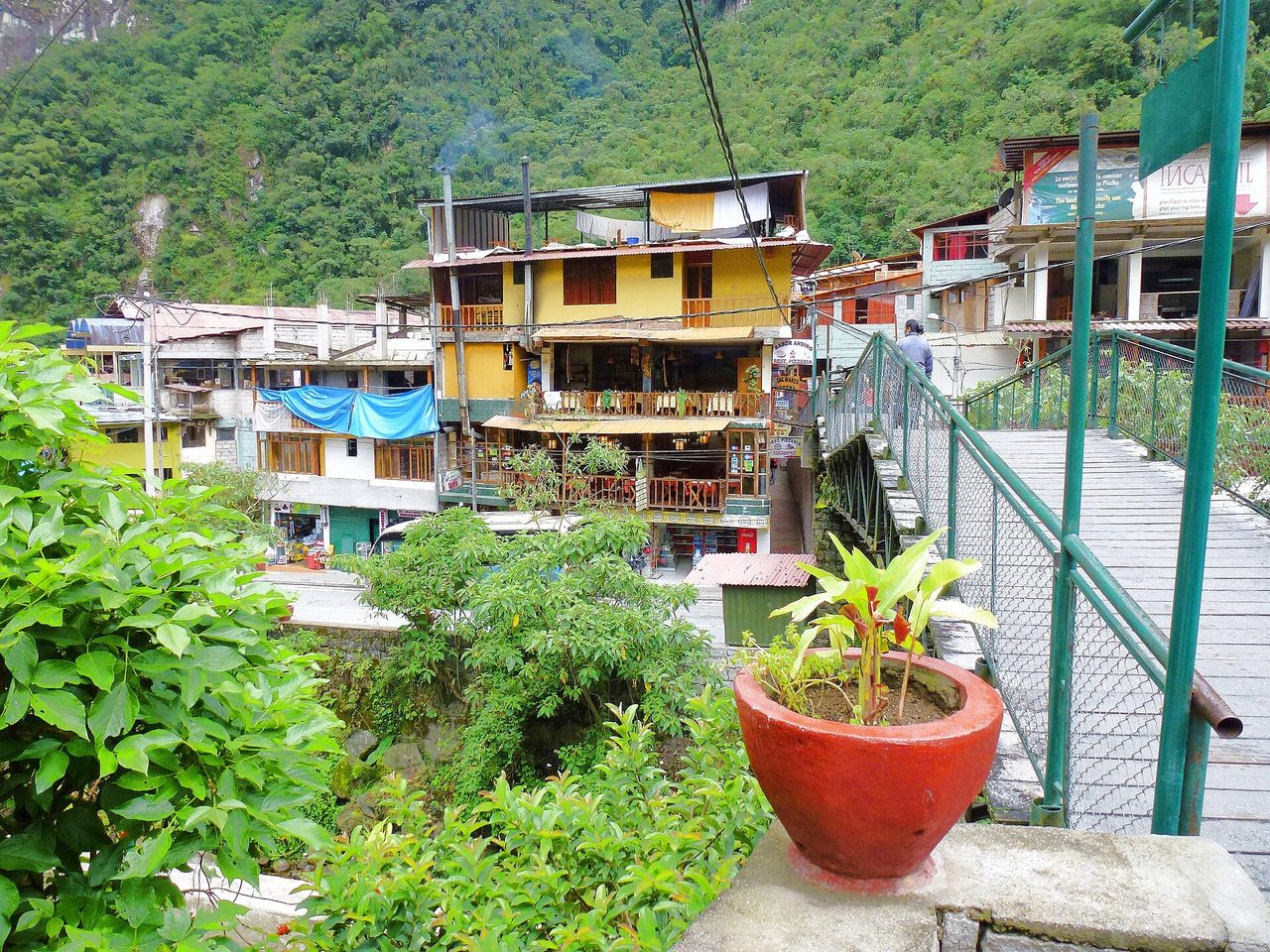
Sleeping in Ollantaytambo is cheaper, quieter and in a far nicer town. Aguas Calientes is a functional railway settlement in a wet gorge with inflated prices, and it is honest to say so — the fuller assessment is in the guide to Aguas Calientes as a place to stay. But it means a pre-dawn train, a 07:00 or later arrival at the gate at best, and an entry slot in the 08:00–10:00 band when the site is at its fullest.
| Aguas Calientes | Ollantaytambo | |
|---|---|---|
| Mid-range double | $60–110 | $35–70 |
| Realistic gate arrival | 06:00–06:30 | 07:30–09:00 |
| Alarm | 04:15 | 04:00, plus a train |
| Dinner quality | Poor to fair, pricey | Fair to good, cheaper |
| Extra train legs | Two, both short | Two, both early |
My rule: on a four-day trip, sleep in Aguas Calientes. You have one shot at the site and the early slot is worth $40 and a bad dinner. On a five-day trip you can afford to sleep in Ollantaytambo and accept a mid-morning entry. If you are considering skipping the overnight entirely and doing it all from Cusco in one push, read the honest timings in the piece on the Machu Picchu day trip from Cusco first — it is a 15-hour day and it is not what I would spend a short trip on.
One more option people forget: instead of the shuttle you can walk up from the Puente Ruinas bridge. It is roughly 1.7 km of near-continuous stone steps and takes most people 60–90 minutes. It saves $12 each way and costs you the legs you wanted for the site.
Circuits and routes: get this wrong and you cannot fix it
Since 1 June 2024 Machu Picchu has been organised into three circuits containing ten numbered routes. They are one-way, they are enforced by rangers, and you cannot double back. Your ticket names the exact route. If you booked the wrong one you find out at the gate, and on a four-day trip there is no second visit.
- Circuit 1 — Panorámico. The upper terraces and viewpoints, including the route up Machu Picchu Mountain, the Inca Bridge and the Sun Gate approach. Reaches the classic elevated view.
- Circuit 2 — Clásico. Routes 2A and 2B. Starts high, gives you the postcard from the terraces below the guardian house, then descends through the urban sector — Sacred Plaza, Temple of the Three Windows, Intihuatana, Temple of the Condor. Reaches the classic view. This is the one most first-timers should book.
- Circuit 3 — Realeza. The lower royal sector, and the circuit paired with the Huayna Picchu, Huchuy Picchu and Gran Caverna add-ons. Does not reach the classic elevated viewpoint.
Read that last line twice. People book Circuit 3 with Huayna Picchu because the mountain sounds like the highlight, then discover they have walked the site at ground level and never got the photograph that made them come. If you want both the postcard and a summit, Circuit 1 with Machu Picchu Mountain is the combination that gives you the elevated view; the difference between the two peaks — height, steepness, how far ahead they sell out — is set out in the comparison of Huayna Picchu against Machu Picchu Mountain. On a four-day trip with one entry, I would take Circuit 2 and skip the summits entirely.
Other mechanics worth knowing before you book: entry is by timed hourly slot from 06:00 to 16:00 with a 30-minute grace period, so a 07:00 ticket admits you until 07:30 and no later. The daily cap is 4,500 visitors, rising to 5,600 on peak dates — 1 January, 2–5 April, 19 June to 2 November, and 30–31 December. Time inside runs 2.5 to 4 hours depending on the route. The full breakdown of what each route includes and how the sale windows work is in the guide to buying Machu Picchu tickets.
What it costs
Per person, in USD, excluding international flights and excluding anything outside the Cusco region. Peruvian soles converted at roughly S/3.75 to the dollar; check the rate, it moves.
| Item | Budget | Mid-range | Comfort |
|---|---|---|---|
| Machu Picchu entry (S/163 adult foreigner) | $44 | $44 | $57 (S/211 with a summit route) |
| Train, return Ollantaytambo–Aguas Calientes | $0 (Hidroeléctrica instead, ~$40) | $80 | $140–500 (Vistadome to Hiram Bingham) |
| Consettur shuttle, return | $0 (walk up) | $24 | $24 |
| Guide at Machu Picchu | $0 | $15–25 shared | $60–90 private |
| Boleto Turístico | $19 (partial, S/70) | $35 (general, S/130) | $35 |
| Cusco–valley transport | $8 colectivos | $40 taxis | $110 private driver |
| Accommodation, 3 nights (4-day trip) | $45 | $180 | $450 |
| Food and drink, 4 days | $50 | $120 | $280 |
| 4-day total | $205 | $540 | $1,180+ |
| Fifth day (tour, bed, food) | $60 | $135 | $310 |
| 5-day total | $265 | $675 | $1,490+ |
Notes on the numbers. Machu Picchu entry rose to S/163 for foreign adults on 1 May 2026, when a SERNANP conservation surcharge of S/11 was added to an unchanged base ticket; the routes including Huayna Picchu or Machu Picchu Mountain are S/211. The foreign student rate moved to roughly S/88 and the Andean Community adult rate to about S/69 by the same mechanism. Anyone still quoting S/152 is working from a pre-May price list. Note also that ISIC is no longer accepted for the Machu Picchu student rate — you need a university photo ID with an expiry date, checked at the gate. COSITUC does still take ISIC for the 18–25 rate on the Cusco Boleto, so do not conflate the two.
The Boleto Turístico only makes sense if you are doing the ruins. The general ticket is S/130 and covers 16 sites over 10 days including Sacsayhuamán, Pisac, Ollantaytambo, Chinchero and Moray; a partial circuit is S/70 and valid one or two days. On this itinerary you will use four or five of the sites, so the general ticket is the better value. If you want the wider picture of what a Peru trip costs beyond this region, that sits in the breakdown of Peru travel costs.
What will not fit, and why
Being specific about exclusions is more useful than another list of highlights.
- The classic four-day Inca Trail. Four days on the trail plus a recovery day plus travel is a six-day commitment minimum. On a four or five-day trip it is not an add-on, it is the entire itinerary. Also: it closes for all of February for maintenance, and permits go months in advance.
- Rainbow Mountain and Machu Picchu on consecutive days. Covered above. It is the single most common mistake in operator itineraries because it is easy to sell and hard to enjoy.
- The Amazon. Puerto Maldonado is a short flight but a lodge stay is three days minimum by the time you have done the river transfer twice. It belongs in a longer trip — see how it slots into the ten-day version.
- Lake Titicaca. Ten hours by bus or an overnight train each way from Cusco. The floating islands are worth seeing, but not on this trip; the practicalities are in the guide to Lake Titicaca and Puno.
- Both a summit route and a relaxed site visit. Huayna Picchu takes 2–3 hours round trip on top of your circuit and you will be watching the clock.
- Nightlife plus 4am starts. Cusco has a real bar scene and it will ruin your Machu Picchu morning. Save it for the last night — there is a guide to going out in Cusco if the final evening is free.
Booking order
Two things sell out and everything else is flexible around them. Book in this order:
- Machu Picchu entry ticket, with the exact circuit and time slot. High season slots for Circuit 2 in the morning go two to three months ahead; summit routes go further. Buy from the official government portal rather than a reseller where you can.
- Train tickets, matched to the entry slot you got — not the other way round. Early departures sell first.
- The night in Aguas Calientes (or Ollantaytambo), which follows from the above.
- Consettur shuttle, online in advance or at the booth the afternoon before.
- Everything else. Sacred Valley transport, Rainbow Mountain or Humantay tours, and Cusco hotels can all be arranged a few days out, or on arrival, usually cheaper.
If your dates are flexible at all, check the seasonal picture before you fix them: the difference between April and July at the site is substantial in both weather and crowding, and it is set out in the guide to the best time of year for Machu Picchu. What to actually carry — the site can be 26°C and humid while Cusco is 6°C after dark — is covered in the notes on what to wear at Machu Picchu.
Frequently asked questions
Is four days enough for Cusco and Machu Picchu?
Yes, if you accept it as a highlights trip and sequence it properly. Four days gets you Ollantaytambo, Machu Picchu with a proper circuit, a compressed Sacred Valley day and one full day in Cusco. It does not get you a trek, a high-altitude day hike, or a second run at anything. Five days is noticeably more comfortable and I would take the extra day over almost any upgrade you could spend the same money on.
Should I really skip Cusco on day one?
Descending straight to the valley is the single easiest improvement to a short trip. You sleep 600 m lower on your worst night, and you come back up to Cusco at the end with the altitude behind you. The counter-argument is logistical: if you arrive late, or your bags are delayed, or you have a Cusco hotel booked non-refundably, staying put is fine — just do nothing strenuous that afternoon. The broader case for how long to give the city is in the piece on how many days Cusco is worth.
Which circuit should I book if I only get one visit?
Circuit 2 — the Clásico — route 2A. It gives you the classic elevated view from the terraces below the guardian house and then takes you down through the main urban sector. Circuit 1 is the alternative if you want more time on the upper viewpoints and less among the buildings. Circuit 3 is for a second visit or for people whose priority is Huayna Picchu, and it will not give you the photograph you are picturing.
How far ahead do I need to book?
Entry tickets and trains: two to three months for high season (June to August), four or more for a summit route or the short Inca Trail. Low season, a few weeks is usually fine. Hotels and day tours: days, not months. The permit-based options — any Inca Trail — are the hard constraint and should be booked before you buy flights if you care about a specific date.
Can I do this itinerary independently, without a tour?
Entirely. Colectivos run constantly between Cusco, Urubamba, Pisac and Ollantaytambo for a few soles, trains are booked online, entry tickets are booked online, and guides can be hired at the Machu Picchu gate. The only things worth booking as a tour are Rainbow Mountain and Humantay, because the 4am transport is the whole product. A guided package saves you decisions, not money. There is a general primer on transport and practicalities in the notes on getting around Peru.
Is it worth adding Machu Picchu Mountain or Huayna Picchu?
Not on four days. Both add 2–3 hours, both mean an earlier or more constrained entry slot, and Huayna Picchu in particular puts you on the wrong circuit for the classic view. On five days, Machu Picchu Mountain on Circuit 1 is a reasonable use of a slot if you are fit and the forecast is clear.
What if I only care about Machu Picchu and not Cusco?
Then you have a two or three-day trip, not a four-day one, and the honest answer is that the site alone does not justify the flights for most people. Whether it does for you is a question the piece on whether Machu Picchu lives up to it takes seriously rather than rhetorically. My own view: the site is extraordinary and the region around it is what makes the trip.
The short version
Pick your route to the ruins first, because it sets the shape of everything. Go down to the valley on day one rather than up into the city. Sleep in Aguas Calientes if you have four days and in Ollantaytambo if you have five. Book Circuit 2 unless you have a specific reason not to. Put Cusco last, when you can climb its hills without stopping. And choose one thing for your fifth day instead of trying to have all three — the trip is better for the gaps you leave in it.