How Many Days in Lima?
Two full days is the honest answer for most people. Three if you are here to eat, one if Lima is a layover, and four only if you are using the city as a base.
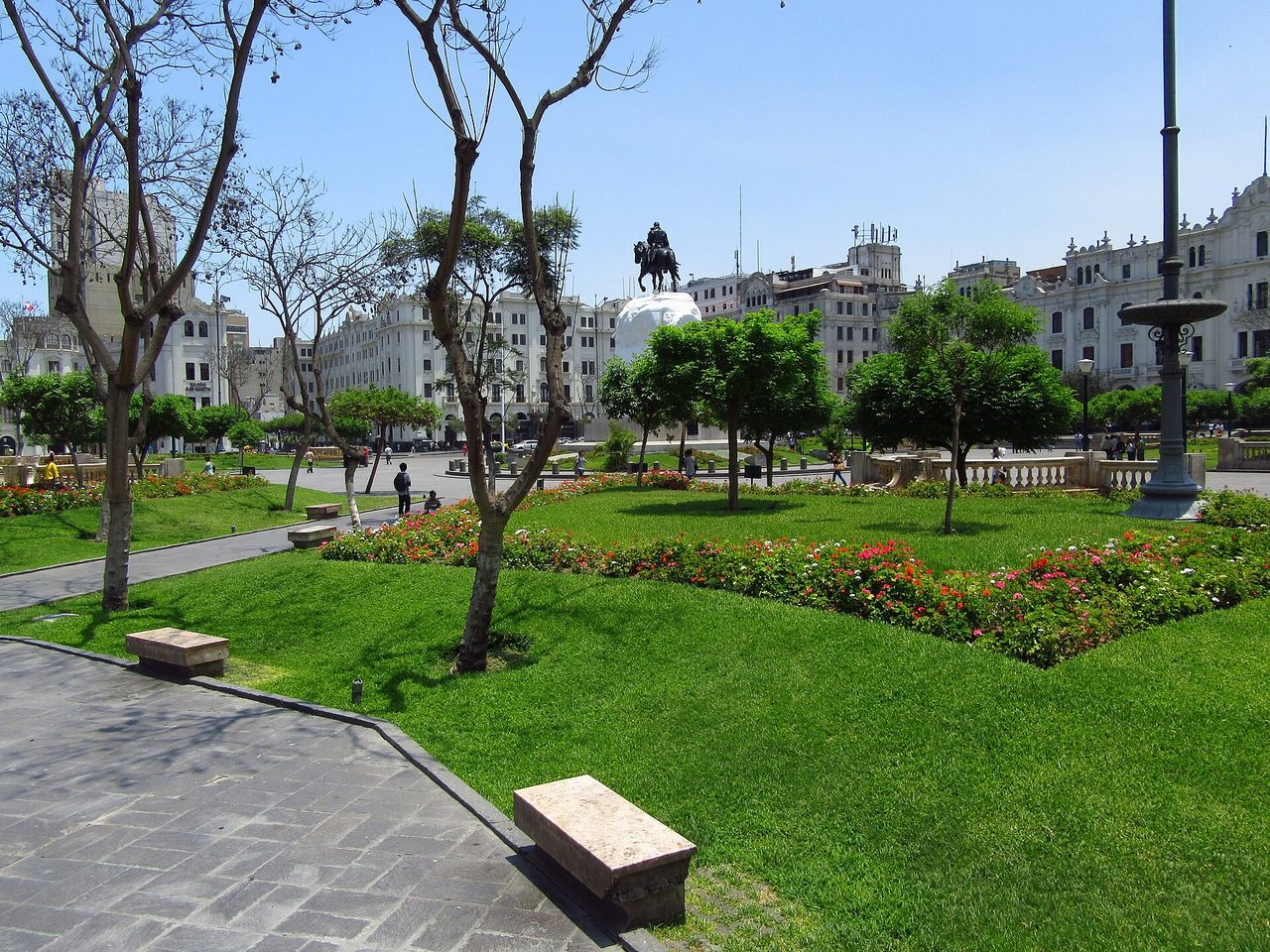
Two full days. That is the honest default, and I would rather hand it over now than bury it under a thousand words of scene-setting. Three days if you genuinely care about food. One if Lima is only a layover. Four or more only if you are using the city as a base for day trips out along the coast and into the desert. How many days in Lima you need depends far less on Lima than it does on which of those five people you are.
Almost every guide to this question gives the same answer — three to four days — and almost every one of them is written by somebody selling a tour, a hotel booking or an itinerary. Three days is a fine answer if you have three weeks in the country. It is a terrible answer if you have ten days and Machu Picchu is the reason you came. So the rest of this piece is organised the way the decision actually gets made: by traveller, then by plan, then by the arguments against.
How many days in Lima, by traveller type
Start here. Find yourself in the left column and take the number.
| Who you are | Days in Lima | Why |
|---|---|---|
| First-timer with 10 days in Peru | 1 full day, or 2 nights split around the trip | Every Lima day is a day off Cusco, the Sacred Valley or the Amazon |
| Food traveller | 3 days | Two tasting menus plus a market and a cevicheria will not fit in two |
| Layover passenger | 0 days (see the connection maths below) | Under about eight scheduled hours, leaving the airport is a bad trade |
| Family with children under 12 | 2 days | Enough for the coast, the fountains and one museum without meltdowns |
| Returning visitor | 3–4 days | You have done the plaza; now you have time for Callao, Pachacamac and the neighbourhoods |
| Traveller who dislikes big cities | 1 day, arrival day only | Sleep near the airport, see the coast, fly out |
| Anyone using Lima as a base for the coast south | 4–5 days | Paracas and Ica are real day trips only if you accept a 15-hour day |
The 10-day Peru first-timer: one day, and I will defend it
This is the traveller I argue with most. If you have ten days on the ground and you have never been to Peru, the highest-value version of your trip is not the one with three days in the capital. It is the one that gives Cusco and the Sacred Valley enough room to be unhurried. A ten-day route through Peru has to absorb two internal flights, an altitude adjustment and at least one long transfer day. Lima eats those days quietly.
What I would actually do: land in Lima, sleep in Miraflores, spend the following day on the coast and in Barranco, fly to Cusco the next morning. That is one full day plus two half-days of airport friction, and it is enough to know what Lima is. Then, if the flights work out, put a second Lima night at the end on the way home, when you are tired and a nine-hour transfer is welcome anyway. Two nights, one real day. Most first-trip plans for Peru that allocate three days here are quietly padding the itinerary to sell an extra hotel night.
If you have fourteen days, the calculus flips and Lima earns its two or three. If you have three weeks in the country, take four and enjoy them. The decision is not about Lima in isolation. It is about the opportunity cost of a day, and the opportunity cost of a Peru day is unusually high.
The food traveller: three days, and the third one is the point
Lima is the only city in South America where I would add a day purely to eat, and it is not close. The evidence is not vibes. Lima has repeatedly held multiple entries in The World’s 50 Best Restaurants: Maido took the No. 1 spot in 2025, Kjolle sat at No. 9 the same year, with Mérito and Mayta further down the list. Central won the top prize in 2023 and has since moved into the Best of the Best category, which means it is no longer eligible to be voted onto the annual list — a detail that trips up a lot of older articles still calling it “the current world number one”. The 2026 awards ceremony is itself being held in Lima in November, which tells you where the industry thinks the centre of gravity is.
Here is why that costs you a day rather than an evening. A tasting menu at the top end runs three to four hours. You cannot do two in twenty-four hours and taste anything. The reservations open roughly 60 to 90 days ahead depending on the restaurant, prime slots go within hours of release, and at least one of them takes card prepayment when you book. Check each restaurant’s own site for the current window rather than trusting a blog, because these systems change. If you are flying halfway around the world for this, book the table before you book the flight.
The third day is also what makes room for the non-famous half of the scene, which is the better half. A morning market walk, a proper cevicheria at noon when the fish is a few hours old rather than a day old, an anticucho cart in the evening. Our breakdown of where to eat in Lima goes into the specific places; what matters for your day count is that the famous tasting menus and the everyday eating do not fit into the same day, and the everyday eating is what you will still be thinking about a year later. If Peruvian food is a primary reason for the trip, three days is the number.
The layover passenger: the actual arithmetic
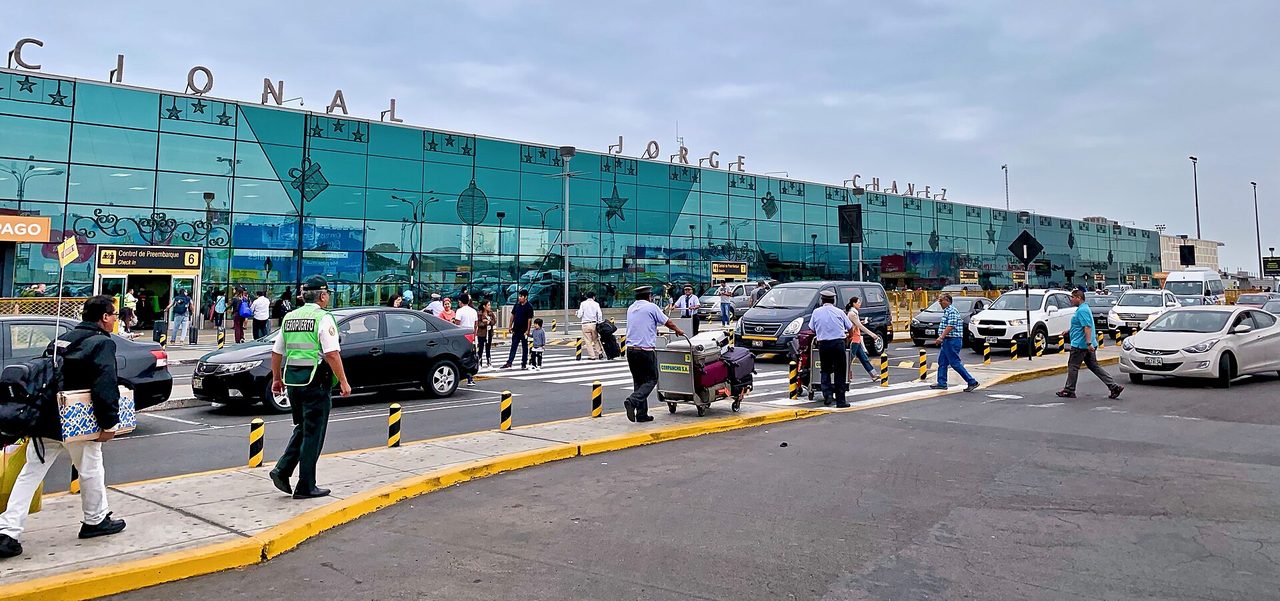
This is where most advice is uselessly vague, so here are numbers. Jorge Chávez International is about 13 km from Miraflores in a straight line. That is a 45-minute drive at 11am on a Sunday and 90 minutes at 7pm on a Wednesday. The airport moved into a single new terminal in mid-2025, which changed the kerbside layout and pushed pickup zones further out; budget a few extra minutes for the walk from arrivals to your car, and work out in advance which airport transfer option suits your arrival time.
Now stack the overheads for leaving the airport on a connection:
- Immigration on arrival: up to 60 minutes at busy hours, often much less
- Airport to Miraflores: 45–90 minutes
- Miraflores back to airport: 45–90 minutes, and you must assume the bad number
- Check-in and security before an international departure: 3 hours
That is roughly six hours of pure overhead before you have looked at anything. Which gives a clean threshold:
| Scheduled connection | Verdict | What you get |
|---|---|---|
| Under 6 hours | Stay in the terminal | Nothing. Do not attempt it |
| 6–8 hours | Stay in the terminal, or a hotel across the road | A shower and a nap beats a stressful taxi ride |
| 8–10 hours, hand luggage only | Marginal. Only if you land before noon | About 90 minutes on the Malecón and one meal |
| 10–14 hours, daytime | Go | Coast walk, lunch, back with a buffer |
| Overnight, 14 hours plus | Get a hotel bed | Sleep, then a proper half-day |
Two more things the arithmetic hides. First, if you are connecting on a single ticket without checked bags, there is an international transit area and you do not have to clear immigration at all — leaving the airport turns a simple transit into an entry and re-exit. Second, a domestic connection to Cusco has lower check-in overhead than an international one, which shifts every row of that table down by about an hour. If your layover genuinely is long enough, our single-day plan for Lima is built for exactly that compressed window.
Families with children: two days, and pick the right two
Two days works well with kids, and it works badly if you spend them the way an adult would. Colonial churches and pre-Columbian ceramics burn out a seven-year-old by 11am. What holds up: the clifftop parks in Miraflores, where there is grass, a paraglider launch to watch and a cat colony in Parque Kennedy that children treat as a zoo; the Circuito Mágico del Agua, a fountain park that costs a few soles, opens in the afternoon and is closed Mondays; and one archaeological site rather than three. Huaca Pucllana in the middle of Miraflores is the right one because entry is by guided tour, it takes about an hour, and it is a ten-minute walk from lunch.
The failure mode for families is transit. Every crossing of this city with tired children costs you an hour and a bad mood. Two days spent almost entirely within Miraflores and Barranco is a better family trip than three days that include the historic centre.
The returning visitor: three or four
If you have already done Plaza Mayor and the San Francisco catacombs, Lima gets more interesting rather than less. Three days lets you take Pachacamac properly, spend a morning in Callao’s Monumental district, and eat in the places that do not appear on the standard Lima sightseeing circuit. Four lets you add the coast south or a day in the Lurín valley. This is the one traveller type for whom the competitors’ blanket “three to four days” is actually correct.
If you dislike big cities: one day, or arguably none
I will say the thing nobody selling a Lima hotel will say. Lima is a city of roughly ten million people with heavy traffic, grey skies for half the year and no single knockout sight. If cities are not what you travel for, one day is enough and zero is defensible. Fly in, sleep near the airport or in Miraflores, take the coastal walk in the morning, get on your onward flight. You are not missing a wonder. You are missing a very good dinner, which you can also get on the way home.
The geography rule that decides your itinerary
Before the day-by-day plans, the single most useful thing to understand about spending time in Lima: the tourist city is three clusters, and crossing between them is expensive.
| Cluster | Contains | Time from Miraflores |
|---|---|---|
| Centro Histórico | Plaza Mayor, cathedral, San Francisco catacombs, Plaza San Martín, Mercado Central | 30–60 min by car, 25–40 by Metropolitano |
| Miraflores & Barranco | Malecón, Huaca Pucllana, Parque Kennedy, Bridge of Sighs, most restaurants and hotels | Walkable end to end in about an hour; 15 min by car |
| Southern outskirts | Pachacamac, Lurín valley | 45–75 min each way, longer coming back in the evening |
The classic competitor mistake is a one-day plan that puts Centro in the morning, Pachacamac at midday and Miraflores in the evening. On paper it looks efficient. In practice it is three hours in a car, and you arrive at each place hot, late and unwilling to look at anything. Do not cross Lima twice in a day. Pick one cluster per day, or at most two adjacent ones. Getting the districts right is worth more than an extra day. If you want the full transport picture, including the Metropolitano and when a taxi is actually worth it, our guide to moving around Peru covers it.
One day in Lima: two versions, pick one
You cannot do the historic centre and the coast properly in one day. Choose.
Version A, the coast. This is the right choice for most one-day visitors and for anyone arriving jet-lagged. Coffee in Miraflores, then the Malecón from the lighthouse south, past Parque del Amor, an hour of watching paragliders come off the cliff. Ceviche at noon, when the fish is freshest and the queues have not formed. Taxi or walk down to Barranco’s bohemian streets for the afternoon: Bridge of Sighs, the murals on the Bajada de los Baños, one gallery, a coffee. Dinner and a pisco sour in Barranco. Total driving: about twenty minutes.
Version B, the centre. Better if you care about colonial history or if it is a grey July day and the coast is a wall of fog. Plaza Mayor in the morning, the changing of the guard at the Government Palace around late morning, then the Basílica y Convento de San Francisco, where the catacombs hold something on the order of 25,000 sets of remains and the tour runs about 45 minutes. Lunch in the centre. Then either Museo Larco or the Circuito Mágico del Agua, both of which sit between the centre and Miraflores rather than requiring a full cross-city run. Larco is open daily 09:00 to 19:00 with general admission around S/50; check the current price on the museum’s own site, as it has moved.
A note on the centre: parts of it are fine in daylight and less fine two streets over, and it is genuinely easy to wander from one to the other. On a single day, a guided walking tour is worth the money less for the history than for not having to think about which street you are on.
Two days in Lima: the default plan
Day 1 — Centro Histórico. Plaza Mayor, cathedral, San Francisco and its catacombs, a wander down Jirón de la Unión, lunch somewhere unglamorous with a menú del día. Mid-afternoon, head back south. If you are still upright, Museo Larco on the way, then the fountains at the Circuito Mágico del Agua after dark. It costs about S/4, it is closed on Mondays, and it is the single most enjoyably ridiculous thing in the city.
Day 2 — Coast and Barranco. Malecón walk, Huaca Pucllana on a guided slot, ceviche lunch, then Barranco all afternoon and evening. This is the day people remember. Our deeper dive into what Miraflores is actually like gets into which stretch of the clifftop is worth your time.
Two days done this way covers everything the four-day itineraries cover, minus the day trips and minus the slow mornings. If your trip is tight, this is the plan. It is also the plan I would give a friend.
Three days in Lima: what the extra day buys
Day three has three good uses and one bad one.
Good use 1: eat. A morning food tour or market walk, an afternoon off, a tasting menu in the evening. This is the strongest case for a third day and the one I would take.
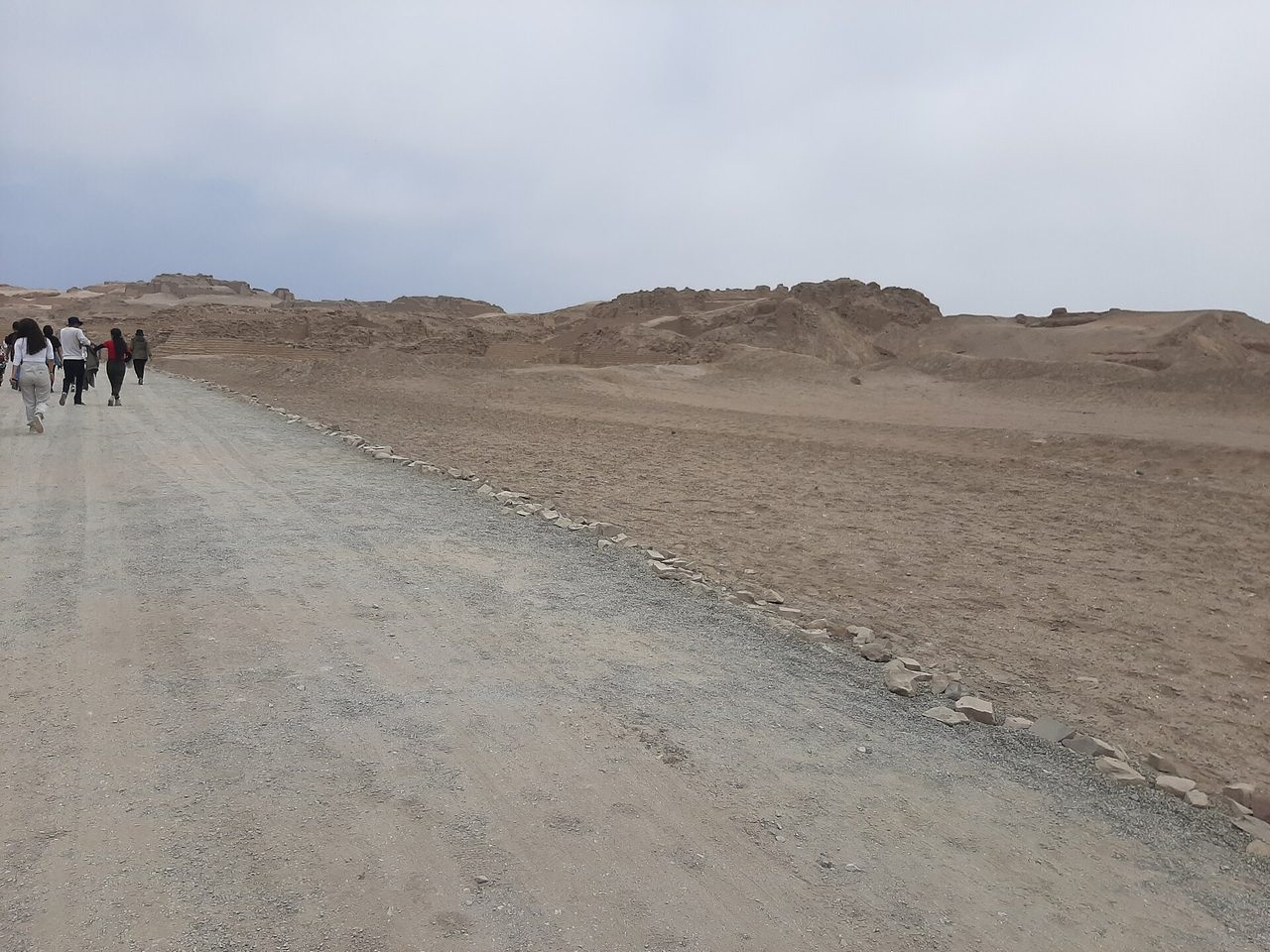
Good use 2: Pachacamac. A large pre-Inca and Inca pilgrimage complex on the desert plain south of the city, with a good site museum. It is open Tuesday to Sunday, roughly 09:00 to 17:00, closed Mondays, and entry is in the region of S/15. Go in the morning, be back by mid-afternoon, and do not try to attach anything else to that day. If you have already seen the major Inca sites elsewhere in Peru, Pachacamac will feel modest; if Lima is your first archaeology in the country, it will not.
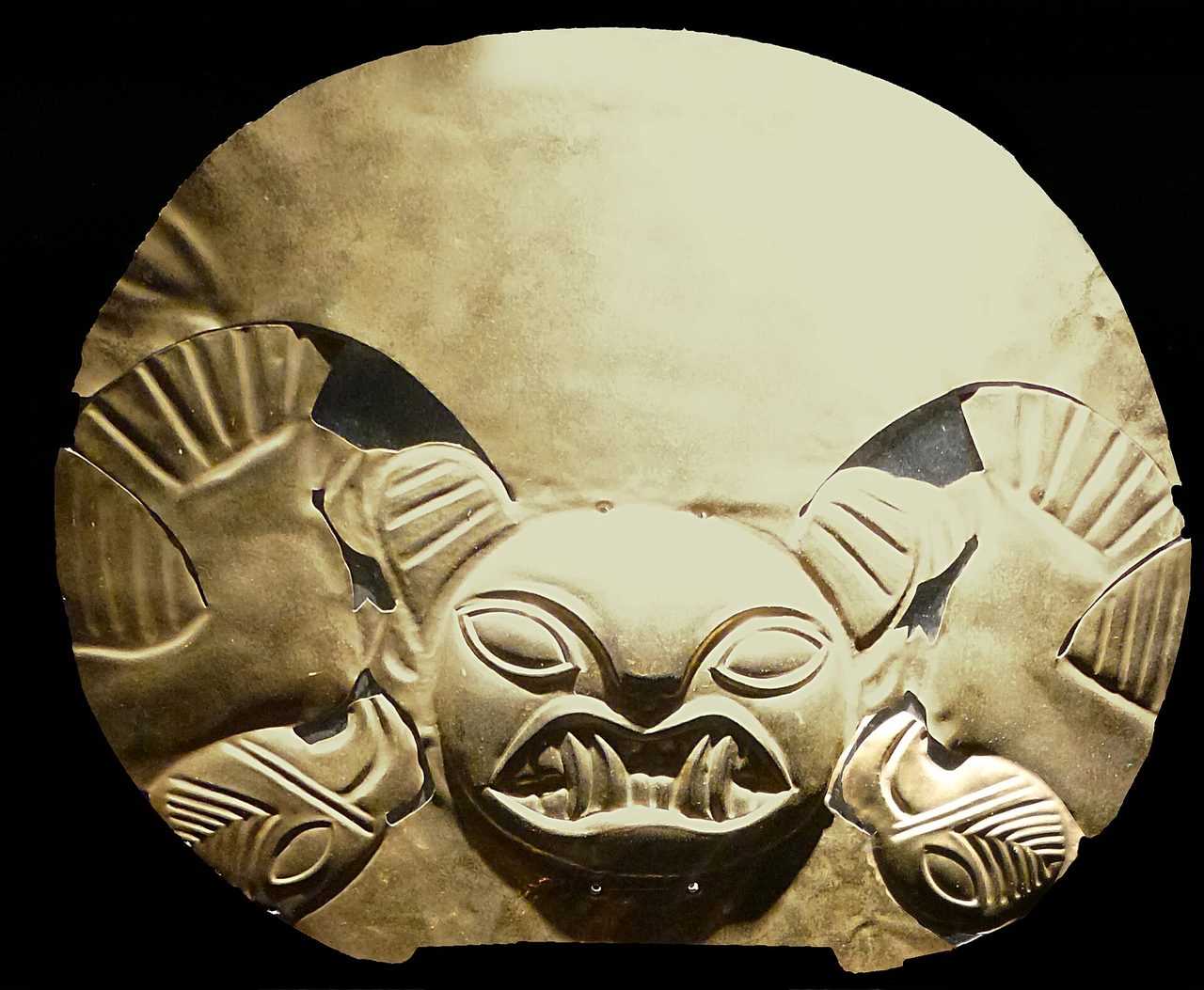
Good use 3: museums, properly. Museo Larco in the morning and the national archaeology museum in the afternoon is a genuinely good day if you like this sort of thing, and it front-loads the context for everything you are about to see in Cusco. Larco’s Moche portrait vessels and its gold are the best pre-Columbian collection you will see outside a national museum anywhere.
Bad use: Paracas and Huacachina as a day trip. Tour operators sell this and it is a 15- to 16-hour round trip from Lima, most of it on a bus. If the dunes and the Ballestas Islands appeal, do them as an overnight on the way south instead, which is how our guide to Peru’s southern coast handles it. Burning your third Lima day on a coach is the worst available use of it.
Four days and beyond: only if Lima is a base
Four days makes sense in two situations. The first is that you are using Lima as a hub for the coast and the Lurín valley, in which case you are not really spending four days in Lima, you are spending two in Lima and two in the region. The second is that you are a slow traveller who likes sitting in cafés and does not need a destination every morning. Lima rewards that surprisingly well; it has more good neighbourhoods than its reputation suggests, and the longer list of things worth doing here keeps going well past day three.
What four days does not buy you is more of the headline sights. There are not more headline sights. Anybody telling you five days in Lima is necessary for sightseeing is padding.
Seasonality: the garúa changes the answer
This is the factor most day-count articles leave out entirely, and it is the one that genuinely changes the number.
From roughly May to November, Lima sits under the garúa: a low, grey marine stratus that comes off the cold Humboldt Current and does not lift. It is not rain. It is a permanent dim ceiling. In July, August and September, Lima gets on the order of one hour of sunshine a day — the three months combined can total under fifty hours. From January to April it is nearer six hours a day, warm, and the beach actually functions.
| Season | Months | Conditions | Days I would give Lima |
|---|---|---|---|
| Coastal summer | Dec–Apr | Sunny, 24–28°C, humid, beaches working | 3 |
| Shoulder | Apr–May, Nov | Mixed, fog burns off some mornings | 2–3 |
| Garúa season | Jun–Oct | Grey all day, 15–19°C, damp, no beach | 1–2 |
The trade-off is annoying, because the garúa months are exactly the Andean dry season, which is when most people go to Peru. So the peak season for Machu Picchu is the worst season for Lima. If your trip is in July, cut Lima to the minimum and give the time to the mountains; if your trip is in February, when the highlands are wet, Lima is at its best and deserves the extra day. Our guides to timing a Peru trip and the country’s regional weather patterns lay out how badly the coast and the highlands disagree with each other.
The honest case for spending less time in Lima
Give the other side a fair hearing, because it has real arguments.
The traffic is genuinely bad. Not “busy city” bad. The 2026 TomTom Traffic Index placed Lima at the top of the global congestion table, with drivers losing well over 150 hours a year sitting still. What that means for a visitor is that a 13 km trip can take 90 minutes and there is nothing you can do about it. Every additional day you spend here contains a tax of one to two hours of stationary car.
The sky is grey for half the year. A coastal city whose best asset is a clifftop walk over the Pacific is a diminished thing when you cannot see the Pacific. Travellers who arrive in August expecting a beach capital are routinely disappointed, and that disappointment is a rational response to the weather, not a failure of attitude.
Lima does not acclimatise you for Cusco. This is the most persistent myth in Peru trip planning and it is worth killing directly. Lima is at sea level. Cusco is at 3,400 m. Physiological acclimatisation to altitude requires exposure to altitude; you cannot pre-acclimatise at 150 m any more than you can get fit by watching a run. If altitude worries you, the useful moves are to sleep lower than Cusco on arrival — the Sacred Valley sits around 2,800 m — and to take the first day slowly. Our page on how Cusco’s altitude actually affects people goes into what does and does not help. Extra Lima days are not a treatment.
The opportunity cost is high. A day in Lima is a day not spent in the Sacred Valley, not spent on a second Machu Picchu circuit, not spent in the Amazon. Entry to Machu Picchu is currently S/163 for a foreign adult, or S/211 for the circuits including Huayna Picchu or Machu Picchu Mountain, and the daily cap means you are booking a specific hour weeks ahead. That is a fixed, scarce resource. Lima is available any day. When you are deciding how long to spend in Peru overall, treat the flexible days as flexible and protect the inflexible ones.
Safety requires attention. Miraflores, San Isidro and Barranco are comfortable. Parts of the centre are not, and the line is not always obvious from a map. This does not make Lima dangerous so much as it makes it a city where you keep your phone in your pocket and take registered taxis, which is a small ongoing tax on the pleasure of wandering. Our general Peru travel tips cover the practical habits.
What Lima is not good for
A short list, because knowing what a place does not do is how you avoid wasting days on it.
- Beaches. The Costa Verde beaches below the cliffs are pebbly, the water is cold year-round because of the Humboldt Current, and for six months of the year there is no sun on them. Peru has good beaches; they are in the north.
- Nature and wildlife. There is no meaningful nature in Lima. The Palomino islands sea lion trip is fine and is not a substitute for anything. If wildlife is your reason for coming, that time belongs in the Peruvian Amazon.
- Hiking. Nothing. Zero. The nearest proper walking is hours away.
- Inca architecture. Lima was founded by the Spanish in 1535 and its pre-Hispanic sites are mostly adobe, mostly earlier than the Inca, and visually modest next to what is waiting in the Andes.
- Altitude preparation. Covered above. It does nothing.
- Cheap luxury dining without planning. The famous restaurants are excellent value by London or New York standards, but only if you booked two months ago. Walking up on the night gets you nothing.
- A walkable single centre. Unlike Cusco or Arequipa, Lima has no compact core you can do on foot. Compare it to Arequipa’s white-stone centre and you will see the difference immediately.
Where you sleep changes how many days you need
A slightly counterintuitive point: staying in the right district effectively adds half a day to a two-day trip, because it removes two long transfers. Miraflores is the default for a reason — it is safe, central to the coast cluster, well supplied with restaurants and about equidistant from everything you will actually do. Barranco is better if your priorities are food, bars and atmosphere and you do not mind being fifteen minutes further from the centre. San Isidro is quieter and suits families and longer stays. Staying in the historic centre saves you nothing unless your entire plan is Centro, and costs you every evening. Our guide to choosing a Lima neighbourhood compares them properly, and the broader accommodation picture across Peru is worth a look if you are booking the whole trip at once.
One exception: if you arrive after 22:00 and fly out before 09:00, an airport hotel is the correct answer and nobody should feel bad about it.
What a day in Lima costs
Useful for deciding whether an extra day is worth it in cash as well as time. These are per person, per day, excluding accommodation.
| Style | Daily spend | What it covers |
|---|---|---|
| Budget | S/70–120 (about US$19–32) | Menú del día lunches, Metropolitano and walking, one paid site |
| Mid-range | S/180–350 (about US$48–93) | A good cevicheria lunch, taxis, two paid sites, drinks |
| Food-led | S/600–1,200+ (about US$160–320+) | One tasting menu with pairings, plus everything above |
Prices move, and the sol has been reasonably stable but is not fixed. Cross-check against our working numbers for what a Peru trip actually costs before you build a budget on this.
Lima against the rest of the country
The last way to sanity-check your day count is to look at what those days are competing with. On a two-week trip, my rough allocation is two days Lima, four Cusco and the Sacred Valley, two Machu Picchu including transit, and the balance to Arequipa and Colca or to the Amazon. Compare that against how much time the highlands genuinely need — our figure for how long to spend in Cusco is higher than most people plan for, mostly because of altitude, and Machu Picchu itself swallows more time in transit than the ticket suggests.
If you are combining countries, Lima loses again: a Peru and Bolivia route is already tight on days before you add a capital city. And if you are building the whole thing from scratch, our master Peru itinerary planner shows where the flexible days actually live.
Frequently asked questions
Is two days in Lima enough?
Yes, for most people. Two full days covers the historic centre, the coast, Barranco, one museum and two or three good meals. What it does not cover is a day trip or a tasting menu without rearranging everything else. If you want either of those, go to three.
Is one day in Lima enough?
It is enough to see one half of the city properly, not both. Pick either the historic centre or the coast-and-Barranco day and commit. Trying to do both in a day means spending two hours of it in a car and enjoying neither.
Is four days in Lima too much?
For a first-time visitor on a two-week trip, yes, unless at least one of those days is a day trip out of the city or a serious food day. There is not four days of sightseeing in Lima. There are four days of pleasant living in Lima, which is a different thing and only worth it if your schedule is generous.
Can I leave the airport on a layover?
Only with a scheduled connection of eight hours or more, hand luggage only, and a daytime arrival. Under six hours, do not try. Between six and eight, use a hotel near the airport if you need rest. The full arithmetic is in the layover table above.
Does spending days in Lima help with altitude in Cusco?
No. Lima is at sea level and provides no acclimatisation whatsoever. If altitude concerns you, sleep in the Sacred Valley before Cusco and take your first highland day slowly.
Should I split my Lima time across the start and end of the trip?
Often yes, and it is underused. Domestic flights to Cusco route through Lima anyway, so an arrival night plus a departure night gives you two half-days for zero extra transit. It also gives you a second shot at a restaurant reservation you could not get on the way in.
Is Lima or Cusco better?
Different things. Cusco is more beautiful, more compact and more obviously worth your time; Lima has the food and a level of urban depth Cusco does not attempt. If you can only enjoy one, and you are not a food traveller, give the days to Cusco. The full case is in our rundown of what there is to do in Cusco.
What is the best month for spending time in Lima?
January to March. Sun, warmth, working beaches, and the city at its most alive. The catch is that those are the wet months in the highlands, so a Lima-optimised trip is a Machu-Picchu-compromised one. Our page on the best month to visit Peru weighs that up region by region.
Do I need to book Lima restaurants in advance?
For the World’s 50 Best names, yes, and by a long way — reservations typically open around 60 to 90 days ahead and good slots go the same day. For everything else, including the excellent mid-range cevicherias, walking in at opening time works fine. Arriving ten minutes before a cevicheria opens is the single most effective Lima tactic I know.
Is Lima worth visiting at all?
Yes, for one to three days, depending on which traveller you are. It is not worth restructuring a trip around, and it is not a city that rewards obligation. Go with a plan, eat well, and leave before the traffic starts to define your day.
The verdict
Two days is the honest default. Three if you are here to eat. One if the clock is against you or the sky is grey. Four only when Lima is a base rather than a destination. The mistake is not choosing the wrong number — it is choosing a number and then spending it badly, crossing the city three times and calling that a day. Get the districts right and two days in Lima will feel like enough. Get them wrong and four will not.