Visiting Peru Month by Month
Twelve months, twelve honest grades. Real rainfall and sunshine figures for Cusco and Lima, Amazon water levels, what each month costs, and festival dates I have actually checked.
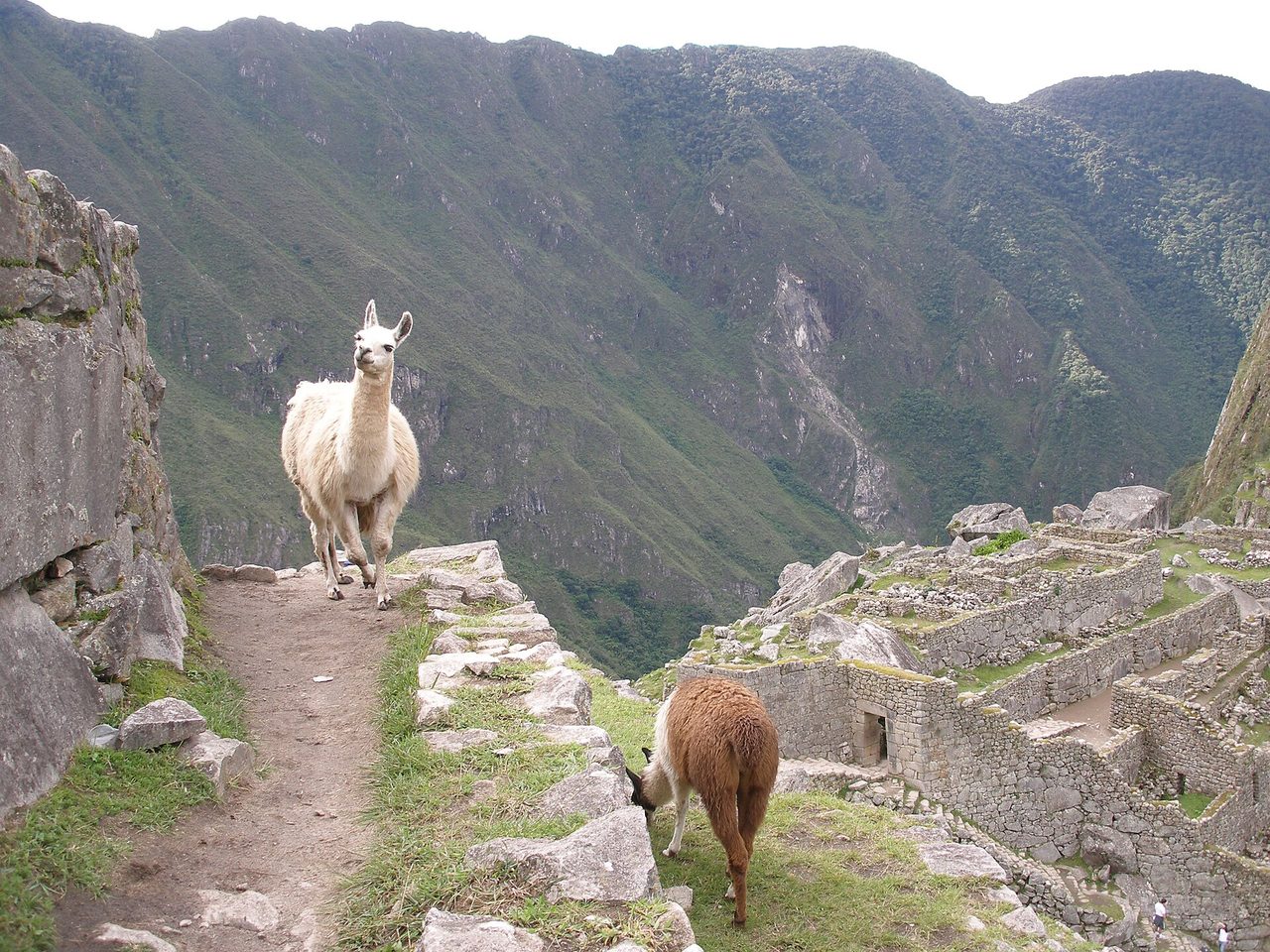
If you want the best month to visit Peru and you do not want to read 4,000 words to find it, here it is: May, then September, then October, then April. Those four months give you dry Andean skies without July prices or July queues. Everything below is the working out.
I keep meeting people who booked July because a chart told them July was “best.” July is the driest month in Cusco, that part is true. It is also the month when hotel rates roughly double, when the Inca Trail permit you wanted vanished five months before you thought about it, and when the Machu Picchu terraces have 5,600 people moving through them in a single day. Dry is not the same as good.
Peru does not have one climate, it has three that disagree with each other. When the Andes are perfect the coast is grey. When Lima is hot and bright the mountains are flooding. The Amazon runs on water levels rather than rainfall and does something different again. Any guide that gives you one answer for the whole country is quietly picking a region for you without saying which one.
So this is twelve honest month entries, each with the same skeleton, each with a grade. Some months get a D. I have also put every festival date through a live check, because a competitor site of ours spent years recommending a food festival that stopped running in 2017, and that is an easy way to send someone to Lima for nothing.
The best month to visit Peru, in one honest paragraph
For a first trip built around Cusco, the Sacred Valley’s terraced villages and Machu Picchu, go in May. The rains have stopped, Cusco averages 9 mm of rain across two days in the whole month, the hillsides are still green from the wet season instead of the dusty brown they turn by August, and the crowds have not arrived. September is nearly as good and slightly cheaper. October gives you the emptiest sites of the dry half of the year in exchange for a few afternoon showers.
Go in June, July or August only if your dates are fixed by school holidays, or if being at a major Andean festival matters more to you than paying 30–50 per cent less for the same hotel room. Those months are not a mistake. They are just the expensive way to get weather that May and September hand you for less.
Go in December to March if the coast or the Amazon is your actual trip, or if money is the binding constraint. Do not go then expecting the Andes to behave.
Why Peru has three calendars, not one
The three regions run on separate clocks, and this is the single fact that fixes most people’s planning.
The Andes — Cusco, the Sacred Valley, Machu Picchu, Puno, Arequipa, Huaraz. Dry from May to October, wet from November to April. The Andean dry season and what it actually feels like is the window nearly everyone means when they say “best time.” Daytime highs barely move all year in Cusco — 20–22°C every single month. What changes is rain and night temperature. Cusco sits at 3,400 m, so June and July nights drop to around −1 to −2°C on the cold ones.
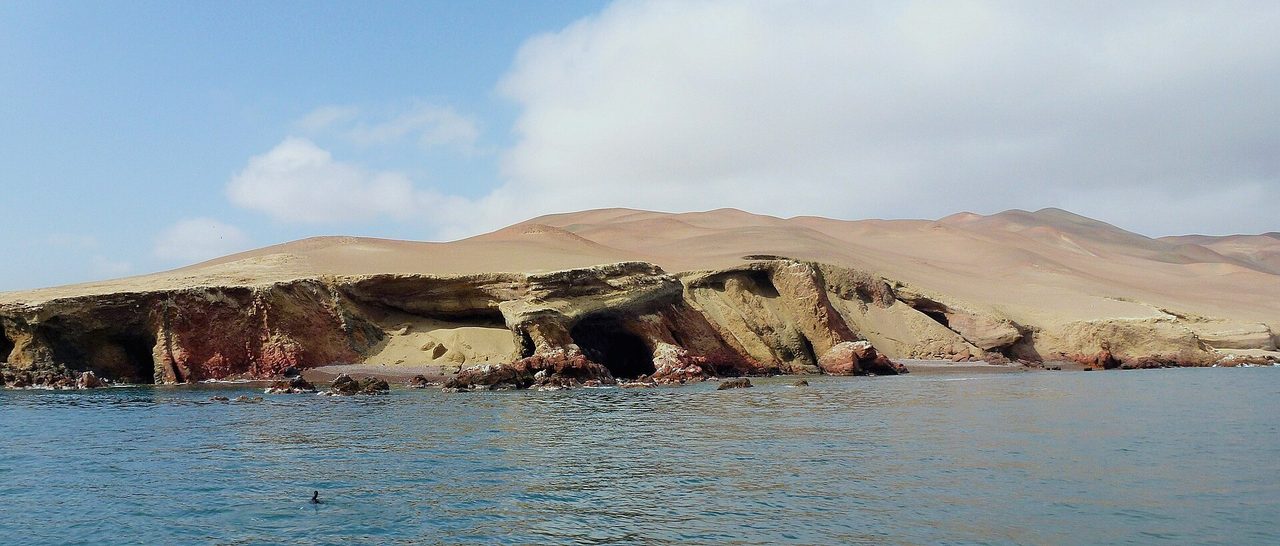
The coast — Lima, Paracas, Nazca, Trujillo, Máncora. Almost the exact inverse. Warm and sunny December to April, then the garúa sea fog rolls in and Lima gets one hour of sunshine a day from July to September. One hour. That is not a typo, and it makes Lima the least sunny major city in South America for half the year.
The Amazon — Tambopata, Manu, Iquitos. Hot and humid every month. What matters is water level, which lags the rain. High water runs roughly December to May and peaks around April–May, lifting rivers by up to seven metres and flooding the forest floor so you can paddle into places you cannot normally reach. Low water runs roughly June to November, exposing river beaches and making forest walking far easier. Neither is better; they are different trips. Our guide to the Peruvian Amazon goes into which lodges suit which water level.
All twelve months at a glance
Rain and sunshine figures are 1991–2020 averages. Crowd and price levels are my own read from a decade of watching Cusco rates move. The grade is what I would actually tell a friend.
| Month | Cusco rain | Lima sun | Amazon water | Crowds | Price | Grade |
|---|---|---|---|---|---|---|
| January | 160 mm / 19 days | 8.5 hrs/day | Rising fast | Low | Lowest | D |
| February | 135 mm / 15 days | 8 hrs/day | High | Lowest | Lowest | D− |
| March | 110 mm / 13 days | 8 hrs/day | High | Low | Low | C |
| April | 45 mm / 9 days | 9 hrs/day | Peak flood | Moderate | Moderate | B+ |
| May | 9 mm / 2 days | 8 hrs/day | High, falling | Moderate | Moderate | A |
| June | 2 mm / 1 day | 1.5 hrs/day | Falling | High | High | B |
| July | 4 mm / 1 day | 1 hr/day | Low | Highest | Highest | C+ |
| August | 8 mm / 2 days | 1 hr/day | Low | Very high | Highest | B− |
| September | 20 mm / 5 days | 1 hr/day | Lowest | Moderate | Moderate | A |
| October | 45 mm / 9 days | 2 hrs/day | Low, rising | Low | Moderate | A− |
| November | 80 mm / 13 days | 3.5 hrs/day | Rising | Low | Low | B |
| December | 120 mm / 16 days | 6 hrs/day | Rising | Moderate (holidays) | Low, spikes at Christmas | C |
Peru month by month
January — grade D
Andes: 160 mm of rain over 19 days in Cusco, the wettest month of the year. Highs 20°C, nights a mild 8°C. Sun shines about 36 per cent of daylight hours.
Coast: Peak summer. Lima 20–27°C, 8.5 hours of sun a day, sea at 22°C.
Amazon: Rivers rising fast, forest starting to flood.
Crowds and price: Both at the floor in the highlands. Mid-range Cusco rooms that cost $80–140 in July run $40–70 now.
What’s on: Very little. The Virgen de la Candelaria build-up starts in Puno around 24 January.
Verdict: Come this month if your trip is Lima, Paracas and the beaches, and Machu Picchu is a bonus you are relaxed about. Do not come if the Andes are the point. Landslides close the rail line to Aguas Calientes most years in January or February, usually for days rather than weeks, but a five-day itinerary has no slack in it.
February — grade D−
Andes: 135 mm over 15 days, and the wettest month by intensity. Sun 34 per cent of daylight.
Coast: The hottest month. Lima 21–28°C, sea 23°C and genuinely swimmable, which it is not for the rest of the year.
Amazon: High water, excellent creek and flooded-forest paddling.
Crowds and price: The emptiest and cheapest month in the highlands. Cusco hotel rates run roughly 15 per cent below the annual average.
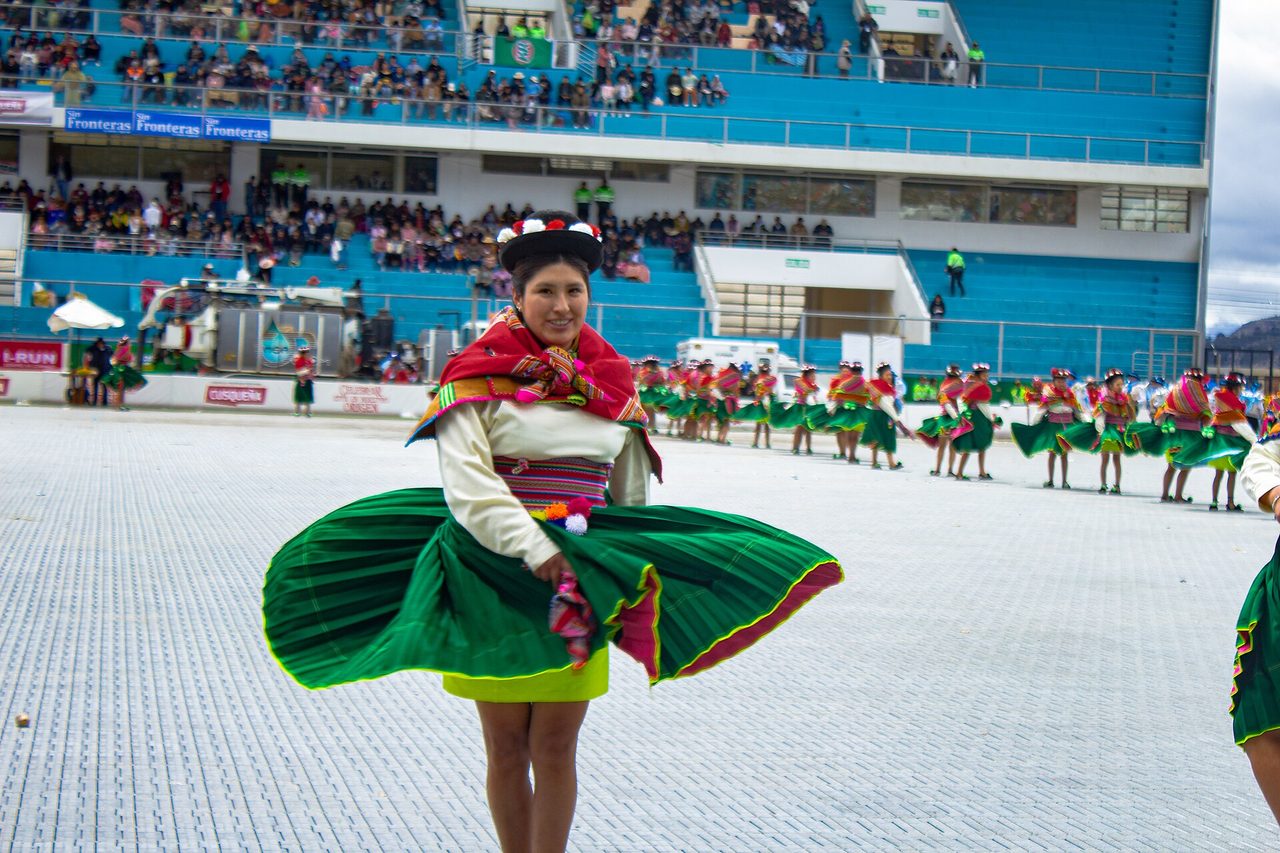
What’s on: The Virgen de la Candelaria in Puno, which is the best reason to be in Peru in February. It runs from around 24 January to mid-February and centres on 2 February, with the big competition days in the first two weeks — tens of thousands of dancers, brass bands and shiny-costume troupes filling the stadium and the streets. UNESCO lists it as intangible cultural heritage and it is not a show put on for tourists. Carnival also lands in February or early March depending on Easter, and Cajamarca throws the loudest one.
Verdict: Come this month if Puno and Lake Titicaca’s reed islands or the southern coast are your trip. Do not come if you want to walk the classic four-day Inca Trail — it is closed for the entire month, every year, no exceptions.
March — grade C
Andes: 110 mm over 13 days, easing through the month. The second half is noticeably better than the first.
Coast: Still warm, 20–27°C in Lima, last good beach month.
Amazon: High water continuing.
Crowds and price: Low, with a bump around Holy Week if Easter falls in March.
What’s on: Semana Santa moves with Easter. In 2027 Easter Sunday is 28 March, so Holy Week runs the week before — Good Friday on 26 March. In 2028 Easter is 16 April, which pushes the whole thing into April. Ayacucho puts on the most serious Semana Santa in Peru, ten days of processions that draw domestic travellers from across the country; book accommodation there months out.
Verdict: Come this month if you can travel in the last two weeks and want a near-empty Inca Trail the moment it reopens on 1 March. Do not come in the first ten days expecting to hike anything.
April — grade B+
Andes: Rain drops off a cliff — 45 mm over 9 days, and 7 hours of sun a day. Nights cool to around 3°C on the cold ones.
Coast: Lima gets its sunniest month of the year at 9 hours a day, though the sea has cooled to 20°C.
Amazon: Peak flood. The best month of the year for canoeing into flooded forest.
Crowds and price: Moderate and climbing. Still well short of peak rates.
What’s on: Semana Santa in years when Easter falls late. Machu Picchu’s daily cap lifts to 5,600 for 2–5 April, which tells you how busy the Easter weekend gets.
Verdict: Come this month for the greenest Andes of the year at shoulder prices. The trails are still muddy, so if you are doing a multi-day trek in Peru, expect wet boots and take real waterproofs, not a shower jacket.
May — grade A
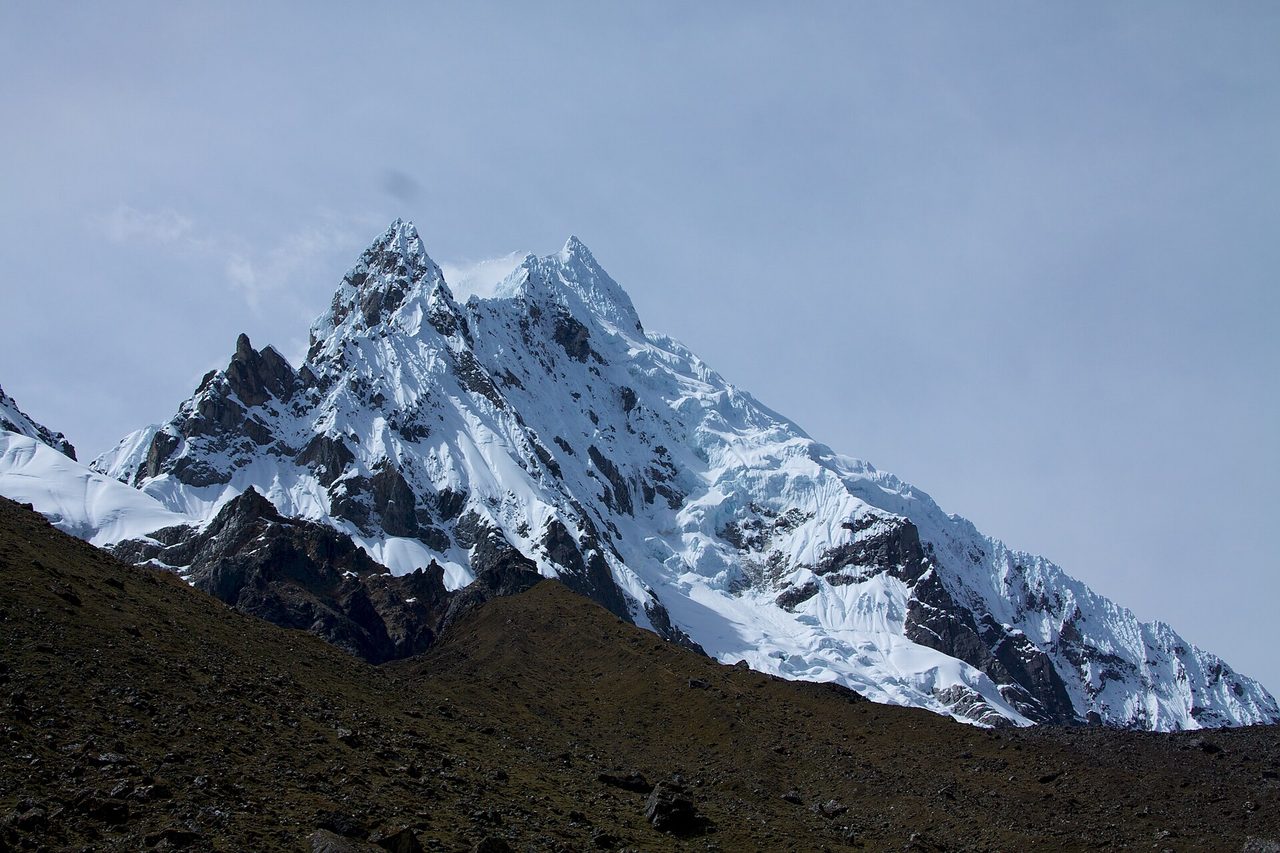
Andes: The best weather-to-crowd trade of the year. 9 mm of rain across two days, 7.5 hours of sun daily, highs of 21°C. Nights drop to about 0.5°C, so this is where the cold starts.
Coast: The transition. Lima still gets 8 hours of sun, then the fog starts closing in at the end of the month.
Amazon: Water still high but falling, which gives you boat access plus some emerging riverbank.
Crowds and price: Moderate. Cusco is busy without being unpleasant, and rates are maybe 60–70 per cent of July’s.
What’s on: Qoyllur Rit’i, the glacier pilgrimage in the Sinakara valley, moves with Easter — it falls in the days before Corpus Christi, which is itself 60 days after Easter. Corpus Christi in 2027 is 27 May, so Qoyllur Rit’i lands in the last week of May 2027; in 2028 Corpus Christi is 15 June and the pilgrimage shifts into early June. Never trust a fixed date for either. This is a hard, cold, 4,600 m pilgrimage, not a spectator event.
Verdict: Come this month if you want one answer and one month. Green hillsides, dry skies, manageable crowds. The only real cost is cold nights, which our what to pack for Machu Picchu and the Andes notes cover.
June — grade B
Andes: Driest conditions begin properly — 2 mm of rain, one rain day, 7.5 hours of sun. Nights are the second coldest of the year, typically −1°C, frost in the Sacred Valley before dawn.
Coast: The fog arrives. Lima drops to 1.5 hours of sun a day and 16–20°C. Grey, damp, unheated buildings.
Amazon: Water falling, forest walking opening up.
Crowds and price: High from mid-month. Machu Picchu’s cap rises to 5,600 from 19 June.
What’s on: Inti Raymi on 24 June at Sacsayhuamán above Cusco, the reconstructed Inca sun festival. It is a staged theatrical reconstruction with about 3,500 grandstand seats, and those seats run roughly $180–320 through operators. The free street processions in the Plaza de Armas that morning are, in my view, better value than the stand. The whole of Cusco is essentially a fortnight-long party around it. If you are watching from the Sacsayhuamán site itself, get up there before 10am or you will see nothing.
Verdict: Come this month for Inti Raymi and dry trails. Do not come in the last ten days if you dislike crowds — that is the single most congested stretch in Cusco all year, and the good Cusco neighbourhoods sell out for it.
July — grade C+
Andes: The best weather statistically. 4 mm rain, 8.5 hours of sun a day, 73 per cent sunshine. Also the coldest — nights around −2°C, record low −6.3°C.
Coast: One hour of sun a day in Lima. Seven per cent of daylight. It is genuinely dismal.
Amazon: Low water, river beaches, easiest month for walking trails. Fewer mosquitoes.
Crowds and price: The peak of the peak. Northern-hemisphere summer holidays and Peruvian national holidays land in the same month. Cusco mid-range rooms $80–140, hostels $20–35, and the good ones gone.
What’s on: Fiestas Patrias on 28 and 29 July, Peru’s independence holiday, which fills domestic flights and pushes Cusco rates up sharply for a week. Virgen del Carmen in Paucartambo, 15–19 July, is the one I would actually plan around — masked dancers, a small mountain town, and almost no international tourists.
Verdict: Come this month if your dates are locked by school holidays or you want Fiestas Patrias. Do not come if your budget matters, if you hate queues, or if you are booking within four months — you will be paying peak rates for whatever is left. I would take September over July every year I had the choice.
August — grade B−
Andes: 8 mm rain, 7.5 hours of sun, nights around −1°C. Landscape is at its dustiest and brownest by now, which matters more for photographs than people expect.
Coast: Coldest month in Lima at 15–19°C, sea 17°C, one hour of sun a day.
Amazon: Low water, prime lodge-and-walking month.
Crowds and price: Very high all month, easing slightly in the last week.
What’s on: Arequipa’s founding anniversary on 15 August fills that city for a week; the white volcanic-stone centre of Arequipa is worth timing for or around depending on your tolerance. Pachamama offerings on 1 August across the highlands.
Verdict: Come this month if you want the most reliable trekking weather of the year and accept the price. Do not come expecting green mountains — the Andes in August are the colour of cardboard. Late August is measurably calmer than early August.
September — grade A
Andes: 20 mm over five days, 6.5 hours of sun, highs 21.6°C and nights up to a far more civilised 1.5°C. Weather is broadly July’s with slightly more cloud.
Coast: Still fogged in. One hour of sun. Skip Lima beach plans.
Amazon: Lowest water of the year, wildlife concentrated on shrinking channels, which is why September is the best wildlife-watching month in Peru for anyone who wants animals rather than scenery.
Crowds and price: This is the trick. Crowds drop hard from the first week and rates follow, but the weather barely changes from August.
What’s on: Nothing major, which is part of the appeal. Note that the old Mistura food festival, which many guides still list for September, has not run since 2017 — the current national food fair is Perú Mucho Gusto, which tours several cities and reaches Lima around late October. If you want the food side of Peru, book restaurants, not a festival.
Verdict: Come this month if you want August’s weather at May’s prices. This is the month I book when nobody is forcing my dates.
October — grade A−
Andes: 45 mm over nine days, 6.5 hours of sun, warm days at 21.8°C and mild nights at 3.5°C. Showers are afternoon events, not all-day.
Coast: Starting to lift, 2 hours of sun a day.
Amazon: Low water still, beginning to rise late in the month.
Crowds and price: The quietest month of the dry half of the year. Machu Picchu’s 5,600 cap still applies until 2 November, but it is not being hit.
What’s on: Señor de los Milagros turns Lima purple through October, with the main processions on 18, 19 and 28 October. It is one of the largest Catholic processions in the Americas and it is worth staying in the centre for — a useful reason to give Lima more than the standard one night, which our list of things worth doing in Lima argues for anyway.
Verdict: Come this month if you want empty ruins and are relaxed about an afternoon shower. Do not come if you have booked a single fixed sunrise slot at Machu Picchu and no flexibility — cloud is a real possibility.
November — grade B
Andes: 80 mm over 13 days and the warmest month of the year in Cusco at 22.2°C. Mornings are usually clear, showers arrive after lunch.
Coast: Warming, 3.5 hours of sun.
Amazon: Rising water.
Crowds and price: Low crowds, low prices, decent weather. The best value-for-conditions month on the calendar.
What’s on: Puno Week around 5 November re-enacts Manco Cápac emerging from Lake Titicaca. Day of the Dead on 1–2 November fills highland cemeteries; it is a family occasion rather than a spectacle, so be respectful about photographs.
Verdict: Come this month if your budget is real but you still want to see the Andes properly. Combine it with Rainbow Mountain or the turquoise water at Humantay in the mornings, before the cloud builds.
December — grade C
Andes: 120 mm over 16 days, sun down to 39 per cent of daylight. Afternoon storms rather than constant drizzle, but they are frequent.
Coast: Summer returns. Lima 19–24°C and 6 hours of sun.
Amazon: Rising water, hot and wet.
Crowds and price: Cheap until about 20 December, then Christmas and New Year spike everything. The Machu Picchu cap goes to 5,600 for 30–31 December and 1 January.
What’s on: Santurantikuy on 24 December fills Cusco’s Plaza de Armas with one of the largest craft markets in the Andes. It is the single best day of the year to be in Cusco if you are not there for the weather.
Verdict: Come this month for Christmas in Cusco or for the coast. Do not come for trekking — December to March is when the alternative routes get genuinely slippery and several operators stop running them.
Best month for each specific thing
Most people are not really asking “when should I go to Peru.” They are asking “when should I go for the thing I care about.”
| What you want | Best month | Runner-up | Why |
|---|---|---|---|
| Multi-day trekking | June | July, August | Driest trails, firmest ground, but coldest nights and full permits |
| Machu Picchu photographs | May | April, October | Green terraces plus clear skies; August gives clear skies and brown hillsides |
| Beaches and swimming | February | January, March | Sea at 23°C in Lima, only month it is really warm enough |
| Amazon wildlife | September | August, October | Lowest water concentrates animals on remaining channels |
| Amazon by boat and flooded forest | April | March, May | Peak water lets canoes reach the forest interior |
| Lowest budget | February | January, November | Rooms 15–40 per cent below peak; November buys better weather for similar money |
| Festivals | June | February, July | Inti Raymi plus Corpus Christi in most years |
| Surfing and whales, north coast | August | July, September | Humpback season mid-July to late October off Máncora |
| Fewest people at the big sites | February | January, November | If you can accept Andean rain, you get the ruins to yourself |
The hard calendar constraints that actually decide your dates
Weather is the soft constraint. These are the ones that will break an itinerary if you ignore them.
The Inca Trail closes for all of February
Every year, without exception, for maintenance and because the trail is genuinely dangerous in peak rain. No permits are issued for any February date. It reopens on 1 March. Machu Picchu itself stays open, and the trains keep running, so a February trip in the Andean green season is perfectly viable — you just get there by train through the Urubamba gorge instead of on foot. Alternative routes such as Salkantay and Lares run year-round on paper, but I would not choose them in February.
Inca Trail permits sell out five to six months ahead for June to August
The cap is 500 people a day including guides and porters, which works out at roughly 200 actual trekkers. For May to August dates, book five to six months out, or on the day the season’s permits are released if you want a specific date. Shoulder months are more forgiving but four months is still sensible. If you are reading this three weeks before your trip and set on the classic route, the answer is no — take an alternative trek or the train.
Machu Picchu’s daily cap changes with the date
The standard limit is 4,500 visitors a day. It rises to 5,600 on defined peak dates: 1 January, 2–5 April, 19 June to 2 November, and 30–31 December. That June-to-November block is the real crowd season, and it explains why October can feel busy on paper while being pleasant on the ground — the cap is high but demand has dropped.
Since 1 June 2024 the site runs on three circuits and ten routes, one-way, ranger-enforced. You pick a route when you buy, and you cannot wander between them. Entry is by hourly timed slot from 06:00 to 16:00 with a 30-minute grace period. All of this is covered properly in our Machu Picchu ticket and circuit guide, and it is worth reading before you pick a month, because the routes that include the classic postcard view sell out first in every month of the year.
Prices moved on 1 May 2026
A foreign adult ticket is S/163, or S/211 for the circuits that include Huayna Picchu or Machu Picchu Mountain. Those figures replaced the old S/152 and S/200 when SERNANP added a conservation surcharge. Plenty of blogs still quote the old numbers. Check the official portal before you budget, because these move without much notice. On top of the ticket, the Consettur shuttle from Aguas Calientes up to the gate is about $24 return, and train legs run roughly $35–60 in standard class. Our breakdown of what a Peru trip actually costs puts those in context, and there is a separate guide to doing Machu Picchu cheaply if the total is looking uncomfortable.
One more: ISIC cards are no longer accepted for the Machu Picchu student rate. You need a university photo ID with an expiry date, and it is checked at the gate.
Altitude does not care what month it is
Cusco is 3,400 m. Machu Picchu is only 2,430 m, which surprises people who assume the ruins are the high point. Give yourself two nights before doing anything strenuous, and read how Cusco’s altitude tends to hit before you build a tight schedule. Sleeping the first night lower down in the Sacred Valley at around 2,800 m is the single most effective thing you can do, in any month.
Festivals, with dates I have actually checked
Some Peruvian festivals are fixed to a calendar date. Others move with Easter, and every year a fresh crop of articles publishes last year’s date as though it were permanent. Here is which is which.
Fixed dates:
- Virgen de la Candelaria, Puno — centres on 2 February, with the surrounding festival running from around 24 January to mid-February.
- Virgen del Carmen, Paucartambo — 15 to 19 July.
- Inti Raymi, Cusco — 24 June, at Sacsayhuamán, starting around 2pm.
- Fiestas Patrias, nationwide — 28 and 29 July.
- Señor de los Milagros, Lima — main processions 18, 19 and 28 October.
- Santurantikuy, Cusco — 24 December.
- Puno Week — around 5 November.
Moveable, tied to Easter:
- Semana Santa — the week before Easter Sunday. Ayacucho hosts the biggest one in Peru. Easter 2027 is 28 March; Easter 2028 is 16 April.
- Carnival — the weekend before Lent, so mid-February in most years, drifting into early March when Easter is late. Cajamarca is the big one.
- Corpus Christi, Cusco — the Thursday 60 days after Easter. That is 27 May in 2027 and 15 June in 2028. Fifteen saints’ images are carried into the cathedral and the plaza fills.
- Qoyllur Rit’i — the days immediately before Corpus Christi, in the Sinakara valley at around 4,600 m. Late May in 2027, early June in 2028.
And one to stop repeating: Mistura, the Lima food festival that half the internet still recommends, last ran in 2017. It is gone. If a guide is still telling you to plan a September trip around it, that guide has not been updated in nearly a decade, and you should treat the rest of its advice accordingly.
The months people get sold on that they probably should not book
January and February in the Andes. Cheap for a reason. Nineteen rain days in January is not “afternoon showers,” it is a wet month, and the cloud sits low enough that the Machu Picchu view you flew for is a real gamble. Every year the rail line to Aguas Calientes closes for at least a few days somewhere in this window. If you are going anyway, build in slack — two spare days, not zero — and pick a coastal or Amazon-weighted Peru itinerary rather than an Andes-heavy one.
June to August if money or crowds matter to you. You are paying peak rates for weather that is roughly 10 per cent better than September’s. The Machu Picchu circuits are at 5,600 a day. Inca Trail permits gone half a year ahead. Cusco’s San Blas steps are a queue. If your dates are flexible at all, moving a July trip to late September saves real money and gives you a better experience of the same places. If your dates are not flexible, book everything — permits, trains, hotels — the moment you have your flights, and read the practical Peru travel notes before you start.
Lima in July and August. Not a month problem exactly, but an expectation problem. People land in Lima expecting Latin American sunshine and get one hour of sun a day, 17°C, and a wet grey ceiling for a week. The food is superb regardless. The Malecón views are not.
A five-day trip in any wet month. The itinerary maths does not work. If you only have five days, take them in the dry season or accept that a rail closure could cost you the entire point of the trip. Our thinking on how many days Peru actually needs assumes you have some slack, and in January and February you need more of it.
How the regions rank against each other, month by month
If you have to choose which region gets your best weather, this is the order I would rank them in.
May to September: Andes first, Amazon second, coast last. Do Cusco, Machu Picchu and Titicaca properly, tack the jungle on the end, and treat Lima as a food stop rather than a beach city.
December to March: Coast first, Amazon second, Andes last. This is the window for Paracas, Nazca, the northern beaches and the archaeology of northern Peru, which almost nobody visits and which is dry and warm when Cusco is not. The southern coast route out of Lima is at its best in exactly the months the Andes are at their worst.
April, October and November: everything works reasonably well and nothing is at its absolute peak. Which, if you are trying to see several regions in one trip, is often the right answer. For a two-week trip covering Cusco, the Amazon and the coast, I would take late October over July without hesitating.
Frequently asked questions
What is the single best month to visit Peru?
May, for a trip centred on Cusco and Machu Picchu. Dry skies, green landscape, moderate crowds and moderate prices. September is the close second and is often slightly cheaper. If you want the raw statistics, July has the least rain and most sun in Cusco, but it also has the highest prices and the biggest crowds, and I would not pick it.
What is the worst month to visit Peru?
February, if you are set on the Andes. It is the wettest month, the Inca Trail is closed for all of it, and the rail line to Machu Picchu is at its most likely to be disrupted. It is simultaneously the best month for the southern coast and one of the best for the flooded Amazon, which is exactly why a single national answer is useless.
What is the cheapest month to visit Peru?
February, followed by January and early December. Cusco hotel rates run around 15 per cent below the annual average in February, and mid-range rooms that cost $80–140 in July come down to $40–70. November is the better bargain in practice: you pay slightly more than February and get substantially better weather.
Is Machu Picchu open all year?
Yes, every month, with occasional isolated maintenance days announced in advance. Only the classic Inca Trail closes, and only in February. What changes month to month is the daily cap, which is 4,500 normally and 5,600 on the defined peak dates. See our month-by-month view of Machu Picchu specifically for how the light and cloud behave.
Which month gives the best photographs at Machu Picchu?
May. You get dry-season clarity while the terraces and surrounding slopes are still green from the rains. By August the same view is clear but the hills have gone brown. April and October produce the most atmospheric shots — mist moving through the ruins at sunrise and then lifting — at the cost of some risk that it does not lift at all.
When should I go for the Amazon?
September for wildlife, because the lowest water of the year concentrates animals along the remaining channels. April for the flooded-forest experience, when canoes can push into places that are dry ground for half the year. Avoid assuming the Amazon follows the same calendar as Cusco — it does not, and April and May are the wettest months in Iquitos while the Andes are drying out.
How far ahead do I need to book?
For June to August: Inca Trail permits five to six months ahead, Machu Picchu entry and trains four to six months, hotels three to four. For May, September and October: three to four months is comfortable. For the wet season you can often book a few weeks out, though the good Sacred Valley properties still fill for Christmas and New Year.
Is the rainy season actually a deal-breaker?
No, but it is a different trip. Rain in the Andes is mostly an afternoon event even in January, so mornings are usable. What it does break is tight itineraries and multi-day treks. If you have ten days and a relaxed attitude, a wet-season trip works and costs a third less. If you have five days and one shot at the citadel, it is a poor bet. Our full timing guide to Peru and the Cusco-specific timing notes go deeper on the trade-off, and the main Machu Picchu guide covers what the site itself is like in cloud.