The Worst Time to Visit Peru (and How to Make It Work)
There is no single worst month for Peru, because Peru runs three climates on three different calendars. February wrecks the highlands trip; July wrecks the coast and your budget. Here is which month ruins which trip, and how to salvage almost all of them.
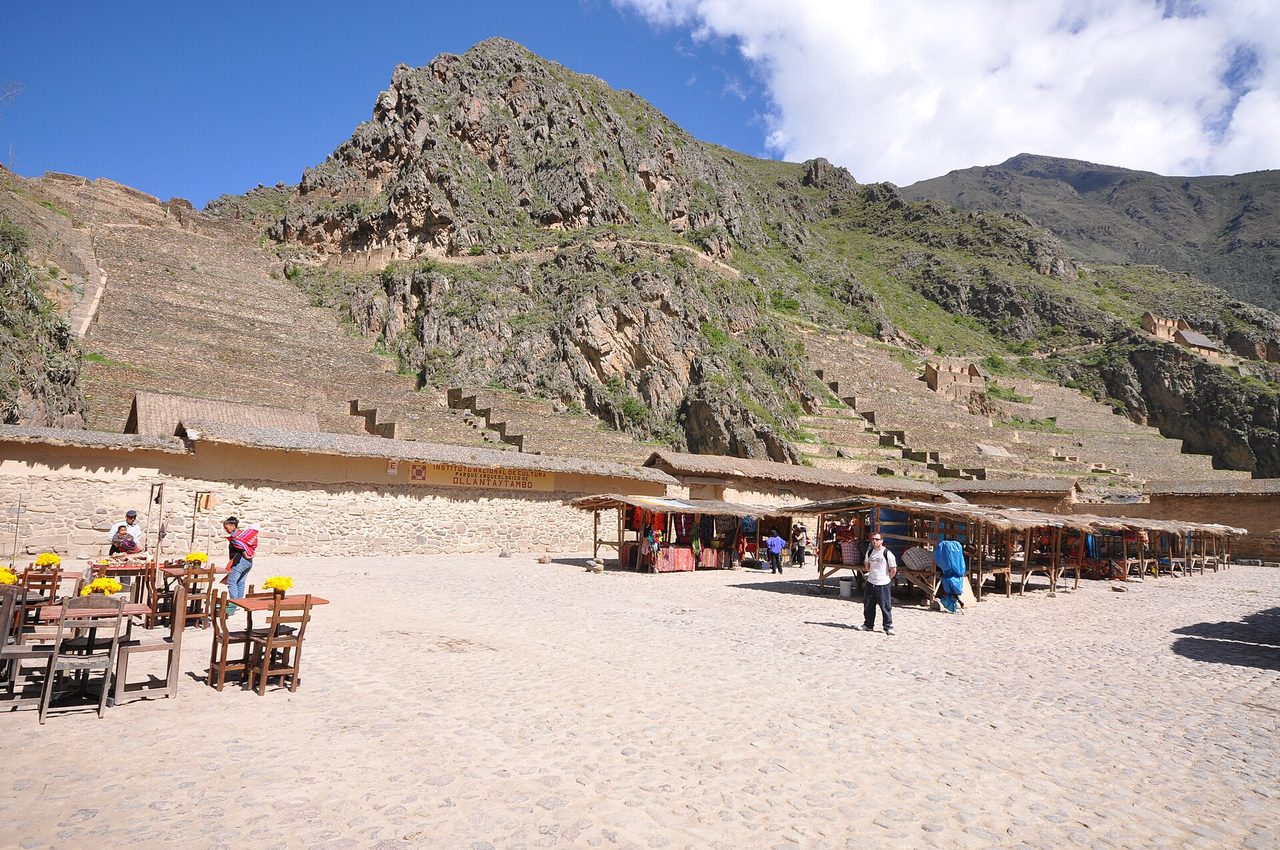
Ask ten travel sites for the worst time to visit Peru and nine of them will say “December to March” and stop there. That answer is lazy, and if you follow it you will book Lima in July and spend a week under a grey lid of fog wondering what went wrong. Peru is not one country weather-wise. It is three, running on calendars that actively contradict each other, and the month that ruins one trip is the month that makes another.
So the useful question is never “when is Peru bad?” It is “bad for what?” I have been in Cusco in February watching the Vilcanota run brown and fast, and I have been on the Costa Verde in August in a fleece. Both were the wrong month. They were the wrong month for completely different reasons.
Below is the honest version: which month genuinely wrecks which trip, which “bad” months are actually fine, the dates that will cost you more than any amount of rain, and—because this is the half nobody writes—how to make almost any of them work.
The short answer to the worst time to visit Peru
If you force me into a single month, it is February, and only for the classic highlands trip. February is when the Inca Trail is closed outright for maintenance, when Cusco records its heaviest rain of the year, and when landslides are most likely to interrupt the railway to Machu Picchu. Nothing else on the calendar combines a hard closure with genuine infrastructure risk.
But February is also, on the coast, warm and sunny and the best beach weather of the year. And July and August—the months every guide tells you to book—are the worst months for the coast, the worst months for your budget, and the worst months for having Machu Picchu to yourself.
Here is the honest split, before we get into detail:
- Worst for the classic Cusco and Machu Picchu trip: February, then January.
- Worst for multi-day trekking: February, with January and late December close behind.
- Worst for the coast, Lima and beaches: June through September, peaking in July and August.
- Worst for your wallet: mid-June to mid-August, plus the fixed holiday dates below.
- Worst for crowds: 19 June to 2 November, when the daily cap at Machu Picchu rises from 4,500 to 5,600.
- Worst for Amazon wildlife: January to March, when high water disperses the animals.
- Worst for anyone who feels the cold: June and July on the altiplano, where night temperatures around Lake Titicaca drop to −5°C and below.
If you want the opposite of this page, our guide to the strongest single month for a Peru trip makes the case for May, and the broader breakdown of Peru’s seasons by region explains why the three climate zones never line up.
Worst month by trip type
This is the table I wish existed when I was planning. One clear worst month per trip type, why, and what to do instead of cancelling.
| Trip type | Worst month | Why | The workaround |
|---|---|---|---|
| Classic Cusco & Machu Picchu | February | Peak rainfall, cloud sitting on the citadel, highest risk of rail disruption, Inca Trail closed | Go anyway but base in the Sacred Valley, build two spare days, book refundable train tickets, and treat the mist as the photo |
| Multi-day trekking | February | Inca Trail shut for the whole month; Salkantay’s high pass gets snow on top of rain; camp sites turn to mud | Move the trek to March or April, or swap to day hikes with a road escape route |
| Amazon (Tambopata, Manu, Iquitos) | February | Highest water, animals dispersed through flooded forest, clay licks quiet, trails underwater | Take a boat-based lodge rather than a walking one; go for pink dolphins and canopy birds instead of mammals |
| Coast and beaches | July | Solid garúa fog over Lima, sea at its coldest, 12–19°C and barely any sun for weeks | Fly north to Máncora, which escapes the fog, or keep Lima to 48 hours of food and museums |
| Lake Titicaca & the altiplano | June–July | Nights of −5 to −10°C, unheated homestays, frozen mornings on the islands | It is the driest, clearest season: go, but pack a proper sleeping bag liner and stay lakeside, not inland |
| Budget travel | Late July | Fiestas Patrias collides with peak international season; domestic flights and Cusco hotels both spike | Shift by two weeks in either direction, or spend those days somewhere Peruvians are not going |
| Photography | August | Flat hard light, dust haze in the valleys, 5,600 people a day in your frame at Machu Picchu | Go in the wet shoulder—March, April, October—when clouds move and the terraces are green |
Notice how many of those workarounds are about trip design rather than timing. That is the whole point. For the reverse view, our guide to picking a month for Machu Picchu specifically covers what each season actually looks like at the site.
The February case, in detail
February deserves its own section because it is the only month with a hard, published closure attached to it, and because the risk is not really the rain. It is what the rain does to a single railway line in a narrow gorge.
The Inca Trail is closed for the entire month
Peru’s Ministry of Culture closes the Inca Trail for the whole of February every year for maintenance and conservation, and has done since 2002. Crews repair stone steps, drainage, bridges and campsites while nobody is on the route. It reopens on 1 March. Practically, that means the last groups exit around 31 January and there are no permits at all for February dates—not with a better operator, not at a higher price, not with any workaround.
Machu Picchu itself does not close. The citadel is open every day of the year. Only the trail is shut. If you have your heart set on the four-day Inca Trail, February is genuinely off the table and no amount of flexibility fixes it.
What the rainfall actually looks like
Cusco sits at 3,400 m and averages roughly 130–160 mm of rain in February across 15 to 19 rain days. That sounds worse than it feels: the pattern is usually clear mornings with heavy afternoon downpours, not all-day drizzle. Machu Picchu, 1,000 m lower in cloud forest at 2,430 m, is far wetter. Depending on the station you look at, February readings run from around 140 mm to nearly 290 mm. The citadel is often under cloud until mid-morning.
Rain you can dress for. Our note on what to actually wear at the citadel is more useful in February than in any other month, and the wider rainy season guide gives the month-by-month numbers.
The real risk: huaicos on the Urubamba line
A huaico is a fast debris flow—mud, rock and water coming off a saturated slope—and the Urubamba gorge between Ollantaytambo and Machu Picchu is exactly the terrain that produces them. The railway runs along the river at the bottom of that gorge. There is no second line.
Suspensions are not hypothetical. A slide at kilometre 103 in early February 2025 held trains between Ollantaytambo and Aguas Calientes for several hours. A larger event at Mandor, near kilometre 115, cut the Hidroeléctrica–Machu Picchu section entirely and took days to clear. Even outside the wet season the line is fragile: in August 2026 a fire and rockslide near kilometre 107 stopped all services from Ollantaytambo at short notice. Most interruptions last 24 to 48 hours. A few last longer.
What actually happens when the train stops
This is where most articles wave vaguely at “possible disruption” and move on. Here is the sequence in practice.
- The operators announce a suspension, usually the night before or early morning, on their own websites and at Ollantaytambo station. Both PeruRail and Inca Rail publish service notices, and both allow date changes or refunds when they cancel. Get in the queue or on the phone immediately—rebooking is first come, first served.
- If you are in Aguas Calientes, you are stuck in a town with one road out that leads nowhere useful. Hotels there will extend you, at a price. You cannot walk to Ollantaytambo along the tracks; that section is not a legal walking route.
- The usual escape is downstream: local trains or buses run the short section to Hidroeléctrica when that stretch is clear, then a road via Santa Teresa and Santa María back to Cusco. It is six to eight hours on a road that is itself landslide-prone in February. Not a plan I would build a trip around, but it exists.
- The reverse route in is the flat 10–11 km walk along the tracks from Hidroeléctrica to Aguas Calientes, about two and a half to three hours. Plenty of budget travellers do it deliberately. In heavy rain it is unpleasant and occasionally closed.
- Your Machu Picchu ticket is timed and non-transferable in practice. Miss your entry slot and you have lost it. This is the loss that actually stings, and it is the reason for the buffer day below.
If you want the full picture of how the routes connect, our guide to getting from Cusco to Machu Picchu lays out every option including the Hidroeléctrica back door, and the train guide covers classes, fares and which station to leave from.
The February contingency plan
Concretely, if you are going in the wet months anyway:
- Put two spare days between your Machu Picchu date and your international flight home. One is not enough for a 48-hour suspension.
- Book your Machu Picchu day early in your Cusco block, not on the last day. It gives you room to rebook.
- Buy the flexible train fare. The premium over the cheapest Expedition or Voyager fare is small against the cost of a lost entry ticket.
- Sleep in Aguas Calientes the night before rather than doing the round trip from Cusco. You are already past the fragile section when you wake up.
- Have a Plan B day that does not need the train: Pisac, Moray, Chinchero, Ollantaytambo, or a day trip out of Cusco that stays on the main road.
The Lima trap: why July is the worst time to visit Peru’s coast
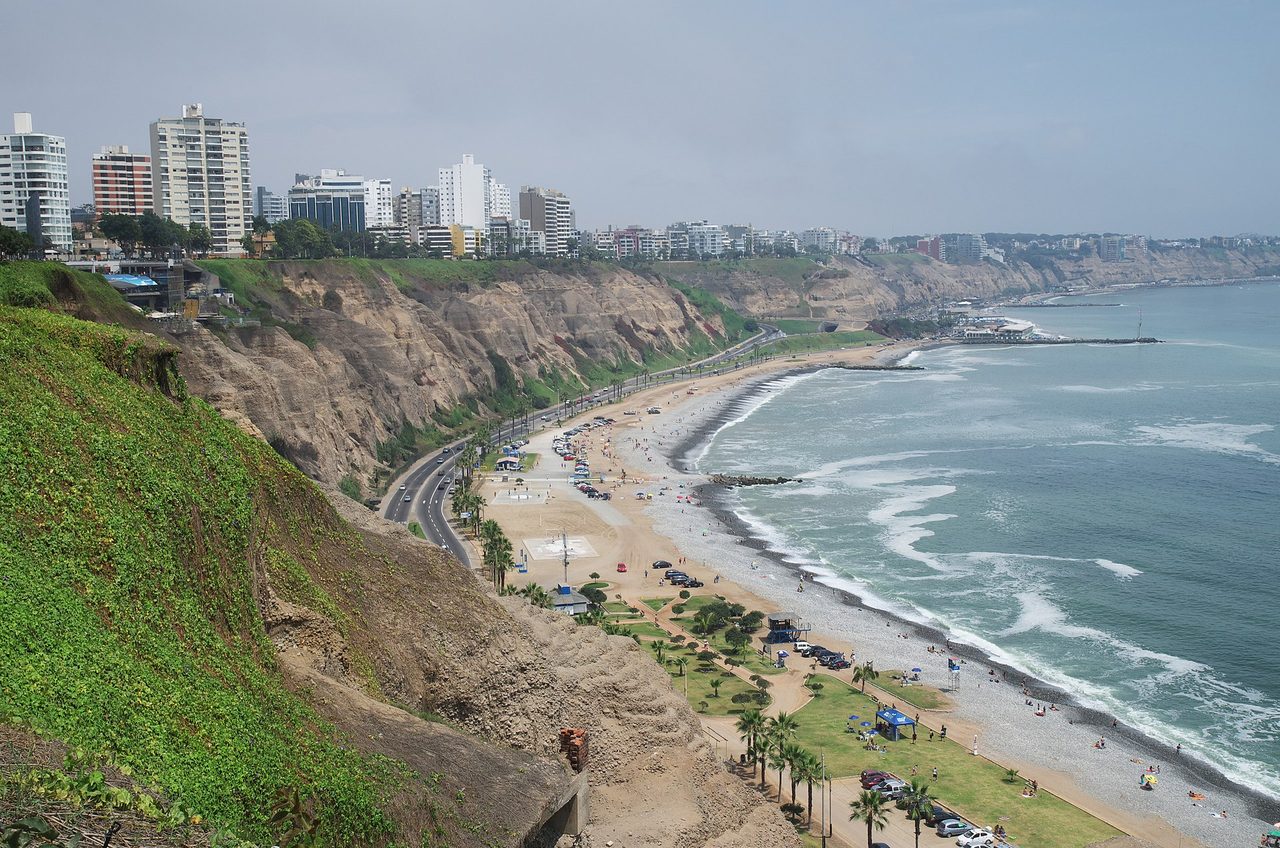
Here is the mistake I see most often. Someone reads “June to August is Peru’s dry season,” books three days in Lima at the front of a July trip, and arrives to find the city under a permanent lid.
Lima sits in a coastal desert cooled by the Humboldt current. From roughly June to October, moist air over cold water forms a low stratus deck that does not burn off. Locals call the resulting drizzle garúa. It is not rain in any useful sense—Lima gets almost no measurable precipitation—but it is damp, grey and relentless.
The numbers are blunt. July daytime temperatures sit between about 12 and 19°C. July is the darkest month of the year in Lima, averaging roughly one hour of sunshine a day. Across July, August and September combined, the city records under 50 hours of sun. That is the entire quarter. Miraflores and Barranco look completely different under that sky, the Costa Verde beaches are empty and cold, and the paragliders off the Malecón often do not fly.
None of this ruins Lima if you go for the right reasons. The food scene is indoors and it is the best in South America. Museums, markets, ceviche and a decent bar list do not care about cloud cover. Our roundup of what is worth doing in Lima skews heavily indoors for exactly this reason. What July does ruin is any plan involving beaches, sunsets or the coastal desert south of the city.
If beaches are the point of your trip, the fix is geographic, not seasonal. Máncora and the far north sit outside the fog belt and stay warm and dry all year, though July has the coldest sea of the year at around 20°C. Our guide to the northern half of the country covers that stretch. Meanwhile Paracas, Ica and Huacachina on the southern coast are dry in July but noticeably cool: Huacachina averages a high of about 23°C and drops to around 13°C after dark on the dunes.
The dates that are worse than the weather
Weather you can pack for. A fully booked country you cannot. These are the fixed dates most competitors never mention, and they matter more to your budget than any amount of rain.
Fiestas Patrias, 28–29 July
Peru’s independence holiday is a two-day national public holiday that most people stretch into a four-day weekend. Domestic flights to Cusco, Arequipa and the coast fill weeks out, hotel rates jump, and intercity buses sell out. This is the single worst week of the year to be improvising travel inside Peru. It lands on top of the peak international season, so you get local and foreign demand in the same seven days. Book two to three months ahead or move your dates.
Inti Raymi, 24 June
The Inca sun festival in Cusco is genuinely spectacular and the city is completely full for it. Hotel rates in Cusco roughly double around the 24th, the main-stand tickets at Sacsayhuamán are sold separately, and the whole of the preceding week is booked out with associated events. Worth attending on purpose. Miserable to stumble into by accident. Our festival calendar lists the dates worth planning around and the ones worth avoiding, and the ruins above Cusco where the main ceremony takes place.
Semana Santa
Holy Week moves with Easter. In 2027 it runs 21–28 March, with Holy Thursday on 25 March and Good Friday on 26 March as public holidays. Ayacucho and Cusco both host major processions and both fill. The awkward part is that Semana Santa often lands in the shoulder weeks travellers are aiming for precisely because they are quiet. Check the date before you assume late March is cheap.
Christmas and New Year
Late December through the first week of January is peak domestic holiday season. It also collides with the wet season in the highlands, which is the worst of both worlds: full hotels, high prices and cloud on the citadel. 1 January is one of the Machu Picchu peak-capacity dates, so it is simultaneously wet and crowded — an odd fortnight inside an otherwise cheap, quiet December to February green season.
The “quiet October” myth
This one is worth spelling out. Machu Picchu’s daily cap is 4,500 visitors for most of the year, but rises to 5,600 on designated peak dates: 1 January, 2–5 April, 19 June to 2 November, and 30–31 December. That 19 June to 2 November block is more than four months long. It covers the whole of October.
So the standard advice that October is a quiet shoulder month is wrong at the site itself. October may be quieter in Cusco’s restaurants, but the citadel is running at its highest permitted throughput right through to 2 November. If crowd avoidance is your priority, the genuinely lower-capacity windows are November to mid-June, excluding the April and New Year peak dates. Our page on how the ticket system and circuits work explains why the cap alone does not tell you how crowded a given circuit feels.
The worst months for your wallet
Mid-June to mid-August is when Peru costs the most, and by a wide margin. Cusco hotel rates run at their annual peak, trekking operators do not discount, and international airfares to Lima are at their highest. Machu Picchu entry itself does not fluctuate seasonally—a foreign adult ticket is S/163, or S/211 for the circuits that include Huayna Picchu or Machu Picchu Mountain, following the conservation surcharge added on 1 May 2026. Foreign student and minor tickets sit around S/88 and Andean Community adults around S/69, and the surcharge does not apply to Inca Trail entries. Check the official portal before you book, because these move.
Everything around the ticket does move with the season. The Consettur shuttle bus up from Aguas Calientes is roughly US$24 return year-round, and standard-class train legs run about US$35–60 each way, but availability on the cheaper departures evaporates in July. In February you can walk into a Cusco hotel and negotiate. In July you cannot.
Rough sense of the swing, using a mid-range double in Cusco as the yardstick:
| Period | Cusco mid-range room, relative | Notes |
|---|---|---|
| Late January – February | Lowest, often 30–40% below peak | Genuine discounts, empty restaurants, real negotiating room |
| March – May | Moderate | Best value-to-weather ratio of the year |
| Mid-June – August | Peak | No discounts; Inti Raymi and Fiestas Patrias spike on top |
| September – October | High but easing | Cheaper than July, but the citadel is still at 5,600 capacity |
| November – mid-December | Low | The quietly underrated window |
| Christmas – New Year | Spike | Short, sharp, domestic-driven |
If price is your main constraint, our guide to the cheapest months to travel in Peru goes deeper, and the full trip-cost breakdown shows what each element actually runs.
The Amazon and the altiplano: two different worst months
Amazon: January to March is worst for mammals
The Peruvian Amazon does not have a dry season so much as a less-wet one. Rain falls all year. What changes is the water level, and that is what matters for what you see.
From roughly November to April the rivers are high. Forest floods, trails go under, and the animals disperse across a much larger area because food and water are everywhere. Clay licks—the riverbank clay banks where macaws and parrots gather in numbers—are quiet or submerged. If your reason for going is mammals and the big macaw spectacle, February is the wrong month.
The flip side is real, though. High water lets boats push into flooded forest you simply cannot reach in September. Pink river dolphins are easier. Lodges are cheaper and half empty. The trade is mosquitoes, which are worse, and humidity that never lets up. Our Amazon guide and the wildlife-by-season notes break down which species peak when.
Titicaca: June and July are brutally cold at night
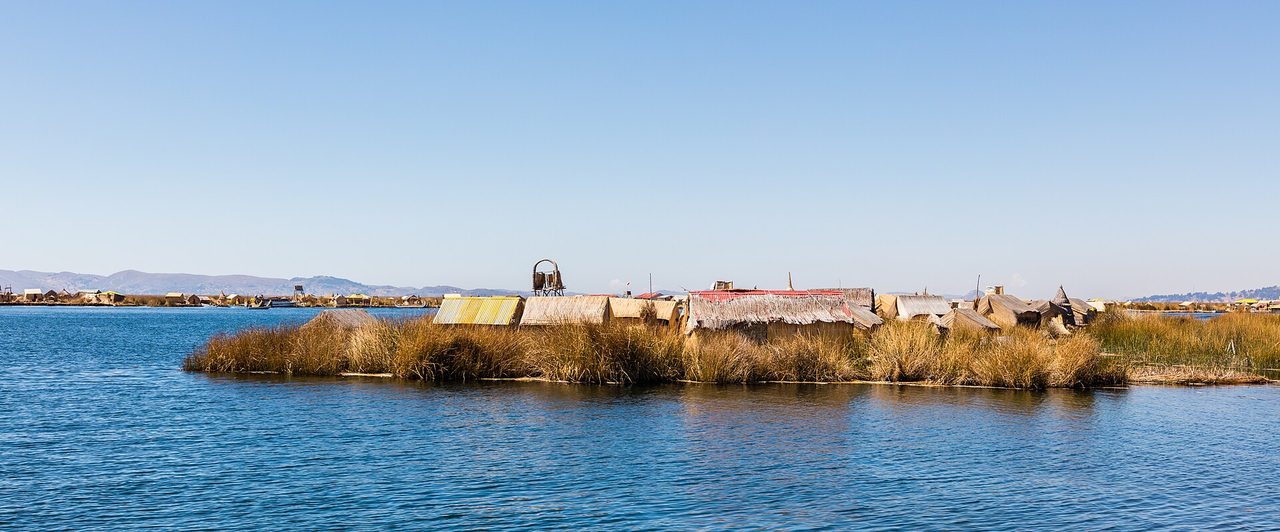
Puno is the coldest major city in Peru, averaging around 7°C annually at 3,810 m. In the dry season the sky is clear, which is exactly why the nights are so cold: nothing holds the heat in. Days reach a pleasant 14–18°C in the sun. Nights drop to −5°C and lower, and cold snaps can go further.
The complication is that this is also the best-looking, driest, most reliable season on the lake, and it is when the island homestays operate. Those homestays are traditional adobe houses with no heating. That is the honest trade-off: come in June or July for clear water and reliable boats and be genuinely cold at 3am, or come in the wet season when it is milder overnight but grey and choppy. Our Lake Titicaca guide covers the island options, and if you are continuing across the border, the Peru and Bolivia route follows the same weather logic.
Month by month: what is actually wrong with each one
| Month | The problem | Verdict |
|---|---|---|
| January | Heavy highland rain, high Amazon water, post-New-Year lull | Poor for treks, decent for coast and value |
| February | Inca Trail closed, wettest month, rail disruption risk | The one month I would move if I could |
| March | Rain easing but still wet; Semana Santa lands here in some years | Improving fast; check the Easter date |
| April | Occasional late rain; 2–5 April is a Machu Picchu peak-capacity block | One of the best months overall |
| May | Nights getting cold in the highlands | Very few downsides |
| June | Inti Raymi crowding, freezing altiplano nights, capacity rises 19 June | Good weather, rising cost |
| July | Peak prices, Fiestas Patrias, Lima fog at its worst, coldest nights | Worst month for cost and coast |
| August | Peak crowds, dust haze, flat light, no bargains | Reliable weather, everything else against you |
| September | Amazon starting to wet up; still full capacity at the citadel | Quietly one of the best |
| October | The “quiet shoulder” that is not: 5,600 cap until 2 November | Good weather, more people than you expect |
| November | Rain returning to the highlands | Underrated; capacity drops back to 4,500 from 3 November |
| December | Wet highlands plus Christmas and New Year price spike | First half fine, second half avoid |
Held against the dry season guide and the wider country weather overview, the pattern is clear: there is no month with nothing wrong with it. There are months where the wrong thing is cheap to solve.
How to make a bad month work
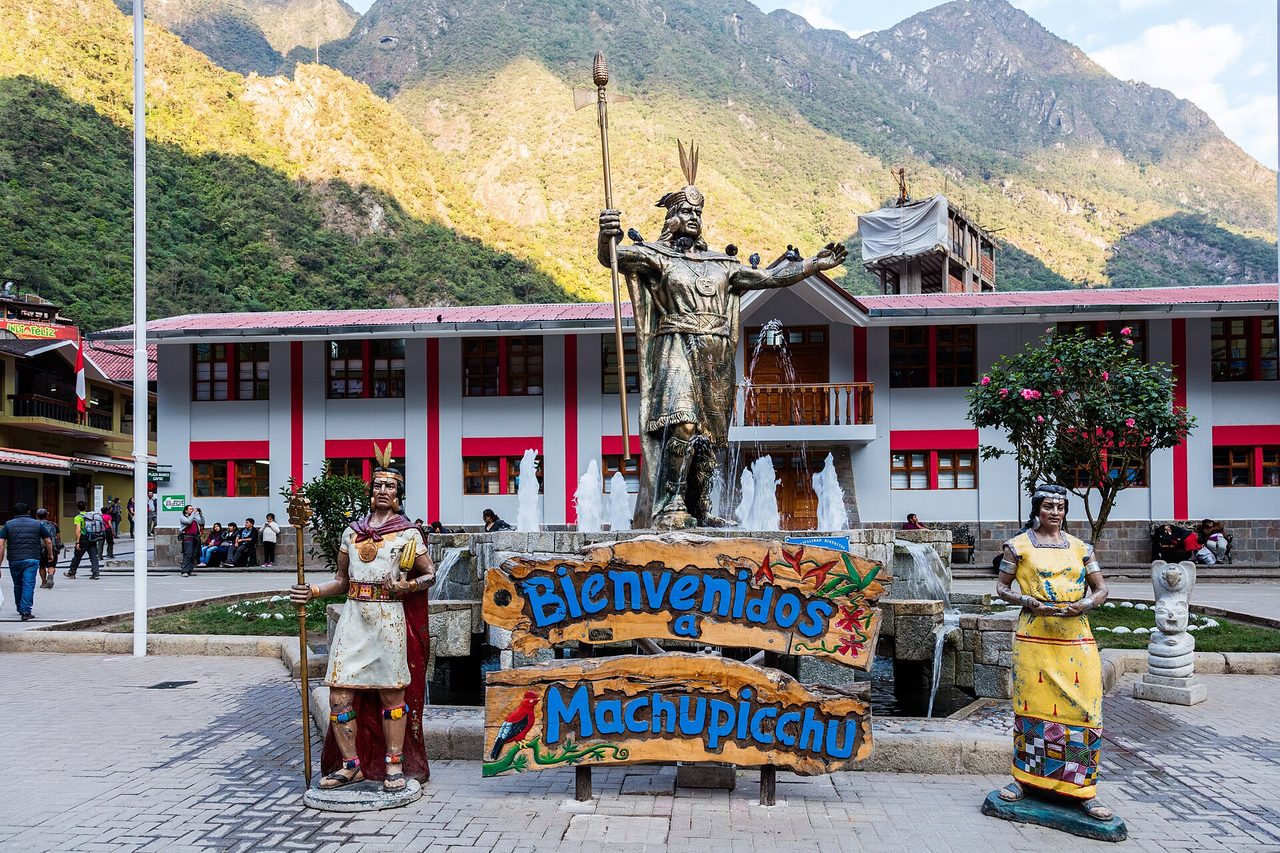
This is the half of the title that most guides skip. If your dates are fixed by work or school and they land in February, or July, or Christmas week, here is what actually changes the outcome.
Build buffer days, not tighter plans
The single highest-value change to a wet-season Peru trip is two spare days before your flight home. Not one. A 48-hour rail suspension eats one buffer day entirely. Those two days cost you a couple of hotel nights and they are the difference between a rebooking and a cancelled trip. Every itinerary we publish, from the one-week version to the fortnight, gets easier to salvage the more slack it has.
Pay for flexibility on the train, not on the hotel
Hotels in Peru are almost universally cancellable. Trains are the fragile link and the flexible fare is the cheap insurance. If the operator cancels, both PeruRail and Inca Rail will change or refund. If you cancel on a non-flexible fare, you get nothing. The premium is worth it in any month from December to April.
Base in the Sacred Valley rather than Cusco
Counterintuitive, but the Sacred Valley is a better wet-weather base than Cusco. It sits 500–600 m lower at around 2,800 m, which means noticeably warmer nights and an easier time with the altitude. It also puts you in Ollantaytambo, where the trains actually leave from, so a suspension does not strand you two hours up a mountain road. The valley’s ruins—Pisac, Moray, Ollantaytambo itself—are outdoor sites that hold up in drizzle far better than a queue for a museum. Our Sacred Valley guide covers where to stay along the valley floor, and if you still want Cusco as a base, our notes on which Cusco neighbourhoods work apply year-round.
Know which treks stay open
Only the Inca Trail has a mandated February closure. Salkantay, Lares, Choquequirao and the Inca Jungle route all technically remain open, and operators will happily sell them to you. Be honest with yourself about what that means. Salkantay crosses a 4,630 m pass under a 6,271 m peak and in February that pass gets snow on top of rain, with cloud forest mud below. Lares is lower and more forgiving, and the Inca Jungle route has road access most of the way, which is the real safety feature. Our comparison of Peru’s main trekking routes lays out the difficulty and the exit options for each.
For wet-month day hikes, the same logic applies. Humantay Lake is a single long day with a road at the trailhead. Rainbow Mountain is the one I would skip in the wet months: the colours only read properly in dry light, and the access road turns badly.
Buy insurance that actually covers weather disruption
Read the policy wording rather than the marketing. The clause you want is trip interruption or missed departure cover triggered by transport suspension and adverse weather, with a named benefit for additional accommodation. Many standard policies exclude “natural events” or require the disruption to exceed a set number of hours before anything pays out. Adventure-activity add-ons cover trekking injuries; they usually do not cover a landslide closing a railway. These are different clauses. Also check whether your policy covers altitude above 3,000 m at all, since a lot of them quietly do not, and half of Peru is above that line.
Reframe what a wet Machu Picchu actually is
Here is the argument nobody makes. A wet-season Machu Picchu is capped at 4,500 people. A dry-season one from 19 June is capped at 5,600. That is roughly a quarter more people on the same one-way circuits. In February the terraces are green, cloud moves across the ridge and clears, the crowds are thin, and the site looks like the photographs people actually remember rather than a flat blue postcard.
You will probably wait an hour for the view. Sometimes you will not get it at all. But the version of the citadel where mist tears open across the Huayna Picchu ridge is the better photograph, and the odds of getting it are far higher in the wet months. If you are weighing the summits, our comparison of the two climbable peaks notes that both are slippery and sometimes closed in heavy rain, which is the one genuine wet-season loss.
Rebalance the itinerary rather than the dates
If your fixed dates are in July, shift weight away from the coast and towards the highlands, where July is at its best. If your dates are in February, do the reverse: more coast, more Lima food, more Paracas and Huacachina, and a shorter, better-buffered highland leg. The same two weeks can be a bad trip or a good one depending on where the days sit. Our main itinerary hub has versions weighted both ways, and how transport actually works between regions matters more in the wet months than any other time.
When I would genuinely tell you not to go
I have spent this whole page arguing that almost every bad month is survivable. Two situations are not, and I would rather say so.
You want the Inca Trail and your only free month is February. There is no version of this that works. Move the trip or pick a different trek. Do not let an operator talk you into Salkantay in February as an equivalent experience.
You have a rigid five-day window in the wet season with no buffer at all. If you fly in Monday, must see Machu Picchu Wednesday, and fly home Friday with a non-refundable connection, February gives you meaningful odds of losing the whole thing. Either add days, or go somewhere the weather cannot cancel. A five-day Peru trip is fine in May. In February it is a gamble with your one entry ticket.
Everything else—July prices, August crowds, Lima fog, cold Titicaca nights, high Amazon water—is a trade you can plan around. And if Machu Picchu is the only thing forcing you into a bad month, it is worth knowing that a Peru trip without it is a genuinely good trip, and one with almost no seasonal constraint at all.
Frequently asked questions
What is the single worst month to visit Peru?
February, if your trip is built around Cusco, trekking and Machu Picchu. It is the wettest month in the highlands, the Inca Trail is closed for maintenance for the entire month, and it carries the highest risk of landslides interrupting the railway. For a coast-focused trip, February is one of the best months and July is the worst; the full breakdown of June, July and August covers what you get in exchange.
Is Machu Picchu open in the rainy season?
Yes. Machu Picchu is open every day of the year, including all of February. Only the Inca Trail closes. The citadel operates on the same three circuits and ten routes introduced in June 2024, with hourly timed entries from 06:00 to 16:00, a 30-minute grace period, and two and a half to four hours inside depending on your circuit.
Are Peru’s rainy months the same everywhere?
No, and this is the point people miss. The highlands and Amazon are wet from roughly November to March. The coast is effectively rainless all year but sits under fog from June to October. So “Peru’s rainy months” means the opposite thing depending on which third of the country you are standing in.
Should I avoid visiting Peru in January?
Only if your trip depends on trekking or on clear views of the citadel. January is wet in the highlands, but the Inca Trail is still open for the first weeks of the month, prices are at their lowest, and the coast is warm and sunny. It is a better month than February by a clear margin.
Can the train to Machu Picchu really be cancelled?
Yes, and it happens most often between December and March. Suspensions typically last 24 to 48 hours while crews clear debris from the line. Both operators will change or refund tickets when they cancel, but your timed Machu Picchu entry ticket is the part you will not get back, which is why buffer days matter more than any other precaution.
Is October a quiet month at Machu Picchu?
Not at the site itself. The daily cap stays at the peak figure of 5,600 through 2 November, so October runs at the same permitted throughput as July. Cusco itself feels calmer, but the citadel does not.
How cold does it actually get in Peru?
Colder than most people pack for. Cusco at 3,400 m drops close to freezing on dry-season nights. Puno and the Lake Titicaca shore at 3,810 m reach −5 to −10°C overnight in June and July. Machu Picchu at 2,430 m is much milder. Almost nothing outside high-end hotels is heated, which is the detail that catches people out.
What is the worst time to visit Peru if I hate crowds?
Mid-June through October, and specifically the Inti Raymi week in late June and Fiestas Patrias at the end of July. The quietest stretch with tolerable weather is late April to mid-May, or November. Our guide to the less-visited parts of the country is the other answer: go in high season, but go somewhere else.
The bottom line
There is no worst month for Peru because there is no single Peru. February is the worst month for the highlands trip almost everyone books, and it is the one month with a hard closure you cannot design around if trekking the Inca Trail is your reason for coming. July and August are the worst months for the coast, for your budget, and for having any space at the citadel, and they are the months the entire internet tells you to book.
Everything in between is a trade. Wet season buys you thin crowds, green terraces, a 4,500 cap instead of 5,600, and 30 to 40 percent off hotel rates, in exchange for cloud and a real chance of a rail interruption. Dry season buys you reliable weather and costs you money, space and light. Pick which you would rather lose, then build two spare days in and stop worrying about it. For the full case in the other direction, our main guide to timing a Peru trip makes the argument for each season, and if you want it narrowed further, Cusco has its own timing quirks worth reading before you commit to dates.