The Cheapest Time to Visit Peru
February is the cheapest month in the Andes, but only about a third of your Peru budget actually moves with the calendar. Here is what changes, what doesn't, and why October usually wins on value.
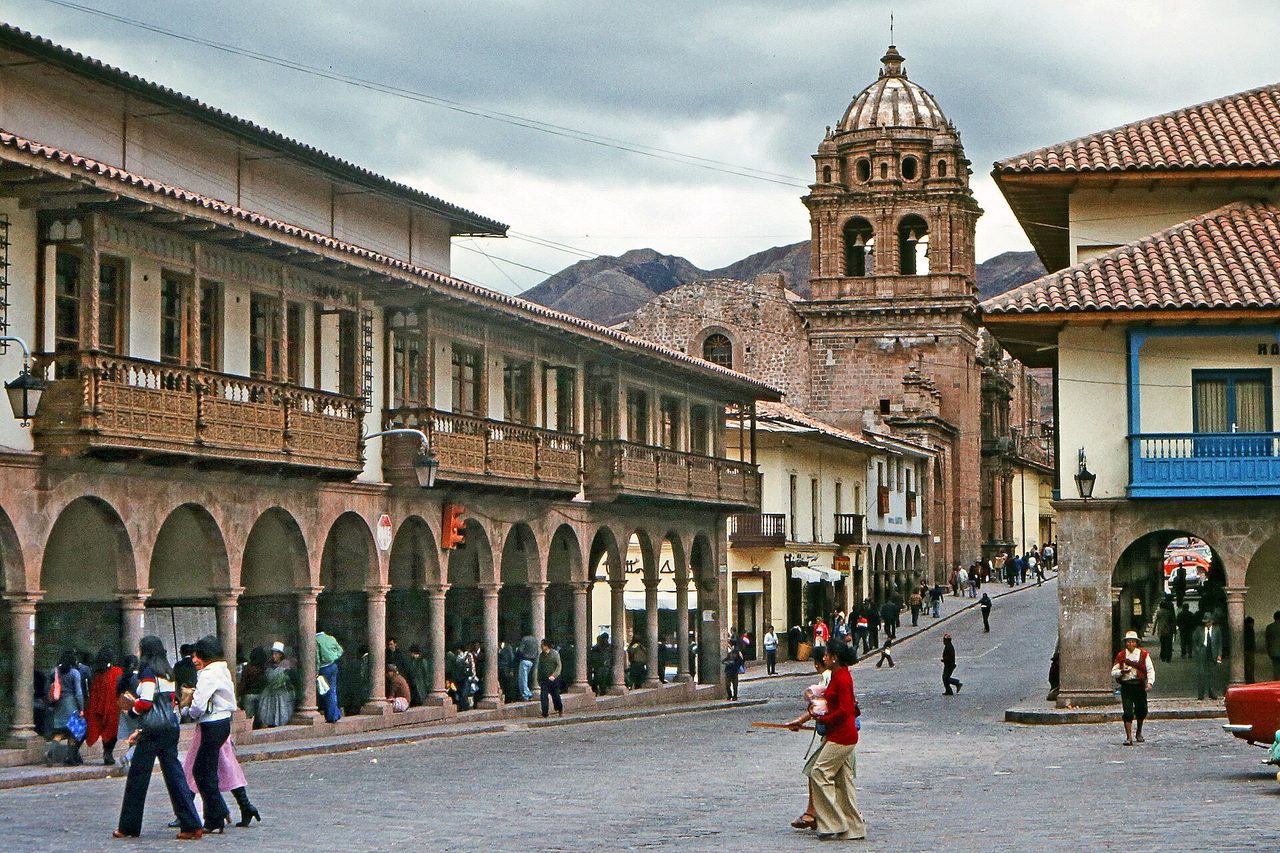
The cheapest time to visit Peru is roughly mid-January to mid-March, minus the days around Christmas, New Year and Easter. That is the honest answer and I will defend it below. But it is not the answer most people actually want, because the months that save you the most money are also the months most likely to cost you a day of your trip to a landslide, a closed trail or a morning at Machu Picchu spent staring into cloud.
So this guide does something the competing pages do not. It separates the costs that genuinely move with the calendar from the ones that sit stubbornly still. In Peru, that distinction is unusually stark. Your airfare and your Cusco hotel can halve. Your Machu Picchu ticket, your train fare and your bus to Arequipa will not budge by a sol.
The cheapest time to visit Peru, in one paragraph
February is the single cheapest month in the Andes, and also the wettest month of the Andean green season. January and early March are close behind. November is the cheapest month that still has broadly reliable weather. The most expensive stretch runs from mid-June to late August, with a long expensive tail through September and October that most guides underrate. If your only criterion is the number on the invoice, book February and accept the consequences.
My actual recommendation is different, and I will spend the rest of this article showing the arithmetic: for most travellers the shoulder months — April into early May, and late September through October — beat low season on value once you price in the risk of losing days. If you would rather see each month graded individually than bucketed into seasons, the month-by-month verdicts run through all twelve. The gap between a February trip and an October trip is smaller than you think, and the downside is not.
What actually gets cheaper in Peru, and what does not
This is the table I wish someone had shown me the first time I planned a trip here. Every page on the first results page tells you “prices drop 30 to 50 percent in low season.” That is true of about a third of your spending and completely false of the rest.
| Line item | Seasonal? | Rough low-season saving |
|---|---|---|
| International airfare to Lima | Yes — the big one | 20–35% |
| Hotels in Cusco | Yes | 30–50% |
| Hotels in Aguas Calientes | Yes — the steepest of all | 40–60% |
| Sacred Valley and Amazon lodges | Yes | 30–50% |
| Lima–Cusco domestic flights | Yes, but small base | 20–40% of a modest number |
| Multi-day treks (Salkantay, Lares) | Somewhat | 10–25% |
| Group day tours from Cusco | Barely — they discount to fill vans | 0–20% |
| Machu Picchu entry (S/163) | No. Fixed year-round | 0% |
| Cusco Boleto Turístico | No | 0% |
| Train, Ollantaytambo–Aguas Calientes | Barely | 0–10% |
| Consettur shuttle bus (~$24 return) | No | 0% |
| Long-distance buses | Barely, except at holidays | 0–10% |
| Restaurant meals, colectivos, taxis | No | 0% |
Read that column again. The single largest attraction fee on your trip does not move. Neither does the train, which for a lot of people is the second largest single line item. That is why a February trip is not 40 percent cheaper than a July trip even though every hotel headline suggests it should be. The savings apply to a subset of your budget, and the subset shrinks the shorter your trip is.
Short version: seasonal discounting rewards long, hotel-heavy trips. If you are doing an efficient week-long run through Lima, Cusco and Machu Picchu, the fixed costs dominate and the calendar barely matters. If you are spending three weeks working your way around the country, low season is worth real money.
Month by month, ranked by cost
Prices below are directional, not quotes. The sol was trading around S/3.38 to the US dollar when I last checked in August 2026, which is the conversion I have used throughout — it drifts, so re-check before you build a spreadsheet.
| Month | Cost level | What you are actually buying |
|---|---|---|
| January | Low, apart from 1 Jan | Heavy Andean rain, cheap rooms, Lima at its sunniest |
| February | Lowest | Wettest month, Inca Trail shut, highest disruption risk |
| March | Low, rising late | Rain easing, greenest landscapes, Easter risk in some years |
| April | Low-mid | Rain mostly over, everything green, very good value |
| May | Mid, rising fast | Arguably the best weather of the year; prices know it |
| June | High from mid-month | Dry, cold nights, Inti Raymi, sold-out trains |
| July | Highest | Peak crowds plus Fiestas Patrias domestic surge |
| August | Highest | Northern-hemisphere holidays, book months out |
| September | Mid-high | Crowds thinning, prices lagging behind them |
| October | Mid | The value sweet spot in my view |
| November | Low-mid | Cheapest month with still-decent weather |
| December | Low until ~20th, then spikes | Rain returns; the last ten days are expensive |
One free forecasting tool almost nobody uses: the Peruvian state publishes its own view of when Machu Picchu will be busy. The standard daily cap is 4,500 visitors, and it is raised to 5,600 on designated peak dates — in the current calendar, 1 January, 2–5 April, 19 June to 2 November, and 30–31 December. That window from mid-June to early November is the authorities telling you, in writing, where the demand is. Note how far past August it runs. Anyone who assumes the crowds vanish on 1 September is planning against a stale mental model. The April dates track Easter and therefore move each year, so check the current list on the official portal rather than trusting mine a year from now.
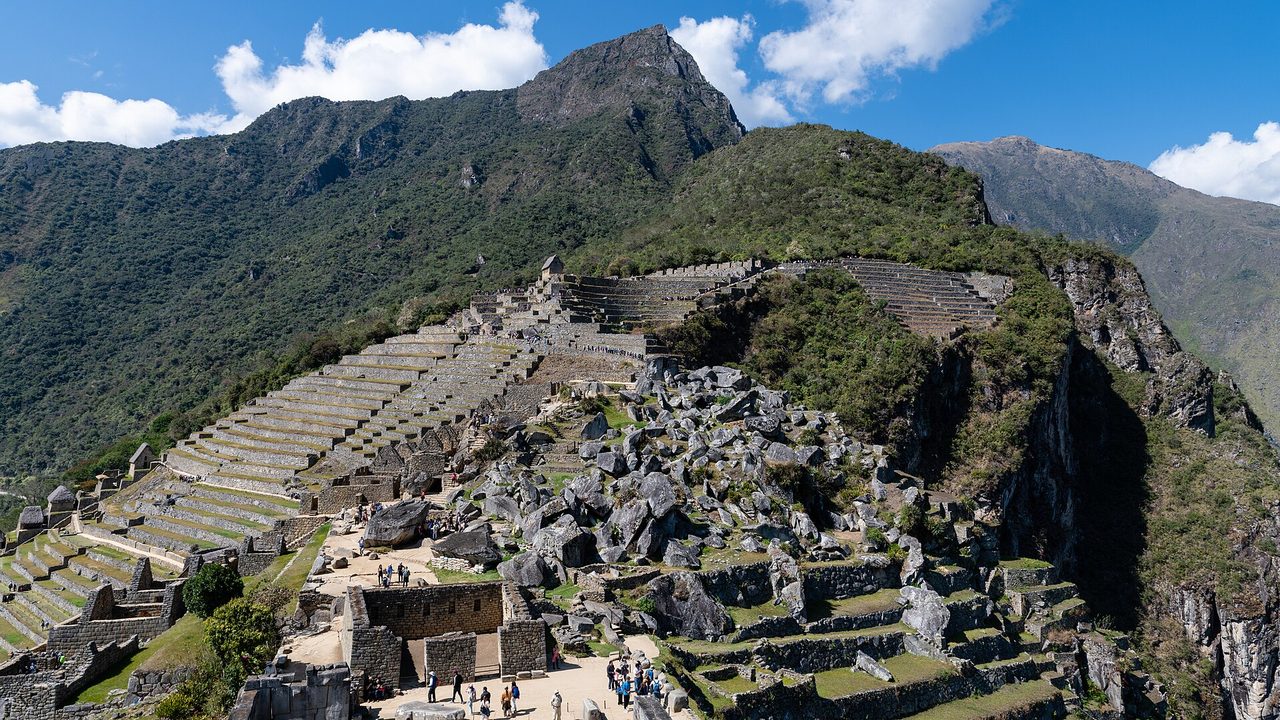
Daily budgets, low season versus high season
Here is what I would actually plan on spending per person per day, excluding international flights and excluding the Machu Picchu day itself, which I handle separately below. Mid-range and comfortable figures assume two people sharing a room, because a solo traveller in a private room pays close to double for accommodation.
Backpacker
Dorm beds, colectivos and combis, menu del día lunches, no private tours.
| Item | Low season | High season |
|---|---|---|
| Dorm bed, Cusco | S/35 (~$10) | S/60 (~$18) |
| Food, three meals | S/40 (~$12) | S/45 (~$13) |
| Local transport | S/10 (~$3) | S/12 (~$4) |
| Water, laundry, entry fees | S/15 (~$4) | S/15 (~$4) |
| Daily total | ~S/100 (~$30) | ~S/132 (~$39) |
Delta: roughly $9 a day, or $90 over a ten-day trip. That is one hotel night in Aguas Calientes in July. It is not nothing, but it is not the transformative saving the internet promises.
Mid-range
Private double in a decent three-star, a mix of set lunches and proper dinners, a couple of shared day tours.
| Item | Low season | High season |
|---|---|---|
| Room, per person sharing | S/85 (~$25) | S/135 (~$40) |
| Food and drink | S/85 (~$25) | S/95 (~$28) |
| Tours and transport | S/70 (~$21) | S/80 (~$24) |
| Daily total | ~S/240 (~$71) | ~S/310 (~$92) |
Delta: about $21 a day, $210 over ten days per person. This is the tier where seasonality starts to matter, because hotel rates are the biggest single swing and mid-range hotels discount hardest.
Comfortable
Four-star or good boutique, taxis rather than combis, private guiding some days.
| Item | Low season | High season |
|---|---|---|
| Room, per person sharing | S/220 (~$65) | S/370 (~$110) |
| Food and drink | S/170 (~$50) | S/185 (~$55) |
| Tours, guides, transfers | S/135 (~$40) | S/150 (~$45) |
| Daily total | ~S/525 (~$155) | ~S/705 (~$209) |
Delta: roughly $54 a day. At this tier low season is genuinely worth chasing, because the properties with the most to lose from empty rooms are the ones with the highest rack rates. Cusco’s upper-end hotels discount more aggressively in February than anything in the budget tier ever will. If you are weighing which Cusco neighbourhood to base yourself in, low season is also when you can afford to sleep somewhere with a view instead of somewhere merely convenient.
The fixed floor: what you pay in any month
Now the part nobody tabulates. Assume one adult, Lima in and out, one visit to Machu Picchu by train, ten days on the ground.
| Unavoidable cost | Amount | Moves with season? |
|---|---|---|
| Machu Picchu entry, foreign adult | S/163 (~$48) | No |
| Round-trip train, Ollantaytambo–Aguas Calientes | ~$70–120 | Barely |
| Consettur shuttle up and down | ~$24 | No |
| Cusco Boleto Turístico, general | ~S/130 (~$38) | No |
| Lima–Cusco return flight | ~$110–190 | Somewhat |
| Floor | ~$290–420 | Mostly immovable |
A note on that entry fee, because it is the single most-often-wrong number on the English-language internet. Foreign adult admission is S/163, and S/211 for the circuits that include Huayna Picchu or Machu Picchu Mountain. The widely-copied S/152 and S/200 figures were superseded on 1 May 2026, when a SERNANP conservation surcharge of S/11 for foreigners and S/5 for nationals was added on top of an unchanged base ticket. By the same mechanism the foreign student and minor rate went from S/77 to about S/88, and the Andean Community adult rate from S/64 to about S/69. The surcharge does not apply to Inca Trail entries. Several pages ranking on page one for this exact query still quote S/152 as current; if a site is a year out of date on the headline price, treat its budget advice accordingly. Prices do move, so check the official ticket portal before you commit — our own breakdown of the Machu Picchu ticket system goes through the circuits in detail.
One more trap. Since 1 June 2024 the site runs on three circuits subdivided into ten routes, all one-way and enforced by rangers, with hourly timed entry from 06:00 to 16:00 and a thirty-minute grace period. You cannot buy the cheapest ticket and then wander to the classic postcard viewpoint if your route does not pass it. The choice between Huayna Picchu and Machu Picchu Mountain is a S/48 decision, not a free upgrade.
The price spikes hiding inside the cheap months
This is what catches people out. They book February because February is cheap, land in Puno during Candelaria, and pay July prices. Peru’s expensive dates are not a contiguous block.
Christmas and New Year
From roughly 20 December to 3 January, Cusco fills with Peruvian families and prices in the historic centre triple. New Year’s Eve on the Plaza de Armas is a genuine spectacle and I do not regret seeing it, but it is the most expensive night of the low season by a wide margin. Note that 1 January is also one of Machu Picchu’s raised-capacity peak dates.
Semana Santa — and the rule for finding it
Holy Week moves. The rule is that Easter Sunday is the first Sunday after the first full moon on or after 21 March, which is why it swings across a month. Easter Sunday falls on 28 March in 2027, 16 April in 2028 and 1 April in 2029. Work backwards a week and you have Semana Santa. In 2027 that puts the whole thing inside what is otherwise the cheap part of March, which is exactly the sort of thing a generic “March is cheap” article will not warn you about. Cusco’s Holy Monday procession of the Señor de los Temblores is one of the more remarkable things on the Peruvian calendar, and hotel rates behave accordingly.
Fiestas Patrias, 28–29 July
Two consecutive national holidays that reliably become a four- or five-day travel weekend. Domestic flights, intercity buses and Cusco hotels all spike, and this is one of the few times bus fares actually move. If you are already travelling in July it is a fine time to be somewhere — the calendar of Peruvian festivals is worth planning around rather than merely avoiding — but do not expect to book anything late.
Inti Raymi week, Cusco
The Festival of the Sun on 24 June is the most expensive week of the year in Cusco, and the effect starts several days out. Grandstand seats at the Sacsayhuamán ceremony have run in the region of $295 to $330 recently, which is a lot of money to watch a reenactment from a plastic chair. You can see the earlier parts of the day in the Plaza de Armas and at Qorikancha for nothing, which is what I would do. Either way, the surrounding hotel rates are not optional.
Virgen de la Candelaria, Puno
The first half of February, which is otherwise the cheapest fortnight of the year. Flights into Juliaca and every bed in Puno price up hard. If Lake Titicaca is on your route and you are chasing cheap, either commit to the festival or route around it — do not stumble into it.
The honest case against February
February is cheap for reasons, and the reasons are the problem.
The classic Inca Trail closes for the entire month, every year, for maintenance and because the rain makes the route genuinely dangerous. Crews spend the month reinforcing walls and drainage at Patallaqta, Sayacmarca, Phuyupatamarca and Wiñaywayna. This is not a rumour or a “sometimes”; it is fixed policy, and part of why February is cheap is simply that the country’s flagship trek is unavailable. Salkantay operators also frequently pull out of February. The Lares route and shorter day hikes generally keep running, and there are plenty of other treks in Peru that operate year-round, but you are choosing from a reduced menu.
Then the railway. Landslides along the Urubamba can and do suspend the Ollantaytambo–Aguas Calientes line, usually for a day or two, occasionally longer. Poroy station outside Cusco is typically closed from around January to April because of landslide risk, which leaves Ollantaytambo as the only departure point for both operators and adds a road transfer to your day. If you are relying on the train to Aguas Calientes in February, build the possibility of a suspension into your plan rather than your nerves.
Here is the arithmetic that made me stop recommending February to most people. Your Machu Picchu ticket is date-and-hour specific, and you should treat it as non-refundable. If a rail suspension eats your entry slot, you are looking at a fresh S/163, two extra nights of accommodation, possibly a changed domestic flight, and in the worst case a missed international connection. Call it $200 to $400. The mid-range saving over a shoulder-season trip was about $210 over ten days. One bad day erases the entire discount.
Practical mitigations, if you go anyway: give yourself two buffer nights in Cusco after Machu Picchu rather than flying out the next morning, book refundable accommodation where you can, and go to Machu Picchu early in your trip so there is room to reschedule. Cheap trips that lose two days are not cheap.
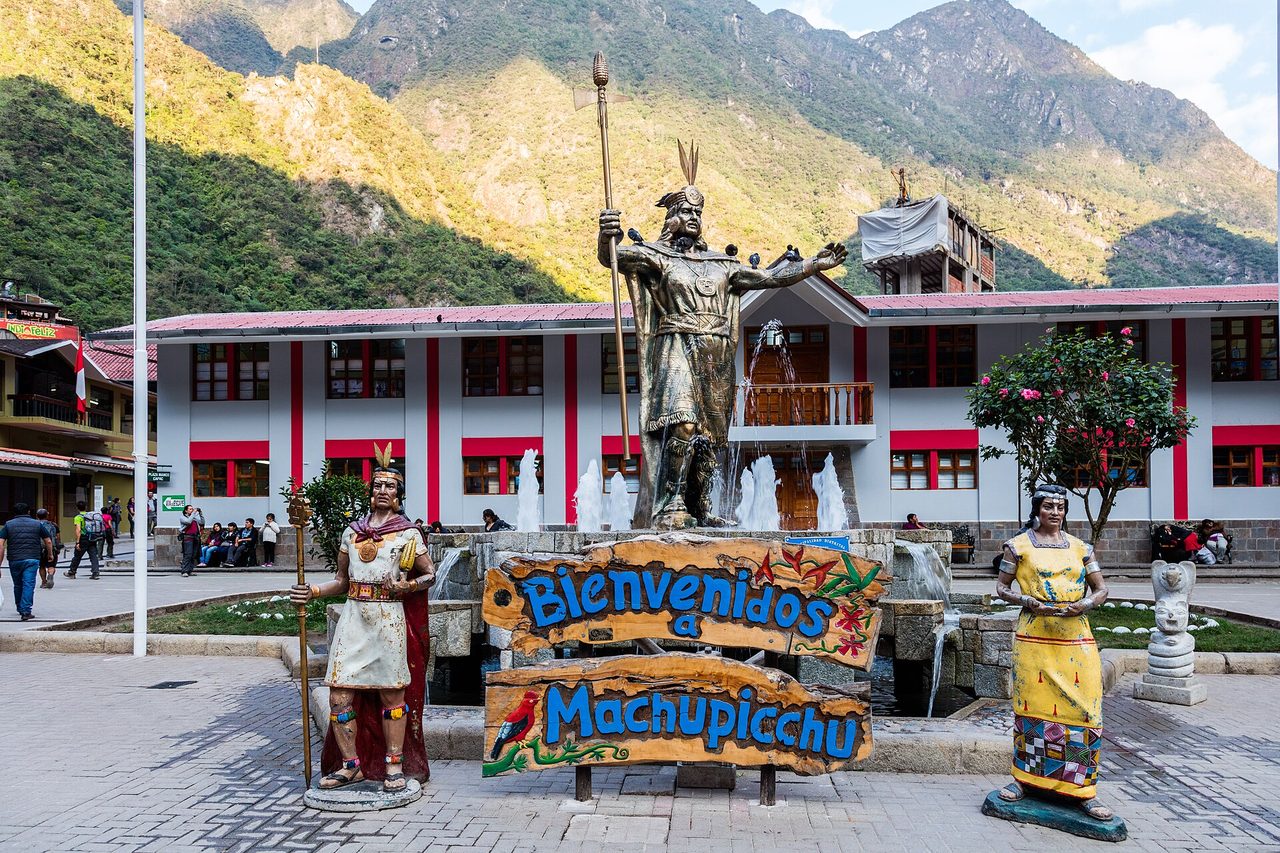
The shoulder-season argument, with the numbers
Run the comparison properly. Ten days, mid-range, per person, excluding international airfare:
| Early February | Early October | |
|---|---|---|
| Daily spend × 10 | ~$710 | ~$820 |
| Fixed floor | ~$350 | ~$350 |
| Ground total | ~$1,060 | ~$1,170 |
| Probability of losing a day to weather | Meaningful | Low |
| Inca Trail available | No | Yes |
| Odds of a clear morning at the citadel | Coin flip at best | Good |
About $110 separates them on the ground, plus whatever the airfare gap is — call the whole thing 10 to 15 percent. For that premium October gives you a functioning trekking season, a much lower chance of a rail closure and a far better shot at the view you flew here for. Late April and the first week of May work the same way from the other side of the wet season, with the added bonus that the hills are still green from the rain. That is why, when someone asks me the best time to visit Peru on a constrained budget, I say October before I say February.
November deserves a specific mention. It is the cheapest month that still behaves itself: the rain has not properly arrived in Cusco, the trails are open, and rates have already fallen. If you want the low-season invoice without the low-season risk, November is the compromise, and it is the month I would pick if the calendar allowed. It is also a good moment for understanding where the dry season actually starts and stops, because the transition is a few weeks earlier and later than most guides admit.
Cutting costs in any month
Since most of your Machu Picchu spending is fixed, the real budget levers are structural rather than seasonal. These work in July as well as they work in February.
Buy the S/163 circuit, not the S/211 one
The extra S/48 buys you a mountain climb, not a better view of the citadel. Huayna Picchu is a superb hour of stairs if you want it. If you are here for the classic view and the ruins themselves, the standard circuit delivers that and the money is better spent elsewhere. And note the student rate rules changed: ISIC cards are no longer accepted for the Machu Picchu student price, and you now need a university photo ID with an expiry date, checked at the gate. That is a Machu Picchu-specific rule — COSITUC still takes ISIC for the 18–25 rate on the Cusco Boleto Turístico, so bring the card anyway.
Walk down instead of taking the shuttle
The Consettur shuttle is about $24 return between Aguas Calientes and the gate. Walking up is a punishing hour and a half of steps at altitude and I would not do it before a full day at the site. Walking down is straightforward, takes most people around 50 minutes, and saves you half the fare. Buy one-way tickets. If you are staying in the town below the citadel, the walk also gets you back in time for a late lunch at set-menu prices rather than a queue at the bus stop.
Hidroeléctrica instead of the train
The backpacker route. Road from Cusco towards Santa María and Santa Teresa — public buses on the first leg run around S/25–30 — then a shared taxi to Hidroeléctrica for a few soles, then a flat two-and-a-half to three-hour walk along the tracks into Aguas Calientes. It is free on foot and it is a genuinely pleasant walk. Against that: it is a very long day each way on mountain roads, and in the wet months those roads are exactly where the landslides happen. This is the cheapest legitimate way in, and it is covered properly in our guide to doing Machu Picchu on a budget. There is also a short train leg from Hidroeléctrica if you would rather not walk, though foreigners pay far more for it than residents do. If you are still weighing the various routes into the site, the honest summary is that the train buys you time and the road buys you money.
Colectivos, combis and long-distance buses
Peru’s ground transport is cheap and mostly good, and it does not care what month it is. A shared colectivo from Cusco to Ollantaytambo costs a few soles and leaves when it fills. Overnight buses between the major cities are comfortable enough at the better operators and save you a hotel night. Our guide to moving around Peru overland covers which routes are worth flying and which are not; the short answer is that Lima to Cusco is worth flying and almost nothing else is.
Menu del día
The set lunch is the best-value meal in the country and it is available every weekday everywhere. In Cusco expect roughly S/10–20 for a soup, a main and usually a drink — call it three to six dollars. Eat your large meal at lunch and something small at night and your food budget halves. The good restaurants in Cusco are worth a couple of evenings, but not fourteen of them, and much of what makes Peruvian food remarkable shows up in a S/15 lunch as readily as in a tasting menu.
Booking lead times
Machu Picchu tickets on a peak date in July should be bought three to four months out. In February two to three weeks is usually enough, though the popular early morning slots still go first. Domestic flights are cheapest around 60 to 90 days ahead in either season. Hotels are the reverse of what people expect: in low season, waiting can help, because properties discount to fill. In high season, waiting is how you end up in Aguas Calientes paying $180 for a room that costs $70 in March.
Who should not chase the cheapest month
Three groups, and I would push back on all three.
Anyone with one shot at a clear morning. If this is the trip of a decade and Machu Picchu is the reason for it, do not book February. Cloud sits in the valley for hours and there is no refund for weather. Buy the shoulder-season ticket and the shoulder-season odds. This is also why the timing question for the citadel specifically has a different answer from the timing question for the country.
Anyone trekking. The Inca Trail is closed in February and unpleasant in January and March. High-altitude routes turn to mud. If a multi-day trek is central to the trip, your cheapest realistic month is probably November, or April at a push.
Anyone on a rigid schedule. If you cannot absorb a lost day — a fixed return flight, a work commitment, a connecting trip — the low season is a bad bet. The saving is around 10 to 15 percent. The disruption risk is not priced at 10 to 15 percent.
Conversely, low season suits you well if you are travelling for weeks rather than days, if your itinerary is loose, if you are staying at the comfortable end where discounts bite hardest, or if your trip is mostly coastal and urban. A February trip built around Lima, the desert and the northern beaches barely registers the Andean rain at all.
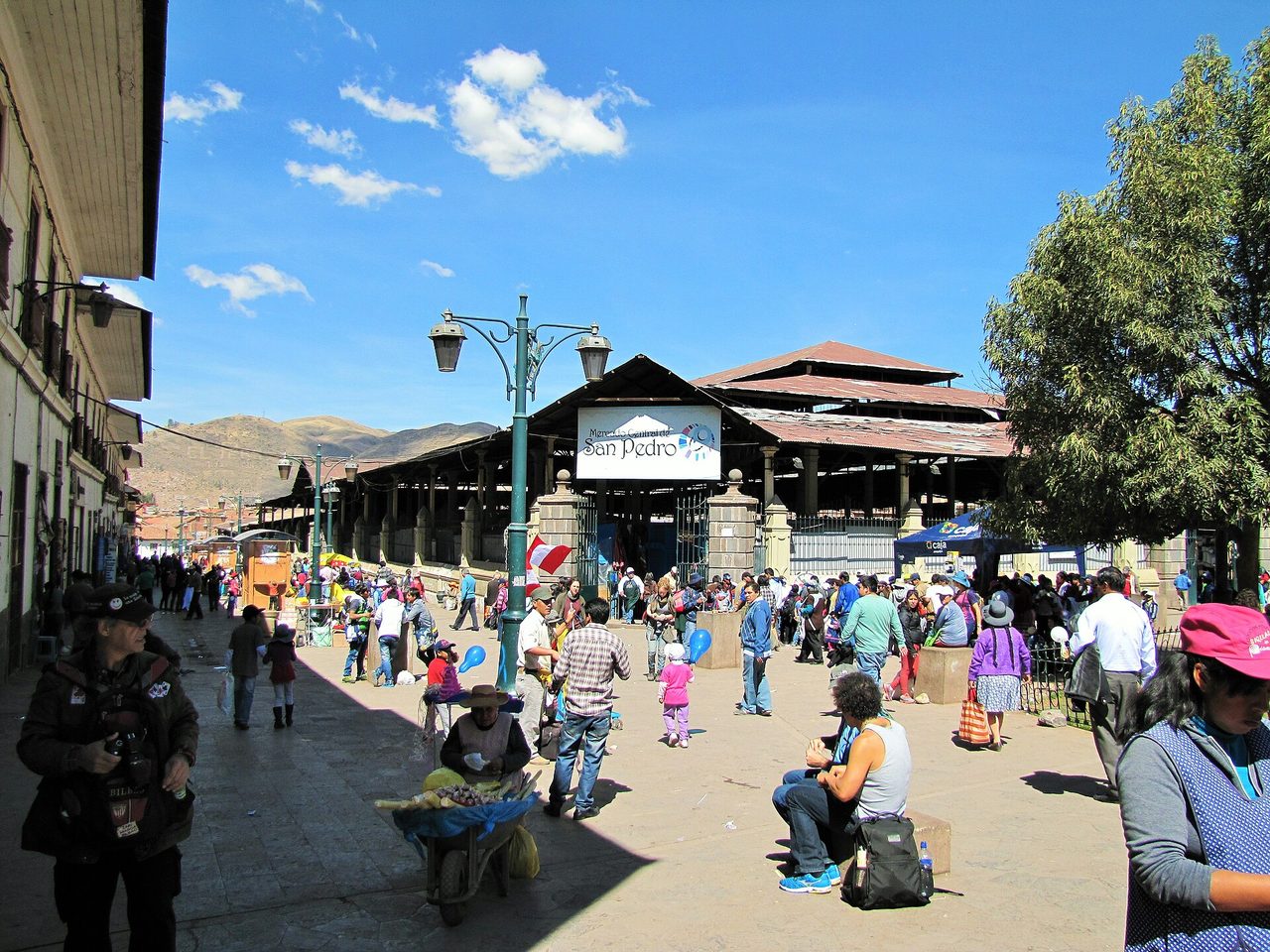
Where else to go when the Andes are wet
Peru is three countries wearing a trench coat, and the cheap months differ by region. This is the biggest structural saving available to a flexible traveller: go somewhere that is having a good season while its prices are set by Cusco’s bad one.
- The coast. December to March is summer in Lima and along the southern coast. Paracas, the Nazca desert and the beaches are at their best exactly when Cusco is at its wettest.
- Arequipa and Colca. Light rain in the wet months rather than heavy, condors flying year-round, and a city that is a pleasure in any weather. Underrated as a low-season base.
- The Amazon. High water from roughly November to April opens up creeks and flooded forest that boats cannot reach later in the year, and lodges cut rates. Bring a poncho and stop worrying. Our guide to the Peruvian Amazon goes into the high-water versus low-water trade-off properly.
- The far north. Chachapoyas, Kuelap, the Moche sites around Trujillo and Chiclayo. Northern Peru gets a fraction of the visitors and prices barely move across the year.
Within the Cusco region itself, the rain is worst in the afternoons and the mornings are frequently clear. That makes wet-season days work if you front-load them: leave early, see the site, be back by two. Day trips out of Cusco mostly follow that shape anyway. High-altitude ones are the exception — Rainbow Mountain in February is a mudslide with a queue, and I would skip it.
A word on altitude, which costs money too
Cusco sits at 3,400 m and Machu Picchu at 2,430 m. People who fly straight from sea level into Cusco and start a tour the same afternoon lose a day to headaches and nausea often enough that it belongs in a budget article. A wasted acclimatisation day costs whatever your daily rate is, and a cancelled tour costs more. Plan the altitude properly: two easy nights in Cusco or, better, a first night lower down in the Sacred Valley at around 2,800 m. It is free, and it is the cheapest insurance on the trip.
Frequently asked questions
What is the single cheapest month to visit Peru?
February, in the Andes, by a clear margin. It is also the wettest, the month the Inca Trail is closed, and the month with the highest chance of a rail disruption. If you want cheap with fewer strings, November.
How much cheaper is low season, really?
On accommodation, 30 to 50 percent in Cusco and more in Aguas Calientes. On the trip as a whole, more like 10 to 20 percent, because entry fees, trains, buses and food do not change. The shorter your trip, the smaller the percentage.
Does the Machu Picchu ticket price change by season?
No. It is set by the Ministry of Culture and is the same in February as in July: S/163 for a foreign adult, S/211 for the circuits including Huayna Picchu or Machu Picchu Mountain. What changes is availability, and how far ahead you need to buy.
Is Machu Picchu open in the rainy season?
Yes, every day of the year. The site does not close; the Inca Trail does, for all of February. Rain in the wet months tends to come in the afternoon, so an early entry slot is the best defence. Dress for it — a proper rain jacket, not a poncho over a hoodie.
How many days do I need if I am going in low season?
More than you would otherwise. I would add two buffer days to whatever your plan says, which for most people means ten days rather than eight. Those buffer days are cheap in low season. Missing your Machu Picchu slot is not.
Are flights to Peru cheaper in low season?
Yes, and this is the biggest single saving on the whole trip. International airfare to Lima can drop 20 to 35 percent between August and February. Domestic Lima–Cusco fares also fall, but from a low base — one-way fares in the region of $55 to $95 in January against maybe $90 to $130 in July, with the low-cost carriers usually undercutting the flag carrier.
Is Peru cheap compared with other destinations?
On the ground, yes — food, transport and accommodation are all inexpensive by North American or European standards. The Machu Picchu day is the outlier, and it is expensive in any month. Budget it separately and the rest of the country feels very reasonable. Our full breakdown of what a Peru trip costs goes line by line.
Can I do Peru cheaply without Machu Picchu at all?
You can, and for a certain kind of traveller it is the single biggest saving available. Removing the citadel removes the train, the shuttle, the entry fee and the Aguas Calientes hotel night in one go — several hundred dollars. There is a whole case for a Peru trip that skips Machu Picchu, and the money goes a long way in Arequipa, the north and the Amazon.
What is the cheapest way to actually reach Machu Picchu?
The Hidroeléctrica route on public transport, walking the last stretch along the tracks, then walking up to the gate. It costs a fraction of the train and takes most of two days of your life. Whether that trade is worth it depends on how you value your time; our guide to getting from Cusco to Machu Picchu lays out every option side by side.
Should I book a package or arrange it myself?
Arranging it yourself is nearly always cheaper, and in low season it is also lower risk, because you are not tied to a fixed operator schedule when the weather turns. Packages earn their margin in July when availability is the constraint. In February availability is not the constraint. Read our practical tips for travelling in Peru before you hand anyone a deposit.
What I would actually book
If money is genuinely the binding constraint and nothing else matters: early February, two weeks or more, coastal and urban Peru with one carefully-buffered run at Machu Picchu, refundable rooms throughout. You will spend less than at any other time of year and you will see the country at its greenest.
If money matters but so does the trip: October, or the last week of April. You pay roughly 10 to 15 percent more than the floor and you buy back the trekking season, the odds of a clear morning and a working railway. That is the trade I would make almost every time, and it is the one the cheapest-month articles never actually put a number on.