Is Lima Safe? A Traveler’s Safety Guide
Lima is a city where violent crime against tourists is rare and opportunistic theft is common. Here is the district-by-district picture, the scams worth knowing by name, and what the state of emergency actually means for visitors.
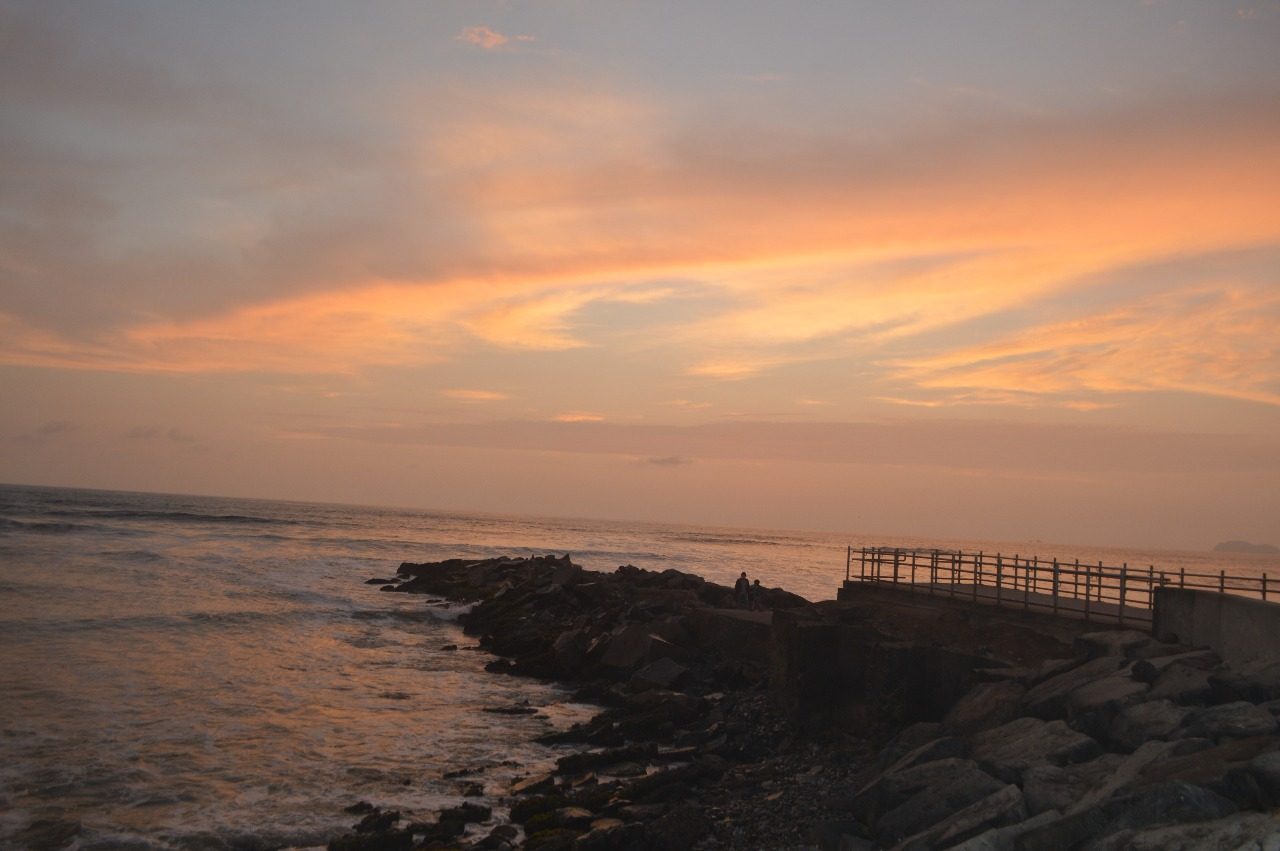
Is Lima safe? Yes, mostly — and the honest version of that answer is far more useful than either of the two you normally get. One camp insists Lima is perfectly safe and you will be fine. The other camp reads a headline about a state of emergency, pictures soldiers on street corners, and tells you to skip the city entirely and connect straight through to Cusco. Both are wrong, and both leave you badly calibrated for the moment you actually walk out of Jorge Chávez airport at eleven at night with your bags.
Here is the frame I would give a friend. Violent crime against foreign tourists in Lima is rare. Opportunistic theft is common, organised, and worth taking seriously. The gap between those two sentences is the whole article. If you understand it, you will spend a week in Lima eating extremely well and thinking about safety for maybe ninety seconds a day. If you do not, you will either lose a phone in the first hour or waste your trip being frightened of a city that mostly wants to sell you a sandwich.
I have written this the way I wish someone had written it for me: district by district, scam by scam, with the specific behaviour that actually reduces risk rather than a list of platitudes about “staying aware of your surroundings.” If you are still deciding whether Lima earns a place in your trip at all, my honest view is that it does — the food alone justifies two nights, and there is a lot more to do in the Peruvian capital than most itineraries admit.
So, is Lima safe? The short answer
Lima is a capital city of roughly ten million people where the realistic risk to a visitor is being robbed of a phone, a bag, or a wallet, usually without violence and usually in a predictable place at a predictable time. The realistic risk of being hurt is low. The risk of being murdered, kidnapped for ransom, or caught in a cartel dispute is very low and is not what is happening to tourists here.
Three things drive almost every incident that actually happens to visitors:
- Your phone being out of your pocket near a road. This is the single biggest one. Motorbike snatching is a trade in Lima, and a distracted foreigner holding a large phone at the kerb is the ideal customer.
- Getting into a car you did not book through an app. Street-hailed taxis are the mechanism behind nearly every serious incident involving a tourist in Lima.
- Being somewhere emptying out after dark. Not a “bad district” — an ordinary street that had two hundred people on it at 7pm and has four at 10pm.
Fix those three and you have removed most of your exposure. Everything else in this guide is refinement.
What the numbers actually say — and what they don’t
I am wary of safety articles that quote precise-sounding percentages with no source, so here is what I can stand behind, with the caveat attached to each.
Homicide. Lima’s homicide rate was reported at around 7.7 per 100,000 residents for 2024 in Peruvian police and municipal figures compiled by regional crime analysts. For context, that put Lima below Bogotá and Panama City (both around 15), below San José in Costa Rica (around 13), and roughly level with or below Mexico City (around 10). Nationally, InSight Crime’s 2025 homicide round-up put Peru at about 10.7 per 100,000, up from roughly 10.1 the year before. That national rise is real and it is the reason for the political temperature. It does not make Lima one of the region’s dangerous capitals; it makes it a capital where the trend is going the wrong way from a comparatively low base.
Victimisation. INEI, Peru’s national statistics institute, runs a household victimisation survey. Its urban figure has hovered around 27–28 per cent of people reporting being a victim of some crime in the previous six months (27.1 per cent for 2023, 27.7 per cent more recently). Read that carefully: it counts everything from a stolen phone to a fraudulent bank transfer, it surveys residents rather than visitors, and residents commute daily through parts of the city you will never see. It is a useful signal about direction and a bad proxy for your personal risk on a five-day trip.
Travel advisories. The US State Department has Peru at Level 2, “Exercise Increased Caution” (reissued 16 May 2025 at time of writing), the same level it applies to France, Italy and Spain. Its Level 4 “Do Not Travel” zones in Peru are the Colombian border area in Loreto and the VRAEM valley — both hundreds of kilometres from Lima and from anywhere on a normal tourist route. The UK FCDO flags street crime in Miraflores and Barranco specifically, which is a fair call rather than a scare.
What I will not give you is a made-up figure for “percentage of tourists robbed.” Nobody collects it. Any site quoting one has invented it. The honest statement is that Peru’s tourism ministry and the tourist police handle a steady flow of theft reports from visitors and a very small number of assault reports, and that the ratio between those two categories is the thing worth knowing.
The state of emergency, explained properly
This is where every competing page either goes silent or goes hysterical, so let me spend some words on it.
What has actually happened
Since March 2025, the Peruvian government has repeatedly declared and extended a state of emergency covering Metropolitan Lima and the neighbouring port province of Callao. The trigger in March 2025 was the killing of Paul Flores, singer with the cumbia band Armonía 10, whose tour bus was attacked — a case that crystallised public anger about extortion of musicians, bus operators and small businesses. The measure has been renewed at roughly 30 to 60-day intervals ever since, with further extensions reported in January, March, April and June 2026. There was also a separate emergency declaration in October 2025 tied to street protests rather than to organised crime. In practice, Lima has been under some form of emergency decree for most of the last eighteen months. Assume one is in force when you travel and check the current position before you fly.
What a Peruvian state of emergency legally is
Under Article 137 of Peru’s constitution, a state of emergency can be declared for up to 60 days at a time and suspends four specific constitutional guarantees: inviolability of the home, freedom of assembly, freedom of movement within the territory, and personal liberty and security (meaning police can detain without a warrant). It also allows the armed forces to assist the police in maintaining public order. That is the entire mechanism. It is not martial law, there is no curfew in Lima under the current decrees, nothing closes, and no permission is required to move around the city.
Why it does not mean tourists are being targeted
The crime wave behind these decrees is an extortion economy, and extortion needs a recurring victim with a fixed address and a cash flow. That means bodegas, restaurants, construction sites, schools, market stalls, and above all transport — combi and bus operators, who have been shot at and killed for refusing to pay weekly cupos. Peruvian prosecutors logged extortion complaints in the tens of thousands, with reported figures around 18,000 in a recent year and a roughly 30 per cent year-on-year rise.
A tourist is a terrible extortion target. You have no fixed premises, no repeat revenue, and you leave in four days. What you are exposed to is the entirely separate, much older layer of street crime: snatch theft, distraction theft, taxi crime. Those two things get reported under the same headline word — “crime in Lima” — and they are not the same phenomenon at all. When a Peruvian friend tells you the security situation is bad, they are usually talking about the extortion of their cousin’s hardware shop, not about your walk along the Malecón.
The one practical way an emergency decree touches your trip: more soldiers and police visible on the street, occasional vehicle checkpoints, and a slightly higher chance that a protest closes a road in the historic centre. Build buffer time into airport transfers — the ways of getting from Jorge Chávez into the city differ a lot in how much slack they leave you — and do not photograph confrontations. That is genuinely the extent of it.
Lima district by district
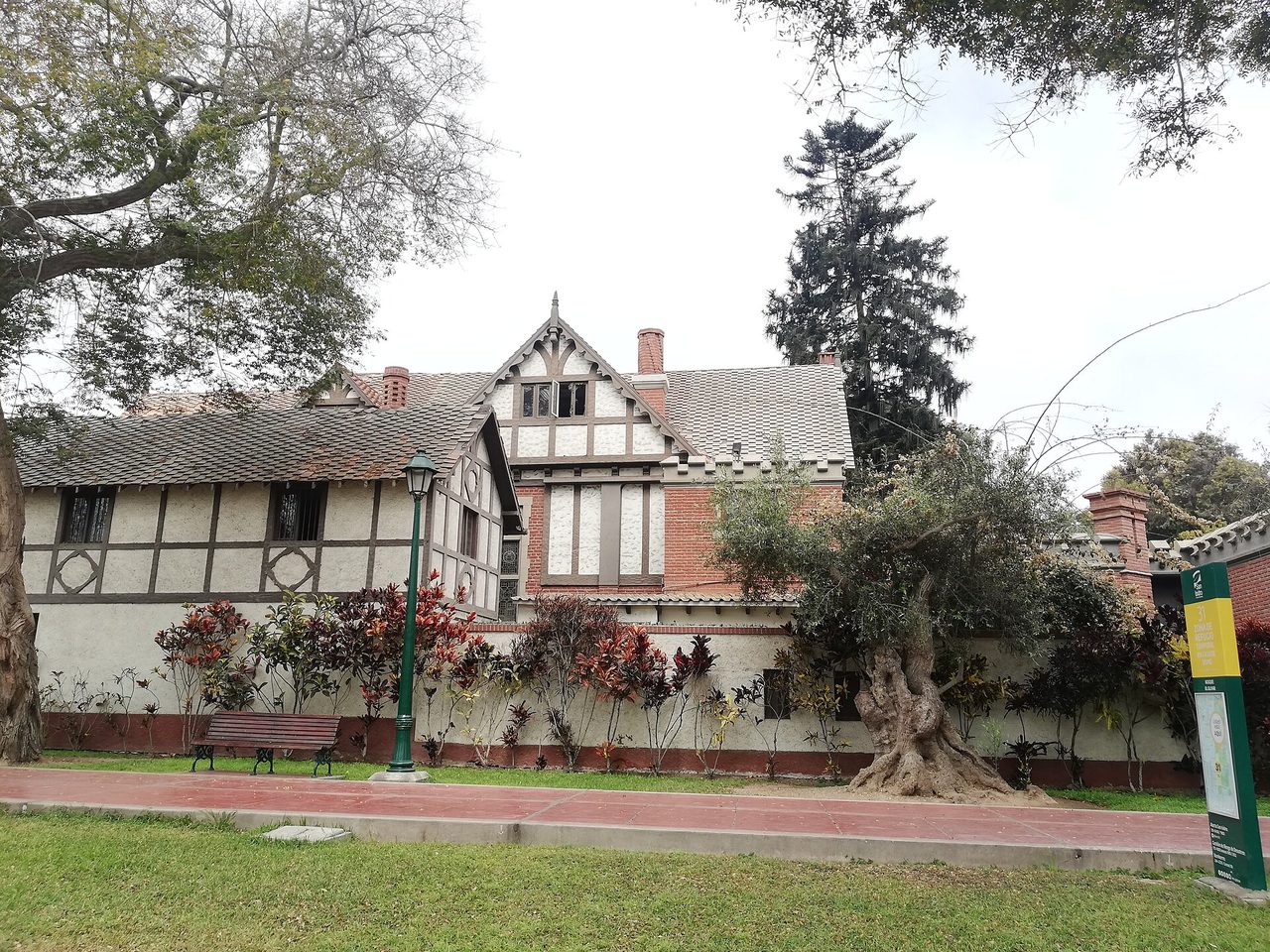
Lima is 43 districts, not one city, and generic advice is useless because the difference between two adjacent ones can be enormous. Below is how I would brief someone. “Safe by night” throughout means main lit streets with other people on them, not empty back blocks at 3am — a distinction that applies in Lisbon and Chicago too.
| District | Safe by day | Safe by night | Worth visiting? | The specific risk |
|---|---|---|---|---|
| Miraflores | Yes | Yes, on main streets | Yes — default base | Motorbike phone snatching on Larco, Pardo and Benavides; bags lifted from pavement cafe tables; street taxis at closing time |
| San Isidro | Yes | Yes, but very quiet | Yes, if you want calm | Marcaje — being followed after a bank withdrawal in the financial core; empty streets after 10pm |
| Barranco | Yes | Yes in the core, no on the edges | Yes — best evening district | Pickpocketing in the crowd at the Puente de los Suspiros; drunk visitors targeted after 1am on the fringes toward Chorrillos |
| Santiago de Surco | Yes | Yes | Only if staying there | Sprawling and car-oriented; the risk is long dark walks between rides, not the district itself |
| Magdalena del Mar | Yes | Yes, early evening | Decent budget base | Opportunistic theft near the market and along Av. Brasil; quiet late |
| Jesús María | Yes | Yes on main avenues | Campo de Marte, and that’s about it | Named repeatedly in reporting on bank-marking gangs working outside branches |
| Pueblo Libre | Yes | Mostly, but sleepy | Yes — two excellent museums | Very quiet residential streets after dark; take a ride rather than walking home from dinner |
| Centro Histórico | Yes, genuinely | No — leave by dusk | Yes, absolutely, by day | Pickpocketing in the crowds on Jirón de la Unión and Plaza San Martín; plazas empty after 8pm; protests concentrate here |
| La Victoria / Gamarra | Daylight, alert | No | Only for the garment market | Professional pickpocketing inside Gamarra; street robbery on the surrounding blocks. No phone, no jewellery, no daypack on your back |
| Callao | Airport and Callao Monumental only | No | Monumental, on a guided visit | Armed robbery and territorial gang conflict away from the guarded blocks; treat the rest as a transit zone |
| Rímac | Main route only | No | Los Descalzos, Acho, Cerro San Cristóbal | Robbery on the side streets a block off the tourist route; go by vehicle to San Cristóbal, never walk up |
| Comas | With a local | No | No visitor reason | Ordinary working district with high street-robbery rates and no tourist infrastructure |
| San Juan de Lurigancho | With a local | No | No visitor reason | Peru’s most populous district; consistently near the top of Lima’s robbery and extortion reports |
One thing I want to be careful about. Comas, San Juan de Lurigancho and most of Callao are where over a million perfectly ordinary Limeños live, work, raise children and run businesses. They are not lawless zones and describing them that way is both wrong and insulting. What is true is that they have higher street-robbery rates, no visitor infrastructure, and nobody around who is used to explaining things to a lost foreigner. That combination, not danger in the abstract, is why I would not send you there unaccompanied.
For a much fuller treatment of which district suits which kind of trip — budget, walkability, noise, distance from the airport — I have written that up separately in the guide to choosing a Lima neighbourhood to base yourself in, and there are dedicated deep dives on the Miraflores clifftop district and Barranco’s bohemian quarter.
The scams and crimes worth knowing by name
Vague warnings do not change behaviour. Named, specific ones do, because you recognise the pattern as it starts.
Express kidnapping (secuestro al paso)
The most serious thing on this list, and the least likely if you follow one rule. You get into an unmarked taxi hailed on the street. A few blocks later the driver stops, one or two accomplices get in, and you spend the next hour being driven between ATMs while they empty your daily withdrawal limit, then made to authorise transfers on your banking app. It usually ends with you being put out somewhere far from your hotel, shaken and poorer. Violence beyond intimidation is not typical but it happens.
Cases have been documented on Av. Larco and Av. José Pardo in Miraflores, on the Barranco strip and around the San Isidro financial district — in other words in the nice areas, late, outside bars. The neighbourhood is not the variable. The car is.
What to do: never hail a taxi on the street in Lima. Not once, not for a short hop, not when your app says fourteen minutes. Use Uber, Cabify, DiDi or InDrive, check the plate against the app before you open the door, and share the ride. If you are somewhere with no signal, ask the restaurant or bar to call a taxi for you — a driver who is known to the venue is a different proposition from one who happened to be idling outside it. Lower your daily ATM and transfer limits in your banking app before you travel; it caps the worst case.
Phone snatching from motorbikes and cafe tables
Two men on a motorbike, pillion rider takes the phone from your hand as they pass, and they are into traffic before you have finished the sentence you were saying. It happens at kerbs, at crossings, at bus stops, and in slow-moving traffic through an open car window. The other version is quieter: you put your phone face down on an outdoor table on Av. Larco, someone drops a menu or a newspaper over it, apologises, picks it up, phone included.
What to do: do not use your phone within arm’s reach of a road. If you need the map, step into a shop doorway, a bank lobby or a cafe and stand with your back to a wall. On a pavement table, put the phone in your lap or your front pocket, not on the table, and loop your bag strap around your leg or the chair frame. In a taxi in traffic, keep the phone below window level. None of this is paranoid; it is what Limeños actually do, and you will notice it once you start looking.
Marcaje — being marked at the bank
A woman queuing behind you in a bank branch is not queuing. She is a marquera. She watches the amount you withdraw, signals it to a team outside by phone, and you are followed — sometimes for several blocks, sometimes by motorbike for kilometres — until you are somewhere convenient to rob. Peruvian police have dismantled multiple gangs built entirely around this, including family operations working branches in Jesús María, and the sums involved run to six figures in soles.
It is overwhelmingly aimed at Peruvian businesspeople carrying payroll or takings, not at tourists withdrawing 400 soles. But the technique scales down, and a foreigner counting a fat stack of notes in a doorway is conspicuous.
What to do: withdraw modest amounts, put the cash away inside the branch or the mall before you step outside, never count money on the street, and if you have taken out a large sum, take a ride rather than walking. If the same person or motorbike appears twice in five minutes, go into a hotel lobby, a bank or a supermarket and wait. Do not go back to your accommodation while you think you are being followed.
ATM skimming and which machines to use
Card skimming in Lima is mostly a matter of which machine you choose. Standalone ATMs in the street, in small shops, in petrol stations and outside nightlife venues are the ones tampered with, because nobody is watching them at 3am.
What to do: use ATMs inside a bank branch during opening hours, or inside a large supermarket (Wong, Vivanda, Metro, Plaza Vea) or a mall. Cover the keypad with your other hand every single time. Give the card slot a firm tug before inserting. Decline the machine’s offer to do the currency conversion for you — that is dynamic currency conversion and it is a bad rate, always choose to be charged in soles. Refuse help from anyone who approaches while you are at the machine, however official they look. BCP, BBVA, Interbank and Scotiabank all charge a withdrawal fee of roughly S/18–25 per transaction for foreign cards, so take out larger amounts less often — but see the marcaje section above and put it away before you leave.
Counterfeit soles, and how to check a note
Fake notes circulate widely in Peru, especially S/50 and S/100, and the classic delivery is a taxi driver or market stall handing you a fake as change, or swapping the good note you just handed over for a fake and telling you it is no good. Once you have accepted one, no shop will take it and no bank will replace it. The Banco Central has reported counterfeits in the range of a couple of notes per ten thousand in circulation, which sounds trivial until you realise they are concentrated in exactly the transactions tourists make.
How to check one in three seconds:
- Feel it. Real soles are cotton, not paper, and the ink is raised — run a fingernail across the portrait and the large numeral. Fakes feel smooth and slightly waxy.
- Tilt it. The large denomination numeral is printed in colour-shifting ink and changes colour as you tilt. This is the one counterfeiters cannot reproduce well.
- Hold it to the light. The watermark portrait should be sharp and three-dimensional, and there should be a continuous security thread. A blurry, flat watermark means no.
Also refuse any note that is torn, taped or missing a corner, because you will not be able to spend it. And when a driver tells you your note is fake, do not hand over a second one — ask for the first one back and look at it, because the swap is the scam.
The mustard trick and other distraction thefts
Something warm and wet lands on your shoulder or your back. Mustard, ketchup, ice cream, bird droppings, or a bottle of water that someone knocks over. A helpful stranger appears immediately with tissues and starts dabbing at you. During the fifteen seconds of contact, your bag is open and your wallet is gone. Variants: a fistful of coins dropped at your feet, a small child pressed against you, a folded map or newspaper held up in front of your chest while you are asked directions.
What to do: the rule is simply that anyone who touches you, or creates a mess involving you, gets both of your hands on your bag and a step backwards. Say no gracias and keep moving. Clean yourself up later, in a cafe. It feels rude and it is the correct response.
Taxi meter and fare scams
Lima taxis have no meters, which surprises people. The fare is negotiated before you get in, always, and there is no legal rate to appeal to. The scams are the classic ones: quoting in dollars and then claiming they meant soles per person, taking a spectacularly long route, claiming they have no change for your S/100 and keeping it, or driving you to a hotel that pays them commission instead of the one you asked for.
What to do: use an app, where the price is fixed in advance and there is a record of the trip. If you must take a street-called taxi through a hotel or restaurant, agree the number and the currency out loud before you open the door, and carry small notes. Never accept a taxi offered to you by someone approaching you in the arrivals hall at the airport — use the official counters inside the terminal or an app from the designated pickup area. The airport run is where more trips go wrong than anywhere else, which is why it is worth planning your transport across Peru before you land rather than improvising at the kerb.
Getting around: what to use and what to skip
Ride-hailing apps. Uber, Cabify, DiDi and InDrive all work in Lima and all are used by locals. They are the default. Cabify tends to be the most expensive and has the best-vetted drivers; InDrive lets you negotiate the fare and correspondingly attracts the loosest end of the market. Match the plate and the driver’s face before opening the door, sit in the back, and if the driver asks you to cancel the trip and pay cash, get out. A Miraflores to historic centre ride runs roughly S/20–35 depending on traffic; airport to Miraflores is roughly S/50–80 by app and considerably more from the official airport counters.
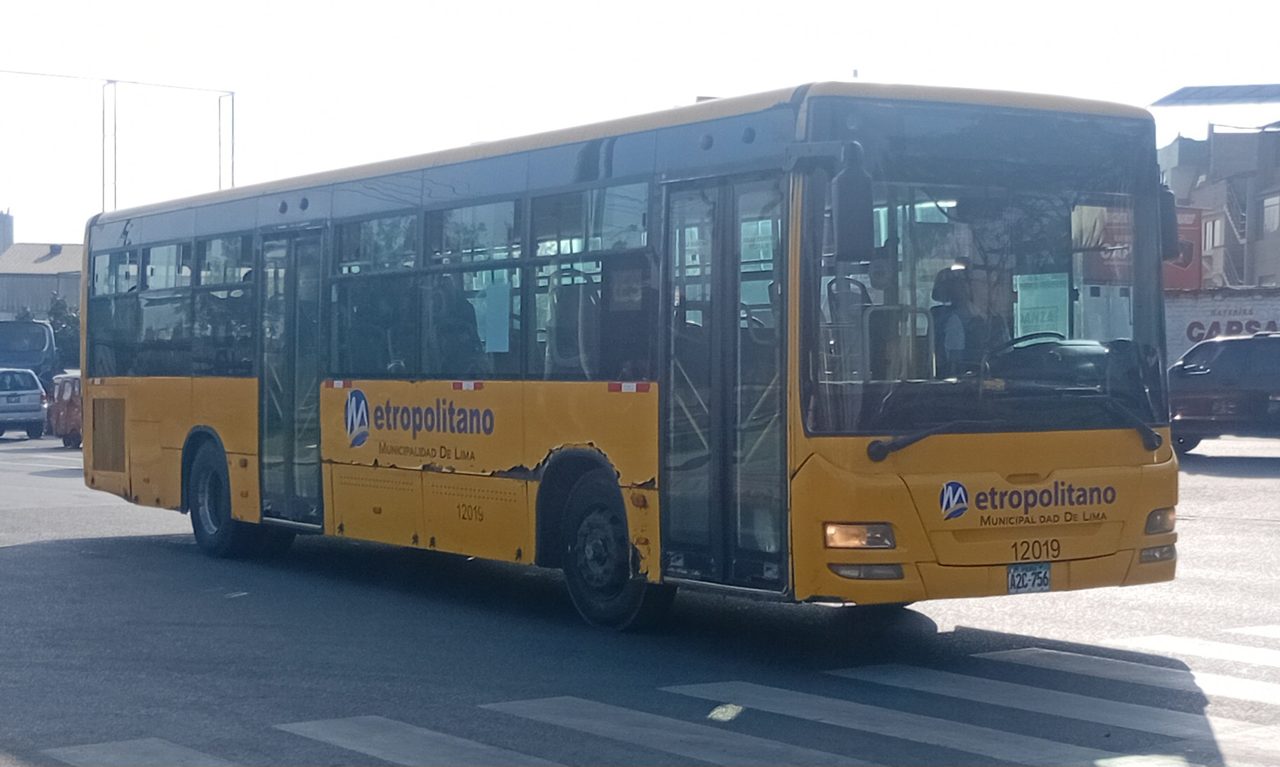
The Metropolitano. Lima’s bus rapid transit line runs in a dedicated lane from Chorrillos through Barranco, Miraflores and San Isidro into the centre and north to Comas. It is clean, cheap (around S/3.50), and by far the fastest way to reach the historic centre at rush hour, when a taxi will sit still on the Vía Expresa. It is also packed to the point of absurdity between 7–9am and 5–8pm, and packed buses are where pickpocketing happens. I use it happily in the middle of the day with a front-pocket wallet and nothing in a backpack. I would not use it at peak hour with luggage.
Line 1 of the Metro. Fine, but it does not go anywhere tourists need.
Combis and custers. The privately run minibuses with a man hanging out of the door shouting destinations. They are cheap, they are how most of Lima moves, and they are also the vehicles most involved in road deaths and the ones whose operators are being extorted. As a visitor with no Spanish and no idea of the route, the value is close to zero. The last combi of the night, in particular, is a bad idea for reasons that have nothing to do with tourism.
Walking. Miraflores, Barranco, San Isidro and Pueblo Libre are pleasant to walk. The Malecón clifftop path is one of the better urban walks in South America and is fine day and evening. Walking between districts is generally not worth it — the distances are longer than they look and the connecting stretches are dull and empty.
The risks that actually injure tourists
If a visitor to Lima ends up in a hospital, it is usually not because of crime.
Traffic, which is the real hazard
Lima drivers do not yield at pedestrian crossings. This is not an exaggeration or a cultural stereotype; it is a driving norm. A zebra crossing in Lima is a suggestion, a green pedestrian signal is a statement of intent rather than a guarantee, and turning vehicles will come through a crossing while you are on it. Buses and combis compete for passengers and change lanes accordingly. TomTom’s traffic index has ranked Lima among the ten most congested cities in the world, with average travel times of around 33 minutes per 10 kilometres.
Cross with a group of locals whenever you can. Make eye contact with drivers. Look left, right, and left again even on a one-way street, because motorbikes go the wrong way. Treat the Vía Expresa and the Costa Verde as motorways, because that is what they are, and only cross them at bridges. If you take nothing else from this article, take this one — it is the risk most likely to actually hurt you and the one nobody writes about.
The Costa Verde cliffs and the sea
The cliffs below Miraflores and Barranco are unstable conglomerate, they shed rocks, and there are netting and warning signs along the base for a reason. Do not walk or park directly beneath them, particularly after any seismic activity.
The water is a bigger issue. Lima’s beaches have strong rip currents, a steep shore break in places, and cold water year-round thanks to the Humboldt Current — typically 15–20°C. The beaches are mostly stone rather than sand. Lifeguards are seasonal and concentrated at a few points in summer (January to March). Playa Makaha and Redondo attract surfers who know exactly what they are doing; casual swimmers get into trouble. Water quality is also variable near the city. I would swim in Peru on the beaches further down the southern coast rather than at the foot of the Costa Verde.
Food and water
Do not drink the tap water in Lima. Nobody does — Limeños buy bottled or boil it. Ice in established restaurants and bars is made from purified water and is fine; ice from a street cart is a gamble. Ceviche made with raw fish is the thing everyone worries about and, in a busy restaurant at lunchtime, it is one of the safest things you can eat, because the turnover is enormous and the acid does real work. Ceviche at 9pm from a place with three customers is a different proposition; the traditional rule that ceviche is a lunch dish exists for exactly this reason.
Street food is a genuine pleasure here. Pick the cart with the queue, watch the food be cooked in front of you, and skip anything sitting at room temperature. Anticuchos, picarones and churros from a busy stall have never caused me a problem. If you want to eat properly rather than defensively, Lima has one of the best food scenes on the continent, and the restaurant landscape in the capital and the wider world of Peruvian cooking are the main reason to give the city more than one night.
Altitude is not a thing in Lima
This confusion comes up constantly, so let me be blunt about it. Lima is at sea level. It is on the Pacific coast, at roughly 150 metres, and altitude sickness is physiologically impossible there. You will feel nothing.
Altitude matters later in your trip. Cusco sits at about 3,400 m and is where people get hit, usually on day one after flying in from Lima. Machu Picchu itself is at 2,430 m, which is meaningfully lower than Cusco — another point people get backwards. Lake Titicaca and Puno are higher again at around 3,800 m. If anything, a couple of nights in Lima at the start of a trip is a mild advantage: you rest at sea level, then go up. The practical planning for this is covered in the guide to acclimatising to Cusco’s altitude, and it matters more for how you sequence a Peru itinerary than most people realise.
Earthquakes
Lima is seismically active and small tremors are routine. Modern hotel buildings are built to code and the risk to you on a short trip is low. Note where your building’s marked safe zones are — the S in a circle painted on walls and floors — and that is enough.
Solo female travel in Lima
Plenty of women travel Lima alone and have an entirely uneventful time. Two things are worth saying properly rather than in a disclaimer.
The first is street harassment. Piropos — comments, whistles, hisses, remarks from car windows — are common in Lima and more common outside Miraflores, Barranco and San Isidro. It is persistent, it is wearing, and it very rarely escalates into anything physical. The consensus among women I have talked to about this, both travellers and Limeñas, is the same: do not engage, do not make eye contact, do not smile politely, keep walking at the same pace. Headphones help even if nothing is playing. “Déjame en paz” delivered flatly is the phrase to have ready. Peru has criminalised street sexual harassment, and while enforcement is patchy, entering a shop and asking for help is a reasonable move if someone follows you.
The second is transport, because this is where the documented incidents involving solo women in Peru cluster. Late at night, alone, in an unverified vehicle, is the specific combination to avoid. Book the ride in the app while you are still inside the venue, share the trip link, sit in the back, and if anything about the driver or the vehicle does not match, cancel and rebook. It costs you three minutes.
Practical things that help: choose accommodation in Miraflores or Barranco with 24-hour reception rather than a keybox apartment, especially for a late arrival; pre-book the airport transfer for a night landing; and consider a group walking tour or a cooking class on day one so you get oriented without walking around holding a phone. Solo women drink alone in bars in Barranco without incident, but the standard precautions about watching your own drink apply here as anywhere. For general habits that carry across the whole country, my broader practical tips for travelling in Peru covers the rest.
LGBTQ+ travellers in Lima
Lima is the most comfortable city in Peru for LGBTQ+ visitors, and it is still a more conservative environment than a Western European capital. Both halves of that sentence are true.
The legal position. Same-sex relationships are legal. Same-sex marriage is not recognised in Peru and there is no civil union framework, although courts have ordered the registration of some marriages performed abroad and the issue has been live in the constitutional courts for years. Anti-discrimination protections covering sexual orientation and gender identity have existed since 2017. In 2024 the health ministry issued a decree classifying trans identities under an outdated diagnostic framework, which prompted large protests in Lima by more than sixty LGBTQ+ organisations; Peru’s Supreme Court struck the decree down as unconstitutional in April 2026. The direction of travel is positive and the ground is still moving.
What it feels like on the ground. In Miraflores, Barranco and San Isidro, a same-sex couple checking into a hotel together, eating together, or holding hands on the Malecón will draw very little attention. Hotel staff at the mid and upper end are used to it and will not query a double bed. Lima has an established gay scene, mostly clustered around Miraflores and central Lima, and Barranco’s bars are the most relaxed of anywhere in the country. Outside those districts, and outside Lima in smaller Andean towns, public affection between same-sex partners will get stares and occasional comments, and most couples I know simply dial it down without feeling especially oppressed by doing so.
Trans travellers should plan more carefully. A mismatch between your passport gender marker and your presentation can create friction at immigration, at domestic airline check-in, and in hotels, since ID is recorded on arrival. Peru does not have a straightforward administrative route to change gender markers. Carry documentation, expect questions to be bureaucratic rather than hostile, and budget extra time at Jorge Chávez.
What Lima is not good for
An honest guide has to include the things I would tell you not to do, without hedging them into uselessness.
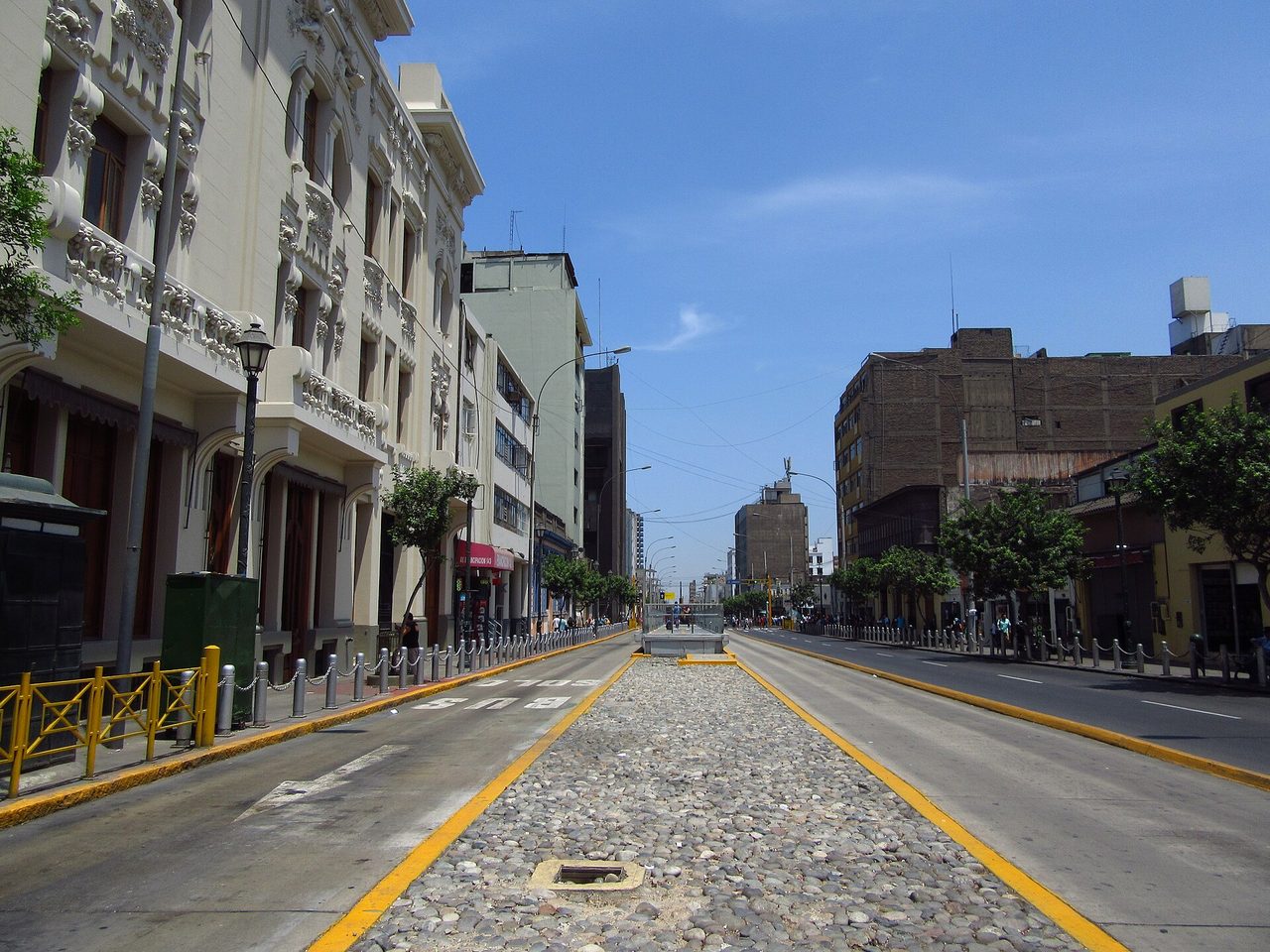
- Do not wander the historic centre after dark. By day it is superb and you should absolutely go. After roughly 7pm the plazas empty, the surrounding blocks toward Barrios Altos and the Mercado Central become genuinely bad, and there is no reason for you to be there. Go for the day, leave before dusk, come back to Miraflores or Barranco to eat.
- Do not hail a taxi in the street. Ever. This is the one rule I would not bend.
- Do not take the last combi. Or any combi late at night. The people robbing combis are not interested in you specifically; you will simply be on board.
- Do not carry a passport around. A photo on your phone plus a photocopy is accepted everywhere in Lima. Leave the original in the hotel safe.
- Do not wear an expensive watch, visible jewellery, or a camera on a neck strap. Especially not in the centre, in Gamarra, or on public transport.
- Do not accept drinks from strangers or leave yours unattended in Barranco or Miraflores nightlife. Drink-spiking robberies happen here as they do everywhere.
- Do not resist a robbery. Peruvian police, embassies and every local will tell you the same thing. Hand it over. Phones are insured; you are not.
- Do not go to Callao Monumental independently. The art project itself is worth seeing and the guarded blocks are fine. Getting there and back on your own is where it goes wrong. Go with a tour or a local.
- Do not plan a beach day at the Costa Verde. Cold, stony, rippy, and near a city outflow. If you want a beach, go south.
If something goes wrong
Emergency numbers. Police 105. Ambulance (SAMU) 106. Fire 116. These work from any phone. Operators may not speak English; if you need translation, call your hotel and put them on. Peru’s interior ministry also runs a reporting line, 1818, used mainly by residents to report extortion.
The tourist police (POLTUR). Peru has a dedicated tourism police unit, sometimes called the Águilas Blancas, created specifically to handle cases involving foreign visitors. They are stationed near major tourist areas in Lima, Cusco, Arequipa and elsewhere, generally speak some English, and their practical function for you is filing a denuncia — the formal police report you will need for any insurance claim, and for a replacement passport. They will also help with lost documents and with the administrative side of a theft. What they will not do is recover your phone. Go in person, take your passport or a copy, and expect it to take an hour or two. Your hotel will know the current nearest office, which is a better bet than an address from a website. MINCETUR’s iPerú tourist information service also runs a 24-hour assistance line and staffs a desk in the arrivals hall at Jorge Chávez.
Immediately after a theft: get somewhere public and calm first — a hotel lobby, a chain cafe, a supermarket. Block your cards through the app or the bank’s international line. Suspend or wipe the phone remotely. Then file the denuncia. Insurers routinely reject claims without one, and they routinely reject claims filed several days late, so do it the same day.
Medical. Private clinics in Lima are good and are used to foreign patients — Clínica Anglo Americana in San Isidro, Clínica Ricardo Palma in San Isidro and Clínica Delgado in Miraflores are the ones most often used by visitors. They will want a card or an insurance guarantee up front. Public hospitals are free but slow and are not where you want to be with a broken ankle. Travel insurance is not optional here, and it is a small line on any realistic budget for a Peru trip.
How Lima compares, and what I actually do there
My own baseline: Lima requires more attention than Santiago or Buenos Aires, about the same as Mexico City or São Paulo, and considerably less than Caracas or Guayaquil. In European terms, think Naples or Marseille rather than Vienna. That is the register.
What I actually do when I am there: I walk the Malecón at any hour of the day and early evening without thinking about it. I use apps for every single car journey. I keep one card and about S/100 in a front pocket and everything else in the hotel. I take the Metropolitano to the centre at midday and an app back. I eat street food. I do not walk anywhere with a phone in my hand. That is the entire protocol, and it has never failed me.
If you are still weighing up how many days Lima deserves against the rest of the country, my view is two nights minimum and three if you care about food. It is not competing with Machu Picchu for your attention; it is the place you land and the place you eat, and it does both well. The timing of a Peru trip affects Lima less than anywhere else, since the coastal winter fog from June to October is atmospheric rather than a problem, and a single well-planned day in Lima covers the essentials if that is all you have. If you have longer and want the full list, there is a lot more in the rundown of the best things to do across the city.
Frequently asked questions
Is Lima safe at night?
In Miraflores, Barranco and San Isidro, yes, on main lit streets with other people around, and I have walked all three at midnight without incident. The historic centre is not safe at night and you should not be there after dusk. Anywhere else, take a ride rather than walking. The change is rarely about the district and almost always about how empty the street has become.
Is Miraflores safe?
Yes, and it is where most visitors stay for good reason: heavy municipal security presence, walkable, well lit, full of restaurants. The crime that happens there is theft rather than violence, concentrated on Av. Larco, Parque Kennedy and the Benavides corridor, and mostly involving phones. It is safe in the sense that you will not be hurt, not in the sense that you can leave your bag on a chair.
Is Uber safe in Lima?
Safer than a street taxi by a wide margin, which is the comparison that matters. The trip is recorded, the driver is identified, the price is fixed. Verify the plate before you get in, sit in the back, share your trip, and decline any request to cancel and pay in cash. Cabify is the pricier option with tighter driver vetting if you want an extra margin.
Can you drink the tap water in Lima?
No. Buy bottled water or use a filter bottle. Ice in proper restaurants and bars is made from purified water and is fine. Brushing your teeth with tap water is what most people do without consequence, but the drinking answer is a firm no.
Does the state of emergency mean I should cancel my trip?
No. It is an administrative measure that lets soldiers assist police and permits warrantless searches, and it has been renewed almost continuously since March 2025 because of extortion of local businesses and transport operators. There is no curfew, nothing is closed, and tourist areas function normally. Check the current position before you fly, allow extra time for transfers, and avoid protests.
Is there altitude sickness in Lima?
No. Lima is at sea level, around 150 m. Altitude becomes relevant in Cusco at 3,400 m, at Machu Picchu at 2,430 m, and around Lake Titicaca at roughly 3,800 m — and a night or two in Lima before you fly up is a small help, not a problem.
How much cash should I carry in Lima?
S/100–150 in a front pocket for a normal day, plus one card. Leave a spare card and a spare S/100 in your accommodation as a backup. Most restaurants, hotels and supermarkets take cards; taxis, markets, street food and small shops want cash, and nobody has change for a S/200 note.
Is it safe to visit the historic centre of Lima?
By day, yes, and it would be a shame to skip it — the Plaza Mayor, San Francisco and its catacombs, and Jirón de la Unión are the core of the city’s history. Keep your phone away in the crowds, use a front pocket or a zipped crossbody bag, and leave before it gets dark. A guided walking tour is a genuinely good option here because you are not navigating with a screen in your hand.
Is Lima safe for families with children?
Yes. Peru is a child-friendly country and families draw goodwill rather than attention from thieves. The practical constraints are traffic, pavements that vanish, and distances — not crime. Base yourself in Miraflores, use apps rather than public transport with small children, and check that any car seat you need is actually arranged in advance rather than assumed.
Are the protests dangerous for tourists?
Marches and roadblocks happen, concentrated in the historic centre and around government buildings, and they occasionally close roads at short notice. Nobody involved has any interest in you. Do not walk into one, do not film confrontations, turn around, and keep your plans flexible on the day. The disruptive risk to a trip is missed connections rather than violence, and it has been far more severe historically in Cusco and Puno than in Lima.
Is Lima or Cusco safer?
Cusco has lower rates of serious crime and a much smaller tourist-facing area, so it feels safer, and largely is. But Cusco has its own concentrated problems — pickpocketing around the Plaza de Armas, drink-spiking in the bars off it, and altitude, which puts more visitors in a clinic than crime does. Neither city should shape whether you go. Both reward the same habits, and the wider country covered in the guide to what there is to do across Peru is safer still once you are out of the big cities.
The last word
The reason Lima gets written about badly is that it does not fit either template. It is not a city where nothing happens, and it is not a city under siege. It is a large, complicated, extremely good-natured capital with a serious organised-crime problem that is aimed squarely at its own residents, and a street-theft problem that is aimed at anyone not paying attention.
You are not the target of the first and you can opt out of most of the second with three habits: phone away near roads, cars booked through an app, and home before the street empties. Do that, and the honest answer to whether Lima is safe becomes almost boring — which is exactly what you want from a city where the real point is the food, the coastline, the museums and the two thousand years of history sitting under the traffic.