How Much Does a Trip to Peru Cost?
A full itemised budget for a real 10-day Peru trip at three levels, with flights, the Machu Picchu block and the Boleto Turistico priced line by line in soles and dollars.
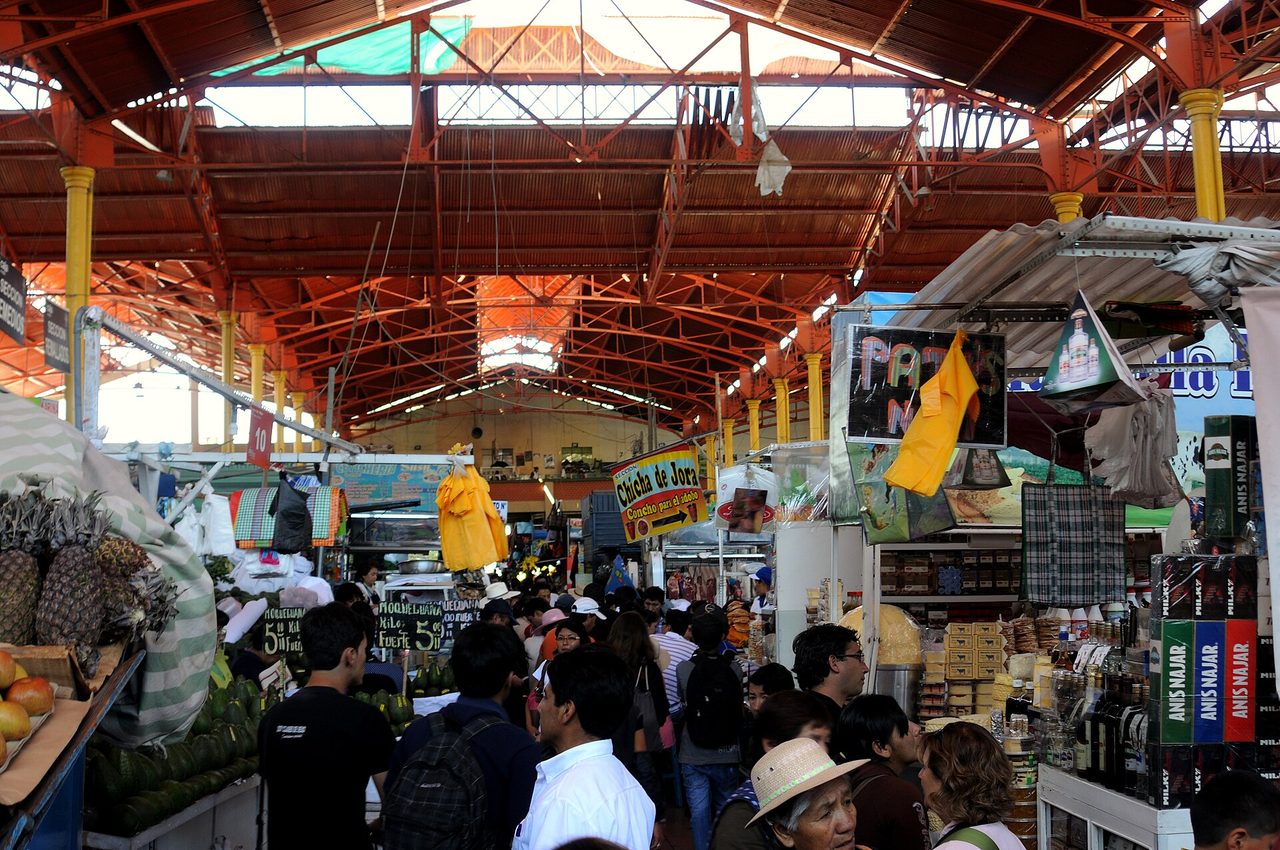
Every time someone asks me how much does a trip to Peru cost, they are really asking two different questions and don’t know it. Question one is what it costs to be in Peru: sleeping, eating, moving between towns. That number is genuinely low. Question two is what it costs to do Peru: the citadel, the train, the trek, the canyon, the lake. That number is not low at all, and it is where almost every budget I have seen quietly falls apart.
A menú del día in a Cusco side street is S/15. A single day at Machu Picchu, done properly, is $150 to $250 once you have paid for the entry ticket, the train, the shuttle bus and a guide. Those two facts live in the same country, often on the same afternoon. Any article that answers this question with “$50 a day” and stops there is describing the first number and pretending the second doesn’t exist.
So this page is built around a total, not a daily rate. Below is a full itemised budget for a real 10-day trip at three levels, with international flights broken out as a separate line so you can substitute the fare from your own airport. Everything is priced in soles and dollars, and I have flagged the lines that move most with season.
The short answer: how much does a trip to Peru cost in 2026
For ten days on the ground, per person, excluding international flights:
- Backpacker: $620 – $780. Dorms, market food, one domestic flight booked early or an overnight bus, Machu Picchu via the Hidroeléctrica back route, one or two group day tours.
- Mid-range: $1,450 – $1,750. Private rooms with hot water, restaurant meals, Lima–Cusco flights both ways, the standard train to Aguas Calientes, three or four guided day trips.
- Comfortable: $3,000 – $4,000. Boutique hotels, the panoramic train, private guides and transfers, a lodge night or a Colca overnight that isn’t a 3am minibus.
Add international flights on top: roughly $550–$900 return from the US east coast, $600–$1,000 from the west coast, and $700–$1,200 from the UK or Western Europe. Sale fares of $450–$500 exist if you are flexible and book four to six months out.
The exchange rate as I write this, on 2 September 2026, is about S/3.39 to the US dollar. It has spent 2026 bouncing between roughly S/3.34 and S/3.53, which is unusually stable for the region. I have used a working rate of S/3.40 throughout. Re-check it the week you book anything, because a ten-cent move across a $1,500 trip is real money.
The itemised 10-day budget
This assumes the route most first-timers actually fly: Lima for two nights, Cusco and the Sacred Valley for five, Machu Picchu for two, one night back in Lima or a same-day connection home. If you want a different shape, the day-by-day version of this ten-day route lays out where each night goes, and there are shorter and longer variants if ten days isn’t what you have.
| Line item | Backpacker | Mid-range | Comfortable |
|---|---|---|---|
| International flight (separate — substitute your own) | $550–700 | $650–900 | $900–2,500 |
| Lima–Cusco flights, return | $60–90 | $100–140 | $140–220 |
| Accommodation, 9 nights | $100–160 | $380–520 | $900–1,600 |
| Food and drink, 10 days | $130–170 | $300–400 | $600–900 |
| Local transport (taxis, colectivos, airport runs) | $30–45 | $70–110 | $180–300 |
| Machu Picchu block (see breakdown below) | $105–145 | $220–290 | $400–600 |
| Boleto Turístico | $21 (partial) | $38 (full) | $38 (full) |
| Day tours and activities | $50–80 | $120–180 | $300–500 |
| Tips (guides, drivers, restaurants) | $15–25 | $45–70 | $100–150 |
| SIM or eSIM | $9–15 | $9–15 | $15–25 |
| Laundry | $6–10 | $10–15 | $20–35 |
| Contingency (10%, and you will use it) | $60–75 | $140–170 | $300–400 |
| On-the-ground total | $620–780 | $1,450–1,750 | $3,000–4,000 |
| Door to door, with flights | $1,170–1,480 | $2,100–2,650 | $3,900–6,500 |
Two things stand out when you lay it out like this. First, accommodation and food — the categories people agonise over — are only about a third of the on-the-ground cost at mid-range. Second, the Machu Picchu block plus tours is a bigger share than either. Downgrading from a private room to a dorm saves you around $280 over ten days. Skipping the panoramic train saves you almost as much in a single morning.
Why Peru is cheap to be in and expensive to do
Peru has one of the widest gaps I have encountered between the cost of ordinary life and the cost of the headline experiences. A three-course lunch with a jug of chicha morada costs S/15 in a working-class comedor. A taxi across Cusco is S/10. A litre of water is S/3. You could genuinely live on $25 a day in Arequipa or Lima and never feel like you were scrimping.
Then you buy one train ticket and the day costs $200.
The reason is that the marquee sites are capacity-constrained and priced accordingly. Machu Picchu has a hard daily cap of 4,500 visitors, rising to 5,600 on peak dates. There is exactly one rail corridor into Aguas Calientes and it is operated by two companies. The shuttle road up to the citadel is a single concession. None of these are competitive markets, and the prices reflect that. Meanwhile, the restaurant you eat dinner in that night competes with forty others on the same street.
What this means practically: your Peru budget is not a daily rate multiplied by nights. It is a stack of fixed, non-negotiable costs plus a genuinely cheap daily rate. Get the fixed costs on paper first, then decide what your daily comfort level costs on top. Budgeting the other way round is how people end up $400 over.
The Machu Picchu block, priced honestly
This is the single most misreported number on the internet, partly because it changed in 2026 and half the pages still haven’t updated.
Entry for a foreign adult is S/163 (about $48). Circuits that include the Huayna Picchu or Machu Picchu Mountain climbs are S/211 (about $62). Those figures took effect on 1 May 2026, when a SERNANP conservation surcharge was added on top of an unchanged base fare — S/152 became S/163, S/200 became S/211. Foreign students and minors pay around S/88, Andean Community adults around S/69. If you see S/152 quoted as current, the page is stale. Prices move, so confirm on the official ticketing portal before you buy; the mechanics of which circuit to pick and when tickets release are covered in more depth in the guide to booking Machu Picchu entry tickets.
One correction worth making because it costs people money at the gate: an ISIC card is not accepted for the Machu Picchu student rate any more. You need a university photo ID with an expiry date on it. ISIC is still accepted by COSITUC for the 18–25 rate on the Cusco Boleto Turístico, which is where the confusion comes from.
Here is what a Machu Picchu visit actually costs, both ways:
| Component | Cheap version (Hidroeléctrica) | Standard version (train) |
|---|---|---|
| Entry ticket | S/163 / $48 | S/163 / $48 |
| Cusco to Aguas Calientes | Shared van to Hidroeléctrica, $15–20 each way, then a flat 10 km walk beside the tracks (2–3 hours) | Colectivo to Ollantaytambo S/15–20, then Expedition or Voyager class train $60–95 each way |
| Return leg | Same in reverse, $15–20 | $60–95 |
| Night in Aguas Calientes | Dorm $10–15 | Private room $45–90 (or skip it and do a long day trip) |
| Consettur shuttle up and down | $0 if you walk the switchbacks (75–90 minutes, steep) | ~$24 round trip |
| Guide | $0, or $12–15 joining a group at the gate | $25–50 shared, $80–150 private |
| Total per person | $105–145 | $220–290 |
Upgrade to Vistadome or the 360° panoramic car and each leg jumps to $90–170, which is how the comfortable tier reaches $400–600 for the same rock. The breakdown of the train classes and what you actually get for the upgrade is worth reading before you pay for windows in the ceiling; my honest view is that the scenery is identical from Expedition class and the money is better spent on a good guide.
The Hidroeléctrica route is real and thousands of people do it every week, but be clear about the trade: it is a 6–7 hour road journey each way over a rough mountain road, plus a two-hour walk, to save roughly $120. If your time is worth more than $10 an hour, take the train. If you are 23 and have five weeks, take the van. There is a fuller cost-cutting guide to doing Machu Picchu cheaply that goes into the timing traps on that route, and the comparison of every way to get from Cusco to the citadel covers the middle options too.
Sleeping in Aguas Calientes is the other budget decision people get wrong. Everything there carries a captive-market markup of 40–60% — a beer is S/18, a pizza S/45 — but a night there buys you the first entry slot, which is worth more than the money you save by day-tripping.
The Boleto Turístico maths that catches people out
The Cusco tourist ticket is not optional if you are visiting the Sacred Valley ruins, and the pricing has a trap in it.
- Full BTG: S/130 (about $38), valid 10 days, covers 16 sites including Sacsayhuamán, Q’enqo, Pisac, Ollantaytambo, Chinchero, Moray and the Cusco museums.
- Partial circuits: S/70 each (about $21). Circuit I is valid one day; Circuit III, which covers Pisac, Ollantaytambo, Chinchero and Moray, is valid two days.
Two partials cost S/140, which is more than the full ticket at S/130. If you think you will use more than one circuit, buy the full one on day one. It is the single easiest S/10 to save in Cusco and a surprising number of people miss it.
The other trap: the Maras salt pans are not on the boleto. That is a separate community-run entry paid in cash at the gate, somewhere in the S/10–20 range depending on which source you believe — bring small notes and don’t expect change. Moray is on the boleto, which confuses people because the two are usually sold as one half-day trip; if you are planning that combination, the practical guide to visiting Maras and Moray explains how the tickets actually split.
What day tours cost from each base
These are realistic 2026 street prices for group tours booked in town, not agency-website prices booked from home, which typically run 30–60% higher for the identical minibus.
| Tour | Group price | What’s usually not included |
|---|---|---|
| Sacred Valley full day (Pisac, Ollantaytambo, Chinchero) | $18–30 | Boleto Turístico, lunch (S/35–45 buffet) |
| Rainbow Mountain day trip | $25–40 | S/30 community entrance, horse hire S/80–100, Red Valley S/30 |
| Humantay Lake day trip | $25–40 | S/25 entrance |
| Cusco city tour, half day | $12–20 | Boleto Turístico |
| Colca Canyon 2-day from Arequipa | $40–90 | S/70 canyon ticket, some meals, hot springs S/20 |
| Lake Titicaca: Uros and Taquile, full day | $25–40 | S/10–15 island landing fees, lunch |
| Lake Titicaca: Amantaní homestay, 2 days | $45–70 | Tips for the host family (S/20–30 is normal) |
| Ballestas Islands boat, Paracas | $18–28 | S/16 reserve fee, dock tax S/5 |
| Amazon lodge, 3 days from Puerto Maldonado | $220–450 all-in | Flights from Cusco ($60–120 return), park fees on some itineraries |
| Classic Inca Trail, 4 days | $700–1,100 | Sleeping bag hire, porter tips ($60–90), last-night hotel |
| Salkantay trek, 5 days | $320–600 | Machu Picchu entry on some packages, tips |
The “not included” column is where budgets die. A $28 Rainbow Mountain trip is really $40 by the time you have paid the community fee and bought a coca tea at 5,000 m, and if your legs give out and you hire a horse it is $70. The advertised price is the deposit on the day, not the day. Same story with the Humantay Lake trip, where the entrance fee is collected separately at the trailhead.
At the top of the range, the permit-limited treks are their own budget category. The full arithmetic on that sits in the Inca Trail cost breakdown, but the short version is that a trek is not a cheaper way to reach Machu Picchu — it is a $700–1,100 experience that happens to end there. Salkantay is the value option at roughly half the price and no permit lottery.
The Amazon deserves a flag too. Lodges quote a per-person all-in price that looks high, but it genuinely covers everything including food, guiding and boat transfers; what it does not cover is the flight in. Budget the extra $60–120 for the Cusco–Puerto Maldonado hop when you are comparing Amazon lodge options against a Cusco week, or you will compare the wrong numbers. Puno is the mirror image: the tours around Lake Titicaca are cheap, and getting to Puno is what costs you.
Getting around: what the transport actually costs
Peru is enormous and the distances punish you. Lima to Cusco is 1,100 km of Andes. Lima to Arequipa is 16 hours by road.
Domestic flights. LATAM, Sky and JetSMART all fly Lima–Cusco several times a day. Booked six to eight weeks out in a quiet month you can pay $30–45 one way; booked two weeks out in July you will pay $90–140. Budget $60–140 return and treat the low end as a reward for planning. Baggage is the catch on the low-cost carriers — JetSMART’s headline fare includes a backpack and nothing else, and a checked bag added at the airport can cost more than the seat.
Long-distance buses. Cruz del Sur and Oltursa are the two operators I would put a friend on. Rough guide: S/12–18 per hour of travel in a 160° cama seat, less in semi-cama.
- Lima–Paracas (4 h): S/50–80
- Lima–Nazca (7 h): S/70–120
- Lima–Arequipa (16 h, overnight): S/110–200
- Arequipa–Puno (6 h): S/45–80
- Puno–Cusco (7 h): S/50–90, or S/230–280 on the tourist bus that stops at four sites en route
- Cusco–Lima (21 h): S/130–220, and I would not do it
An overnight bus doubles as a night’s accommodation, which is why the southern-coast overland route can undercut the fly-everywhere version by $150 or more across a trip. It also costs you daylight hours. The trade-offs by route are laid out in more detail in the guide to getting around Peru by bus, plane and colectivo.
City transport. Taxis in Cusco run S/8–12 for anything inside the centre. In Lima use Uber or Cabify; Miraflores to Barranco is S/12–18, and the airport run to Miraflores is S/45–70 by app against S/60–90 for the official airport taxi desk. Colectivos between Sacred Valley towns are S/5–15. If you are landing late and weighing the options, the rundown of routes from Jorge Chávez into Miraflores has the current fares.
What things cost in soles, so you can sanity-check on the ground
Print this bit. If you are being quoted double these numbers, you are in the tourist belt and there is a cheaper version of the same thing two streets away.
| Item | Local price | Tourist-belt price |
|---|---|---|
| Menú del día (soup, main, drink) | S/12–20 | S/30–45 |
| Main course, sit-down restaurant | S/25–40 | S/45–75 |
| Ceviche in a cevichería | S/30–45 | S/55–90 |
| 620 ml Cusqueña | S/8–12 in a shop | S/15–22 in a bar |
| Pisco sour | S/15–22 | S/28–45 |
| Fresh juice, market stall | S/6–10 | S/15–20 |
| Coffee | S/6–10 | S/12–18 |
| Taxi across Cusco | S/8–12 | S/20–30 if you don’t agree it first |
| Hostel dorm bed | S/35–70 | S/80–110 |
| Private double, mid-range hotel | S/120–260 | S/300–600 |
| Laundry, per kilo | S/5–8 | S/12–20 (hotel: per item) |
| Claro or Entel tourist SIM, 15–30 GB | S/30–55 | S/70–90 at the airport |
| 1.5 L bottled water | S/3–5 | S/8–12 |
| Alpaca-blend jumper, market | S/60–120 | S/180–400 in a boutique |
Two soles-related habits worth forming immediately. Eat your big meal at lunch, when the menú del día exists; the same kitchen charges triple for the same food at 8pm. And walk one block off any plaza before you sit down — in Cusco the price gradient between Plaza de Armas and the street behind it is close to 100%. That said, the tourist-belt places are not all rip-offs, and there is a real tier of genuinely good restaurants worth the money in both cities; the Lima restaurant picks and the primer on what to order will save you from paying premium prices for mediocre versions.
Where the money actually leaks
Nobody blows their Peru budget on hotels. They blow it in $8 and $15 increments, forty times.
The airport taxi. Landing at Lima at midnight, jetlagged, and taking the first desk you see costs S/90–120 to Miraflores. The app is S/45–70. Over an arrival and a departure that is a night in a hostel.
ATM fees. This is the big one and it is almost invisible. Most Peruvian ATMs charge a foreign-card operator fee of S/18–30 per withdrawal, and machines at airports and in tourist centres go higher, up to about S/36. That fee is charged by the machine and is on top of whatever your own bank takes. Banco de la Nación’s MultiRed machines are frequently free for foreign cards but cap you at S/400 per transaction; BCP allows up to S/700 per withdrawal, which halves the number of times you pay a fee even where the fee applies. Some Scotiabank machines sit in the middle. The fee is always displayed on screen before you confirm — read it and cancel if it is silly. Withdrawing S/700 once instead of S/200 four times is a $20 difference across a trip.
Dynamic currency conversion. When the card machine or ATM asks whether you want to be charged in dollars, euros or pounds instead of soles, always say no and choose soles. Accepting the “convenience” rate costs 3–7% on every transaction. Restaurants and hotels do this too. It is the single most reliable way to lose money in Peru and it takes one button press to avoid.
Last-minute train tickets. PeruRail and Inca Rail both price in tiers that sell from cheapest up. The same Expedition-class seat that is $38 four months out is $75 the week before, and in June and July the cheap tiers can be gone months ahead. Book the train before you book anything else in Cusco.
The Cusco restaurant markup. Touts on Plaza de Armas offering a free pisco sour are pulling you into a S/70 set menu. The free drink costs S/40.
Tour prices booked from abroad. The identical Sacred Valley minibus is $60 on an international booking platform and S/70 from an agency on Calle Plateros. Book Machu Picchu tickets, trains and the Inca Trail in advance because they genuinely sell out; book everything else in town.
Buying soles at home. Airport bureaux and home-country exchange offices give terrible rates on soles because it is a thin currency. Bring $100–200 in clean, untorn US dollars as a backup and use ATMs for the rest. Casas de cambio in Lima and Cusco give a better rate than any bank, and the street changers with the vests are legitimate in Miraflores — count everything twice.
How prices move with the season
Peru’s pricing is more seasonal than most of South America because the dry season and the Machu Picchu high season are the same three months.
| Dry / high (Jun–Aug) | Shoulder (Apr–May, Sep–Oct) | Rainy / low (Nov–Mar) | |
|---|---|---|---|
| International flights | Baseline (highest) | 10–20% lower | 20–35% lower |
| Lima–Cusco flights | $90–140 return | $70–110 | $50–90 |
| Cusco hotels | Baseline | 15–25% lower | 25–40% lower |
| Aguas Calientes hotels | Baseline (worst value of the trip) | 20% lower | 35–50% lower |
| Train tickets | Cheap tiers sell out months ahead | Cheap tiers available 4–8 weeks out | Cheap tiers usually available |
| Machu Picchu entry | Fixed — never discounts | Fixed | Fixed |
| Group tours | Run daily, easy to fill | Run daily | May not run; some cancel for lack of numbers |
| Boleto Turístico | Fixed | Fixed | Fixed |
Across a mid-range ten-day trip the difference between late July and late February is roughly $350–500. That is not nothing, and February weather in Cusco is worse but not ruinous — it rains hard for two hours in the afternoon and is clear the rest of the day. What you actually lose in the wet months is the Inca Trail, which closes for all of February, and reliability on the high-altitude day trips. The honest account of what the rainy season is like and the month-by-month cheapest-time breakdown both go further into whether the saving is worth it for the kind of trip you want.
My own view: the shoulder months are the actual answer. Late April and early October give you 80% of the dry-season weather at 75% of the price, with tour groups half the size. If you have the flexibility, that is where the value sits, and the wider case for it is in the shoulder-season guide.
How much cash to bring, and in what form
Peru is more card-friendly than it was five years ago, but the gap between “accepts cards” and “the machine works today” is real. Concretely:
- Carry S/300–500 on you in Cusco and Lima. That covers two to three days of taxis, meals and entrance fees.
- Withdraw S/700 at a time where the machine allows it, to spread the fixed fee across more soles.
- Bring $150–250 in clean US dollars as an emergency reserve. Peruvian exchange houses reject notes with tears, ink or heavy folds — genuinely, they will hand a $50 back to you over a 3 mm nick.
- Budget cash separately for trek tips. Inca Trail porter and guide tips run $60–90 per trekker and are collected on the last night in soles. There is no ATM at 4,200 m.
- Small notes matter. Nobody in a market, colectivo or community gate can change a S/100 note at 7am. Break big notes in supermarkets and hotels.
Tipping norms, since it affects the number: 10% in sit-down restaurants where service isn’t already added, S/5–10 rounding for taxis (not expected), S/20–40 per person per day for a full-day tour guide, S/10–15 for a driver, and S/5 per bag for hotel porters. Across ten days that is $45–70 for a mid-range traveller, which is why it has its own line in the table.
Cutting the cost without gutting the trip
Ranked by how much they save relative to what they cost you:
- Travel in shoulder season. Saves $350–500 on a ten-day mid-range trip. Costs you slightly less reliable weather.
- Book flights and trains early. Saves $150–250. Costs you flexibility.
- Eat lunch as your main meal. Saves $100–150 over ten days. Costs you nothing at all.
- Book day tours in town, not online. Saves $80–150. Costs you an hour of walking down Calle Plateros comparing.
- Take one overnight bus instead of one flight. Saves $60–90 including a night’s accommodation. Costs you a night’s proper sleep.
- Walk up to Machu Picchu instead of the shuttle. Saves $24. Costs you 80 minutes of stairs at altitude and you will be tired at the site. I would pay the $24.
- Skip the panoramic train. Saves $100–200. Costs you a slightly better window.
What I would not cut: the guide at Machu Picchu, which is $25–50 shared and transforms a walk around some walls into something you understand; and the extra night at altitude before any high-altitude trek, because Cusco sits at 3,400 m and a wasted day of altitude sickness costs more than the hotel. There is also more to do for free than people expect — a good chunk of the best walking in Lima and Cusco costs nothing, and the list of things worth doing that are free fills gaps without touching the budget.
If you are choosing a base to keep costs down, where you sleep in Cusco makes a bigger difference than the star rating: San Blas is pretty and steep and priced for it, while the streets around Avenida El Sol are 30% cheaper for the same standard. The neighbourhood-by-neighbourhood comparison for Cusco covers the price gradient properly. The same logic applies in Arequipa, where the historic centre carries a premium over Yanahuara for a ten-minute walk.
Costs for other trip lengths
| Trip length | Backpacker | Mid-range | Comfortable |
|---|---|---|---|
| 5 days (Cusco and Machu Picchu only) | $380–480 | $850–1,050 | $1,800–2,400 |
| 7 days (Lima, Cusco, Machu Picchu) | $470–600 | $1,100–1,350 | $2,300–3,000 |
| 10 days (as above) | $620–780 | $1,450–1,750 | $3,000–4,000 |
| 14 days (adds Arequipa, Colca, Titicaca) | $850–1,100 | $2,000–2,500 | $4,200–5,500 |
| 21 days (adds Amazon or the north) | $1,200–1,600 | $2,900–3,600 | $6,000–8,000 |
All figures exclude international flights. Notice that the marginal cost per day falls as trips get longer — the fixed Machu Picchu block gets spread across more days, and you stop paying for airport transfers every third morning. A 14-day trip is not 40% more expensive than a 10-day one; it is about 35% more, and it lets you do the whole southern circuit instead of half of it. The two-week route is the one I would recommend to most people who can take the leave, and if you are still deciding, the piece on how many days Peru actually needs weighs it up.
Frequently asked questions
Can you really do Peru on $50 a day?
On the ground, yes, if you sleep in dorms, eat menús, take buses and average your big-ticket items across a long enough trip. On a ten-day trip, no — the Machu Picchu block alone is two and a half days of that budget, and it lands whether or not you spend anything else that day. The $50-a-day figure works for a five-week backpacking trip. It does not work for a two-week holiday, and that is the mismatch that catches people out.
How much money should I bring to Peru for a week?
For a week at mid-range, budget $1,000–1,300 on the ground excluding international flights, of which perhaps $350–450 should be available as cash. Prepay the train, the Machu Picchu ticket and your first two nights before you fly; that removes the largest lumps from your on-the-ground cash needs and leaves you managing daily spending only.
Is Peru cheap or expensive compared to other South American countries?
Cheaper than Chile, Argentina in most years, and Brazil’s big cities. More expensive than Bolivia by a clear margin — which is why so many people cross the border at Titicaca and find their money suddenly lasting twice as long. Roughly comparable to Colombia and Ecuador for daily costs, but with higher fixed costs because of Machu Picchu. If you are combining the two, the Peru and Bolivia route is a way to average the cost down.
Should I use dollars or soles in Peru?
Soles, almost always. Dollars are accepted in Cusco tour agencies, Aguas Calientes hotels and some Lima businesses, but the exchange rate they apply is worse than the street rate by 5–10%, and you will get change in soles at their rate anyway. Keep dollars as a reserve, spend soles.
How much does the Machu Picchu train cost?
Standard classes — PeruRail Expedition and Inca Rail Voyager — run roughly $60–95 per leg under dynamic pricing, depending on how far ahead you book and the time of day, so $120–190 return from Ollantaytambo. Older guides still quote $35–60; price your own date before you budget it. Vistadome and 360° are $90–170 per leg. The luxury Hiram Bingham is in a different bracket entirely, around $500 each way with meals. Early-morning and late-afternoon departures are the ones that sell out first, and the departure-by-departure picture — which trains pair with which entry slot — is in the guide to travelling from Ollantaytambo down to Machu Picchu.
Do I need travel insurance, and what does it cost?
Yes, and it is not optional if you are trekking. A ten-day policy with trekking cover to 5,000 m runs $50–120 depending on your age and where you live. Standard policies routinely exclude altitude above 4,000 m, which rules out Rainbow Mountain, Salkantay and most of the Colca hikes — read the altitude clause specifically rather than the summary page.
Are there hidden costs I should plan for?
The recurring ones are the entrance fees excluded from tour prices, the ATM fee per withdrawal, the Maras cash gate, tips on treks, and baggage charges on low-cost domestic flights. Individually they are S/20–100. Together they are the reason I put a 10% contingency line in the table rather than pretending the itemised total is the final number. Almost everything else that surprises people is covered in the general practical tips for travelling in Peru.
Is a package tour cheaper than doing it independently?
Almost never on price. A packaged ten-day Peru trip from a Western operator typically starts around $2,500–3,500 per person excluding flights, against $1,450–1,750 doing the same route yourself at the same comfort level. What you buy is the removal of logistics and the certainty that the train, ticket and guide line up. That is worth real money to some people and nothing to others. If you only book one thing in advance, make it Machu Picchu entry plus the train on the same day — the rest can be assembled in town for less.
How far in advance should I budget and book?
International flights four to six months out. Machu Picchu tickets and trains two to four months out, longer for June to August. Inca Trail permits as soon as they release, which for 2026 was 17 November 2025 and staggered by month over about a week. Everything else can wait until you are there. The full picture of what costs what across a whole trip sits in the main Peru trip cost guide, and if you are still weighing when to go, the month-by-month comparison is the other half of this decision.
The one-line version
Budget $150 a day for a mid-range ten-day trip and you will be comfortable. Budget $65 a day and you will be fine but you will be doing Machu Picchu the hard way. The mistake is not picking the wrong daily number — it is forgetting that roughly $400 of your trip is fixed, arrives regardless of how carefully you eat, and mostly falls on one day in one valley.