Inca Trail Cost & What’s Included
What the four-day trek really costs in 2026, split into the fixed government slice nobody can discount and the operator margin that explains every price difference you see.
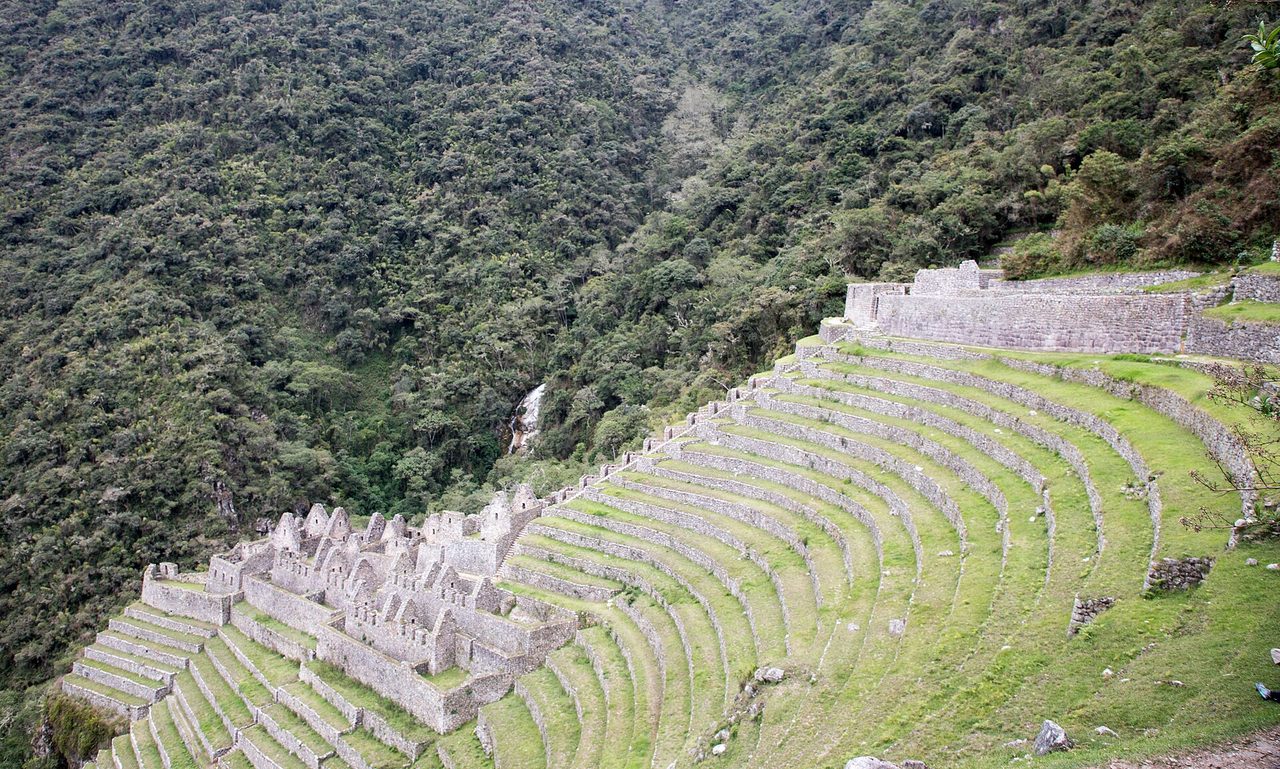
Ask three Cusco agencies for a quote and you will get three headline numbers that look comparable and are not. The advertised Inca Trail cost is the least useful figure in the whole transaction, because roughly half of it is a fixed government charge that no company on earth can discount, and the other half is the part that actually decides whether you spend four days well fed and well guided or four days wondering why your tent smells of damp and your porter is carrying 30 kilos.
So this guide does the thing the brochures avoid. It splits the price into the slice the Peruvian state takes and the slice the operator keeps, then works out what a genuinely cheap operator has to cut to hit the numbers you see on Instagram. At the end there is a landed total — trek, train, bus, tips, gear, Cusco nights and a buffer — because the number you need to save up is never the number on the booking page.
The two halves of the Inca Trail cost
Every quote you receive is built from two components with completely different behaviour.
The first is the state slice: the Ministry of Culture permit that lets you set foot on the trail at all, the entry to the citadel at the end, the legally mandated minimum wage and insurance for every porter and cook in your crew, the licensed guide, and the return train, which is a monopoly service with published fares. None of that is negotiable. Every one of the roughly 130 licensed operators pays the same permit fee on the same day for the same slot.
The second is the operator slice: food, tents, mats, group size, guide seniority, office overhead, marketing, and profit. This is where the spread between a $620 quote and a $2,400 quote lives, and it is the only place it can live.
Once you internalise that, price comparison stops being guesswork. If two quotes differ by $300, the state slice is identical in both, so the entire $300 came out of the operator slice. Something was removed. Your job is to find out what.
What the government takes, line by line
These are the 2026 figures. Treat them as a snapshot rather than gospel — Peru adjusts tariffs at short notice, and the exchange rate moves the dollar equivalents by a few percent either way. Everything here is quoted at roughly S/3.75 to the US dollar.
| Fixed line | 2026 figure | Notes |
|---|---|---|
| Inca Trail permit, foreign adult | S/292 (about US$78) | Covers four days on the trail plus citadel entry on the last day. Same for the Classic and the longer High Inca Trail routes. |
| Permit, student with valid university ID | Roughly US$35 less | ISIC is no longer accepted here. You need a photo ID issued by your own institution, with an expiry date. |
| Permit, under-18s | Roughly US$40 | Under-8s have separate access conditions. Ask before you book a family trip. |
| Return train, Aguas Calientes to Ollantaytambo | US$60–95 standard class | Off-peak slots can dip toward US$35–55, but the mid-afternoon departures trekking groups need are usually the dearest of the day. |
| Porter and cook wages (legal floor) | About S/88 per person per eight-hour day | Set at 1.6% of the UIT, which rose to S/5,500 for 2026. Plus food, accident insurance and transport home. |
| Licensed guide | No published tariff | Certification is compulsory. An experienced English-speaking guide is one of the biggest legitimate cost differences between operators. |
| Shuttle bus down from the citadel | About US$24 return, US$12–13 one way | Almost never in the trek price. You walk up through the Sun Gate; the bus is for coming down. |
Do the arithmetic on the porter line and it stops being an abstraction. A group of eight typically travels with twelve to sixteen porters plus a chef. Four days at the legal floor is roughly S/350 per porter before food, insurance and the bus home. Fourteen porters comes to nearly S/4,900, which is about S/610 — call it US$163 — per paying trekker, in wages alone, before anyone has cooked a meal or pitched a tent. Add the permit and the train and you are already past US$300 per person with zero profit, zero food and zero equipment.
That is the floor. It is why a $500 classic trek is not a bargain but a signal.
The permit-and-citadel-ticket wrinkle for 2026
Historically the trail permit bundled the Machu Picchu entry, and for the traveller it still effectively does. What changed for 2026 is administrative: the ministry now bills the citadel portion to agencies as its own line rather than folding it invisibly into the trail fee. Most operators absorbed this and their packages still include your guided visit at the end. A minority took the opportunity to strip it out and quote a lower headline number, then add the entrance ticket back at the point of payment.
This is the single most common way an Inca Trail quote is made to look cheaper than its neighbour in 2026. Ask, in writing: does this price include my Machu Picchu entrance on day four, and on which circuit? Note also that the SERNANP conservation surcharge added to standard citadel tickets on 1 May 2026 does not apply to Inca Trail entries. If you are also buying a separate ticket for a second day, the current foreign adult rate for a standard circuit is S/163, and our guide to buying entry tickets to the citadel covers which circuit does what.
2026 price bands and what each one actually buys
Across the market, the classic four-day, three-night trek in 2026 falls into three recognisable tiers. These are the ranges I have seen quoted consistently through the year; individual operators sit a little above or below.
| Cost line | Budget US$620–760 |
Mid-range US$780–1,000 |
Premium US$1,200–2,500 |
|---|---|---|---|
| Group size | 14–16, sometimes capped at 16 and always full | 8–12 | 2–8, or private |
| Guide | One guide for the whole group; variable English | Lead guide plus assistant above 8 people; fluent English | Senior guide, often an archaeology specialist, second guide as standard |
| Tents | Shared two-person, older, sometimes leaking at the seams | Four-person tents used by two, replaced on a cycle | Large walk-in or dome tents, some with cots |
| Sleeping mat | Thin foam roll | Basic inflatable, sometimes an upgrade fee | Thick inflatable or a proper camp mattress |
| Food | Adequate, repetitive, limited dietary accommodation | Three cooked courses, dietary needs handled properly | Multi-course, dedicated chef, table service in a heated dining tent |
| Extras thrown in | Almost none | Duffel service or a mat, occasionally poles | Personal porter, sleeping bag, poles, portable toilet tent |
| Return train | Cheapest available slot, sometimes a late one | Standard class, reasonable time | Panoramic-car upgrade included or offered |
The honest advice: the mid-range band is where the value is, and the jump from budget to mid-range buys you more than the jump from mid-range to premium. Going from a group of 16 to a group of 10 changes the trek. Going from a good inflatable mat to a camp cot changes your Tuesday night. If the budget only stretches so far, spend it on group size and guide quality, not on thread count.
Around US$840 is where the biggest, most established Cusco operators cluster for a standard group departure with the train included, and that is a reasonable benchmark to hold every other quote against. Anything meaningfully below US$620 for the four-day route deserves the questions in the section further down.
What is always included
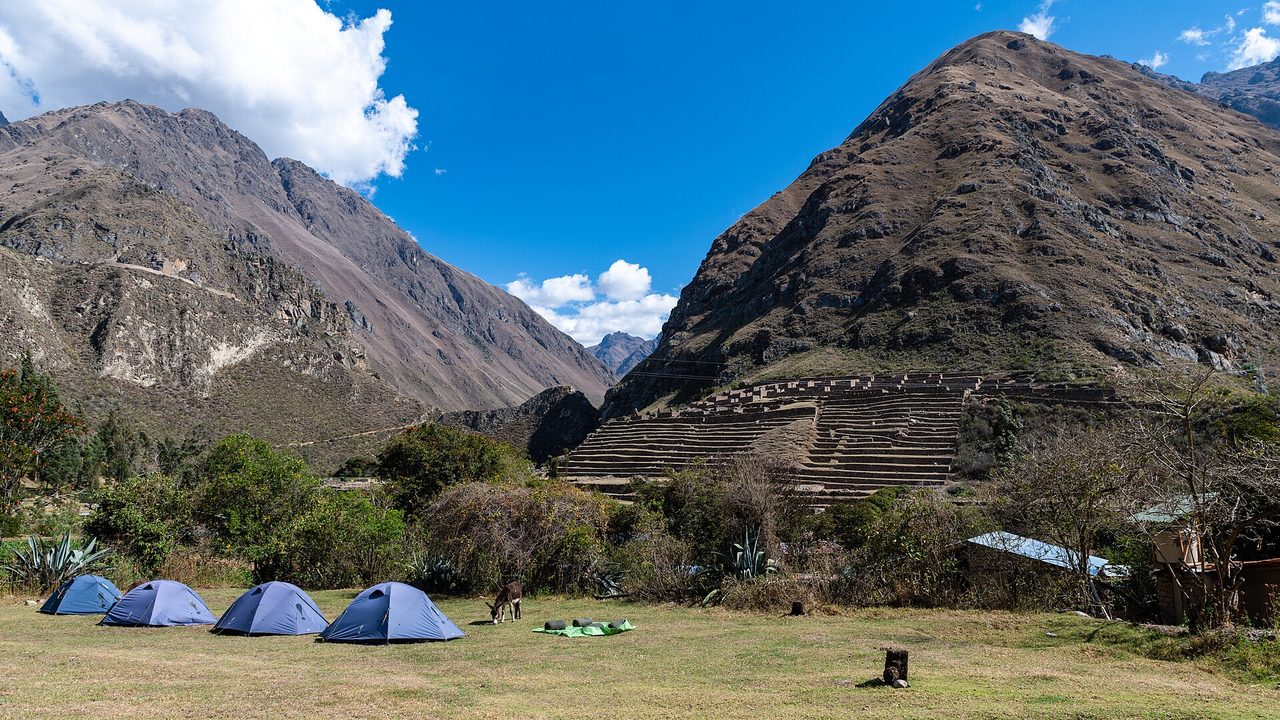
Barring the citadel-ticket wrinkle above, essentially every licensed operator includes:
- The trail permit in your name, bought on your passport details.
- Transport from Cusco or the Sacred Valley to the trailhead at Km 82, usually a private minibus.
- A licensed bilingual guide for all four days.
- Porters carrying the group kit: tents, kitchen, food, gas, dining tent, table.
- A chef and all meals from lunch on day one to breakfast on day four.
- Shared tents and a sleeping mat of some description.
- Boiled or filtered drinking water from the second day onward.
- A first-aid kit and, on any responsible operator, bottled emergency oxygen.
- The return train from Aguas Calientes and onward transfer to Cusco.
- Your guided visit inside the citadel at the end.
What is almost never included
This is the list that turns a $840 trek into a $1,250 trip, and it is where the brochures go quiet. If you are budgeting for the wider trip, our breakdown of what a Peru trip really costs puts these numbers in context.
| Item | Typical 2026 price | Reality check |
|---|---|---|
| Sleeping bag rental | US$20–35 for the trek | Nights at Pacaymayu and Phuyupatamarca drop below freezing. Ask for the comfort rating, not the extreme rating. If it is rated to 0°C you will be cold. |
| Inflatable sleeping mat | US$15–25 | Sometimes included, sometimes an upgrade from foam. Worth every cent at the budget end. |
| Trekking poles | US$10–25 for the pair | Rubber tips are compulsory on the trail. The descent from Dead Woman’s Pass is what your knees will remember. |
| Personal porter | US$100–220 for the trek | Carries 7–10 kg of your kit. The huge spread reflects whether the operator is paying that porter properly. |
| Single tent / single supplement | US$40–80 | Cheaper than a hotel single supplement, because you are only avoiding a tentmate for three nights. |
| Huayna Picchu or Machu Picchu Mountain | US$65–80, plus a night in town | Not an add-on to your trek ticket. It is a separate citadel ticket used on a different day. See below. |
| Panoramic train upgrade | US$30–40 over standard | Nice, not necessary. You will have been outside for four days. |
| Bus down from the citadel | About US$24 return, US$12–13 down only | Walking down takes 60–90 minutes of steep steps after four days of walking. Most people pay. |
| Tips | US$90–140 per trekker | Not optional in practice. Full section below. |
| Cusco hotel nights either side | US$25–120 per night | You need at least two before and one after. Nobody includes these. |
| Trail toilets | S/1–2 per use | Carry coins. Carry your own paper. |
| Travel insurance with trekking cover | US$40–110 | See the section on the non-refundable permit. This is the one line you should not trim. |
The Huayna Picchu question, answered properly
Almost every competitor page describes the mountain climbs as a $65 or $75 “add-on” to the Inca Trail. That is misleading. Your trail permit admits you to the citadel on a fixed circuit on the morning of day four, and the mountain routes are sold as their own separate entry ticket with its own timed slots and its own daily cap. In practice that means returning to Machu Picchu the following day, which also means a hotel night in the town below the ruins, another bus, and another early alarm after four days of walking.
Budget it as a whole extra day and roughly US$140–180 all-in, not as a $75 tick-box. Our comparison of the two summit hikes is worth reading before you commit, because a lot of people arrive at the Sun Gate with legs that have already voted.
Tipping is a real budget line, not a rounding error
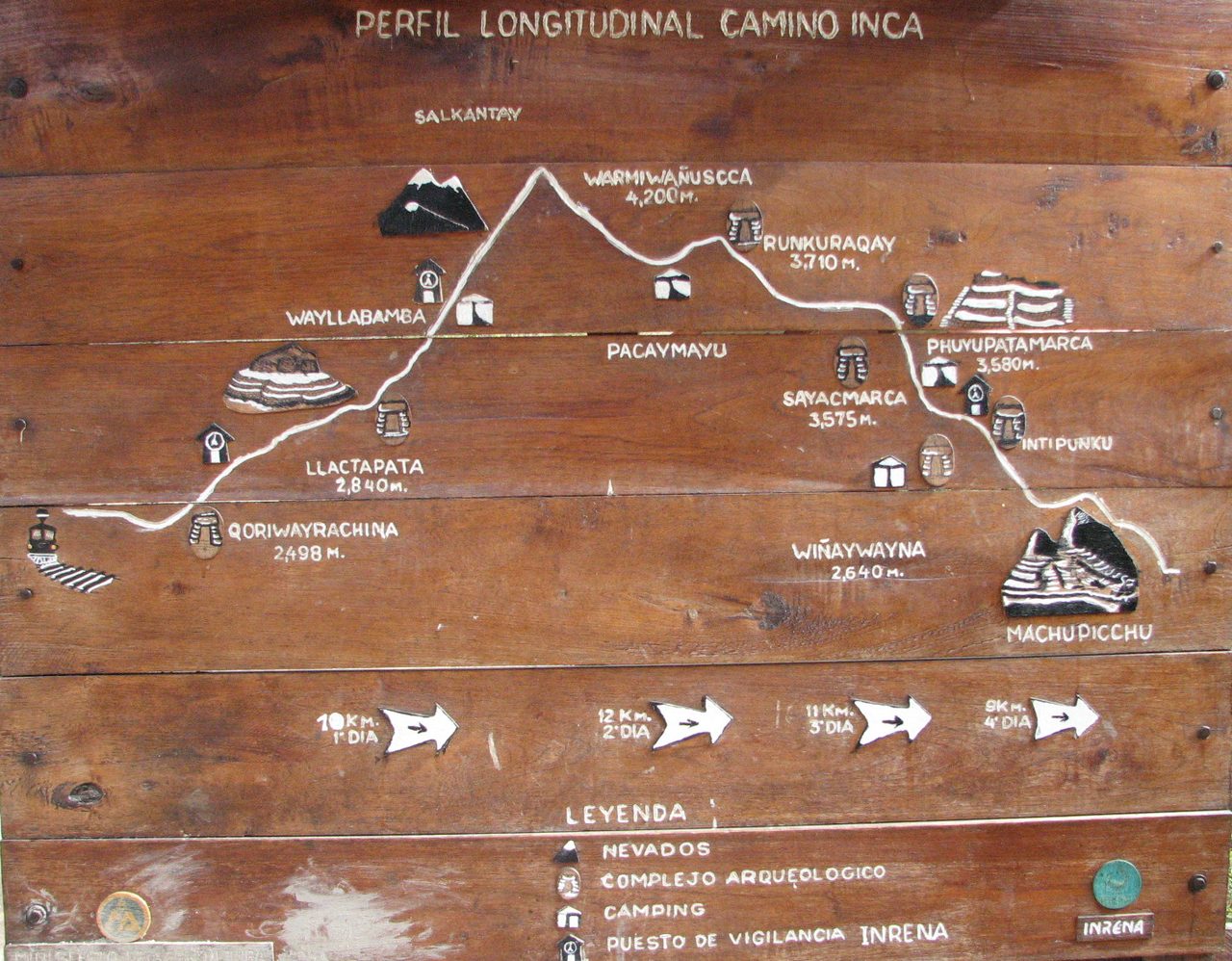
This is the item most first-timers under-budget, and it is the one where getting it wrong has a human cost. Your porters carried your tent to 4,215 m. The legal wage floor is roughly S/88 a day. Tips are how that becomes a living.
The convention on the classic four-day trek is a group pool for the porters and chef, handed to the guide in an envelope after dinner on night three, plus an individual tip for the guide at the end. Peruvian soles in cash, small notes, brought from Cusco — there is no ATM on a mountain.
| Recipient | Per-trekker contribution | Notes |
|---|---|---|
| Porter pool | S/180–280 (US$48–75) | Works out around S/60–90 per porter across a group of eight with fourteen porters. |
| Chef | S/40–60 (US$11–16) | Add a second assistant cook on larger groups. |
| Lead guide | S/90–150 (US$24–40) | Given individually, at the end, scaled to how good they were. |
| Assistant guide | S/40–80 (US$11–21) | Only on groups large enough to carry one. |
| Realistic total per person | S/350–520 (US$93–140) | Bring it in cash before you leave Cusco. |
If a quote is $150 cheaper than everyone else’s and the operator tells you tipping is “optional and up to you” with no guidance at all, read that as a company that has already decided the tip is doing the work its wage bill should be doing.
Group size, single travellers, and when you book
Three variables move the price within a band, and only one of them is really under your control.
Group size. The fixed costs of a departure — guide, chef, kitchen, transport — get divided across the paying trekkers. That is why a private trek for two costs US$1,000–1,500 each and the same operator’s private trek for six costs US$700–900 each. It is also why the cheapest group departures are always the biggest. If you are travelling as a group of four or more, ask for a private-departure price before you assume it is out of reach; the per-head gap narrows fast.
Solo travellers. There is no single supplement on the trek itself in the way there is at a hotel. You are placed in a group and share a tent with another solo traveller of the same gender. If you want your own tent, expect US$40–80. That is one of the better-value upgrades on this list, particularly if you sleep badly at altitude, which most people do until they have spent a few nights in a Cusco neighbourhood first.
When you book. Here is the counter-intuitive bit: on the Inca Trail, booking early does not get you a discount, it gets you a date. Permits are capped and sold on a first-come basis, and for 2026 they went on sale on 17 November 2025, staggered over roughly a week. Several operator pages still claim the release happens in October; that has not been the pattern recently, and the 2027 date had not been confirmed at the time of writing. June to August dates disappear within days.
What early booking does affect is your leverage. Book in November for a July departure and you can shop calmly across five operators. Try to book in May for July and you will be taking whatever slot anyone still holds, at whatever price they name. Last-minute availability does occasionally appear when a group cancels, and it is almost never cheap. If your dates are inflexible and you are shopping late, read up on how the permit release actually works before you pay a deposit to anyone.
The permit is non-transferable and non-refundable. Plan for that.
This deserves its own section because it is the one financial fact about the trail that genuinely catches people out.
Your permit is issued against your passport number and your name. It cannot be resold, transferred to a friend, moved to another date, or refunded. Not for illness. Not for a missed connection. Not for a family emergency. If your passport is renewed between booking and trekking, you carry both the old and the new document, because the number on the permit has to match something in your hand at the Km 82 checkpoint.
Most operators will refund some part of the operator slice if you cancel far enough out, on a sliding scale, and none of them will refund the permit, because they cannot — the money is with the ministry. Deposits are typically US$200–300 and are themselves non-refundable, with the balance due somewhere between 30 days out and your arrival in Cusco.
Which is why travel insurance stops being an optional line item here. The specific thing you need is trip cancellation cover that will reimburse a non-refundable trek deposit, plus medical and evacuation cover that is valid above 4,000 m. This is the trap: a great many standard policies cap trekking cover at 2,500 m or 3,000 m, which excludes literally every night of the Inca Trail, since the lowest camp sits well above that and Dead Woman’s Pass tops out at 4,215 m. Buy the adventure or activity extension that names an altitude ceiling of 4,500 m or higher, and check that helicopter evacuation is included rather than “arranged”.
Give yourself acclimatisation nights before the trek too, and not only for comfort. Arriving in Cusco two days before you start is what stops altitude sickness turning your non-refundable permit into a very expensive photograph of a trailhead. Our guide to handling the altitude in Cusco covers how long that actually takes.
Why the cheapest operators are cheap
I am not going to name companies, because the market churns and a good operator in 2024 can be a bad one in 2027. But the mechanisms are stable, and you can test for all of them with questions.
Porter pay and load. The law sets a load ceiling of 20 kg for men and 15 kg for women, plus the porter’s own gear, plus a minimum daily wage, accident insurance for the duration of the trek, and transport home afterwards. All of that is a cost. The cheapest way to reduce it is to run fewer porters carrying more each, pay at or below the floor, and treat the insurance as optional. Ask an operator three questions: how many porters travel with a group of your size, what does each one earn per day, and are they insured for the whole trek. A company that answers all three with numbers is operating inside the law. A company that answers with a paragraph about family values is not answering.
Group size. Sixteen trekkers instead of ten spreads the fixed cost across sixty percent more people. It also means one guide for sixteen, a queue for everything, and a walking pace set by whoever is struggling most on Dead Woman’s Pass.
Food. The kitchen is the easiest line to shave without it showing on a website. Fewer courses, cheaper protein, no capacity to handle a vegetarian or gluten-free trekker properly. On a trek burning three to four thousand calories a day, this is not a cosmetic cut.
Guide English. Certification is compulsory; fluency is not. A guide with weak English can keep you safe and cannot explain Sayacmarca to you, which is most of what you came for. Ask what level the guide holds and how many seasons they have on this specific trail, not on treks in general.
Equipment age. Tents get replaced on a cycle, and the cycle costs money. A six-year-old tent in a Cusco warehouse has done sixty wet nights. Ask when the tents were last replaced and what temperature the sleeping bags are rated to, then check the answer against the gear your operator supplies versus what you have to bring or rent yourself.
The Machu Picchu ticket. As above, the newest trick in 2026 is quoting without the citadel entry.
None of this means every cheap operator is exploitative and every expensive one is virtuous. There are new, licensed companies pricing low to build reviews, and there are expensive companies with tired equipment and excellent marketing. It means the low price has to be explained by something, and if the explanation is not “we are new and building a reputation”, it is usually one of the six things above.
The total real trip cost
Here is the number you actually need. This assumes a mid-range group trek from Cusco, one traveller, four days on the trail, and the two acclimatisation nights before and one night after that any sensible plan includes.
| Line | Lean | Comfortable | Generous |
|---|---|---|---|
| Classic 4-day trek | $700 | $880 | $1,350 |
| Gear rental (bag, mat, poles) | $35 | $60 | $0 (own gear) |
| Personal porter | $0 | $0 | $180 |
| Tips | $95 | $120 | $150 |
| Bus down from the citadel | $13 | $24 | $24 |
| Cusco nights, 3 total | $75 | $180 | $390 |
| Meals and drinks in Cusco, 3 days | $45 | $90 | $180 |
| Travel insurance with 4,500 m cover | $45 | $70 | $110 |
| Snacks, toilets, laundry, souvenirs | $30 | $60 | $120 |
| Contingency at 10% | $104 | $148 | $250 |
| Landed total | ~$1,140 | ~$1,630 | ~$2,750 |
Compare that with the $700 you saw on the booking page. The gap is not a scam; it is just the part nobody advertises. If your budget for the trek is genuinely fixed at $900, the honest answer is that you are looking at a lean-column trip, and you should decide in advance which lines you are willing to compress. Not the insurance and not the tips.
Note that this excludes international flights, the Cusco flight or bus from Lima, and anything you do in the rest of the country. If the trek is one leg of a longer route, our Cusco and Machu Picchu itinerary shows how the trail slots into a wider plan without wasting days.
How the Inca Trail compares on price to the alternatives
The trail is the most expensive way to walk to Machu Picchu, and part of what you are buying is scarcity. Two hundred trekker permits a day for a route that ends by walking through the Sun Gate at dawn is a genuinely limited product. Whether that is worth a $300 premium over an equivalent-length alternative is a taste question, not a value question.
| Route | Days | 2026 group price | Permit needed |
|---|---|---|---|
| Classic Inca Trail | 4 | $620–1,000 standard | Yes, capped, months ahead |
| Short Inca Trail | 2 | $475–750 | Yes, capped, less pressure |
| Salkantay | 4–5 | $300–600 | No |
| Lares | 4 | $550–850 | No |
| Choquequirao | 4–5 | $700–1,600 | No |
| Train day trip, no trek | 1–2 | $250–600 | Citadel ticket only |
The Salkantay route is the obvious price alternative and is the harder walk of the two, with a higher pass and less shelter. It also does not end at the Sun Gate, which matters more to some people than they expect. Our head-to-head on choosing between the two treks goes into the trade-offs, and the Lares valley route is the one to look at if you care more about meeting the communities along the way than about ruins. If permits are gone and the budget is tight, the two-day version of the trail gets you the last, best section including Wiñay Wayna and the Sun Gate for a few hundred dollars less. And if you have decided against trekking altogether, doing Machu Picchu cheaply by train and bus is a perfectly respectable trip.
Does the price change through the year?
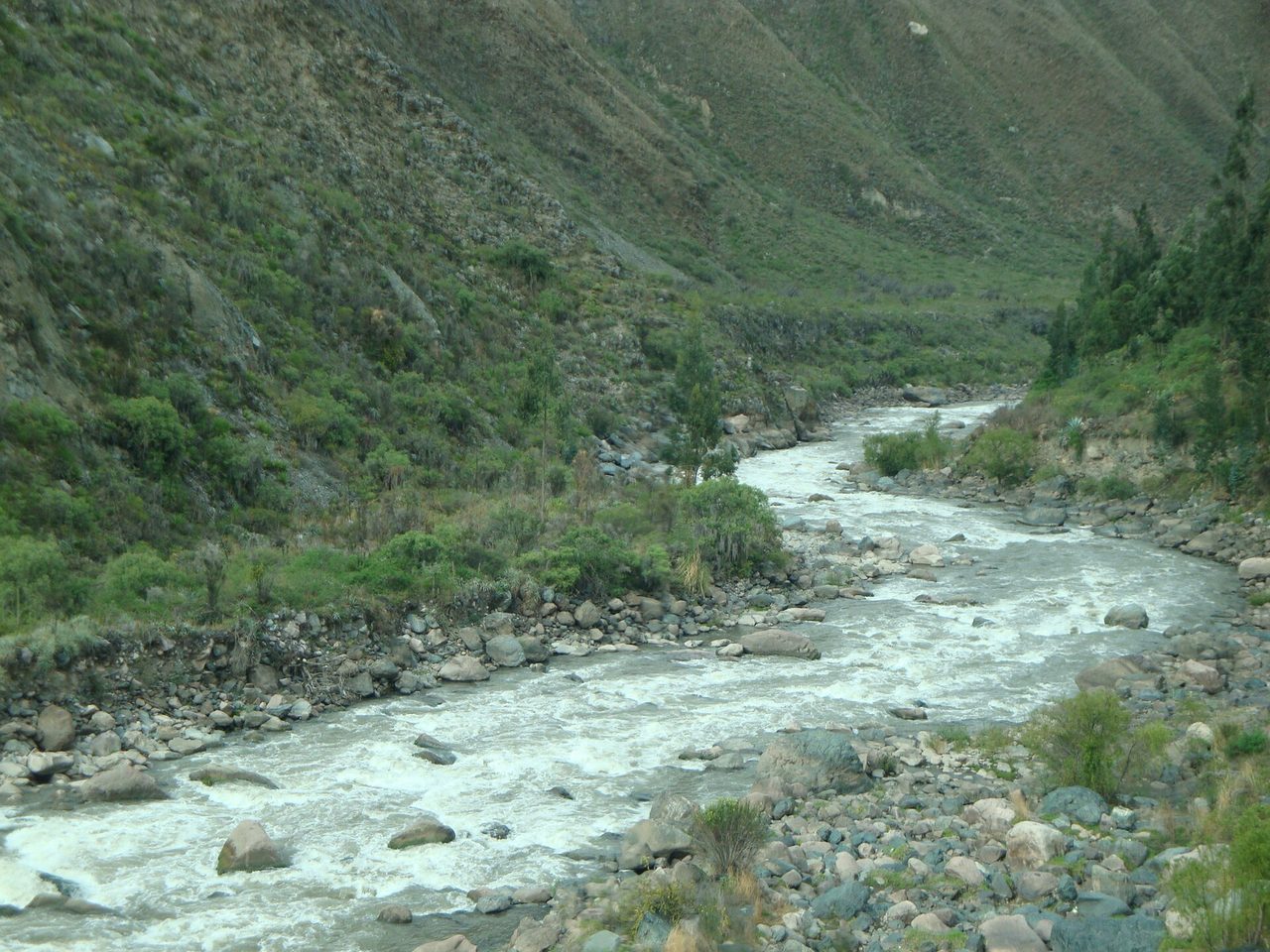
Less than you would hope. The permit fee is flat all year. The train fluctuates modestly by season and departure time. What actually moves is availability, and availability moves behaviour: in June and July every departure is full, so nobody discounts, and in the shoulder months operators will consolidate small groups or quietly shave a hundred dollars to fill a departure.
April, early May, October and November are where the money is. The trail is closed for maintenance every February, and the wet months either side of that are genuinely wet — not “a shower in the afternoon” wet, but four days of walking on slick stone. Our breakdown of the Andean dry season and the wider picture of when to visit Machu Picchu will tell you which trade-off you are making. My own view: pay the peak-season price for June if you have never trekked at altitude, and take the April discount if you have and you own decent waterproofs.
How to compare two quotes in ten minutes
Print both and check the same eight lines. Anything a quote does not mention, it does not include.
- Is the Machu Picchu entrance included, and on which circuit?
- Which train service and which departure time on day four?
- Maximum group size, guaranteed in writing, not “usually around ten”?
- One guide or two, and what is the guide’s English level and seasons on this trail?
- Sleeping mat: foam or inflatable? Sleeping bag: included, rented, or yours?
- How many porters for that group size, what do they earn, are they insured?
- Is the shuttle bus down from the citadel included? (Usually not.)
- Deposit amount, balance due date, and the written cancellation scale.
If both quotes answer all eight identically and one is $250 cheaper, book the cheaper one. That situation is rare enough that I have only seen it when an operator was filling a departure. Far more often, the cheaper quote is silent on three of the eight.
Frequently asked questions
How much does the Inca Trail cost in 2026?
A classic four-day group trek runs roughly US$620 to US$1,000, with the established mid-range operators clustering around US$840 including the return train. Premium and private departures run US$1,200 to US$2,500. Add US$300–600 on top for tips, gear, the bus, Cusco nights and insurance to get a landed figure.
How much is the Inca Trail permit itself?
S/292 for a foreign adult in 2026, about US$78, covering trail access and citadel entry. Students with a valid university photo ID pay roughly US$35 less, under-18s around US$40. You cannot buy it yourself — only agencies licensed by the Ministry of Culture can, and only against your passport details.
Is the Machu Picchu entrance ticket included in the trek price?
Usually yes, but 2026 is the first year you have to check. The ministry now bills the citadel entry to agencies separately, and a minority of operators quote without it. Get the answer in writing before you compare two prices.
Do I need to rent a sleeping bag, or is one included?
Almost never included below the premium tier. Budget US$20–35 for the trek and ask for the comfort rating rather than the extreme rating. Anything not rated to at least -5°C comfort will leave you cold at Phuyupatamarca.
Is the permit refundable if I get sick?
No. Inca Trail permits are non-transferable and non-refundable under any circumstances, including illness and family emergency. The operator may refund part of its own fee on a sliding scale; the government portion is gone. This is precisely what trip cancellation insurance is for.
What altitude does my travel insurance need to cover?
At least 4,500 m, to comfortably clear Dead Woman’s Pass at 4,215 m. Many standard policies cap trekking cover at 2,500 m, which would exclude every single night of the route. Check for helicopter evacuation as an included benefit, not something merely “arranged on your behalf”.
How much should I budget for tips?
US$93–140 per trekker on a four-day trek, in soles, in cash, brought from Cusco. Split roughly as a group pool for the porters and chef handed over on night three, plus an individual guide tip at the end.
Can I add Huayna Picchu to my Inca Trail booking?
Not as a simple upgrade. The mountain routes require their own timed citadel ticket, which in practice means returning the next day, with the extra night in Aguas Calientes and another bus fare. Treat it as an extra day and roughly US$140–180, not a $75 add-on.
Is there a single supplement for solo trekkers?
Not automatically. You will be paired with another solo traveller in a shared tent. Your own tent costs US$40–80 for the three nights, which is one of the better upgrades on the list if you value sleep.
Is a $500 Inca Trail tour safe to book?
The permit plus the return train plus the legal porter wage bill already accounts for most of $500 before food, tents, guide or profit. That does not automatically mean fraud, but it does mean something in the operator slice has been cut, and the most common candidates are porter pay, group size and equipment age. Ask the eight questions above and see how many get straight answers.
Is the Inca Trail worth the money compared with Salkantay?
You are paying a premium of roughly $300 for Inca ruins along the route, a legally capped number of walkers, and arriving on foot through the Sun Gate. Salkantay is the bigger mountain landscape and the cheaper trek. If your budget is the deciding factor, Salkantay is not a consolation prize. If arriving at Machu Picchu on foot from above is the specific thing you have imagined for years, nothing else does it.
How far in advance do I have to pay?
A deposit of US$200–300 at booking, which secures the permit and is not refundable, with the balance due anywhere from 30 days out to your arrival in Cusco depending on the operator. Because permits sell in a rush each November, the deposit usually has to be paid within days of choosing your dates.
The short version
Budget US$1,400 to US$1,800 all-in for a mid-range four-day trek done properly, with the trek itself somewhere around US$850 of that. Treat anything under US$620 as a question rather than a bargain, put the difference between budget and mid-range into group size and guide quality rather than luxury camping, buy insurance that names an altitude above 4,500 m, and carry your tips in soles.
And keep the two-slice model in your head when the quotes come in. The state takes what it takes from everybody. Everything else is a choice somebody made about your four days, and you are allowed to ask what it was. Before you commit, the wider guide to walking the Inca Trail covers the route itself, and if you are still weighing this against the other big walks in the country, the best treks in Peru lays out the full field.