3 Weeks in Peru: The Grand Tour Itinerary
A full 21-day route up the coast and into the Andes, with real transfer times, and an honest look at the three ways to spend the week a two-week visitor never gets: Chachapoyas, Huaraz or a proper trek.
Almost every guide to 3 weeks in Peru is a two-week itinerary with a few days stapled on the end. You can spot them instantly: the last three days are always “more time in Cusco” or “relax and shop for souvenirs”. That is a waste of the single most interesting trip length Peru offers, because at 21 days something genuinely changes. The constraint stops being time and becomes your tolerance for internal transfers.
Peru is roughly twice the size of France. Its three headline landscapes — the desert coast, the high Andes and the Amazon basin — are stacked side by side with mountain ranges in between, and the country has almost no useful east-west roads. So the real question at three weeks is not “what else can I see”. It is “how many more 6am departures, night buses and airport queues am I willing to absorb before the trip stops being fun”.
This guide answers that properly. First a full 21-day day-by-day for the main southern route, with real transfer times and where you sleep each night. Then three genuine alternatives for how to spend the part of the trip that a two-week visitor never gets. Then the trek comparison, the flight-versus-bus maths, a full itemised cost table, and an honest section about being tired.
What 3 weeks in Peru actually buys you
Here is the short version, and it is the fork the whole article is built around.
Three weeks buys you the complete southern circuit — Lima, the desert coast, Arequipa, Colca, Lake Titicaca, Cusco, the Sacred Valley and Machu Picchu — plus exactly one of the following:
- A short Amazon block out of Puerto Maldonado (3 days, easy, the default).
- The far north: Chachapoyas, Kuelap and Gocta (6–7 days, hard access, almost nobody there).
- Huaraz and the Cordillera Blanca (6–7 days, the best mountains in the country).
- A proper deep Amazon stretch out of Iquitos (5–6 days, only reachable by air or river).
- A multi-day trek instead of the train to Machu Picchu (4–6 days).
One. Not two. Anyone selling you Chachapoyas and Huaraz and the southern circuit in 21 days has not added up the transfers. Chachapoyas to Huaraz alone is two days of your life, or a flight to Lima and out again.
| Trip length | Realistic coverage | What is still out of reach |
|---|---|---|
| 7 days | Cusco, Sacred Valley, Machu Picchu. | Everything else in Peru. |
| 10 days | The Cusco core plus one four-day region. | Titicaca, Arequipa and the Amazon together. |
| 14 days | Most of the southern circuit, moving fast. | The north, the Cordillera Blanca, any trek longer than two days. |
| 21 days | The full southern circuit at a human pace, plus one big extra region or a multi-day trek. | Two big extras. Northern Peru and the Cordillera Blanca in the same trip. |
| 28 days+ | Southern circuit, a trek, and the north or Huaraz. | Not much, honestly. |
If you are still deciding on length rather than route, the overview of how trip length shapes a Peru route is the better place to start, and the tighter ten-day version of this trip shows what gets cut first. If you are down to a single week, the seven-day Cusco-only plan is the one that actually works.
The one thing three weeks changes: you stop being able to fly over everything
On a ten-day trip, flights are a rounding error. You fly Lima–Cusco, Cusco–Lima, maybe Cusco–Puerto Maldonado, and that is the whole transport plan. At 21 days you are doing eight to twelve significant movements, and if you fly all of them you will spend a fortune and see nothing between the airports.
So three weeks is the first length where the overland sequence up the coast becomes worth doing on its own merits — and it happens to solve the altitude problem for free. Lima is at sea level. Arequipa is 2,335 m. Colca sleeps you at around 3,650 m. Puno is 3,830 m. By the time you reach Cusco at 3,400 m you have been climbing for a week and the city feels normal instead of hostile.
That is not a small thing. Flying Lima to Cusco on day one and going straight up to 3,400 m is the single most common way to lose two days of a Peru trip to a headache and nausea. The altitude situation in Cusco is manageable but it is not trivial, and three weeks lets you sidestep it entirely by arriving from below.
The main 21-day route, day by day
This is the version I would book for a first trip. It moves south to north in altitude terms, ends with the jungle, and has two genuine rest days in it. Every transfer time below is door to door, not the optimistic timetable number.
Days 1–2: Lima
Sleep: Miraflores or Barranco. Altitude: sea level.
Fly in, sleep, and give Lima two full nights rather than the one that most itineraries allow. Most long-haul flights land late at night, so day one is functionally a write-off — you get a shower and a walk along the Malecón. Day two is the real one: the Larco Museum in the morning, Barranco in the afternoon, and dinner somewhere that justifies the reputation. Lima is the best eating city in South America and you will not have another chance at this standard of food until you are back here at the end. The practical rundown of what is worth your time in Lima covers the museums; on the food side, work out what you actually want to eat before you arrive, because Peruvian food is far broader than ceviche and the good places book out.
Skip: the Magic Water Circuit unless you are travelling with children. Central Lima’s colonial core is worth two hours, not a day.
Day 3: Lima to Paracas
Transfer: 4 h by bus (Cruz del Sur or Peru Hop, roughly $18–35). Sleep: Paracas. Altitude: sea level.
Leave Lima mid-morning. The Pan-American south is a grim four hours of dust and chicken farms, and then Paracas appears as a strip of hotels on a bay full of pelicans. Afternoon: the Paracas National Reserve by taxi or bike, which is red desert cliffs dropping straight into cold green ocean. It is more interesting than the photos suggest.
Day 4: Ballestas Islands, then Huacachina
Transfer: 2 h boat, then 1 h 30 by bus. Sleep: Huacachina. Altitude: 400 m.
The Ballestas boat leaves at 08:00 and again at 10:00. You do not land; you circle islands packed with sea lions, Humboldt penguins and several hundred thousand guano birds, and you get back at 10:00 smelling faintly of ammonia. It is good, it is cheap (around S/85–120 with the port fees), and it is over by lunch. People call it the poor man’s Galápagos, which undersells the sea lions and oversells everything else.
Afternoon bus to Ica, then a five-minute taxi to Huacachina. The whole Peruvian southern coast stretch is the part of the country most people skip, and it is the reason three weeks feels different from two.
Day 5: Huacachina dunes, then Nazca
Transfer: 2 h 30 by bus. Sleep: Nazca. Altitude: 520 m.
Huacachina is a real oasis surrounded by a slightly absurd amount of tourism infrastructure. The dune buggy and sandboarding run (around S/60–100, roughly two hours, late afternoon is best) is genuinely fun and genuinely frightening. The village itself you will have exhausted in an hour. Take the late afternoon buggy, then the evening bus down to Nazca.
Day 6: Nazca overflight, then the night bus
Transfer: 30–35 min flight, then 9–10 h overnight bus. Sleep: on the bus. Altitude: climbing to 2,335 m.
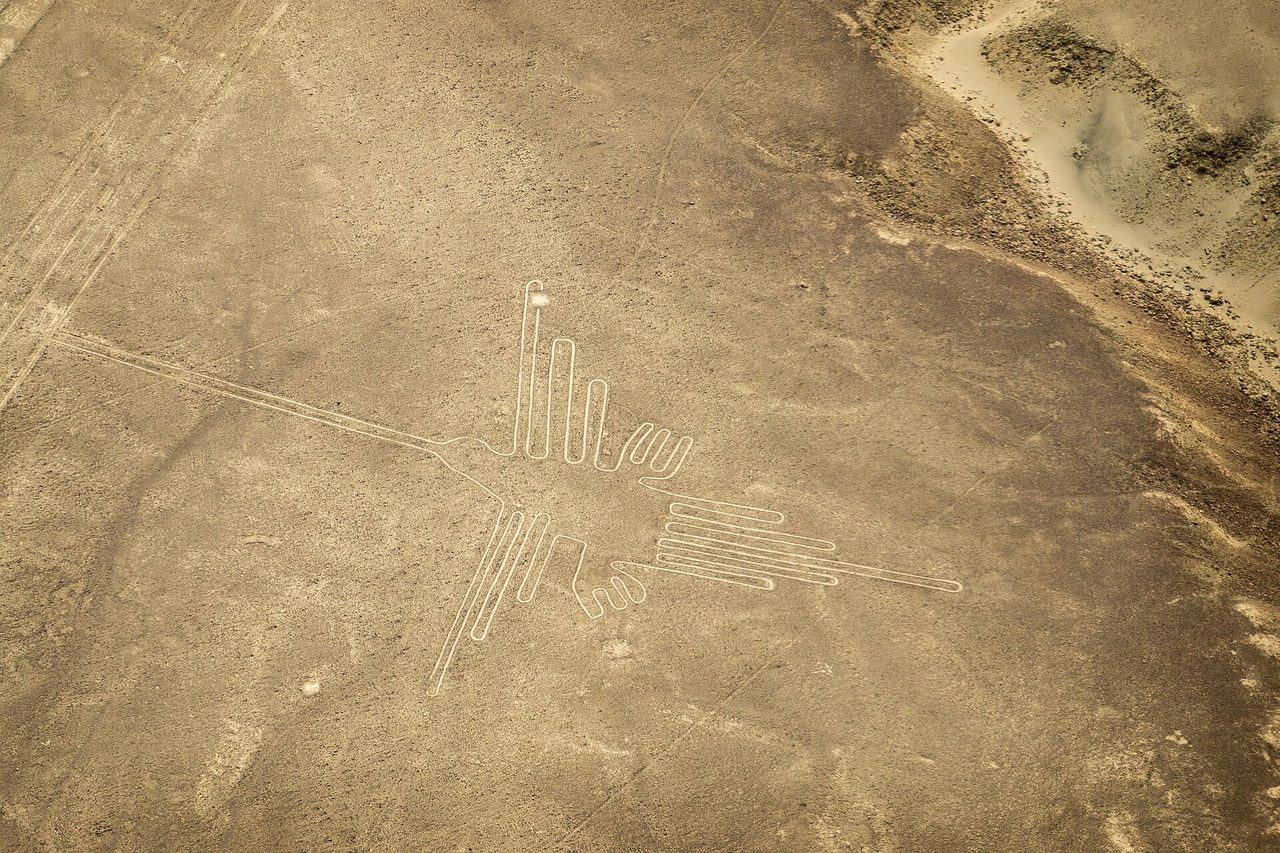
Fly early — the air is calmer and the light is better before about 10:00. A Nazca Lines overflight runs $80–120 depending on aircraft and season, lasts half an hour in a six-seat Cessna, and involves a lot of steep banking so that both sides of the plane get the view. A meaningful number of people are sick. Do not eat a big breakfast.
Then the overnight bus to Arequipa. This is the one night bus I would keep in the itinerary: it saves you a hotel, it saves you a day, and the cama seats on the better operators genuinely recline flat. Book the lower deck if you are a nervous passenger.
Days 7–8: Arequipa
Sleep: Arequipa. Altitude: 2,335 m.
You arrive around 06:00, dazed. Day seven is deliberately soft: check in, sleep for two hours, then Santa Catalina Monastery in the afternoon when the light goes orange on the sillar walls. It is a walled city within a city and it deserves a full two hours, not the 45 minutes most tours give it.
Day eight: the Museo Santuarios Andinos to see Juanita, the frozen Inca girl found on Ampato in 1995, then Yanahuara for the volcano view and a long lunch. Arequipa is where I would take my first rest day if I needed one — it is low enough to sleep properly, the food is excellent, and the city is compact enough that doing nothing feels like a choice rather than a failure.
Day 9: Arequipa to Colca Canyon
Transfer: 4–6 h by road with stops. Sleep: Chivay or Yanque. Altitude: 3,650 m.
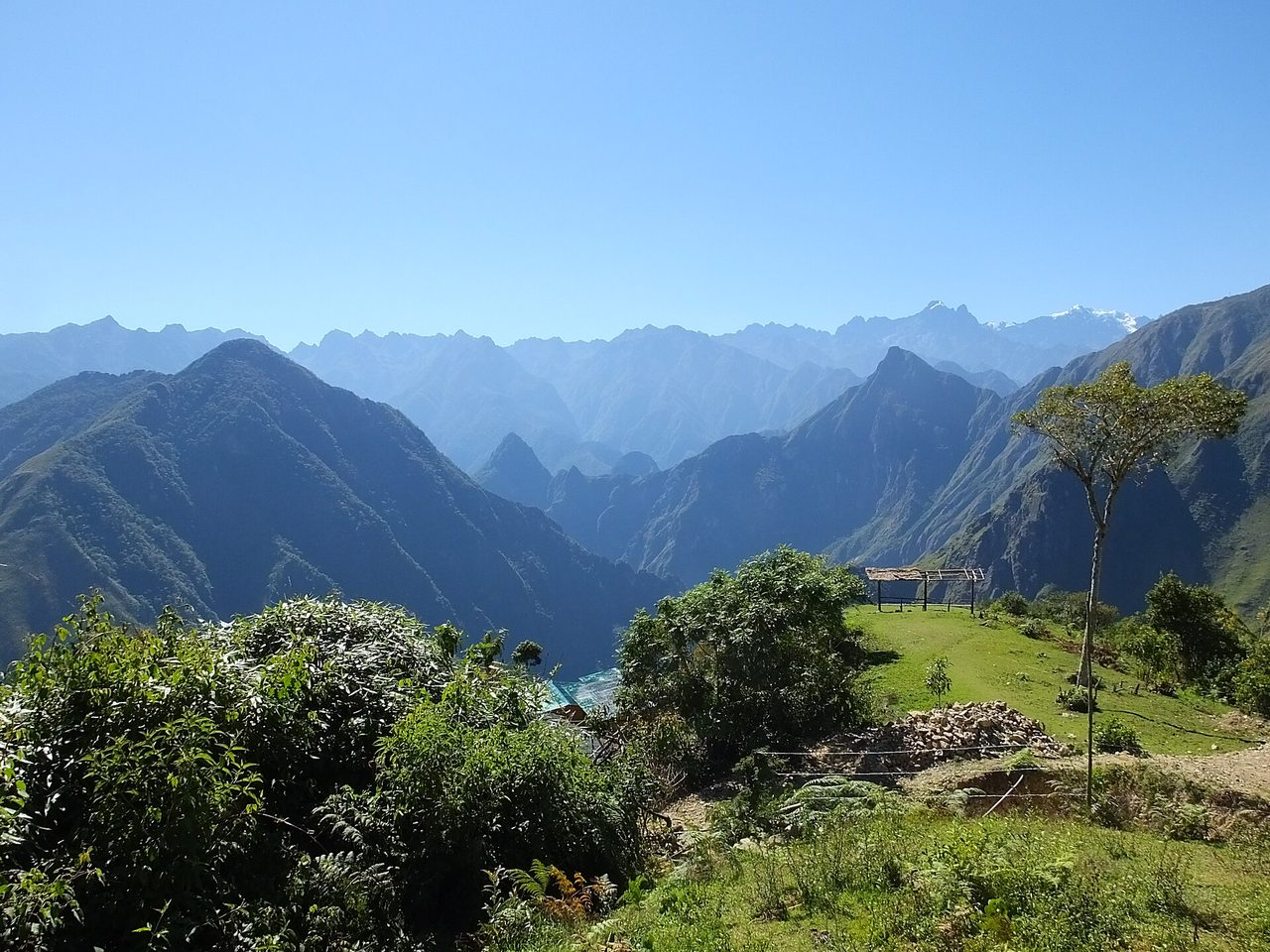
The road crosses the Patapampa pass at about 4,910 m, which will be the highest you have been. Everybody piles out for photos and everybody gets a headache. Drink the coca tea, do not sprint up the viewpoint steps, and get back in the van. Vicuñas, wild and skittish, all along the altiplano stretch.
Afternoon in Chivay: the La Calera hot springs are pleasant and mildly overpriced. Sleep early because tomorrow is brutal.
Day 10: Cruz del Condor, then Puno
Transfer: 2 h to the viewpoint, then 6 h to Puno. Sleep: Puno. Altitude: 3,830 m.
Vans leave Chivay around 05:30 to reach Cruz del Cóndor between 07:30 and 09:00, which is when the thermals build and Andean condors ride up out of the canyon. Some mornings you see fifteen. Some mornings you see two and a lot of other people’s selfie sticks. It is weather-dependent and nobody can promise you anything.
Then the long haul to Puno. A direct bus from Chivay avoids doubling back to Arequipa and saves about four hours; confirm it is running when you book, because the schedule thins out of season.
Day 11: Lake Titicaca
Sleep: Puno, or a homestay on Amantaní. Altitude: 3,830 m.
The Uros floating islands are twenty minutes from Puno and they are, bluntly, a performance. The reed islands are real and still inhabited; the tour is fifteen minutes of demonstration and forty minutes of handicraft selling. Taquile, two and a half hours further out, is better — a genuine working island with a knitting tradition on the UNESCO intangible heritage list and a walk up to a plaza at 3,950 m that will remind you where you are.
If you have the appetite, the overnight homestay on Amantaní is the version of Lake Titicaca people actually remember, cold night and all. It costs you nothing extra in days because you are heading to Cusco tomorrow either way.
Day 12: Puno to Cusco
Transfer: 7 h direct bus, or 10 h on the tourist bus with stops ($20–60). Sleep: Cusco. Altitude: 3,400 m.
Take the tourist bus, not the direct one. It stops at Pukará, the La Raya pass at 4,335 m, the enormous Inca temple at Raqchi and the astonishing painted church at Andahuaylillas, and it turns a dead transfer day into a real one. It costs more and takes three hours longer and it is still the right call. The alternative — the Andean Explorer train — is beautiful, takes ten and a half hours, and costs several hundred dollars.
Days 13–14: Cusco
Sleep: Cusco. Altitude: 3,400 m.
You arrive already acclimatised, which means you can use these two days properly instead of lying down. Day 13: San Blas, the Qorikancha, the market at San Pedro, and a slow evening. Day 14: the ruins above the city on foot — Sacsayhuamán, Q’enqo, Puka Pukara and Tambomachay — walking up and taxiing back rather than the reverse.
Buy the Boleto Turístico for this; the full ten-day version covers Sacsayhuamán, the Sacred Valley sites and several museums for around S/130. Students with an ISIC card still get the reduced COSITUC rate, which is worth knowing because ISIC no longer works at Machu Picchu itself. There is far more in the city than two days will hold — the full list of the best things to do in Cusco and the guidance on how many days Cusco really needs will tell you what you are giving up.
Days 15–16: Sacred Valley
Transfer: 1 h to Pisac, 1 h 30 Pisac to Ollantaytambo. Sleep: Ollantaytambo. Altitude: 2,790 m.
Move out of Cusco and stay in the valley. Ollantaytambo is 600 m lower than Cusco, which helps if the altitude has been sitting on you, and it is a living Inca town with the original street plan and water channels still running.
Day 15: Pisac ruins in the morning (go early, before the Cusco day tours arrive at 10:00), then across to Ollantaytambo. Day 16: Moray and the Maras salt pans, or simply a day off in the valley. The Sacred Valley rewards slowness more than anywhere else on this route, and it is a better place to lose a day than Cusco is.
Day 17: Train to Aguas Calientes
Transfer: 1 h 30–1 h 45 by train from Ollantaytambo. Sleep: Aguas Calientes. Altitude: 2,040 m.
Take an afternoon train so that you have the morning in Ollantaytambo. Standard-class tickets run roughly $35–60 per leg and prices move with season and departure time; book as soon as you have your Machu Picchu entry slot, because the trains sell out in the same window. The details of the train options and how the fares work are worth reading before you book, since the difference between the cheapest and most expensive service on the same track is roughly tenfold.
Aguas Calientes is not a charming mountain village. It is a concrete grid of hotels and restaurants wedged into a gorge, built entirely to service the site above it. Eat early, sleep early.
Day 18: Machu Picchu, then back to Cusco
Transfer: 25 min shuttle up, then 4–5 h train and road back. Sleep: Cusco. Altitude: 2,430 m at the site.
Machu Picchu sits at 2,430 m — almost a kilometre lower than Cusco, which surprises people who have spent a week bracing for it.
The rules matter more than they used to. Since 1 June 2024 the site runs on three circuits and ten defined routes, all one-way, and rangers enforce them; you cannot wander back for a second look at something. Entry is by timed hourly slot from 06:00 to 16:00 with a 30-minute grace period, and you will be inside for roughly two and a half to four hours depending on which route you booked. Entry for a foreign adult is S/163, or S/211 for the routes that include Huayna Picchu or Machu Picchu Mountain — those went up on 1 May 2026 when SERNANP added a conservation surcharge, so ignore any page still quoting S/152. The daily cap is 4,500, rising to 5,600 on peak dates (1 January; 2–5 April; 19 June to 2 November; 30–31 December).
The Consettur shuttle from Aguas Calientes costs about $24 return and the queue starts before 05:00 for the first buses. Walking up takes 60–90 minutes of steep stone staircase. Work out which route you want before you buy, because you cannot change it at the gate — the comparison of Huayna Picchu against Machu Picchu Mountain matters here, and the full breakdown of how the ticket types and circuits work will save you an expensive mistake. One correction to a widely repeated claim: ISIC cards are no longer accepted for the Machu Picchu student rate. You need a university photo ID with an expiry date on it, checked at the gate.
Days 19–21: Amazon out of Puerto Maldonado
Transfer: 55 min flight from Cusco, then 30 min–3 h by boat. Sleep: jungle lodge. Altitude: 180 m.
Fly Cusco to Puerto Maldonado on the morning of day 19, transfer down the Tambopata or Madre de Dios by boat, and you are in the canopy by mid-afternoon. Two full nights is the minimum that justifies the flights; three is better. You get a night walk, a dawn boat, an oxbow lake with giant river otters if you are lucky, and possibly a macaw clay lick.
Day 21: a dawn activity, back to town, and the afternoon flight to Lima for your onward connection. If your international flight leaves early, you need a 22nd day or you need to cut the jungle to two nights. Check your outbound time before you build this end of the trip — it is the single most common way this itinerary breaks. The wider guide to the Peruvian Amazon covers what the different regions actually offer, and if wildlife is the reason you are coming, the survey of what you can realistically expect to see in Peru is worth reading before you pick a lodge.
Where you sleep, in one table
| Nights | Place | Altitude | Getting there |
|---|---|---|---|
| 1–2 | Lima | Sea level | International flight |
| 3 | Paracas | Sea level | 4 h bus |
| 4 | Huacachina | 400 m | 1 h 30 bus |
| 5 | Nazca | 520 m | 2 h 30 bus |
| 6 | Overnight bus | — | 9–10 h |
| 7–8 | Arequipa | 2,335 m | Arrive 06:00 |
| 9 | Chivay / Yanque | 3,650 m | 4–6 h van |
| 10–11 | Puno (or Amantaní) | 3,830 m | 6 h from Colca |
| 12–14 | Cusco | 3,400 m | 10 h tourist bus |
| 15–16 | Ollantaytambo | 2,790 m | 2 h 30 via Pisac |
| 17 | Aguas Calientes | 2,040 m | 1 h 40 train |
| 18 | Cusco | 3,400 m | Train + road |
| 19–20 | Jungle lodge | 180 m | 55 min flight + boat |
| 21 | Fly out via Lima | — | 2 h flight |
The third-week fork: three alternatives to the standard Amazon block
Everything above is the safe version. Now the interesting part. Each of these swaps out the Puerto Maldonado block and takes two to four days from elsewhere in the route. I have been honest about what you give up.
Option A: Chachapoyas, Kuelap and Gocta
Costs you: the Amazon block plus roughly three days from the coast. Verdict: extraordinary, nearly empty, and the access is genuinely hard.
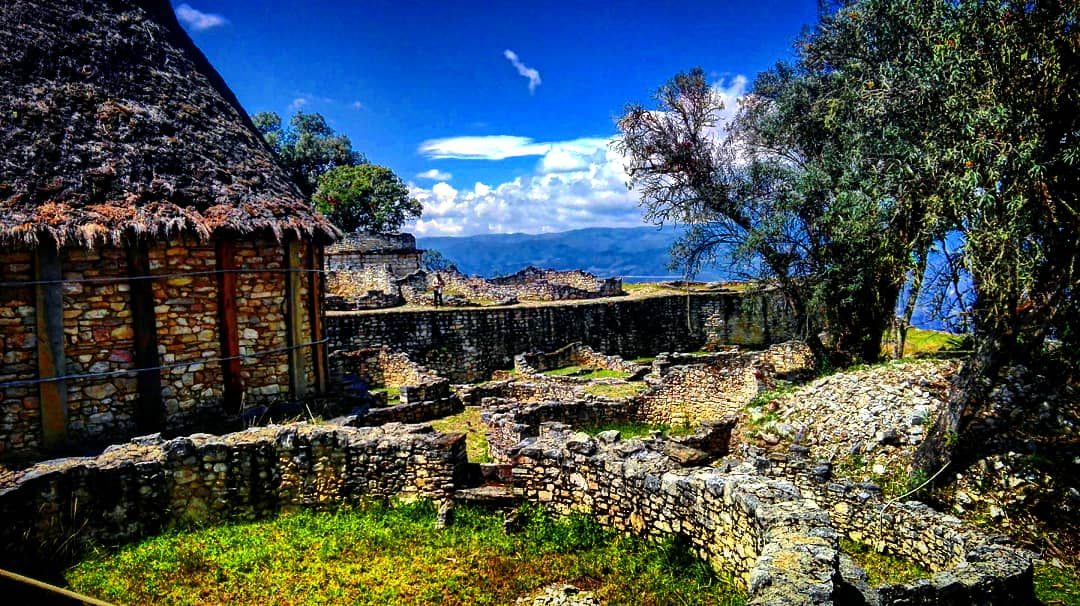
Kuelap is a walled Chachapoya city on a cloud-forest ridge at about 3,000 m, built from around 500 CE, with perimeter walls up to 19 m high and several hundred round stone houses inside. It received under 70,000 visitors in 2025. Machu Picchu gets that in a fortnight of high season. You can turn up and buy a ticket the day before, or the same morning, for around S/30 as a foreigner. There is no queue, no circuit system and often nobody else in your photographs.
The access is the problem, and I want to be specific rather than vague about it:
- Flying direct. One small airline operates a single daily flight from Lima to Chachapoyas on a small aircraft, typically around $150–190 each way. There is no competition and no fallback if it cancels.
- Flying to Jaén. More reliable: fly Lima to Jaén (about 1 h 45), then 4–5 hours by road to Chachapoyas. This is what most organised trips do.
- Overland. Lima to Chachapoyas by bus is 22–24 hours. It is a real option and it is a long one.
The cable car has been the subject of a lot of confused information online, so check the current position rather than trusting any article, including this one. What I can say: the Telecabinas Kuélap system, built by Poma and opened in March 2017, replaces a two-hour drive up an unpaved mountain road with a shuttle bus from Tingo plus a roughly 20-minute cabin ride, and costs about S/26.50 round trip for everyone regardless of nationality. It closes every Monday for maintenance, takes a two-week annual maintenance shutdown (scheduled for early May in 2026), and suspends service several times a year for evacuation drills. It also stops during heavy rain because of rockfall on the line — there was a suspension for exactly that reason in January 2026. Look at the operator’s own site for the year’s scheduled closures before you commit dates, and confirm on the morning itself in the rainy season from December to March.
The site’s own history has been turbulent too. A large section of the southern wall collapsed in April 2022, the site closed for most of 2023, and it reopened in 2024 with a previously unseen northwestern section added to the visitor circuit. The southern wall restoration was completed in 2026 and that part of the route is open again.
Around Chachapoyas: the Gocta waterfall at 771 m, reached by a 2–3 hour hike each way from Cocachimba; the cliff-face sarcophagi at Karajía; the Revash mausoleums; the Leymebamba museum with over 200 mummies recovered from the Laguna de los Cóndores. Give the region six or seven days including travel and it repays every one of them. Give it three and you will spend most of them in a van. The regional overview of northern Peru covers what else is up there, and Kuelap sits comfortably alongside the better-known Inca and pre-Inca ruins across Peru despite being neither Inca nor famous.
Do not do this if: your dates are rigid, you are travelling in February or March, or you get anxious about a single daily flight being your only way out.
Option B: Huaraz and the Cordillera Blanca
Costs you: the Amazon block and the Colca detour, or the whole coastal section. Verdict: the best mountain scenery in Peru, much cheaper than Cusco, and it demands its own acclimatisation.
The Cordillera Blanca has more peaks above 6,000 m than anywhere in the Andes outside the Bolivia–Chile frontier, and Huaraz is the town at the bottom of it. It is 8–9 hours by bus from Lima, roughly $15–35, with day and night departures. That road is the only practical way in for most travellers; the airstrip at Anta has intermittent commercial service at best, so check current schedules rather than planning around a flight.
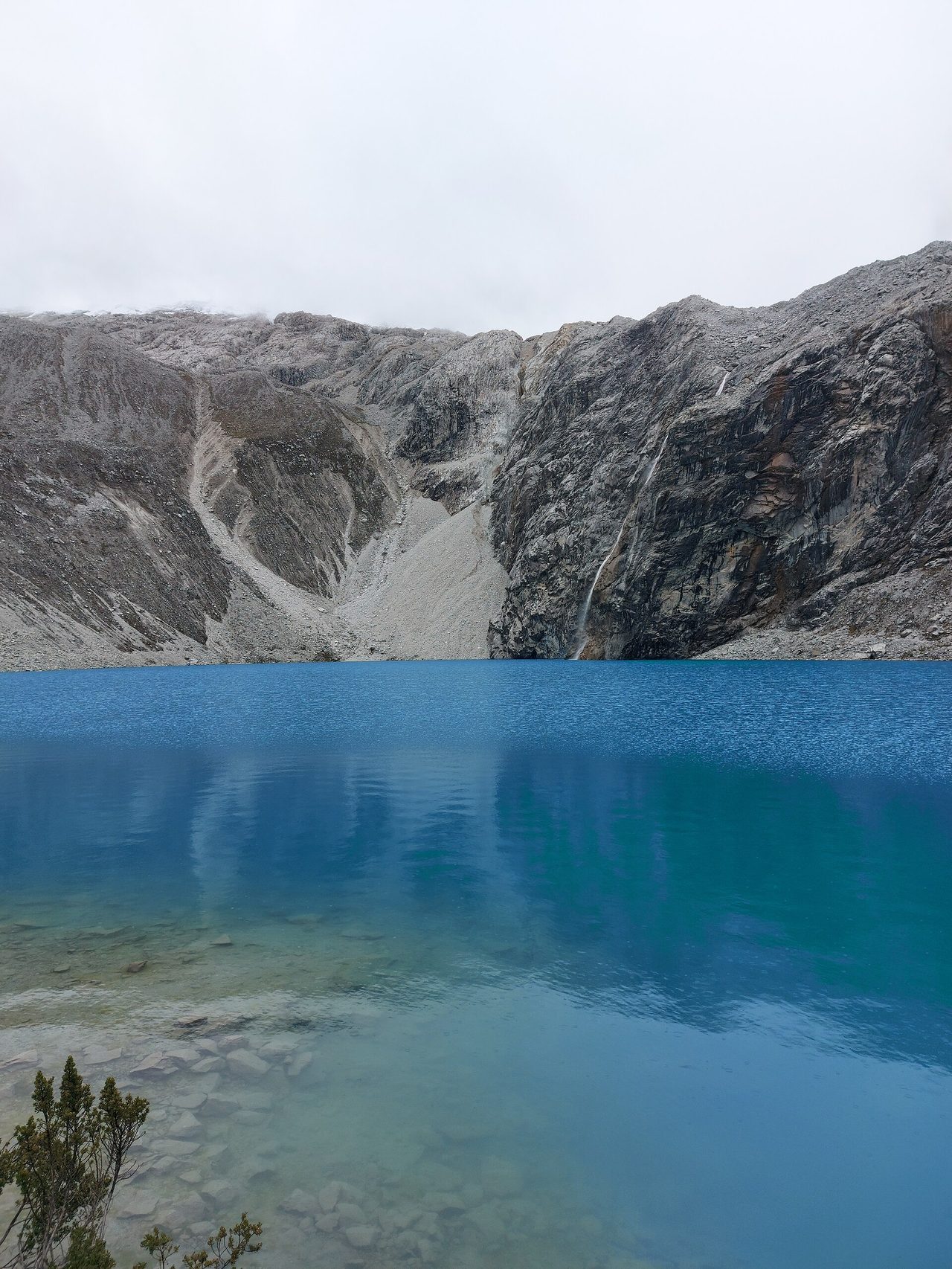
Huaraz sits at about 3,050 m. Laguna 69 sits at roughly 4,550 m and the trailhead is already at 3,900 m. This is the point I most want to make, because a lot of pages treat Laguna 69 as a warm-up hike: it is not. It is six to seven hours round trip, starting at a height most people have never been to, with a final climb that is genuinely hard for anyone who arrived from sea level two days ago. Day tours leave Huaraz around 05:00 and people turn back on that last section every single day.
Build the week properly:
- Day 1: arrive from Lima, do nothing.
- Day 2: Laguna Wilcacocha (3,750 m), an easy half-day that tells you how your body is coping.
- Day 3: Laguna Churup (4,450 m) or Laguna Parón, both harder.
- Day 4: Laguna 69.
- Day 5: Chavín de Huántar, a UNESCO-listed temple complex from around 1200 BCE, or a rest day.
- Days 6–9: the Santa Cruz trek, four days, if you want a trek that is not in Cusco.
Two arguments for putting Huaraz at the start of a three-week trip rather than the end. First, you arrive in Cusco pre-acclimatised, which is worth two days. Second, prices in Huaraz are a fraction of Cusco’s for the same quality of mountain, and doing it first means you notice. The trade-off: you lose the coast entirely, because Lima–Huaraz–Lima–south is too much backtracking. If mountains are why you are coming, look at the range of adventure activities available across Peru before you commit your third week to the jungle out of habit.
Do not do this if: you are visiting between December and March, when the Cordillera Blanca is in full wet season and the lakes are grey.
Option C: the Iquitos Amazon
Costs you: two extra days over the Puerto Maldonado version, and more money. Verdict: a different and better rainforest, at the price of a harder journey.
Iquitos is the largest city on earth with no road connection to anywhere. You arrive by air — about two hours from Lima, typically $70–160 one way — or by riverboat, which takes days. That isolation is the entire point. The forest around it is lowland Amazon proper, with the Pacaya-Samiria reserve upstream and the Tahuayo and Yarapa systems for lodges, and the wildlife list includes pink river dolphins, three species of monkey you will not see in Tambopata, and manatees in the rescue centre.
Now the honest comparison, because most short itineraries default to Puerto Maldonado and most of them are right to.
| Puerto Maldonado | Iquitos | |
|---|---|---|
| Access | 55 min flight from Cusco, road from Cusco also exists | 2 h flight from Lima only, or multi-day riverboat |
| Transfer to lodge | 30 min to 3 h by boat | 1 h to 4 h by boat, deep lodges further |
| Minimum sensible stay | 3 days / 2 nights | 4 days / 3 nights, realistically 5 |
| Signature wildlife | Giant river otters, macaw clay licks, capybara | Pink river dolphins, pygmy marmosets, more primates |
| Landscape | Terra firme forest and oxbow lakes | Flooded várzea forest, canoeing through treetops in high water |
| Cost, 3 nights | From around $250 budget, $450 mid | From around $450 budget, $700 mid; cruises $1,200+ |
| Fits a 21-day trip? | Yes, easily | Only if you cut something else |
If you have never been in rainforest, Puerto Maldonado will astonish you and Iquitos will astonish you slightly more for twice the logistics. If you have been to the Amazon before, or if the boat journey is part of the appeal rather than an obstacle, take Iquitos.
The trek slot: three weeks is when a multi-day walk finally fits
On a two-week trip a four-day trek eats a third of everything. At 21 days you can absorb it. This is the strongest single argument for the extra week.
All of these except Ausangate finish at or near Machu Picchu, replacing days 15–18 of the main route.
| Trek | Days | Highest point | Difficulty | Permit | Typical group cost | Crowding |
|---|---|---|---|---|---|---|
| Classic Inca Trail | 4 | 4,215 m (Warmiwañusca) | Moderate to hard | Yes, capped and dated | $650–950 | Full every day in season |
| Short Inca Trail | 2 | 2,700 m | Easy to moderate | Yes, same system | $400–600 | Busy |
| Salkantay | 5 (4-day versions exist) | ~4,630 m (Salkantay pass) | Hard | No | $300–600 | Popular but uncapped |
| Lares | 3–4 | ~4,600 m | Moderate | No | $400–600 | Quiet |
| Choquequirao | 4–5 return, 8–9 through to Machu Picchu | ~3,050 m site, 1,500 m canyon descent and re-ascent | Very hard | No | $500–800 | Almost empty |
| Ausangate | 5 | Over 5,000 m on multiple passes | Very hard | No | $450–700 | Quiet |
Some notes the tables in tour brochures leave out.
The Inca Trail is the only one with a permit problem. Access is capped at 500 people a day including porters, guides and cooks, which leaves roughly 200 trekkers. The trail closes for the whole of February every year for maintenance and ecological recovery, reopening on 1 March. Permits for June, July and August routinely go months ahead, and the practical advice from operators is to have your dates locked five to six months out for peak season. Shoulder months are easier and low season easier again, but permit release timing and rules have shifted more than once — verify the current booking window with an operator rather than trusting a date you read somewhere. The full picture is in the guide to hiking the Inca Trail.
Salkantay is harder than the Inca Trail and people underestimate it. The pass is over 4,600 m and the first two days are relentless. What you get in exchange is no permit, a lower price, and scenery that goes from glacier to cloud forest in 48 hours. It is my pick for anyone whose dates are fixed and late.
Choquequirao is the one for people who want to be alone. The site is roughly the size of Machu Picchu, perhaps 40% excavated, and it receives a tiny fraction of the visitors because the only way in is down 1,500 m into the Apurímac canyon and back up the other side. Your knees will hate you. A cable car has been discussed for over a decade and has not been built.
Ausangate does not go to Machu Picchu. It circles a 6,384 m glaciated peak, crosses several passes above 5,000 m, and can be routed past Vinicunca, the striped ridge everyone calls Rainbow Mountain. It is the most physically serious option here and the least suitable as a first multi-day trek.
If you would rather not commit five days, a single hard day walk gets you a lot of the same feeling — Humantay Lake is a 4,200 m day trip from Cusco that takes one day, not five. The broader comparison of multi-day treks across Peru extends beyond the Cusco region.
Flights versus buses: the maths changes at three weeks
On a short trip, flights are how you make the itinerary possible at all. On a 21-day trip you have a real choice, and it is worth doing the arithmetic instead of defaulting to either extreme.
| Leg | Bus | Flight | Time bought back |
|---|---|---|---|
| Lima → Arequipa | 16–17 h, $30–55 | 1 h 35, $60–110 | ~14 h |
| Nazca → Arequipa | 9–10 h overnight, $25–45 | No service | — (the bus doubles as a hotel) |
| Arequipa → Cusco | 10 h, $30–50 | 1 h, $60–120 | ~9 h |
| Puno → Cusco | 7 h direct / 10 h tourist bus, $20–60 | Only via Lima | Negative — take the bus |
| Cusco → Puerto Maldonado | 10 h, ~$20 | 55 min, $60–110 | ~9 h |
| Puerto Maldonado → Lima | 30 h+ | 2 h, $60–130 | ~28 h |
| Cusco → Lima | 21 h, $40–70 | 1 h 25, $60–130 | ~20 h |
| Lima → Huaraz | 8–9 h, $15–35 | Intermittent, check | Take the bus |
| Lima → Iquitos | No road at all | 2 h, $70–160 | Flight or riverboat only |
Run the numbers on the main route. Buying three flights — Cusco to Puerto Maldonado, Puerto Maldonado to Lima, and one of Lima–Arequipa or Cusco–Lima — costs roughly $200–350 and returns about 45 to 50 hours of overland time. That is four to five usable days once you account for the fact that you cannot do anything useful on the day you get off a 20-hour bus. On a 21-day trip that is a quarter of your holiday for the price of two nights in a mid-range hotel.
The corollary is the part nobody says out loud: the buses you should keep are the short and medium ones. Lima to Paracas, Nazca to Arequipa overnight, Puno to Cusco. Those are 4 to 10 hours, they are comfortable on the good operators, and they show you the country. The ones to buy your way out of are anything over 14 hours. The practical detail on operators, bus classes and booking is in the guide to getting around Peru.
What 21 days in Peru costs
All figures in US dollars per person, excluding international flights, based on two people sharing a room. These are the numbers I would plan against, not the cheapest possible outcome.
| Item | Budget | Mid-range | Comfort |
|---|---|---|---|
| Accommodation, 20 nights | $240 ($12/night, hostels and basic doubles) | $900 ($45/night) | $2,200 ($110/night) |
| Food and drink | $315 ($15/day, menús and markets) | $735 ($35/day) | $1,470 ($70/day) |
| Internal transport (buses, trains, flights) | $220 | $520 | $1,050 |
| Machu Picchu (entry S/163 + train + shuttle) | $110 (Hidroeléctrica route, walking up) | $190 | $320 |
| Tours and entrances (Ballestas, Nazca flight, Colca, Titicaca, Boleto Turístico, day trips) | $260 | $430 | $700 |
| Amazon, 3 days / 2 nights | $250 | $450 | $900 |
| Sundries (SIM, laundry, tips, ATM fees) | $80 | $150 | $280 |
| Total for 21 days | ~$1,475 | ~$3,375 | ~$6,920 |
| Per day | ~$70 | ~$161 | ~$330 |
Add roughly $300–600 for a Salkantay-style trek or $650–950 for the Inca Trail, less the accommodation and food you would have spent anyway — call it a net $200–700.
Here is the part that makes three weeks better value than it looks. A large share of a Peru trip is fixed cost that does not care how long you stay: the international flight, the Machu Picchu ticket and train, the Nazca overflight, the Boleto Turístico. On a five-day trip those items are most of your budget and can push the daily average past $250 even when you are staying in hostels. Spread across 21 days, the same fixed costs fall to a few dollars a day and your average collapses towards the cost of a bed and three meals. My mid-range figure of about $161 a day for three weeks is lower per day than the equivalent standard of travel on a one-week trip, not higher. For the full breakdown of where the money goes, see the detailed costs of a trip to Peru; if Machu Picchu itself is the expensive part, there are real ways to visit Machu Picchu on a budget.
Fatigue is the thing nobody plans for
Three weeks of altitude, cold nights, 05:00 departures and unfamiliar food wears people down in a way that a fourteen-day trip does not. It usually arrives somewhere between day 11 and day 14, and it does not announce itself as tiredness. It announces itself as irritability, a lost appetite, and a sudden feeling that another set of ruins would be fine to skip.
Some practical ways to manage it.
Build in two rest days and protect them. Not travel days — actual days where the plan is a late breakfast and a walk. The itinerary above has them at Arequipa and in the Sacred Valley, and you should treat them as bookings, not slack.
Choose your rest days by place, not by schedule. Where to lose a day well:
- Arequipa — the best rest stop on the route. Low enough to sleep, warm in the day, excellent food, and pleasant to walk around with no agenda.
- Ollantaytambo or the Sacred Valley — 600 m lower than Cusco, quiet after the day tours leave, and beautiful without demanding anything of you.
- Cusco — fine if you have already acclimatised, and there is enough going on that a day off does not feel like a waste. It is also the one place where the restaurant scene is good enough to build a day around.
Where a rest day goes badly:
- Puno — cold, high, windy and short of things to do. Sleep there as briefly as the itinerary allows.
- Aguas Calientes — expensive, enclosed, and there is genuinely nothing to do but the hot springs.
- A jungle lodge — sounds restful, is not. Lodge schedules are 05:00 boats and after-dark walks, and the heat and humidity are their own kind of tiring.
Do not stack two night buses in the same week. One is efficient. Two is how you arrive at Machu Picchu too wrecked to care about it.
Eat properly at altitude even when you do not want to. Appetite drops sharply above 3,000 m and the calorie deficit compounds over a fortnight. Soup is the answer; every menu in the highlands has one, they are cheap, and they go down when nothing else will.
Accept that you will skip something. By day 16 you will have seen a great many Inca walls, and the diminishing returns are real. Skipping a site you are too tired to enjoy is a better decision than dragging yourself round it. There is a long list of free things to do in Peru that ask nothing of you, and on a low-energy afternoon they are worth more than another paid entry.
When to go, and how it changes the plan
The dry season in the highlands runs roughly May to September, with June to August the busiest and clearest. The wet season, November to March, brings afternoon rain to Cusco and the Sacred Valley, closes the Inca Trail entirely in February, and makes the northern roads and the Kuelap cable car unreliable.
For a 21-day trip specifically, two things matter more than the general advice.
First, a long trip crosses more weather systems than a short one. You will be at sea level in the coastal fog, at 4,900 m in the sun and at 180 m in the humidity, all within a fortnight. Pack for all three and expect to wear everything.
Second, the shoulder months — April, May, September, October — are disproportionately good for three weeks. Prices are lower, permits are obtainable, the highlands are green rather than dust-brown, and the crowds at Machu Picchu are inside the 4,500 daily cap rather than the 5,600 peak-date one. If your dates are flexible at all, use them here. The month-by-month detail is in the guides to the best time to visit Peru and, for the site itself, the best time to visit Machu Picchu. If your travel dates are fixed by a festival, the calendar of Peruvian festivals will tell you whether you are walking into Inti Raymi week in Cusco, which changes everything about accommodation and prices.
What this trip is not good for
Some honesty about who should not book this itinerary.
People who hate moving. Twenty-one days here means fourteen separate beds and roughly 70 hours in transit. If your idea of a holiday is unpacking once, take the same three weeks and split it between Cusco and the Sacred Valley, or between Cusco and Arequipa. You will see a third as much and enjoy it more.
Beach holidays. Peru’s coast is cold, foggy and Humboldt-current grey for most of its length. Máncora in the far north is the exception and it is 18 hours from Lima. This is not a beach country.
Anyone who cannot tolerate altitude. The route above spends nine nights above 2,700 m and crosses passes at 4,335 m and 4,910 m. Altitude sickness is not correlated with fitness or age, and if you know you react badly there is no version of the southern circuit that avoids it. Talk to a doctor about acetazolamide before you go, and read the general practical travel advice for Peru in advance.
People on a very tight budget who also want the trek. The Inca Trail plus three weeks of travel is a $2,200 minimum. Salkantay or Lares brings that down substantially and gives you nearly as much.
Frequently asked questions
Is 3 weeks in Peru too long?
No, but it is long enough that a bad itinerary will show. Three weeks of nothing but Cusco and the Sacred Valley would be too long; three weeks covering the southern circuit plus one extra region is well matched to the country’s size. If you are unsure, the honest test is whether you would rather see five regions at speed or two regions properly. Both are legitimate and only one of them is the trip described above.
Can I do Machu Picchu and the Amazon in three weeks?
Comfortably. Puerto Maldonado is 55 minutes by air from Cusco, which makes it the easiest add-on in the country. Iquitos is harder and needs two extra days. What you cannot do easily is Machu Picchu, the Amazon and northern Peru in the same 21 days.
How many internal flights do I actually need?
Two as a minimum, if you end with the jungle: Puerto Maldonado to Lima, and either Cusco to Puerto Maldonado or the long road version. Three is the sweet spot. More than four and you are spending your holiday in Jorge Chávez airport.
Should I book the Inca Trail or one of the alternatives?
If you are booking five or more months ahead for a peak-season date and the destination matters to you, take the Inca Trail — arriving at the Sun Gate on foot is a genuinely different experience from stepping off a bus. If your dates are closer than that, or your budget is tight, Salkantay is better value and harder walking. Lares if you care more about the villages than the ruins. Whichever you pick, understand that Machu Picchu at the end will still put you on the same one-way circuits as everyone who took the train — the walk in does not buy you extra access. Before you decide, it is worth reading whether Machu Picchu lives up to the hype, because the answer shapes how much of the trip you should build around it.
Is northern Peru safe and practical for an independent traveller?
Chachapoyas and the Amazonas region are straightforward to travel independently — small towns, shared vans, cheap guesthouses, few English speakers. The practical difficulty is not safety, it is frequency: one flight a day, buses that run once or twice, and a rainy season that closes roads. Build slack into those dates. In Lima, and to a lesser extent in any city, normal urban precautions apply and the usual advice about registered taxis and not flagging cabs on the street still holds.
How much cash should I carry?
More than you expect. Cards work in Lima, Cusco, Arequipa and Aguas Calientes. They frequently do not work in Chivay, on the islands of Titicaca, in Chachapoyas, at trailheads, or anywhere you buy a bus ticket from a window. Carry a few hundred soles in small notes and top up in the cities. Nobody in a market has change for a S/200 note.
Where should I base myself if I want to stay put for a while?
Cusco, for a week or more — there are enough day trips from Cusco to fill ten days without repeating yourself, and the city is comfortable to live in. Ollantaytambo if you want quiet. Arequipa if you want warmth and food. The full comparison of where to stay across Peru covers the regions this route touches.
Do I need a guide at Machu Picchu?
Not legally required for most circuits, though guides are heavily encouraged and some routes have been guide-only at various points, so check when you book. Practically: the site makes very little sense unguided unless you have read up beforehand. Hiring at the gate costs around $30–40 for a small group and is the best value on the whole trip. The background in the history of Machu Picchu covers most of what a guide will tell you, if you would rather read it yourself.
What should I pack that I would not think of?
A proper warm layer for the Titicaca and Colca nights, which drop below freezing in the dry season. Sun protection for 4,000 m, where the UV is brutal even when it feels cold. Earplugs for the buses. A head torch for the jungle and for Andean power cuts. Broken-in boots, not new ones. The specifics of what to wear at Machu Picchu apply to most of the highland days too.
The short version
Three weeks is the point at which Peru stops being a checklist and starts being a journey with a shape: sea level to 4,900 m and back down to the rainforest, with the altitude handled by geography rather than by pills. The full southern circuit takes about fifteen days at a pace that does not hurt. The remaining six are the interesting decision, and my order of preference would be a multi-day trek first, Chachapoyas second, Huaraz third and the standard Puerto Maldonado block fourth — not because the jungle is bad but because it is the one thing on this list you can do easily on a shorter trip.
Book the Machu Picchu entry slot and the train the moment your dates are firm, book the Inca Trail five months out or forget it, and leave two days in the middle where nothing is planned. The trip will use them.