Where to Go in Peru in Each Season
Peru's regions run on opposite calendars, so there is no bad month — only bad pairings of month and destination. A month-by-month guide to where you should actually go if your travel dates are already fixed.
Almost every guide to peru seasons answers a question hardly anyone actually has. They explain that the best time to go is May to September, as though your annual leave were negotiable. For most people it is not. The version of the question I get asked over and over is the opposite one: I can only travel in February, or in October, or in the last week of August — where in Peru should I go?
That question has a good answer for every single month of the year, and it is almost never “stay home”. Peru is 1.28 million square kilometres arranged as three parallel strips running north to south, and those strips do not share a calendar. When one is at its worst, another is at its best. The trip you should take in July is a different trip from the one you should take in January, and the mistake most people make is not travelling in the wrong month. It is travelling in the wrong month to the same three places everybody visits in the right one.
This is a destination-selection tool rather than a weather explainer. If you want the standard framing, the overview of when to visit Peru covers it properly, and the region-by-region climate figures explain why the numbers look the way they do. What follows here is the inverse: find your month, read what it is good for, and let the calendar choose the map.
The one piece of geography that makes peru seasons make sense
Peru has two seasons, not four, and they run in opposite directions depending on which strip of the country you are standing on.
The Andes — the sierra, which means Cusco, the Sacred Valley, Lake Titicaca, Arequipa, Colca, Huaraz and the entire trekking network — has a dry season from roughly May to October and a wet season from November to April. That much is well known. What gets left out is what the coast is doing at the same time.
The Peruvian coast is a desert kept cool by the Humboldt Current, and its weather is governed not by rain but by cloud. From roughly May to October a low grey ceiling called the garúa parks itself over Lima and the central coast. It does not rain. It just sits there, at about 80% humidity, greying out the sea and the sky and taking about eight degrees off how warm 17°C feels. Limeños call their own city the grey city, and they are not being funny. Then from December to March the ceiling lifts, the sun comes out properly, and the same coastline turns into a proper summer beach destination with highs near 28°C.
So the two halves of the country are counter-cyclical. When the Andes are dry, clear and photogenic, the coast is under a lid. When the Andes are wet and cloud-wrapped, Lima, Paracas, Huacachina and the northern beaches are at their sunniest and warmest of the whole year. The Amazon adds a third rhythm again, where the relevant variable is not rain (it rains all year) but river level.
The practical consequence is the whole argument of this article. There is no month when Peru is bad. There are only months when specific regions of Peru are bad. If your dates are fixed and your destination list is flexible, you can always build a good trip. If your destination list is fixed and your dates are flexible, you can always pick a good month. The trips that go wrong are the ones where somebody forces the standard Lima–Cusco–Machu Picchu route into a month that does not suit half of it.
The season and region grid
Here is the whole country, rated by season. “Good” means this is close to the best the region gets. “Mixed” means workable with adjusted expectations. “Avoid” means you are paying full price for a compromised version of the place. Prices move with the calendar too, and the low-season cost breakdown shows which line items actually fall and which never do.
| Region | Dec–Mar | Apr–May | Jun–Aug | Sep–Nov |
|---|---|---|---|---|
| Central coast Lima, Paracas, Huacachina, Nazca |
Good — sun, 26–29°C, the only months the coast looks like a coast | Good — still warm and clear into early May, and quieter than January | Avoid — solid garúa cloud, 15–19°C, damp, strong afternoon wind at Paracas | Mixed — grey until roughly mid-October, then it opens up fast |
| Southern sierra Cusco, Sacred Valley, Titicaca, Arequipa, Colca |
Avoid for trekking, mixed otherwise — wettest Jan–Mar, cloud on the ruins | Good — green, drying out, far fewer people than June | Good — the clearest skies of the year, and the coldest nights | Good in Sep–Oct, mixed by late Nov as the rain returns |
| Amazon Iquitos, Puerto Maldonado, Tambopata, Manu |
Mixed — high water, canoe access into flooded forest, muddy trails, most mosquitoes | Mixed — water still high through May, good for boat-based wildlife | Good — low water, walkable trails, river beaches, clay licks at their busiest | Good — lowest water around August to October, then rising again |
| North coast Máncora, Los Órganos, Trujillo, Chiclayo |
Good — hottest and sunniest, water around 26°C, peak Peruvian holiday season | Mixed — the only slightly wet window up here, brief showers in Mar–Apr | Mixed — cooler at about 21°C and breezy, but this is whale season and Chicama’s best swell | Mixed to good — dry, quiet, warming back up through November |
| Cordillera Blanca Huaraz, Santa Cruz, Laguna 69, Huayhuash |
Avoid — passes socked in, trails wet, most operators stand down | Mixed — drying from mid-April, greenest lakes, some unsettled days | Good — the reliable window, cloudless mornings, freezing nights | Good in September, closing rapidly through October |
Notice what that grid says about the classic route. Lima plus Paracas plus Cusco is a strong trip in April and October and a slightly self-defeating one in July, because the two coastal stops are at their worst in exactly the month the mountains are at their best. That is not a reason to skip July. It is a reason to spend July somewhere other than the coast.
You can only travel in one month? Go here
This is the table I would want if my dates were already booked. The primary column is what I would actually do with two weeks. The backup is the alternative if you have been to the primary before, or want it quieter.
| Month | Go here (primary) | Backup | Not this month |
|---|---|---|---|
| January | Lima and the southern coast — Paracas, Ballestas, Huacachina, Nazca, all in full sun | North coast beaches, though they are packed with Peruvian holidaymakers | Cordillera Blanca trekking, Salkantay, Choquequirao |
| February | North coast — Máncora, Los Órganos, Trujillo, plus the Moche pyramids and Chan Chan | Puno for the Virgen de la Candelaria festival, accepting the rain | The Inca Trail, which is closed for the entire month |
| March | Southern coast and Arequipa — still hot on the coast, and Arequipa gets only light rain | Amazon by boat at peak high water, when flooded forest is navigable | Multi-day Andean treks; March is the wettest month at Machu Picchu |
| April | The whole country, honestly — the single most balanced month. Cusco green and drying, coast still sunny | Sacred Valley and Colca while the terraces are still green | Nothing much, but avoid Semana Santa if you dislike crowds |
| May | Cusco, Sacred Valley, Machu Picchu — dry skies, green landscape, pre-peak prices | Colca Canyon for condors as the dry season sets in | Beach time; the garúa is arriving on the central coast |
| June | Cusco and the trekking network — Inca Trail, Salkantay, Ausangate, plus Inti Raymi on 24 June | Cordillera Blanca from Huaraz as the season opens properly | Lima and Paracas as sightseeing destinations |
| July | Cordillera Blanca and Huayhuash trekking — the most stable mountain weather of the year | Amazon at low water for trails and river beaches | Any coastal beach south of Trujillo |
| August | Southern sierra circuit — Cusco, Titicaca, Arequipa, Colca, all bone dry | North coast for humpback whales, which peak mid-July to late October | Paracas boat trips in the afternoon; the wind is at its worst |
| September | Cusco and Machu Picchu — dry, clear, and the crowds thin noticeably after August | Amazon at the lowest water of the year for walking-based lodges | Lima beach days; the coast is still grey |
| October | Everywhere, part two — the mirror of April. Andes still dry, coast clearing | Northern Peru circuit: Chachapoyas, Kuelap, Gocta | Nothing significant |
| November | Sacred Valley and Machu Picchu before the rain settles in, at low-season prices | Lima and Paracas as the sun returns and before summer crowds | High-altitude technical climbing |
| December | Lima, Paracas and Huacachina — summer starts, and the first half of the month is quiet | Amazon as the water starts rising, with fewer visitors | The Inca Trail, unless you accept a decent chance of rain |
If you take one thing from that table, take February. February is the month people cancel trips over, and it is a genuinely excellent month to be on the north coast, where the water is warm, the sky is clear, and the pre-Inca archaeology around Trujillo and Chiclayo is as good as anything in the country outside Cusco. There is a whole itinerary in the northern circuit around Chiclayo, Trujillo and Chachapoyas that most visitors never consider, and February is one of its better months.
Dry season, May to October: go up
This is the season the entire Peruvian tourism industry is built around, and for good reason. In Cusco you get daytime highs around 19–20°C, roughly three rain days a month, and skies that stay clear from breakfast until dark. In June and July the nights in the Sacred Valley drop to freezing and Puno can hit −7°C before dawn, which is a detail nobody mentions when they say “dry season”. Almost no Peruvian building has central heating. Pack for the nights, not the afternoons, and read up on what actually works as layers at altitude before you buy anything.
What the dry season is genuinely best for: trekking, mountain views, photography, and any activity where cloud ruins the point. Every serious route in the country is at its most reliable now, and the full list of multi-day treks worth the effort in Peru is essentially a list of things to do between May and October. Day hikes work too. Vinicunca, the striped ridge sold as Rainbow Mountain, is frequently under snow or cloud in the wet months and reliably visible now. The turquoise glacial lake at Humantay is the same story.
A route that works: fly into Lima, connect straight to Cusco, spend two nights acclimatising, four or five days on Cusco and the Sacred Valley including Machu Picchu, then overland south to Puno and Lake Titicaca and on to Arequipa and Colca. That is a two-week trip that never touches the coast except in transit, and in July that is the correct decision. If you want it laid out day by day, the two-week Peru route covers exactly this shape.
What the dry season is not good for: warmth, solitude, and value. June to August is high season across the board. Hotel rates in Cusco climb, Inca Trail permits for those months sell out many months ahead, and the popular sites are at their busiest. Nights are cold enough to matter. And the coast, as covered above, is under cloud. The full breakdown of the dry season month by month goes deeper on the trade-offs, including the friaje cold snaps that occasionally push into the Amazon between June and August and drop jungle temperatures into the low teens for a few days.
Wet season, November to April: go down and go north
The wet season is badly named for foreign visitors, because in the two regions that get sunniest it is not wet at all. Lima records well under an inch of rain in an entire year. What happens between December and March is that the marine cloud layer breaks up, the sun comes through, and the whole coast becomes usable.
This is the only time of year Lima is a genuinely pleasant city to be outside in, with highs of 26–29°C and occasional days above 30. February is the warmest month. The clifftop parks in Miraflores and the Barranco waterfront are worth walking in January in a way they simply are not in July, and there is a long list of things worth doing in Lima that depends on the weather cooperating. It is also the best season for the Peruvian coast’s food scene, since half the pleasure of ceviche is eating it somewhere with a sea view rather than a wall of fog. Peruvian food regional by regional shifts noticeably along the coast, and the north cooks differently from Lima.
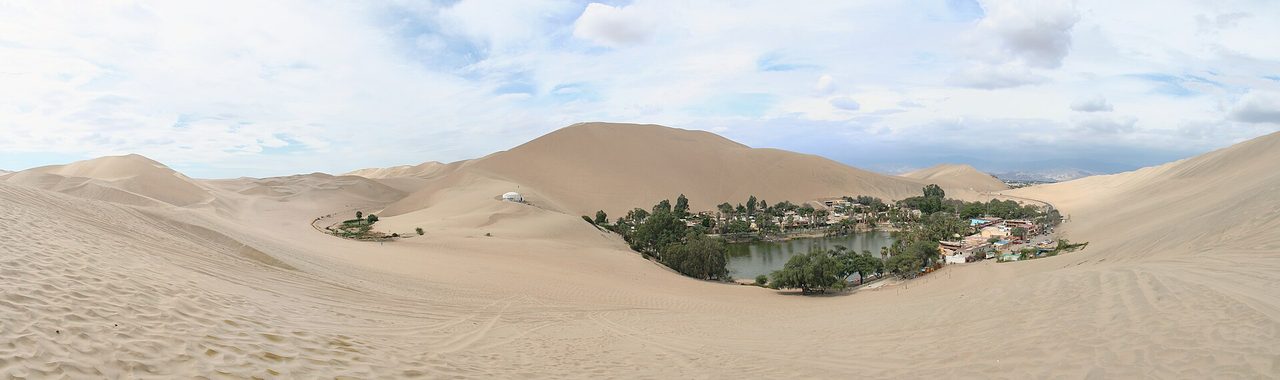
South of Lima the desert strip is at its best. Paracas highs reach 29°C in February against 21°C in August. Nazca hits 33°C in March. Huacachina, the dune-ringed lagoon outside Ica, is hot all year but the light is completely different in summer. The whole run of the southern coast from Paracas down to Nazca is a three or four day trip that is genuinely better in January than in July, which is the exact reverse of the usual advice.
The far north is even more emphatic. Máncora averages 27°C in March and 21°C in August, and the water is warm enough to swim without a wetsuit from about December to April. Trujillo is called the city of eternal spring and mostly deserves it, with March highs of 26°C and effectively zero rain days year-round.
What the wet season is not good for: the Andes at their driest, obviously, and trekking specifically. In January to March many high routes become genuinely unpleasant, trails turn to mud and running water, and operators cancel. Cusco itself stays perfectly visitable — average highs around 18–19°C, nights near 7°C, and roughly twelve rain days a month, which usually means heavy afternoon downpours rather than all-day drizzle. Machu Picchu is open every day of the year and March is its wettest month, averaging about 141mm against June’s 17mm. You will see the site. You may see it through cloud, and the cloud can be spectacular in its own right. The month-by-month case for visiting Machu Picchu makes the argument for and against the green months properly.
The April to May shoulder: the best compromise there is
If someone hands me a free choice of dates and wants to see the coast and the mountains on the same trip, I say late April or early May, every time. The rain in the sierra has largely stopped, the landscape is still green from four months of it, the coast has not yet gone grey, and the crowds and prices have not yet reached June levels. Terraces at Moray, Pisac and Ollantaytambo look their best now. So does Colca.
Two caveats. Semana Santa, the week before Easter, is a major domestic holiday and moves around the calendar between late March and late April. Domestic flights, hotels and buses fill up and prices spike, particularly in Ayacucho and Cusco. Check the date before you book. Second, April is a transition month, not a guarantee: the first half can still deliver serious rain in the Andes, and the second half is the safer bet.
May is arguably the single best month in the southern sierra. It has dry-season skies with pre-peak pricing, the grass has not yet gone brown, and the case for visiting Cusco in May rather than July is strong enough that I would take it over June if I had the choice. It is also a sensible month for anyone worried about altitude, since fewer crowds mean more flexibility to take an extra acclimatisation day. Cusco sits at 3,400m and Machu Picchu at only 2,430m, which surprises people who assume the citadel is the high point. How the altitude in Cusco actually affects visitors is worth reading before you book a tight schedule.
The September to November shoulder: the underrated one
September is the quiet triumph of the Peruvian calendar. The sierra is still fully dry, the trekking season is still open, and yet the volume of visitors drops off sharply after the August peak. Machu Picchu in mid-September is a different experience from Machu Picchu in mid-July, at the same weather quality.
October carries on much the same in the mountains while the coast begins to clear, which makes it the mirror image of April and equally good for a mixed itinerary. By late October the garúa is generally breaking up over Lima. November is a real gamble in the Andes — the rain returns unevenly, some years early and some late — but it is the cheapest month with genuinely decent odds, and it is a fine time to be in the Sacred Valley if you are not committed to a long trek. The Sacred Valley towns and ruins hold up well in changeable weather because most of what you want to see is reachable in a short drive, so a wet afternoon costs you an hour rather than a day.
September and October are also when I would go to the Amazon if wildlife is the point, for reasons covered below.
The specialist windows worth planning a trip around
Broad season advice gets you most of the way. These are the specific windows where the difference between the right month and the wrong month is the difference between seeing something and not seeing it.
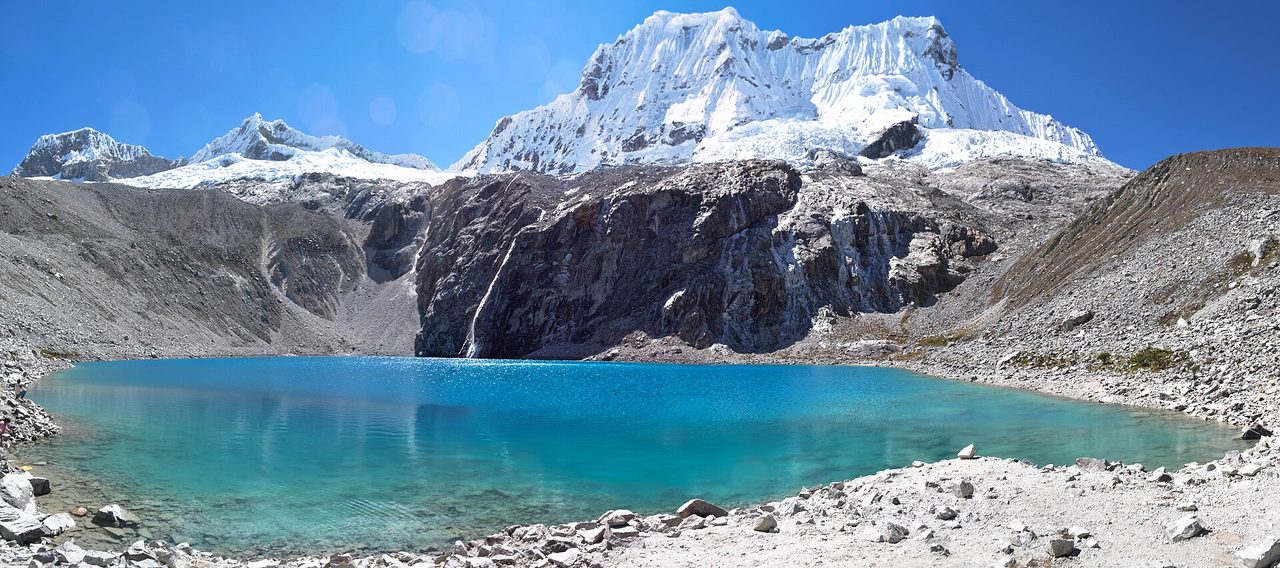
Cordillera Blanca trekking: May to October, and really June to August
The mountains above Huaraz hold the highest concentration of 6,000m peaks outside Asia, and the trekking season is narrower and stricter than in Cusco. Operators run from roughly May to October. June, July and August deliver the most stable weather, with long runs of cloudless mornings and near-guaranteed views of the glaciers. Expect around 14°C by day and 0°C or below at night on the trail.
The classic Santa Cruz trek takes four or five days through Huascarán National Park and crosses Punta Unión at 4,750m. Laguna 69 is the standard day hike and tops out around 4,600m, so it is not a casual outing straight off the bus. Outside the May-to-October window most operators simply stand down, and going anyway means wet passes and no views. If a Cordillera Blanca trek is your main objective, your travel month is chosen for you. There is no clever workaround. Anyone building a broader adventure trip should look at the range of adventure activities across Peru and note how many of them cluster into the same five months.
Colca Canyon condors: May to November, and always early
Andean condors at the Cruz del Cóndor viewpoint are not a lottery if you time it properly. The dry months from May to November give the most reliable sightings, with May, June, July and August generally cited as the best, because stable clear conditions produce the consistent thermals the birds ride. Operators talk about an 80 to 90 percent chance of a sighting in the dry season, which sounds like marketing but broadly matches what visitors report.
The time of day matters more than the month. Condors typically appear between about 8am and 10am as the canyon warms, with a smaller window in the mid-afternoon. Tour buses from Arequipa are built around that morning slot, which is why they leave at an unsociable hour. Turn up at noon in any month and you will see a canyon and no birds.
The Amazon: two completely different trips, six months apart
This is the seasonal distinction that most guides flatten into “the Amazon is fine year-round”, which is true and useless. It rains all year. Temperatures barely move: Iquitos sits at highs of 31–32°C and lows of 20–22°C essentially every month. What changes dramatically is the water.
High water, roughly December to May. Rivers rise by several metres and flood the forest floor. You travel by boat and canoe, often paddling between tree trunks at what is normally canopy height, and you can penetrate creeks and lakes that are simply not there in the dry months. This is the better season for river dolphins, for birdlife seen from the water, and for the mirror-still black-water scenery Pacaya-Samiria is known for. It is also the season of the most mosquitoes and the muddiest trails.
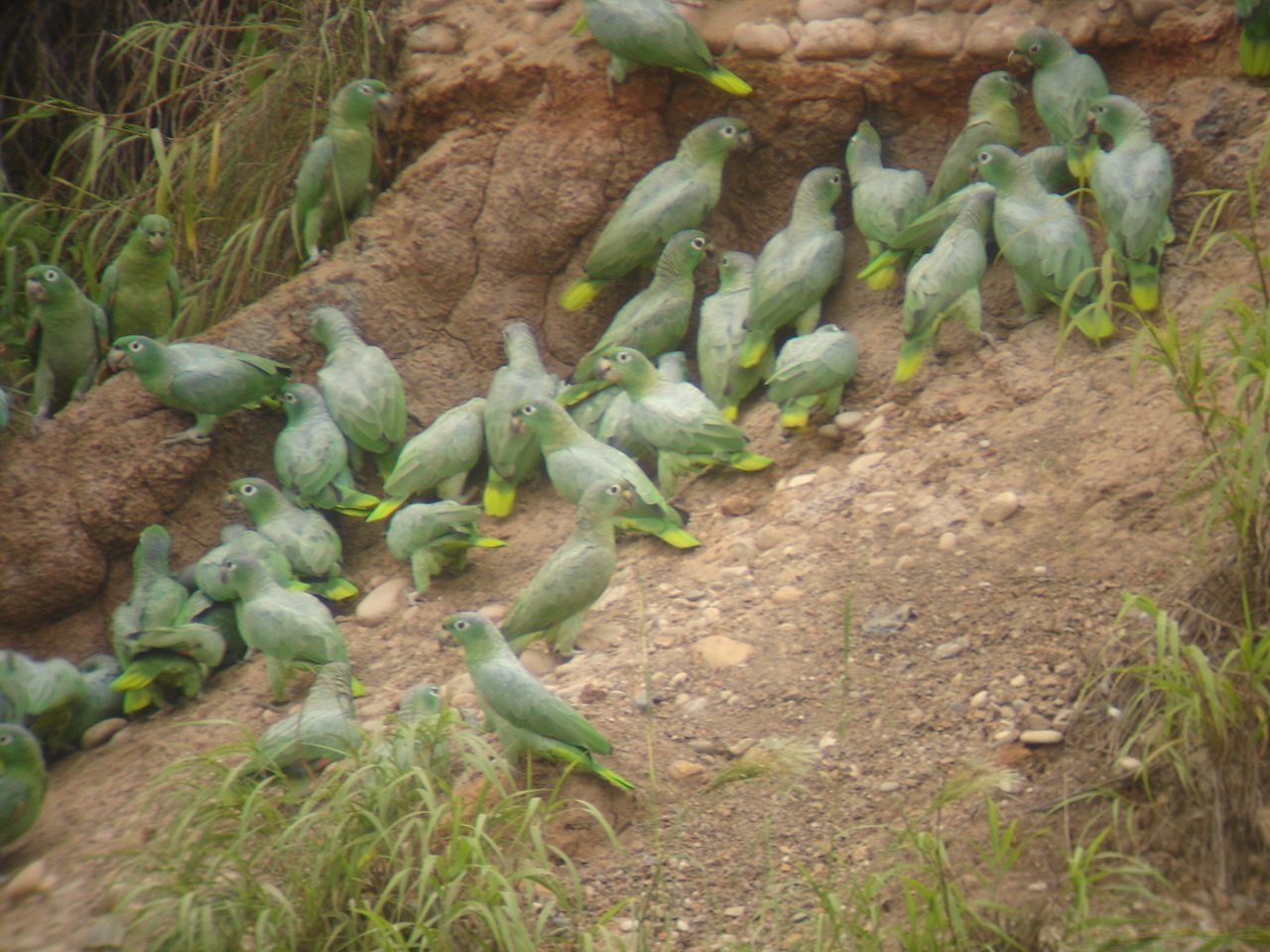
Low water, roughly June to November. The rivers drop, sandbars and river beaches appear, and the trail networks around lodges become properly walkable. Wildlife concentrates around the remaining water, which makes mammals easier to find. Clay licks are at their most active. Water levels are usually at their lowest around August. For Tambopata and Manu in the south, the dry months of May to October are the standard recommendation and the wet months mean deep mud and slower river transport.
Neither is better. They are different trips, and you should pick your lodge accordingly — a canoe-focused operation in September and a trail-focused one in February will both underdeliver. The practical guide to visiting the Peruvian Amazon covers the Iquitos versus Puerto Maldonado decision, which interacts with all of this. Access to the Manu Reserved Zone is permit-controlled and must be booked through a licensed operator regardless of season, so leave time for that.
North coast whales: mid-July to late October
Humpback whales migrate up from Antarctic feeding grounds to breed and calve in the warm water off Piura and Tumbes. The season runs from about mid-July to late October, with the highest concentrations generally reported between July and October. Boats leave from the fishermen’s pier at Los Órganos, about twenty minutes south of Máncora, usually early in the morning, on trips of around two and a half hours.
This is the one thing that makes the north coast a serious proposition in the middle of the Andean dry season. The beaches themselves are cooler and breezier in August than in February, at around 21°C, but you cannot see a humpback in February. If whales are the objective, August or September is the answer and the slightly muted beach weather is the price. Add it to a wider look at the wildlife you can realistically see across Peru, most of which has its own calendar.
North coast surf: two seasons, two swell directions
Chicama, the long left-hander south of Trujillo, works on southern swells and is at its most consistent from about April to October, with June often singled out as the month when the sections join up into the very long rides it is famous for. It can break on a northern swell in December and January but that is not what you plan a trip around.
Máncora and the far north are the opposite. They are most beginner-friendly and warmest from roughly December to March on northern swells, and remain surfable through much of the rest of the year. So a surf trip and a whale trip and a beach trip to the same stretch of coast want three different months. Decide which one you actually came for.
Paracas and the Ballestas: any month, but only in the morning
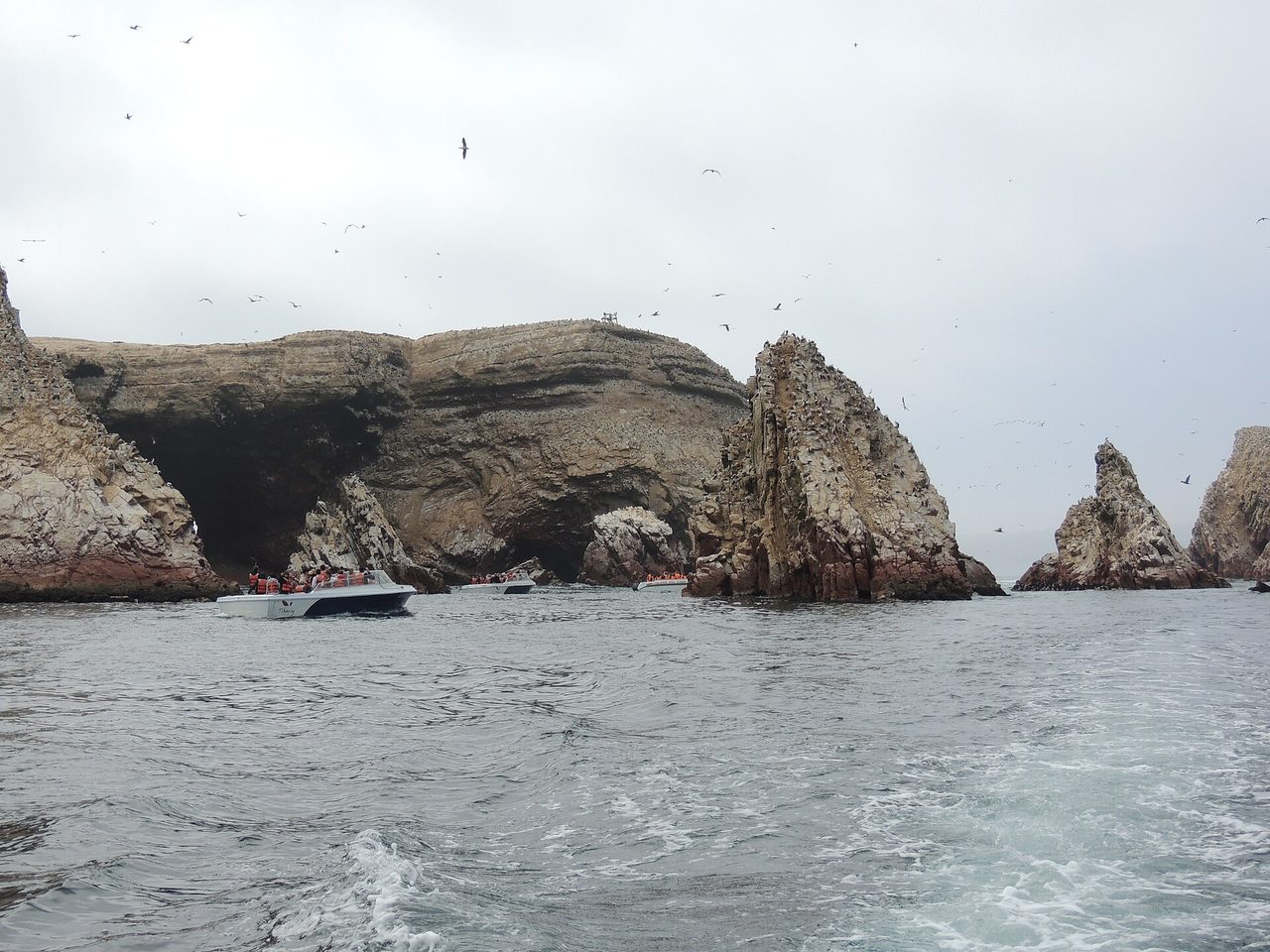
The Ballestas Islands boat trip runs year-round and the sea lions, Humboldt penguins and enormous seabird colonies do not migrate away. The variable is wind. Paracas is named for a wind, and the strongest and most consistent blows come between June and September, mostly in the afternoon. That makes it excellent for kitesurfers and unpleasant for anyone in a small open boat.
Practically: take the earliest boat, usually somewhere between 8am and 10am, in every month of the year, and save the Paracas National Reserve itself for the afternoon when the wind does not matter much on land. Winter afternoons on the water are choppy enough that cancellations happen. The reserve keeps daytime hours, so build the day in that order.
Fixed dates that do not care about the weather
Some things in Peru are set by rule or by calendar rather than by climate, and they will override your season logic.
The Inca Trail closes for all of February. Every year, without exception, the trail network shuts from 1 February to 28 February for maintenance and reopens on 1 March. Machu Picchu itself stays open the entire time and you can still reach it by train. Only the trail closes. If February is your only travel month and the Inca Trail is your goal, those two facts are incompatible and you should choose one. The alternative treks, Salkantay and Lares among them, are technically open but February is a poor month for any of them. The full picture on Inca Trail permits and timing explains how far ahead the June to August permits sell out, which is the other hard constraint on the calendar.
Machu Picchu has a daily cap. Entry is limited to 4,500 visitors a day, rising to 5,600 on defined peak dates: 1 January, 2–5 April, 19 June to 2 November, and 30–31 December. Note what that longest block tells you. The authorities themselves have identified 19 June to 2 November as the crunch period, which is a fairly blunt admission of when the site is busiest. Tickets are sold by circuit — three circuits and ten routes since 1 June 2024, all one-way and enforced by rangers on the ground, so you cannot wander back for a second look at a viewpoint you have passed. Current entry is S/163 for a foreign adult and S/211 for the circuits that include Huayna Picchu or Machu Picchu Mountain, following a SERNANP conservation surcharge added on 1 May 2026. Prices move, so check the official portal before you pay. How the Machu Picchu ticket system works in practice is the detail version, and the comparison between the two summit hikes matters more in the wet months, when one of them is frequently in cloud.
Domestic holidays. Fiestas Patrias on 28 and 29 July effectively fills the country: internal flights, buses and hotels sell out and prices rise, and it lands right in the middle of the best trekking weather. Inti Raymi in Cusco on 24 June is the biggest festival of the year and the city is at capacity around it. The Virgen de la Candelaria in Puno takes over the first half of February. Christmas and New Year fill the beaches. The festival calendar across Peru is worth checking against your dates in both directions, since some of these are the reason to go and some are the reason to move a week.
Crowds and cost by season
| Period | Crowds | Cost | Worth it if |
|---|---|---|---|
| Jun–Aug | Highest of the year | Peak. Cusco hotels and Inca Trail permits at their most expensive and scarcest | Trekking or high-altitude clarity is the whole point of the trip |
| Apr–May, Sep–Oct | Moderate | Mid. Noticeably cheaper than July for close to the same weather | You want the sierra without the queues, or a coast-plus-mountains mix |
| Nov, early Dec | Low | Low. Some of the best value in the calendar | You accept a real chance of rain in the Andes |
| Jan–Mar | Lowest for foreign visitors, highest for Peruvians on the coast | Lowest in the sierra, highest on the beaches | You are going to the coast or the north, not into the mountains |
| Late Dec, Semana Santa, 28–29 Jul | Spikes regardless of season | Spikes regardless of season | You booked well ahead or you are going for the event |
Discounts in the sierra during the wet months are real. Hotels and operators drop rates substantially between January and March, and some quote figures far below their July prices for identical rooms. If the budget is what is driving the trip, what a Peru trip actually costs by season and style is the more useful lens than weather.
Being honest about the compromises
A June trip to Lima and Paracas is a worse trip than a June trip to Cusco. That is not a close call. You will spend the coastal half of it under a grey lid, looking at a grey sea, wondering why the photographs looked so different. Meanwhile the same days spent in the Sacred Valley would have given you consistently clear skies.
The lesson generalises. When your dates are fixed and your destination is not, change the destination. Almost nobody does this, because the standard Peru itinerary is so entrenched that people would rather do it badly in the wrong month than do something else well. If your two weeks fall in January, the trip that will actually make you happy is coast plus north plus Amazon, not a soggy attempt at the Salkantay. If your two weeks fall in July, it is sierra plus Cordillera Blanca plus maybe the north coast for whales, not four days of Lima museums under cloud.
There is a second, subtler compromise worth naming. Peru’s best weather months are also its most crowded and most expensive, and there is a point at which crowding degrades the experience more than weather does. Machu Picchu on a clear day in late July with 5,600 other people on a one-way circuit is not obviously better than Machu Picchu in a shifting mist in early November with a fraction of that number. I have come round to preferring the second. Your mileage will vary, but do not assume that optimising for sunshine optimises for enjoyment. If you want to sidestep the whole question, a Peru trip that skips Machu Picchu entirely is far more viable than most people assume, and it frees your calendar completely.
One more practical point. Whatever month you pick, internal distances in Peru are large and the road and rail options vary by season, with landslides occasionally closing routes in the wet months. Getting around Peru by bus, plane and train is worth reading before you commit to an overland leg in February. The train into Aguas Calientes runs year-round at roughly $35–60 per standard-class leg, but the line has been cut by weather before and services occasionally run from an alternative station in the wettest weeks.
How to actually decide
Three questions, in this order.
One: are your dates fixed? If yes, go to the month table above, take the primary recommendation, and stop trying to force the standard route. If no, keep reading.
Two: what is the single non-negotiable thing you want? A multi-day trek, condors, whales, flooded-forest canoeing, warm beaches, an empty Machu Picchu. Each of those has a window, and the windows do not all overlap. Pick the one you would be most disappointed to miss and let it set the month.
Three: how much does weather actually matter to what you are doing? City food, museums, markets and archaeology are almost season-proof. Trekking, wildlife and photography are not. A trip built around the things to do in and around Cusco that are indoors or short-range will survive a wet week. A trip built around a 4,750m pass will not.
Once you have a month, build the route around it rather than the other way round. The itinerary hub has routes at different lengths, and the honest answer on how many days Peru needs is worth settling before you fix flights. If you have less than a week, seasonal logic matters more, not less, because you have no slack to wait out a bad day.
Frequently asked questions
How many seasons does Peru have?
Two, not four, and they are defined by rain rather than temperature. The dry season runs roughly May to October and the wet season November to April, with April–May and September–November acting as shoulders. Those labels describe the Andes. On the coast the equivalent split is sunny summer from December to March against the grey garúa from May to October, which is the reverse pattern. In the Amazon the meaningful division is high water from about December to May and low water from June to November.
What is the worst month to visit Peru?
There is no bad month for the country as a whole. February is the worst month for the classic Cusco-and-trekking trip, because it is the wettest stretch in the sierra and the Inca Trail is closed for the entire month. It is simultaneously one of the best months for the north coast. If someone tells you not to come in February, ask them where they were planning to send you.
Can you visit Machu Picchu in the rainy season?
Yes. The site is open every day of the year and does not close for weather. March is the wettest month there, averaging around 141mm against about 17mm in June, and cloud can obscure the classic view for part of the morning before burning off. Rain tends to come in heavy bursts rather than all day. You get far fewer people, lower prices, and a green landscape. The stone gets slippery, so proper footwear matters more than in July.
Where should I go in Peru in January?
The coast. Lima, Paracas, the Ballestas Islands, Huacachina and Nazca are all at their sunniest and warmest, with coastal highs near 28°C. Add the north if you have time, or the Amazon if you want high-water canoe access. Save Cusco for another trip, or accept that you are visiting it in the wet months and plan short-range days rather than long treks.
Is June a good time to visit Lima?
Not really, for anything outdoors. June is the start of the heaviest garúa months, with highs of 15–19°C, humidity around 80% and near-permanent cloud. The restaurants, museums and markets are unaffected and Lima’s food is a legitimate reason to be there in any month. But the clifftop walks, the beaches and the coastal views are all diminished. If June is your month, treat Lima as a one-night transit stop and put the days into the Andes.
When is the cheapest time to visit Peru?
January to March in the sierra, and November for the best balance of price and weather. Wet-season discounts on Cusco hotels and tours are substantial, and flights into Lima are usually cheaper outside the June-to-August window. The exceptions are Christmas, New Year and Semana Santa, which spike prices regardless of the weather, and the coast in January and February, where domestic holiday demand pushes beach prices up rather than down.
Which single month is best if I want decent weather everywhere?
April or October. Both sit between the two regimes: the Andes are dry or nearly so, the coast is clear or clearing, and the crowds and prices are well below the June-to-August peak. April tends to be greener and October tends to be more reliable in the mountains. If I had to name one, I would take the second half of April.
Does the dry season mean it never rains in Cusco?
No. It means about three rain days a month instead of twelve, and those are usually short. Afternoon showers happen in May and October in particular. Carry a light waterproof in every month. The bigger issue in the dry season is cold: nights near or below freezing in June and July, in buildings that mostly have no heating.
Is the Amazon better in the wet or dry season?
Neither, but they are not interchangeable. High water from December to May means canoeing into flooded forest, better river-dolphin and bird viewing from the water, and more mosquitoes. Low water from June to November means walkable trails, river beaches, wildlife concentrated around remaining water, and busier clay licks. Choose the activity first, then the lodge that specialises in it.
How far ahead do I need to book for the dry season?
Inca Trail permits for June to August routinely go months in advance and should be treated as the first booking you make, before flights. Machu Picchu entry tickets for the peak block from 19 June to 2 November should be booked well ahead even at the raised 5,600 cap. Cusco accommodation around Inti Raymi on 24 June and Fiestas Patrias on 28–29 July needs the same treatment. Outside those, a few weeks is usually enough. General practical tips for travelling in Peru covers the rest of the booking sequence.
Where can I go in Peru that is good in any season?
Arequipa comes closest. It gets over 300 sunny days a year, sits at a comfortable 2,335m, averages daytime highs in the low twenties year-round and gets only light rain in January to March. Trujillo on the north coast is the other candidate, with warm dry weather in every month. Both make sensible anchors for a trip in an otherwise awkward month, and both are on the list of places in Peru worth building a trip around.
Does the season change what I should pack?
Substantially. Dry-season Andes means serious layers for freezing nights and strong sun in the day, since the altitude burns you even at 10°C. Wet-season Andes means a proper waterproof shell and boots with grip rather than an umbrella. The coast in summer wants a swimsuit and sunscreen, and the coast in winter wants a jumper you would not expect to need at that latitude. The Amazon wants long light layers and repellent in every month, more so at high water.
Is it worth splitting a trip across two climate zones in a bad month?
Sometimes, but be realistic about the transfer time. Lima to Cusco is a short flight, Lima to Iquitos or Tarapoto is another, and each internal leg eats most of a day once you count airports. If you only have a week and your month is strongly favourable to one region, spend it there. Splitting across zones works best from about ten days upward, and the ten-day route is roughly where it starts to make sense.