Peru in the Dry Season (May-October): What to Expect
May to October is the dry season in the Andes and the Amazon, and the grey season on the coast. Real temperatures by region, what it costs, the June crunch, and who should book different dates.
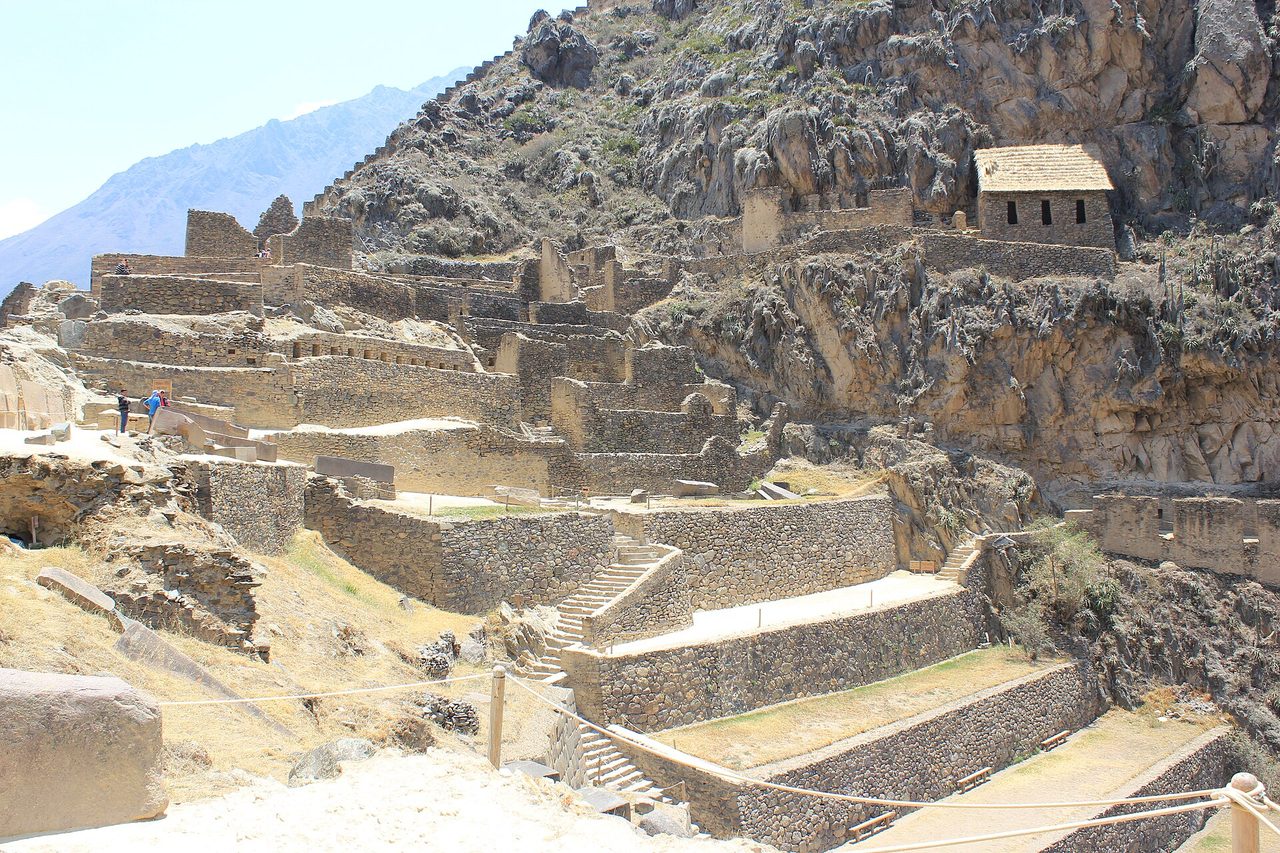
Ask ten guidebooks when to go and nine will say May to October. That advice is right for about half the country and actively wrong for the other half. The Peru dry season is an Andean and Amazonian idea, not a national one, and if you carry it to the coast you will land in Lima in July under a lid of grey cloud that does not lift for weeks and wonder what everybody was talking about.
I have travelled Peru in June and in February, and the gap between the two is enormous — but it is not the same gap everywhere. Cusco in July is cloudless and freezing at night. Lima in July is 19°C, permanently overcast, and has recorded fewer than 50 hours of sunshine across July, August and September combined. Those two places are on the same page of the same calendar. Any guide that treats Peru as one climate is doing you a disservice.
This is the honest version: what the dry months actually deliver region by region, real temperatures rather than vague bands, what it costs, what you give up, and who should book a different set of dates entirely.
What the Peru dry season actually covers — and what it doesn’t
Peru sits in the southern hemisphere, so May to October is winter. In the highlands and the eastern jungle, winter means the rain stops. The Andean wet season runs roughly November to April, peaks in January and February, and then switches off with surprising abruptness. By mid-May the Sacred Valley is still green from the rains but the sky has cleared, and it will stay clear most days until late October.
On the desert coast the logic inverts. The coastal strip from Tumbes to Tacna is one of the driest places on earth — Lima averages around 6–13 mm of rain a year. It has no wet season to speak of. What it has instead is a cold Humboldt Current offshore and a temperature inversion that traps a low marine cloud deck over the city for six months. Peruvians call it the garúa: not rain exactly, a suspended damp that beads on your jacket and greys everything out. Coastal winter is the coast’s worst season, and it runs exactly parallel to the Andean best season.
So when someone tells you May to October is the best window for a trip to Peru, the accurate version is: it is the best window for Cusco, Machu Picchu, the Sacred Valley, Puno, Colca, Huaraz, Ayacucho and most jungle lodges, and the worst window for Lima, Paracas, Ica and the whole southern beach coast. Most itineraries include Lima. Almost nobody warns you.
Region by region: what the dry months actually feel like
Numbers first. These are typical daytime highs and overnight lows during the core dry months, plus what that translates to on the ground. Coastal and highland figures come from long-run climate normals; treat any single day as capable of surprising you.
| Region (altitude) | May | Jun–Jul | Aug–Sep | Oct | What it means for you |
|---|---|---|---|---|---|
| Cusco (3,400 m) | 20°C day / 4°C night, last showers fading | 19–20°C day / 0 to −2°C night, frost on rooftops | 20–21°C day / 2–4°C night, windy and dusty | 21°C day / 6°C night, first afternoon storms | Superb light, brutal nights. Unheated rooms are the real problem, not the daytime. |
| Sacred Valley (2,800–2,900 m) | 22°C / 5°C | 21–22°C / 1–3°C | 23°C / 4°C | 23°C / 8°C | Warmer days and warmer nights than Cusco. Better place to sleep off altitude. |
| Machu Picchu (2,430 m) | 21–24°C / 10°C, ~25 mm rain | 21–24°C / 8–9°C, ~20 mm rain | 23–25°C / 9°C | 25°C / 11°C, rain climbing again | Warmer and far more humid than Cusco. Cloud inversion most mornings, usually gone by 09:00. |
| Lima (sea level) | 22°C / 17°C, cloud moving in | 19°C / 15°C, near-total overcast | 19°C / 14°C, peak garúa | 21°C / 15°C, starting to break | The grey season. No rain, no sun, permanent damp. Restaurants and museums are unaffected; beaches and views are ruined. |
| Paracas / Ica (sea level) | 25°C / 15°C | 22°C / 13°C, hazy | 22°C / 13°C, windy afternoons | 25°C / 15°C | Sunnier than Lima but cool, and the Ballestas boat is a cold ride. The south coast peaks December to March. |
| Arequipa (2,335 m) | 22°C / 8°C | 21–22°C / 6–7°C | 22°C / 7°C | 23°C / 9°C | The most reliably pleasant city in Peru right now. Sun almost every day, mild nights, ferocious UV. |
| Colca Canyon (Chivay, 3,650 m) | 18°C / −2°C | 17–18°C / −5 to −8°C | 19°C / −4°C | 20°C / 0°C | The coldest nights most travellers will experience in Peru. Condor viewing is at its most reliable. |
| Puno / Lake Titicaca (3,810 m) | 15°C / −2°C | 14°C / −6 to −9°C | 15°C / −4°C | 17°C / 0°C | Blazing sun, thin air, genuinely sub-zero nights. Island homestays have no heating. |
| Huaraz / Cordillera Blanca (3,050 m town, 4,000 m+ trails) | 21°C / 6°C in town | 21°C / 4°C town, −5°C at camp | 22°C / 5°C town | 21°C / 7°C, weather closing in | The only sane trekking window. June to August is stable; by late October the storms return. |
| Amazon (Puerto Maldonado / Iquitos, 100–200 m) | 31°C / 21°C, water dropping | 30–31°C / 20°C, low water, friaje risk | 32°C / 21°C, lowest water | 32°C / 22°C, rain returning | Still humid, still rains sometimes. Rivers fall 8–12 m, exposing beaches and stranding shallow creeks. |
Two things in that table catch people out. The first is how cold the nights are at altitude — a 19°C afternoon in Cusco becomes a 0°C night, and Peruvian buildings are not built to hold heat. The second is that Machu Picchu is not Cusco. It sits nearly a kilometre lower on the edge of the cloud forest, it gets a little rain every month of the year, and the mornings are often thick with mist that burns off by mid-morning. If you want the postcard, buy an entry slot from about 09:00 onwards rather than the 06:00 one.
Cusco and the Sacred Valley: the region the season was named for
This is where the dry season earns its reputation. From late May, Cusco gets day after day of deep blue sky, sharp shadows and visibility that stretches to the snow line. The Sacred Valley towns of Pisac, Urubamba and Ollantaytambo are still holding some green from the rains through May and June before drying to gold by August. Photographers should aim for late May and early June, when the light is clean but the landscape has not yet turned brown.
The catch is the altitude and the temperature swing. Cusco at 3,400 m is high enough that a lot of people spend their first 24 hours with a headache and no appetite. The dry-season air makes it worse, because low humidity dehydrates you faster and dehydration mimics the symptoms of altitude sickness. Drink far more water than feels reasonable. Sleeping in the Sacred Valley at 2,870 m for the first two nights is the single best acclimatisation decision available, and it is warmer at night too.
Practical detail that nobody mentions: when checking where to base yourself in Cusco, ask specifically whether the room has a heater or only extra blankets. Colonial buildings in the centre are stone-walled and hold the cold. A room that is charming in October is a cold store in July.
Day trips are at their most reliable now. Vinicunca, the striped mountain south of Cusco, is genuinely better in the dry months because the stripes need dry rock to show; in the wet season it is often under snow or cloud. Same for the turquoise glacial lake at Humantay, which loses its colour under overcast. Both sit above 4,200 m and both start before dawn, so the pre-sunrise minibus is the coldest part of many people’s trip. Every other day trip out of Cusco also runs at higher frequency and higher price right now.
Machu Picchu in the dry season: better weather, harder logistics
Visibility at Machu Picchu is meaningfully better from May to September. You will still get a misty morning — the site sits at 2,430 m in cloud forest and generates its own weather — but the odds of a full whiteout drop sharply, and the afternoon slots are usually clear.
What changes against you is the crowd management. Since June 2024 the site has been divided into three circuits and ten fixed routes, walked one way, with rangers enforcing the direction. Entry is by timed hourly slot from 06:00 to 16:00, with a 30-minute grace period on your stamped time. The standard daily cap is 4,500 visitors, and it lifts to 5,600 on peak dates — which for our purposes means 19 June to 2 November, essentially the back half of the dry season. More people are allowed in, and they all come.
Prices as of the 1 May 2026 SERNANP conservation surcharge: foreign adult entry is S/163 for a standard circuit, rising to S/211 for the routes that include Huayna Picchu or Machu Picchu Mountain. The older S/152 and S/200 figures you will still see quoted around the internet are out of date. Foreign student and minor rates moved to roughly S/88, and Andean Community adults to about S/69. The surcharge does not apply to Inca Trail entries. These numbers move, so check the official portal before you pay anyone. Note also that ISIC cards are no longer accepted for the Machu Picchu student rate — a university photo ID with a visible expiry date is what gets checked at the gate.
On top of entry you have the Consettur shuttle bus from Aguas Calientes, around US$24 return, and the train, roughly US$35–60 per standard-class leg depending on service and how far ahead you book. A fuller breakdown of how the ticket system and circuits work is worth reading before you commit to a date, because in the dry season the popular circuits and the morning slots go first. For July and August departures, book entry the moment your dates are fixed. Two to three months out is normal; for the mountain add-ons, more.
If you are choosing between the two summit hikes, the Huayna Picchu and Machu Picchu Mountain comparison matters more now, because the dry-season clear skies make either one worth the extra S/48 — and both sell out weeks ahead. The train from Ollantaytambo or Poroy is also at its most expensive and most booked-out in these months.
Lima and the coast: the grey season nobody warns you about
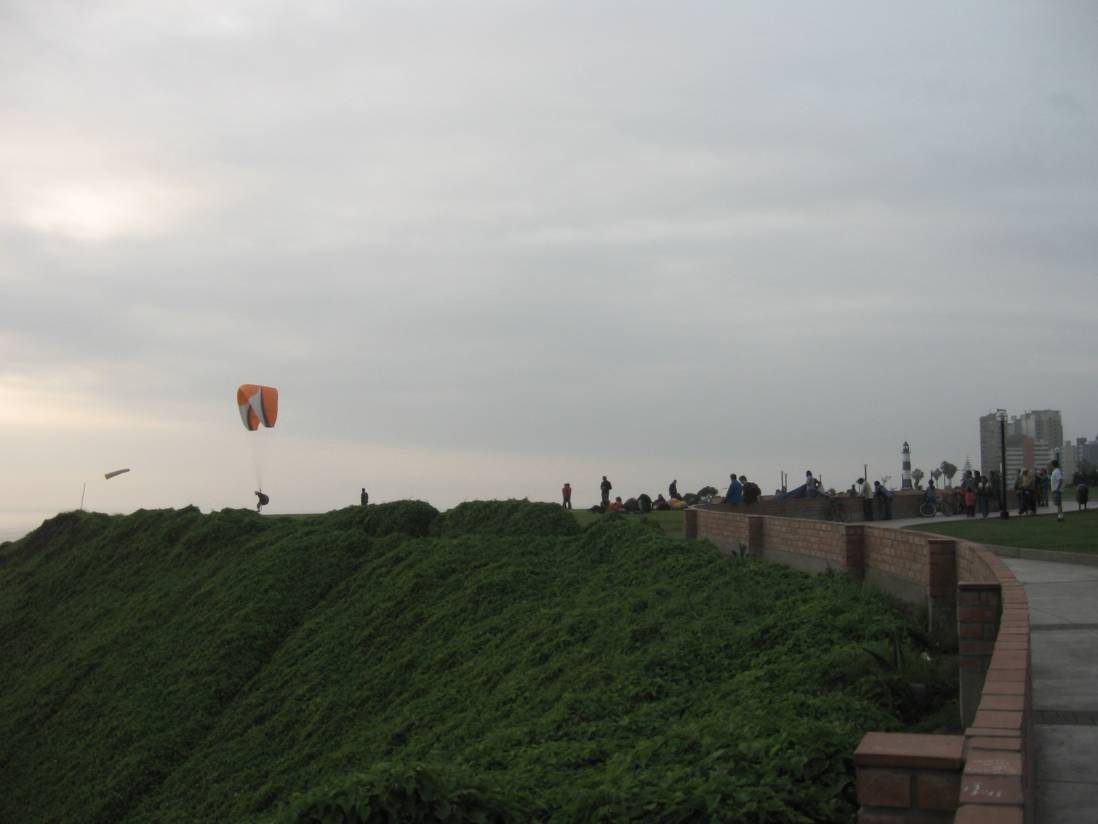
Lima from roughly June to October is a strange place. It does not rain. It also does not stop being overcast. The marine layer sits at a few hundred metres, the Pacific is a flat pewter colour, and the temperature parks at 19°C by day and 14–15°C at night with humidity in the eighties. It feels colder than the number suggests, and because nobody has central heating, indoors feels no better than outdoors.
Here is the part that matters for planning: this does not damage a Lima food trip at all. The restaurants, the markets, the museums and the pre-Inca huacas are indifferent to cloud, and Lima’s best things to do are overwhelmingly indoor or urban. What it damages is anything you were doing for the view. Paragliding off the Miraflores cliffs, the Barranco boardwalk at sunset, the beaches at Asia and Punta Hermosa, the coastal drive south — all of it is a shadow of what it is in January.
The same applies further down. Paracas, the Ballestas Islands, Huacachina and Nazca are all doable in July, and the desert around Ica is sunnier than Lima because you climb out of the marine layer, but the water is cold, the mornings are hazy and the afternoon wind off the Paracas bay is unpleasant. If beaches are a real part of your trip, go north instead: Máncora and the Piura coast stay warm and sunny year round, and the northern circuit through Trujillo, Chiclayo and Chachapoyas is at its best from May to September, which makes it one of the few coastal regions where dry-season timing genuinely works.
My honest advice for a standard Cusco-plus-Lima trip in July: treat Lima as a two-night eating stop at the start or end, do not build beach days into it, and do not judge the city on the sky.
The Amazon in the dry season: low water changes the whole trip
“Dry” is relative in the jungle. Puerto Maldonado and Iquitos still see rain in July, still sit at 30–32°C, still feel like a laundry room. What changes is the water level. Rivers drop 8–12 m from the April peak, and by August they are at their lowest.
The upside is real. Beaches appear along the Tambopata and Madre de Dios. Terrestrial trails that are ankle-deep mud in February are walkable. Animals concentrate around the remaining water, which makes capybara, caiman and giant river otter sightings far more reliable, and macaw clay licks are at their most active in the drier months. Mosquitoes are fewer. If you are going for Peru’s wildlife rather than for atmosphere, this is the better half of the year.
The downside is access. Some lodges are reached by narrow creeks and oxbow channels that become too shallow to run in August and September, which means longer boat transfers, a walk-in section, or a lodge that simply is not on offer for those dates. When you compare Amazon lodges and where to base yourself, ask directly how the transfer works in low water. It is the single most useful question you can put to a jungle operator and almost nobody asks it.
One more thing: the friaje. Between roughly May and August, cold air masses push north from Patagonia and drop the southern jungle from 32°C to 10–15°C for two or three days at a stretch, with grey drizzle. It is rare enough that most travellers miss it and common enough that you should pack a fleece for the Amazon, which sounds absurd until it happens to you.
Arequipa, Colca, Puno and the far south
Arequipa is the quiet winner of the Peruvian winter. At 2,335 m it gets around 300 sunny days a year, sits below the altitude threshold where most people struggle, and has mild nights around 6–8°C. Come here from Lima and it feels like someone turned the lights back on.
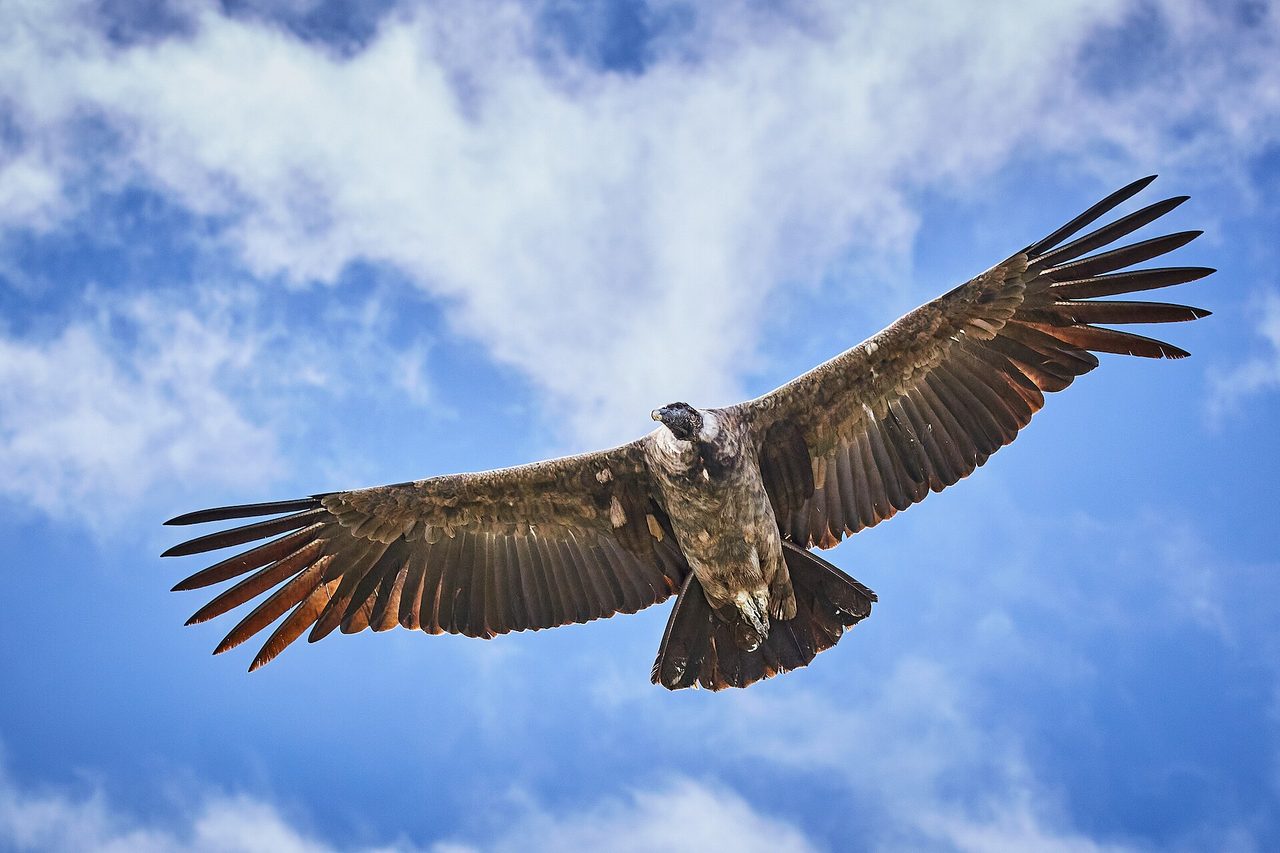
The Colca Canyon is a different proposition. Chivay is at 3,650 m and June and July nights drop to −5°C or lower; the two-day tours that overnight there are cold. Condor viewing at Cruz del Cóndor is at its most dependable now, because thermals build faster on clear mornings, and the birds are usually up between 08:00 and 10:00.
Lake Titicaca at 3,810 m is the coldest place most itineraries touch. Days are 14–15°C with punishing UV off the water; nights in June and July regularly hit −6 to −9°C. The community homestays on Amantaní and Taquile are one of the most worthwhile experiences in Peru and they have no heating whatsoever, only very heavy blankets. Bring thermals and take them seriously.
Trekking: the window that makes or breaks the season
This is the strongest argument for coming between May and October, and it is not really about comfort. It is about access. The Classic Inca Trail closes for the whole of February every year for maintenance and conservation — there is no permit and no legal way to walk it in that month — and the surrounding wet-season weeks are muddy, slippery and prone to landslides on the approach roads. For a lot of routes, the dry season is not the best window, it is the only sensible one.
The Inca Trail runs a hard cap of 500 permits a day including guides, porters and cooks, which works out at roughly 200 trekkers. For June, July and August departures those permits routinely go five to six months ahead, and in some years faster. If your dates are fixed and the trail is non-negotiable, book before you book anything else, including flights. If you miss out, the Salkantay, Lares and Choquequirao routes have no permit cap and are covered in our rundown of the best multi-day treks in Peru.
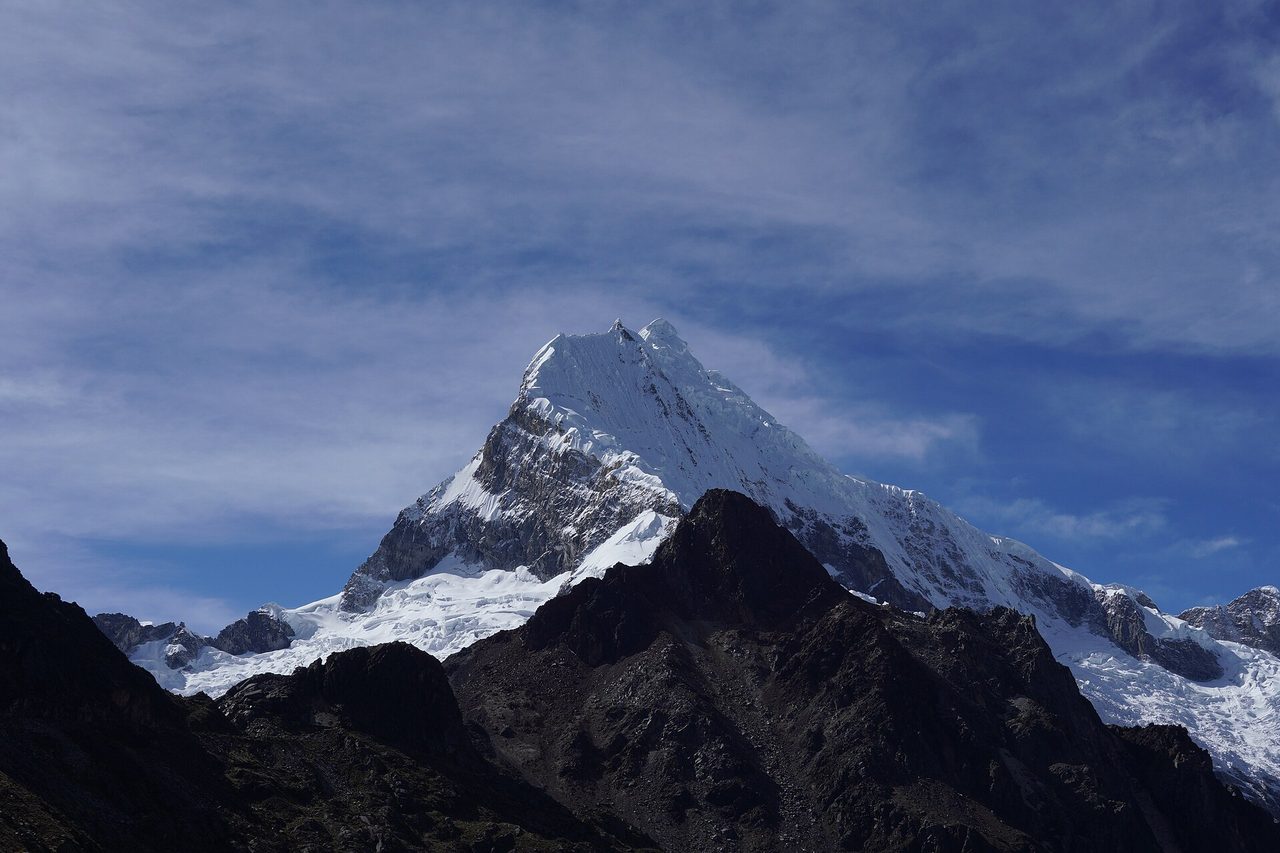
Further north, the Cordillera Blanca around Huaraz has an even tighter window. The Santa Cruz trek, the Huayhuash circuit and the day hike to Laguna 69 are effectively May to September propositions; outside that, the passes are unreliable and the lakes lose their colour. Camp temperatures above 4,000 m go well below freezing on clear nights, which is exactly what a clear dry-season night produces. The same clarity that gives you the view takes away your warmth.
The June crunch: why one month is harder than the rest
June is the month everything collides, and it deserves its own planning.
- Inti Raymi, 24 June. The reconstructed Inca sun festival is Cusco’s biggest day of the year. The main afternoon ceremony at the Sacsayhuamán fortress above the city seats around 3,500 people in ticketed stands, with seats sold by zone at roughly US$180–320 through operators. The morning ceremonies at Qorikancha and the Plaza de Armas are free to watch if you claim a spot early. Hotel rates in Cusco spike for the week either side.
- Corpus Christi falls on the ninth Thursday after Easter, so usually late May or June, and fills the Plaza de Armas with saint processions. Peru’s festival calendar is thickest in these weeks, which is either the reason you came or the reason you cannot get a room.
- The Machu Picchu cap lifts to 5,600 on 19 June and stays there until 2 November. More tickets, more people, more of the site’s narrow terraces moving at a shuffle.
- Peruvian school holidays run from mid-July into early August, and Fiestas Patrias on 28–29 July is the biggest domestic travel weekend of the year. Peruvian families fill the same trains, buses and hotels you want. Prices on domestic flights rise noticeably.
If you can move your dates, late May and the second half of September give you close to the same weather with a fraction of the pressure. September is my own pick: still dry, days a degree or two warmer, nights less severe, and the Machu Picchu crowd thinning even though the higher cap is still technically in force. If those cap numbers are what is putting you off altogether, there is a serious case for building the trip without the citadel at all.
The honest pros and cons
| Pro | Con |
|---|---|
| Reliable clear skies in the Andes; visibility to the snow line most days | Peak crowds. The Machu Picchu cap rises to 5,600 from 19 June to 2 November, and it fills |
| Trekking routes and high passes are open and dry; the only realistic Inca Trail window alongside April and October | Inca Trail permits sell out 5–6 months ahead for June to August |
| Amazon trails walkable, wildlife concentrated at water, fewer mosquitoes | Low water can put some lodges and creeks out of reach; ask before booking |
| Roads and rail run to schedule; far fewer landslide cancellations | Highest prices of the year on hotels, trains, domestic flights and tours — often 30–50% above February |
| The big festival calendar — Inti Raymi, Corpus Christi, Virgen del Carmen in Paucartambo | Cold nights: 0°C in Cusco, −6°C or worse at Puno and Colca, in buildings with no heating |
| Best conditions for Rainbow Mountain, Humantay and any high-altitude day trip | Dust. Dry roads and unpaved approaches mean grit in everything by August |
| Coastal north (Máncora, Chiclayo, Chachapoyas) is at its best | Lima and the south coast are under the garúa for months; beaches and views are wasted |
| Long dry spells make multi-stop itineraries much easier to plan around | Landscape turns brown by August; the green Andes people picture is a wet-season sight |
What it costs
Expect the highest prices of the year. Cusco hotels commonly run 30–50% above their February rate, and during Inti Raymi week the good places in the historic centre double. Trains to Aguas Calientes cluster at the upper end of the US$35–60 standard-class band and the cheap early-morning departures vanish first. Domestic flights into Cusco and Juliaca climb through July.
Against that, almost nothing gets cancelled, so you waste less money on weather. Our breakdown of what a Peru trip actually costs covers the ranges in detail, and if you are trying to hold the line on spending, the tactics in doing Machu Picchu on a budget still work in high season — they just need booking further ahead.
One saving worth knowing: if you shift to the first half of May or the last week of October, you get most of the dry-season weather at shoulder-season prices — which is when I would run the standard first-timer route through Cusco and the Sacred Valley. The risk is a stray afternoon storm. I would take that trade most years.
Who should not come in the dry season
Genuinely, some people should book different months.
- Budget travellers. Everything costs more and the cheap options sell out first. February and March in the Andes are half-empty and half-price, and the ruins are still there.
- Anyone whose trip is mostly Lima and the coast. December to March gives you a warm, bright, genuinely coastal Lima and beaches worth the drive. In July you are getting the same city with the colour drained out.
- People who hate crowds. Machu Picchu at 5,600 a day in late July is a queue with a view. If the atmosphere of a place matters more to you than the odds of clear weather, come in the shoulder or the wet season.
- Photographers chasing green. The lush, saturated Andes in your mental image is February, not August. By late dry season the valleys are dun-coloured and the air is hazy with dust.
- Anyone who sleeps badly when cold. Sub-zero nights at Colca and Titicaca in unheated rooms are a real, repeated discomfort, not a footnote.
- Last-minute travellers. If you are booking six weeks out for July, the Inca Trail is gone, the best Machu Picchu slots are gone, and you will pay a premium for what is left.
Month by month inside the dry season
May
The rains have just stopped, the highlands are still green, and the crowds have not arrived. Occasional late showers. Arguably the best single month of the year in the Sacred Valley, and a good time for a first trip to Cusco.
June
Clear, cold at night, and busy from mid-month. Festival season peaks. The Machu Picchu cap lifts on the 19th. Book everything early or shift a fortnight.
July
Coldest nights and busiest weeks. Fiestas Patrias on 28–29 July adds a domestic surge on top of the international one. Superb weather for high-altitude trekking and adventure activities, but you are sharing it.
August
Still dry, slightly warmer nights, at its dustiest. Amazon water at its lowest. Strong winds in the afternoons around Cusco. Crowds ease a little after the second week.
September
My favourite. Dry, warmer, quieter, prices sliding down. Nothing significant is closed. If you have flexibility, this is where I would put a two-week trip.
October
Transitional. Afternoon storms start appearing in Cusco, the Amazon greens up, prices drop further. Still good, no longer guaranteed. Fine for a standard ten-day Peru route if you build in a little slack.
What to pack for the dry months
Layers, and more warm ones than the daytime temperature suggests. A proper insulated jacket for Cusco, Puno and Colca evenings. Thermal base layers if you are doing Titicaca homestays or camping. A windproof shell — it rarely rains but it is often windy. Strong sun protection, because the UV index at 3,400 m routinely hits 11 or higher even at 19°C, and people burn badly on cold days precisely because they do not feel hot. Lip balm and moisturiser; the dry air is harsh. A light rain layer regardless, for the Machu Picchu cloud forest and the Amazon.
For the site itself, our guide to what to wear at Machu Picchu goes into more detail, but the short version is that you will start the day cold in Aguas Calientes and be down to a t-shirt by 10:00. Plan for both in one small daypack; large bags are not allowed inside.
Frequently asked questions
When exactly is the dry season in Peru?
Roughly May to October in the Andes and the Amazon, with the most reliable weather from June to September. It is not a coastal phenomenon: the desert coast is dry year round and simply swaps sunshine for overcast during these same months.
Is it really the best time to visit Peru?
For Machu Picchu, trekking, the Sacred Valley, Puno, Colca and the highlands, yes. For Lima, Paracas and the southern beaches, no. If your itinerary is weighted towards the Andes it is the right call. If you are still deciding which regions to prioritise, let that choice drive your dates rather than the other way round.
Does it ever rain in the dry season?
Yes, just much less. Cusco gets a handful of millimetres a month in June and July; Machu Picchu gets around 20–25 mm because of its cloud-forest position; the Amazon still has proper downpours. Carry a light shell and do not assume a guaranteed dry day.
How cold does it actually get at night?
Cusco drops to around 0°C in June and July, with frost on the rooftops at dawn. Colca and Titicaca go to −5°C and below. The problem is not the outdoor temperature but the lack of heating indoors, so check whether your room has one.
Will Machu Picchu be crowded?
Yes. The daily cap rises from 4,500 to 5,600 for 19 June to 2 November, and the circuits are one-way with fixed hourly entry, so busy slots feel busy. Booking a mid-morning or early-afternoon slot rather than the 06:00 one usually gives you a better experience, and our guide to timing a Machu Picchu visit goes into the hour-by-hour pattern.
How far ahead do I need to book?
For June to August: Inca Trail permits five to six months, Machu Picchu entry two to three months, Cusco hotels and trains two months, and longer if your dates overlap Inti Raymi. For May, September and October you have more room, but the good hotels still go early.
Is the Amazon worth visiting in the dry season?
Very much so, if you are there for wildlife. Lower water concentrates animals, trails are walkable, and there are fewer insects. Just confirm your lodge is reachable at low water, because some creek-access lodges are not.
Why is the Inca Trail closed in February?
The Peruvian authorities close it for the whole month every year for maintenance and conservation — repairing stone steps, bridges, drainage and campsites — and because February is the wettest, most landslide-prone month. It reopens on 1 March. That closure is a big part of why the dry season is the default trekking window.
What is the garúa?
The low marine cloud and drizzle-mist that covers Lima and much of the central coast from about June to October. It produces almost no measurable rain but keeps the city overcast and damp for months. It is why Lima has been called the city where it never rains and the sun never shines.
Which month should I pick if I only have one shot?
Late May or the second half of September. You get dry-season skies without full peak-season crowds or prices. If you must travel in the school holidays, go anyway and book earlier than feels necessary; the practical advice in our Peru travel tips and getting around Peru guides matters a lot more when everything is full.
The short version
May to October gives you the Andes at their best and the coast at its worst, and the honest way to use that is to weight your itinerary accordingly: more days in Cusco, the Sacred Valley, Colca and the jungle, fewer days built around Lima views or beach time. Book the fixed things — permits, entry slots, trains — far earlier than you would in any other season. Pack for a 20-degree swing between afternoon and night. And if flexibility is on the table, aim for the edges of the window in May or September rather than the crush in the middle. Whatever you decide, the Machu Picchu you came for is open every day of the year; it is everything around it that changes with the calendar.