Peru Daily Budget: Backpacker, Mid-Range & Luxury
A daily average hides the days that hurt. Here is what a baseline day in Peru really costs at three budget levels, plus a separate price list for Machu Picchu, treks, Colca and the Amazon.
Almost every number you will read about a Peru daily budget is arithmetically true and practically useless. A backpacker really can average $40 a day across three weeks. That average still contains a day where they hand over roughly $250 to stand in front of Machu Picchu, and a week where they hand over $850 to walk there. Averages hide the days that actually hurt.
Peru is a lumpy country to budget for. The baseline — a bed, three meals, a combi ride, water, laundry — is genuinely cheap and remarkably stable. On top of that sits a small number of enormous, unavoidable, one-off costs that have nothing to do with how frugal you are. Machu Picchu costs what it costs whether you slept in a S/40 dorm or a S/900 suite the night before.
So this guide gives you two numbers instead of one: a baseline day, and a schedule of event days to add on top. Build your trip that way and your money stops surprising you. For the assembled total rather than the daily arithmetic, there is a full itemised breakdown of what a ten-day trip to Peru costs door to door.
Building a Peru daily budget that survives the itinerary
Here is the mental model. Your baseline day covers accommodation, food, local transport within a town, water, laundry, SIM data and small incidentals. Nothing else. It is the number you spend on a day when you wake up in Cusco, wander, eat, and go to bed in Cusco.
Your event days are the big-ticket items: Machu Picchu, any multi-day trek, an Amazon lodge, Colca, a Nazca overflight, a domestic flight, an intercity bus. Each one is a discrete cost you can look up and slot into a calendar.
Most travellers get this wrong in the same direction. They take a $70-a-day figure from somewhere, multiply by twelve, and arrive with $840 for a trip whose event costs alone come to $900. The total cost of a Peru trip is baseline plus events, and for a two-week trip the events are usually the larger half.
The exchange rate, and why several budget guides are quietly wrong
As of early September 2026 the dollar buys roughly S/3.39. Across 2026 the rate has moved between about S/3.34 and S/3.53, so calling it “a bit under three and a half soles” is safe. Check it the week you book, because everything below scales with it.
This matters more than it sounds. At least one page-one budget guide currently states a 2026 rate of “1 USD = 3.85–4.10 soles”. That is roughly 15% too generous, and every sol figure on that page therefore converts to a dollar figure about 15% too low. If a guide quotes you soles and dollars side by side, divide one by the other and see whether the implied rate is plausible. It is a fast way to spot a page that was written without looking anything up.
Rough conversions to keep in your head: S/10 is just under $3. S/35 is about $10. S/100 is about $29. S/163 — the Machu Picchu entry fee — is about $48.
Baseline daily budget: the three tiers
These figures are per person per day, sharing a double room where relevant, and they exclude every event cost, intercity transport and any tour.
| Tier | Baseline per day (USD) | Baseline per day (soles) | What that actually looks like |
|---|---|---|---|
| Backpacker | $30–45 | S/100–150 | Dorm bed, menú del día for lunch, cheap dinner, combis and shared taxis, laundry by the kilo |
| Mid-range | $70–110 | S/240–375 | Private room in a good guesthouse or 3-star hotel with breakfast, one proper restaurant meal a day, taxis rather than combis |
| Comfortable to luxury | $180–300+ | S/610–1,020+ | Boutique or 4–5-star hotel, restaurant meals with wine, private transfers, no thinking about money |
The top tier has no ceiling. A suite in the Sacred Valley or a night in Aguas Calientes at the lodge beside the ruins can be $600–2,400 on its own. But $180–300 a day genuinely buys a very comfortable Peru, and the jump from $110 to $250 buys much less than the jump from $40 to $110 does.
What the backpacker baseline buys
A dorm bed in Cusco runs S/35–60 depending on season and how central you are; the cheapest beds cluster around San Blas and the streets uphill from the Plaza. Breakfast is usually included, and in Peru that means bread, jam, coca tea and sometimes eggs. Lunch is a menú del día: soup, a substantial main, a drink, S/12–20 if you walk one or two streets away from where the tour groups eat. Dinner is S/15–30 at a pollería or a local place. Add S/10–20 for water, a combi or two, and the running cost of being alive.
That lands at S/100–150. It is not a fantasy figure — plenty of people travel Peru on it — but it assumes you eat where Peruvians eat. On the tourist streets around the Plaza de Armas in Cusco, the same menú del día becomes S/35–50 and a la carte dinner becomes S/60–90. Two streets is the whole difference. If you want the upgrade to be worth it, save the money for one deliberately good meal rather than paying tourist prices by accident every day; our roundup of where to eat well in Cusco and the equivalent for Lima’s restaurant scene sort the ones worth the premium from the ones charging it for the address.
What the mid-range baseline buys
S/240–375 a day gets a private room with a private bathroom, reliable hot water and breakfast, in a central location, for S/120–250. It gets you a proper lunch and a proper dinner without checking the price column. It gets you taxis instead of walking home in the dark. In Cusco this is a very pleasant standard of travel, and the choice of neighbourhood in Cusco matters more to your experience at this level than the extra S/50 a night does.
What the comfortable baseline buys
Above roughly $180 a day the money stops buying comfort and starts buying service: a driver who waits, a hotel that fixes your problems, a restaurant that holds the table. Peru is unusually good value here. A hotel that would be $500 in Europe is $200 in Arequipa. The exception is Aguas Calientes, where the captive market means you pay Lima prices for Puno quality.
Baseline by line item
| Line item | Backpacker | Mid-range | Comfortable |
|---|---|---|---|
| Bed (per person, sharing) | S/35–70 | S/120–250 | S/400–900+ |
| Breakfast | Included, or S/8–12 at a market | Included | Included |
| Lunch | S/12–20 (menú del día) | S/35–55 | S/70–150 |
| Dinner | S/15–30 | S/60–110 with a drink | S/150–400+ |
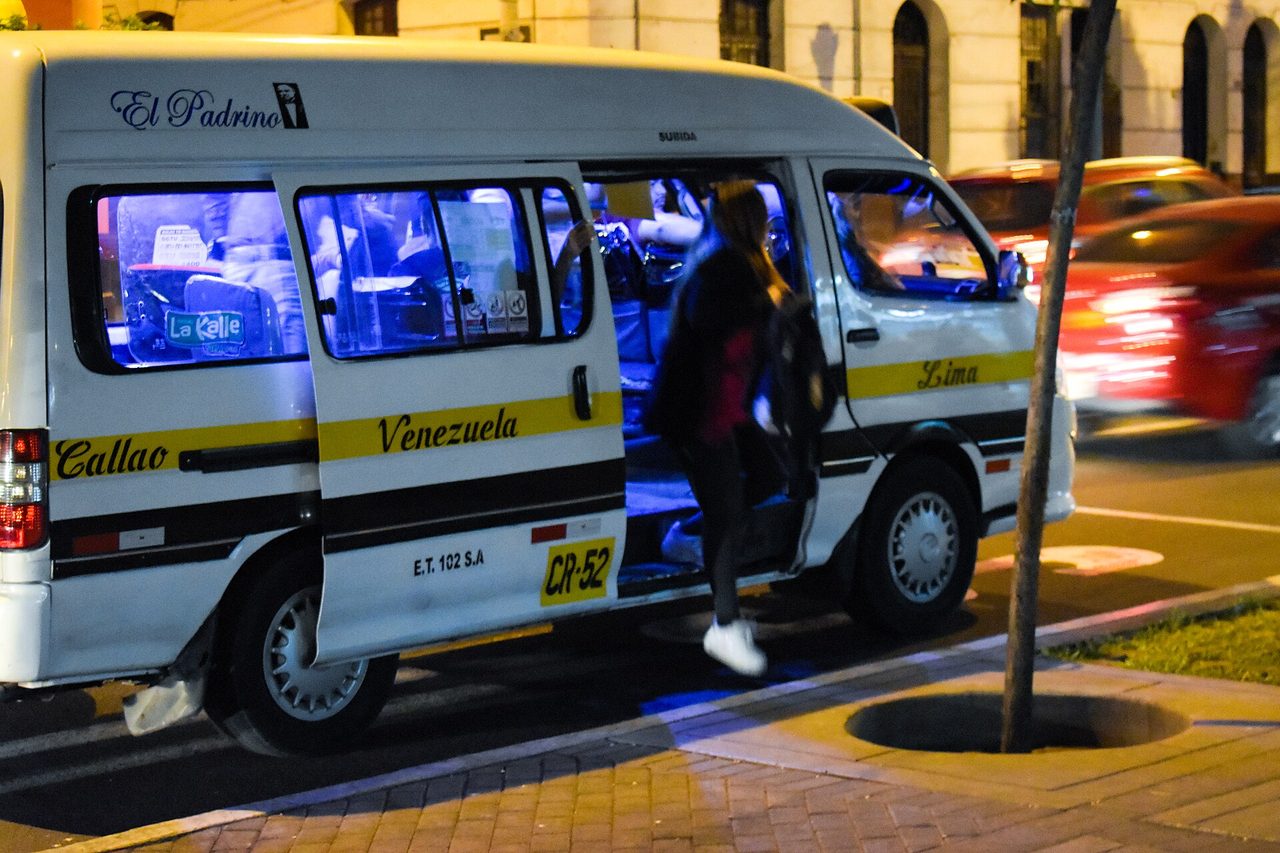
| Local transport | S/3–15 (combi S/1–3 a ride) | S/40–70 (taxis, apps) | S/80–250 (private driver) |
| Water, laundry, SIM, snacks | S/15–25 | S/25–40 | S/40–80 |
| Daily total | S/100–150 | S/240–375 | S/610–1,020+ |
Two line items are worth flagging. Laundry is S/5–8 per kilo almost everywhere outside Miraflores and takes a day, which is why nobody who travels Peru for more than a fortnight packs much. And bottled water is a real budget line at altitude, where you drink far more than you expect; a filter bottle pays for itself in about nine days in Cusco.
Baseline by city: Peru is not one price
The single biggest flaw in a national daily average is that Puno and Miraflores are not the same country economically. These are baseline days only.
| Place | Backpacker | Mid-range | Comfortable | Notes |
|---|---|---|---|---|
| Cusco | $32–45 | $70–105 | $180–300 | Dorms S/35–60. Tourist-street food is double local prices two blocks away |
| Lima (Miraflores / Barranco) | $38–55 | $80–120 | $200–350 | Dorms S/45–80. Distances are long, so taxi spend is real |
| Arequipa | $28–40 | $60–90 | $150–250 | The best value of the big three, and the easiest place to eat well cheaply |
| Puno | $25–38 | $55–85 | $130–200 | Cheap because there is little to spend on; you are there for the lake |
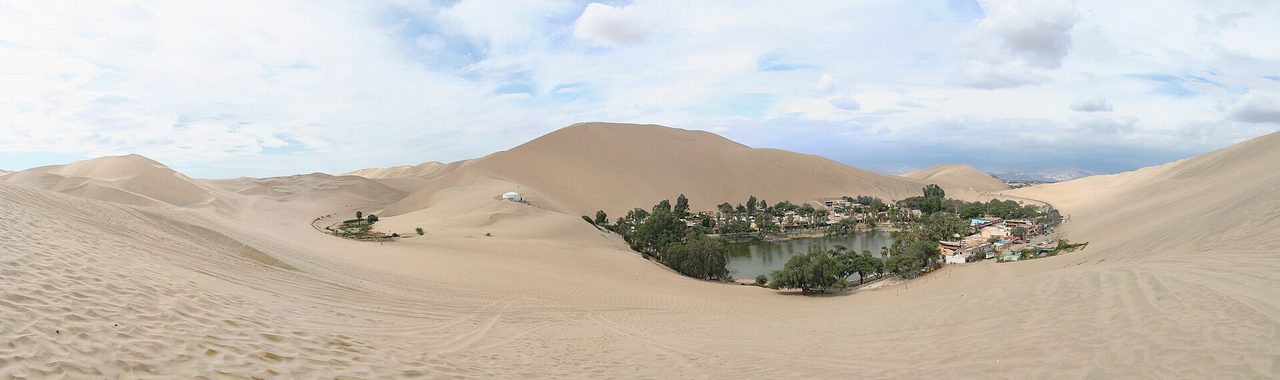
| Huacachina / Ica | $30–45 | $65–95 | $140–220 | A captive oasis. Ica town, ten minutes away, is 30–40% cheaper for everything |
| Aguas Calientes | $45–70 | $110–170 | $250–500 | The worst value per sol in Peru. Minimise nights |
| Amazon lodge | Not a baseline — all-inclusive, $75–135/day budget, $200–400/day premium | Meals, guides and boats are bundled; there is nothing to buy | ||
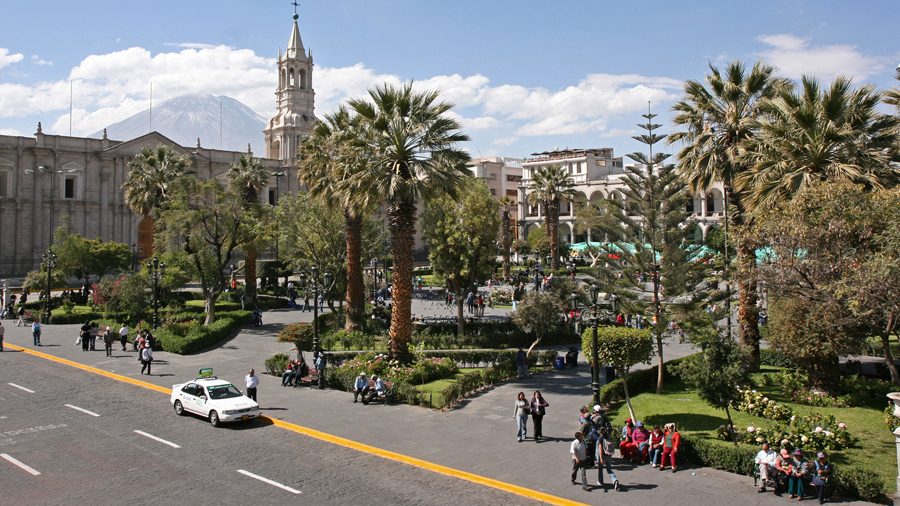
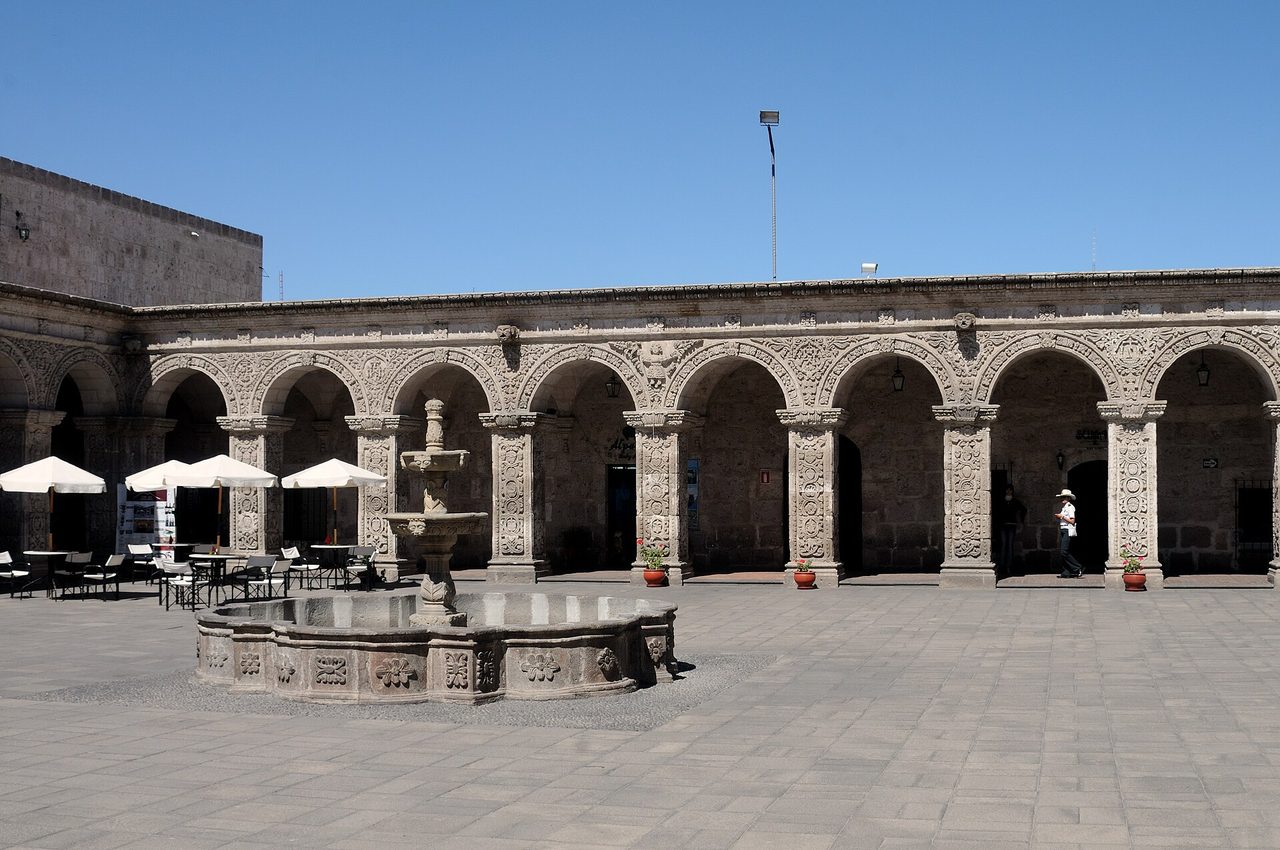
Arequipa deserves a specific mention. It is the one major Peruvian city where the mid-range tier feels genuinely generous: colonial courtyards, a serious food scene, and hotel prices roughly a third below Cusco for the same standard. If your budget is tight and your itinerary is flexible, adding nights in Arequipa and subtracting them from Aguas Calientes is the cheapest quality-of-life trade in the country.
Event days: the costs that refuse to average
This is the table that actually decides your budget. Prices are 2026 and per person, and the verdicts are mine.
| Event | Realistic 2026 cost | Worth it? |
|---|---|---|
| Machu Picchu day, arranged yourself from Cusco | $190–260 | Yes, once. This is the trip. Do it properly rather than cheaply |
| Machu Picchu day, agency package from Cusco | $290–450 | Only if you value the logistics being handled — you are paying $100–190 for that |
| Machu Picchu the slow way via Hidroeléctrica (2 days) | $110–170 | Yes if your time is worth less than your money. Six hours of minivan each way |
| Classic Inca Trail, 4 days | $760–1,200 | Yes for the trail and the Sun Gate arrival. No if you just want to see the ruins |
| Short Inca Trail, 2 days | $450–650 | Poor value per dollar. You pay trail prices for a long day walk |
| Salkantay trek, 5 days | $450–750 group ($350 bottom, $1,200+ premium) | The best value multi-day trek in Peru. No permit lottery, better scenery than people expect |
| Rainbow Mountain day tour | $30–60 + S/30 entry (+S/30 Red Valley) | The most over-sold day in Cusco. Genuinely striking for about twenty minutes |
| Humantay Lake day tour | $30–50 + entry around S/25 | Better than Rainbow Mountain for the same money and a shorter drive |
| Sacred Valley full-day group tour | $15–30 + Boleto Turístico | Yes. The cheapest good day in Cusco, though it is a rushed one |
| Colca Canyon, 2 days from Arequipa | $40–80 + S/70 Colca ticket | Yes. Condors at Cruz del Cóndor, and the drive itself is the attraction |
| Amazon lodge, 3 days from Puerto Maldonado | $220–400 budget, $600–1,200 premium, + $80–160 return flight | Yes, but three days is the minimum that works. Two is a transfer with a walk in it |
| Lake Titicaca 2-day homestay | $50–80 | Yes, with adjusted expectations. It is a genuine homestay, not a hotel |
| Nazca Lines overflight | $85–160 from Nazca; $300–380 from Pisco | Check the current safety picture first — see below |
| Huacachina buggy and sandboarding, 2 hours | S/70–110 ($20–32) + S/4 desert entry | Yes. Cheap, genuinely fun, and over before it gets boring |
| Domestic flight, Lima–Cusco one way | $55–120 with a bag | Yes if you have under two weeks. It buys back a full day |
| Overnight bus, Lima–Arequipa or Cusco–Lima | $25–80 depending on class | Cama class only. The saving over economy is small and the difference is a night’s sleep |
Two entries need footnotes. On the Machu Picchu day, the $190–260 breaks down as entry S/163 (about $48), the Ollantaytambo–Aguas Calientes train at roughly $60–95 per leg under dynamic pricing, the Consettur shuttle at $12 a leg or $24 return, a colectivo from Cusco to Ollantaytambo at S/15–25, and food. Our breakdown of doing Machu Picchu cheaply works through the substitutions, and the current ticket categories and circuits matter because the S/211 tiers that include Huayna Picchu or Machu Picchu Mountain are a separate purchase. Verify entry prices on the official portal before you book — they were revised upward on 1 May 2026 and older pages still quote the superseded figure.
On Nazca: a sightseeing Cessna crashed on 1 August 2026 killing thirteen people, the operator’s flights were suspended the following day, and the aerodrome’s status was still unresolved as this was written in September 2026. Prices are quoted above for planning only. Confirm which operators are actually flying, and under what oversight, before you commit money to it.
The Cusco entry-fee stack, and the Boleto Turístico maths
Cusco layers small entry fees on top of everything, and the Boleto Turístico is how most of them are bundled.
- Full Boleto Turístico General: S/130, valid 10 days, covers 16 sites including Sacsayhuamán, Pisac, Ollantaytambo, Chinchero, Moray and the city museums.
- Partial circuits: S/70 each. Circuit III (Pisac, Ollantaytambo, Chinchero, Moray) is valid 2 days; Circuit I is valid 1 day.
- The trap: two partials cost S/140, which is more than the full ticket at S/130. If you think you might buy a second partial, buy the full one first.
- Not included: the Maras salt pans. That is a separate community-run cash entry of roughly S/10–20 — sources disagree and it has been raised before, so carry cash and treat the figure as approximate. Moray, confusingly, is on the boleto.
- Student rate: COSITUC still accepts an ISIC card for the 18–25 boleto rate. Do not assume that transfers to Machu Picchu, where ISIC is no longer accepted and a university photo ID with an expiry date is checked at the gate.
If your Cusco plan involves the ruins above the city, a day out through the Sacred Valley and a stop at the terraces at Moray and the Maras salt pans, the full boleto pays for itself easily. If you are only going to Sacsayhuamán and back, a partial is the right call.
Intercity transport is an event cost too
People budget for tours and forget that getting between towns is its own line. A rough set of 2026 figures:
- Cusco–Puno tourist bus with stops: $25–45. Direct night bus: S/40–80.
- Arequipa–Cusco overnight, good operator: $30–45.
- Lima–Arequipa overnight: $25–40 depending on class.
- Lima–Cusco direct bus: $27–80 for a 21-hour ride nobody enjoys twice.
- Lima–Huacachina (via Ica): S/35–70, four hours.
- Domestic flights: $55–120 one way on the trunk routes if booked more than a month out, and materially more with checked luggage on the low-cost carriers.
Our guide to moving around Peru by bus, plane and colectivo goes into which operators are worth the premium. The short version is that on overnight routes, cama class is worth the extra $10 and the cheapest operator on a mountain road is a false economy.
The train to Machu Picchu is the one transport cost with no cheap alternative. Expedition and Voyager services on the Ollantaytambo–Aguas Calientes leg now run roughly $60–95 each way under dynamic pricing, which is well above the $35–60 range still quoted on a lot of older pages. The panoramic services are $95–140. Book early; the fare genuinely rises as the train fills. There is more on the classes and the luggage limits in our rundown of the Machu Picchu trains, and the alternatives are covered in the routes from Cusco to Machu Picchu.
Where the tiers converge, and where they refuse to
Not every category responds to budget the same way, and knowing which is which tells you where to spend.
Food swings the most: 60–70%. The gap between a S/15 menú del día and a S/700 tasting menu in Lima is the widest in Peru, and it is entirely under your control. You can eat superbly for S/40 a day. This is where a tight budget should take its savings, because Peruvian food at the cheap end is very good rather than merely edible. Our guide to what to actually order in Peru is mostly a list of things that cost under S/25.
Machu Picchu swings the least. The entry ticket is S/163 whether you arrived by Hiram Bingham or by minivan from Hidroeléctrica. The shuttle bus is $24 return for everyone. The only real variable is the train, and even a determined budget traveller ends up spending $150–250 on the day unless they take the long overland route. If you want to know whether that is a price worth paying, we have argued it out in the case for and against Machu Picchu.
Accommodation swings hugely in absolute terms but delivers less than you expect. Peruvian hostels are genuinely good — converted colonial houses with courtyards, real kitchens, hot water that works. The step from a S/45 dorm to a S/200 private room is a large improvement. The step from S/200 to S/700 is mostly a nicer lobby.
Guides barely swing at all, and are the best-value upgrade at any tier. A licensed private guide at Machu Picchu is $40–70 for a group of any size, which is trivial next to what you have already spent to stand there and transforms what you understand of the place. Split between three people it is the cheapest line on the day.
Treks converge in an odd way. A $350 Salkantay and a $700 Salkantay walk the same trail. The difference is tent quality, food, group size and how the crew are treated — and that last one is not a luxury, it is the reason to pay more. If you are choosing, the comparison between the Inca Trail and Salkantay is really a question about permits and budget, and what the Inca Trail price actually includes explains why the cheapest quotes are the ones to worry about.
The ATM reality: what cash actually costs you
Peru is a cash economy outside hotels and tourist restaurants, and getting hold of that cash is one of the most reliably underestimated costs in the country.
- Most Peruvian ATMs charge S/18–36 per withdrawal ($5–10.50) on top of whatever your own bank takes. BCP, BBVA, Scotiabank and the standalone GlobalNet machines all charge; the free-standing machines in shops and hotel lobbies are the worst.
- Banco de la Nación is usually the cheapest. Its MultiRed machines frequently levy no owner fee on foreign cards, but they cap withdrawals lower — often around S/400 per transaction — and the queues at the counter branches are long. Interbank is generally the next-best option.
- Always decline dynamic currency conversion. When a machine offers to charge you “in your home currency” and shows you a helpful rate, that rate is 3–7% worse than your card’s. Choose soles, every time, at ATMs and card terminals both.
- Withdraw the maximum, less often. Per-transaction caps are typically S/400–700. If you are paying a flat S/24 fee, four withdrawals of S/700 costs S/96; twelve of S/300 costs S/288 for less money.
- Carry some US dollars. Trek and tour balances are often quoted in dollars, and paying in soles at the operator’s own rate costs you a few percent. Bills must be clean and untorn or they will be refused.
| Tier | Cash needed per day | Sensible withdrawal pattern |
|---|---|---|
| Backpacker | S/100–150 (almost everything is cash) | S/600–700 every 4–5 days |
| Mid-range | S/120–200 (hotels and better restaurants take cards) | S/700 every 4 days, cards for the rest |
| Comfortable | S/80–150 (mostly tips, markets, taxis) | S/700 weekly, plus dollars for tour gratuities |
Tipping is a real budget line at every level. On a group trek, S/80–150 per trekker for the crew is normal and expected; a day guide is S/20–40; restaurants at the local end do not expect a tip beyond leaving the coins. It is worth reading up on the rest of the etiquette in our practical notes on travelling in Peru before you land.
Where each tier breaks, honestly
The backpacker tier
A $30–45 baseline is real, but it assumes a specific set of choices, and you should know what they are.
It assumes overnight buses on the long routes. That is often sold as saving a hotel night. It does save the night — and it also costs you the following morning, because almost nobody arrives at 6am functional. Two overnight buses in a ten-day trip cost you roughly a day of usable time, which on a short trip is worth more than the $30 you saved.
It assumes no domestic flights. On a three-week trip that is fine. On a ten-day trip, refusing to fly Lima–Cusco to save $70 means spending 21 hours on a bus, and the honest arithmetic is that you have paid a day of your holiday for $70.
It assumes no Inca Trail. There is no budget version. The cheapest legitimate operator is around $760 and the ones advertising below that are cutting something — usually the porters’ wages or their insurance. If that is out of reach, Salkantay is the honest substitute rather than a cut-price permit, and the operator comparison explains what the price differences actually buy.
It assumes group tours only, dorms throughout, and menús most days. What you give up beyond that: spontaneity in high season, when the cheap beds go first; the good Amazon lodges, since the sub-$250 three-day trips are a different experience entirely; and any meal at Peru’s genuinely world-class end.
The mid-range tier
The $70–110 baseline breaks the moment event costs stack in one week. Two domestic flights, a panoramic train both ways and an agency Machu Picchu package can add $700 to a seven-day trip without touching the baseline at all. Aguas Calientes is the other breakage point: a mid-range hotel there costs what a genuinely nice one costs in Arequipa. Sleep in Ollantaytambo where you can and treat Aguas Calientes as a place you pass through.
The comfortable tier
$180–300 a day is comfortable but it is not the top. It does not cover the Belmond luxury train, a night at the lodge next to the Machu Picchu gate, or a private guide-and-driver for the whole trip. Those are a separate $300–800 a day again. Be clear with yourself about which one you are budgeting for, because “luxury Peru” covers a range of roughly four to one.
What ten days actually costs, worked through
Lima, Cusco, the Sacred Valley and Machu Picchu, ten days on the ground, excluding international flights. These are the numbers I would plan with for the standard ten-day route.
| Component | Backpacker | Mid-range | Comfortable |
|---|---|---|---|
| Baseline, 10 days | $380 | $900 | $2,300 |
| Machu Picchu day | $210 | $340 | $600 |
| Boleto Turístico | $38 | $38 | $38 |
| Sacred Valley | $25 | $120 (private) | $250 (private, guided) |
| One more day tour | $45 (Rainbow Mountain) | $130 (Colca 2-day) | $900 (Amazon 3-day) |
| Intercity transport | $90 (buses) | $180 (one flight, one bus) | $250 (flights) |
| Tips and contingency | $40 | $100 | $250 |
| Total | $830 | $1,810 | $4,590 |
| Effective per day | $83 | $181 | $459 |
Look at the bottom two rows. The backpacker whose baseline is $38 a day has an effective daily spend of $83 — more than double. That gap is the entire point of this article, and it is why “$40 a day in Peru” is technically true and financially dangerous. Longer trips close the gap, because the event costs are spread over more days: the same traveller on a three-week trip lands nearer $60 a day effective, even after adding Colca and the Amazon.
Reducing the baseline in ways that actually work
- Walk two streets before you eat. The single highest-return habit in Peru. It halves your food bill without reducing quality, and often improves it.
- Travel in shoulder season. Beds and tours are 15–30% cheaper outside June–August, and the weather in April–May and September–October is generally fine. The maths is worked through in our look at when Peru is cheapest to visit and the trade-offs in the shoulder-season months.
- Book Machu Picchu tickets and trains yourself. The agency markup on a Machu Picchu day is $100–190 for bookings you can make online in twenty minutes.
- Book tours in Cusco, not online. A Rainbow Mountain tour sold at $60 through an international platform is S/110–140 from an agency on Plateros. This does not apply to treks, where the cheapest street quote is a warning sign.
- Use the free days. Cusco and Lima both support entire days that cost nothing but food, and our list of things worth doing in Peru for free is longer than most people expect. Museum free days and the churches you can walk into cost nothing.
- Cut Aguas Calientes nights, not Cusco nights. One is expensive and dull, the other is cheap and the reason you came.
- Do not cut the guide. Of everything on this page, the guide is the line where cutting costs you the most experience per sol saved.
One thing that does not work: skipping Machu Picchu to save money and then buying three consolation day tours instead. If the entry price is genuinely out of reach, plan a trip that was never about it — Peru without Machu Picchu is a real and good trip, and Huaraz, the north coast or Arequipa and Colca will give you more for the money than a half-hearted version of the classic route.
Frequently asked questions
How much money do I need per day in Peru?
For the baseline — bed, food, local transport — budget $30–45 as a backpacker, $70–110 mid-range and $180–300+ for comfort. Then add event costs separately: roughly $210–600 for a Machu Picchu day, $450–1,200 for a multi-day trek, $220–1,200 for an Amazon lodge. On a typical ten-day classic-route trip, your effective daily spend ends up about double your baseline.
Is $50 a day enough for Peru?
As a baseline, comfortably yes — $50 puts you above dorm-and-menú level in most cities. As an all-in figure including Machu Picchu, treks and transport, no, not on a short trip. It becomes realistic at around three weeks or more, when the fixed costs spread out, and only if you skip the Inca Trail and domestic flights.
How much cash should I carry per day?
S/100–150 a day as a backpacker, S/120–200 mid-range, S/80–150 at the comfortable end where cards cover most of the big items. Withdraw in the largest amounts your card allows to spread the S/18–36 ATM fee, and keep a few clean US dollar bills for tour balances and emergencies.
Do I need dollars or soles in Peru?
Soles for everything day to day. Dollars are useful for paying trek and tour balances, which are often priced in USD, and as a backup. Do not plan to spend dollars in shops and restaurants — where they are accepted at all, the rate offered is poor.
What is the most expensive part of a trip to Peru?
After the international flight, it is the Machu Picchu day — or the trek you replace it with. Entry, train, shuttle and transfers put a floor of roughly $190 on doing it independently and $290–450 through an agency. Multi-day treks and Amazon lodges are the other two items that can each exceed a week of baseline spending.
Are ATMs expensive in Peru?
Yes, and predictably so. Most machines charge S/18–36 per withdrawal on top of your own bank’s fees. Banco de la Nación usually charges nothing on foreign cards but caps each withdrawal lower, often around S/400. Always decline the machine’s offer to convert to your home currency, which costs a further 3–7%.
How much should I budget for Cusco specifically?
A baseline day in Cusco is $32–45 backpacker, $70–105 mid-range, $180–300 comfortable. Add the Boleto Turístico at S/130, and budget for the fact that most days in Cusco are event days — the day trips out of the city are the reason people stay a week rather than three days. Allow a slow first day or two for the 3,400 m altitude, which is also a day when you spend almost nothing.
Is Peru cheap compared with the rest of South America?
Mid-table. Cheaper than Chile, Argentina and Brazil for the same standard; more expensive than Bolivia and comparable to Ecuador. What skews Peru upward is that its single most famous attraction is also one of the most expensive tourist sites on the continent, which drags the average trip cost above what the country’s day-to-day prices would suggest.
How much does a week in Peru cost?
Excluding international flights: roughly $600–750 backpacker, $1,300–1,700 mid-range, $3,000–4,000 comfortable. A week is the worst-value trip length in Peru precisely because the event costs are fixed and there are fewer days to spread them across — which is a decent argument for going for longer if you can, and a good reason to read up on how many days Peru really needs before booking.
Should I budget for altitude and health costs?
A small amount. Sorojchi pills and coca tea are a few soles; a pharmacy consultation is S/30–60; a clinic visit in Cusco is S/150–350 and payable up front. Travel insurance for a fortnight runs $40–120, more with trekking cover, and if you are hiking above 4,000 m you need a policy that actually says so.
Where does the money go on a two-week trip?
Typically about 40% baseline, 35% event days, 15% intercity transport and 10% tips, entries and contingency. If your event days are more than half of your budget, you have booked an itinerary that is mostly tours — which is a fine way to travel, but it is worth knowing that is what you have done. Balancing it out with unstructured days in the places worth lingering in costs almost nothing and is usually what people remember.