Money in Peru: Currency, ATMs & Cards
The sol, the ATM fee stack, and why your S/100 note is a problem. What a withdrawal really costs, which banks are cheapest, and how much cash to carry.
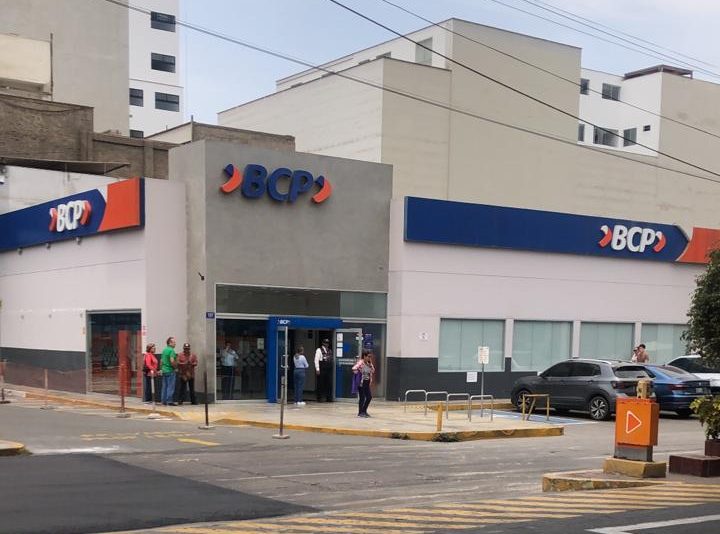
The most expensive thing about money in Peru is not the exchange rate. It is the stack of small charges that nobody itemises for you: the ATM operator’s own fee, your bank’s foreign transaction fee, your bank’s flat overseas withdrawal fee, and — if you press the wrong button — a currency conversion markup of 3 to 7 per cent layered on top of all of it. Four separate charges on one withdrawal. I have watched travellers lose more to that stack over two weeks than they spent on their Machu Picchu ticket.
None of it is a scam. All of it is avoidable, or nearly so, if you know which machine to walk to and which screen to decline. This guide is the practical version: what the sol is worth right now, which banks charge what, how much cash to actually carry, why the S/100 note in your wallet is a liability, and what things genuinely cost so the numbers mean something. For what those numbers add up to over a trip, there is a companion guide to daily spending in Peru by travel style.
The real cost of money in Peru: doing the arithmetic on one withdrawal
Let us take a concrete case. You land in Lima, you want roughly US$200 in soles, and you walk up to a BCP machine. BCP has one of the higher per-transaction caps, so you ask for S/700 — about US$206 at the interbank rate in early September 2026.
Here is where the money actually goes.
| Charge | Typical amount | In USD | Can you avoid it? |
|---|---|---|---|
| The soles themselves (S/700 at ~3.39) | — | $206.49 | No |
| Peruvian ATM operator fee | S/18–36 | $5.30–10.60 | Yes — use Banco de la Nación, which is usually free |
| Your bank’s foreign transaction fee | ~3% | $6.19 | Yes — use a no-FX-fee card |
| Your bank’s flat overseas ATM fee | $0–5 | $0–5.00 | Yes — several banks reimburse it |
| Dynamic currency conversion, if accepted | 3–7% | $6.19–14.45 | Always — just decline it |
Worst case, that S/700 costs you about US$236. Best case — a fee-free machine, a no-FX card, conversion declined — it costs you US$206.49 and not a cent more. Same cash, same city, same afternoon, roughly a 15 per cent difference. Now multiply by six or seven withdrawals over a three-week trip and you are looking at real money, the kind of sum that would have paid for a decent night in a good hotel in Cusco.
The single biggest lever is not the fee rate. It is the per-withdrawal cap. A flat S/25 charge on S/700 is 3.6 per cent. The same S/25 on a S/400 machine is 6.3 per cent, and if you need S/1,200 you are paying it three times instead of twice. Cap first, fee second — that is the order to think in.
Peru currency basics, briskly
The currency is the sol (plural soles), currency code PEN, written as S/ before the number. You will still hear older Peruvians and a few printed menus say nuevo sol; the “nuevo” was formally dropped in 2015 and it is just the sol now. One sol divides into 100 céntimos.
- Banknotes: S/10, S/20, S/50, S/100, S/200. The S/200 is genuinely rare in daily circulation.
- Coins: S/1, S/2, S/5, plus 10, 20 and 50 céntimos. The 1 and 5 céntimo coins were withdrawn years ago; cash totals get rounded, by law in the customer’s favour.
As of early September 2026 the rates sit at roughly US$1 = S/3.39 and €1 = S/3.90. The sol has been one of the steadier currencies in the region — it spent most of 2026 between S/3.34 and S/3.53 to the dollar — but that is a snapshot, not a promise. Check a live converter the week you travel rather than trusting a number on any travel page, including this one.
For rough mental maths while you are there: divide soles by 3.4 for dollars, or by 4 for euros and you will be close enough to know whether something is expensive. A S/68 dinner is about US$20. A S/12 lunch is about US$3.50.
ATMs in Peru: which machine, and what it will cost
ATMs are everywhere in Lima, Cusco, Arequipa and Puno, common in mid-sized towns, and sparse-to-absent once you get properly rural. The machines are reliable. The fees are the problem, and they vary by more than you would expect between banks standing on the same street corner.
| Bank / network | Typical foreign-card fee | Per-withdrawal cap | Dispenses USD? | Verdict |
|---|---|---|---|---|
| Banco de la Nación (MultiRed) | Usually S/0 | S/400 | Rarely | Cheapest by a distance. Low cap and often a queue, but free is free |
| BanBif | ~S/18–20 | S/700 | Some branches | Best fee-to-cap ratio of the commercial banks. Fewer branches |
| BCP (Banco de Crédito) | ~S/25–36 | S/700 | Many branches | Everywhere, high cap, high fee. Fine if you take the full S/700 |
| Scotiabank | ~S/20–28 | S/400 | Yes, commonly | Worth it mainly if you specifically want dollars |
| BBVA | ~S/18–25 | S/400 | Some branches | Middling. Low cap makes the fee bite harder than it looks |
| Interbank | ~S/25 | S/400 | Some branches | Wide coverage, unremarkable terms |
| Globalnet / Multibanco (standalone) | S/19–36 | S/400–700 | Occasionally | The machines in shops, hotels and airports. Usually the priciest |
Treat those as indicative bands, not published tariffs. Peruvian banks do not consistently publish their foreign-card surcharge, individual machines differ, and airport and hotel-lobby ATMs sit at the top of every range. The fee is always disclosed on screen before you confirm — read it, and cancel if it looks wrong. Cancelling costs nothing.
The rule that saves the most: always decline conversion
Partway through the transaction the machine will offer to do you a favour. The wording varies slightly but it is always some version of:
“Would you like to be charged in USD?” — or — “Do you accept a conversion rate of 1 USD = 3.18 PEN? ACCEPT / DECLINE”
Say no. Every time. Choose soles, choose “without conversion”, choose “decline”. This is dynamic currency conversion, and the rate the machine offers is set by the operator, not by Visa or Mastercard. It is routinely 3 to 7 per cent worse than the network rate your own bank would have used. The screen presents it as certainty and convenience; it is neither, it is a margin. Card terminals in shops and restaurants do exactly the same thing, and the answer is the same: pay in soles.
The tell is that the machine shows you a specific exchange rate at all. Your bank never does. If a number that looks like a rate appears on the screen, you are being sold something.
Practical ATM habits that are worth the small effort
- Take the maximum the machine allows. The fee is flat, so S/700 costs the same as S/100.
- Use machines inside a bank branch, a supermarket or a mall, during opening hours. If the machine swallows your card, being inside a building with staff is the difference between a bad hour and a bad week.
- Peruvian ATMs dispense the cash first and return your card second. This catches people out constantly. Do not walk away with the notes and leave the card in the slot.
- Carry two cards from two different banks, stored separately. Cards get eaten, frozen and blocked, and Peru is not a country where you want to be resolving that with one piece of plastic.
- Stock up before you leave the cities. Small-town machines run dry on holiday weekends, and stretches of the north and the jungle have very thin coverage.
Cash or card in Peru? The honest split
Peru is not a cash-only country and it has not been for years. It is also nowhere near cashless, and the divide is not urban versus rural so much as formal versus informal.
Card works reliably for: hotels of every class in Lima, Cusco and Arequipa, mid-range and upmarket restaurants, supermarkets (Wong, Metro, Plaza Vea, Tottus), pharmacies, department stores, larger tour agency offices, long-distance bus tickets bought online, domestic flights, and most museum ticket desks in the big cities. Contactless is genuinely mainstream — Peru adopted tap early and terminals nationwide handle it.
Cash is required for: colectivos and combis, street taxis, mototaxis, markets of every kind, small and family-run restaurants, tips, laundry, most community-run entrance gates, and the entire informal economy that makes up a large share of Peruvian commerce. If you are moving around independently rather than on a private transfer, the way you actually get between places in Peru is largely a cash transaction.
Two specific traps worth naming. First, some small businesses add a card surcharge of 3 to 10 per cent. Peru’s consumer regulator has confirmed this is legal provided it is disclosed up front — so ask before you hand the card over, and if it was not disclosed you can insist on the displayed price. Second, restaurants bring the terminal to your table and may ask for your passport number on the receipt. Both are normal. Your card should not leave your sight.
How much cash to carry, by trip style
| Trip style | Cash on you per day | Cash reserve in the room safe |
|---|---|---|
| Hostels, colectivos, markets, cooking your own | S/80–120 | S/300–500 |
| Mid-range independent: 3-star hotels, mix of restaurants | S/120–200 | S/400–600 |
| Organised tour with most things prepaid | S/60–100 | S/300 (mostly for tips) |
| A full Sacred Valley day under your own steam | S/250–350 | — |
| Multi-day trek or a stretch in the Amazon | All of it, up front | — |
The Sacred Valley figure surprises people. A day taking in the ruins and market at Pisac and the terraces at Moray, with colectivos both ways, lunch, tips and any gate that is not on your Boleto Turístico, will comfortably run S/250 in cash with no card accepted anywhere in the chain. The Maras salt pans in particular are not on the Boleto — they are collected by the community at the gate, in cash, somewhere in the S/10–20 range depending on who you ask and when. Same story at Rainbow Mountain, where the community entrance fee and the horse hire are both cash even when the tour itself was paid by card months earlier.
The small-notes problem, which is worse than anyone tells you
This is the single most under-covered practical fact about spending money in Peru, and it will affect you on day one.
ATMs dispense S/100 notes by default. A S/700 withdrawal typically comes out as seven S/100s, occasionally with a S/50 or two mixed in. Meanwhile the actual economy runs on S/10s, S/20s and coins. A taxi driver quoted you S/10 and you hand him a S/100. A market stallholder wants S/6 for a bag of fruit. A colectivo fare is S/4. None of these people can break your note, and most of them are not pretending.
They genuinely often cannot. Small vendors run on tiny float, and the ones who could break it would rather not, because handing over S/90 of their working change to a tourist ruins their morning. So you get “no tengo sencillo” — I have no change — and you either walk away or overpay.
How to break a S/100 note
- Supermarkets. The reliable answer. Buy water and a snack, pay with the S/100, walk out with usable money. Do this within an hour of your first withdrawal.
- Pharmacy chains — InkaFarma and Mifarmacia are on nearly every block and always have change.
- Bus terminals and filling stations. Both handle large volumes of cash and neither will blink.
- Your hotel reception, if you ask politely and are staying more than a night. Many will swap notes as a courtesy.
- Pay for something genuinely expensive with the big note — a restaurant bill, a tour balance — and hoard the change that comes back.
A running habit that works: whenever a transaction gives you the choice, break the largest note you are carrying and keep the small ones. Aim to always have a S/10 and some coins in a pocket separate from your wallet. It is not about the money; it is about not having a negotiation every time you want a taxi. And keep coins specifically — public toilets cost S/1 and the attendant will not have change either.
Counterfeit soles: check, but do not panic
Counterfeit notes are a real thing in Peru rather than a traveller myth. They are not so common that you should be anxious about every transaction, but common enough that locals check high-value notes reflexively and you should copy them. Fakes concentrate in S/50, S/100 and S/200 notes, and you are most likely to be handed one as change in an informal setting or by a street money changer.
The checks people actually use take about two seconds each.
- Feel it. Peruvian notes are cotton, not paper. They have a distinct crispness and a slightly rough tooth. The portrait and the denomination are printed in raised intaglio — run a fingernail across them and you should feel ridges. Fakes are usually smooth and flat, and the paper feels waxy or too slippery.
- Hold it to the light. There is a watermark of the same portrait that appears in the paper itself, in light and dark tones. A printed-on watermark looks flat and blurry and sits on the surface rather than inside it.
- Find the security thread. A metallic strip runs through the note and shows as a continuous dark line against the light. On many fakes it has been physically lifted from a genuine low-value note and glued on, so it looks pasted rather than embedded.
- Tilt it. The large numeral shifts colour — green to purple — as you change the angle. This is the hardest feature to fake and the quickest to check.
One common trick is worth knowing about: a genuine S/10 or S/20 note bleached and overprinted as a S/100. It usually feels right, because the paper is real. The tell is the watermark, which will show the wrong portrait for the denomination.
The habit that matters more than any of this is refusing damaged notes. Do not accept anything torn, taped, heavily written on or missing a corner, because the shop you try to spend it in will refuse it from you, and then you own it. Say “¿me lo cambia, por favor?” and hand it straight back. Nobody will be offended; they were trying it on, or they were about to get stuck with it themselves.
Practical mitigation, in one line: take your cash from bank ATMs and reputable exchange houses, check any S/50 or above before it goes in your wallet, and get your change from established businesses rather than from a man with a satchel.
US dollars in Peru: useful, but only if they are pristine
Dollars occupy a strange middle ground here. They are widely quoted and widely accepted — hotels, tour operators, trek agencies and some upmarket restaurants will all take them — and yet you cannot spend them on anything small.
The condition rule is absolute and catches people out constantly. A note with a tear, a fold that has become a split, a biro mark, a stamp or heavy soiling will be refused. Not haggled over — refused, politely, by a hotel that would have happily taken the crisp note next to it. This is not fussiness; Peruvian businesses have to bank those notes and their own bank will reject damaged ones. If you are bringing dollars, bring newer bills, unmarked, and carry them flat rather than folded in a money belt.
Two more things nobody mentions. Most tour operators quote in USD but settle in soles at their own internal rate, which is typically a little worse than the market — ask whether you can pay in soles at the market rate and you will sometimes save two or three per cent on a big-ticket item like a trek. And your change from a dollar payment will come back in soles, at their rate, which quietly converts a good deal into an average one.
Casa de cambio, bank, or the man on the corner
| Where | Rate | Speed | Worth using? |
|---|---|---|---|
| Casa de cambio (shopfront with a rate board) | Best of the three | Two minutes | Yes — the default answer |
| Bank branch | Slightly worse | Twenty minutes and a queue number | Only if you want a receipt or the amount is large |
| Street changer (vest, calculator, wad of notes) | Marginally better than the shop | Instant | Locals use them; the risk is fake notes and short-counting |
| Airport or hotel desk | Distinctly poor | Instant | Emergency amounts only |
The street changers in Miraflores and central Cusco are a legitimate part of the system rather than a scam in themselves — the licensed ones wear numbered vests and are regulated by the municipality. But they are the highest-risk way to get soles for exactly the reasons above, and the margin you gain over a casa de cambio is a fraction of a per cent. If you use one, count the notes yourself before handing over your dollars, do it in daylight on a busy street, and check the big notes. If you would rather not think about it, walk into a shopfront with a counter, a rate board and a security guard. There are several within a few blocks of the main streets of Miraflores.
The airport exchange desks are the worst rates you will see all trip. Change US$40 there so you can pay for a transfer and eat, then do the real exchange in town. If you are going straight to your hotel anyway, the run from Jorge Chávez into Miraflores can be paid by card through an app or booked in advance, which removes the pressure entirely.
What things actually cost, in soles
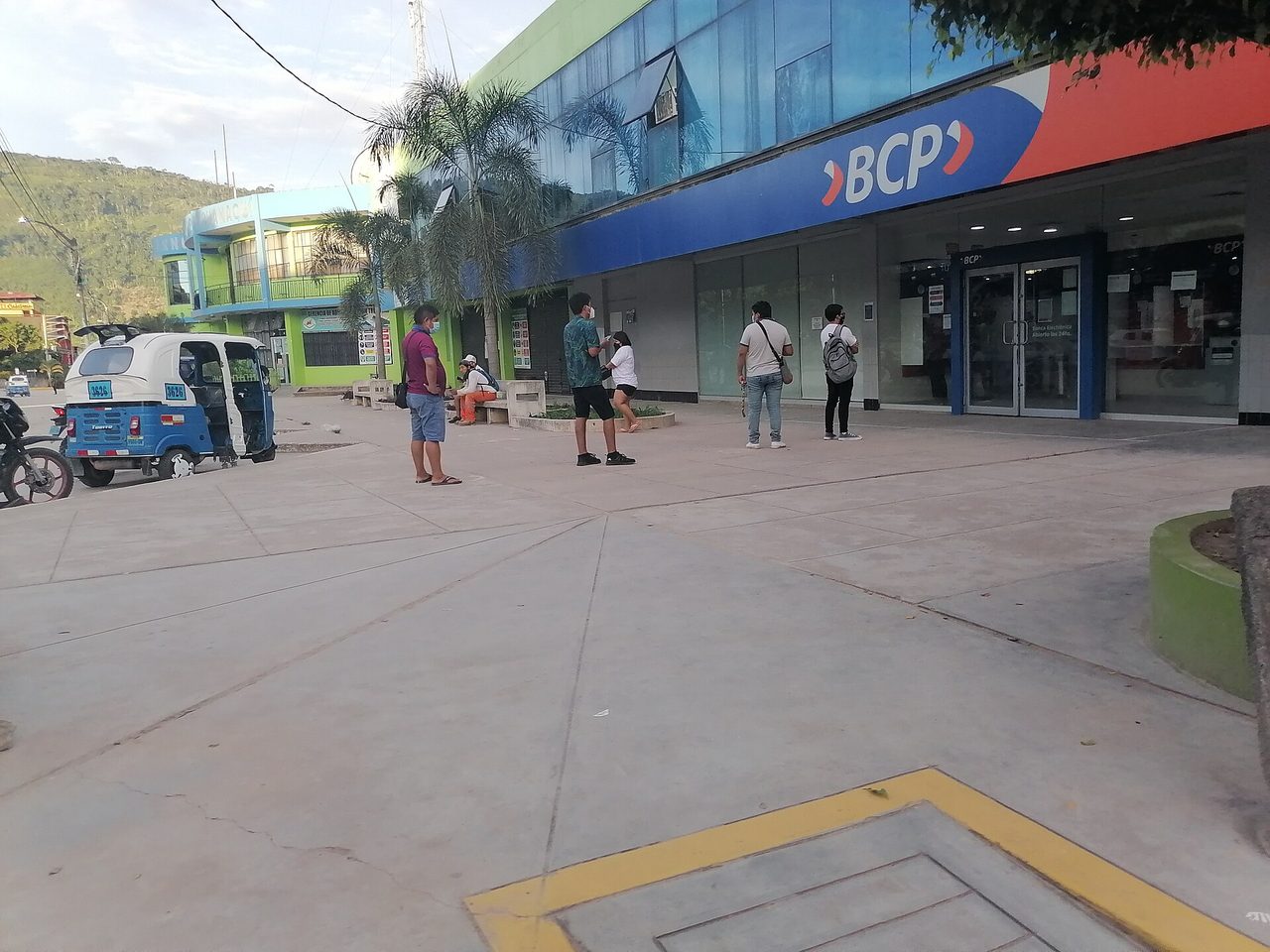
Numbers are meaningless without anchors. These are typical 2026 prices outside the most touristed corners — expect the top of each range in Aguas Calientes and the Cusco Plaza de Armas, and the bottom in provincial towns. The set lunch is the anchor everything else hangs off — it is the cheapest way to eat well and one of the genuine pleasures of eating your way around Peru.
| Item | Typical price | Approx. USD |
|---|---|---|
| Menú del día — soup, main, drink | S/12–20 | $3.50–6 |
| Dinner at a good mid-range restaurant | S/45–90 | $13–26 |
| 620 ml bottle of Cusqueña in a bar | S/8–12 | $2.50–3.50 |
| Same beer from a corner shop | S/6–8 | $2 |
| Taxi across central Cusco | S/8–12 | $2.50–3.50 |
| Taxi within Miraflores, app-booked | S/10–18 | $3–5 |
| Colectivo, Cusco to Ollantaytambo | S/15–20 | $4.50–6 |
| Colectivo, Cusco to Pisac | S/6–10 | $2–3 |
| Hostel dorm bed | S/30–60 | $9–18 |
| Mid-range double room | S/150–300 | $44–88 |
| Museum entry (MALI, Larco, regional museums) | S/15–45 | $4.50–13 |
| Boleto Turístico del Cusco, full BTG | S/130 | $38 |
| Machu Picchu entry, foreign adult | S/163 | $48 |
| Litre of bottled water, shop | S/2–4 | $0.60–1.20 |
| Laundry, per kilo | S/5–10 | $1.50–3 |
The Machu Picchu figure moved on 1 May 2026 when a conservation surcharge was added on top of the base ticket, so anywhere still quoting S/152 is out of date; circuits including Huayna Picchu or Machu Picchu Mountain are S/211. Prices at that level change more often than the rest, so confirm on the official portal before you book — the ticketing system has its own quirks worth reading up on beyond the price itself.
Two things worth knowing that affect what you spend rather than what things cost. Foreign non-residents staying under 60 days are exempt from the 18 per cent IGV on hotel accommodation, provided the hotel processes it properly against your passport and entry stamp — some quote net of it automatically, some do not, and it is worth asking. And there is a Tax Free scheme refunding IGV on goods bought at authorised stores, claimed at the airport on departure, which is only worth the paperwork on genuinely expensive purchases.
Tipping, briefly
Tipping in Peru is appreciated rather than obligatory, and the amounts are smaller than North American travellers expect. Round up in casual restaurants, leave around 10 per cent where the service warranted it, and note that upmarket places sometimes add a service charge already. Guides, drivers and trekking crews are the real tipping context and the sums involved are more substantial. Because this varies so much by situation, we handle it separately and at length in our dedicated tipping guide rather than compressing it here. The short version for your wallet is: carry S/10 and S/20 notes for it, because nobody can tip out of a S/100.
Money safety, without the fear-mongering
Peru is not dangerous for your money in any dramatic sense. It rewards ordinary caution, and the specific risks are narrower and more predictable than the internet suggests.
- Withdraw in daylight, indoors. The genuine risk — the “express kidnapping” pattern that occasionally makes the news — is overwhelmingly about late-night withdrawals at street machines in specific parts of Lima, usually after a night out. Daytime withdrawals inside a bank or a mall are not the same risk category at all. The realistic picture of safety in Lima is more about opportunistic phone-snatching than anything cinematic.
- Split your cash. Day money in a front pocket, the rest in the hotel safe or a locked bag. Never carry your entire trip’s cash and both cards in the same place. This is the single highest-value habit on this list.
- Split your cards too. Two cards, two locations, two banks.
- Cover the keypad and check the slot for anything that looks bolted on. Skimming exists, mostly on standalone machines.
- Do not accept help at an ATM, however friendly and however stuck the machine appears to be.
- Turn on transaction alerts in your banking app before you fly. You will spot a problem within minutes rather than at the end of the month.
Nothing here is Peru-specific paranoia; it is the same list you would use in any large city. The general practical advice for travelling in Peru applies to money as much as anything else — be unremarkable, do not flash things, and keep your options separated.
Putting it together: a money plan that works
- Before you fly: get a debit card with no foreign transaction fee if you can, tell both your banks where you are going (or set travel notices in-app), enable alerts, and take US$100–200 in crisp unmarked notes as an emergency backstop.
- At the airport: change US$40 at the desk, or withdraw S/400 from a machine, purely to get moving. Do not do your main exchange here.
- First afternoon: find a bank-branch ATM, take the maximum. Walk into a supermarket, buy something small, pay with a S/100, and break your notes.
- Ongoing: withdraw large and infrequently, decline conversion every single time, keep S/10s and coins in a separate pocket, and top up before leaving a city for anywhere rural.
- Before a trek, the Amazon or the islands: take everything you will need plus a margin. There is no ATM at 4,000 m and no card terminal on the floating islands of Lake Titicaca.
Budget-wise, all of this sits inside a bigger question — what a trip to Peru actually costs end to end — and if you are trying to keep the total down, the mechanics of getting cash cheaply matter almost as much as the choices in doing Machu Picchu without overspending.
Frequently asked questions
Can I use my debit card in Peru?
Yes, for ATM withdrawals almost everywhere, and increasingly for purchases. Visa and Mastercard debit both work; Visa has the widest acceptance. Amex is taken at upmarket hotels and restaurants in Lima and Cusco and rarely elsewhere, and Discover is effectively useless. Bring two cards from different issuers, because a single blocked card in a small town is a genuine problem.
Should I bring US dollars to Peru?
Bring some — US$100–200 in pristine notes — as an emergency reserve and for tour balances that are quoted in dollars, which on a normal trip is a small fraction of the total a Peru trip costs. Do not plan to spend dollars day to day. You will get a worse rate at the counter than at an exchange house, you cannot use them for anything small, and any note in less than excellent condition will be refused.
Is Peru a cash-only country?
No. Cards work fine in city hotels, supermarkets and mid-range restaurants, and contactless is standard on terminals nationwide. But roughly half the transactions you make as an independent traveller — taxis, colectivos, markets, small restaurants, tips, community entrance gates — will be cash. Plan for a hybrid, not for one or the other.
Do I need to tell my bank I am travelling to Peru?
Set a travel notice if your bank still uses them, though most now rely on their own fraud detection and an app-based travel toggle. What matters more is turning on transaction alerts and knowing your bank’s international phone number, saved somewhere that is not only on your phone. A first foreign withdrawal is exactly the transaction fraud systems like to block.
Can I use Revolut, Wise or a similar card in Peru?
Yes, and they are among the better options. Both give you close to the interbank rate on card purchases and handle contactless fine in Peru. Neither eliminates the Peruvian ATM operator’s own fee — that is charged by the machine, not by your card — so the S/18–36 surcharge still applies unless you find a Banco de la Nación machine. What they do remove is the 3 per cent foreign transaction fee, which is the second-largest line in the arithmetic above. Load soles in advance if your app supports it, and always decline the terminal’s conversion offer regardless.
Is tap-to-pay accepted in Peru?
Widely, yes. Contactless acceptance is near-universal on the card terminals used across the country, and works smoothly in Lima, Cusco, Arequipa and the coastal cities. Phone wallets work wherever the physical card does. What you cannot use is the local system everyone around you is using — Yape and Plin, the QR wallets that now account for more than half of Peru’s cashless transactions, both require a Peruvian bank account and are effectively closed to visitors.
What is the best way to exchange money in Peru?
For most people, an ATM withdrawal at a bank branch with a no-FX-fee card beats every exchange counter, because you get the network rate rather than a retail spread. If you are converting physical dollars, a casa de cambio in a tourist district is the best combination of rate and safety. Avoid airport desks and hotel front desks except for token amounts.
How much money should I bring for a two-week trip?
As cash, very little — US$150 or so as backup. Everything else should come from ATMs as you go, because carrying two weeks of cash is a worse risk than paying a few withdrawal fees. Budget roughly S/120–200 a day in actual cash for a mid-range independent trip, more on days when you are moving around the Sacred Valley independently, and put everything else on a card.
Will I get change for a S/100 note?
Often not, outside supermarkets, pharmacies, filling stations and larger restaurants. This is the most persistent daily friction in Peru. Break large notes at the first opportunity after every withdrawal, and keep a working float of S/10s, S/20s and coins in a pocket separate from your wallet.
Are there ATMs at Machu Picchu?
There are machines in Aguas Calientes, and they are among the least generous in the country — high fees, low limits, and prone to running out of cash when a lot of people arrive at once. Draw what you need in Cusco or Ollantaytambo before you go up. The same logic applies to any rural stretch of a Peru route: withdraw in the last real town.