How Many Days in the Sacred Valley?
One day is a bus tour with 40 minutes at each site. Two days is the sweet spot. Here is the honest decision tree, with drive times, boleto maths and the altitude claim everyone gets wrong.
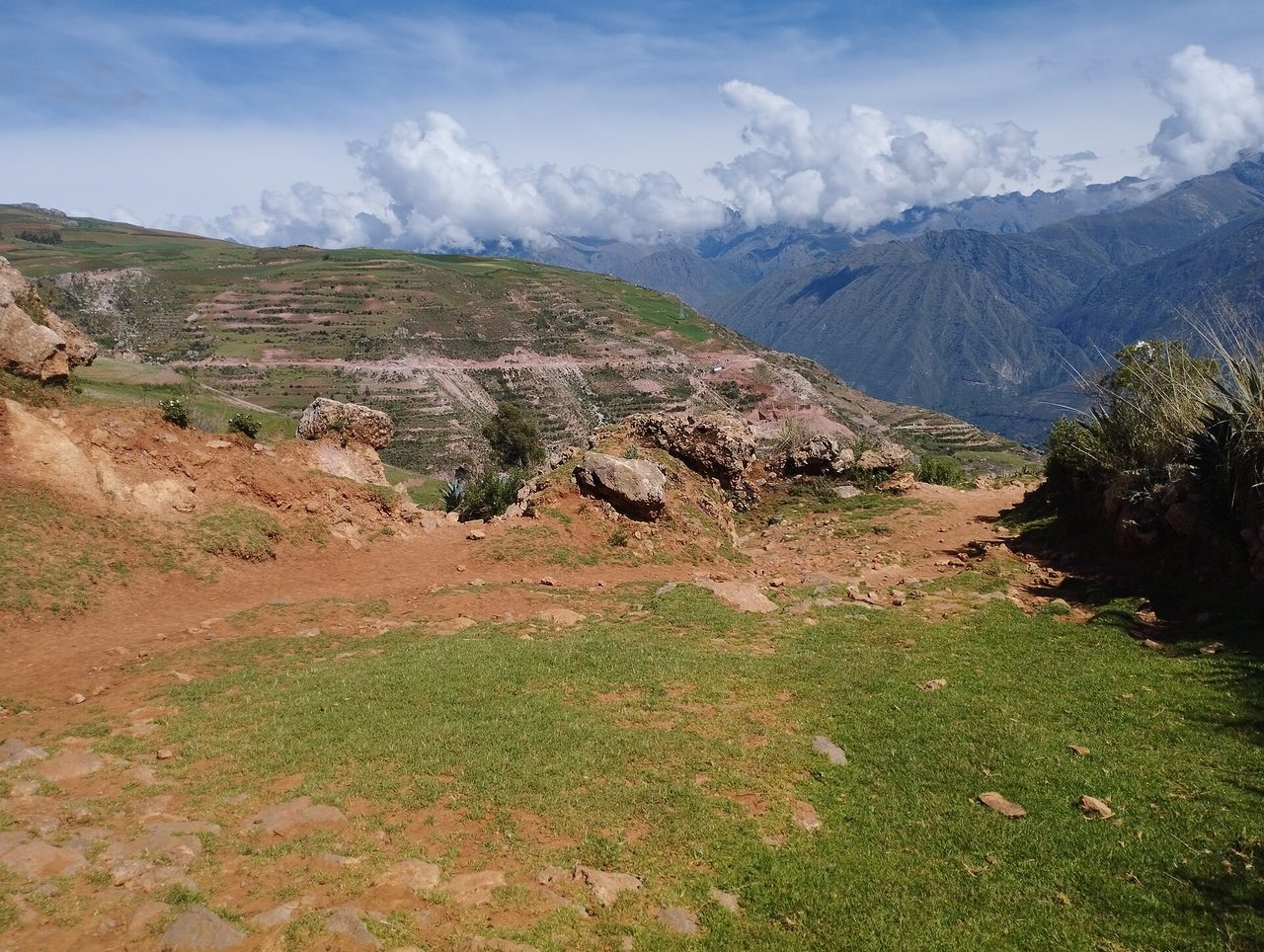
The honest answer to how many days in the Sacred Valley you need is that it isn’t a number. It’s a decision tree, and the branch you end up on depends on three things: whether you have your own transport, whether you actually want to climb the terraces or just photograph them from the car park, and whether you’re sleeping in the valley or bouncing back to Cusco every night. Most guides skip straight to “three to five days” because that sounds generous. Then they describe an itinerary almost nobody runs.
Here’s what people actually do. They give the valley one day, on a bus, wedged between arriving in Cusco and catching the train. Sometimes that’s the right call. Often it isn’t, and nothing in the marketing tells them which.
The short version: how many days in the Sacred Valley for each kind of traveller
Read this table, find the row that sounds like your trip, then read the section that matches. Costs are per person and exclude accommodation unless stated; they assume a foreign adult in 2026 and will drift.
| Days | What you realistically fit | Best base | Roughly what it costs | Who it suits |
|---|---|---|---|---|
| 1 day | Pisac ruins (40–90 min), Pisac market (20–30 min), buffet lunch, Ollantaytambo (60–90 min), a 30-minute stop at Chinchero. Roughly 4–4.5 hours in the vehicle. | Cusco — you sleep where you started | US$25–55 group tour, US$65–95 with lunch and pickup, plus boleto S/70–130 | One spare day, no rental car, low energy, first look at Inca stonework |
| 2 days | All of the above, but slower, plus either Maras and Moray or the upper terraces at Ollantaytambo. One night on the valley floor. | Urubamba or Ollantaytambo | S/70 boleto covers both days; S/200–300 for a private driver per day, or S/10–15 per collectivo leg | Almost everyone. This is the sweet spot. |
| 3 days | Adds Maras, Moray and Chinchero properly, a weaving demonstration that isn’t rushed, and one genuinely slow morning doing nothing. | Two nights Urubamba, one Ollantaytambo — or all three in Ollantaytambo | Full boleto S/130 starts making sense; budget S/400–700 in transport and entries | Photographers, people who hate being rushed, anyone arriving from sea level |
| 4–7 days | Day hikes (Huchuy Qosqo, Pumamarca, Intipunku), rafting, textile buying with time to compare, plus everything above. | Ollantaytambo, with a night in Pisac | Accommodation becomes the dominant cost; sites are already paid for | Hikers, weavers and buyers, people acclimatising hard before a trek |
If you only read one line of this article: two days beats one day by more than the extra day costs you, and three days beats two only if you care about Moray and Maras or you are still short of breath. Everything past four days is a preference, not a requirement.
What a one-day Sacred Valley tour actually is
The standard product sold on every street corner in Cusco — and it is a product, not an itinerary — covers Pisac market, Pisac ruins, a buffet lunch in Urubamba, Ollantaytambo, and Chinchero. Pickup is between 7:00 and 8:00, drop-off between 18:00 and 19:00. Call it eleven hours door to door.
Now do the driving maths, because nobody selling the classic full-day Sacred Valley tour puts it on the page:
- Hotel pickup circuit around Cusco: 20–60 minutes, depending on whether you booked a private van or a shared bus that collects fourteen people from eleven hotels.
- Cusco to Pisac: about an hour, 33 km, over the pass at Corao and down.
- Pisac ruins to Pisac town, then along the valley to Urubamba for lunch: 45–60 minutes.
- Urubamba to Ollantaytambo: 30–40 minutes.
- Ollantaytambo back up to Chinchero: about 45 minutes on a road that climbs nearly a kilometre.
- Chinchero to Cusco: 45 minutes.
That is somewhere between four and four and a half hours of the day spent sitting down and moving. Add an hour for lunch. You have five to six hours left, split across four sites and a market. In practice that means 40 minutes at Chinchero, 40 minutes at the Pisac ruins, and an hour at Ollantaytambo — and the Ollantaytambo hour includes the guide talking in the plaza before you start climbing.
Who the full-day tour is genuinely good for
I am not going to pretend the day tour is worthless. It is the right choice if:
- You have exactly one spare day before your train and no appetite for organising transport. Everything is handled. You get picked up and returned.
- You have no rental car and don’t fancy collectivos. Peru’s shared vans are cheap and safe enough, but they involve standing on a corner in Cusco waiting for a van to fill. Some people find that fun. Some people are on their second day at 3,400 m with a headache.
- Your energy is low. Being driven between sites and having food put in front of you is not nothing when the altitude has flattened you.
- You want context, not depth. A decent guide will make the terraces and storehouses legible in a way that wandering alone won’t. If this is your first exposure to Inca stonework anywhere in Peru, that framing has real value.
Who should skip it
Equally, the day tour is a poor fit if:
- You want to climb Ollantaytambo properly. The upper terraces, the six unfinished monoliths of the Temple of the Sun, the walk out along the ridge — that is a two-hour site minimum, and the tour gives you one. Detail on what to prioritise is in the Ollantaytambo guide.
- You are a photographer. You will arrive at Pisac at 09:30 with every other bus, and at the Maras viewpoint at whatever hour the schedule dictates rather than the hour the light is any good.
- You get stressed by being hurried. Eleven hours of “back on the bus in twenty minutes” is genuinely unpleasant for some people, and you can’t opt out halfway.
- You want the market rather than the ruins. The tour gives Pisac market half an hour, usually in the tourist half of it. The Pisac market and ruins deserve their own morning if buying is the point.
One more thing about the one-day version: it works far better in reverse if you are already sleeping in the valley. Starting from Urubamba rather than Cusco strips an hour and a half of driving out of the day, which is why the two-day option below is not just “one day plus one day”.
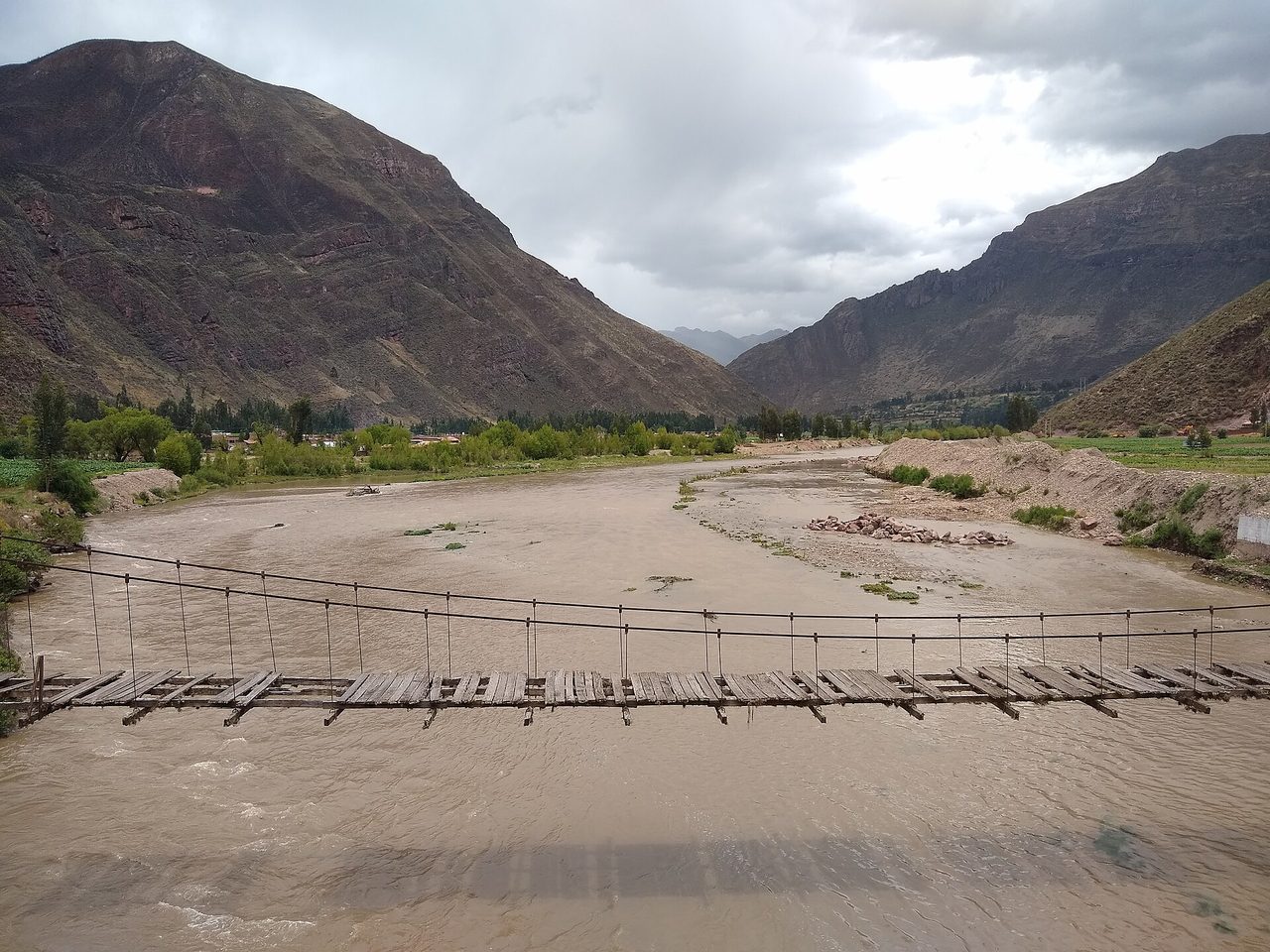
Two days: the sweet spot for most people
Two days is where the valley stops being a corridor you pass through and starts being a place. The mechanism is simple: you sleep on the valley floor, so the second day begins twenty minutes from the sites instead of ninety.
The shape I’d run:
Day one, arriving from Cusco. Leave Cusco mid-morning rather than at dawn — the buses are all at Pisac by 09:30 and gone by noon. Take the Pisac road, spend two hours on the ruins including the walk out to the burial cliff and the upper ceremonial sector, come down into Pisac town for a late lunch. Then run the valley floor west to your hotel in Urubamba or Ollantaytambo. If it’s market day in Pisac, flip the order and do the market first.
Day two. Either Maras and Moray in the morning and Ollantaytambo in the afternoon, or Chinchero on the way back up if you’re returning to Cusco. You cannot do all four well. Pick.
The overnight is the whole point, and it is the thing the day-tour operators cannot sell you. Choosing between the towns is a real decision — Urubamba has the hotel range and the central position, Ollantaytambo has the train station and the atmosphere, Pisac has the market and the cheapest beds — and the trade-offs are laid out in the guide to where to stay in the valley.
Two days also buys you the option of eating properly. Urubamba has genuinely good restaurants; the buffet the day tours use is a room with two hundred people in it and a warming tray of aji de gallina. That is not a small difference over eleven hours.
Three days: Moray, Maras and one slow morning
The third day is the one that changes the trip’s character rather than its content. With three days you can afford to do the Maras–Moray plateau as its own half-day instead of a bolt-on, and still have a morning where you don’t set an alarm.
Moray is a strange site and it rewards standing still. Three concentric depressions terraced into the plateau, the largest dropping about 30 m from the rim, with a measured temperature difference of roughly 15°C between the top ring and the floor. The agricultural-laboratory theory is the mainstream one, but nobody has proved it, and standing on the rim working out how they kept the bottom from waterlogging is more interesting than the caption on the sign. Fifteen minutes off a bus does not do this. An hour does. The Maras and Moray guide covers the walking route between them, which is the best way to see both if you have the legs.
The salt pans at Maras are a separate matter and a separate ticket — more on that below. Roughly five thousand shallow evaporation pools fed by a saline spring, each worked by a family from the Maras community under an arrangement that long predates the Inca. Afternoon light is much better than morning light here, which is the opposite of what the standard tour schedule delivers.
The third day also lets you give Chinchero more than the token half hour. The weaving collectives there are the real reason to go, and a demonstration is forty minutes on its own before you’ve looked at a single textile, let alone the church built on Tupac Yupanqui’s palace foundations.
Four days and beyond: only for three specific reasons
I’d push back gently on the guides that tell you to give the valley a week. There is a week of things to do there, but there is also a week of things to do in Cusco, on the Titicaca side, and in the desert, and most people planning how long to spend in Peru overall are working with two weeks total. Spend four or more days in the valley only if one of these applies:
- You’re hiking. Huchuy Qosqo is a 20 km round trip on original Inca road and a full seven-hour day. Pumamarca above Ollantaytambo is half a day. Intipunku, the sun gate above Ollantaytambo, is around 18 km and five hours. Each of these needs its own day and none of them fits alongside a ruins circuit. If you’re building towards something bigger, the valley is also the natural warm-up for the Lares trek or the two-day Inca Trail from km 104.
- You’re buying textiles seriously. Comparing Chinchero, Pisac and the Urubamba workshops properly, learning to tell natural dye from acrylic, and negotiating without a bus waiting — that is two days of work by itself, and it is the only way not to overpay.
- You’re acclimatising hard. Which brings us to the argument everyone gets wrong.
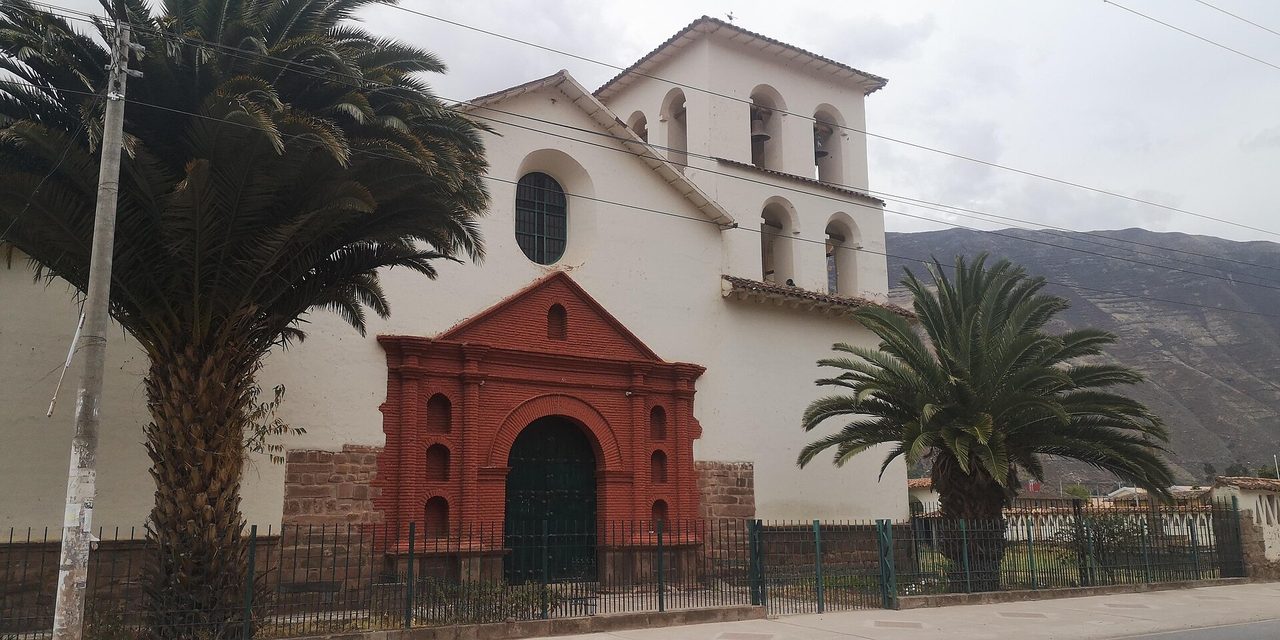
The altitude argument, corrected
You will read everywhere that the Sacred Valley is lower than Cusco and therefore a better place to acclimatise. That is half right, and the half that’s wrong sends people to exactly the wrong places.
| Place | Approximate elevation | Relative to Cusco |
|---|---|---|
| Cusco | 3,400 m | — |
| Chinchero | 3,760 m | 360 m higher |
| Moray | ~3,500 m | 100 m higher |
| Maras salt pans | ~3,380 m | About the same |
| Pisac (town) | ~2,970 m | 430 m lower |
| Urubamba | ~2,870 m | 530 m lower |
| Ollantaytambo | ~2,790 m | 610 m lower |
| Machu Picchu | 2,430 m | 970 m lower |
So: sleeping on the valley floor at Urubamba or Ollantaytambo genuinely helps. You are 500–600 m lower, the nights are warmer, and most people sleep better. That is a real, measurable benefit and it is the strongest argument for adding a night rather than day-tripping.
A day tour that runs Cusco → Pisac → Urubamba → Ollantaytambo → Chinchero → Cusco does not do this. It drops you 600 m, holds you there for five hours, then hauls you up to 3,760 m at Chinchero in the late afternoon, which is higher than your hotel in Cusco and roughly the worst possible time of day to be climbing. The Pisac ruins themselves also sit well above the town, on a ridge climbing past 3,300 m at the upper end. “Go to the valley to acclimatise” is a statement about where you sleep, not about where a bus takes you.
If altitude is your actual concern, the useful move is to skip Cusco entirely on arrival — transfer straight from the airport down to Urubamba, spend two nights there, and come back up to Cusco’s 3,400 m after Machu Picchu rather than before. It costs you a taxi fare and saves you the worst two days.
Drive times, and why the loop order matters
The valley is not a straight line and the roads do not form a simple circuit. There are two ways down from the Cusco plateau: the eastern road over Corao into Pisac, and the western road through Chinchero that drops into Urubamba. This is the single most useful piece of geography for planning and almost nobody explains it.
| Route | Approximate driving time | Notes |
|---|---|---|
| Cusco → Pisac | ~1 hour (33 km) | Eastern road over the Corao pass; drops you at the bottom of the valley |
| Cusco → Chinchero | ~45 minutes (28 km) | Western road, climbs before it descends |
| Cusco → Urubamba | ~1 hour 20 min | Fastest via Chinchero, not via Pisac |
| Cusco → Ollantaytambo | ~1 hour 45 min | Roughly 1h30 if traffic in Cusco is kind |
| Pisac → Urubamba | ~45–60 min | Flat valley-floor road along the river |
| Urubamba → Ollantaytambo | ~30 min | Short and scenic |
| Urubamba → Maras/Moray | ~30–40 min | Climbs the switchbacks onto the plateau |
| Chinchero → Urubamba | ~30 min | The descent road; makes Chinchero a first or last stop, never a middle one |
Because the Chinchero–Urubamba road exists, the sensible one-day loop is down the eastern side and back up the western side: Cusco → Pisac → Urubamba → Ollantaytambo → Chinchero → Cusco. That is what the tours do, and it is correct. What is not correct is doing it in a single day, because it means your last site of the day is also your highest and you reach it tired.
If you are staying in the valley, invert it. Do Chinchero on the way in from Cusco, first thing, when you are fresh and the light is good, then descend and never climb again. Practical detail on collectivos, taxis and shared vans is in the guide to getting around Peru; the short version is that collectivos from Cusco to the valley towns cost S/10–15 and leave when full, and a private driver for a full day runs S/200–300.
Boleto Turístico maths — and the one-day trap
The entrance fee structure is where a one-day plan quietly becomes bad value, and it’s worth doing the arithmetic before you book anything.
- Full Boleto Turístico General (BTG): S/130, valid 10 days, covers 16 sites across Cusco and the valley.
- Partial Circuit III: S/70, valid 2 days, covers Pisac, Ollantaytambo, Chinchero and Moray — that is, exactly the four valley sites everyone wants.
- Partial Circuit I: S/70, valid 1 day, covers Sacsayhuaman, Qenqo, Puka Pukara and Tambomachay.
- Two partial circuits cost S/140, which is more than the full ticket. If you plan to see the valley sites and Sacsayhuaman above Cusco, buy the BTG.
- The Maras salt pans are not on the boleto. They are community-run with a separate cash entry, roughly S/10–20 — sources disagree and the community sets it, so carry small notes and don’t be surprised by either figure.
- None of these tickets covers Machu Picchu, which is a separate national system entirely.
Here is the trap. Circuit III is a two-day ticket. A one-day whirlwind that hits Pisac, Ollantaytambo, Chinchero and Moray is squeezing a two-day ticket into a single day and throwing away the second day you already paid for. You are not saving money by compressing; you are paying the same S/70 and getting half the access. Splitting those four sites across two days costs you exactly nothing extra in entry fees.
Buy at the COSITUC office on Avenida El Sol 103 in Cusco with your passport, or at the gate of most sites. Prices are set by COSITUC and do move — check before you travel. If you’re holding a student card, COSITUC still accepts ISIC for the 18–25 boleto rate, though it is no longer accepted at Machu Picchu.
Where to base yourself, by trip length
The base question is really a question about how many mornings you want to spend in a vehicle.
One day: stay in Cusco. Moving hotels for a single night that you spend arriving and leaving is not worth the packing. Sort out your Cusco neighbourhood and treat the valley as a day trip out of the city.
Two days: one night in Ollantaytambo if you’re catching the train the next morning, one night in Urubamba if you’re not. Ollantaytambo is compact and walkable and you can be on a platform in four minutes; Urubamba is spread out and dull to walk but centrally placed for Maras, Moray and Chinchero.
Three days: two nights Urubamba, then move to Ollantaytambo for the last night so your train morning is stress-free. Or, if you’d rather not repack, three nights in Ollantaytambo and accept an extra 30 minutes of driving on the Maras day.
Four or more: add a night in Pisac at the start. It has the best cheap accommodation in the valley, an actual town life beyond tourism, and it is the natural base for the Huchuy Qosqo hike.
Sacred Valley before or after Machu Picchu?
Before. Almost always before, and for three reasons that compound.
The first is geography. Ollantaytambo is where the trains leave from, so a valley itinerary that finishes at Ollantaytambo hands you straight onto the platform with no backtracking. Doing Machu Picchu first means returning to Ollantaytambo anyway and then starting the valley from the wrong end. The mechanics of the rail options are covered in the Machu Picchu train guide and the various routings in the Cusco to Machu Picchu guide.
The second is altitude, as above — the valley floor is a better place to spend your first nights than Cusco, and Machu Picchu at 2,430 m is lower still, so the whole sequence trends gently downhill.
The third is anticlimax. Machu Picchu is remarkable and it flattens everything you see afterwards. Ollantaytambo and Pisac are extraordinary Inca sites in their own right, but they will feel like footnotes if you visit them the day after the citadel. Seeing them first builds the vocabulary — terracing, trapezoidal doorways, the difference between fitted imperial masonry and rough fieldstone — that makes Machu Picchu legible when you get there.
The one exception: if your Machu Picchu entry slot is fixed by ticket availability and it falls early, take it. Slots sell out and the Machu Picchu ticket system does not bend around your preferred sequence. For reference, foreign adult entry is S/163, or S/211 for the circuits including Huayna Picchu or Machu Picchu Mountain, with the Consettur shuttle from Aguas Calientes running about US$24 return and standard-class train legs in the US$35–60 range. How much time you need at the citadel itself is a separate question, answered in the guide to how many days Machu Picchu deserves.
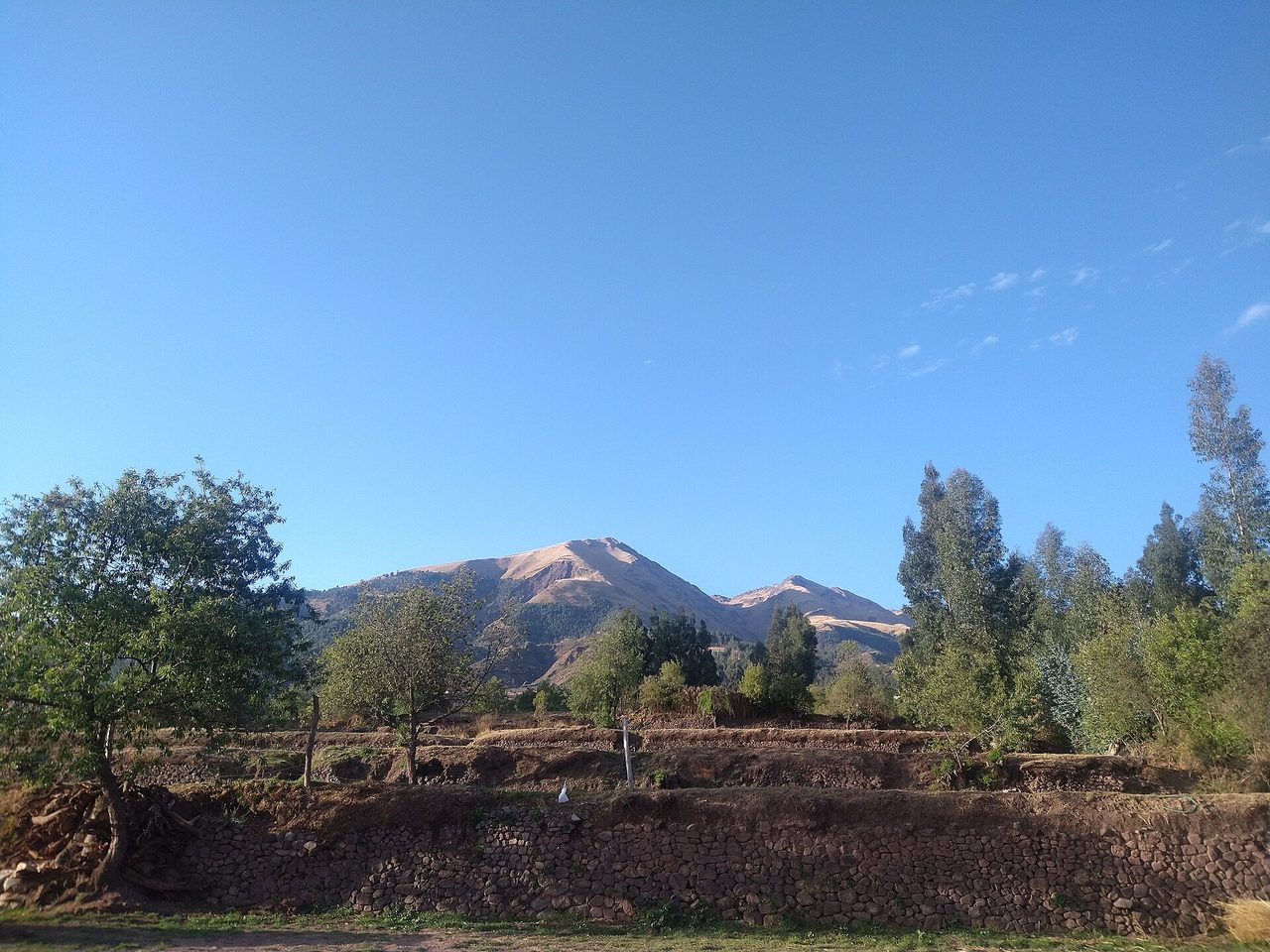
Does the season change the answer?
Somewhat. In the dry months of May to September the valley days are reliable and long, and a compressed one- or two-day plan works because you are not losing hours to weather. From December to March the afternoons cloud over and it rains most days, usually after 14:00. That has a real planning consequence: a one-day tour that reaches Ollantaytambo at 14:30 will do the climb in rain, whereas a two-day plan lets you shift the big site to a morning.
So the rainy season argues for one more day, not fewer. The trade-off is that the valley is at its greenest and emptiest then, and hotel rates on the valley floor drop hard. The full picture of what each month does to the region is in the guides to Peru’s rainy season and the best time to visit Cusco.
One seasonal detail worth knowing: the valley floor is markedly warmer than Cusco at night year-round, which matters more than the daytime difference. A June night in Cusco can drop close to freezing. Urubamba rarely does.
What it actually costs, day by day
Rough per-person figures for a mid-range traveller, in 2026 money. Accommodation excluded.
- Group day tour from Cusco: US$25–55 for the basic version, US$65–95 with lunch, entrances often still excluded. Premium small-group runs US$100–150.
- Private driver for a full day: S/200–300 for the vehicle, not per person — so cheap for a group of three or four and expensive alone. This is what I’d book for a two-day plan.
- Collectivos: S/10–15 per leg from Cusco, a few soles between valley towns. Slowest and cheapest, and perfectly fine if you have the days.
- Entries: S/70 Circuit III or S/130 full BTG, plus S/10–20 cash at Maras.
- Guide hired at a site gate: S/40–80 for a couple of hours at Pisac or Ollantaytambo, split between however many of you there are. Worth it at Ollantaytambo, less necessary at Moray.
- Lunch: S/20–35 at a decent local place in Urubamba or Ollantaytambo, versus the tour buffet you didn’t choose.
Two days independently, with a driver split between two people, comes out roughly level with two separate group day tours — and you get the overnight, the better food and the sites without a schedule. That comparison is the strongest practical argument in this whole article. If you’re building a budget for the wider trip, the Peru trip cost breakdown puts these numbers in context.
My recommendation for the most common trip
The overwhelmingly common shape is Cusco → Sacred Valley → Machu Picchu, inside a ten- to fourteen-day Peru trip. For that shape, here is what I would do, without hedging:
Give the valley two nights and effectively two and a half days. Fly into Cusco, transfer straight down to Urubamba the same day rather than sleeping at 3,400 m on night one. Spend the next day on Pisac in the morning and Maras plus Moray in the late afternoon when the salt pans catch the light. Move to Ollantaytambo, do the fortress at opening time the following morning before the Cusco buses arrive at around 10:30, then take an afternoon train to Aguas Calientes. Machu Picchu the next morning. Come back up to Cusco afterwards, properly acclimatised, and give the city the three days it deserves.
That sequence costs you one more night than the standard day-tour approach and fixes almost everything that’s wrong with it: no eleven-hour bus day, no arriving at your highest site last, no rushing Ollantaytambo, no wasting half of a two-day ticket, and no first night at Cusco altitude. Add a third valley day only if Chinchero’s weaving or a full-day hike genuinely appeals.
Skip the valley entirely only if you have four days in the whole Cusco region, in which case give them to Cusco itself and Machu Picchu and come back another time. A rushed valley day slotted into a trip that’s already too short is the one version I would actively talk you out of. For how this fits a broader plan, the combined Cusco and Machu Picchu itinerary lays out the days end to end, and the wider Sacred Valley guide covers the sites themselves in detail.
Frequently asked questions
Is one day enough for the Sacred Valley?
It is enough to see it, not enough to experience it. One day on the standard circuit gives you roughly five hours across four sites with four hours of driving around them. If that day is genuinely all you have, take it — a rushed Pisac and Ollantaytambo still beats not going. But if you can find one more night, the second day roughly doubles what you get for a fraction of the extra cost, because your entry ticket already covers two days and your driving time collapses once you’re sleeping in the valley.
Should I stay in the Sacred Valley or in Cusco?
Stay in the valley for at least your first night or two if you’ve just flown in from sea level. Urubamba and Ollantaytambo sit 500–600 m lower than Cusco, which makes a real difference to how you sleep. Then base in Cusco afterwards, when you’re acclimatised and can actually enjoy the restaurants, museums and nightlife. Doing it the other way round is the single most common planning mistake in the region.
Is the Sacred Valley worth visiting if I’m already seeing Machu Picchu?
Yes, and it is worth seeing first. Ollantaytambo is the best-preserved Inca town anywhere — people still live inside the original street grid, with the Inca water channels running through it. Pisac’s terracing is arguably more dramatic than anything at Machu Picchu. Visiting them beforehand also teaches you what you’re looking at, which makes the citadel far more interesting than it would otherwise be.
Do I need the Boleto Turístico for the Sacred Valley?
Yes, for Pisac, Ollantaytambo, Chinchero and Moray — there is no individual ticket for those sites. Partial Circuit III costs S/70 and is valid two days; the full S/130 ticket lasts ten days and covers sixteen sites. If you’re also visiting the ruins above Cusco, the full ticket is cheaper than buying two partials. Maras salt pans are separate and cash-only.
Are the Maras salt pans included in the tourist ticket?
No. Maras is run by the local community and charges its own entry, roughly S/10–20 depending on who you ask and when. Bring cash in small notes; card is not an option. Moray, confusingly, is on the boleto even though the two are visited together.
Can I do the Sacred Valley without a tour?
Easily. Collectivos run constantly from Cusco to Pisac, Urubamba and Ollantaytambo for S/10–15, and between the valley towns for a few soles. Taxis wait at every plaza. The only awkward leg is Maras and Moray, which are on the plateau above the valley and best done with a hired taxi for a half day or on foot between the two. Independent travel costs less, moves at your pace, and is the only way to be at Ollantaytambo at opening time.
How far in advance should I book valley accommodation?
Two to three months in the dry season for anywhere decent in Ollantaytambo, which has limited rooms and high demand from train travellers. Urubamba has more capacity and more flexibility. In the rainy months you can often book a week out and pay noticeably less.
Is three days in the Sacred Valley too many?
Not if you use the third day for something the first two can’t hold — a hike, a weaving workshop, or a genuinely unstructured morning. It is too many if the third day is just more ruins at the same pace, in which case put that day into Cusco or towards an extra night near Machu Picchu so you can hit the citadel at first entry rather than mid-morning.
What’s the best day of the week to be in the valley?
Sunday if markets matter to you — both Pisac and Chinchero hold their biggest market days then, and in Pisac that means farmers from the surrounding hills, not only artisan stalls aimed at visitors. Avoid Sunday if crowds matter more than shopping. Tuesday and Thursday are the secondary Pisac market days and are considerably calmer.