Lima Travel Guide: The Best Things to Do in Lima (2026)
What to do in Lima, Peru's food capital: the top sights, the best neighborhoods (Miraflores, Barranco), where to eat and stay, the best day trips, and safety tips.
Lima gets a bad rap, and it’s undeserved — because the best things to do in Lima go far beyond grabbing a night near the airport. Most itineraries treat Peru’s capital as a place to grit your teeth through on the way to Cusco — one grey night near the airport, then gone. I did exactly that on my first trip, and I’ve regretted it ever since, because the times I’ve actually given Lima a couple of days, it’s been one of the most rewarding cities in South America: a UNESCO-listed colonial core, cliffs dropping into the Pacific, bohemian streets dripping with art, and — the headline — some of the best food on the planet.
This guide makes the case for Lima and tells you exactly how to spend your time: the best things to do, the food you came for whether you knew it or not, which neighborhood to base in, the day trips, and the practical stuff (the fog, the safety, getting in from the airport).
The short version: the best things to do in Lima are eating your way through its world-class restaurants and cevicherías, walking the clifftop Malecón in Miraflores, exploring the bohemian streets of Barranco, touring the UNESCO historic center, and visiting the superb Larco Museum. Two days is enough for the highlights; three if you love food and museums.
Who this is for: anyone passing through Lima (which is almost everyone visiting Peru) who wants to make the most of it rather than just survive it. It sits within our wider things to do in Peru guide and slots into any Peru itinerary.
Lima at a glance
A little orientation goes a long way in a city of ten million:
- What it is: Peru’s sprawling coastal capital and its cultural and culinary heart — a UNESCO World Heritage historic center, pre-Inca pyramids, and the country’s best restaurant scene.
- Where you’ll spend your time: the coastal districts of Miraflores and Barranco, plus the historic center (Centro). These three cover almost everything a visitor wants.
- Elevation: sea level — a blessed relief if you’re heading to (or coming from) the high Andes. Lima is the perfect place to start a trip before you gain altitude.
- How long: 2–3 days for the city and its food; add a day for a south-coast or ruins day trip.
- The catch: from roughly May to October, Lima sits under the garúa, a grey coastal fog. It rarely rains, but don’t expect blue skies in the Andean dry season.
| Do this in Lima | Roughly how long | Good for |
|---|---|---|
| Eat — ceviche, a food tour, a tasting menu | Every meal | The single best reason to come |
| Walk the Miraflores Malecón | Half a day | Clifftop parks, ocean views, paragliders |
| Explore Barranco | Half a day | Street art, galleries, the Bridge of Sighs, nightlife |
| Tour the historic center | Half a day | Colonial plazas, the San Francisco catacombs |
| The Larco Museum | 2–3 hours | Peru’s pre-Columbian story, beautifully told |
| A day trip (Paracas, Pachacamac) | 1 day | Wildlife, dunes or ruins beyond the city |
Now let’s get into it — starting, as any honest Lima guide should, with the food.
Lima’s food scene: the real reason to come
Let me be blunt: if you do nothing else in Lima, eat. The city is regularly ranked among the best food destinations on earth, and it’s home to several of the World’s 50 Best Restaurants — Central and Maido trade places near the very top year after year. But the genius of Lima isn’t just the fine dining; it’s that you can eat brilliantly at every level, from a two-dollar market lunch to a multi-course tasting menu, and it’s all rooted in one of the most diverse larders in the world (the cold Humboldt Current offshore, the Andes above, the Amazon beyond).
Here’s what to seek out:
- Ceviche — the national dish, and Lima is the place to eat it: fresh fish “cooked” in lime juice with chili and red onion, served with sweet potato and corn. Eat it at lunch, when the fish is freshest, ideally at a dedicated cevichería. Our deep dive on Peruvian ceviche has the details.
- Tiradito and causa — ceviche’s sashimi-like cousin, and a cold layered potato dish; both are Lima staples.
- Lomo saltado and ají de gallina — the comfort-food classics, stir-fried beef and a creamy chili-chicken.
- Anticuchos — grilled beef-heart skewers from a street cart at dusk, far more delicious than they sound.
- Chifa and Nikkei — Lima’s Chinese-Peruvian and Japanese-Peruvian cuisines, the latter the foundation of Maido’s magic.
- The pisco sour — Peru’s frothy national cocktail, and a chilled glass of chicha morada (purple-corn drink) alongside.
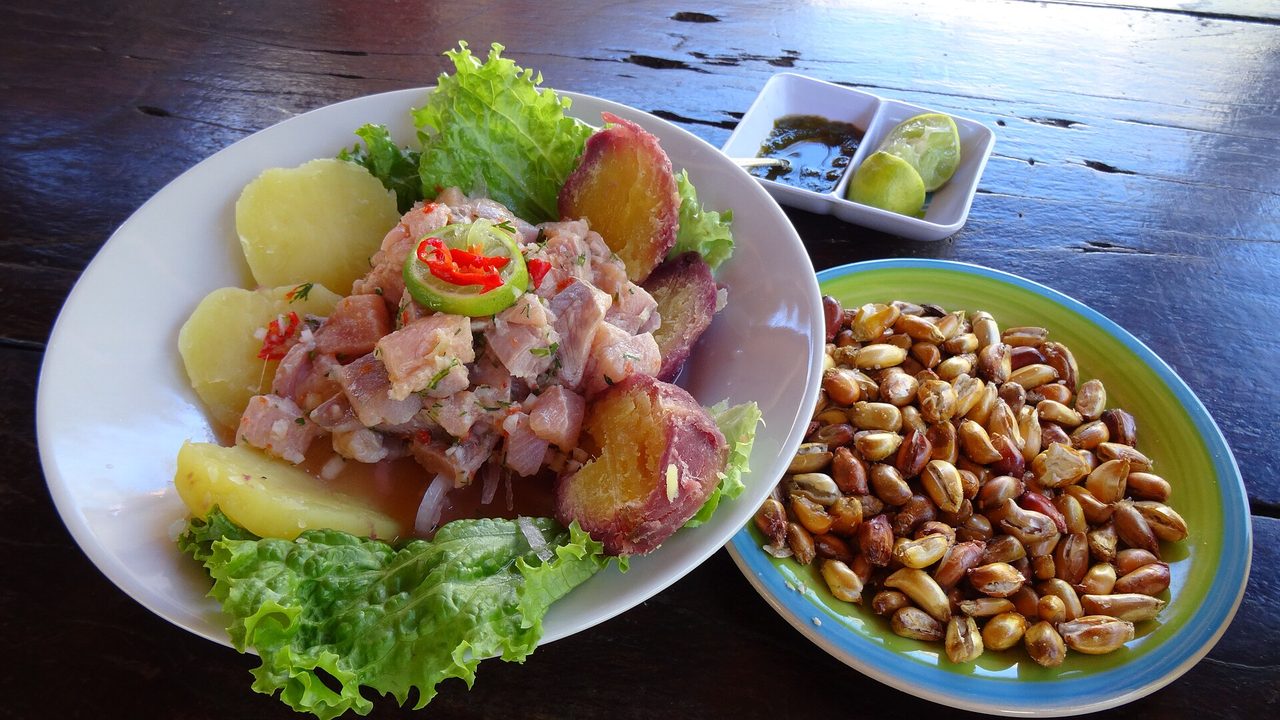
How to eat well, by budget: at the top, book Central, Maido, Kjolle or Mayta weeks ahead. In the middle, Miraflores and Barranco are packed with excellent cevicherías and modern bistros. At the bottom — and often just as memorable — hit a menú del día (set lunch) at a neighborhood spot, or the food stalls at the Surquillo or San Pedro-style markets. A food tour or market-and-cooking class is, hands down, one of the best things to do in Lima; you’ll taste fruits you’ve never heard of and finally understand why Peruvians are so proud of their food. For the full where-and-what, see our best restaurants in Lima guide and the broader Peruvian food guide.
One practical tip: if you’re flying to Cusco the next day, go easy on the richest food and the pisco the night before — arriving at altitude with a heavy stomach is asking for trouble.
The best things to do in Lima, area by area
Lima’s sights cluster in three areas. Tackle them one at a time and the city suddenly feels manageable.
Miraflores: the clifftops
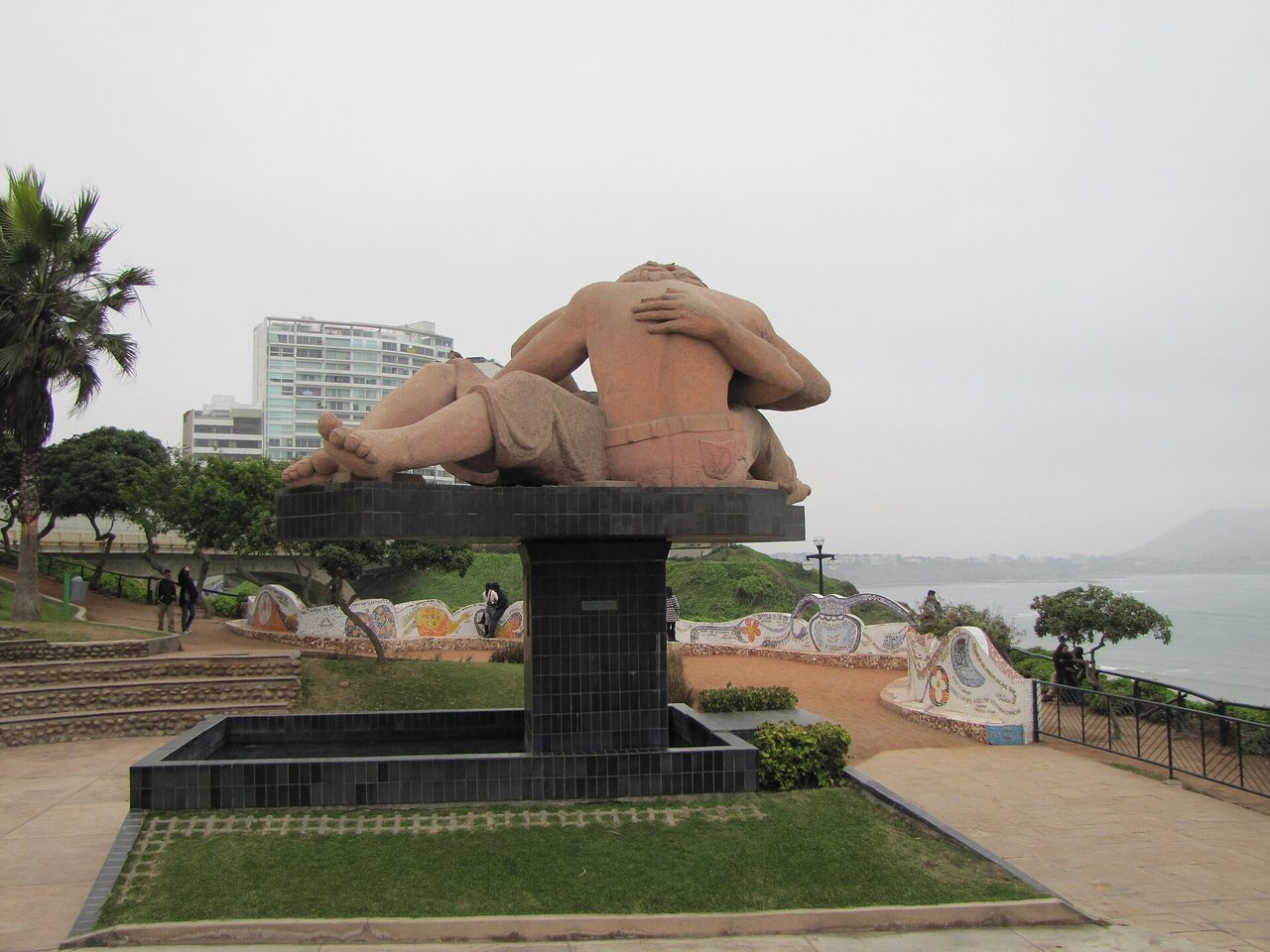
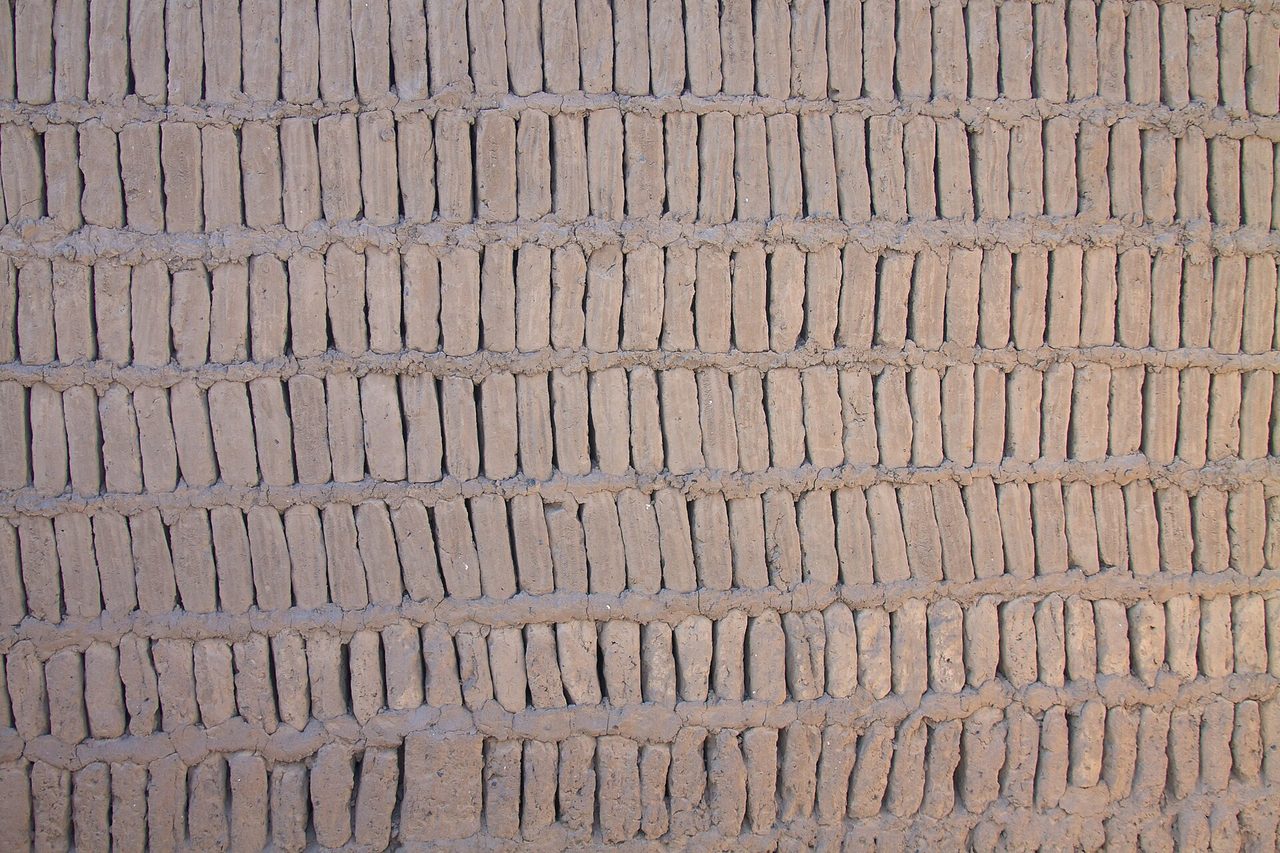
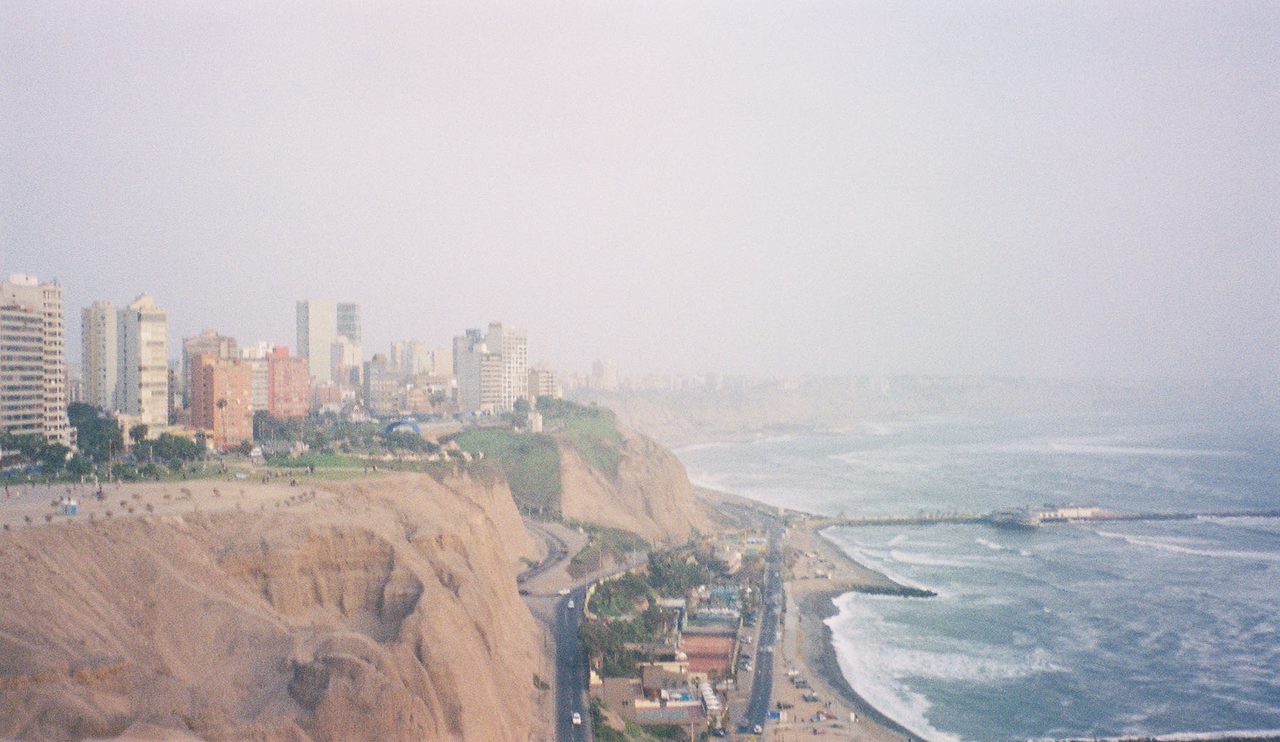
Miraflores is where most visitors stay, and for good reason. Its showpiece is the Malecón, a ten-kilometre ribbon of clifftop parks above the Pacific — jog it, rent a bike, or just watch the paragliders launch off the edge (you can join them; tandem paragliding over the cliffs is one of Lima’s signature thrills). Don’t miss the romantic Parque del Amor with its mosaic walls and giant kissing-couple sculpture, the green Parque Kennedy (famous for its resident cats), and the clifftop Larcomar mall built into the rock face. Right in the middle of the neighborhood sits Huaca Pucllana, a 1,500-year-old adobe pyramid — floodlit at night, with a fine restaurant beside it.
Barranco: bohemian Lima
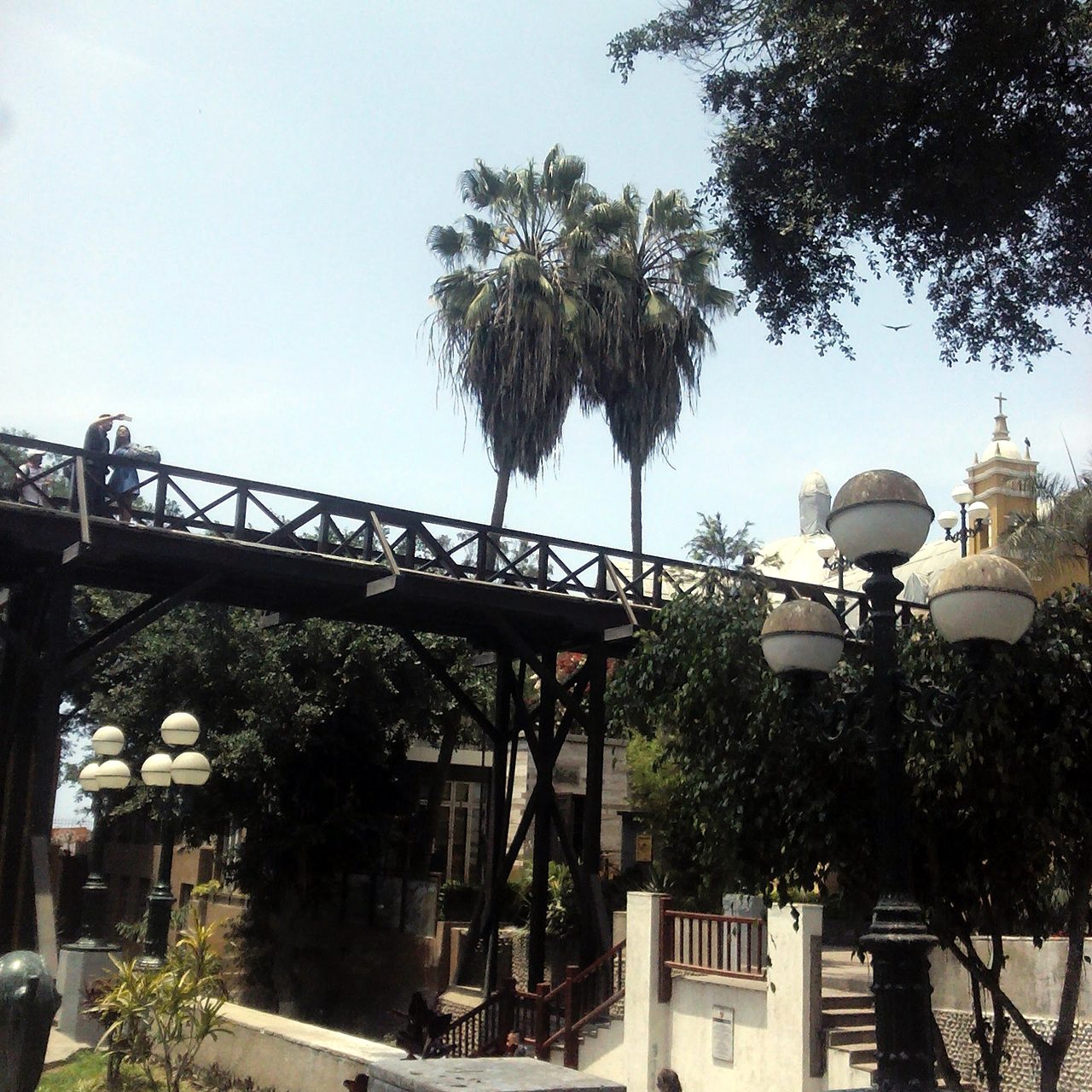
Just south along the coast, Barranco is Lima’s artiest, most photogenic district — a former seaside retreat of crumbling-grand mansions, now full of galleries, muralled streets, boutique hotels and the city’s best nightlife. Walk across the famous Puente de los Suspiros (Bridge of Sighs), follow the lane down to the sea, browse the contemporary art at the MATE museum (Mario Testino’s foundation) and the Pedro de Osma, and stay for a pisco bar after dark. It’s my favorite neighborhood to wander with a camera. Our Barranco guide goes street by street.
The historic center (Lima Centro)
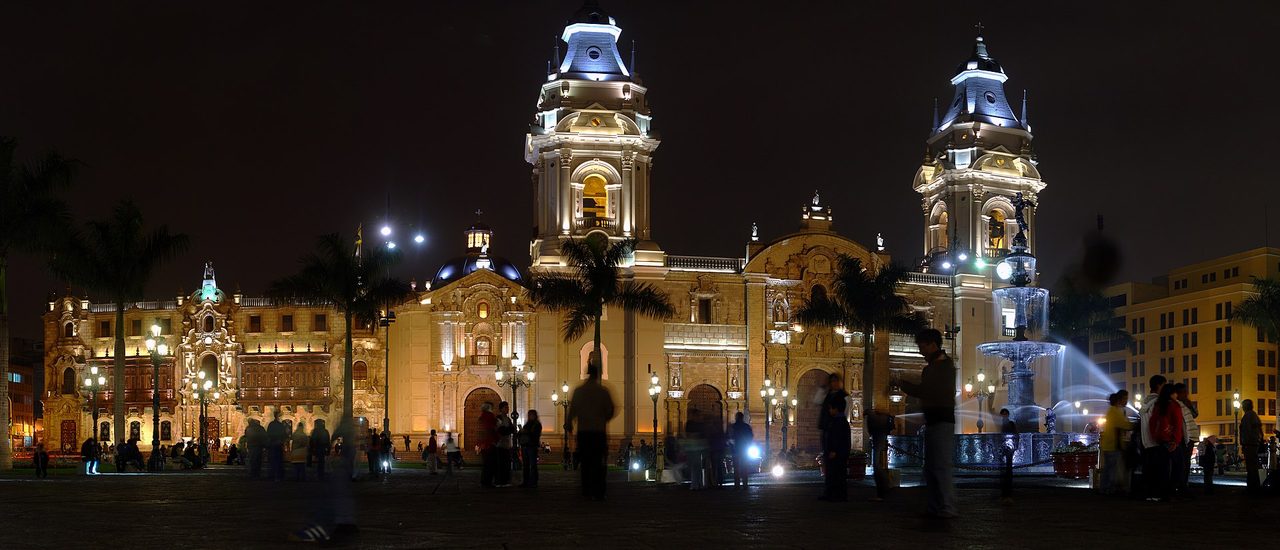
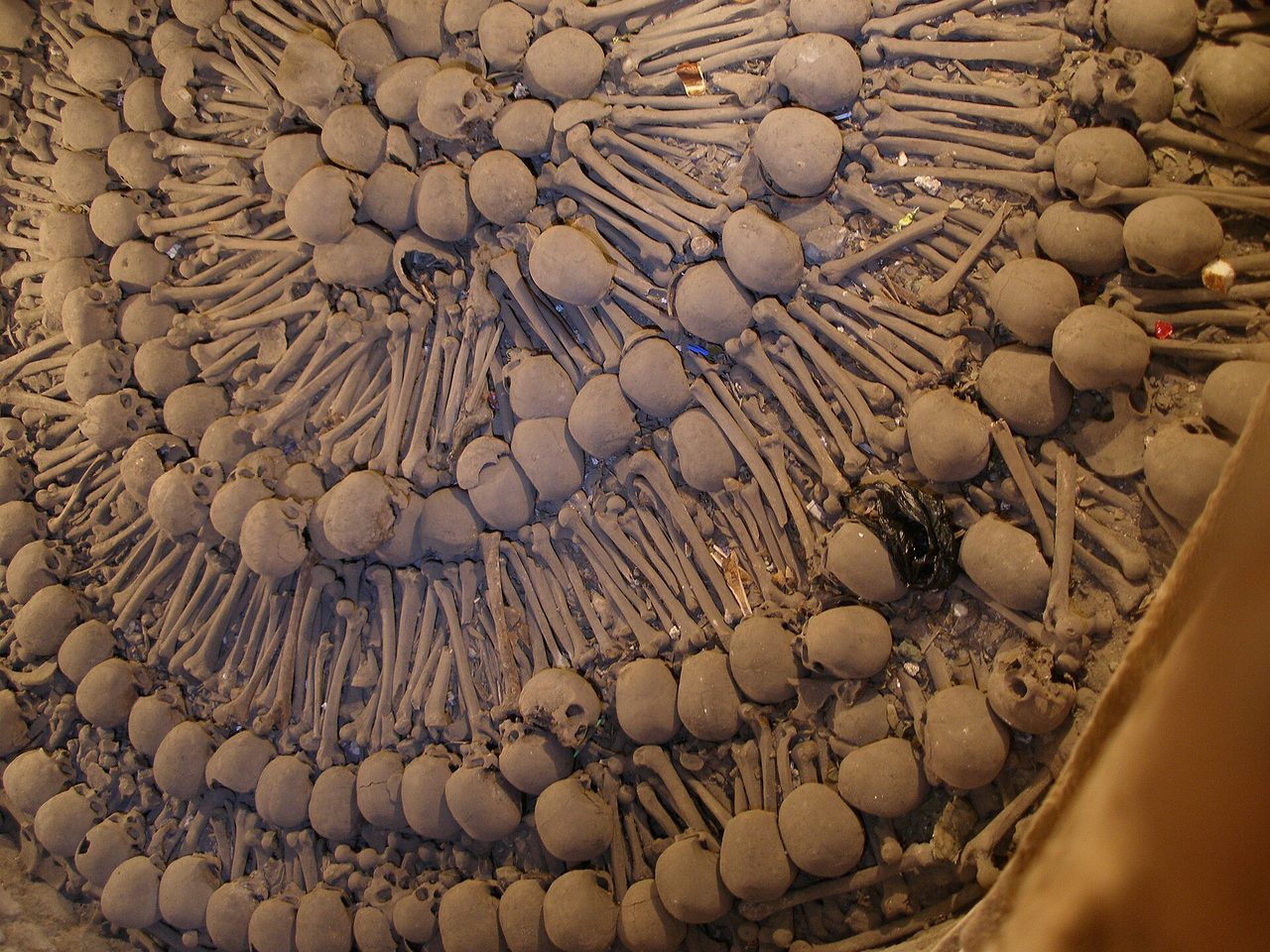
The UNESCO-listed colonial core is grand and underrated. The heart is the Plaza Mayor, ringed by the Cathedral, the Government Palace (catch the noon changing of the guard) and the candy-colored Archbishop’s Palace with its carved wooden balconies. A couple of blocks away, the Monastery of San Francisco is the showstopper — a beautiful yellow church above eerie catacombs holding the bones of tens of thousands. The center is fantastic by day; like any big-city downtown, keep your wits about you and consider a guided walking tour to get the most from it.
The museums
If you see one museum, make it the Larco Museum in Pueblo Libre — a gorgeous private collection of pre-Columbian gold, ceramics and textiles set in a whitewashed mansion draped in bougainvillea, with a lovely cafe. The Museo de la Nación and the Pachacamac site museum round out Peru’s deep history. For families and an easy crowd-pleaser, the Magic Water Circuit (Parque de la Reserva) puts on an illuminated musical fountain show after dark.
A few more Lima highlights
- Markets — the Surquillo market, opposite the gastronomic district, is a sensory feast and a favorite stop on food tours.
- Costa Verde — the beach road below the cliffs, where Limeños surf year-round.
- The Palomino Islands — a boat trip from Callao to swim with sea lions.
- Free things — the Malecón, Parque Kennedy, the Barranco murals and the Plaza Mayor cost nothing and fill a happy day.
For the full list, ranked, see our guide to the best things to do in Lima.
A little Lima history
Knowing a bit of backstory makes the historic center far more rewarding. Lima was founded by the conquistador Francisco Pizarro in 1535 as the Ciudad de los Reyes, the “City of Kings,” and for nearly three centuries it was the capital of the Spanish Viceroyalty of Peru — the richest, most powerful city in Spanish South America. That wealth is written all over the center: the gilded altars, the carved wooden balconies, the convents and catacombs. But the story runs much deeper than the Spanish. Long before them, the Lima, Wari and Ychsma cultures built the adobe pyramids — the huacas — that still rise among the modern districts, like Huaca Pucllana in Miraflores and the great pilgrimage site of Pachacamac just south. Layer on centuries of earthquakes that toppled and rebuilt the city, and waves of immigration (Spanish, African, Chinese, Japanese, Italian) that created its famous fusion food, and you have one of the most historically layered cities on the continent. The center isn’t just pretty; it’s the story of Peru in stone.
Beaches and the Costa Verde
Lima is a coastal city, and the Costa Verde — the beach road running below the Miraflores and Barranco cliffs — is where the city meets the Pacific. Don’t expect Caribbean turquoise: the cold Humboldt Current keeps the water bracing and the sand grey. But in the southern summer (December to March) the beaches come alive with surfers and sunbathers, and spots like Playa Waikíkí are great for a beginner surf lesson with the cliffs as a backdrop. For a proper beach holiday you’ll head further afield — the chic summer resorts south of the city, or the warm northern sands of Máncora — but a stroll or surf on the Costa Verde is a fine way to spend a Lima afternoon.
Nightlife in Lima
Lima after dark is more fun than its grey daytime reputation suggests, and Barranco is the heart of it — a compact tangle of pisco bars, craft-beer taprooms, live-music venues and clubs that fill up on weekends. For something distinctly Peruvian, seek out a peña, where you’ll hear live criolla and Afro-Peruvian music (and often dancing). Miraflores leans more toward stylish rooftop bars and cocktail lounges, and Lima’s mixology scene — built on pisco and Amazonian fruits — is genuinely excellent. As anywhere, enjoy it sensibly: stay in the well-lit central streets of Barranco and Miraflores and take a ride app home.
Know before you go: practical tips
- Money: the currency is the sol; carry some cash for taxis, markets and small spots, and use cards at hotels and nicer restaurants. ATMs are plentiful in Miraflores and Barranco.
- Tipping: around 10% in restaurants (check it isn’t already added), and a little for guides and drivers.
- Water: don’t drink the tap water — stick to bottled or filtered, as you would across Peru.
- Meal times: Limeños eat lunch late (1–3pm) and dinner later (from 8pm); plan around it and book big restaurants ahead.
- Connectivity: grab a local SIM or eSIM at the airport for cheap data and easy ride-hailing.
- Pack a layer for the cool, foggy months, and remember Lima is the perfect place to rest up before heading to altitude.
For the full health, money and packing rundown, see our Peru travel tips.
Where to stay in Lima
For a first visit, the choice is really between three safe, walkable, well-served districts:
- Miraflores — the default and the easiest. Central, safe on the main streets day and night, walkable to the cliffs and packed with hotels, restaurants and tour pickups. If you want zero friction, stay here. See our Miraflores guide.
- Barranco — more character, more charm, better nightlife, slightly more low-key. Perfect if you’d rather sip a pisco sour among artists than browse a mall. Stick to the central, well-lit streets after dark. See our Barranco guide.
- San Isidro — Lima’s polished financial-and-residential district: leafy, quiet, upscale, with excellent restaurants. Great for a calmer, more refined stay.
I’d steer most first-timers to Miraflores or Barranco. The historic center is wonderful by day but I wouldn’t base there unless you’re comfortable with big-city downtown dynamics after dark. Whatever you choose, a hotel near the coast keeps you close to the best of the city. Our where to stay in Lima guide breaks down hotels by area and budget, and the country-wide where to stay in Peru hub puts it in context.
The best day trips from Lima
If you have an extra day, Lima makes a fine launchpad for the central coast and some remarkable ruins:
- Paracas & the Ballestas Islands — about three to four hours south, a boat trip to the wildlife-packed Ballestas Islands (sea lions, penguins, seabirds) and the desert-meets-ocean Paracas reserve. Often combined with the dunes of Huacachina further south on the southern coast.
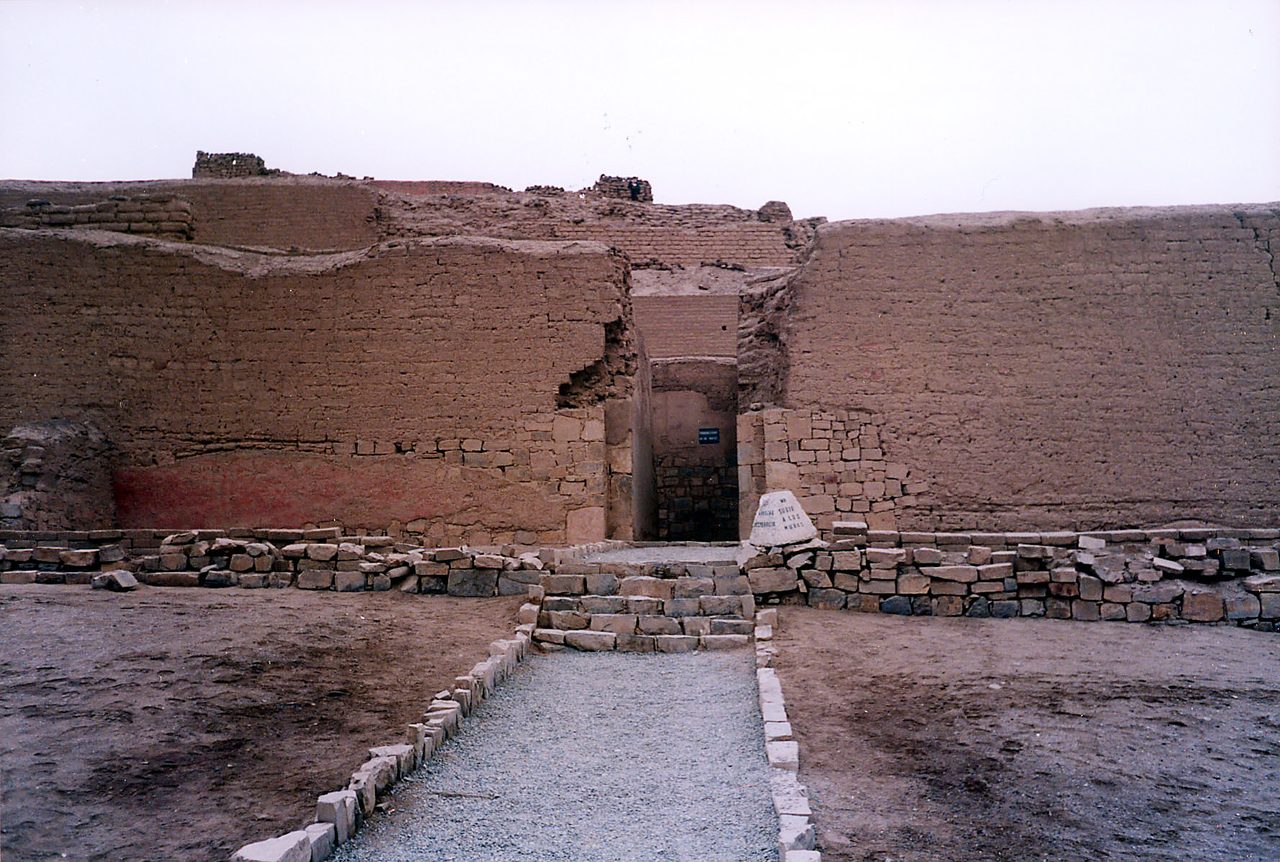
- Pachacamac — a vast pre-Inca pilgrimage site barely an hour from the city, easily done in a morning.
- Caral — the oldest known city in the Americas, roughly 5,000 years old, north of Lima for the seriously history-minded.
- The Palomino Islands — a half-day boat trip from the port of Callao to swim with a colony of sea lions.
For the full menu and how to book each, see our day trips from Lima guide. That said, most travelers use Lima as bookends — a day at the start and end of a trip — and head straight for Cusco and Machu Picchu in between.
Getting from Lima airport to the city
Jorge Chávez International Airport sits in Callao, northwest of the center, about 45 minutes to an hour from Miraflores in light traffic — longer in Lima’s notorious rush hours. Your options: a private transfer arranged by your hotel (easiest, especially on a late arrival); an official airport taxi from the regulated counters inside the terminal; Uber or Cabify, which are cheaper but require following the airport’s designated ride-app pickup process; or the Airport Express bus that runs to Miraflores. Whatever you do, ignore the touts offering rides in the arrivals hall and stick to a registered service. Our Lima airport to Miraflores guide has current prices and the step-by-step.
Getting around Lima
Within Miraflores and Barranco you can walk almost everywhere. For longer hops, ride-hailing apps — Uber, Cabify, inDrive — are cheap, reliable and the safest way to get around; I use them for everything. Street taxis are fine if you agree the fare first and use official-looking cars, but apps remove the guesswork. The Metropolitano express bus is handy along its dedicated corridor (e.g., Barranco to the center), and the city is slowly expanding its Metro. Build in buffer time: Lima’s traffic is heavy and unpredictable, especially at rush hour.
Is Lima safe?
For visitors sticking to the main tourist districts, Lima is generally safe, and Miraflores and Barranco are pleasant to walk day and night on the central streets. The real risk is petty theft — pickpocketing and phone or bag snatching in crowds, markets and on busy streets — rather than anything more serious. The usual sensible habits cover it: don’t flash phones or jewelry, keep bags zipped and in front of you, use ride apps rather than hailing cars at night, and stay alert in the historic center and any unfamiliar outer districts. Our is Lima safe guide goes deeper, and the country-wide Peru travel tips cover health and safety overall.
The best time to visit Lima
Here’s the twist: Lima’s best weather is the opposite of the Andes. The coast is warm and sunny from December to March (the southern summer) — the time for the beaches and clear ocean views — while from roughly May to October the garúa sea fog leaves the city cool and grey. The good news is that Lima’s main attraction, its food, is brilliant in any weather, so a foggy July visit is no disaster. If you’re combining Lima with the Andes (as most people do), you’ll likely catch it in the foggy months — just know that’s normal. See our best time to visit Peru guide for how it fits the rest of the country.
How many days do you need in Lima?
Two to three days covers the highlights comfortably: a day for Miraflores and Barranco, a day for the historic center and the Larco Museum, and your meals threaded throughout. Add a day if you want a south-coast day trip or you’re a serious foodie who wants to work through the restaurant list. Many people split it — a day on arrival, a day before flying home — which works nicely. Our how many days in Lima guide has sample lengths.
How to spend your time in Lima: sample plans
A layover or half-day
Tight on time between flights? If you have at least five or six hours and you’re not at risk from traffic, taxi or Uber into Miraflores, walk the Malecón and Parque del Amor, and have a proper ceviche lunch before heading back. It’s a satisfying taste of the city. Just respect Lima’s traffic when calculating whether you’ll make your onward flight.
One day in Lima
A great single day: start in the historic center for the Plaza Mayor and the San Francisco catacombs, taxi to Miraflores for a ceviche lunch, walk the Malecón and Huaca Pucllana in the afternoon, and watch the sunset from Parque del Amor before dinner in Barranco. Our one day in Lima guide maps the exact route.
Two days in Lima
With two days you can slow down. Spend day one as above, splitting the historic center and Miraflores. On day two, dedicate the morning to Barranco — the Bridge of Sighs, the murals, the MATE museum — and the afternoon to the Larco Museum, then cap it with a food tour or a tasting menu you’ve booked in advance. This is the sweet spot for most visitors.
Three days (or more)
A third day lets you add a day trip — the Ballestas Islands and Paracas, or the Pachacamac ruins — or simply dig deeper into the food and neighborhoods. Five to seven days would let you really live like a Limeño, but few itineraries can spare that when Cusco beckons. However long you have, fold it into the start or end of your wider Peru itinerary.
What is Lima known for?
If you take away a one-line answer: Lima is known above all as one of the great food capitals of the world, home to multiple of the planet’s best restaurants and the birthplace of ceviche culture. Beyond the plate, it’s famous for its UNESCO colonial historic center, its dramatic Pacific clifftops in Miraflores, the bohemian art of Barranco, pre-Inca pyramids hidden among the high-rises, and being the sprawling, fascinating gateway to the rest of Peru.
Is Lima worth visiting?
Yes — and I’d argue skipping it is one of the most common Peru-trip mistakes. The “Lima is just an ugly stopover” line is lazy. Give it a day or two and you get a UNESCO colonial center, dramatic Pacific clifftops, the bohemian charm of Barranco, pre-Inca pyramids in the middle of the city, and food good enough that people fly here just to eat. It’s also at sea level, which makes it the ideal soft landing before you head up to the Andes. Don’t treat Lima as a transit lounge; treat it as the first chapter.
Lima for different travelers
Foodies
This is your promised land. Build your days around meals, book one or two of the world-ranked restaurants ahead, do a market-and-cooking class, and graze the cevicherías in between. Two or three days minimum.
Families
The Malecón parks, the Magic Water Circuit, the Parque Kennedy cats, the Palomino sea-lion swim and the catacombs (for older kids) keep families happy, and being at sea level avoids altitude worries on arrival.
Couples
Sunset at Parque del Amor, a pisco bar in Barranco, a clifftop tasting menu — Lima does romance more easily than its reputation suggests.
Budget and layover travelers
So much of the best of Lima is free or cheap — the Malecón, the murals, the markets, a menú del día. Even on a short layover you can grab a great ceviche and a clifftop walk. See one day in Lima.
Lima travel FAQ
Is Lima worth visiting?
Absolutely. Lima is one of the world’s top food cities, with a UNESCO historic center, clifftop coastal parks, the artsy Barranco district and pre-Inca pyramids. Give it two or three days rather than treating it as a stopover, and it more than earns its place in any Peru trip.
How many days do you need in Lima?
Two to three days covers the highlights — Miraflores, Barranco, the historic center, the Larco Museum and plenty of great meals. Add a day for a south-coast day trip or deeper food exploration. Many travelers split it across the start and end of their trip. See our how many days in Lima guide.
Is Lima safe for tourists?
Generally yes, especially in the main tourist districts of Miraflores, Barranco and San Isidro, which are pleasant to walk day and night. The main risk is petty theft in crowds, so keep valuables out of sight, use ride apps rather than street taxis at night, and stay alert in the historic center. See our is Lima safe guide.
What is the best area to stay in Lima?
Miraflores for first-timers — central, safe and walkable; Barranco for character and nightlife; San Isidro for an upscale, quiet stay. All three are well-served and close to the coast. Avoid basing in the historic center unless you’re comfortable with downtown after dark. See where to stay in Lima.
What is Lima known for?
Above all, food — it’s one of the great culinary capitals, home to several of the world’s best restaurants and the heartland of ceviche. It’s also known for its UNESCO colonial center, the Miraflores clifftops, bohemian Barranco, and as the gateway to the rest of Peru.
Is Lima just a stopover?
It doesn’t have to be — and shouldn’t be. While many people do use it as bookends around Cusco and Machu Picchu, Lima rewards a proper visit with world-class food, history and coastal scenery. At minimum, give it a full day rather than racing straight to the airport.
What is the best time to visit Lima?
December to March, the southern summer, for warm sun and clear ocean views. From May to October the garúa fog leaves the city cool and grey — still fine for the food and culture, just not for beach days. Conveniently, that foggy stretch is the best time for the Andes, so most trips catch Lima in the mist anyway.
How do you get from Lima airport to Miraflores?
About 45–60 minutes by road. Use a hotel transfer, an official airport taxi from the regulated counter, a ride app (following the airport’s pickup process), or the Airport Express bus to Miraflores. Skip the touts in arrivals. Our airport-to-Miraflores guide has the details.
What food should you eat in Lima?
Start with ceviche (at lunch, at a cevichería), then lomo saltado, ají de gallina, anticuchos, tiradito and causa, with a pisco sour to drink. Try chifa or Nikkei cuisine, and if you can, book a tasting menu at one of the famous restaurants. A food tour is the best introduction.
Is Lima expensive?
It’s the priciest city in Peru but still good value by Western standards. You can eat superbly for a few dollars at markets and set-lunch spots, or splurge at world-ranked restaurants. Accommodation in Miraflores and Barranco spans hostels to luxury. Budget more here than elsewhere in Peru, but it stretches further than you’d expect.
Can you see Lima in one day?
Yes — one well-planned day covers the historic center, Miraflores and a great meal, as our one-day route shows. You’ll miss Barranco and the museums in depth, but you’ll get a real feel for the city. Two days is more comfortable.
Miraflores or Barranco — which is better?
Miraflores is more convenient, polished and easy for first-timers; Barranco is more charming, artistic and fun after dark. If it’s your first visit and you want zero hassle, choose Miraflores; if you want character and nightlife, choose Barranco. They’re neighbors, so you’ll easily visit both wherever you stay.
Do you need to book Lima’s top restaurants in advance?
For the famous names — Central, Maido, Kjolle — yes, often weeks ahead, as they book out fast. For the countless excellent mid-range cevicherías and bistros, you can usually just turn up, though a reservation helps at dinner on weekends.
What are the best day trips from Lima?
The Ballestas Islands and Paracas on the south coast, the Pachacamac ruins close to the city, the ancient city of Caral to the north, and the Palomino Islands sea-lion swim. See our day trips from Lima guide.
Is Lima a good place to start a Peru trip?
Ideal, in fact. Lima is at sea level, so a day or two here is the perfect soft landing before you fly up to high-altitude Cusco — you arrive rested and well-fed rather than jet-lagged and straight into thin air. Starting (and often ending) in Lima is how most Peru itineraries are built.
Does it rain in Lima?
Almost never — Lima sits in a coastal desert and sees only a fine drizzle at most. What it does get, from roughly May to October, is the garúa: a persistent grey sea fog that blocks the sun without really raining. Pack a light layer for those months, but you won’t need a serious rain jacket in the city.
Is Lima walkable?
Within Miraflores and Barranco, very — you can stroll the cliffs and the neighborhoods comfortably. Between districts (say, to the historic center), distances and traffic make a ride app the better call. Lima is a vast city, so think “walkable neighborhoods linked by short Uber hops.”
What is the garúa in Lima?
The garúa is the low grey coastal fog that settles over Lima from about May to October, leaving the city cool and overcast. It rarely produces real rain, but it can hide the sun for weeks. It’s why Lima looks moody in the Andean dry season — and why the sunny beach months are December to March.
Can you drink the tap water in Lima?
No — stick to bottled or filtered water, as throughout Peru. The tap water isn’t reliably safe for visitors’ stomachs. Most hotels provide bottled water, refill stations are common, and a reusable bottle with a filter is a good idea. Ice in reputable restaurants is generally fine.
What language is spoken in Lima?
Spanish. English is widely spoken in hotels, tour agencies and tourist restaurants in Miraflores and Barranco, but far less so in markets, taxis and the wider city. A few words of Spanish go a long way and are warmly appreciated — download an offline translator for the gaps.
How do you get from Lima to Machu Picchu?
There’s no direct route — you fly from Lima to Cusco (about 80 minutes), then continue by train (via Ollantaytambo) to Aguas Calientes and up to the ruins, or trek in. Plan at least a couple of days for the journey and to acclimatize in Cusco. See our Machu Picchu and Cusco to Machu Picchu guides.
Is Lima good for solo travelers?
Yes — Miraflores and Barranco are sociable, walkable and well set up for independent travel, with plenty of hostels, food tours and free walking tours to meet people on. Use the usual city sense with valuables and ride apps at night, and you’ll find Lima an easy, rewarding solo stop.
Is two days enough in Lima?
For most visitors, yes. Two days lets you cover the historic center, Miraflores and Barranco, the Larco Museum, and several great meals without rushing. A third day is a bonus for a day trip or deeper food exploration, but two days hits the highlights comfortably.
What should I pack for Lima?
Lima is mild but rarely hot, so pack light layers and a light jacket or sweater — especially in the foggy May–October months when it’s cool and grey. Add comfortable walking shoes for the cliffs and cobbles, sun protection for the summer, and swimwear if you’re visiting December to March. You won’t need heavy rain gear in the city itself.
Final thoughts
Give Lima a chance and it quietly becomes one of your favorite stops. Walk the cliffs as the fog burns off, lose an afternoon in Barranco’s lanes, and eat a plate of ceviche so good it reorganizes your expectations — then fly off to the Andes glad you didn’t skip it. Build it into the start and end of your trip using our Peru itinerary guide, and pair it with the rest of our things to do in Peru. Trust me: the city that everyone tells you to skip might just be the one you remember most fondly.
Sources
About this guide: Written by the Peru Tourism Guide team — writers and trip-planners who have eaten and wandered their way across Lima over many visits. We keep this guide current as restaurants, prices and transport change.
Last updated: June 2026.