Peru & Bolivia Combined Itinerary
The two countries join at Lake Titicaca, and the direction you travel decides whether La Paz feels easy or unbearable. Border mechanics, 14- and 21-day plans, and an honest look at what the crossing costs you.
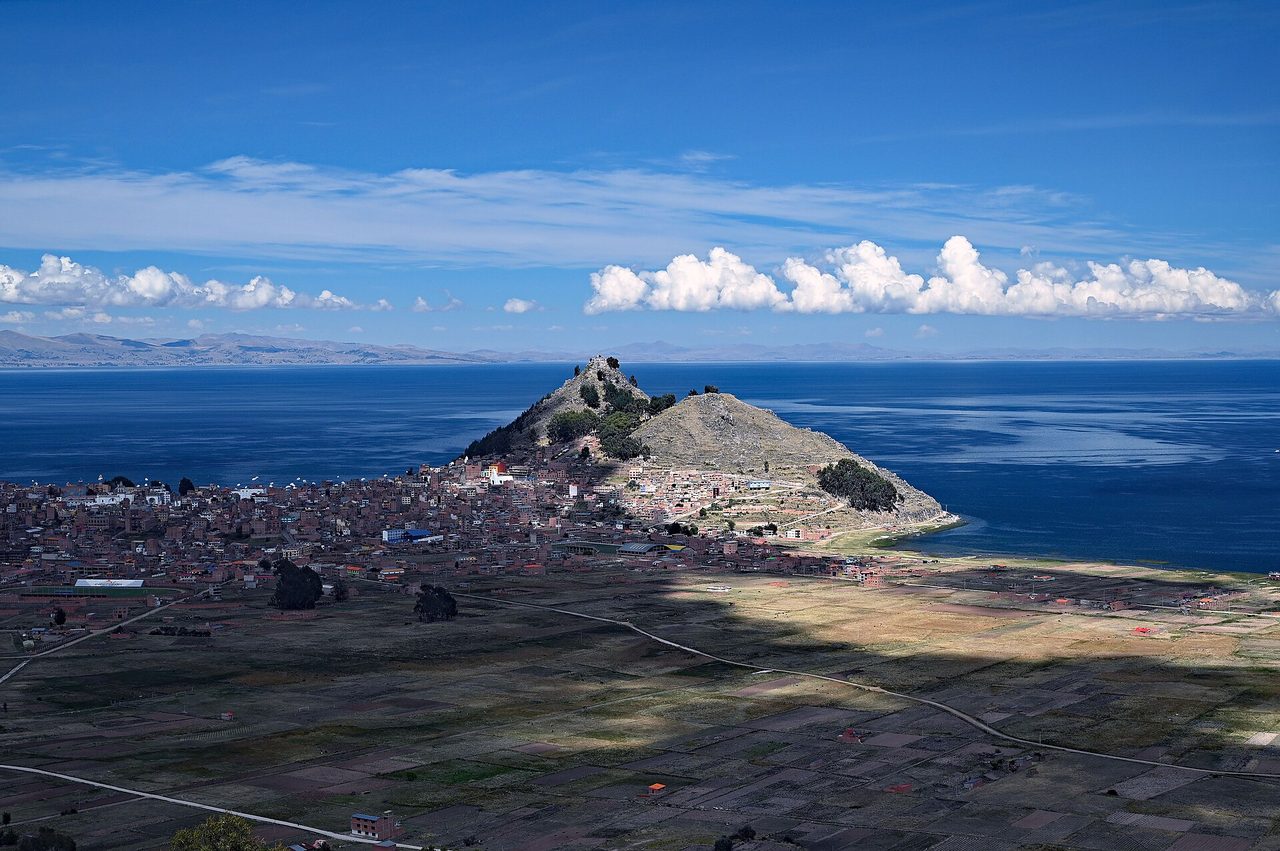
Every Peru and Bolivia itinerary lives or dies on one decision, and it is not which ruins you see. It is the direction you travel. Get that wrong and you spend your first four days in bed at 3,650 m with a headache that paracetamol will not touch. Get it right and the two countries stitch together so neatly you wonder why anyone does them separately.
The join is Lake Titicaca. Not a flight, not a clever connection through Santa Cruz — a lake, and a small land border on its southern shore where you get off a bus, queue at a window, walk about two hundred metres carrying your own bag, and queue at another window. That is the entire mechanism. Almost nobody writing about this route explains it, which is odd, because it is the part travellers actually worry about.
What follows is the routing logic, the border mechanics, two day-by-day plans, and an honest accounting of what combining these two countries costs you in time and money. Including the part where I tell you not to do it, and to spend the same two weeks on the classic Peru route a first trip usually deserves instead.
Why a Peru and Bolivia itinerary works better than it should
On paper these are two separate trips. In practice the southern Peruvian highlands and the Bolivian altiplano are one continuous landscape that a border happens to run through. Cusco and La Paz are 520 km apart in a straight line. Aymara is spoken on both sides of Titicaca. The bus that takes you from Puno to Copacabana is the same class of vehicle you have been riding all week.
The complementarity is the real argument. Peru gives you the Inca material, the food, the coast if you want it, and the single most visited archaeological site in South America. Bolivia gives you a salt flat the size of a small country, a capital city crammed into a canyon, and prices that will make you recalculate your budget upwards in a good way. Neither country duplicates the other. Compare that with adding Ecuador or Colombia, where you get a second dose of Andean colonial towns and a lot more flying.
There is a catch, and it is structural. The transitions eat time. Getting from Cusco to La Paz overland is a day. Getting from La Paz to Uyuni is a night. Coming back out of Uyuni is another day, or another flight. Across a combined trip you will spend two to three days in transit that a Peru-only traveller would have spent somewhere. That is the tax, and you need to decide honestly if you can afford to pay it. If you have fourteen days or fewer, the honest answer is usually a straight two-week route through Peru alone, done properly, rather than a rushed sprint through two countries.
Run it Peru to Bolivia, not the other way round
This is the single most useful thing on this page, so I will be blunt about it. Fly into Lima, work your way up and east, cross at Titicaca, finish in Bolivia. Do not start in La Paz.
The reason is altitude, and specifically the shape of your altitude curve. El Alto International Airport, which serves La Paz, sits at roughly 4,050 m. The city below it averages around 3,650 m. If you fly in from Miami or Madrid or São Paulo, you go from sea level to over 4,000 m in the time it takes to taxi to the gate. That is one of the most aggressive altitude gains available to a civilian anywhere on earth, and your body has no idea what to do with it.
Run it the other way and the profile looks like a staircase. Lima is at sea level. Arequipa is 2,335 m. Cusco is 3,400 m — still a slap in the face if you fly straight in, which is why the Sacred Valley towns at 2,800 m are the smarter first night. Puno is 3,830 m. By the time you reach La Paz you have been sleeping above 3,000 m for the better part of a week and your blood has quietly adjusted. La Paz feels easy. It should not feel easy, and the fact that it does is the whole point.
| Stop | Country | Altitude | Notes on arriving here first |
|---|---|---|---|
| Lima | Peru | ~0 m | Sea level. The correct place to land. |
| Arequipa | Peru | 2,335 m | Mild. A useful acclimatisation stop that most people skip. |
| Sacred Valley (Urubamba) | Peru | ~2,870 m | Noticeably better first night than Cusco. |
| Machu Picchu | Peru | 2,430 m | Lower than Cusco. It surprises people. |
| Cusco | Peru | 3,400 m | Hard if you fly in from Lima on day one. |
| Puno / Lake Titicaca | Peru | 3,830 m | Higher than Cusco. Plan a slow day. |
| Copacabana | Bolivia | 3,840 m | Same altitude as Puno. No new stress. |
| La Paz | Bolivia | ~3,650 m | A descent if you arrive from Titicaca. Brutal if you fly in cold. |
| El Alto airport | Bolivia | ~4,050 m | Where the bad decisions begin. |
| Uyuni town | Bolivia | ~3,660 m | Fine by this stage of the trip. |
| Sol de Mañana geysers (Uyuni tour) | Bolivia | ~4,850 m | The highest point of most combined trips. |
Notice the last row. The three-day Uyuni tour climbs into the Eduardo Avaroa reserve and spends a night above 4,200 m, with morning stops near 4,900 m. That is higher than anything on a standard Peru route, higher than most people go on the classic four-day trek to Machu Picchu, and it comes at the end of your trip when you are tired. Arriving at it fully acclimatised is not a nice-to-have.
The counter-argument you will hear is that flights into La Paz from North America are sometimes cheaper than flights into Lima. They occasionally are. It is not worth it. If you genuinely must start in Bolivia, build in three full days in La Paz doing nothing strenuous before you go anywhere near Uyuni, and read up on how altitude actually behaves in the Andes before you book anything.
The join: crossing at Kasani and Yunguyo
The land border between Puno and Copacabana is the one you want. The Peruvian post is at Yunguyo, the Bolivian post at Kasani, and the two sit a short walk apart on a road that runs along the southern shore of the lake. It is small, orderly and busy with locals rather than freight. Nobody is going to hustle you.
What actually happens
The bus from Puno takes roughly two to two and a half hours to reach Yunguyo, hugging the lake most of the way. At the border everyone gets off with their passport and their hand luggage. Your big bag usually stays on the bus, which drives across separately and waits for you on the Bolivian side. The steps are:
- Queue at Peruvian immigration at Yunguyo for an exit stamp. If you were given a paper Andean Migration Card on entry, hand it over; if you entered Peru recently the record is electronic and there is nothing to surrender.
- Walk across. It is a couple of hundred metres of road with an arch over it. You carry your own daypack. There is no shuttle and there is no need for one.
- Queue at Bolivian immigration at Kasani for an entry stamp, and present your SIGEMIG pre-registration QR code.
- Find your bus, which is parked a little further on, and get back on.
Budget forty-five to ninety minutes for the whole performance in normal conditions. Total Puno to Copacabana door to door is around four hours. It can be much slower if a tour group hits the window at the same time as you, and it can be genuinely slow around Bolivian public holidays. Cross in daylight. The posts do keep long hours, but the last thing you want is a stamping problem at 22:00 in a village with two hostels.
Two practical notes that catch people. First, you must use the same passport you entered Peru with — dual nationals cannot switch at the border to dodge a fee or a stamp. Second, there is an hour of time difference between the two countries for part of the year, so check what your bus company means by its arrival time.
Bus companies and what they cost
Three tiers, and the difference between them is service rather than safety on this particular route.
Peruvian and Bolivian public operators. Trans Titicaca, Tour Peru, Titicaca Bolivia, Panamericano and Trans Salvador all run Puno–Copacabana and Puno–La Paz services. Fares are cheap, often in the range of ten to twenty-five US dollars depending on the leg and the class of seat. They are perfectly usable. Buy from the terminal in Puno or online a day or two ahead in high season.
Tourist hop-on services. Peru Hop and its Bolivian arm run the same route with English-speaking staff who walk you through the immigration windows. You pay a meaningful premium for that. Whether it is worth it depends entirely on how much border anxiety you are carrying, and how confident you are ordering a form in Spanish. If you have already spent two weeks getting around Peru independently, you almost certainly do not need it.
Direct Cusco to La Paz overnight buses. These leave Cusco around 22:00, stop briefly in Puno, and cross at Desaguadero rather than Kasani. Thirteen to sixteen hours. Cheap, from around twenty-two to thirty dollars. You wake up somewhere on the altiplano and arrive in La Paz mid-morning having seen nothing.
Desaguadero: the other crossing, and why I would skip it
Desaguadero is the second land crossing, further south where the Desaguadero river leaves the lake. It is the direct, faster line from Puno to La Paz and it is what most overnight buses use. It is also a scrappy trucking town, the queues are longer, and it removes Copacabana and Isla del Sol from your trip entirely.
Unless you are specifically trying to compress the crossing into a night you would otherwise waste, take Kasani. Copacabana is worth a night on its own, and the boat out to Isla del Sol is one of the better half-days on the whole route. If you have already done the Peruvian side of the lake — the reed islands and homestays around Puno and the Uros community — the Bolivian shore reads quite differently, greener and steeper, and it is not a repeat.
Bolivian entry rules, by passport
This changed recently and a lot of published advice, including some government pages that have not been updated, is now wrong.
On 1 December 2025 Bolivia moved eight countries into its visa-exempt Group 1 by supreme decree, amending the long-standing list from Decreto Supremo 27150. The United States was among them, alongside South Korea, South Africa, Israel, Bulgaria, Malta, Romania and the United Arab Emirates. The practical effect for American travellers is that the US$160 reciprocity fee that had applied since 2007 no longer exists, and there is no visa to buy at the border. The US Embassy in La Paz confirmed this in a message to citizens on 3 December 2025, permitting stays of up to 90 days in a twelve-month period for tourism and business.
I want to flag how recent that is, because the older embassy entry-and-exit page still carried the $160 figure and a 30-day limit long after the change, and travel blogs are worse. If you read somewhere that Americans need crisp uncreased hundred-dollar bills, a passport photo and a printed itinerary at Kasani, that advice is from the old regime. Verify on the day, because this is exactly the sort of rule that moves.
Most other travellers were never affected. British, Irish, EU, Australian, New Zealand, Canadian and Japanese passport holders are Group 1 and have always crossed visa-free, typically with 30 to 90 days granted at the officer’s discretion. Group 2 nationalities can get a visa on arrival at major posts for around US$30. Group 3 must apply at a Bolivian consulate in advance and cannot be issued at the border — if that is you, sort it out before you leave home, ideally in your own country rather than scrambling at the consulate in Lima or Cusco.
Regardless of nationality, everyone now needs:
- A passport valid at least six months beyond entry, with a couple of blank pages.
- SIGEMIG pre-registration. This is a free online migration form that every foreign visitor completes before arrival. It takes about ten minutes, opens roughly a month before travel, asks for your address in Bolivia, and emails you a QR code to show at the window. Skip it and you can be fined on exit — a small amount, around a couple of hundred bolivianos, but a tedious way to end a trip.
- Proof of onward travel and somewhere to stay. Rarely asked for at Kasani, occasionally asked for at El Alto. Have a booking screenshot.
- Yellow fever certificate if your route touches the lowlands. Nobody on a Titicaca–La Paz–Uyuni loop is in a yellow fever zone, but if you are adding Rurrenabaque or Santa Cruz, carry it.
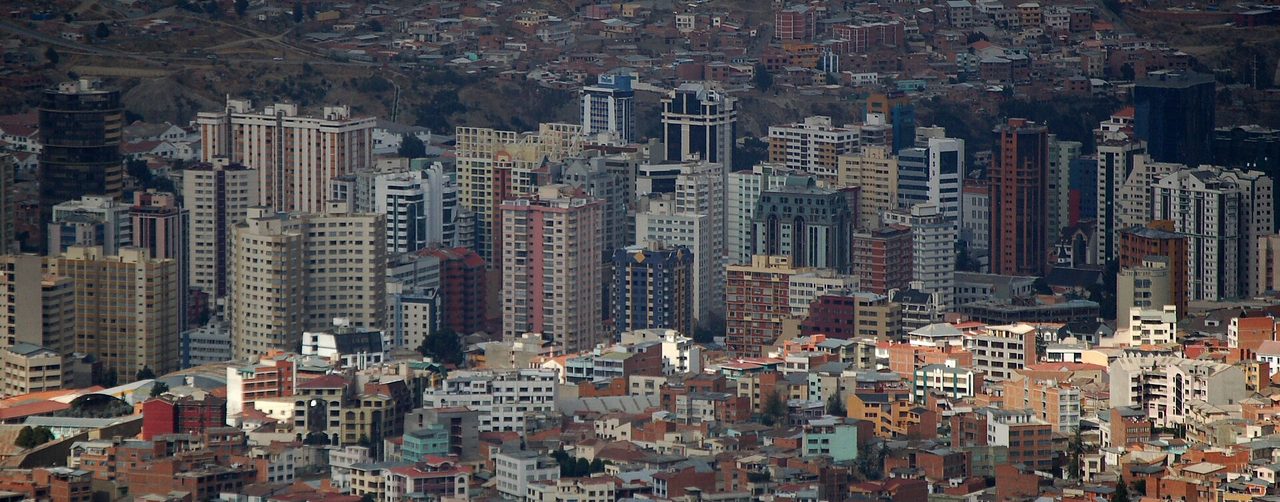
Three ways to link the two countries, compared
You have three realistic options for the Peru–Bolivia leg. The overnight bus, the short flight from Cusco, and the flight from Lima. They are not equivalent and the trade-offs are not obvious from a booking site.
| Option | Rough cost | Door-to-door time | Altitude effect | Honest downside |
|---|---|---|---|---|
| Puno → Copacabana → La Paz by bus (Kasani) | US$20–45 total, more on a hop-on pass | 2 days if you overnight in Copacabana; ~8–9 h if you push straight through | Ideal — a flat traverse at 3,800 m | Slow. Two immigration queues. Loses a half day even done efficiently. |
| Cusco → La Paz direct overnight bus (Desaguadero) | US$22–35 | 13–16 h overnight | Fine, but you cross the highest ground asleep | You see nothing, you sleep badly, and you skip Titicaca on both sides. |
| Fly Cusco → La Paz | From around US$160–250 one way | ~1 h 15 in the air, half a day with airports | Good — you arrive already acclimatised from Cusco | Avianca is the only nonstop and it does not run daily. Miss it and you are routing via Lima or Santa Cruz. |
| Fly Lima → La Paz | US$180–350 one way, usually with a connection | Half to a full day | Bad — sea level to 4,050 m at El Alto in a morning | The single worst thing you can do to yourself on this trip. Only sensible as the very last leg home. |
My order of preference: bus via Kasani if you have the days, Cusco–La Paz flight if you are short on time and can make the schedule work, direct overnight bus if you are on a budget and hate wasting daylight, Lima–La Paz never as an arrival. The pattern is consistent with how domestic transport works across Peru generally — flying buys you days, buses buy you the landscape between the places, and overnight buses buy you neither.
The 14-day version
Fourteen days is the floor. Below that, do one country. This version cuts Arequipa and Colca and gives up the Peruvian coast entirely, and it still feels brisk. Two internal flights, one land border.
| Day | Base | What you do | Moving |
|---|---|---|---|
| 1 | Lima | Land, sleep, eat. Miraflores or Barranco. | — |
| 2 | Lima | Larco museum, the clifftop walk, ceviche for lunch not dinner. | — |
| 3 | Sacred Valley | Morning flight to Cusco, transfer straight down to Urubamba. Do not sleep in Cusco tonight. | Fly + 1 h 15 road |
| 4 | Sacred Valley | Pisac or Ollantaytambo, slowly. This is an acclimatisation day disguised as sightseeing. | — |
| 5 | Aguas Calientes | Train from Ollantaytambo in the afternoon. Early night. | ~1 h 45 train |
| 6 | Cusco | Machu Picchu on an early timed entry, train back late afternoon. | Train + road |
| 7 | Cusco | City day. San Blas, Qorikancha, Sacsayhuamán at the end of the afternoon. | — |
| 8 | Puno | Day bus or the tourist bus with ruin stops. Arrive late afternoon at 3,830 m. | 7–10 h |
| 9 | Copacabana | Morning boat on the Peruvian side, afternoon bus across at Kasani. | ~4 h + border |
| 10 | La Paz | Isla del Sol morning boat, then the afternoon bus to La Paz. | ~4 h |
| 11 | La Paz | Cable cars, the markets, Valle de la Luna. Night bus or evening flight to Uyuni. | Overnight |
| 12 | Salt flats | Uyuni tour day 1: train cemetery, the flats, sunset. | 4WD |
| 13 | Salt flats | Uyuni tour day 2 or the one-day version, back to Uyuni. | 4WD |
| 14 | Out | Fly Uyuni–La Paz, connect home. Or fly La Paz–Lima for a coastal add-on. | Fly |
The compromises in this version are real. You are doing a one-day or shortened Uyuni tour rather than the full three-day southern circuit, which means no coloured lagoons and no geysers. You get one day in Cusco, which is thin — most people find three or four days in Cusco is the honest minimum once you factor in acclimatisation. And there is no slack. One cancelled flight and the whole thing dominoes.
If you are looking at that table and feeling squeezed, that is the correct reaction, and it is worth comparing it against what a focused single-country Peru route delivers over the same fourteen days.
The 21-day version
This is the trip the route was designed for. Three weeks gives you Arequipa, the full Uyuni circuit, a genuine rest day, and enough buffer to absorb one strike or one cancelled flight without losing Machu Picchu.
| Day | Base | What you do | Moving |
|---|---|---|---|
| 1–2 | Lima | Arrive, reset, eat properly. Larco, Barranco, the coastal path. | — |
| 3 | Arequipa | Short flight south. Santa Catalina monastery in the late afternoon light. | Fly 1 h 30 |
| 4–5 | Colca Canyon | Overnight in Chivay or Cabanaconde, condors at the Cruz del Condor at dawn. | 3–4 h each way |
| 6 | Sacred Valley | Fly or bus to Cusco, transfer straight down the valley. | Fly or 10 h bus |
| 7–8 | Sacred Valley | Ollantaytambo, Pisac, Moray and the Maras salt pans. Easy days at 2,800 m. | — |
| 9 | Aguas Calientes | Afternoon train down the valley. | ~1 h 45 |
| 10 | Cusco | Machu Picchu early, add Huayna Picchu if you booked it. Train back. | Train + road |
| 11–13 | Cusco | City, museums, one big day out — Rainbow Mountain, Humantay or the South Valley. | Day trips |
| 14 | Puno | Tourist bus with stops at Andahuaylillas and Raqchi. | ~10 h |
| 15 | Puno | Uros and Taquile, or a homestay night on Amantaní. | Boat |
| 16 | Copacabana | Cross at Kasani in the morning. Afternoon on the Bolivian shore. | ~4 h + border |
| 17 | Copacabana | Isla del Sol. Walk the north–south ridge if it is open. | Boat |
| 18 | La Paz | Afternoon bus in, including the Tiquina strait ferry. | ~4 h |
| 19 | La Paz | Teleferico lines, Mercado de las Brujas, Death Road ride if that is your thing. Night bus or evening flight to Uyuni. | Overnight |
| 20–22 | Uyuni | Full 3-day, 2-night southern circuit: flats, Incahuasi, Laguna Colorada, Sol de Mañana, Laguna Verde. | 4WD |
| 23 | Out | Fly Uyuni–La Paz and home, or exit into Chile at San Pedro de Atacama. | Fly or border |
Yes, that runs to twenty-three days. Twenty-one is achievable by cutting Colca or by trimming Cusco to two days, and I have listed it long deliberately so you can see what you are actually choosing to remove. If you want the full picture of what three weeks buys you on the Peruvian side alone, the three-week Peru route covers ground this version has to skip — the northern circuit, the coast, and the Amazon.
The Uyuni exit into Chile is worth flagging. Several operators finish the three-day tour at the Hito Cajon border and hand you to a shuttle for San Pedro de Atacama rather than driving you back to Uyuni. It saves a full day and it is cheaper than flying out. It also means you need onward plans from northern Chile, so only take it if the geography suits you.
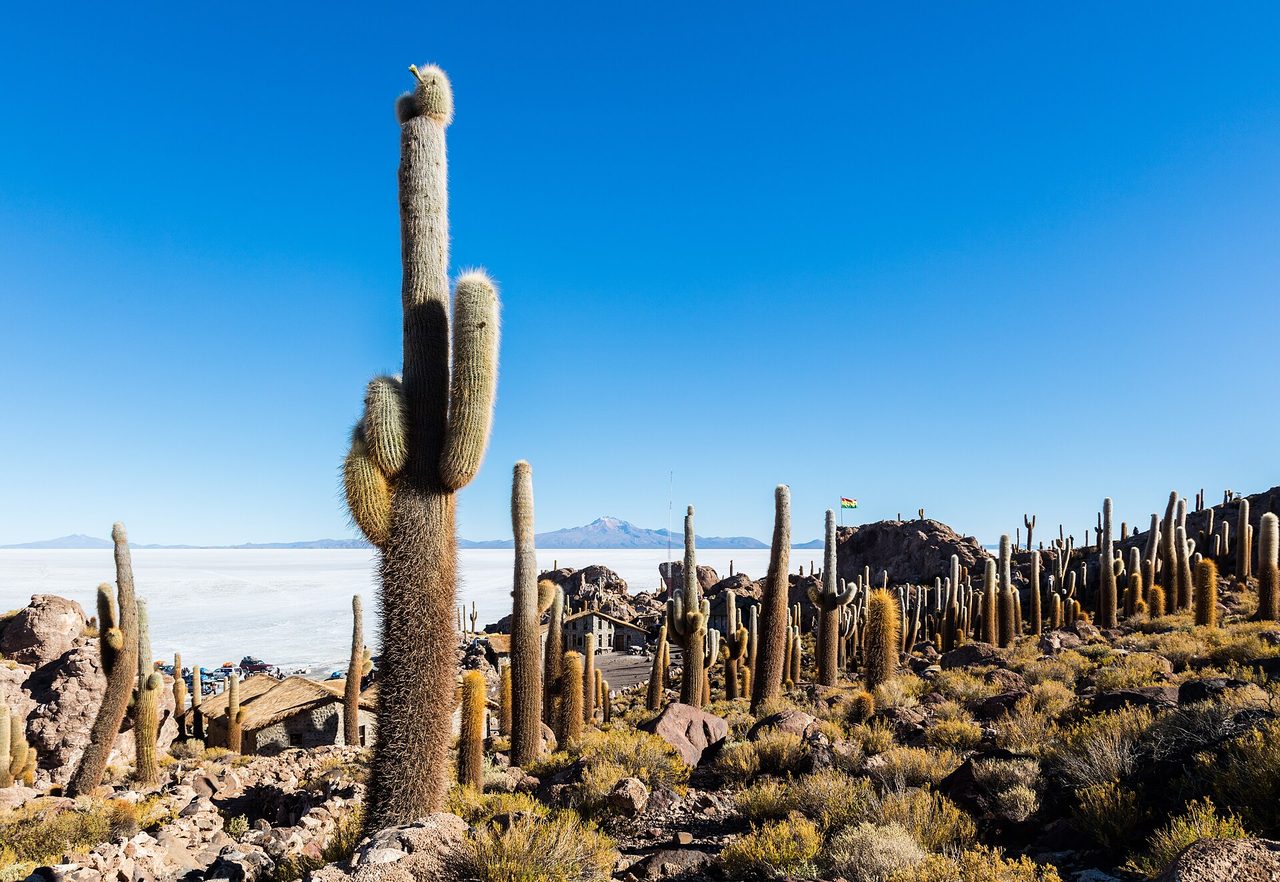
Uyuni, without the marketing
The salt flats are the reason most people add Bolivia, so it deserves straight talk rather than another gallery of mirror photographs.
Wet season or dry season
Roughly December to March is the wet season. A thin film of water sits on the salt and turns the whole flat into a mirror. It is genuinely extraordinary and it is the version you have seen online. It also means parts of the salar are too flooded to drive on, Isla Incahuasi with its giant cacti can be unreachable, sunsets are more likely to be rained out, and the southern lagoon circuit is the most likely part of the trip to be curtailed. Tour vehicles get stuck. Itineraries get shortened without a refund.
Roughly May to November is dry. You get the hexagonal salt polygons, hard reliable driving, access to the whole flat, and a much better chance of the full three-day southern circuit running as advertised. You do not get the mirror. You also get properly cold nights — well below freezing in June and July at 4,200 m, in accommodation that is often unheated.
April and November are the transitional months and they are a gamble. Sometimes you get a shallow puddle in one corner and hexagons everywhere else, which is arguably the best of both. Sometimes you get neither.
If the mirror is the whole reason you are going, book late January or February and accept the risk. If you want the landscape, the lagoons and the flamingos, go in the dry season. Do not book a wet-season trip and then be disappointed that the lagoon route was cut short; that is the deal you made.
Getting there from La Paz
Two options. The overnight bus covers around 550 km in nine to twelve hours across the altiplano. Tourist operators charge in the region of forty-five to sixty dollars for a proper reclining seat; local companies run the same road for fifteen to twenty-five. The bus doubles as a night of accommodation, which is the real argument for it.
Flying takes about an hour and costs somewhere around US$125–160 one way with Boliviana de Aviaón or Amaszonas. Uyuni’s airport is small and weather-sensitive, so build in a buffer if you are connecting onwards the same day.
Tours themselves run roughly US$150–280 per person for the three-day, two-night version from Uyuni, including transport, basic salt-hotel and refugio accommodation, and meals. The cheap end means six people crammed into a Land Cruiser with a driver who does not speak English and a night in a dormitory. The upper end buys a better vehicle, a guide who explains things, and a private room. On a route where you spend nine hours a day in a 4WD, that gap matters more than it sounds.
Who should skip Uyuni
Skip it if you have fourteen days or fewer and you are not willing to shorten Cusco. Skip it if you get carsick, because the southern circuit is two long days on washboard tracks. Skip it if you are travelling with children under about ten, because the second night at 4,200 m in an unheated refugio is miserable for them. Skip it if you have any cardiac or respiratory condition that has not been cleared by a doctor for altitudes near 5,000 m. And skip it if your priority is culture rather than landscape — you can spend those four days in the Peruvian Amazon or across the southern coast of Peru instead and see more.
La Paz on its own, plus Titicaca from the Bolivian side, is a perfectly good four-day Bolivia extension that does not involve Uyuni at all. Very few people consider it. It is the right answer more often than the salt flats are.
What the combined trip actually costs
Bolivia is materially cheaper than Peru day to day, and the gap has widened. Bolivia ended its long-standing dollar peg in late June 2026 and floated the boliviano; the official rate moved from around 6.96 to the dollar to roughly 9.7 at the float, and kept sliding through July. For a visitor holding dollars or euros, the effect is that Bolivia has become very cheap, and the parallel-market gap that used to punish anyone paying by card has largely closed. This is a live situation. Check the rate the week you travel rather than trusting a figure in any article, including this one.
| Item | Peru | Bolivia |
|---|---|---|
| Backpacker day rate (dorm, street food, local transport) | US$40–65 | US$25–40 |
| Mid-range double room | US$50–110 in Cusco | US$25–60 in La Paz |
| Sit-down lunch | S/15–35 for a set menu | Roughly half that |
| Headline attraction | Machu Picchu entry S/163 | 3-day Uyuni tour US$150–280 |
| Long-distance bus | US$15–45 for 8–10 h | US$15–60 for 9–12 h |
| Domestic flight | US$60–140 typical | US$110–160 typical |
The awkward truth is that Bolivia’s cheapness does not rescue the budget, because the expensive part of this trip is Peru and specifically Cusco. Machu Picchu with train, shuttle and entry is comfortably US$200 per person before a guide. Add the Uyuni tour and two extra internal flights and the combined trip lands roughly 20–30 per cent above a Peru-only trip of the same length. Our breakdown of what a Peru trip costs from end to end is the right baseline to build on, then add the Bolivian leg on top.
Money mechanics in Bolivia are their own subject. Cards are accepted in La Paz hotels and better restaurants and almost nowhere else. QR payment through local apps has become the default for Bolivians, which is not much help to a visitor. ATMs exist but have low withdrawal limits and can run dry. Carry more cash than feels sensible, in small notes, and get bolivianos in La Paz rather than at the border where the rates are poor.
Machu Picchu on a combined trip
The Peru half of the itinerary is dominated by one booking, and it needs doing months before anything else. Machu Picchu now runs on three circuits and ten defined routes, one-way, enforced by rangers who will not let you double back. You choose a circuit and an hourly entry slot between 06:00 and 16:00 when you buy, with a thirty-minute grace period on the time printed on your ticket.
Entry for a foreign adult is S/163, or S/211 for the circuits that include Huayna Picchu or Machu Picchu Mountain. Those figures reflect a SERNANP conservation surcharge added on 1 May 2026 — if you see S/152 quoted anywhere, it is out of date. Foreign students and minors pay around S/88, Andean Community adults around S/69, and the surcharge does not apply to tickets bought as part of an Inca Trail package. Prices move; check the official portal before you pay. Our page on how the ticket system and circuits work goes through which circuit suits which visitor, and the comparison of Huayna Picchu against Machu Picchu Mountain is worth reading before you spend the extra S/48.
The daily cap is 4,500 visitors, rising to 5,600 on designated peak dates: 1 January, 2–5 April, the long block from 19 June to 2 November, and 30–31 December. On a combined itinerary you have less schedule flexibility than a Peru-only traveller, so you cannot simply shift your visit by a day when tickets sell out. Book the entry first and build the rest of the trip around it.
Getting there costs more than the ticket. Trains from Ollantaytambo run roughly US$35–60 per standard-class leg, and the Consettur shuttle bus up from Aguas Calientes is about US$24 return. Walking up saves the bus fare and costs you ninety hard minutes of switchbacks at 2,000 m. There are cheaper approaches via Hidroeléctrica if you have the time; the budget routes to Machu Picchu are slower rather than worse. If you are weighing train classes and departure times, the train options from the Sacred Valley are the deciding factor in how early you can be at the gate.
One structural point specific to this route. Machu Picchu sits at 2,430 m, which is a thousand metres below Cusco. It is not the altitude challenge people expect, and there is no reason to schedule it late in your Peru leg for acclimatisation reasons. Do it early, get it banked, and leave the flexible days at the end where the border and the Bolivian connections can absorb a delay. That logic runs counter to how most people sequence a Cusco and Machu Picchu block, and it is one of the few places where a combined trip should be planned differently from a single-country one.
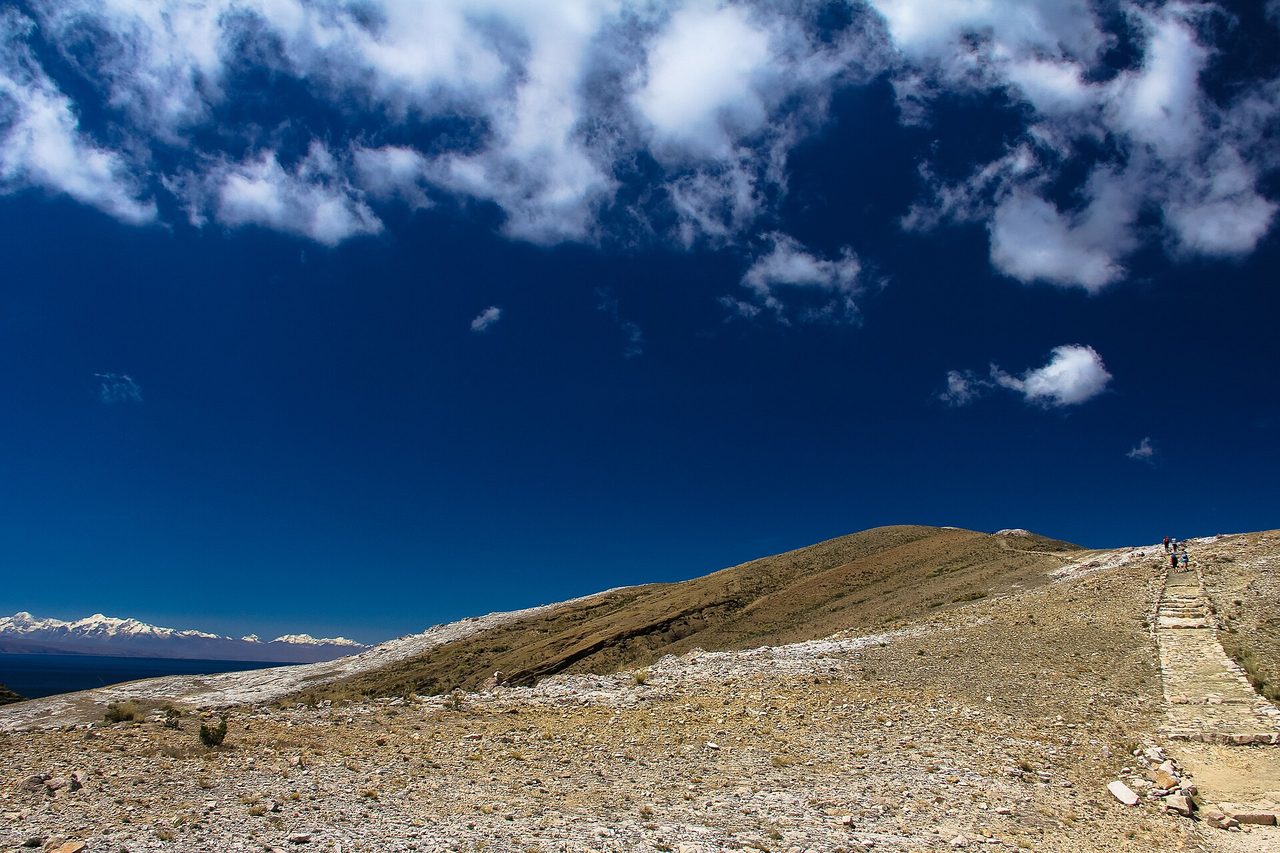
What to do with your days in La Paz
Most itineraries treat La Paz as a transit point between the lake and the salt flats, which undersells it. Two full days is right. Three if you want the Death Road.
The teleférico is the thing to do first, and it is not a tourist attraction — it is the city’s commuter network, a dozen cable-car lines strung across the canyon because streets could not cope with the gradients. A single ride costs a few bolivianos. Take the red line up to El Alto in the late afternoon, get off, look back down at the city filling its bowl, and you will understand the geography of the place in about ninety seconds. On a Thursday or Sunday the El Alto market at the top is one of the largest in South America and sells everything from car parts to llama foetuses.
Below that: the Mercado de las Brujas on Calle Linares, the San Francisco church, the Museo Nacional de Etnografía y Folklore, and salteñas from a street cart at eleven in the morning, which is when Bolivians eat them and when they are actually good. Valle de la Luna is a half hour south of the centre and takes an hour to walk. The Death Road descent from La Cumbre at 4,650 m down to Coroico at 1,200 m is the famous adrenaline day; it is a genuine 3,400 m drop on a gravel shelf, run by a dozen operators of wildly varying quality, and it is the one activity on this trip where paying for the reputable operator is not optional. If that kind of day is what you are after, it slots into the same mental category as the bigger adventure activities on the Peruvian side, and doing both in one trip is a lot.
Bolivian add-ons worth the extra days
If you have more than three weeks, three detours are worth considering, and one is not.
Sucre is Bolivia’s constitutional capital, whitewashed, at a merciful 2,750 m, and the best place in the country to slow down or take Spanish classes. It is roughly a night bus or a short flight from La Paz, and it fits neatly between La Paz and Uyuni if you route through it rather than doubling back. Two or three days.
Potosí sits at 4,090 m and was, for a century, one of the richest cities on earth on the back of the Cerro Rico silver mines. The mine tours are the draw and they are ethically difficult — you are walking through an active, dangerous workplace where miners still die young. Some people find it the most affecting thing they do in South America. Others find it voyeuristic. Decide before you go, not at the entrance.
Rurrenabaque and Madidi put you in genuine Amazon lowland a short flight from La Paz, and Madidi is one of the most biodiverse protected areas anywhere. It is a proper commitment: four days minimum, a small-plane flight, and a total change of climate and altitude. If wildlife is the point of your trip, compare it honestly against what the Peruvian reserves offer — the wildlife you can realistically see in Peru is comparable and the logistics from Cusco are simpler.
The one I would not bother with on a first combined trip is Cochabamba. It is a pleasant city with excellent food and very little that a visitor with limited days needs to see, and the detour costs you two days you could spend on the lake.
On the Peruvian side, the equivalent question is what you sacrifice by going to Bolivia at all. The honest answer is Arequipa and the coast. If Arequipa and the Colca Canyon are high on your list, or you were hoping for the desert oases and the Nazca lines, those are the casualties. A quick look at the spread of places worth visiting in Peru makes the scale of what you are skipping fairly clear.
When to go
The dry season in both countries runs roughly May to September, and it is the only window where the whole route works reliably at once. Clear skies at Machu Picchu, open trekking, drivable salt flats, decent lake weather. June to August is also peak season, peak prices and peak crowding, and the Inca Trail closes for maintenance every February.
The conflict is Uyuni. The mirror season and the good-weather season are opposites. If the reflection matters more to you than anything else, you are looking at January to March, which is also the wettest time in Cusco, the month the Inca Trail shuts, and the period when landslides close the railway to Aguas Calientes for days at a time. That is a real trade, not a technicality.
My compromise picks are late April and early November. Shoulder months, thinner crowds, a decent chance of a shallow flooded corner of the salar without the full wet-season risk, and green landscapes in the Sacred Valley. Neither is guaranteed. For the Peruvian side specifically, our month-by-month look at the best time to visit Peru and the narrower question of when to visit Machu Picchu will let you weigh the rainfall against the crowds properly.
Who should not combine Peru and Bolivia
A short, honest list.
- Anyone with under 14 days. You will spend a fifth of your holiday in transit and see neither country properly. Do Peru. There are strong ten-day and seven-day routes that do not feel rushed.
- Anyone who has not acclimatised, and cannot. If you have had serious altitude sickness before, or you have a heart or lung condition, Bolivia asks more of you than Peru does. La Paz is higher than Cusco and the Uyuni circuit is higher still.
- Anyone who wants beach or jungle. Bolivia’s accessible lowlands are a long way from this route. If you want the Amazon or the Pacific, the days you would spend crossing into Bolivia buy you far more inside Peru.
- First-time South America travellers on a tight schedule. Two currencies, two bureaucracies, one land border and a lot of altitude is a demanding first trip.
- Anyone travelling in February. Peak rain in Cusco, the Inca Trail closed, and the highest chance of a curtailed Uyuni tour. It is the one month I would actively steer people away from.
Conversely, the trip suits independent travellers with three weeks, a tolerance for buses, and a genuine interest in landscape rather than just monuments. It suits second-time visitors to Peru who have already done the classic loop. And it suits anyone continuing south into Chile or Argentina, because Uyuni is a natural stepping stone rather than a dead end.
Practical notes people learn the hard way
A handful of things that do not fit anywhere else but will save you grief.
Strikes and road blockades are normal. Both countries use road blockades as a standard form of protest, and they are more frequent in Bolivia. They are usually announced a day or two in advance and usually last hours rather than days, but they can strand a bus. Build a buffer day before any international flight and do not book the last connection of the day.
Coca is legal in both countries and useless as a souvenir. Chew it, drink it as tea, leave it there. Carrying coca leaves across a border out of the region can create problems you do not want.
The Tiquina strait crossing is not the international border. On the La Paz road your bus is loaded onto a flat barge and you cross separately on a small passenger boat. This is internal to Bolivia and takes twenty minutes. Plenty of travel writing confuses it with the frontier.
Layer for a thirty-degree daily swing. Altiplano days are warm in direct sun and the temperature collapses the moment it sets. The packing logic is the same one that applies to dressing for Machu Picchu, only more extreme — and if you are doing Uyuni in June, add a proper insulated jacket and a hat you can sleep in.
Eat well on the Peruvian side. Bolivia has excellent street food and one or two serious restaurants in La Paz, but Peru is the food destination of the two by a wide margin. The range of Peruvian cooking is one of the strongest arguments for spending your extra days in Lima and Arequipa rather than adding another Bolivian stop, and the restaurant scene in Cusco has become genuinely good in the last few years.
Keep your Peruvian entry details. If you get a paper migration card in Peru, keep it somewhere safe. Losing it means paying a replacement fee at a Banco de la Nación branch before you can leave, which cannot be done at the border. Overstaying carries a small daily fine, payable the same way. A quick read of general Peru travel practicalities before you fly covers most of the rest.
Frequently asked questions
Is it better to start in Peru or Bolivia?
Peru, almost always. Starting in Lima at sea level and gaining altitude gradually through Arequipa, the Sacred Valley, Cusco and Puno means you arrive in La Paz already adapted. Flying directly into El Alto at 4,050 m from sea level is the fastest way to lose three days of your trip to headaches and nausea. The only reason to reverse it is if you are arriving overland from Chile or Argentina.
How many days do you need for Peru and Bolivia?
Fourteen days is the practical minimum and it will feel tight. Eighteen to twenty-one is the sweet spot: enough for Lima, Cusco and Machu Picchu, both sides of Titicaca, La Paz and the full three-day Uyuni circuit, with a buffer day for the inevitable delay. If you only have ten to twelve days, our guidance on how many days Peru itself needs will make the case for dropping Bolivia better than I can here.
Do US citizens need a visa for Bolivia?
No, not since 1 December 2025, when Bolivia moved the United States into its visa-exempt category and scrapped the US$160 reciprocity fee that had applied since 2007. Americans can now enter for tourism with just a valid passport, for stays of up to 90 days in a twelve-month period. You still need to complete the free SIGEMIG online pre-registration before arrival, like every other foreign visitor. Because this change is recent, plenty of published guidance still describes the old fee — check an official source close to your travel date.
How long does the Puno to Copacabana bus take, including the border?
About four hours door to door: two to two and a half hours of driving to Yunguyo, forty-five to ninety minutes for the two immigration stops at Yunguyo and Kasani, then roughly fifteen minutes on to Copacabana. It can be longer if you arrive at the same time as a tour group or around a public holiday.
Which border crossing is better, Kasani or Desaguadero?
Kasani, unless you are on a direct overnight bus. Kasani puts you in Copacabana, gives you access to Isla del Sol, and is a smaller and more pleasant post. Desaguadero is faster on paper and is what most Cusco–La Paz overnight buses use, but it is a grim trucking town with longer queues and it cuts the best part of Lake Titicaca out of your trip.
How do you get from La Paz to Machu Picchu?
There is no direct route, and it is a two-day journey overland. Bus La Paz to Copacabana (about four hours), cross at Kasani into Peru, continue to Puno, then Puno to Cusco (roughly seven to ten hours), then Cusco to Ollantaytambo and the train to Aguas Calientes. Flying La Paz to Cusco with Avianca and continuing by train cuts it to a long single day. Either way, if you are travelling in this direction you are climbing before you descend, so give yourself a night in Cusco before attempting anything strenuous. The various approaches to Machu Picchu from Cusco all start from the same point once you are in Peru.
Is two weeks enough for Peru and Bolivia?
Just about, if you fly at least one leg and accept a shortened Uyuni tour. You will be cutting Arequipa, Colca, the coast and the Amazon entirely, and you will have one day in Cusco. If any of those matter to you, either extend to three weeks or drop Bolivia.
Is the Peru to Bolivia border crossing safe?
Kasani is small, well-used and straightforward, and the main risk is bureaucratic rather than criminal. The standard precautions apply: cross in daylight, keep your passport and valuables on your body rather than in the hold, watch your bag being loaded and unloaded, and do not change large amounts of money with the men at the border, whose rates are poor. Overnight buses through Desaguadero attract more petty theft than the daytime Kasani route.
Is Bolivia cheaper than Peru?
Yes, substantially. Budget travellers report roughly US$25–40 a day in Bolivia against US$40–65 in Peru, and the gap widens at the mid-range because Cusco has become expensive. Bolivia’s move to a floating currency in mid-2026 pushed it cheaper still for anyone spending hard currency. That said, the headline costs of the combined trip — Machu Picchu, the trains, the internal flights — are all on the Peruvian side, so the saving is smaller than it looks.
Should you fly or take the bus from La Paz to Uyuni?
Take the overnight bus if you are comfortable sleeping sitting up: it is nine to twelve hours, costs US$15–60 depending on the operator, and saves you a night’s accommodation. Fly if your schedule is tight or you sleep badly, at around US$125–160 for a one-hour hop. Uyuni’s airport is weather-sensitive, so do not plan a same-day onward connection out of La Paz.
Can you add Chile to a Peru and Bolivia trip?
Yes, and it is the natural continuation. Many three-day Uyuni tours end at the Hito Cajón border and transfer you to San Pedro de Atacama in Chile rather than returning to Uyuni. It saves a day and about the cost of a flight, but you need onward plans from northern Chile. Going the other way, it also means you could reverse the whole route — though that puts you back in the altitude trap described earlier, arriving at Uyuni’s lagoons before you have adapted.
What is the one thing most people get wrong?
Underestimating the transitions. Every itinerary you read online shows a clean line from Cusco to La Paz to Uyuni, and in reality each of those is a half or full day of sitting still, plus the recovery day you did not plan for. Add two buffer days to whatever you have drawn up. If that pushes you over your available time, cut Bolivia rather than compressing it — a well-paced fortnight in Peru with time for proper day trips out of Cusco beats a frantic three-country dash every time.