Peru in the Rainy/Green Season (November-April)
November to April is wet in Cusco and glorious on the coast. Real rainfall numbers by region, the February Inca Trail closure, landslide risk on the railway, and who should book these dates.
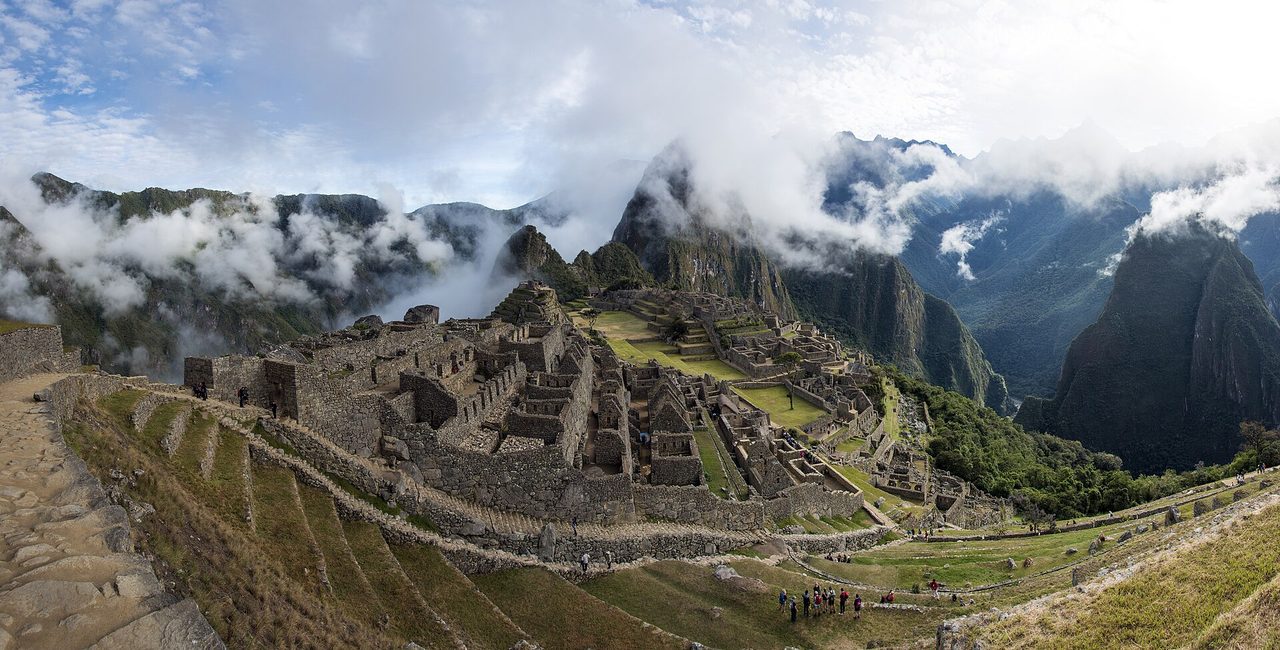
Here is the part almost nobody leads with: the months you are told to avoid in Cusco are the best months on the Peruvian coast. Peru rainy season runs roughly November to April in the Andes and the Amazon, and while January is dropping 145 mm of rain on Cusco, Lima has finally crawled out from under its grey lid and the beaches at Paracas, Ica and up north are at their warmest of the year. So the useful question is not “is the wet season bad?” It is “which Peru am I going for?”
I have travelled in Peru in both halves of the calendar, and the green season is the one I recommend more often than the guidebooks do — with two large caveats that I will not soften. February shuts the Inca Trail completely. And the railway into Aguas Calientes can and does stop for landslides. If your trip has no slack in it, those two facts should change your dates, especially if you are following the tightly scheduled first-timer route. If it does have slack, you get a country at maybe 60 per cent of its peak-season prices, with mountains that are actually green rather than straw-coloured, and Machu Picchu with a daily cap of 4,500 instead of 5,600.
This guide gives you real rainfall numbers by region and month, the honest trade-offs in a table, what the rain in Cusco actually feels like hour by hour, and a straight answer on who should book these dates and who should not.
What the Peru rainy season actually means, region by region
Peru is not one climate. It is three, and they do not agree with each other. That single fact explains most of the confusion.
The Andes — Cusco, the Sacred Valley, Puno, Ayacucho, Huaraz — get their rain from roughly November to April, peaking hard in January and February. Cusco takes about 708 mm of rain a year and roughly two-thirds of it falls in those four months. Days are actually slightly warmer at night than in the dry season, because the cloud cover works like a blanket: Cusco’s average low in January is 6.6°C against 0.2°C in July. Daytime highs barely move all year, sitting between 18.8°C and 20.9°C.
The Amazon — Iquitos, Puerto Maldonado, Manu — is wet all year and wetter from about November to May. Puerto Maldonado goes from 55 mm in July to 345 mm in January. Iquitos never drops below 155 mm in any month. What changes is not really whether it rains but how high the rivers are, and that changes the entire shape of the trip.
The coast is desert, and it does not join in. Lima records about 18 mm of rain across an entire year. The coastal seasons are inverted: Lima’s miserable months are June to September, when the garúa fog sits on the city and the sun barely appears. December to April is when Lima is warm, bright and worth more than a layover, and when the sea gets to about 21°C. If you have been putting off the food and museums of the capital because someone told you Lima is always grey, they were describing the dry season.
Arequipa sits awkwardly between categories. It is technically highland at 2,335 m, but on the dry western side of the Andes, so it collects only 95 mm of rain in a whole year and nearly all of it lands in January, February and March. Even then it is 30–35 mm a month over eight or nine days. That makes Peru’s white city one of the safest wet-season bets in the highlands, though the road up to Colca Canyon is a different matter once it snows on the pass.
Month-by-month rainfall and temperature by region
These are long-run averages, not forecasts. Use them to compare months against each other rather than to predict a specific week. Rainfall is in millimetres; temperatures are the average daily high and low.
| Month | Cusco rain / high–low | Arequipa rain / high–low | Puerto Maldonado rain / high–low | Iquitos rain / high–low | Lima rain / high–low |
|---|---|---|---|---|---|
| November | 72 mm / 20–6°C | 1 mm / 22–9°C | 235 mm / 32–23°C | 245 mm / 33–22°C | ~0 mm / 23–18°C |
| December | 123 mm / 20–6°C | 5 mm / 22–10°C | 280 mm / 32–23°C | 255 mm / 32–22°C | ~0 mm / 25–19°C |
| January | 145 mm / 19–7°C | 30 mm / 21–10°C | 345 mm / 31–23°C | 255 mm / 32–22°C | ~1 mm / 25–21°C |
| February | 134 mm / 19–7°C | 35 mm / 21–11°C | 335 mm / 31–22°C | 275 mm / 32–22°C | ~4 mm / 25–21°C |
| March | 107 mm / 19–6°C | 20 mm / 21–10°C | 275 mm / 32–23°C | 350 mm / 32–22°C | ~3 mm / 25–21°C |
| April | 43 mm / 20–5°C | 1 mm / 22–10°C | 155 mm / 31–22°C | 305 mm / 32–22°C | ~1 mm / 24–19°C |
| July, for contrast | 4 mm / 19–0°C | 0 mm / 22–7°C | 55 mm / 30–19°C | 165 mm / 32–21°C | ~1 mm / 21–15°C |
Three things jump out of that table. Cusco in January gets thirty-six times the rain it gets in July. Arequipa’s worst month is drier than Cusco’s best month by some measures. And Lima’s numbers are essentially flat all year, because the coast’s season is about sun and temperature, not rain. If you want the mirror-image version of this data, the guide to Peru in the dry season covers May to October, and the wider month-by-month overview of when to visit Peru puts both halves side by side.
What rain in Cusco actually feels like
The number 145 mm sounds apocalyptic if you picture it as continuous drizzle. It is not how it arrives.
The classic Cusco wet-season day goes like this. You wake to a clear or mostly clear sky. Morning is bright, sometimes brilliant, and the UV index is savage — Cusco runs a UV index of 12 from December through April, higher than in midwinter. Cloud starts stacking up over the ridges around midday. Somewhere between two and four in the afternoon it breaks, hard, often with thunder, and it rains properly for one to three hours. Then it either clears for a beautiful evening or settles into overnight rain that stops before dawn.
That pattern is why the season is survivable. It rains on 18 days in January, but not for 18 whole days. Cusco still gets an average of 4.3 to 5.5 hours of sunshine a day through the wettest months, against 8.3 hours in July. So you are looking at roughly half the sunshine, not none.
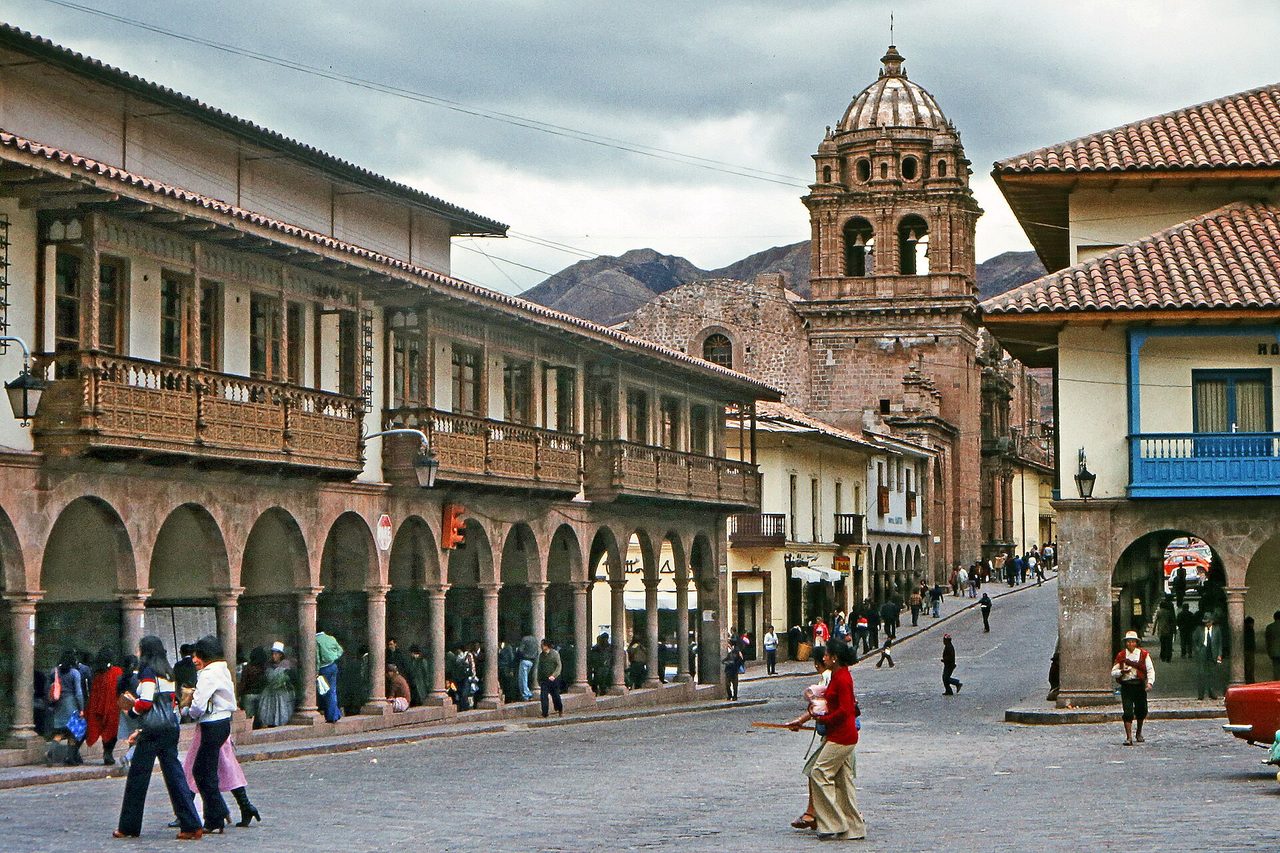
The practical consequence: front-load everything. Book the 6am or 7am entry rather than the 11am one. Do the ruins above the city first thing and save the Inka Museum, the San Pedro market, a cooking class or a long lunch for the afternoon. Cusco is a genuinely good rainy-city because so much of what there is to do in Cusco is indoors: churches, museums, textile cooperatives, chocolate workshops, and some of the best Peruvian cooking in the country.
Two secondary effects worth knowing. Cobbles in San Blas become genuinely slippery, and the streets are steep. And the altitude does not care what season it is, so budget the same two nights of acclimatisation you would in June; Cusco’s 3,400 m hits people just as hard in a warm January as in a freezing July. If anything the wet season is kinder on the lungs because nights are ten degrees warmer, which matters a lot in the many Cusco guesthouses that have no heating.
What you gain and what you lose
An honest ledger. I have seen too many pages list the upsides and bury the downsides in a sentence at the end.
| Factor | What you gain | What you lose |
|---|---|---|
| Price | Low season everywhere. Hotel rates in Cusco and the Sacred Valley are commonly 30–50% below June–August. Trek operators discount. Domestic flights are cheaper. | Christmas to early January and Semana Santa are exceptions and can be dearer than August. |
| Crowds | Machu Picchu’s daily cap drops from 5,600 to 4,500 and rarely sells out. Same-week ticket availability is normal. The Sacred Valley sites feel empty. | Some smaller lodges, trek departures and remote-route operators simply do not run, so the choice narrows. |
| Landscape | The Andes are green rather than brown. Waterfalls run. Terraces are planted. It is the best season for photography in the highlands if you can handle cloud. | Snow peaks are often hidden. Sunrise light is unreliable. |
| Cloud | Dramatic skies, mist pouring through the ruins, no flat midday glare. | A real chance your one Machu Picchu morning is white-out. Rainbow Mountain and Humantay are frequently cloud-in. |
| Cancellations | — | Rail suspensions, road closures and delayed regional flights are a live risk from January to March. Buffer days stop being optional. |
| Mud | — | Every unpaved trail. High passes can be genuinely dangerous. Colca and Manu roads are the worst offenders. |
| Mosquitoes | — | Worse in the Amazon than in the dry months, and dengue risk in lowland Peru is seasonally higher. Repellent and long sleeves, not optional. |
| The coast | Warmest sea, clearest skies, actual beach weather from Paracas to Máncora. | Peruvian domestic holidaymakers are on the same beaches in January and February. |
February is the month with real constraints
If you take one operational fact from this page, take this one: the Inca Trail is closed for the whole of February. Every year. It is not weather-dependent and it is not negotiable.
The closure is ordered by the Dirección Desconcentrada de Cultura de Cusco for annual maintenance and conservation, with work crews sent along the route to repair the sections the rains have damaged. It covers the classic four-day trek, the short two-day version from Km 104, and the five-day and private variations. No permits are issued for February dates at all, so if an agency offers to sell you one, walk away. The trail reopens on 1 March.
What still runs in February, and through the rest of the wet season:
- Salkantay. The main alternative, five days over a 4,630 m pass. It runs year-round but February is its hardest month — the pass gets snow, the descent into the cloud forest is a mudslide, and river crossings swell. Operators still go. Bring proper boots and accept you will be wet.
- Lares. Lower, shorter, more about villages and weaving communities than about the ruins. It handles rain better than Salkantay does and is the one I would pick in February.
- Inca Jungle. Downhill biking plus rafting plus a walk along the old railway. The biking descent is on wet tarmac and the rafting is on high water, so it is objectively more dangerous in the wet season, not less. Check the operator’s safety record rather than the price.
- The train. The simplest answer. Take the train from Ollantaytambo, spend a night in town, and walk in at dawn.
If you had your heart set on the classic route, either move to March or November, or read up on the alternative multi-day treks in Peru before you commit. The full Inca Trail permit and logistics guide covers how far ahead the other months sell out, which matters because February refugees push demand into March.
The railway, landslides and why buffer days are not paranoia
The Urubamba valley below Ollantaytambo is steep, wet and geologically busy. The line into Aguas Calientes runs along the river, and in the rainy season pieces of hillside occasionally arrive on it.
Two recent examples, both real and both instructive. In March 2026 a landslide in the Mandor area at Km 115 suspended rail operations on the Machu Picchu–Hidroeléctrica section — the back-door budget route — for weeks, while the main Ollantaytambo service kept running. In August 2026, a rockslide and fire near Km 107 stopped the Ollantaytambo–Machu Picchu service outright; it reopened the next day. So the disruptions vary from an afternoon to a month, and the back route is far more fragile than the main one.
There is also a scheduled change most travellers do not hear about until they arrive: the Poroy station just outside Cusco is normally closed from around January to April because of landslide risk, which makes Ollantaytambo the only departure point for the wet-season months. That adds a 1 hour 45 minute road transfer to the front of your day. Factor it in when you pick your entry time, and read the train options and fares with that in mind — standard class runs roughly US$35–60 per leg.
My rules for wet-season Machu Picchu, learned the tedious way:
- Sleep in Aguas Calientes the night before your entry. Do not try to do it as a same-day round trip from Cusco between January and March.
- Leave at least one spare day between Machu Picchu and any international flight. Two if you can.
- Buy travel insurance that actually covers trip interruption, and keep receipts.
- Have a plan B that does not need the railway. The Sacred Valley, Moray, Pisac and Ollantaytambo all work in the rain.
Machu Picchu itself in the green season
The site never closes. It is open every day of the year, and there is an argument that mist rolling through the terraces is the more atmospheric version of the place. There is also the counter-argument, which is that you might see nothing at all for two hours.
Both are true. Cloud clears and reforms constantly at 2,430 m; the usual pattern is that mornings burn off and afternoons close in. Book the earliest slot your legs will tolerate. Entry is hourly from 06:00 to 16:00 with a 30-minute grace period on your stamped time, and since June 2024 the site runs on three circuits and ten defined routes, one-way and enforced by rangers. You cannot wander back for a second look if the cloud lifts, which is the single biggest practical difference from how the site used to work and the reason people leave disappointed.
Prices, as of the current tariff: S/163 for a foreign adult on a standard circuit, S/211 if your route includes Huayna Picchu or Machu Picchu Mountain. Those figures went up on 1 May 2026 when SERNANP added a conservation surcharge of S/11 for foreigners and S/5 for nationals on top of the base ticket, which is why you will still see S/152 quoted on older pages. Foreign students and minors pay around S/88 and Andean Community adults around S/69. ISIC cards are no longer accepted for the student rate at Machu Picchu — you need a university photo ID with an expiry date, and they check. The surcharge does not apply to Inca Trail entries. Check the official portal before you pay, because these move.
The Consettur shuttle from town up to the gate is about US$24 return and worth it in the rain; the alternative is a steep 90-minute climb on wet stone steps. Detail on circuits, release dates and how far ahead to buy is in the Machu Picchu ticket guide, and if you are watching costs, doing Machu Picchu cheaply is far easier in these months than in July. For a sense of which months give the best odds of a clear morning, the timing guide for Machu Picchu breaks it down week by week.
One more thing on clothing: a poncho beats an umbrella at the site, because the wind funnels along the ridge, and the stone is lethal in smooth-soled shoes. The what to wear at Machu Picchu notes go into the layering in more detail.
The Amazon in high water is a different trip, not a worse one
This is where the standard advice does the most damage. December to May is high-water season in the Peruvian Amazon, and it is routinely written up as a downside. It is not. It is a different product.
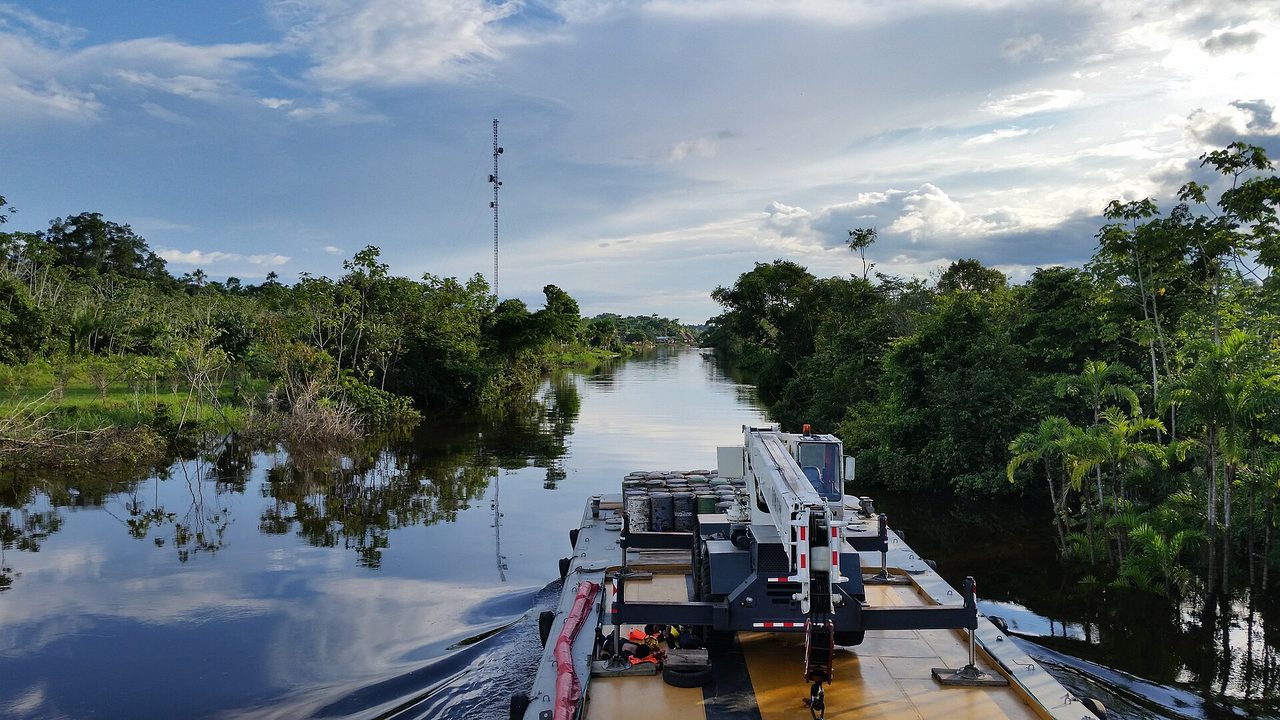
The rivers rise by as much as seven metres. Around Iquitos the flood peaks in about May. What that means on the ground is that your guide takes you by canoe or skiff into várzea, flooded forest, weaving between trunks at what would be canopy height in September. You get eye-level with sloths, monkeys and birds that are thirty metres above you in the dry months. Fishing is generally better. Pink river dolphins are easier to find. The forest is loud.
What you lose is walking. Ground trails are underwater or ankle-deep in mud, so the terra firme hikes and the long night walks either shrink or vanish. Mosquitoes are worse. And in the southern Amazon around Puerto Maldonado, the access roads to remote lodges — Manu especially — become unreliable enough that many operators simply stop selling those routes between December and April. Manu is the one place I would genuinely tell you to postpone.
So: Iquitos in high water, Puerto Maldonado in a pinch, Manu not at all. If your priority is boat-based wildlife watching, the wet season beats the dry. If your priority is trekking through the understorey, it does not. The Peruvian Amazon guide compares the two gateways properly, and the wildlife-by-season notes cover what is actually visible when.
The coast is having its best season while the Andes drown
If you have three weeks and flexible interests, this is the move: put the Andean portion at the front or back, and spend real time on the coast instead of treating Lima as an airport.
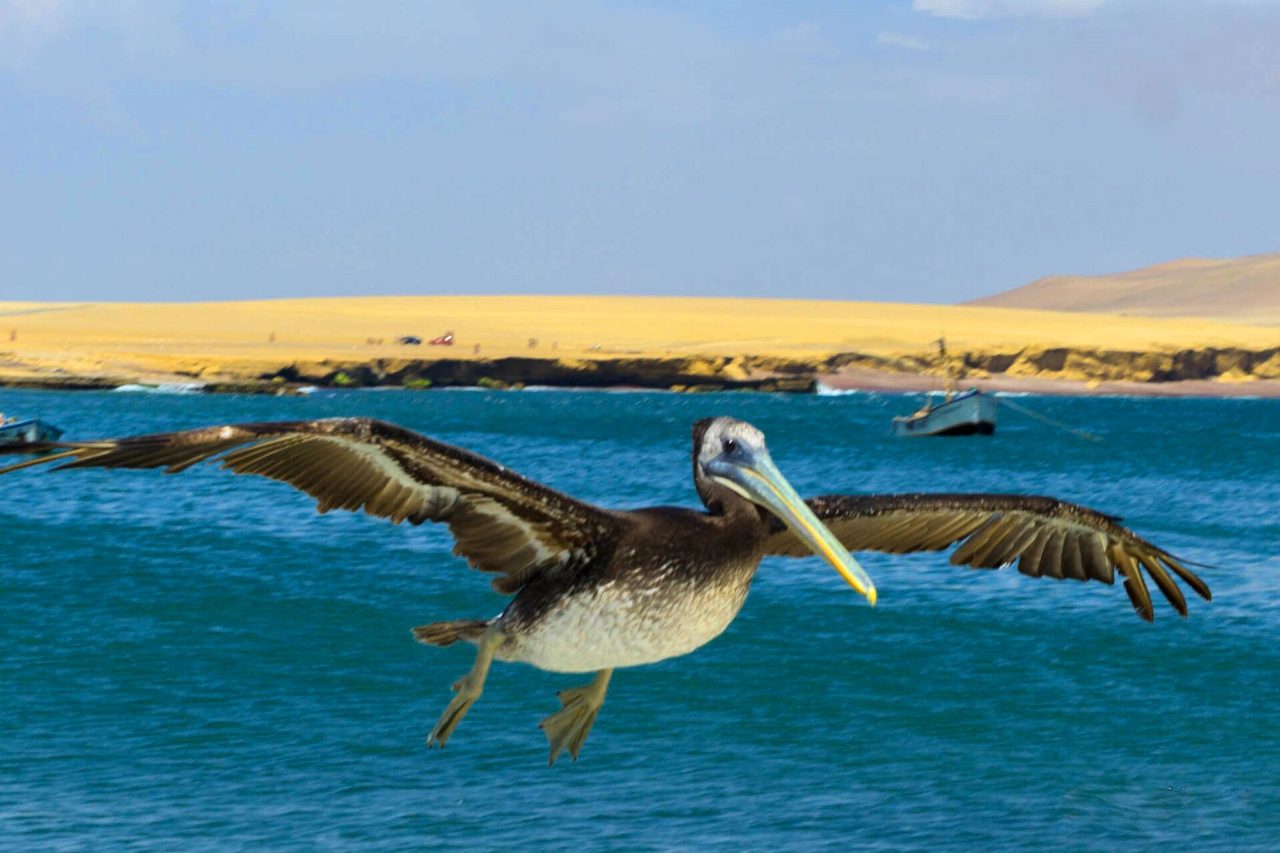
South of Lima, Paracas, the Ballestas Islands, the Ica wine and pisco valleys and the dunes at Huacachina are all at their sunniest and hottest between December and April. Sea lion pups are born on the Ballestas between January and March. Nazca overflights run better in these months than in the winter fog. This whole corridor is covered in the southern coast guide, and it is genuinely under-visited by foreigners in exactly the months it is at its best.
North of Lima, Trujillo, Huanchaco, Chiclayo and the Moche archaeology are dry and warm, and the beaches around Máncora and Lobitos hit 30°C and above. The one caveat is that the far north near Tumbes is Peru’s only genuinely tropical coast and does get heavy rain in December to March, dramatically so in El Niño years. Everything else on the northern circuit is fine. Chachapoyas is the exception inland, where landslides make the mountain roads a bad bet.
Lake Titicaca sits in the middle. It rains, often as short violent hail, and boats to the Uros and Taquile usually still run, but schedules move with the wind. Puno also hosts La Candelaria in early February, which is the largest folk festival in Peru and a legitimate reason to be there in the wettest month. Anyone planning around events should look at the Peruvian festival calendar and the Titicaca practicalities together.
Andean days out that hold up in the rain, and one that does not
The Sacred Valley is the star of this season. Pisac’s terraces, Moray, the Maras salt pans and Ollantaytambo are all better looking green than brown, and the drive between them is short enough that a downpour costs you nothing but a coffee stop. Most of the valley’s sites are also at 2,800–3,000 m, lower and warmer than Cusco, which helps.
The one I would think twice about is Rainbow Mountain. The ridge sits above 5,000 m, and from January to March it is frequently under snow or inside a cloud, meaning the colours you drove four hours for are simply not visible. The trail turns to slick clay, and daytime highs at the top are about 14°C dropping to 2°C. Operators still sell it daily and will not warn you. If you go, go in November or April rather than the deep wet months, and read the Rainbow Mountain reality check first. The same broadly applies to Humantay Lake, though the turquoise water holds its colour better under cloud than a striped hillside does.
Other day trips out of Cusco that work in the wet: the South Valley churches at Andahuaylillas and Tipón, the Chinchero weaving cooperatives, and the thermal baths at Lares. All of them involve less exposure and more roof.
Prices, crowds and the two spikes
This is low season, and Peru prices it accordingly. Expect Cusco and Sacred Valley hotels 30 to 50 per cent below their June to August rates, trek operators running promotions, and domestic flights on the Lima–Cusco route noticeably cheaper. Restaurants take walk-ins. Guides have time to talk.
There are exactly two exceptions, and they are steep. Christmas through the first week of January is a domestic and international peak: Cusco fills, coastal resorts fill, and prices can exceed August. Machu Picchu’s cap goes up to 5,600 on 1 January and on 30–31 December for that reason. Semana Santa, Easter week, is the second spike; it falls in March or April depending on the year, and the cap rises to 5,600 on 2–5 April as well. Book those windows as if it were high season, because for pricing purposes it is.
Outside those two windows, the wet season is the cheapest time to see Peru by a wide margin. If you are costing a trip, the breakdown of what a Peru trip actually costs has seasonal figures, and the transport guide covers where the savings are real and where they are false economy. Overnight buses in the rain, for instance, are exactly the false kind.
What to pack that you would not pack in July
- A proper waterproof shell with a hood. Not a shower-resistant windbreaker. Rain here comes down hard for an hour, not in drizzle.
- A cheap plastic poncho from any Cusco market, about S/5, to go over you and your daypack at once. Locals use them for a reason.
- Boots with real tread. Wet Inca stone and wet clay are the two surfaces that put people on the ground.
- Dry bags or bin liners for camera gear and electronics inside your pack.
- Two pairs of shoes so one can dry overnight. Nothing dries fast at 3,400 m in a room without heating.
- Strong sunscreen anyway. The UV index in Cusco is at its annual maximum in these months, cloud or no cloud.
- Insect repellent with DEET for anything below 1,500 m.
- Quick-dry layers instead of cotton. Warmth is less of an issue than in the dry season; wetness is more.
More general kit and health notes are in the Peru travel tips collection.
Who should book November to April, and who absolutely should not
Book it if you are: a photographer who prefers moody skies and green terraces to flat blue; a budget traveller, because this is the cheapest Peru gets outside the two spikes; someone who wants Cusco without queues and can happily fill an afternoon with a museum and a long lunch; a coast or beach traveller, because this is objectively the coast’s best season; a first-timer with a flexible three weeks who wants to combine Andes and ocean; anyone who wants to book Machu Picchu with weeks rather than months of notice.
Do not book it if you are: building the whole trip around one clear Machu Picchu morning and have no second chance; a high-altitude trekker, because Salkantay, Ausangate, Choquequirao and the Cordillera Blanca are all worse and some are unsafe; travelling with zero schedule buffer, particularly with an international flight the day after Machu Picchu; set on the classic Inca Trail in February, which is simply not possible; determined to see Manu; or someone who will resent paying for Rainbow Mountain and seeing fog.
If you fall into the second group, the fix is usually a date shift of a few weeks rather than a whole rethink. November and April are the shoulder edges of this season and give you most of the price and crowd benefit with meaningfully less rain — Cusco takes 72 mm in November and 43 mm in April, against 145 mm in January. Those two months are, for my money, the sweet spot of the entire Peruvian calendar. For structuring the trip around them, the Peru itinerary planner and the Cusco timing guide are the places to start.
Frequently asked questions
Is it worth going to Peru in the rainy season?
Yes, for most travellers, provided you build in buffer days and are not fixated on a single clear view. You get roughly a third off accommodation, a country that is actually green, a Machu Picchu cap of 4,500 instead of 5,600, and the coast at its best. You give up trekking conditions, some remote lodges, and a guarantee on the weather.
What are the exact months of the wet season in Peru?
November to April in the Andes, with January and February the wettest. Roughly November to May in the Amazon, where high water peaks around May near Iquitos. On the coast there is effectively no wet season at all, and December to April is the sunniest, warmest stretch of the year.
Does it rain all day in Cusco?
Rarely. The typical pattern is a clear morning, cloud building by midday and a heavy burst in the afternoon or overnight. Cusco averages 18 rain days in January but still records four to five hours of sunshine per day through the wettest months. Plan your outdoor activities for the morning and you will lose far less than the rainfall totals suggest.
Is the Inca Trail really closed in February?
Yes, for the entire month, every year, for maintenance ordered by the Cusco culture authority. It covers the four-day classic, the two-day short trek from Km 104 and the longer variants, and no permits are sold for February dates. It reopens on 1 March. Salkantay, Lares and the Inca Jungle route all still operate, and so does the train.
Will landslides ruin my trip?
Probably not, but plan as though they might. Rail suspensions on the Ollantaytambo–Aguas Calientes line during the rainy season usually last hours to a couple of days; the Hidroeléctrica back route is much more fragile and has been out for weeks at a time. Poroy station near Cusco is normally shut from January to April, so all trains leave from Ollantaytambo. Sleep in Aguas Calientes the night before your entry and keep at least one spare day before any flight home.
Is Machu Picchu open in the rainy season?
Every day of the year, including all of February when the Inca Trail is shut. Entry is hourly from 06:00 to 16:00 with a 30-minute grace period, circuits are one-way and ranger-enforced, and tickets are far easier to get than in June to August. Cloud is the real variable, not access.
Is Peru cheaper from November to April?
Substantially, apart from two windows. Christmas to early January and Semana Santa both price like high season and can be worse. Everything else in the November to April band is the cheapest Peru gets: hotels commonly 30 to 50 per cent below peak, discounted treks, and cheaper domestic flights.
Is the Amazon better in the wet season or the dry?
Depends what you want. High water from December to May floods the forest, lets canoes reach areas that are dry land in September, puts you at canopy level with wildlife and improves fishing. Low water is better for hiking trails and has fewer mosquitoes. For a boat-based trip, high water wins. For a walking-heavy trip, it does not.
Should I do Rainbow Mountain in January?
I would not. The ridge above 5,000 m is regularly under snow or cloud in January to March, the trail is deep mud and the colours are often invisible. Tour operators sell it every day regardless. November or April are far better bets if you want the mountain in the same trip.
How many buffer days do I need?
One minimum, two if your itinerary includes the Amazon as well as Machu Picchu, and never schedule your international flight for the day after you come down from Aguas Calientes. Regional flights to Puerto Maldonado and Iquitos also delay more in these months, so treat a same-day connection through Lima as optimistic.