Is Machu Picchu Worth It? Honest Take + Common Mistakes
An honest answer, from three visits: yes, but only if you do three things. Real 2026 costs, the case for and against, who should skip it, and the mistakes that ruin people's day.
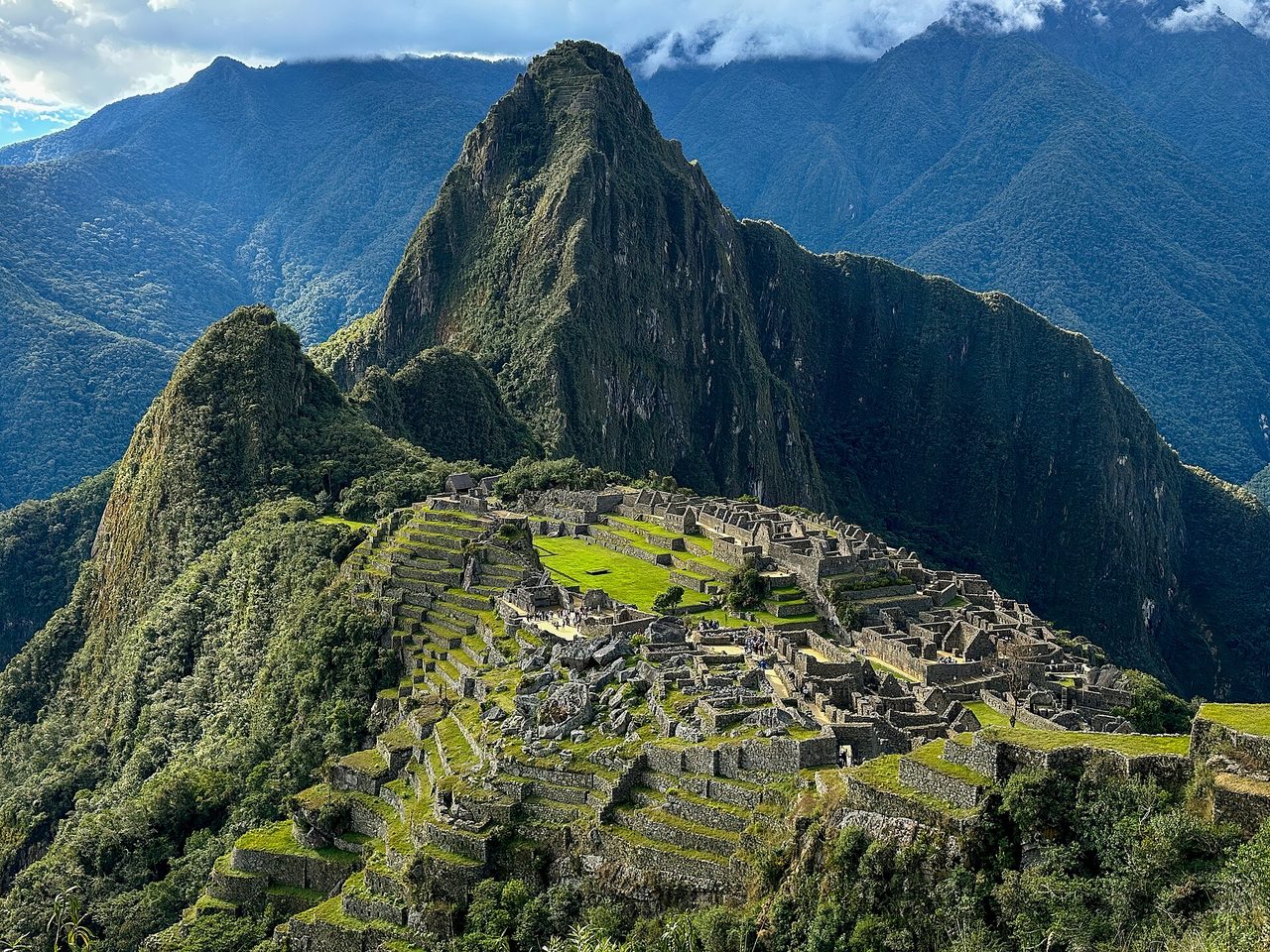
Every few weeks someone asks me the same thing, usually in a slightly embarrassed tone, like they’re admitting to a heresy: is Machu Picchu worth it? Worth the flights, the altitude, the train that costs more per mile than most business-class seats, the ticket that has gone up in price four times in a decade. Worth being one of 4,500 people shuffling along a one-way path through somebody else’s sacred city.
My answer is yes, but it’s a conditional yes, and the conditions matter more than the answer. I’ve been three times now — once badly, twice well — and the gap between those experiences was enormous. Same ruins. Same mountains. Completely different day. What changed was entry time, season, and whether I’d bothered to learn anything before walking in.
So this isn’t a cheerleading piece. Below is what the visit actually costs in 2026, the honest case for and against, who I think should skip it, the mistakes that ruin people’s day, and the alternatives worth considering instead. If you want the full site overview, the complete Machu Picchu guide covers the practical ground in more depth.
The short answer, by traveler type
If you only read one section, read this one.
| If you are… | Verdict | The deciding factor |
|---|---|---|
| A first-timer in Peru with 8+ days | Yes, clearly | Book 3–4 months out, sleep in Aguas Calientes, hire a guide |
| On a tight budget (under $60/day) | Yes, with planning | The entry fee is fixed; everything else is negotiable |
| In Peru for 5 days or fewer | Probably not | You’ll spend 60% of your trip in transit for 3 hours on site |
| A serious ruins/history person | Yes — and add a second site | Ollantaytambo and Choquequirao reward you more per sol |
| Traveling with young kids | Yes, but shorten it | Circuit 1 or 2, early entry, skip the mountain hikes |
| Chasing an empty, “undiscovered” ruin | No | That experience exists in Peru, just not here |
| Nervous about altitude | Yes | At 2,430 m it’s a thousand metres lower than Cusco |
What it actually costs in 2026
People argue about whether Machu Picchu is expensive without agreeing on what they’re counting. The entry ticket is the smallest line item. Here’s the realistic all-in from Cusco, per person, for the standard two-day version — one night in Aguas Calientes, early entry the next morning.
| Cost | Shoestring | Mid-range | Comfortable |
|---|---|---|---|
| Entry ticket (foreign adult) | S/163 | S/163 | S/211 (with mountain) |
| Transport Cusco → Aguas Calientes | S/70 (colectivo to Hidroeléctrica + walk) | S/130–200 (Expedition/Voyager train one way) | S/230+ (Vistadome one way) |
| Return leg | S/70 | S/130–200 | S/230+ |
| Shuttle bus up and down | S/0 (walk, ~75 min up) | ~$24 round trip | ~$24 round trip |
| Night in Aguas Calientes | S/45 hostel dorm | S/120–200 | S/350+ |
| Guide | S/40 (split in a group of 8) | S/60–90 | S/150+ private |
| Food, two days | S/40 | S/90 | S/180 |
| Rough total | ~$115–135 | ~$220–300 | ~$450–600 |
The entry fee rose to S/163 for foreign adults on 1 May 2026 — an S/11 conservation surcharge added to the previous S/152. Circuits that include Huayna Picchu or Machu Picchu Mountain went from S/200 to S/211. Peruvian nationals and Andean Community residents pay roughly a third of that, and foreign under-18s about S/77. Prices shift, so check the official Ministry of Culture portal before you book rather than trusting any figure in a blog post, including mine. The ticket and circuits breakdown goes through which circuit buys you which views.
Two things jump out of that table. First, the ruins themselves are maybe 15% of the bill — the transport is what hurts. Second, the shoestring column is real, not theoretical: the Hidroeléctrica route plus walking the bus road genuinely cuts the cost by more than half, and thousands of people do it every week. It just costs you a day and a set of quadriceps. Our Peru trip cost guide puts these numbers next to the rest of a typical two-week budget.
What the same money buys you somewhere else in Peru
“Worth it” is a comparison, and most articles on this question never name the thing being compared against. So here is the mid-range visit — call it $250 and, realistically, two and a half days — set against what the same outlay buys elsewhere in the country.
| Instead of Machu Picchu | Rough cost | Days | What you get |
|---|---|---|---|
| Tambopata jungle lodge from Puerto Maldonado | $250–350 package, plus the Cusco flight | 3 | Full board, guided walks, macaw clay lick, a river you sleep beside |
| Arequipa plus a two-day Colca trip | S/70 Colca boleto + roughly S/300–450 | 3–4 | Condors at Cruz del Cóndor, a canyon deeper than the Grand Canyon, the best-looking city in Peru |
| The full Cusco Boleto Turístico | S/130, ten days, sixteen sites | 2–4 | Pisac, Ollantaytambo, Moray, Chinchero, Tipón, Pikillacta, Sacsayhuamán |
| Lake Titicaca from Puno, two nights | ~S/250–400 with an island homestay | 2–3 | Uros, Taquile or Amantaní, a night with a family, 3,812 m of cold air |
| Paracas, the Ballestas and Huacachina | ~S/300–450 | 3 | Sea lions, dunes, and food cheaper than Cusco’s |
Read that honestly and Machu Picchu does not win on cost per day. Three days in the Peruvian Amazon buy more hours of actual experience than three hours on a terrace ever will, and Arequipa and the Colca Canyon arguably give you the better week. What Machu Picchu wins on is the thing a table can’t price: there is one of it. The jungle is extraordinary and it is also most of Peru’s landmass; Colca is magnificent and Peru has other canyons. There is no second Machu Picchu, which is why the arithmetic keeps losing to people who have been.
The other half of the sum is time, and that’s the half people underestimate. From Cusco the realistic cost is two nights and the better part of three days: one to reach Aguas Calientes, one for the site and the journey back, and a buffer held against a strike, a landslide or a cancelled train. On a two-week trip that’s a fifth of it. On a nine-day trip it’s a third. Decide whether you’ll spend a third of your holiday on one morning before you decide whether the morning is any good. If the answer is yes but the money is the problem, the stripped-down version of the trip costs about half — and put the dates against the wider shortlist of places that deserve your days first.
The honest case for going
The thing nobody’s photograph conveys is the vertical drama. You see Machu Picchu in pictures as a flat postcard — green terraces, grey stonework, that hump of Huayna Picchu behind. What you don’t get is that the site is perched on a saddle with the Urubamba gorge dropping away on three sides, roughly 400 metres straight down, with the river audible from the top on a quiet morning. The first time I came up over the rise near the guardhouse I actually stopped walking, which is not a thing I do.
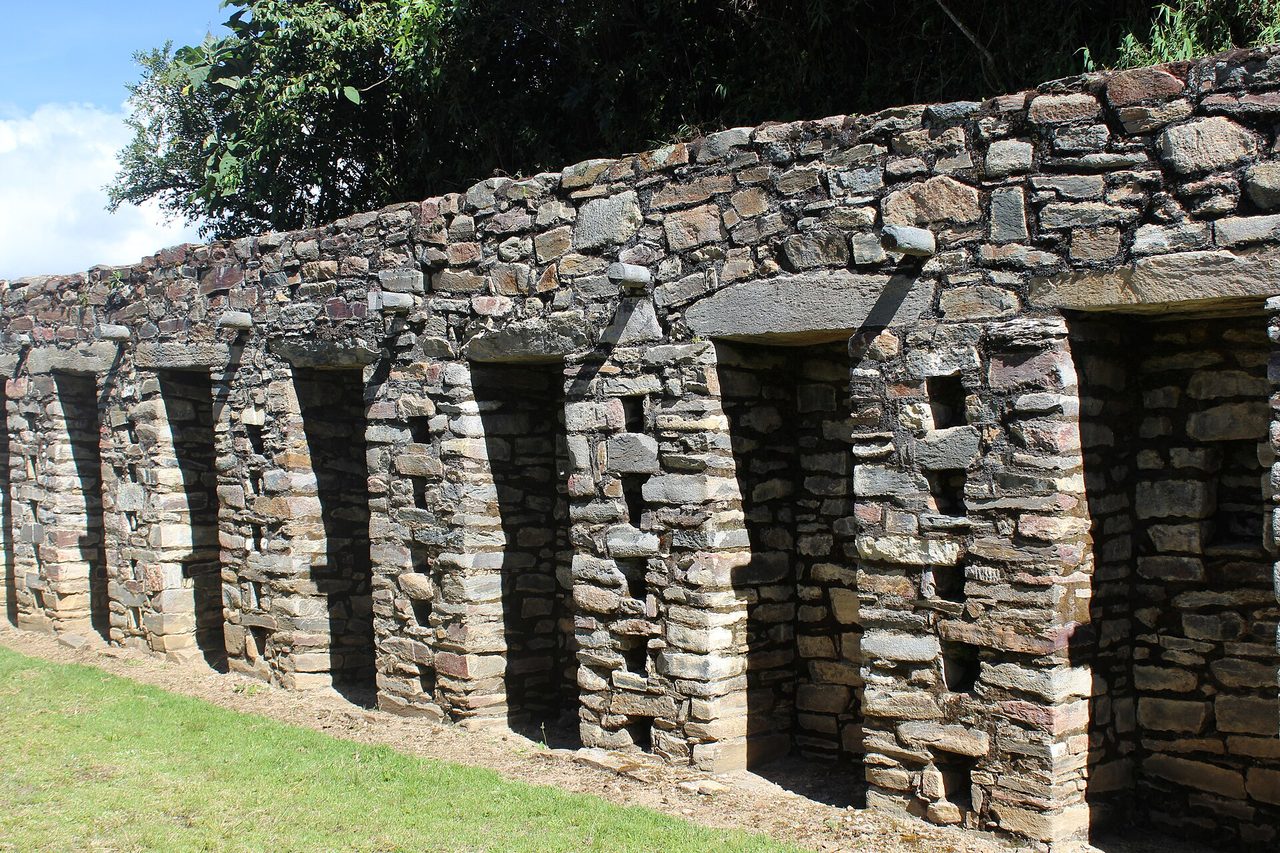
The second argument is engineering. This was built in the mid-1400s under Pachacutec, without iron tools, without the wheel, without mortar in the important buildings — stones cut so precisely that the joints in the Temple of the Sun still won’t take a credit card. It sits on a mountain in an earthquake zone and it’s still standing, largely because the Inca built drainage and foundations most people never see. Roughly 60% of the construction is underground. When your guide points that out, the terraces stop looking decorative and start looking like the load-bearing genius they are.
Third: it’s a genuinely rare survivor. The Spanish never found it, which is why it wasn’t dismantled for its stone or built over with a church, the fate of most major Inca sites — Cusco’s Qorikancha has a colonial convent sitting on top of it. Machu Picchu is the closest thing we have to an intact Inca settlement. The history of who built it and why is more contested and more interesting than the “lost city” story suggests.
Fourth, and underrated: the site has edges most visitors never reach. The Sun Gate — Inti Punku — sits about an hour’s walk above the ruins on the old Inca Trail approach, and it’s free with a Circuit 1 ticket if your route allows it. The Inca Bridge is a twenty-minute flat walk to a piece of cliff-face engineering that would be a headline attraction anywhere else. Both are quiet, because most people have a train to catch. If you’ve built in the time, they’re where the crowds stop being a factor at all. Anyone who arrives on foot via the Inca Trail comes through the Sun Gate at dawn, which is a different experience again.
And people do leave moved. The two most common things I hear afterwards are “the photos don’t do it justice” and “I didn’t realise it was so big.” Both are accurate.
The honest case against
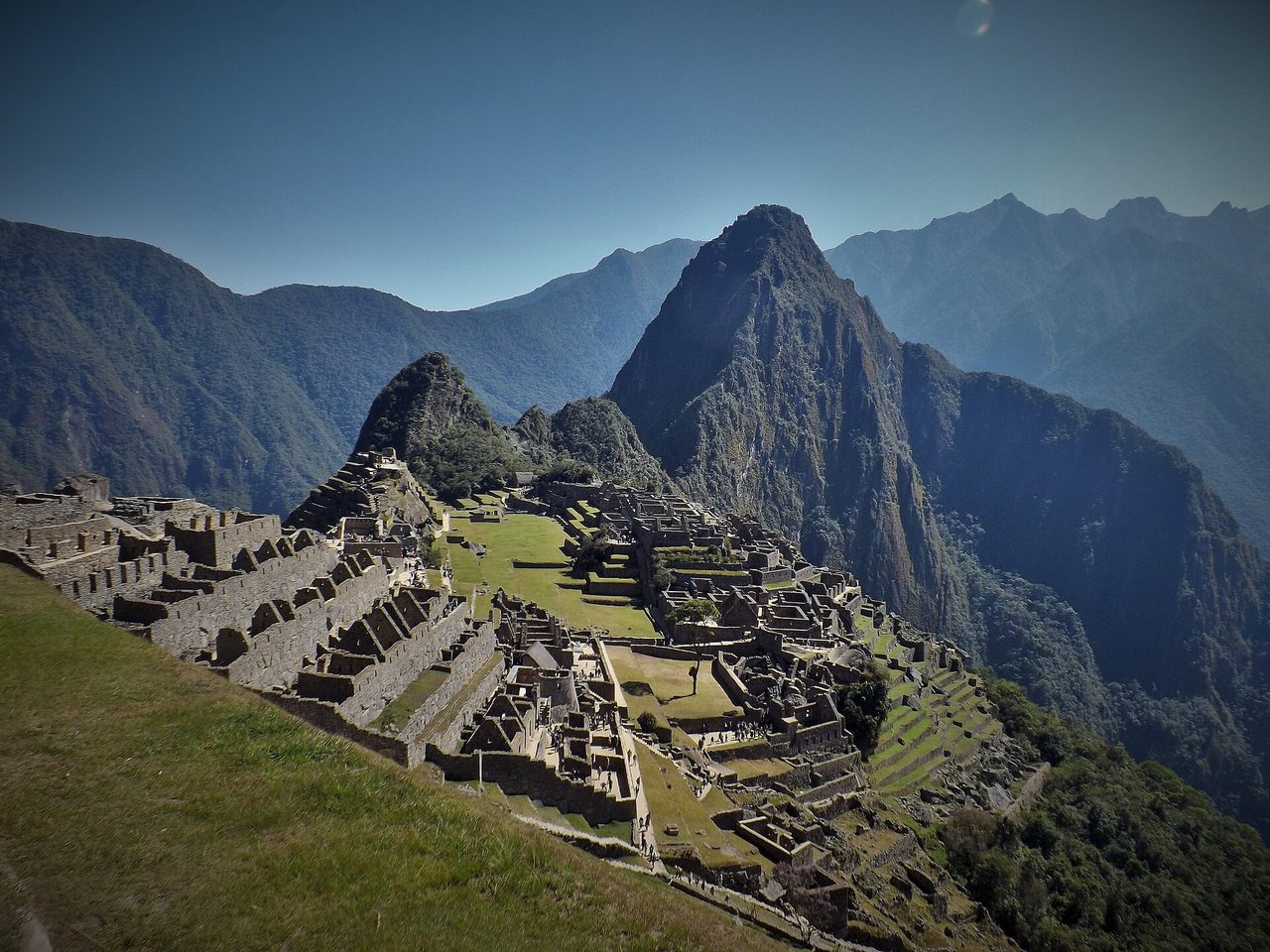
The crowds are real, and they’re concentrated. Daily capacity is 4,500, rising to 5,600 on peak dates — 19 June to 2 November, plus 1 January, 2–5 April and 30–31 December. That sounds manageable spread across a full day. It isn’t spread across a full day. Everyone wants the same guardhouse viewpoint, and between about 10am and midday you will be queuing for a photo behind forty people doing the same thing. Enter at 6am and you can have stretches of the upper terraces nearly to yourself.
You don’t wander; you’re routed. Since June 2024 the site runs on three circuits subdivided into ten routes, and they’re one-way. You can’t double back for a photo you missed, you can’t drift, and you can’t see the whole site on any single ticket. Circuit 1 gets you the panoramic upper terraces and the classic view; Circuit 2 takes you down through the urban sector; Circuit 3 is the lower route. Buy the wrong one and you will not see the picture you came for. Rangers do enforce this.
It’s a fixed-time machine and it punishes improvisation. Entry slots run hourly from 6am to 4pm with a 30-minute grace period, after which you’re refused. Trains are booked separately and sell out. The bus queue in Aguas Calientes starts forming before 5am. Every step is sequential, and missing one can cost you the whole non-refundable ticket.
Without context it really is just old stones. This is the argument I’d push hardest. Machu Picchu rewards knowledge more than almost any site I’ve been to, because so much of what’s remarkable is invisible unless someone points at it — the Intihuatana’s solar alignment, the difference in stonework quality between the temple sector and the workers’ quarters, the terrace drainage layers. Visitors who walk their circuit with no guide and no reading frequently come out flat, and then tell everyone it’s overrated. They aren’t lying. They just saw walls.
The complaints, one at a time
The section above is my own case against. What follows is everyone else’s, pulled from forums and reviews, with a verdict on each. Some are fair. Some are a badly planned day being blamed on a mountain.
“It’s too crowded.” Fair. Roughly 1.5 million people came through in 2024, back to pre-pandemic levels, and Peru’s own state auditor found some routes running well over their authorised capacity during 2025. The daily cap is real but it isn’t spread evenly across the day, and the compression around the guardhouse between ten and midday is the version people photograph and then complain about. You can dodge it. You can’t deny it.
“You get herded along a one-way path.” Fair, and worse than newcomers expect. The complaint I hear most from people whose last visit predates 2024. You can’t stop where you like, you can’t go back for the shot you fluffed, and rangers move you on at the narrow sections. If freedom of movement is a large part of what you enjoy about ruins, that’s a real loss, and early entry doesn’t fix it.
“You can’t re-enter.” Fair, and badly signposted. Once you’re through the exit, that’s the visit. There are no toilets inside, so people step out to use the ones by the gate and find they’ve ended their day.
“Two and a half to four hours isn’t long enough.” Partly fair. It sounds miserly against a two-day journey, and for anyone who wanted to sit somewhere and take it in, it is. But the circuits are shorter walks than the number implies and most people finish before the clock does. Where the limit bites is if you also bought a mountain.
“The photos set an expectation nothing can meet.” Fair, and not the site’s fault. Almost every image you’ve seen came from the same stretch of Circuit 1, in good light, with the crowd cropped or waited out. Reality includes forty people behind you and, half the year, cloud. Arrive expecting the photograph and you’ll mark the place down against it. Arrive expecting a fifteenth-century estate on a ridge and you’ll be fine.
“The logistics are exhausting.” Fair. Train times, bus queues, timed slots, passport checks, a 4:30am alarm and a town that exists largely to sell you things. The route options between Cusco and the site deserve planning like a connection you can’t miss, because that’s what they are. Add a buffer day and most of the stress goes; skip it and one strike or landslide takes the whole thing, which the ground rules for travelling in Peru will tell you is not rare.
“It’s expensive next to everything else in Peru.” Fair, and the strongest of them. S/163 to walk into an archaeological site is a lot in a country where Chan Chan costs S/10 and Caral costs S/11. The defence is that you aren’t paying for the ruins, you’re paying for the railway that reaches them and the concession that drives you up the hill. That’s an explanation, not a justification.
“It’s a tourist trap.” Not fair, and I’d push back hard. A tourist trap is built to extract money from visitors. Machu Picchu is a royal estate from the 1450s with an effective ticketing operation bolted on. Aguas Calientes is a tourist trap. The site is not, and keeping the two apart matters, because a good share of the disappointment people report is really about the town.
Who should genuinely skip it
Most guides won’t say this, usually because they’re selling tours. There are people for whom this is the wrong call:
- If Peru is a 4–5 day stop. Machu Picchu eats two full days minimum from Cusco, plus a day acclimatising before it. On a five-day trip you’d spend most of your time moving and arrive at the site tired. Cusco and the surrounding ruins alone will fill that trip better.
- If your budget genuinely can’t absorb $220–300 without cutting the rest of the trip in half. Spending it here and then eating instant noodles for eleven days is a bad trade. Peru’s cheap pleasures — markets, the coast, food — are where the country is most itself.
- If crowds ruin places for you. Some people can tune out a hundred strangers and some can’t. If you’re the second kind and you can’t get an off-season 6am slot, you’ll be annoyed for $250.
- If what you actually want is solitude among ruins. Then you want Choquequirao, and you should stop reading about Machu Picchu.
If the altitude genuinely isn’t negotiable
I’ve put a yes in the table above for people who are nervous about altitude, and I stand by it — the site is 2,430 m and kinder to you than Cusco. But nervous and unable are different problems. Every practical route passes through height first: Cusco at 3,400 m, or Ollantaytambo at 2,792 m if you fly in and transfer straight down the valley, which is the lowest staging point that works. If a doctor has put your ceiling at 2,800 m, or you’ve reacted badly at that sort of elevation before, the honest answer is that the workarounds are thin and the risk sits on the journey rather than the destination. Read what Cusco’s elevation actually does to people and decide on numbers rather than optimism.
If being routed through a place is what you hate
Some travelers don’t mind crowds at all but can’t stand being told where to walk. If your idea of a good ruin is arriving with no plan, wandering until something catches your eye and doubling back twice, Machu Picchu in 2026 will irritate you from the turnstile onward. The circuits are not a suggestion. Unlike crowding, this isn’t solved by a 6am slot, an off-season month or spending more. Peru’s other Inca sites mostly still let you wander, and for this traveler that’s worth more than the view.
The mistakes that ruin people’s visit
Nearly every disappointed traveler I’ve met made at least two of these. In rough order of how much damage they do:
- Going midday in peak season. The single biggest determinant of whether you love it. July at 11am with no guide is the mediocre version. May or September at 6am is the version people cry at. Our month-by-month timing guide breaks down the trade-off between crowds and rain.
- Booking the wrong circuit. People assume every ticket includes the postcard view. It does not. Read the circuit description twice before paying.
- Skipping the guide to save S/60. On a $250 day this is the worst-value saving available. Guides can also be hired at the entrance gate if you’d rather not pre-book.
- Booking too late. Peak-season dates and mountain add-ons go months ahead. Turning up hoping for same-day tickets is a 2011 strategy.
- Treating it as a day trip from Cusco. Doable, exhausting, and it forces you into the worst entry slots. If you must, the day-trip logistics are worth reading closely first.
- Flying into Cusco and going straight up. Cusco is 3,400 m and will flatten you. Give it two nights, or sleep lower in the Sacred Valley first.
- Wrong shoes. Smooth soles on wet Inca stone is how people get hurt. The packing list exists for a reason.
- Not eating before entry. There’s no food inside and you’ll be there three to four hours after a 4:30am start.
What separates a great visit from a mediocre one
Strip out the variables people can’t control — weather, mostly — and four things decide the day:
Entry time. First slot or last slot. The 6am entry gets you thin crowds and, in the wet months, a decent chance of watching cloud lift off the ruins, which is the single most beautiful thing I’ve seen there. The 2pm–3pm slots empty out as the day-trippers leave for their trains.
Season. April–May and September–October are the sweet spot: the rains have finished or haven’t started, and you’re outside the June–August wall of people. The broader seasonal picture for Peru matters too if you’re routing through the Amazon or the coast.
A guide, or at minimum two hours of reading. Either works. Doing neither is what generates the “just rocks” reviews.
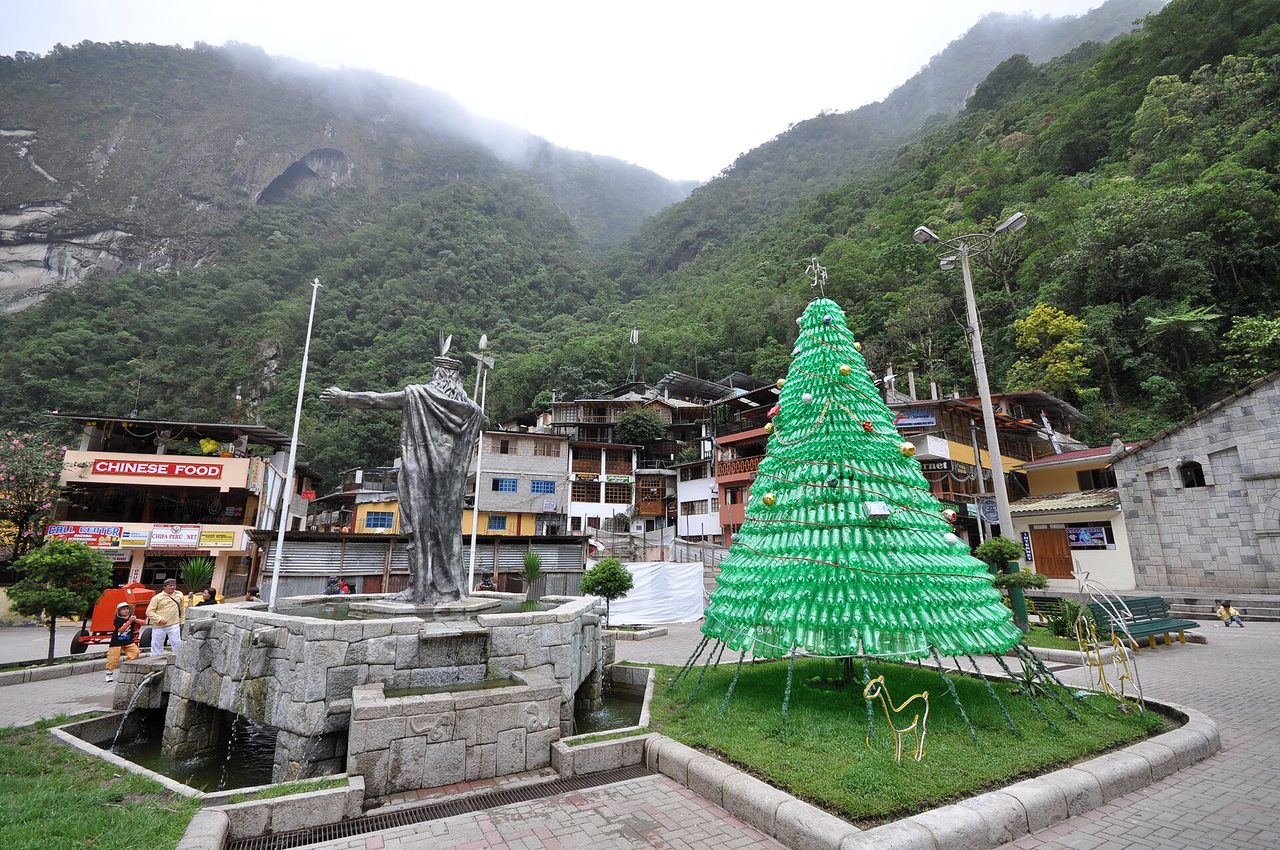
Sleeping in Aguas Calientes. The night before is what buys you the early slot. It’s not a charming town and nobody pretends otherwise, but a night there converts a rushed day trip into a good morning.
Why the same site produces opposite reviews
Read enough reviews and you notice the ratings aren’t shaped the way ratings usually are. There’s no bell curve with a fat middle — there’s a large pile of five stars, a smaller pile of two stars, almost nothing between, and the two piles describe days that barely resemble each other. That gap is the real answer to the question in the title: the variance sits in the visit, not the ruins.
The circuit you bought. The commonest cause of a disappointed review is someone who paid full price and never saw the view they came for, because the lower routes don’t reach the terraces the photographs come from. They don’t usually know that’s what happened. They only know it didn’t look like the picture.
Whether anyone explained it. The flat reviews and the unguided visits are the same population. Read any two-star review and ask whether the writer could tell you what the Intihuatana is for.
What you were expecting. People who turn up expecting a spiritual event get a very nice morning and feel short-changed. People expecting a well-run walk around a fifteenth-century estate get knocked sideways by the setting. Lowering the expectation reliably raises the experience, which is irritating but true.
How wrecked you were on arrival. The underrated one. Someone who flew Lima to Cusco that morning, took an afternoon train, slept badly and got up at four will not enjoy a ruin, however good the ruin. A fair share of the “it was fine, I suppose” verdicts I’ve heard were fatigue talking. Give the approach the days it needs — how long to allow in Cusco first quietly sets this one — and you walk through the gate as a different person.
None of that is expensive to fix. Reading the circuit description costs nothing, a guide costs S/60, an extra night lower down costs less than the train, and managing your expectations is free. Which is why I find it hard to call the site overpriced and easy to call a lot of visits badly bought.
What the day actually looks like
Descriptions of Machu Picchu tend to skip straight to the view. Here’s the unglamorous shape of a standard early-entry day from Aguas Calientes, because knowing this in advance is most of what stops people being disappointed.
4:30am. You’re awake in a small hotel room listening to the Urubamba, which is much louder at night than you expected. There’s no breakfast yet. Eat what you bought the evening before.
5:00am. The bus queue on Avenida Hermanos Ayar is already several hundred people long in high season. It moves faster than it looks — the buses run in a near-constant convoy — but this is the moment people panic. Have your passport and ticket in hand; both get checked.
5:40am. Twenty-five minutes of switchbacks up a dirt road with a drop on one side. If you’re prone to motion sickness, sit on the left going up.
6:10am. Through the gate, and for about ten minutes you’re walking up a path through cloud forest with no view at all. Then the terraces open out. In the wet season there’s a decent chance you’ll see nothing but white — hold your nerve, the cloud usually lifts within the hour and watching it peel off the ruins is better than arriving to a clear sky.
6:30–9:30am. Your circuit. A guide will use about two hours of this, then leave you to finish alone. This is the good part: light still low and gold, temperature pleasant, llamas out on the terraces, and the crowd thin enough that you can stand somewhere for a minute without being asked to move.
9:30am onward. The 9am and 10am entry waves arrive, the sun gets hard and flat, and the site starts to feel like a queue. This is the Machu Picchu that gets called overrated, and it’s the only version most day-trippers ever see.
Rest of the day. Bus down, lunch in Aguas Calientes, afternoon train out. You’ll be back in Cusco or Ollantaytambo by evening, and asleep early.
Total time inside: about three hours. That ratio — two days of logistics for three hours on site — is the real thing people are weighing when they ask whether it’s worth it. It sounds bad written down. In practice, the three hours are the ones you remember.
Alternatives, honestly compared
If the cost or the crowds are the sticking point, these are the real substitutes — not consolation prizes.
| Site | Rough daily visitors | Effort | Cost | Best for |
|---|---|---|---|---|
| Machu Picchu | 4,500–5,600 | Low (train + bus) | $115–600 | The icon, the setting, the engineering |
| Choquequirao | Around 20 | Very high — 4-day trek | ~$250–400 guided | Solitude; roughly three times the size, mostly unexcavated |
| Ollantaytambo | Hundreds | Very low | Boleto Turístico | Best-preserved living Inca town; superb stonework |
| Kuélap | Low hundreds | Low — cable car | ~S/70 day trip | Pre-Inca Chachapoyas fortress, few foreigners |
| Sacred Valley circuit | Varies | Low | Boleto Turístico | Pisac, Moray, Maras in one or two days |
| Chan Chan | A few hundred | Very low | S/10 with the museum | Largest adobe city ever built; pre-Inca Chimú |
| Caral | Dozens | Low — day trip from Lima | S/11 | Oldest city in the Americas, around 5,000 years old |
Choquequirao is the one that genuinely rivals it, and the trek is brutal — two days in and two days out of a canyon, with a fair chance you’ll share the ruins with a dozen people. Kuélap sits up in northern Peru and almost nobody on the gringo trail goes. Neither replaces Machu Picchu so much as offers a different deal: more effort or more distance, in exchange for having the place to yourself.
The one I’d push back on is “just do the Sacred Valley instead.” It’s excellent and it’s cheap, and it is not the same experience — nothing in the valley has that setting.
Choquequirao — the only real like-for-like
Same architects, same century, the same kind of ridge above a river gorge, roughly a third of it cleared. Entry is S/60, paid in cash at the Capuliyoc checkpoint rather than online. The catch is that there’s still no road and, after fifteen years of announcements, still no cable car — you walk in from Cachora and drop around 1,500 m into the Apurímac canyon before climbing the far side. Guided packages run from a few hundred dollars up to about $700 by group size; going independently with a muleteer costs far less and hurts more. Put it against Peru’s other multi-day treks first, because four days is four days.
Ollantaytambo and Pisac — the cheap answer nobody takes seriously enough
Both sit on the Cusco Boleto Turístico: S/130 for ten days and sixteen sites, or S/70 for a partial circuit. Ollantaytambo is the site Peru forum regulars keep naming as their favourite ruins in the country, and the case is strong. The temple hill has stonework at least the equal of anything at Machu Picchu, the town below is still on its original Inca grid with water running in the street channels, and you can climb it at 7am with nine other people. Pisac has the better terracing and the bigger cemetery cliff. Neither has the setting, and that’s the whole trade.
Moray and the salt pans — a different question altogether
Moray’s concentric terraces are on the same Boleto and are the most quietly interesting thing the Inca left that isn’t a temple: circular depressions with a measurable temperature gradient from the top ring to the floor, most plausibly agricultural test beds. The Maras salt pans nearby take a separate local fee of around S/20 and are still worked by the families who inherited the ponds. Half a day, no queue, and together they do what no citadel does — show you the Inca solving a problem rather than announcing power. Good company for the more offbeat end of a Peru itinerary.
Kuélap, Chan Chan and Caral — the pre-Inca argument
Worth stating plainly, because Peruvian guides make this point constantly and foreign itineraries ignore it: the Inca were the last empire in a long sequence, and superb synthesisers more often than sole inventors. Kuélap is a Chachapoya fortress ringed by a wall that predates Machu Picchu by centuries; entry is S/30 and the cable car from Nuevo Tingo about S/26 return, when it’s running — it takes maintenance closures, so check before building a trip around it. Chan Chan outside Trujillo is the largest adobe city ever built, S/10 with the museum. Caral, three hours north of Lima, is roughly 5,000 years old, contemporary with the earliest Egyptian pyramids, and costs S/11. All three sit on Peru’s UNESCO list alongside Machu Picchu, and none will make you queue.
What none of them give you is the reason the queue exists. The setting does an enormous amount of the work at Machu Picchu, and I’d rather say so than pretend a substitute list closes the case. If your objection is crowds, these are excellent. If it’s price, they’re far cheaper. If what you want is that view of that ridge, nothing here will do.
What regret looks like, on both sides
Almost everything written on this question assumes the risk runs one way — that skipping is the decision you’d regret. That’s worth testing, because both regrets exist and they don’t look alike.
The regret of skipping. Slow, and social. Nobody comes home from Peru bereft. What happens is that six months later a colleague scrolls through their photos, or someone asks the obvious question and you hear your own reasoning out loud and it sounds thinner than it did. The people who feel it most sharply skipped for a soft reason — it looked like a hassle, the booking seemed complicated — rather than a decided one. Peru is also a long way from most places and few people go twice, which is the real weight on this side.
The regret of going anyway. Quieter, and mostly financial. The traveler who spent $300 earmarked for two weeks of eating properly, drew a midday slot in July, saw a queue, and ate rice for the rest of the trip because the money was gone. Or the one who compressed nine days into a forced march and remembers the country as a sequence of departures. It gets discussed less, because admitting you didn’t much like the famous thing is embarrassing.
Forum answers are far more evenly split than blog posts are. Ask on a Peru travel board and you’ll get people who were awestruck, people who had a good day and still preferred Ollantaytambo, and long-resident guides who say plainly that if time and money are tight they’d skip it. Several who did skip report no regret at all, and describe trips built out of everything else the country does well — markets, food, the desert coast, Lake Titicaca — that they rate above the morning they didn’t have.
My own read: nobody I know regrets going well. A few regret going badly, one or two regret going instead of something else. If your plan currently looks like the badly version, fix the plan rather than cancelling.
So — is Machu Picchu worth it?
Yes, if you’ll do three things: book far enough ahead to get an early slot, go outside June–August if you possibly can, and arrive knowing something about what you’re looking at. Do those and I’ve never met anyone who regretted it.
No, if you’re squeezing it into a short trip, if the cost will hollow out the rest of your time in Peru, or if you’re hoping for an empty ruin. Those are legitimate reasons to spend the money elsewhere, and Peru has plenty of elsewhere — see the itinerary options for what a Machu Picchu-free two weeks looks like.
What I’d resist is the framing that it’s either a life-changing pilgrimage or an overpriced tourist trap. It’s a very well-organised visit to an extraordinary place, and how much you get out of it tracks almost perfectly with how much thought you put in beforehand.
Frequently asked questions
Is Machu Picchu overrated?
It’s over-photographed, not overrated. The site consistently outperforms expectations for people who see it in good conditions and underperforms badly for people who see it at midday in July without a guide. Most “overrated” reviews describe the second experience. The variable is the visit, not the ruins.
How much time do you actually get inside?
Between 2.5 and 4 hours depending on your circuit, and the clock is enforced. Add 2–3 hours if you’ve bought a mountain hike. Most people find the standard circuit takes about three hours at a comfortable pace with a guide. How many days to allow covers how that fits into the wider trip.
Do you need a guide?
Officially required on some circuits, strongly advisable on all of them. Expect S/50–150 per person depending on group size. You can hire licensed guides at the gate, which is usually cheaper than pre-booking through an agency.
Is the train worth it, or should I take the cheap route?
The Hidroeléctrica colectivo-and-walk route saves roughly $100 each way and costs you most of a day plus a 10 km walk along the tracks. If you’re time-rich and cash-poor, take it. If you have under ten days in Peru, pay for the train. The PeruRail vs Inca Rail comparison covers the classes.
Is Huayna Picchu worth the extra money?
For most people, no — the classic view is from the guardhouse on Circuit 1, not from the summit. Huayna Picchu is a steep, exposed, stair-heavy hour that’s fantastic if you like that kind of thing and miserable if you don’t. The two mountain hikes compared lays out which suits which traveler.
Is it worth visiting in the rainy season?
January and February are a gamble — February is also when the Inca Trail closes — but the shoulder months either side are underrated. Cloud lifting off the terraces at 6am in a light drizzle is better than a flat blue sky at noon, and you’ll share it with a fraction of the crowd.
Is it worth it with kids?
Yes, with adjustments. Under-18s pay a reduced rate and under-8s enter free. Take an early slot, choose Circuit 1 or 2, skip the mountains, and accept you’re doing two hours rather than four. The altitude is easier here than in Cusco, which helps.
Can you do it as a day trip and still enjoy it?
You can do it. Enjoying it depends on tolerance for 4am starts and tight connections — one delayed train and the day collapses. It’s the version I’d choose last, but it beats not going. Read the routes from Cusco before committing.
What’s the single biggest mistake?
Judging the site by other people’s reviews without checking what kind of visit they had. Ask anyone who calls it disappointing what time they entered, what month it was, and whether they had a guide. The answers are almost always 11am, July, and no.
Is it worth it if you’ve already seen Angkor, Petra or the Pyramids?
Closer call than the marketing suggests. People who’ve done the major archaeological sites tend to rank Machu Picchu below Angkor for scale and below Rome for stonework, and first for setting. If you collect these places you’ll want it. On ruins per dollar alone it doesn’t win — the mountain does.
Is a second visit worth it?
More often than you’d think, usually for the people whose first visit went wrong. A different circuit, a different season and a 6am slot produce a genuinely different site, and you already know the logistics. Fixing a bad first visit is a better use of S/163 than most things on sale in Cusco.
What would actually make you say no?
Three conditions together: under a week in Peru, a budget where $250 has to come out of something that matters, and no interest in archaeology beyond the photograph. Any one on its own is manageable. All three and you’re buying an expensive obligation, and given how much of a Peru trip already goes on transport, those days would serve you better somewhere with fewer moving parts.