Sacred Valley of the Incas, Peru: The Complete Guide (2026)
A complete guide to the Sacred Valley, Peru: Pisac, Ollantaytambo, Maras and Moray, how many days you need, where to stay, and how to visit from Cusco and reach Machu Picchu.
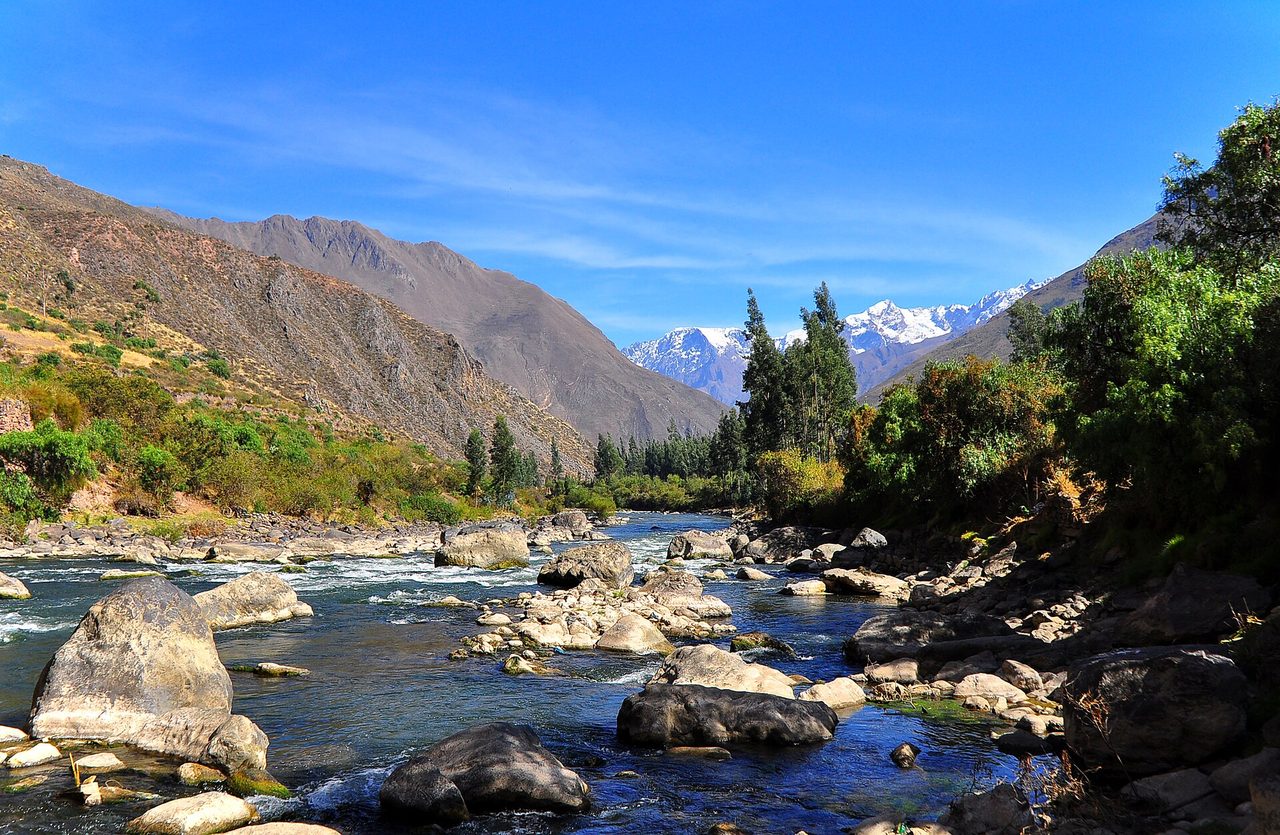
Most people blow through the Sacred Valley in a single rushed day on the way to Machu Picchu, and it’s a shame. This Sacred Valley Peru guide makes the opposite case — that the valley of the Urubamba River might be the most quietly rewarding part of a trip, and the part you should give more time, not less. Lower, warmer and gentler than Cusco, it strings together some of the finest Inca ruins outside Machu Picchu itself, a living Inca town, dazzling salt pans, and a craft market famous across the Andes, with lovely places to slow down and let the altitude settle.
This guide covers everything: what the valley is and where, why it’s the smartest place to acclimatize, the sites worth your time (Pisac, Ollantaytambo, Maras, Moray, Chinchero), how to visit, where to stay, and how it connects to Machu Picchu.
The short version: the Sacred Valley sits between Cusco and Machu Picchu, at a more forgiving altitude of around 2,800 m. The must-sees are the ruins and market of Pisac, the fortress and living town of Ollantaytambo, and the surreal salt pans of Maras with the crop-circle terraces of Moray nearby. Give it two or three days, and base here (not just Cusco) to acclimatize and get an early jump on the train to Machu Picchu.
Who this is for: anyone planning the Cusco–Machu Picchu leg of their trip who wants to do the valley justice. It pairs with our Cusco guide and slots straight into any Peru itinerary.
Sacred Valley Peru at a glance
A little orientation makes the whole region click into place:
- What it is: the fertile valley of the Urubamba (Vilcanota) River, the agricultural and spiritual heartland of the Inca, dotted with ruins, terraces and Andean towns.
- Where it is: northwest of Cusco, between the city and Machu Picchu — the towns spread along the river from Pisac in the east to Ollantaytambo in the west.
- Altitude: around 2,800 m (9,200 ft) on the valley floor — noticeably lower and easier on the lungs than Cusco at 3,400 m.
- The big sites: Pisac, Ollantaytambo, Maras salt mines, Moray, and Chinchero — most covered by the Cusco tourist ticket (Boleto Turístico).
- How long: one rushed day is possible; two to three days does it justice and lets you acclimatize.
| See this | What it is | Roughly how long |
|---|---|---|
| Pisac | Hilltop Inca ruins + a famous craft market | Half a day |
| Ollantaytambo | Terraced fortress + a living Inca town (and the Machu Picchu train hub) | Half a day |
| Maras salt mines | Thousands of terraced salt pools on a hillside | 1–2 hours |
| Moray | Concentric Inca agricultural terraces | 1 hour |
| Chinchero | Andean weaving town, colonial church, ruins | 1–2 hours |
Why you should stay in the Sacred Valley (not just Cusco)
Here’s the insider move most first-timers miss: spend your first nights in the Sacred Valley, not Cusco. Because the valley floor sits several hundred metres lower than the city, it’s a far gentler place for your body to adjust to altitude after flying in — you’ll sleep better and feel human faster. It’s also closer to the Ollantaytambo train station, so you can reach Machu Picchu with less of a pre-dawn scramble, and it’s simply more relaxing: rural, green and quiet once the day-trippers leave. I usually tell people to do a night or two in Cusco to see the city, then move down to the valley — or, if altitude worries you, the valley first. Either way, the question of Sacred Valley vs Cusco as a base is one I come down firmly on the valley’s side, and our Cusco altitude guide explains the acclimatization logic in full.
The best things to see in the Sacred Valley
The valley’s highlights are spread along the river, and you can see them in different combinations depending on your time and your base. Here’s each one, and why it’s worth your while.
Pisac: ruins and the great market
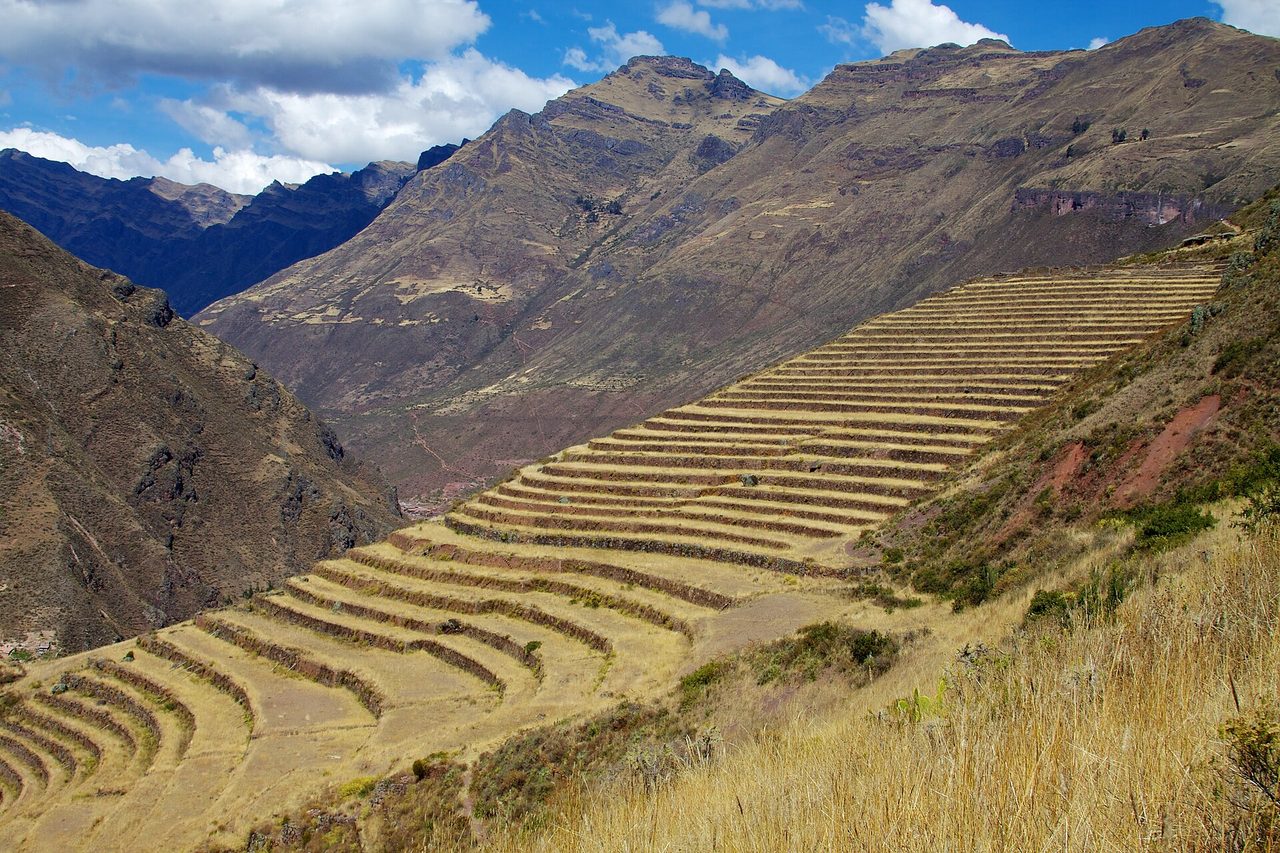
At the eastern end of the valley, Pisac is two attractions in one. High above the town sprawls one of the valley’s most spectacular Inca sites — sweeping agricultural terraces, a hilltop ceremonial center, and, carved into the cliff opposite, what is thought to be the largest Inca cemetery known. Down in the town, the Pisac market is the most famous in the region, a riot of textiles, ceramics, silver and produce that’s busiest (and best) on Tuesdays, Thursdays and Sundays. Do the ruins in the cooler morning, then browse the market and grab an empanada from the wood-fired ovens. Our Pisac guide covers both.
Ollantaytambo: the living Inca town
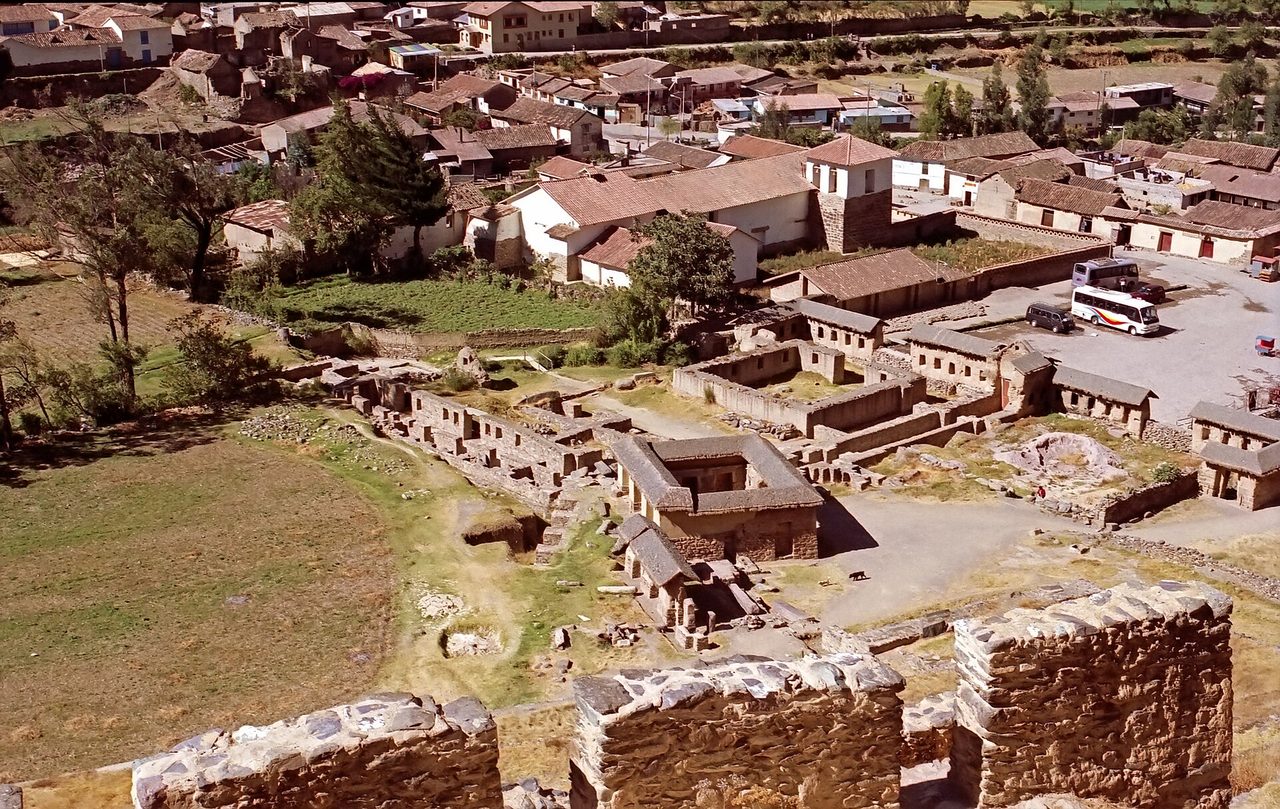
If you see one place in the valley, make it Ollantaytambo. It’s the only “living Inca town” — people still inhabit the original Inca houses along its grid of narrow cobbled lanes, with the Incas’ water channels still running down the streets. Above town rises the great fortress, a steep stack of terraces crowned by the unfinished Temple of the Sun, built from enormous pink granite blocks hauled from a quarry across the valley. It’s also the site of the Incas’ one notable victory over the Spanish. Practically, Ollantaytambo is the main train station for Machu Picchu, which makes it the most convenient valley base — you can climb the ruins in the afternoon light once the tour buses have gone. See our Ollantaytambo guide.
The Maras salt mines (Salineras)
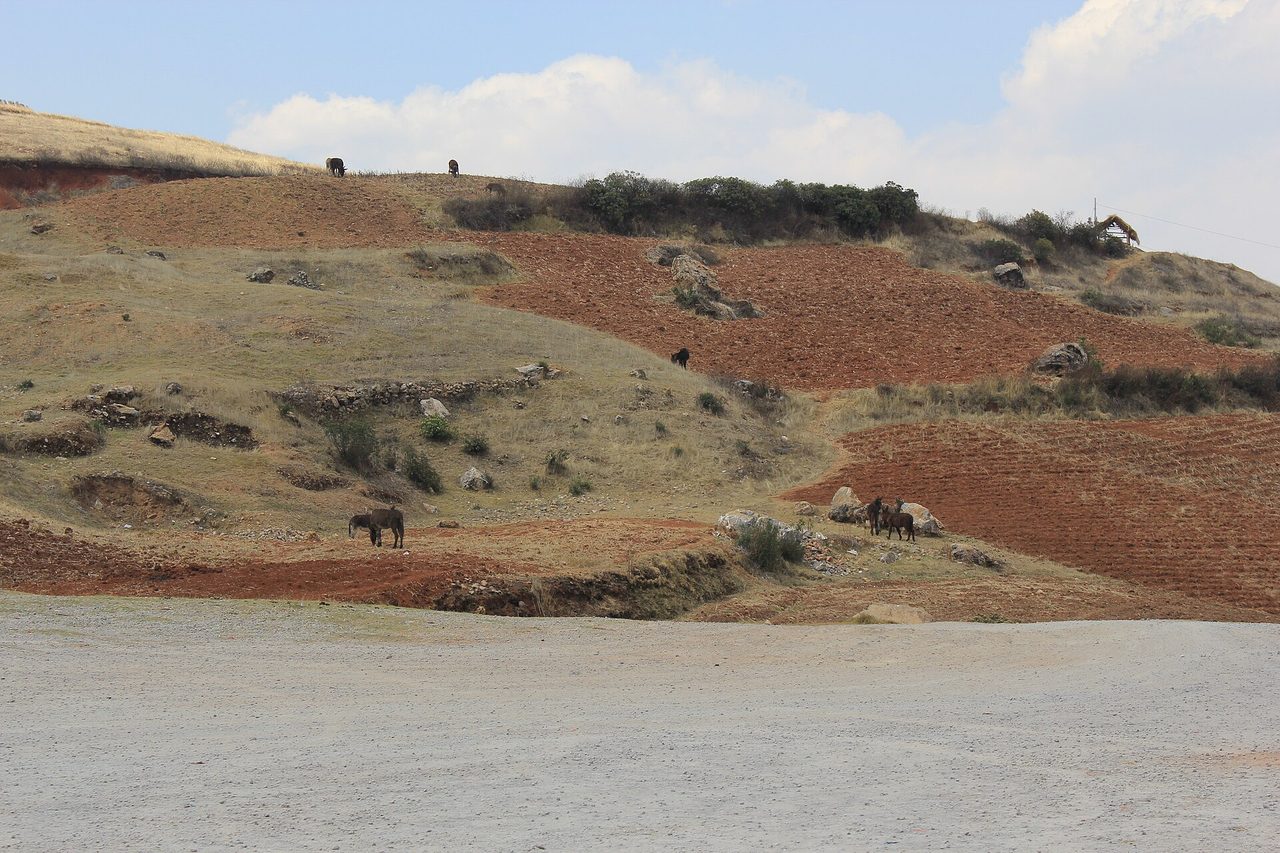
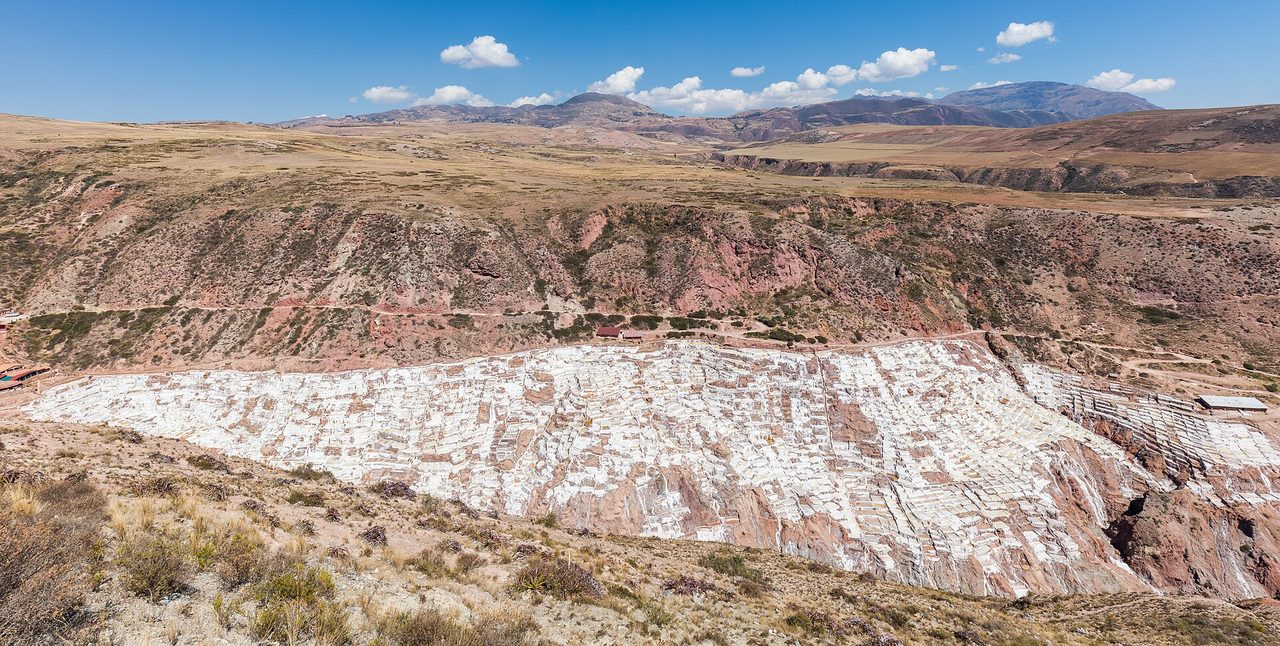
Few sights in Peru are as photogenic as the Maras salt mines: thousands of small, terraced salt pools cascading down a hillside, fed by a naturally salty spring and worked by local families for over 500 years — since well before the Spanish. The patchwork of white, ochre and pink pans is mesmerizing, and you can buy the pink salt itself on site. It’s usually paired with Moray on a half-day. See Maras and Moray.
Moray: the Inca agricultural laboratory
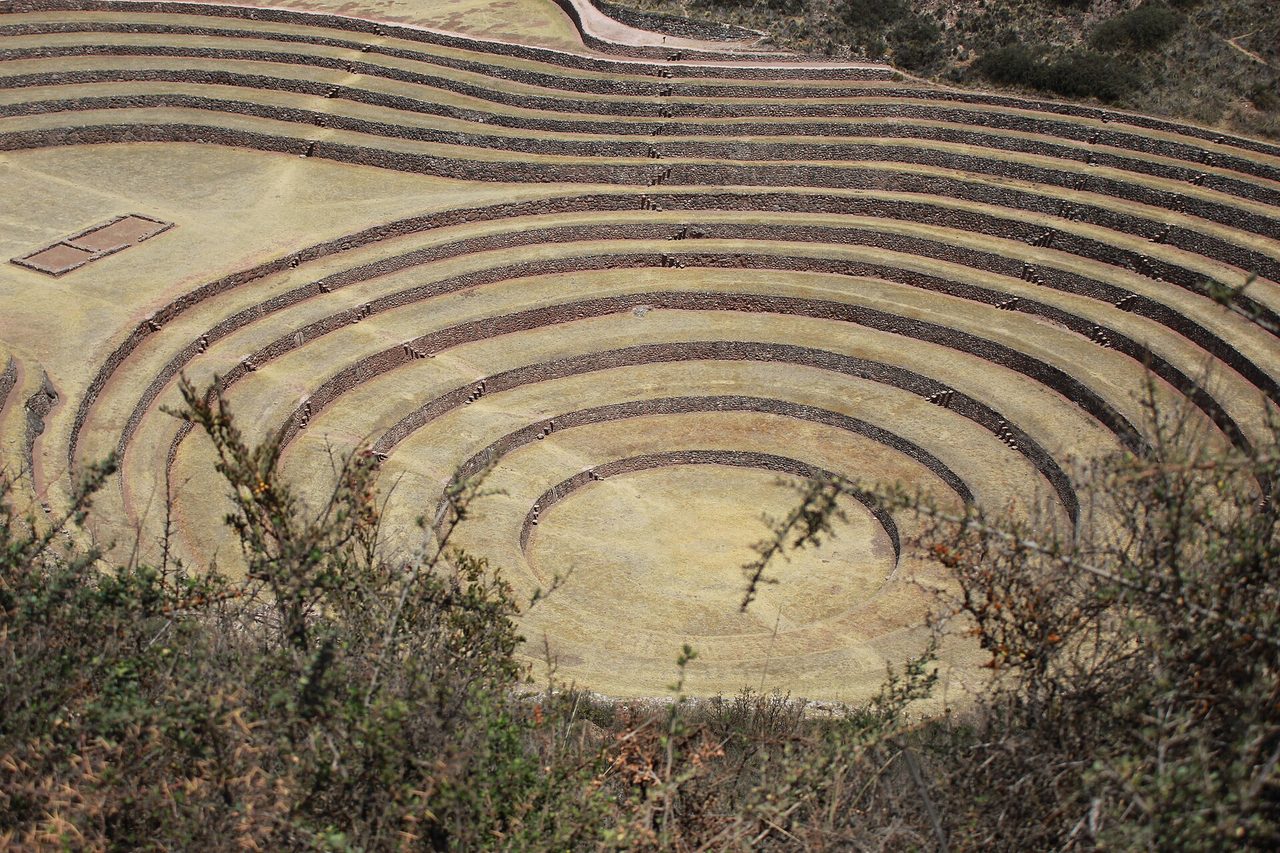
A short distance from the salt pans, Moray is one of the Inca’s most ingenious sites: a series of vast concentric terraced depressions, the deepest plunging around 30 m. The clever part is the microclimates — the temperature between the top ring and the sunken center can differ by as much as 15°C, effectively creating a stack of different growing zones. Many archaeologists believe it was an agricultural research station where the Inca experimented with crops, like an open-air greenhouse. Standing in the middle, it feels almost like an amphitheatre. It pairs naturally with Maras.
Chinchero: weaving and a painted church
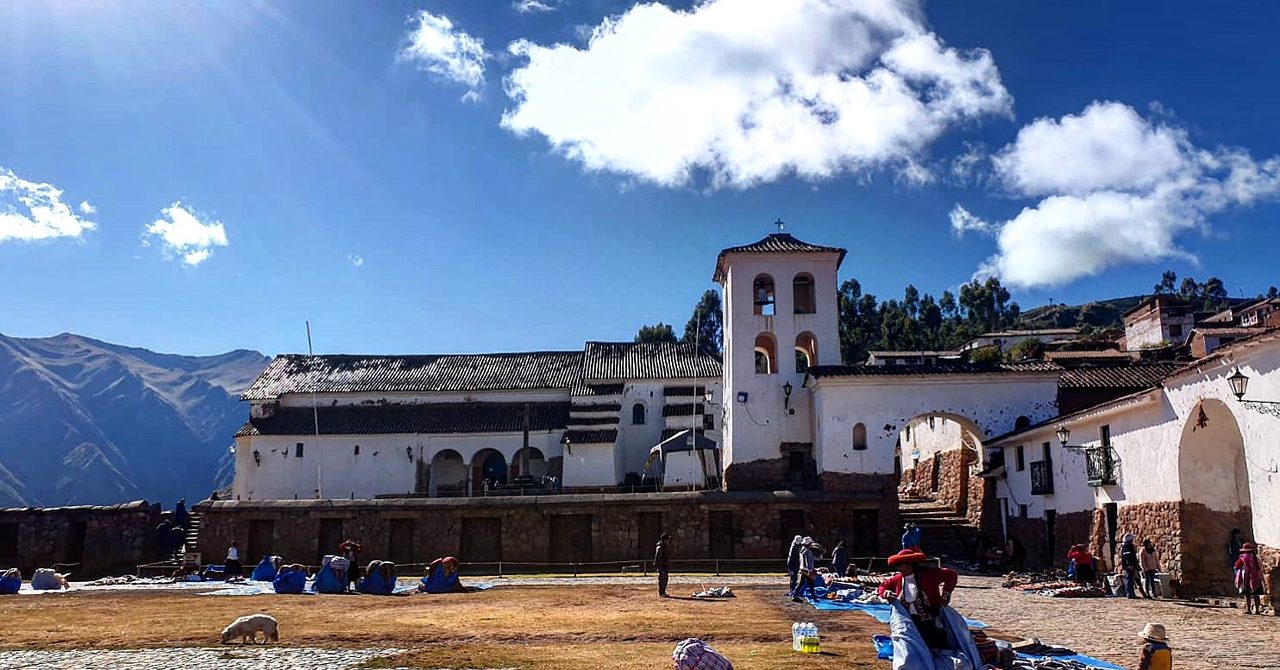
High on the plateau between Cusco and the valley, Chinchero is a traditional Andean town famous for its weaving cooperatives, where you can watch wool being dyed with cochineal and plants and spun and woven by hand — the best place in the region to understand (and ethically buy) the textiles you see everywhere. Its adobe colonial church, built on Inca foundations and richly painted inside, and the Inca terraces below it round out a worthwhile stop, often the first on a full-valley tour. See our Chinchero guide.
Urubamba and the rest
In the middle of it all, Urubamba is the valley’s largest and most central town — not a sight in itself, but a convenient, well-equipped base with good restaurants and easy access to everything (see our Urubamba guide). Beyond the headline sites, the valley rewards the curious: the lesser-visited ruins of Pumamarca above Ollantaytambo, the cliffside Inca shrine of Naupa Iglesia, the Huchuy Qosqo trek, and quiet villages where weekly markets still run. There’s far more here than a single day allows.
How to visit the Sacred Valley
There are two broad ways to do the valley, and the right one depends on your time and your appetite for logistics.
The classic full-day tour
The most popular option is a guided full-day Sacred Valley tour from Cusco, which typically loops Chinchero, Moray, the Maras salt mines, a buffet lunch in Urubamba, and the ruins of Ollantaytambo and Pisac — a lot of ground, with the convenience of transport and a guide who brings the sites to life. The catch is that it’s a long day with plenty of time on the bus, and many tours end by dropping you in Ollantaytambo to catch the Machu Picchu train, which is actually a smart way to chain the two. Our Sacred Valley tour guide breaks down the routes and what to expect.
Doing it independently
With a couple of days and a little patience, the valley is easy and rewarding to explore on your own. Shared colectivo vans run frequently between Cusco, Pisac, Urubamba and Ollantaytambo for a few soles, and taxis are cheap for the off-the-road sites like Maras and Moray. Going independently lets you linger at the parts you love, hit the ruins before or after the tour crowds, and set your own pace — my preferred way if you’re basing in the valley.
The Boleto Turístico
Most of the valley’s Inca sites — Pisac, Ollantaytambo, Moray, Chinchero — aren’t sold individually; entry is via Cusco’s combined Boleto Turístico (tourist ticket). The full ticket covers 16 sites across Cusco and the valley over 10 days; a cheaper partial ticket covers a smaller group. The Maras salt mines have their own separate small entry fee. If you’re seeing several sites, the ticket is good value.
How many days do you need?
One full day, on a tour, gives you a fast overview of two or three highlights — doable, but rushed and bus-heavy. Two to three days is the sweet spot: enough to see the big sites at a human pace, acclimatize, do a short hike or a weaving workshop, and enjoy a valley evening. If your plan includes Machu Picchu, build the valley into a three-or-more-day block. Our how many days in the Sacred Valley guide has sample lengths.
From the Sacred Valley to Machu Picchu
This is where the valley’s geography pays off. Almost all trains to Machu Picchu leave from Ollantaytambo, right in the valley, rather than from Cusco — so basing here means a much shorter, saner journey to the ruins (no two-hour pre-dawn transfer from the city). From Ollantaytambo it’s about 1.5 hours by train to Aguas Calientes, then the bus up to Machu Picchu. Many people do the valley over a day or two, sleep in Ollantaytambo, catch a morning train, and visit Machu Picchu — a clean, low-stress sequence. The full logistics are in our Ollantaytambo to Machu Picchu guide.
Where to stay in the Sacred Valley
Where you base yourself shapes your days. The three main towns each suit a different traveler:
- Ollantaytambo — the most practical base, thanks to the Machu Picchu train station and the gorgeous, walkable Inca old town. Best if Machu Picchu is on your plan or you want the most atmospheric village to wander in the evening.
- Urubamba — central and well-equipped, with the widest range of restaurants and hotels (including several of the valley’s luxury lodges) and easy access to everything. The convenient all-rounder.
- Pisac — smaller and more bohemian, with a lovely market-town feel and good access to the eastern valley. A relaxed, slightly alternative base.
The Sacred Valley also punches above its weight at the top end — some of Peru’s finest hotels and wellness retreats hide among its fields, several with oxygen-enriched rooms to ease the altitude. Whatever your budget, a night or two in the valley beats commuting from Cusco. Our where to stay in the Sacred Valley guide sorts it by town and price, and the country-wide where to stay in Peru hub puts it in context.
The best time to visit the Sacred Valley
The valley follows the Andean seasons: the dry season (May to September) brings sunny days, cold nights and clear conditions — the best time for the ruins and any hiking, and peak season around July and August. The green season (November to March) is lush and quiet, with afternoon rain and the occasional muddy trail. The shoulder months of April, May, September and October are my favorite — good weather, fewer crowds. The valley’s lower altitude keeps its days milder than Cusco’s, but the nights are still cold year-round, so pack layers. See our best time to visit Peru guide.
Getting around and day trips
Within the valley, shared colectivo vans and cheap taxis connect the towns easily, and most hotels can arrange a driver for the day. The valley also makes a handy springboard for some of the region’s big day trips: you’re well placed for Rainbow Mountain and Humantay Lake, and of course for Machu Picchu. Just remember to acclimatize before tackling the highest hikes — the valley is the perfect place to do exactly that.
A sample 2-day Sacred Valley plan
If you want a template that works, here’s the rhythm I’d book, assuming you’ve had a night in Cusco first:
- Day 1: Transfer from Cusco via Chinchero (a weaving stop), then Moray and the Maras salt mines in the late morning, lunch in Urubamba, and check into your valley hotel. Afternoon at leisure to acclimatize.
- Day 2: Pisac ruins and market in the morning, then make your way west to Ollantaytambo — climb the fortress in the afternoon light and stay the night, ready for an early train to Machu Picchu the next morning (or loop back to Cusco).
Stretch it to three days if you want to slow down, add a hike, or simply enjoy a valley spa — few people regret giving the Sacred Valley more time. Fold it into your wider plan with our Peru itinerary guide.
Is the Sacred Valley worth visiting?
Absolutely — and I’d go further: for a lot of travelers it’s the highlight of the Cusco region after Machu Picchu itself, and a more relaxing one than the city. You get world-class Inca ruins with a fraction of Machu Picchu’s crowds, the gentlest place to beat the altitude, a beautiful rural setting, and the most convenient launchpad for the ruins. Skipping it to save a day is one of the most common Peru-trip regrets I hear. Give it the time and it pays you back.
More to do in the Sacred Valley
The ruins are the headline, but the valley has far more going on once you start looking:
- Weaving and culture — a hands-on weaving demonstration at a Chinchero cooperative, an Andean cooking class, or a tasting of chicha (corn beer) in a village.
- Hiking — gentle-to-tough walks like Pumamarca above Ollantaytambo, the day hike to Huchuy Qosqo, or the trail to the Inca quarry across from the fortress.
- Adventure — white-water rafting on the Urubamba, horseback riding through the fields, mountain biking, ATV tours around Maras and Moray, and ziplining — including the jaw-dropping Skylodge, where you sleep in glass capsules bolted to a cliff face.
- Markets — the great craft markets of Pisac and Chinchero, best on their main days, for textiles and souvenirs straight from the makers.
It’s the kind of place where an extra day disappears happily. You’ll find the full menu in our things to do in Peru roundup and the adventure activities guide.
Sacred Valley vs Cusco: which should you prioritize?
People agonize over how to split their time, so here’s my honest take. The Sacred Valley wins for acclimatization (it’s lower), for reaching Machu Picchu (the train leaves from Ollantaytambo), and for rural calm and scenery. Cusco wins for nightlife, restaurants, museums and city buzz. The ideal trip uses both: a night or two in Cusco to see the city, and two or three in the valley to acclimatize, explore and stage your Machu Picchu visit. If you’re forced to choose a base, I’d lean toward the valley for a first visit — it’s kinder on arrival and better positioned. Our Sacred Valley vs Cusco guide weighs it up in detail, and the Cusco guide covers the city side.
A little Sacred Valley history
Knowing the backstory turns the ruins from pretty stones into something far richer. The Sacred Valley was the Inca empire’s breadbasket and a string of royal estates — its lower altitude and fertile floodplain made it perfect for growing maize, and its terraces and irrigation channels (many still in use) were feats of engineering. The emperor Pachacuti conquered and reshaped the valley in the 15th century, building estates like Ollantaytambo and Pisac. When the Spanish came, Ollantaytambo became a stronghold of Inca resistance — the one place the Inca handed the conquistadors a defeat — before the empire fell. The valley you walk today is layered with all of that: Inca foundations under colonial churches, terraces that still feed villages, and water that still runs in 500-year-old channels. It connects directly to our guide on Inca ruins beyond Machu Picchu.
The Sacred Valley by traveler type
Families
The valley is a gift for families — the lower altitude is far kinder to kids than Cusco, and the salt pans, llamas and alpacas, hands-on weaving and gentle ruins keep children happily occupied. Add easy rafting or a horseback ride for older kids, and base somewhere comfortable in Urubamba.
Couples and honeymooners
Few places in Peru are as quietly romantic. The valley hides some of the country’s loveliest lodges and spas, several with oxygen-enriched rooms, and the scenery — terraces glowing at sunset, a night in a cliff-side Skylodge capsule — does the rest.
Adventurers
This is a playground: white-water rafting on the Urubamba, mountain biking around Maras and Moray, day hikes to Pumamarca and Huchuy Qosqo, via ferrata and ziplining, and an easy launchpad for Rainbow Mountain once you’re acclimatized.
Culture and history lovers
The valley is an open-air museum of Inca engineering and living Andean tradition — ruins, terraces and irrigation still in use, weaving cooperatives, and weekly markets where highland villages still trade. Slow down and it rewards you endlessly.
Lesser-known corners of the valley
If you have extra days and want to escape the tour-bus circuit, the valley has plenty of quiet rewards:
- Pumamarca — peaceful, well-preserved ruins on a hike above Ollantaytambo, with hardly anyone around.
- Huchuy Qosqo — a hilltop Inca site reached by a beautiful day hike (or horseback), with sweeping valley views.
- Naupa Iglesia — a mysterious carved cliff shrine with one of the Inca’s most precise pieces of stonework, tucked away off the main road.
- Yucay and Calca — quiet former royal estates and market towns where daily Andean life carries on largely untouched by tourism, with hot springs nearby at Lamay.
- The Cachicata quarry — hike to the “tired stones” the Inca were dragging across the valley to Ollantaytambo when the empire fell.
These are the corners that turn a valley visit into something more personal — and they’re exactly why I keep telling people to give the Sacred Valley more than a day.
Sacred Valley travel tips
- Use it to acclimatize. The valley is lower than Cusco, so it’s the smart place to spend your first nights — but it’s still around 2,800 m, so take it easy and hydrate.
- Pack layers. Warm days flip to cold nights year-round; bring a fleece or down layer and a rain shell in the green season.
- Start early. Hit Pisac and Ollantaytambo before the tour buses arrive (or after they leave) for the ruins almost to yourself.
- Carry cash in soles. Markets, colectivos and small towns are cash-only; ATMs are limited outside Urubamba.
- Get the right ticket. The Boleto Turístico covers most sites; Maras salt mines charge separately.
- Mind the sun. High-altitude UV is fierce even when it’s cool — hat, sunglasses and sunscreen.
For the full health, money and packing rundown, see our Peru travel tips guide.
Sacred Valley FAQ
What is the Sacred Valley of the Incas?
It’s the fertile valley of the Urubamba River northwest of Cusco, the agricultural and spiritual heartland of the Inca empire. Today it’s home to some of Peru’s best Inca ruins (Pisac, Ollantaytambo), the Maras salt mines and Moray terraces, traditional Andean towns, and the main train station for Machu Picchu.
Is the Sacred Valley worth visiting?
Very much so — it’s one of the highlights of the Cusco region, with world-class ruins, fewer crowds than Machu Picchu, a gentler altitude and a beautiful rural setting. Most travelers wish they’d given it more time, not less.
How many days do you need in the Sacred Valley?
One day on a tour gives a rushed overview; two to three days does it justice, with time to acclimatize, see the big sites at a relaxed pace, and stage your Machu Picchu visit. If Machu Picchu is included, plan a three-plus-day block. See how many days in the Sacred Valley.
Should you stay in the Sacred Valley or Cusco?
Ideally both — a night or two in Cusco for the city, and two or three in the valley to acclimatize and reach Machu Picchu more easily. If you must choose one base, the valley is kinder on arrival and better positioned for the train. See Sacred Valley vs Cusco.
What are the must-see places in the Sacred Valley?
The big four: Pisac (ruins and market), Ollantaytambo (fortress and living town), the Maras salt mines, and the Moray terraces — with Chinchero’s weaving and church a worthy fifth. Most full-day tours cover a selection of these.
How do you get to the Sacred Valley from Cusco?
It’s about an hour to most towns. Take a guided day tour, hire a private driver, or go independently by cheap shared colectivo vans from Cusco to Pisac, Urubamba and Ollantaytambo. Taxis cover the off-road sites like Maras and Moray.
Can you do the Sacred Valley in one day?
Yes, on a guided full-day tour that loops two or three highlights — but it’s a long, bus-heavy day and you’ll only skim the surface. Two days is far more comfortable and lets you slow down and acclimatize.
Is the Sacred Valley higher than Cusco?
No — the valley floor sits around 2,800 m, several hundred metres lower than Cusco’s 3,400 m. That lower altitude is exactly why it’s the better place to spend your first nights and let your body adjust.
What is the best time to visit the Sacred Valley?
The dry season (May–September) for clear skies and dry trails, with the shoulder months of April, May, September and October offering good weather and fewer crowds. The green season (November–March) is lush and quiet but rainier. See best time to visit Peru.
How do you get from the Sacred Valley to Machu Picchu?
Trains to Aguas Calientes leave from Ollantaytambo in the valley (about 1.5 hours), then a bus runs up to Machu Picchu. Basing in the valley means a much shorter journey than from Cusco. See Ollantaytambo to Machu Picchu.
What is Ollantaytambo known for?
It’s the only “living Inca town,” where people still inhabit original Inca houses on the old grid of streets, and it’s crowned by a dramatic terraced fortress. It’s also the main train hub for Machu Picchu, which makes it the most practical valley base.
What are the Maras salt mines?
Thousands of small terraced salt pools cascading down a hillside, fed by a salty spring and worked by local families for over 500 years. The patchwork of white and ochre pans is one of Peru’s most photogenic sights, usually paired with Moray. See Maras and Moray.
What is Moray?
A set of concentric Inca terraced depressions that created microclimates — the temperature can differ by up to 15°C between the top and bottom rings — thought to be an Inca agricultural laboratory for experimenting with crops. It’s a short hop from the Maras salt mines.
Is the Pisac market worth it?
Yes — it’s the most famous craft market in the region, full of textiles, ceramics and silver, and busiest on Tuesdays, Thursdays and Sundays. Combine it with the spectacular Pisac ruins above town for a great half-day. See our Pisac guide.
Do you need a guide for the Sacred Valley?
Not strictly — you can explore independently — but a guide adds a lot of context at the ruins, and a guided day tour is an efficient way to see several sites without sorting your own transport. A hybrid (independent base, the odd guided site) works well.
Is the Sacred Valley safe?
Yes, very — it’s rural, friendly and low-key, with the usual minor cautions for markets and crowds. Take normal care of your belongings, use registered transport, and respect the altitude, and you’ll have an easy, relaxed time.
What is the Boleto Turístico, and do I need it?
It’s Cusco’s combined tourist ticket, and yes — it’s how you enter most Sacred Valley sites (Pisac, Ollantaytambo, Moray, Chinchero), which aren’t sold individually. The full version covers 16 sites over 10 days; a cheaper partial ticket covers a smaller group. The Maras salt mines charge a separate small fee.
Can you visit the Sacred Valley on the way to Machu Picchu?
Yes — and it’s the smart way to do it. Many people see the valley over a day or two, sleep in Ollantaytambo, then catch a morning train to Machu Picchu from there. It chains the two together neatly and saves a long transfer from Cusco. See Ollantaytambo to Machu Picchu.
What is Chinchero known for?
Chinchero is famous for its traditional weaving — its cooperatives are the best place in the region to watch wool dyed and woven by hand — as well as a beautifully painted colonial church built on Inca foundations and the Inca terraces below it. It’s often the first stop on a full-valley tour. See our Chinchero guide.
Is the Sacred Valley good for families?
Excellent — the gentler altitude is easier on kids than Cusco, and the salt pans, llamas, weaving demonstrations, markets and gentle ruins keep children engaged. Add rafting or horseback riding for older kids, and base in a comfortable Urubamba hotel for easy logistics.
How far is the Sacred Valley from Cusco?
Close — roughly an hour by road to most of the main towns (Pisac, Urubamba, Ollantaytambo), depending on the route and traffic. Chinchero, on the plateau, is about 45 minutes. That proximity is why it’s so easy to fold into a Cusco trip.
What should you pack for the Sacred Valley?
Layers above all — warm days and cold nights mean a fleece or down layer, plus a rain shell in the green season. Add comfortable walking shoes for the ruins, sun protection for the strong UV, and cash in soles for markets and transport. See our Peru travel tips.
Is one day enough for the Sacred Valley?
You can squeeze the highlights into one long day on a guided tour, but it’s rushed and you’ll spend a lot of it on the bus. Two days lets you see the big sites properly, acclimatize, and enjoy a valley evening — a much better experience, and barely more effort to arrange.
What is the largest town in the Sacred Valley?
Urubamba, in the middle of the valley, is the largest and most central town. It isn’t a sight in itself, but it has the best range of hotels and restaurants and easy access to everything, which makes it a convenient all-round base. See our Urubamba guide.
Can you do Rainbow Mountain from the Sacred Valley?
Yes, though it’s a long day — an early start and a few hours’ drive each way, plus a high-altitude hike. Many operators pick up from valley hotels. Just be sure you’re well acclimatized first, since the trail tops out above 5,000 m. See our Rainbow Mountain guide.
Is the Sacred Valley expensive?
It spans every budget. You can travel cheaply on colectivos, hostels and market lunches, or splurge on some of Peru’s finest lodges and spas. The main fixed costs are the Boleto Turístico and, if you’re heading on, the Machu Picchu train. Overall it’s good value, like most of Peru.
When is the Pisac market?
The Pisac craft market runs daily, but it’s biggest and most atmospheric on its main days — Tuesdays, Thursdays and especially Sundays — when villagers come down to trade and the produce market swells. Pair it with the Pisac ruins above town for a great half-day.
Do you need to acclimatize in the Sacred Valley?
The valley is actually where you acclimatize — at around 2,800 m it’s the gentlest part of the high Andes, which is exactly why spending your first nights here rather than in higher Cusco is the smart move. Take it easy, hydrate, and you’ll be ready for the higher sites and hikes. Our Cusco altitude guide explains the strategy.
What animals will you see in the Sacred Valley?
Domesticated llamas and alpacas are everywhere — grazing the terraces and kept by weaving communities — and you’ll likely spot Andean cattle and sheep in the fields. With luck you might glimpse wild Andean birds, and the higher day trips can turn up vicuñas and even condors — my guide to wildlife in Peru sets out where each is a realistic sighting. It’s a working agricultural landscape, so the animals are part of the scene.
Final thoughts
The Sacred Valley is the part of Peru I’d most encourage you not to rush. Spend a couple of nights down among the fields and ruins, let the altitude settle, watch the light move across the terraces, and you’ll arrive at Machu Picchu both acclimatized and already a little in love with the Andes. Build it into the Cusco–Machu Picchu heart of your trip using our Peru itinerary guide, and read on in our Machu Picchu and Cusco guides.
Sources
- PROMPERÚ — the official Peru tourism board
- UNESCO World Heritage Centre — Historic Sanctuary of Machu Picchu
About this guide: Written by the Peru Tourism Guide team — writers and trip-planners who have spent weeks exploring the Sacred Valley’s towns, ruins and trails. We keep this guide current as prices, tickets and schedules change.
Last updated: June 2026.