Peru in December, January & February (Green Season)
The green season is underrated in the Andes and genuinely excellent on the coast — but February is a real problem. Rain-day numbers, the Inca Trail closure, landslide risk and what you actually save.
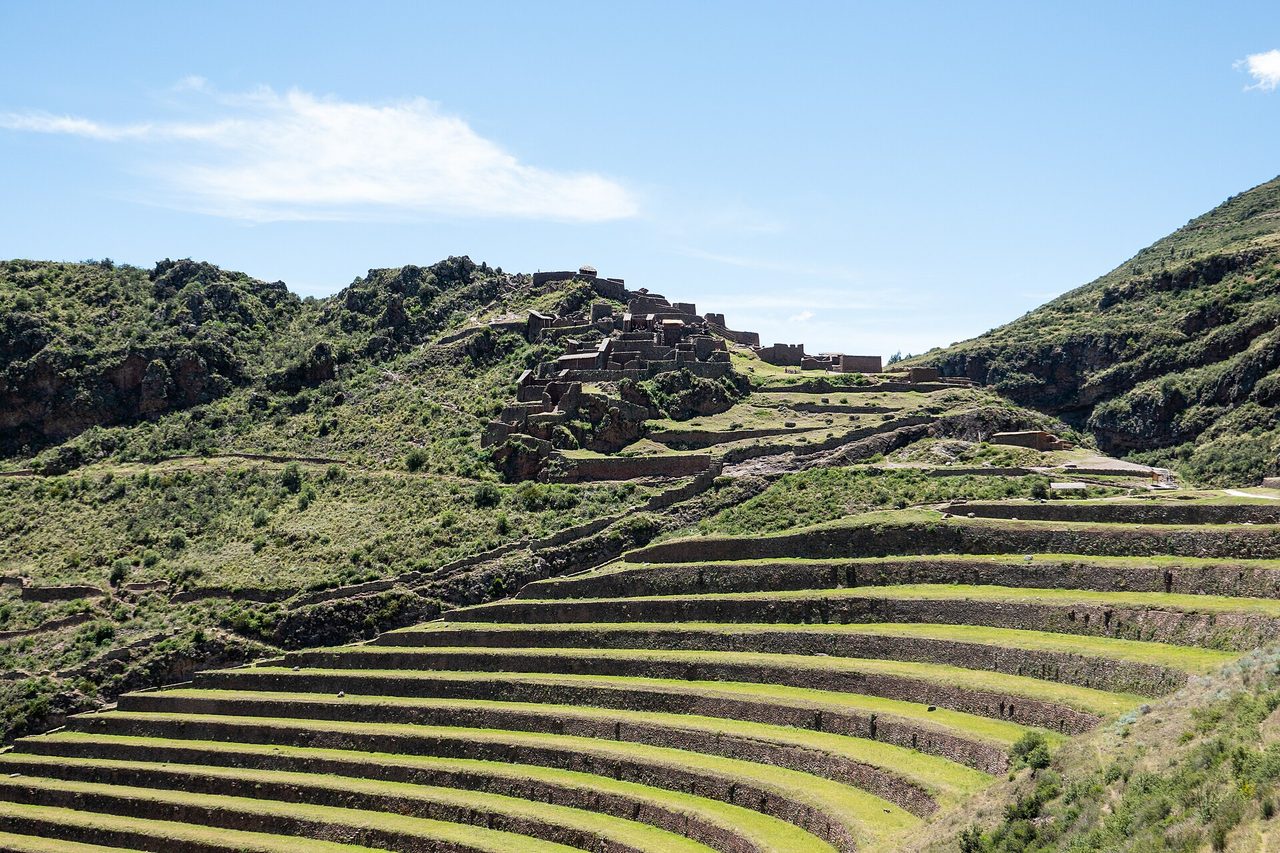
The received wisdom on Peru in December, January and February is that you shouldn’t go. Almost every guide I read before my first green-season trip said the same three things: it rains, the Inca Trail shuts, come back in June. Two of those are true. The third is lazy advice, because it assumes your whole trip is Cusco and Machu Picchu, and it quietly ignores the fact that this is the only stretch of the year when Peru’s entire coastline is warm and sunny.
So here is the honest version. The Andes in these three months are wetter, greener, cheaper and much emptier than in July. The coast is genuinely excellent. The Amazon is different rather than worse. And February is a real problem — not a mild inconvenience, a real problem — which I’ll spell out with numbers rather than telling you to pack a poncho and hope.
Peru in December, January and February: the short version
Peru doesn’t have one climate, it has three that run on different calendars. The rule that matters is this: when the highlands and the Amazon are wet, the coast is dry and hot. When the highlands are dry (roughly May to September), the coast sits under a grey marine fog for months. There is no month when all three are at their best. Understanding that inversion is most of what you need to know about how Peru’s seasons actually work.
Quick verdicts before the detail:
- December — the best of the three by a clear margin. Rain has started in the Andes but hasn’t settled in. The coast has warmed up. The only catch is that the last ten days are the busiest and priciest of the entire green season.
- January — properly wet in the highlands, but workable. Cheapest flights and beds of the year once the New Year rush clears, usually from about the 6th. Peak domestic beach season.
- February — the wettest and cloudiest month in Cusco, the Inca Trail is closed for the whole month, and landslide risk on the Machu Picchu rail line is at its annual high. Excellent on the coast. Difficult in the mountains.
If you have flexibility and want the green season anyway, take December over February every time. If your dates are fixed in February and your trip is highlands-heavy, read the sections below carefully before you book anything non-refundable.
Month by month, region by region
Most guides give you one national temperature range, which is useless in a country that spans desert, 3,400 m mountains and rainforest. Here is the same three months split four ways. Rain days mean days with at least 1 mm recorded, not days of continuous rain — a distinction that changes the whole picture in the Andes.
| Region | December | January | February |
|---|---|---|---|
| Cusco & the highlands (3,400 m) |
20°C day / 7°C night. Around 130–160 mm over roughly 16 rain days. About 5 hours of sun a day. Verdict: good. Mornings usually clear. |
20°C day / 7°C night. Around 145–160 mm over 18–19 rain days. About 4.5 hours of sun. Verdict: workable with morning starts. |
20°C day / 7°C night. The wettest month, and the cloudiest of the year at roughly 120 hours of sun for the whole month against about 255 in July. Verdict: the hard one. |
| Lima & the central coast (sea level) |
24–25°C day / 18°C night. Effectively no rain. Fog finally gone. Verdict: Lima at its best. |
26°C day / 19°C night. Clear, hot afternoons. Verdict: excellent. |
26–28°C day / 20–21°C night. The warmest month of the Lima year. Verdict: the single best month on this coast. |
| South coast (Paracas, Ica, Huacachina, Nazca) |
28–30°C, no rain, strong afternoon wind in Paracas. Verdict: in season. |
30–32°C, no rain. Dunes are brutal at midday. Verdict: in season, go early and late. |
30–32°C, no rain, busiest weekends of the year. Verdict: hot, sunny, crowded with Limeños. |
| North coast (Máncora, Punta Sal, Vichayito) |
30°C, sea around 24°C, roughly 1 rain day. Verdict: the reason to come. |
30°C, sea 25°C, occasional short storms. Verdict: peak beach month. |
31°C, sea around 25°C — the warmest water of the year — but also 6–7 rain days and about 90 mm. The far north has its own summer rain pattern. Verdict: hot and swimmable, occasionally stormy. |
| Amazon (Iquitos, Puerto Maldonado) |
30–32°C day / 22°C night, 250 mm+. Rivers rising fast. Verdict: high water beginning, lodges quiet. |
Same heat, similar rain. Water levels well up. Verdict: canoe country. |
Marginally the coolest month, still around 31°C. Water high and still climbing towards the March–May peak. Verdict: great by boat, poor on foot. |
One caveat on the Cusco figures: weather stations in the Cusco basin disagree with each other by a lot, and February in particular is quoted anywhere from 135 mm to 246 mm depending on which dataset you read. The shape is consistent even when the totals aren’t — December is drier than January, January is drier than February, and February is the cloudiest month of the year. Treat the exact millimetres as indicative and the ranking as solid. There is more on the underlying patterns in our breakdown of Peru’s weather by region.
What Andean rain actually looks like
“Eighteen rain days in January” sounds like eighteen wasted days. It isn’t. In the Cusco region the rain is convective: the ground heats through the morning, cloud builds from late morning, and it comes down between roughly midday and 5pm. Individual bursts usually last 30 minutes to a couple of hours. Mornings in December and January are clear far more often than not, which is why every sensible operator in the Sacred Valley schedules the good stuff before lunch.
What that means in practice:
- Book the earliest entry slot you can get for anything outdoors. The 06:00 and 07:00 slots at Machu Picchu are worth the early alarm in a way they simply aren’t in June.
- Plan indoor or town-based afternoons: markets, museums, cooking classes, the long lunch. Cusco has enough to fill wet afternoons, and eating well is not a hardship in a city with this restaurant scene.
- Accept that a whole-day washout happens. In February it happens more than once a week.
February breaks the pattern, and that’s the crux of it. With around 120 hours of sunshine in the entire month, the rain stops being an afternoon event and starts being the weather. Days come in grey and stay grey. That’s a different trip from December, and lumping them together as “the wet season” is the single biggest failure in the competing guides. If you want the full picture of what the wet months do to trails, roads and views, we go deeper in our guide to travelling in Peru’s rainy season.
The February Inca Trail closure — and what still runs
The classic four-day Inca Trail closes for the whole of February, every year, by order of the Ministry of Culture. It reopens on 1 March. This is not a rumour or a weather-dependent maybe — it is an annual scheduled closure for trail maintenance: repairing paving and drainage, stabilising slopes, reinforcing retaining walls, fixing bridges and handrails, and letting the campsites recover from eleven months of traffic. February is also the peak landslide month on that terrain, so the closure is as much about risk as about upkeep.
The part people get wrong: the closure covers the whole Inca Trail network, including the two-day Short Inca Trail from Km 104. If a company sells you “the Inca Trail” in February, something is off. Verify the current year’s dates on the official permit system before you pay a deposit, because the Ministry publishes them and operators occasionally hedge.
Here is what genuinely still operates, and how honest each option is:
| Route | February status | My honest read |
|---|---|---|
| Classic Inca Trail (4 day) and Short Inca Trail (2 day) | Closed all month | No workaround. Move your dates or pick another route. |
| Salkantay | Legally open — but several major operators suspend February departures | Crosses a 4,630 m pass. In February that means mud, cloud, cold rain and a real chance of seeing nothing at the top. Fine for experienced trekkers, a poor choice for a first multi-day hike at altitude. |
| Lares | Open | Lower and shorter than Salkantay, and the cultural side survives bad weather better than the scenery does. The most defensible February trek. |
| Inca Jungle (bike, raft, zipline, hike) | Open | Descends towards Santa Teresa, so it’s warmer and lower. Rafting is actually decent with high water. Downhill road cycling in heavy rain is the weak link. |
| Choquequirao | Open, though sections get maintenance too | A very hard trek in perfect conditions. In February the descent and climb out of the Apurímac canyon is punishing and landslide-prone. |
| Train to Aguas Calientes | Running, subject to weather suspensions | The sensible February answer. See the risk section below. |
You will read on some sites that Salkantay and Choquequirao are “closed for maintenance” in February. That isn’t accurate as a legal matter — the Ministry closure applies to the Inca Trail network. What is accurate is that a number of well-known Cusco operators choose not to run Salkantay in February at all, which tells you more than any weather table does. If you want a trek in these months, compare the profiles in our rundown of the best treks in Peru and pick on altitude and duration, not on Instagram appeal.
Day hikes are a different calculation. Rainbow Mountain tops out above 5,000 m and its whole appeal is colour and visibility, so a grey February morning wastes a very long day and a lot of altitude. Humantay Lake holds up slightly better because the turquoise comes from glacial flour rather than sunlight, but you still want a clear morning. Both are gambles you should be willing to lose.
The bit competitors miss entirely: the coast is at its best
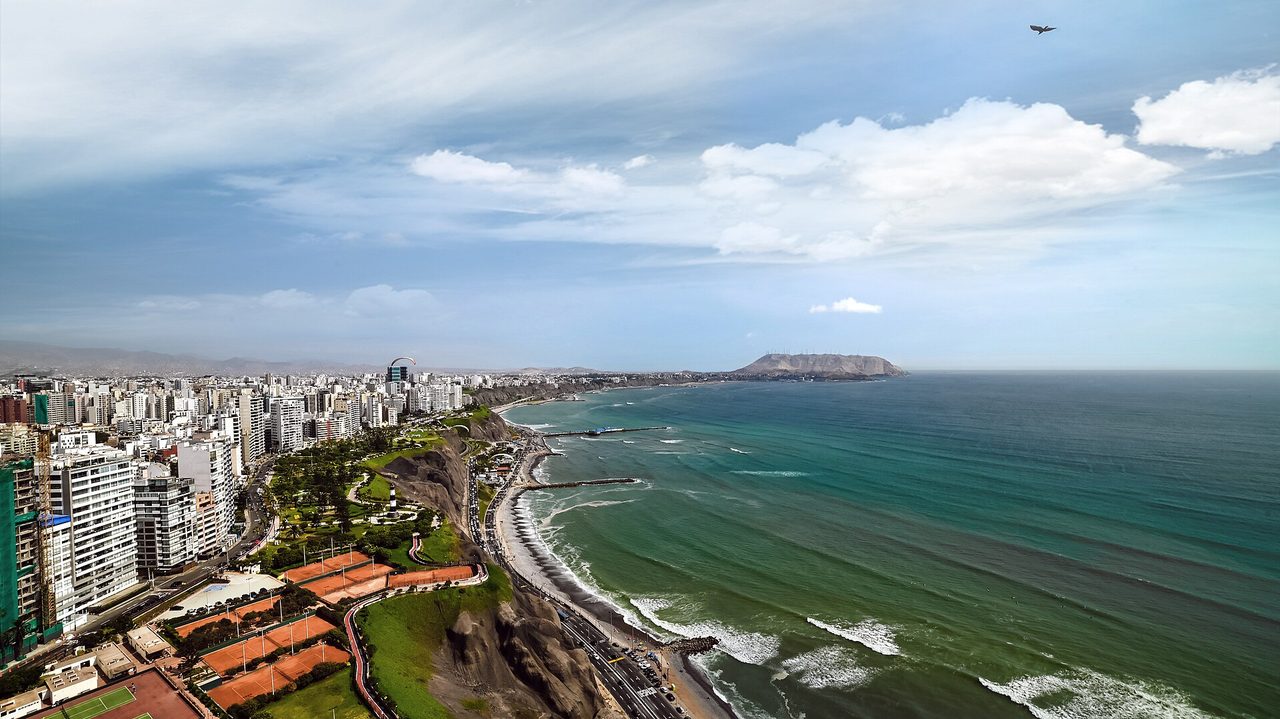
December to February is the only window when Peru’s coast is warm and sunny, and it is not a consolation prize. For the rest of the year Lima sits under the garúa, a low grey marine layer that can hold for weeks. From roughly mid-December it lifts, and the city turns into a different place: 25–28°C, blue sky, everyone on the clifftop parks in Miraflores, surfers in the water below Barranco. If you have ever heard that Lima is drab, you heard it from someone who visited in August. Almost everything on a list of things to do in Lima is better in January than in July.
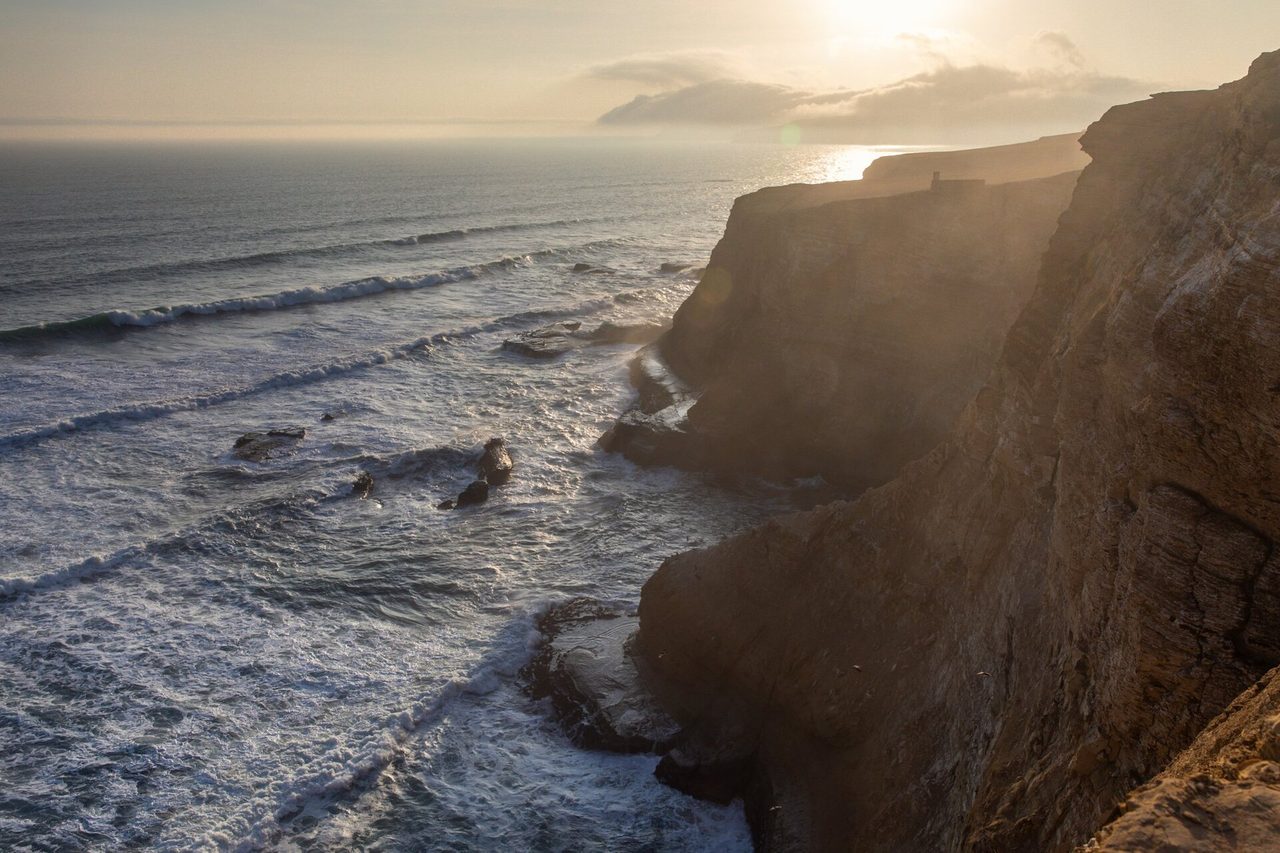
South of the capital, the desert coast is in full season. Paracas has the Ballestas boats and the reserve’s red-sand cliffs; Huacachina has dune buggies and sandboarding that are genuinely more fun than they sound, though you want an early or late run rather than a 1pm one when the sand is unbearable; Ica has the bodegas. The whole southern coast route is a straightforward bus ride from Lima and works as a three or four day loop while the highlands are under cloud.
Then there is the far north, which is the real argument for these months. Máncora, Vichayito, Punta Sal and Zorritos sit close enough to the equator that the sea reaches about 25°C in February — the warmest water of the Peruvian year, and warm enough to swim without thinking about it. The surf between Máncora, Huanchaco and Chicama is world-class and largely uncrowded by international standards. The trade-off is that the far north runs its own summer rain regime: February brings six or seven rain days and around 90 mm to Máncora, and in a strong El Niño year the northern coast can get seriously wet. That’s the one place where the rain and the beach coincide. Everything else about travelling in northern Peru — Chan Chan, Kuélap, Caral, the Moche sites — is easier in these months than most people assume.
The Amazon in high water: different, not worse
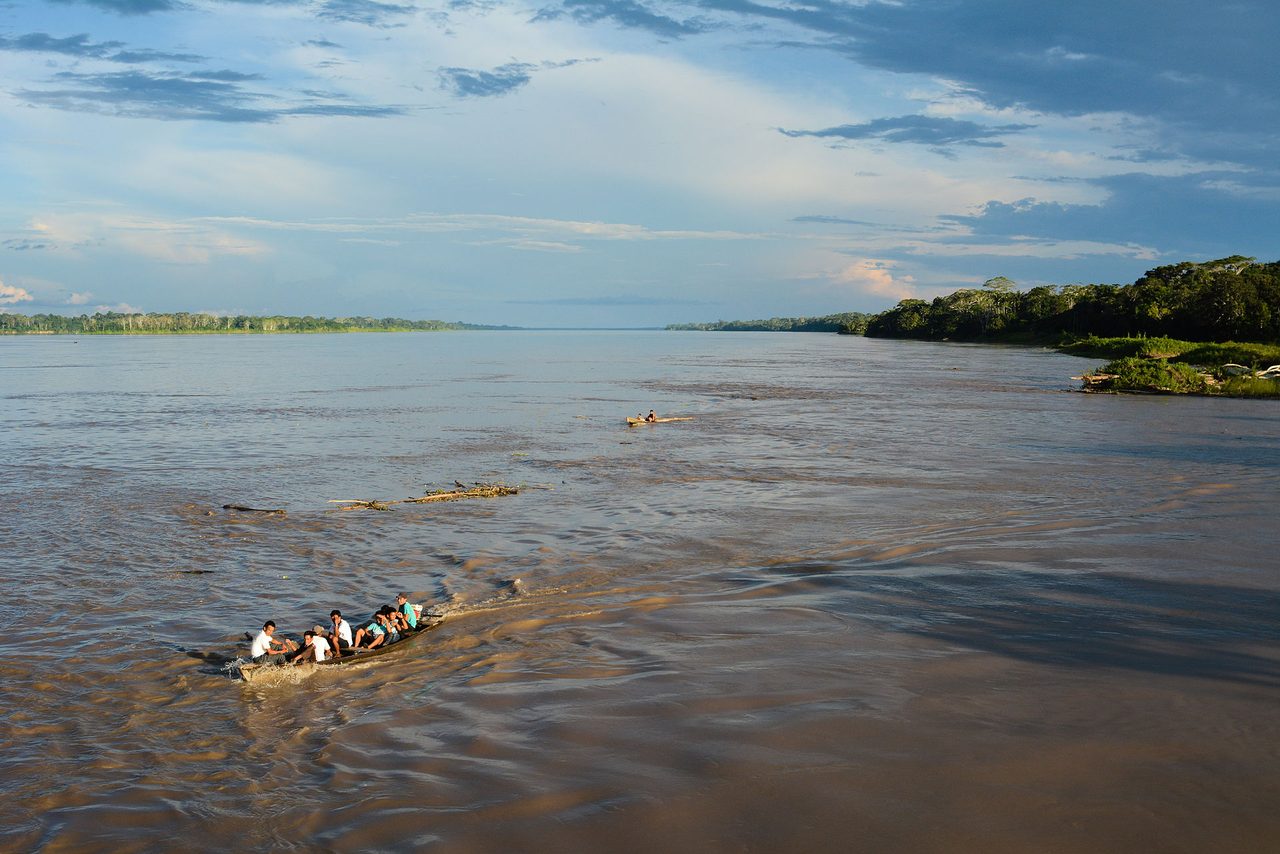
The Peruvian Amazon runs a high-water season from roughly December to May, peaking around March. Rivers rise several metres and flood large tracts of forest. This changes what you do rather than whether you should go, and it’s the second thing the “green season is bad” guides get wrong.
What gets better: you travel by canoe through flooded forest instead of walking, which puts you level with the mid-canopy and much closer to monkeys, sloths and birds than any ground trail allows. Boats reach creeks and oxbows that are simply unreachable in September. Pink and grey river dolphins move into the newly flooded areas. Fruiting and flowering are heavy, which concentrates wildlife. Lodges are quiet and often discounted.
What gets worse: ground trails flood, so lodge-based walking programmes shrink or disappear. Mosquitoes are at their worst. Humidity is relentless and things do not dry. If your idea of the jungle is hiking transects with a machete guide, this is the wrong season, and a river cruise or a canoe-focused lodge is the better format. Our overview of the Peruvian Amazon covers the regional differences between Iquitos, Manu and Tambopata, and the seasonal split matters more than the choice of lodge for what wildlife you actually see.
The money: this is the cheapest time to go, with one exception
The savings are real, they are large, and they come from beds, flights and tours — not from tickets. Machu Picchu costs the same in February as it does in July.
Current entry pricing, which is fixed year-round: S/163 for a foreign adult on the standard circuits, and S/211 for the circuits that include Huayna Picchu or Machu Picchu Mountain. Foreign students and minors pay around S/88 with a university photo ID showing an expiry date (ISIC cards are no longer accepted for this specific rate), and Andean Community adults around S/69. Those figures rose on 1 May 2026 when a SERNANP conservation surcharge was added on top of an unchanged base ticket — the surcharge does not apply to Inca Trail entries. Prices and circuit rules move, so confirm on the official portal before you book. The full mechanics are in our guide to buying Machu Picchu tickets.
Where the green season genuinely saves you money:
| Cost | High season (Jun–Aug) | Green season (Jan–Feb) | Notes |
|---|---|---|---|
| Mid-range hotel, Cusco | roughly $100–180 | roughly $40–80 | The biggest single saving. Properties that are booked out in July will negotiate in February. |
| Mid-range hotel, Lima | roughly $120–200 | roughly $60–100 | Less dramatic, because Lima has its own summer demand. |
| Multi-day tours and treks | list price | 20–30% off, sometimes more | Discounting is normal and expected. Ask directly. |
| Machu Picchu entry | S/163 | S/163 | Fixed. No seasonal variation at all. |
| Train, Ollantaytambo–Aguas Calientes | $35–60 per standard leg | $35–60 per standard leg | Barely moves. Cheaper classes are simply easier to get. |
| Consettur shuttle bus | about $24 return | about $24 return | Fixed. |
| International flights | peak | lowest of the year, except 18 Dec–5 Jan | The Christmas fortnight can match or beat July prices. |
Treat those hotel and tour figures as the shape of the discount rather than a quote; individual properties vary enormously. The broader arithmetic sits in our breakdown of what a Peru trip actually costs, and if squeezing the budget is the whole point, the timing logic is laid out in the cheapest time to visit Peru.
The other saving is not financial. The daily cap at Machu Picchu is 4,500 visitors in January and February, rising to 5,600 only on specific peak dates — within this window that means 1 January and 30–31 December. In practice the site rarely sells anywhere near its cap in the wet months, so you are sharing the circuits with a fraction of the July crowd. Since the three-circuit, ten-route system came in on 1 June 2024, movement is one-way and ranger-enforced with hourly entry from 06:00 to 16:00 and a typical 2.5 to 4 hours inside. A quiet circuit in light rain is a materially better experience than a packed one in sunshine, and I would take it most days. Our comparison of when to visit Machu Picchu weighs crowds against views month by month.
Landslides, rail suspensions and why you need buffer days
This is the risk nobody quantifies, and it is the reason to build slack into a green-season itinerary.
Heavy rain in the Cusco region produces huaicos — fast debris flows of mud, rock and water that come off steep slopes and cross whatever is below them. What is below them, in this case, is the railway that runs along the Urubamba to Machu Picchu, and the road to Hidroeléctrica used by the budget route in. The line has been cut more than once in a single wet season: a mudslide at PK 114.700 suspended the Machu Picchu–Hidroeléctrica service in January 2026 until operations resumed on 26 January, and a second slide at Mandor around Km 115 closed the same stretch on 31 March 2026 with service back on 6 April. In the extreme case, the floods of early 2010 shut the railway and the site itself for around two months.
None of that means the trains stop running all winter. Most disruptions last days, not weeks, and the Ollantaytambo–Aguas Calientes section is more robust than the Hidroeléctrica leg. But the probability of losing a day or two to weather is meaningfully non-zero between December and March, and it is highest in February. Practical steps:
- Leave two spare days between your last Cusco commitment and your international flight home. Not one. Two. This is the single most useful thing in this article. If the train is suspended you need time to get out via the alternative route or wait for reinstatement, and Cusco–Lima flights back up quickly when that happens.
- Book Machu Picchu for early in your Cusco block, not the last day. That way a cancelled train has somewhere to move to.
- Fly into Cusco in the morning. Afternoon cloud build-up causes diversions and cancellations, and the day’s delays compound.
- Buy insurance that covers trip interruption and delay, not just medical. What it realistically buys you is extra accommodation, a rebooked flight and missed prepaid services. What it will not do is refund a name-and-time-locked Machu Picchu ticket, which is effectively non-transferable once the date passes. Read the policy wording on weather and natural events.
- Prefer the train to the Hidroeléctrica road route in these months if your budget stretches. The road is the more exposed of the two and the more likely to strand you. The options are compared in our guide to the train to Machu Picchu and the broader routes in how to get to Machu Picchu.
Christmas, New Year and the domestic spike
The green season is sold as empty. For about three weeks of it, that is untrue, and it is untrue for a reason foreign guides consistently miss: Peruvian school summer holidays run from around late December to the start of March, and Peruvian families travel.
Two overlapping spikes:
Christmas and New Year, roughly 20 December to 5 January. Cusco fills up. Hotel rates jump. International flights to Lima are at their annual peak. Machu Picchu goes to the 5,600 cap on 1 January and 30–31 December. Santurantikuy, the enormous artisan market in Cusco’s Plaza de Armas on 24 December, is one of the better things I’ve stumbled into in Peru, and New Year in the plaza — yellow underwear, twelve grapes, laps of the square at midnight — is worth staying up for. But you are paying high-season prices in the wet season, which is the worst of both. If cost is your driver, arrive on 6 January instead.
Domestic beach season, January to early March. Weekends at Paracas, Asia, Punta Hermosa, Máncora and Punta Sal are busy with Limeños. Midweek is fine. This is why the coast is not a quiet secret in these months, only an unfamiliar one to foreigners.
February also carries the two biggest events on the calendar: the Fiesta de la Virgen de la Candelaria in Puno, an 18-day affair in the first half of the month that is the largest festival in Peru and makes accommodation on Lake Titicaca genuinely scarce, and Carnaval nationwide. Be warned that Carnaval in Peru involves people throwing water — buckets, balloons, foam — at strangers, cheerfully and without warning, for weeks. Keep a dry bag for your camera and a spare shirt. More of these dates are mapped out in our calendar of Peruvian festivals.
Who should not come in the green season
Three groups, and I’d tell all three to pick different dates.
Photographers who need the classic Machu Picchu ridge shot on a fixed date. The postcard view depends on Huayna Picchu being visible behind the ruins. In February, cloud sits in that valley for days. You can get a spectacular moody shot as the mist lifts — but you cannot schedule it, and with one ticket on one date you are rolling a die. If the image is the point of the trip, go in the dry season and accept the crowds.
First-time multi-day trekkers at altitude. Salkantay in February is not an introduction to trekking, it is an endurance exercise. Camping in sustained rain at 3,800 m, crossing a 4,630 m pass in cloud, and descending on churned mud is hard on people who are also managing altitude for the first time. If you have never slept above 3,000 m, do a day hike, acclimatise properly — the altitude in Cusco catches out plenty of visitors even without a trek — and save the big route for a drier month.
Anyone with zero schedule flexibility. A five-day trip with a fixed Machu Picchu date and a same-week flight home has no absorption capacity. One rail suspension and the whole thing collapses. Green season rewards people with days to spare; it punishes tight itineraries. If you are working to a short window, our five-day plan is far safer executed in May or September.
Packing and planning differences that actually matter
Not a generic list — just the things that are different from a dry-season trip.
- A poncho over a rain jacket for the highlands. A cheap plastic poncho covers you and your daypack, which a jacket doesn’t, and you can buy one in any Cusco market for a few soles.
- Waterproof footwear with real grip. Wet Inca stone is slick in a way that surprises people. This matters more than warmth; see our notes on what to wear at Machu Picchu.
- Dry bags or zip-lock bags for electronics. Between afternoon downpours and Carnaval water, something will get soaked.
- Quick-dry layers, not cotton. Nothing air-dries in a Cusco hotel room in February.
- Sun protection anyway. Highland UV cuts through cloud, and the coast in January is fierce.
- Insect repellent with a serious concentration for the Amazon. High water means high mosquito numbers.
- Book flexible-rate accommodation in Cusco. The discount is worth less than the ability to move a night when a train is cancelled.
A green-season plan that actually works
If I had two weeks in January and wanted the best of it, I’d weight the itinerary towards the coast and treat the highlands as the shorter, front-loaded block: three or four days in Lima and down the south coast while the weather is guaranteed, then five or six in Cusco and the Sacred Valley with early starts and Machu Picchu booked mid-block, then either the north coast or a canoe-based Amazon lodge, with two clear days in Lima at the end. That is close to a standard two-week Peru route with the emphasis flipped, and the flip is the whole point.
For a shorter trip, the reverse-engineering is simple: reduce the number of weather-dependent commitments, don’t stack two big hikes, and put the fixed-date item early. The general sequencing advice in our Peru itinerary guide holds, but the buffer discipline is stricter in these months. And if the highlands genuinely aren’t going to cooperate with your dates, it is worth knowing that a very good trip through Peru without Machu Picchu exists — coast, north, Amazon, Arequipa — and December to February is the best time of year to take it.
Frequently asked questions
Is December a good time to visit Peru?
Yes, and it’s the strongest of the three green-season months. Rain in Cusco has begun but is mostly confined to afternoons, mornings are frequently clear, the coast has warmed up, and prices are low until about the 18th. The one thing to plan around is the Christmas and New Year spike, when Cusco hotel rates and international flights go to peak levels.
Is February really the worst month to visit Peru?
For the Andes, yes. It has the fewest sunshine hours of any month in Cusco, the highest rainfall, the highest landslide risk on the rail line, and the Inca Trail is closed for the entire month. For the coast, it is the best month of the year. Both statements are true at once, which is why a blanket verdict on February is useless without knowing where you’re going.
Is the Inca Trail closed in February?
Yes — the classic four-day route and the two-day Short Inca Trail both close for the whole of February for annual maintenance, reopening on 1 March. Machu Picchu itself stays open, reached by train. Salkantay, Lares, the Inca Jungle route and Choquequirao are outside the closure and legally operate, though some operators suspend February departures on Salkantay.
How much cheaper is Peru in the green season?
Expect roughly half price on mid-range Cusco hotels compared with what the same room costs in June, July and August, 20–30% off multi-day tours, and the lowest international airfares of the year outside the Christmas fortnight. Fixed costs don’t move: Machu Picchu entry stays at S/163 for a foreign adult, the Consettur shuttle stays around $24 return, and train fares barely shift. The savings are in beds, flights and tours.
Will it rain the whole time at Machu Picchu?
No, but you should expect rain at some point during your visit and cloud obscuring the classic view for part of it. The site sits at 2,430 m — nearly a kilometre lower than Cusco — so it is warmer and more humid than the city, and cloud tends to sit in the valley in the morning and burn off unpredictably. Book the earliest entry slot available and give yourself a second day if the view matters to you.
Can I still do Rainbow Mountain and other day hikes?
They operate, but their value drops sharply. Rainbow Mountain in particular is a five-hour pre-dawn drive and a climb above 5,000 m for a view that cloud can erase completely, and snow occasionally covers the stripes outright. Humantay Lake fares slightly better. Book these on a day when the morning has already dawned clear rather than committing days in advance, which is easier than it sounds because green-season day trips from Cusco rarely sell out.
Is the Amazon worth visiting in high water season?
Yes, if you choose the right format. Canoe-based lodges and river cruises are excellent from December to May because flooded forest opens up channels that don’t exist in the dry months and puts you at canopy level. Lodges built around walking trails lose much of their programme. Ask any operator directly how much of their high-water itinerary is by boat.
Where should I stay if the weather turns?
Base yourself somewhere with things to do indoors and short transfers rather than an isolated valley property. Cusco itself and Ollantaytambo both work well; the advantages of each are covered in our guide to where to stay in Cusco. If you get stuck overnight below the ruins, Aguas Calientes has hot springs and not much else, so plan on one night rather than two.
Which month should I choose if I can only travel in this window?
December if the highlands are the priority, February if the coast and the Amazon are. January is the compromise and the cheapest once the New Year rush ends. If you have any flexibility at all beyond these three months, the case for the shoulder months is laid out in our comparison of the best month to visit Peru, and the full year-round picture sits in our guide to the best time to visit Peru.
So should you go
If your trip is coast-heavy, this is the best time of year and it isn’t close. If your trip is Cusco-heavy, December is a good bet, January is fine with early starts and a flexible attitude, and February asks you to accept grey days, a closed Inca Trail and a real chance of a disrupted train. What you get in return is a country at roughly half price, sites at a fraction of their July crowd levels, and an Andean landscape that is green in a way most visitors never see. That is a genuinely good trade for a lot of people. If it sounds close but not quite right, the April–May and September–October shoulder windows split the difference. It is a bad trade if you have five days, one shot at the classic photograph, and no room to move.