Best Time to Visit Peru: Month-by-Month & Region by Region (2026)
When is the best time to visit Peru? A month-by-month and region-by-region guide to weather, crowds, prices, and the ideal months for Machu Picchu, the Amazon and the coast.
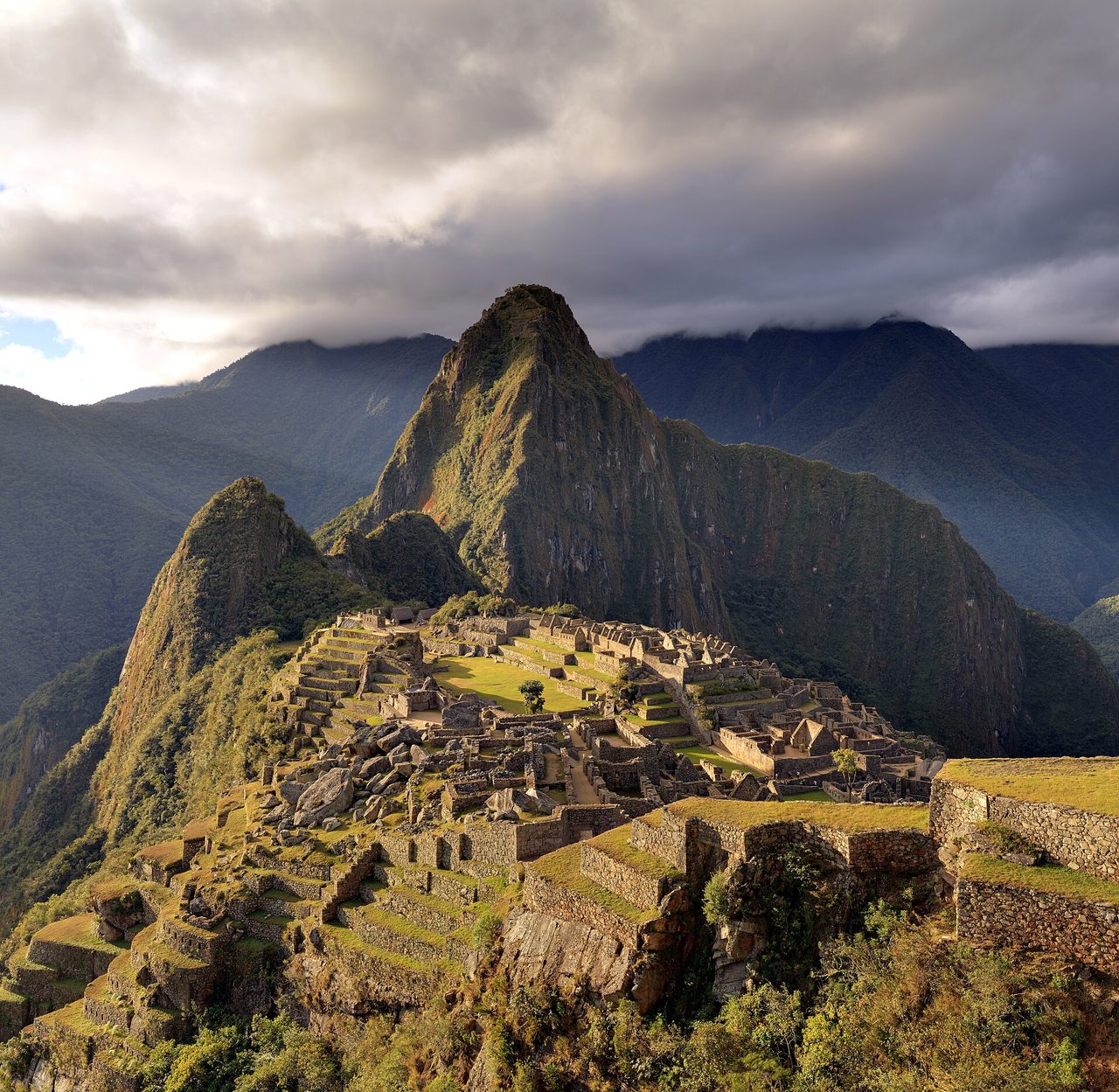
If you only remember one thing about the best time to visit Peru, make it this: there is no single best time to visit the whole country, because Peru’s three regions run on opposite calendars. The dry, clear months that are perfect for hiking to Machu Picchu are exactly when Lima disappears under a grey sea fog. The warm, sunny weeks on the coast are the wettest in the mountains. Plan around the region you care most about, not around “Peru” as a whole.
That said, there’s a clear answer for most people, and this guide gives it to you — then breaks the best time to visit Peru down by region, by month, and by what you actually want to do.
The short version: the best time to visit Peru for most travelers is the dry season, May to September, when the Andes — Cusco, the Sacred Valley and Machu Picchu — have their clearest skies and best trekking. For a sweet spot of good weather and thinner crowds, target the shoulder months of April, May, September and October. The coast and beaches are best December to March, and the Amazon is rewarding year-round.
Who this is for: anyone trying to pick travel dates, or work out whether their fixed dates will work. Let’s start with the big picture, then get specific.
The big picture: Peru’s two seasons (and the regional twist)
Peru has two broad seasons rather than four: a dry season (roughly May to September/October) and a wet or “green” season (roughly November to March/April). But because the country spans the Pacific coast, the high Andes and the Amazon basin, those seasons play out completely differently depending on where you are.
- In the Andes (Cusco, Machu Picchu, the Sacred Valley, Lake Titicaca), the dry season means sunny days, cold nights and dry trails — ideal. The wet season brings afternoon rain and the occasional trail closure.
- On the coast (Lima, the beaches, the southern desert), it’s the opposite: December to March is warm and sunny, while the Andean dry season coincides with the garúa, a damp grey haze that blankets Lima for months.
- In the Amazon, it’s warm and humid all year; the drier months (roughly May to October) are easier for trails and wildlife, while the wetter months raise the rivers for boat exploration.
So the “best” time genuinely depends on your priorities. Here’s the quick reference:
| Region | Best months | Why |
|---|---|---|
| Andes (Cusco, Machu Picchu, Sacred Valley) | May–September | Clear skies, dry trails, best trekking |
| Lake Titicaca & the south | May–September | Sunniest, calmest days on the lake |
| The Amazon | May–October (wildlife) | Drier trails, easier wildlife spotting |
| Pacific coast & beaches | December–March | Warm, sunny; no coastal fog |
| Best all-round compromise | April, May, Sept, October | Good weather, fewer crowds, lower prices |
I dig into each season on its own — the dry season and the rainy/green season — and into Peru’s weather and climate by region. But for most trips, the table above is all you really need.
The best time to visit Peru by region
Because the regions diverge so much, this is the part that actually shapes your trip. Here’s the detail for each.
The Andes: Cusco, Machu Picchu & the Sacred Valley
This is where most people spend most of their trip, so the Andean calendar usually wins. The dry season (May–September) is the headline: sunny days, crisp blue skies over the ruins, dry trails for the Inca Trail, and the famous postcard light at Machu Picchu. The trade-off is cold nights (near freezing at altitude) and the biggest crowds of the year in July and August. The wet season (November–March) turns the hills a lush green and empties out the crowds, but you’ll get afternoon downpours and a real chance of cloud sitting on the ruins; January and February are the wettest, and the Inca Trail closes every February for maintenance. For the full local picture see our Cusco guide.
Lake Titicaca and the southern circuit
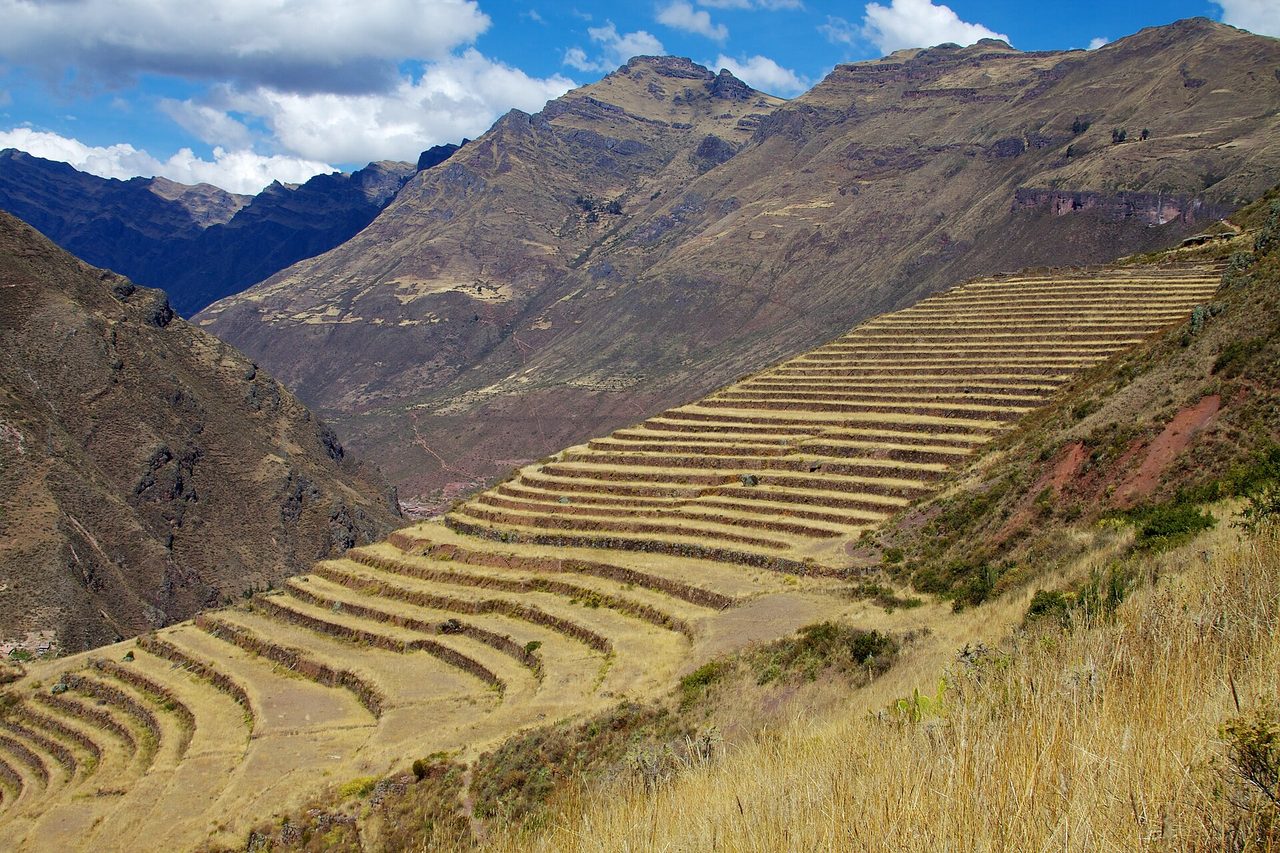
Arequipa, Colca Canyon and Lake Titicaca follow the same rhythm as the Andes: May to September for the sunniest, driest days, clear lake crossings and the best condor-watching at Colca. Nights up here are genuinely cold, so pack layers whatever the month. The wet season is quieter and greener but brings afternoon rain and chillier, cloudier lake days.
The Pacific coast: Lima, the beaches and the southern desert
Here everything flips. The coast’s summer, December to March, is warm and sunny — the time for the northern beaches around Máncora, for surfing, and for the wildlife of the Ballestas Islands and Paracas. From roughly May to October, much of the central coast (Lima especially) sits under the garúa, a persistent grey sea mist that rarely actually rains but blocks the sun for weeks. Lima is still well worth visiting in the foggy months — the food doesn’t care about the weather — but if beaches are your priority, come in the southern summer. The desert oasis of Huacachina and the Nazca Lines are reliably dry and doable year-round, just hot at midday in summer.
The Amazon
The Peruvian Amazon is hot and humid all year, so it’s less about “good” versus “bad” and more about what kind of trip you want. The drier months (roughly May to October) mean easier walking trails, more exposed riverbanks and beaches, and generally better odds of spotting wildlife — my pick for a first jungle visit. The wetter months (November to April) raise the rivers, which actually makes boat exploration easier and deeper into the forest, and the jungle is at its most dramatic and green. Either way, expect rain at some point; that’s rather the point of a rainforest.
The big planning takeaway
Notice the conflict: the best months for the Andes (May–September) are the foggiest on the coast, and the warm beach season (December–March) is the wettest in the mountains. Since almost every trip is built around the Andes and Machu Picchu, the dry season usually wins — just know that if you visit Lima in July, the grey skies are normal, not bad luck. Match your dates to your route using our Peru itinerary guide.
Peru month by month
If your dates are flexible, here’s what each month actually feels like on the ground. (Remember the regional split — “good” here mostly means the Andes, where most people travel.)
January & February
The heart of the Andean wet season: green, quiet and cheap, but with frequent afternoon rain and a real chance of cloud over Machu Picchu. The Inca Trail closes for all of February. On the flip side, this is peak summer on the coast — warm beaches and sunny Lima — and the cheapest time to visit overall. Good for budget travelers and coast lovers; tricky for trekkers.
March
A transition month. The rains start easing in the Andes and the landscapes are at their lushest, while the coast is still warm. Crowds are low and prices reasonable. A quietly underrated time to go if you don’t mind the odd shower.
April
Many seasoned travelers (myself included) call April the best month of the year: the rains have largely cleared, the hills are still green from the wet season, the temperatures are pleasant, and the big crowds haven’t arrived. The Inca Trail reopens. If I had to pick one month, this would be it.
May
Peak conditions begin: reliably dry, clear Andean skies, and still ahead of the high-season crush. Another excellent choice, and one of my favorites for trekking. See the shoulder season guide for why April–May and September–October are the sweet spot.
June
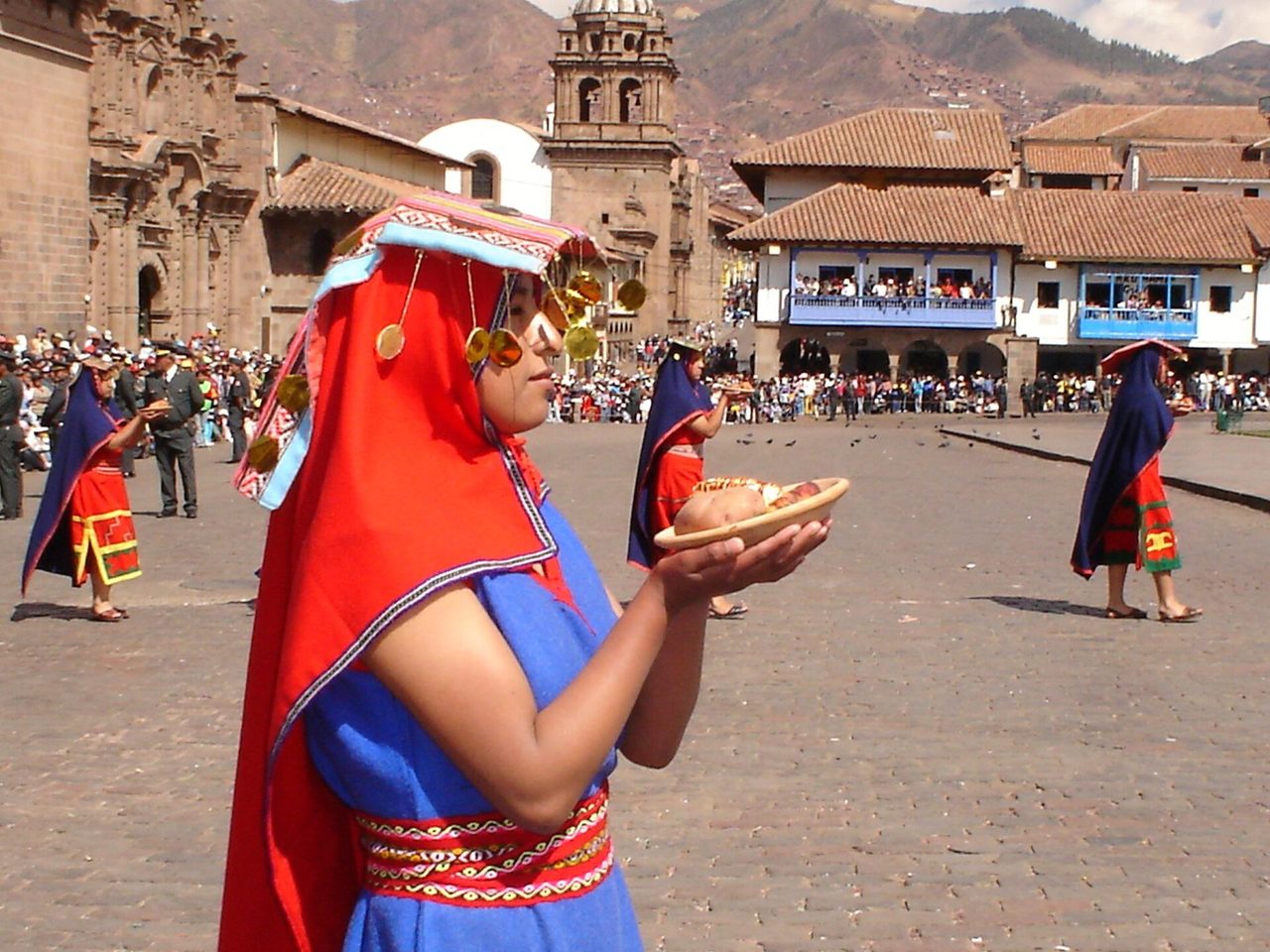
Glorious weather and festival month. Cusco erupts for Inti Raymi, the Inca Festival of the Sun, on June 24, alongside Corpus Christi — a spectacular but busy time, so book well ahead. Both sit at the crowded heart of Peru’s festival calendar, which is worth reading before you fix your dates. The dry season is in full swing; nights are cold.
July & August
The driest, sunniest, and most crowded months, coinciding with northern-hemisphere summer holidays. Expect the clearest Machu Picchu skies of the year — and the biggest queues, highest prices and busiest trails. Book everything (Machu Picchu, the Inca Trail, hotels) months in advance. See Peru in July.

September
One of the best months overall: still dry and clear in the Andes, but the July–August crowds have thinned and prices ease. A top pick for trekking without the crush.
October
The tail of the dry season — still mostly dry, greener, and pleasantly quiet, with the occasional early shower. Another shoulder-season winner.
November
The wet season begins to return to the Andes with mixed days, while the coast warms up. Crowds and prices drop. A decent gamble for fewer people if you can accept some rain.
December
Properly into the green season in the mountains — wetter, but festive and lively, with summer building on the coast and beach season starting. The holidays bring a short spike in domestic travel and prices around Christmas and New Year. See Peru in December.
For a deeper look at picking the ideal month for your priorities, see our guide to the best month to visit Peru.
The best time for specific experiences
Sometimes your trip is built around one big thing. Here’s when to time it.
Machu Picchu
Machu Picchu is open year-round, but the dry season (May–September) gives you the best odds of clear views, while April, May, September and October trade a small chance of cloud for far fewer people. The wettest months (January–February) can mean the ruins vanish into mist — atmospheric, but a gamble for that bucket-list photo. Our dedicated best time to visit Machu Picchu guide goes month by month.
The Inca Trail and trekking
For multi-day treks — the Inca Trail, Salkantay, the Cordillera Blanca around Huaraz — the dry season is strongly preferable for safe, dry trails and big mountain views. June to August is busiest; May and September are the sweet spot. Remember the Inca Trail closes every February, and permits for the high season sell out months ahead.
Rainbow Mountain and high-altitude day hikes
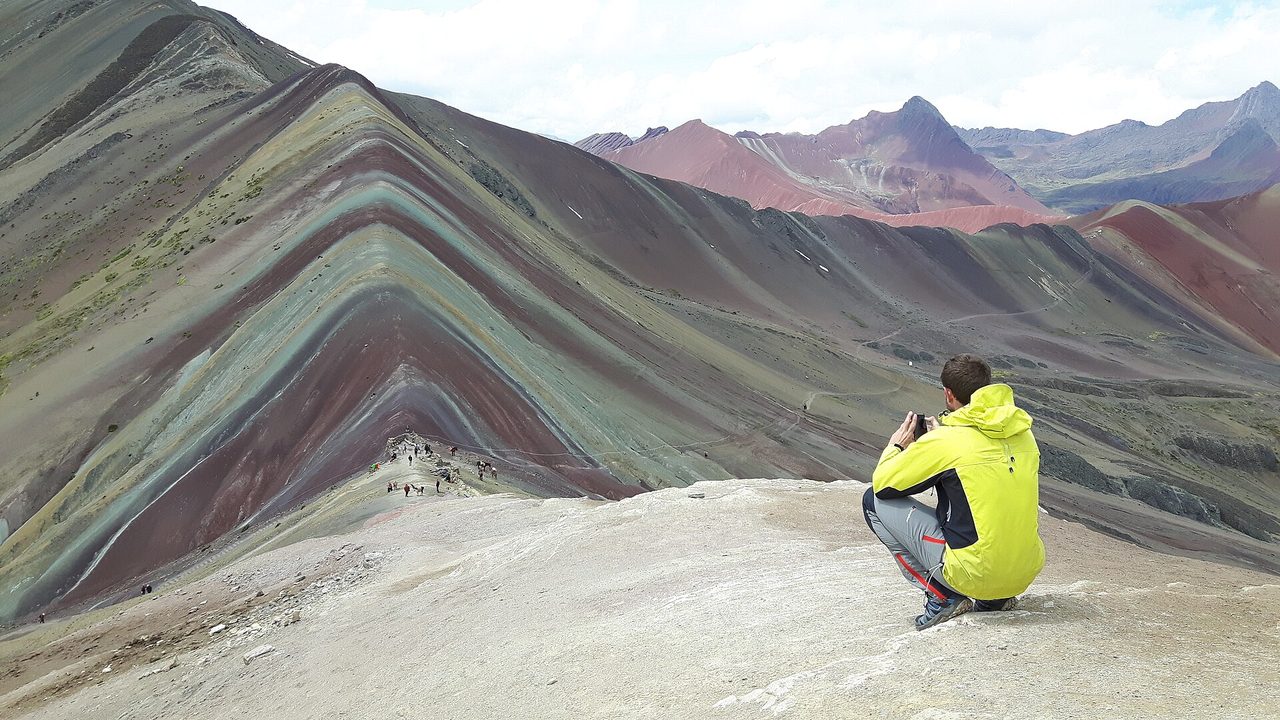
Vinicunca and Humantay Lake are at their best in the clear dry months; in the wet season the colors can hide under cloud and the trails get muddy. Go May to September for the vivid stripes — and acclimatize first whatever the date.
The Amazon and wildlife
For classic wildlife-watching — macaws at the clay licks, monkeys, caimans — the drier months (May to October) make trails and spotting easier. If you’d rather glide deep into a flooded forest by boat, the high-water months have their own magic. Either way the Amazon rewards the effort.
Beaches and the south coast
Come in the southern summer, December to March, for warm water and sun on the northern beaches, sandboarding at Huacachina without the brutal midday heat, and the clearest conditions for the Ballestas Islands. The Nazca Lines overflights run all year.
Festivals
Time your trip to a festival and you’ll see Peru at its most alive. The giants are Inti Raymi (Cusco, June 24), Semana Santa (Easter, huge in Ayacucho and Cusco), Corpus Christi (June, Cusco), the
Virgen de la Candelaria (Puno, February), and Lima’s spring food festival Mistura. Just book early — the big ones spike prices and fill hotels. These also pair naturally with our things to do in Peru roundup.
Dry season vs green season: which should you choose?
Most of the decision comes down to this trade-off, so let me make the case for each.
Choose the dry season (May–September) if your priority is the Andes: clear Machu Picchu views, dry trekking, safe high-altitude hikes, and the big June festivals. You’ll pay for it with cold nights, higher prices and real crowds in July and August, but for a first trip built around the Inca highlights, it’s the safe, sensible choice.
Choose the green season (November–March) if you want lush scenery, far fewer people, lower prices, and warm days on the coast and beaches — and you can accept afternoon rain in the mountains and a chance of cloud over the ruins. It’s a great time for budget travelers, photographers who like moody light, and anyone who hates crowds. Just avoid the Inca Trail in February (it’s closed) and pack a good rain shell.
And if you can’t decide? Split the difference with the shoulder months — that’s what I’d do, and usually do. More on each in the dry season and green season guides.
Peak, shoulder and low season: crowds and prices
Weather isn’t the only thing that changes through the year — so do the crowds and your costs.
- Peak (June–August): the busiest and priciest months. Machu Picchu and the Inca Trail book out months ahead, hotels fill, and popular sites are crowded. Brilliant weather, but plan far in advance.
- Shoulder (April–May, September–October): the sweet spot — still good weather, noticeably fewer people, and softer prices. My default recommendation. See Peru’s shoulder season.
- Low (November–March): the quietest and cheapest, with the wettest mountain weather and the best coastal beach conditions. See how the seasons compare.
The cheapest time to visit Peru
If budget is your main lever, travel in the green/low season — roughly November to March, and especially January and February. Flights and hotels drop with demand, tours run with smaller groups, and the gringo trail is at its quietest. You’ll trade some Andean weather for the savings, but the coast is at its best, and clever travelers stretch their money a long way in these months. Our cheapest time to visit Peru guide has the specifics, and the Peru trip cost guide helps you budget whichever season you choose.
The worst time to visit Peru (and how to make it work)
There’s no truly terrible time, but the trickiest stretch for a classic Andean trip is the peak of the wet season, January and February, when heavy rain can cloud Machu Picchu, muddy the trails and close the Inca Trail entirely (February). If those are your only possible dates, lean into them: focus on the warm, sunny coast and the south-coast desert, save Machu Picchu for a clearer-weather morning, build in flexible days, and enjoy the low prices and empty sites. With the right plan, even the “worst” months can make a fine trip — see the worst time to visit Peru for how.
What to pack for each season
Whenever you come, Peru’s range of altitudes and climates means you’re packing for several worlds at once:
- Dry season (Andes): warm layers and a hat for cold nights and dawn starts, sun protection for the fierce daytime UV, and a light jacket. Daytime is mild; nights bite.
- Green season (Andes): all of the above plus a proper rain shell, a dry bag for electronics, and quick-dry layers.
- The coast and beaches: light summer clothes and swimwear December–March; a light jacket for foggy Lima mornings the rest of the year.
- The Amazon (any time): lightweight long sleeves, insect repellent, a rain layer and quick-dry everything — it’s humid year-round.
Our Peru travel tips guide has a full season-by-season packing list.
So, when should you go? A quick decision guide
Cut through all of the above by leading with your single biggest priority:
- Your priority is clear Machu Picchu views and trekking → May to September (best odds, biggest crowds, coldest nights).
- You want good weather AND fewer crowds and lower prices → April, May, September or October. This is the sweet spot, and my usual recommendation.
- Budget is everything → November to March, especially January–February. You’ll trade Andean weather for real savings and empty sites.
- Beaches, surf and the coast → December to March, when the coast is warm and sunny.
- You want a great festival → June, for Inti Raymi in Cusco (book months ahead).
- Amazon wildlife → May to October, for drier trails and easier spotting.
- You can’t stand crowds → the green or shoulder seasons; avoid July–August.
If it were my trip and my dates were flexible, I’d book late April to early May, or September — you get dry-season weather in the Andes without the peak-season crush or prices. Whatever you choose, lock your dates first, then build the route around them with our Peru itinerary guide.
The best time to visit Peru by traveler type
First-timers
Go in the dry season or shoulder months (roughly April–October) and build around the Andes. You’ll get the reliable weather that makes a first trip smooth, and the classic highlights at their best.
Families
The shoulder months are ideal — decent weather, thinner crowds and lower prices ease the logistics of traveling with kids, and you avoid both the July–August crush and the wettest mountain weeks.
Couples and honeymooners
May and September are romantic sweet spots: clear Andean skies, golden light over the ruins, and fewer crowds at the viewpoints — without peak-season prices on the nicer hotels and trains.
Budget backpackers
The green season (November–March) stretches your money furthest, with the lowest prices and the quietest trail. Pack a rain jacket and embrace the lush, empty landscapes.
Adventurers and trekkers
The dry season is non-negotiable for serious trekking — May, June and September give you the best mix of dry trails and manageable crowds, and they keep the highest hikes (Rainbow Mountain, Salkantay) safe and clear.
Timing a multi-region trip
Here’s the tricky case: you want the Andes and the beach, or the Andes and a sunny coast, in one trip. Because the regions run on opposite calendars, you can’t have both at their absolute best — so you compromise. The dry-season shoulders are your friends here. Late September to October gives you still-good Andean weather as the coast begins warming toward its summer, while March to April catches the tail of the warm coast as the Andean rains ease. Neither is perfect for both, but both beat trying to mix peak Andean dry season (foggy coast) with peak coast summer (soaking Andes). If your trip is built around the Andes — as most are — just optimize for the mountains and treat whatever the coast gives you as a bonus. Map it onto your route with our Peru itinerary guide.
A note on El Niño and unusual years
Peru’s weather is usually predictable, but it isn’t guaranteed. In El Niño years the coast can see unusually heavy rain and warmer seas, and the mountains can have a wetter or longer rainy season; very occasionally, serious rains disrupt trains and roads in the Cusco region. None of this should put you off — it’s rare and localized — but it’s worth checking recent forecasts and conditions for your specific dates, building a buffer day into tight plans, and taking travel insurance that covers disruption. Our Peru travel tips guide covers staying flexible.
Peruvian holidays to plan around
Beyond the seasons, a handful of national holidays send domestic travel — and prices — spiking, which is worth knowing whichever month you choose. Fiestas Patrias (Independence Day, July 28–29) falls right in peak season and sees Peruvians travel en masse, so Cusco, Machu Picchu and flights get especially busy and pricey around it. Semana Santa (Holy Week, the run-up to Easter) brings huge, atmospheric processions to Cusco and especially Ayacucho — spectacular to witness, but book ahead. Inti Raymi (June 24) packs Cusco for the Festival of the Sun. And Christmas and New Year bring a short domestic-travel bump, plus Cusco’s charming Santurantikuy craft market on December 24. None are reasons to stay away — some are reasons to come — but if you’re crowd-averse, plan around them.
Best time to visit Peru: quick recap
- Overall best: dry season, May–September (Andes-focused trips).
- Best value & fewer crowds: shoulder months — April, May, September, October.
- Cheapest & quietest: green season, November–March.
- Beaches and the coast: December–March.
- Amazon wildlife: May–October.
- Festivals: June (Inti Raymi); avoid if you dislike crowds.
- Trickiest for the Andes: January–February (wettest; Inca Trail closed in February).
Temperatures and weather by region
Because the altitude matters as much as the month, here’s a rough sense of what to expect day to day — remember that in the Andes the gap between midday sun and nighttime cold is huge year-round.
| Region | Dry season (May–Sep) | Wet/green season (Nov–Mar) |
|---|---|---|
| Cusco & the Andes (~3,400 m) | Sunny days ~18–20°C; cold nights near 0°C; very little rain | Milder nights; frequent afternoon rain; lush and green |
| Machu Picchu (~2,430 m) | Warm, often clear; chilly mornings | Warm and humid; cloud and rain common |
| Lima & the coast | Cool, grey garúa fog; ~15–19°C | Warm and sunny; ~22–27°C (beach season) |
| The Amazon | Hot, humid ~30°C; drier trails | Hot, humid ~30°C; higher rivers, more rain |
The headline: pack for cold Andean nights whatever the month, and don’t expect Lima to be sunny in the Andean dry season. Full detail in our Peru weather and climate guide.
Best time to visit Peru: FAQ
What is the best time to visit Peru?
For most travelers, the dry season from May to September — clear skies and dry trails in the Andes, where most trips are focused. For the best balance of weather, fewer crowds and lower prices, target the shoulder months of April, May, September and October.
What is the best month to visit Peru?
April, May and September are the standouts. April is famously green and quiet as the rains clear; May and September give you reliable dry-season weather without the July–August crowds. If I had to pick one, I’d say late April or early May. See our best month to visit Peru guide.
What is the worst time to visit Peru?
For a classic Andean trip, January and February — the wettest months, when rain can cloud Machu Picchu and the Inca Trail closes (February). It’s still fine for the coast and budget travel, but it’s the trickiest stretch for trekking and clear ruins.
What is the cheapest time to visit Peru?
The green/low season, November to March — especially January and February — when flights, hotels and tours drop with demand. You trade Andean weather for the savings, but the coast is at its best. See the cheapest time to visit Peru.
Is the rainy season a bad time to visit Peru?
Not at all — just different. You’ll get lush green landscapes, far fewer crowds and lower prices, in exchange for afternoon rain in the mountains and a chance of cloud over the ruins. Bring a rain shell, stay flexible, and avoid the Inca Trail in February. Many savvy travelers prefer it.
What is the best time to visit Machu Picchu?
May to September for the clearest skies, or April and October for a good-weather, lower-crowd compromise. The wettest months (January–February) risk mist over the ruins. Our best time to visit Machu Picchu guide breaks it down month by month.
When is the dry season in Peru?
In the Andes and the south, roughly May to September or October, with the driest, clearest conditions of the year. On the coast it’s effectively reversed — those months bring the grey garúa fog, while the coast’s dry, sunny season is December to March. See our dry season guide.
What is the weather like in Peru?
It depends entirely on region and altitude. The Andes have warm days and cold nights with a dry and a wet season; the coast is mild and often foggy except in its December–March summer; and the Amazon is hot and humid year-round. There’s no single national climate. Details in our Peru weather guide.
When is the best time to visit the Peruvian Amazon?
The drier months, roughly May to October, are best for wildlife-watching and walking trails, while the high-water months (November–April) make boat travel deeper into the forest easier. It’s rewarding year-round — see the Amazon guide.
When is the best time for Peru’s beaches?
December to March, the southern summer, when the northern beaches around Máncora are warm and sunny and the coast sheds its winter fog. The far north stays warm longest. See Máncora.
How cold does it get in Cusco?
Cusco’s days are mild (high teens Celsius) year-round, but in the dry season the nights drop to near freezing because the clear skies let the heat escape. Wet-season nights are actually milder. Either way, pack a warm layer — see our Cusco guide.
When does the Inca Trail close?
The classic Inca Trail closes every February for maintenance and to let the trail recover, during the peak of the wet season. The site of Machu Picchu itself stays open, and alternative treks like Salkantay run year-round. Plan around it if you want to trek — see the Inca Trail guide.
Is July a good time to visit Peru?
Weather-wise, yes — July is dry and clear in the Andes. The catch is crowds and prices: it’s peak season, so Machu Picchu, the Inca Trail and hotels book out well ahead and sites are busy. Book early and you’ll have a great (if popular) trip. See Peru in July.
When is the best time to avoid crowds in Peru?
The shoulder months (April–May, September–October) give you good weather with far fewer people, while the green season (November–March) is quietest of all. Avoid July and August, and the days around Inti Raymi (late June) in Cusco, if crowds bother you.
Is April a good time to visit Peru?
April is one of the best months of all. The wet season has largely cleared, the Andes are still green and fresh, temperatures are pleasant, and the big crowds haven’t arrived — and the Inca Trail has reopened after its February closure. You might catch the odd shower, but for weather, scenery and value combined, April is hard to beat.
What is the best time for the Inca Trail?
The dry season, May to September, for safe, dry trails and clear mountain views — with May and September giving you the best mix of good weather and smaller groups. Permits sell out months ahead in high season, and the trail closes every February. See the Inca Trail guide.
Does it rain a lot in Peru?
It depends where and when. The Andes have a distinct rainy season (roughly November–March) with afternoon downpours, while the dry season is genuinely dry. Lima and the central coast almost never see real rain — just fog. The Amazon is wet year-round. So “a lot” is very region- and season-specific.
When is the best time to see condors at Colca Canyon?
The dry season (May to September) offers the clearest mornings at the Cruz del Cóndor lookout, and the condors are reliably active on the thermals year-round in the mid-morning. Avoid the rainiest months for the best visibility. Pair it with our Arequipa & Colca guide.
Is there a bad time to visit the Amazon?
Not really — it’s rewarding all year, just differently. The drier months (May–October) suit walking and wildlife; the wetter months raise the rivers for deeper boat access. Whenever you go, expect heat, humidity and some rain — it is a rainforest, after all.
When is Fiestas Patrias and does it affect travel?
Fiestas Patrias, Peru’s independence holiday, falls on July 28–29, in the middle of peak season. Peruvians travel heavily around it, so expect higher prices and busier sites and flights in late July, especially around Cusco and Machu Picchu. The weather is excellent — just book early and brace for crowds.
What is the best time to visit Lake Titicaca?
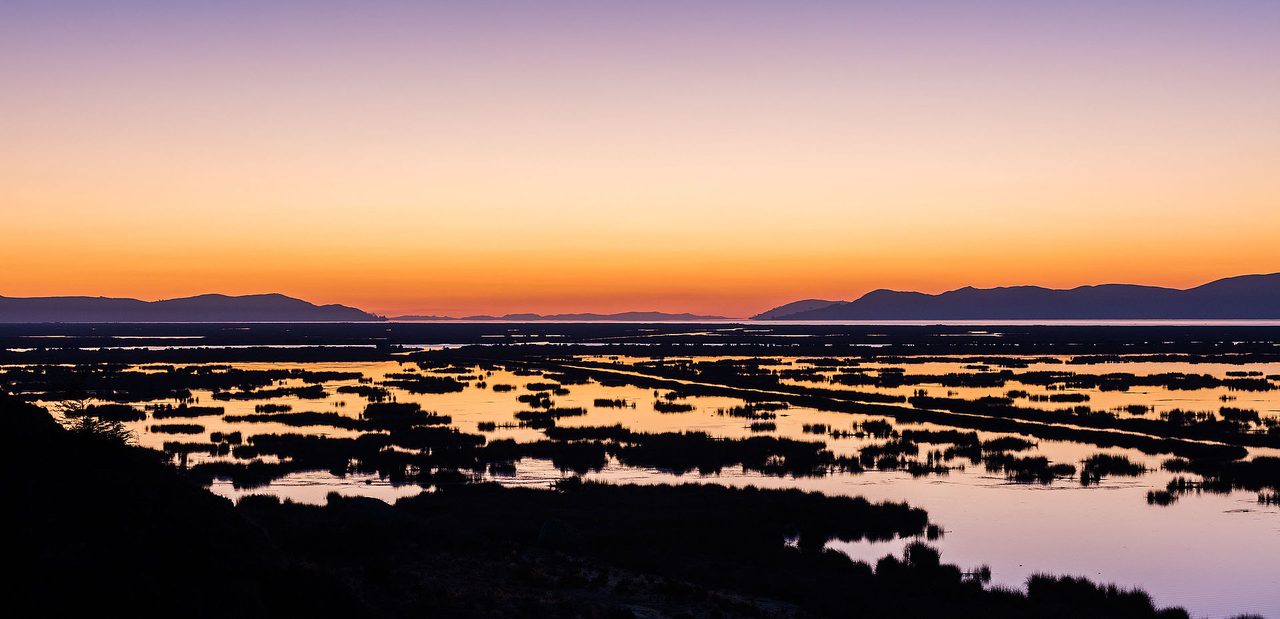
May to September, the dry season, for the sunniest skies and calmest boat crossings to the Uros and Taquile islands. Nights at 3,800 m are cold year-round, so pack warm layers whenever you go. The wet season is quieter but cloudier and chillier on the water. See our Lake Titicaca guide.
Is one season better for photography?
Both have their strengths. The dry season delivers crisp blue skies and reliable light over the ruins; the green season offers dramatic clouds, mist and lush, saturated landscapes — that moody Machu Picchu-in-the-clouds shot is a wet-season special. For guaranteed clear shots, go dry; for atmosphere and emptiness, go green.
How far in advance should I book for Peru’s high season?
For a June–August or Fiestas Patrias trip, book the time-sensitive pieces early: Machu Picchu tickets and the best circuits two to three months ahead, Inca Trail permits four to six months out, and popular hotels and the Lima–Cusco flight as soon as your dates are set. In the green and shoulder seasons you can book much closer in.
What is the garúa in Lima?
The garúa is the low grey coastal fog that blankets Lima and much of the central coast from roughly May to October. It rarely produces real rain, but it can blot out the sun for weeks, leaving the city cool and damp. It’s why the Andean dry season is the coast’s gloomiest stretch — and why Lima’s sunny beach season is December to March.
Final thoughts
The best time to visit Peru really comes down to two questions: which region matters most to you, and what you’re willing to trade. Chase clear Andean skies and you’ll accept crowds and cold nights; chase quiet and value and you’ll accept some rain. For most first trips, the dry-season shoulders — April–May and September–October — thread the needle beautifully. Pick your window, then turn it into a plan with our Peru itinerary guide and the full list of things to do in Peru. Whenever you end up going, pack for cold nights, keep a flexible day in your back pocket, and you will have picked the right time.
Sources
- PROMPERÚ — the official Peru tourism board
- SENAMHI — Peru’s national meteorology and hydrology service
About this guide: Written by the Peru Tourism Guide team — writers and trip-planners who have traveled Peru in every season, from the foggy Lima winter to the green-season Andes. We keep this guide current as climate patterns and festival dates shift.
Last updated: June 2026.