Best Things to Do in Peru for First-Timers
Most Peru lists hand you 25 unmissable things and no way to choose between them. This one ranks them into three tiers, with the days and the dollars each one really costs, plus the ones I would skip on a first trip.
Nine days. That is what most people actually have on the ground once the flights and the recovery day are subtracted, and it is the number almost every list of the best things to do in Peru quietly ignores. You get offered 25 experiences, then 31, then 50 places to see, all of them labelled unmissable. Almost none of them admit that the Amazon, Lake Titicaca and the Nazca Lines will not fit into the same fortnight, or tell you which one to drop.
So this is a ranked list rather than a catalogue. I have sorted the big Peru experiences into three tiers — the handful that justify the flight on their own, the ones that are excellent if the days exist, and the ones I would honestly skip on a first visit — with a realistic time cost and a rough 2026 price against each. Those two numbers shape your trip far more than any photograph does. If you want the wider survey of everything the country offers, the full guide to what there is to do across Peru covers the long tail. This piece is about what to cut.
The short version: on a first trip, spend your days on Machu Picchu, the Sacred Valley, Cusco, three nights in the Amazon and two days eating in Lima. Add Lake Titicaca, or Arequipa and Colca Canyon, if you have a fortnight. Leave Rainbow Mountain, the Nazca flight and the whole northern half of the country for trip two.
How I ranked the best things to do in Peru
Every candidate got two questions.
How many days does it actually eat? Not how long you stand in front of it. How many days it removes from your trip, including the getting there and the getting back. Peru is roughly twice the size of France with mountains in the middle, and the honest answer for most sights is “more than you think.” The Nazca Lines are a 35-minute flight, which sounds like an afternoon. Add the drive down the coast, the overnight in Nazca or Ica, and the drive back and it is two and a half days of your life.
What does it give back per day spent? This is the subjective half, and I am not pretending otherwise. But after enough time in the Andes you develop a fairly reliable instinct for which sights people still talk about six months later and which ones they photographed and forgot.
Three things distort those numbers in ways first-timers rarely anticipate. Altitude is the first: Cusco sits at 3,400 m and you will lose most of your first day there to a headache and an early night, so that day is a cost, not a bonus. Domestic flying is the second: Peru’s internal flights are cheap (Lima to Cusco runs roughly US$60–130 one way on LATAM, SKY or JetSMART, about 80 minutes in the air) but Cusco’s airport is weather-prone and morning cancellations are routine, so you cannot plan a connection tight. The third is that road distances lie. Cusco to Puno looks like a short hop and is seven hours. The section on moving between Peru’s regions has the real durations, and they are worth reading before you commit to a route.
One structural note: I have treated Machu Picchu, the Sacred Valley and Cusco as three separate entries rather than one lump, because they cost different amounts of time and a lot of people wrongly assume that seeing one means seeing the others.
Tier 1: the five experiences that justify the flight on their own
If your trip contained only these and nothing else, it would still have been worth the money. Everything here is in the south, everything connects logically, and together they come to about nine or ten days — which is not a coincidence.
1. Machu Picchu — 2 days, roughly US$180–350
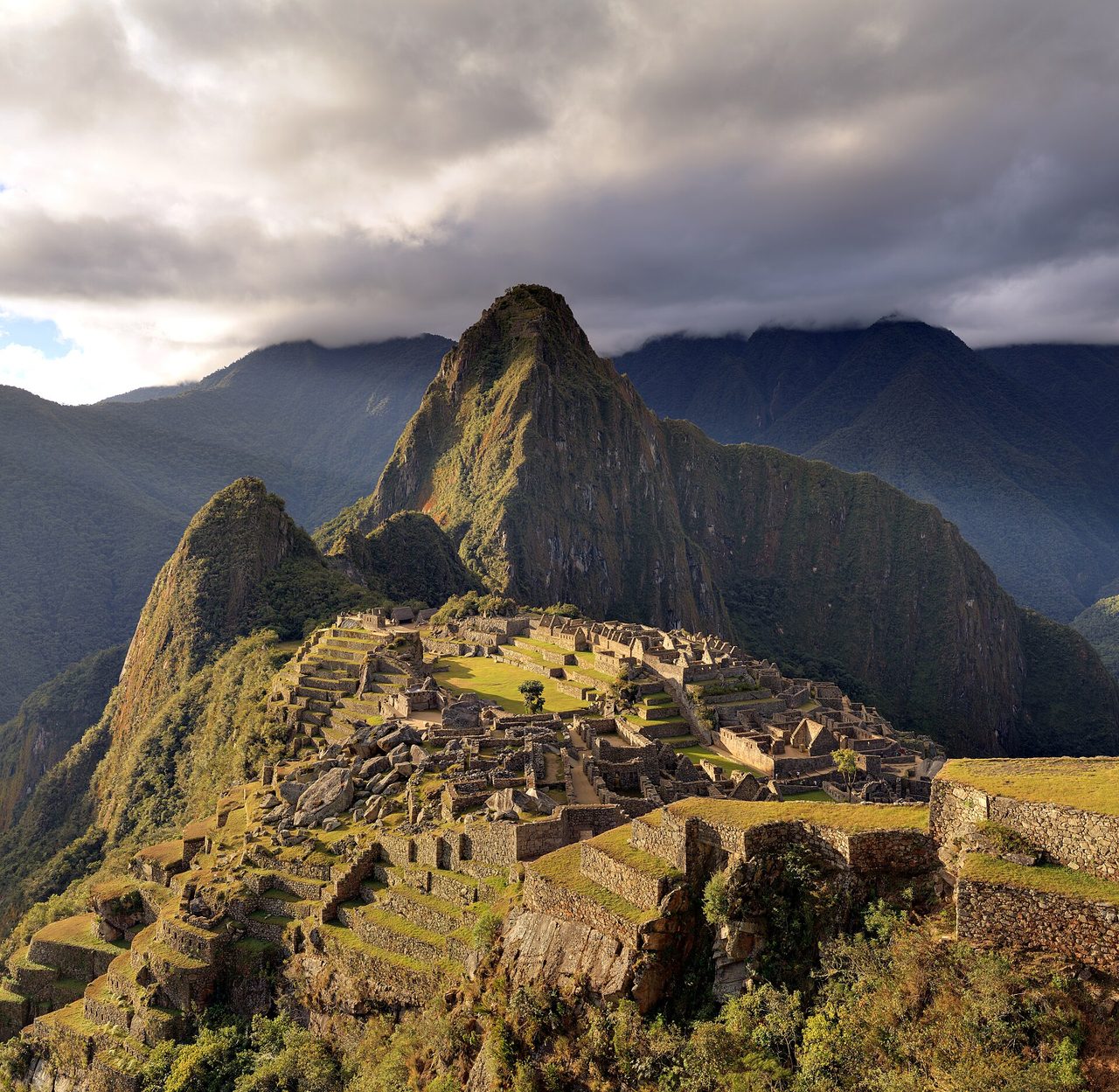
It is the most famous ruin in the Americas and the most photographed thing in South America, which normally means disappointment. It is not. The site is large, the setting is genuinely startling when the cloud lifts off Huayna Picchu, and the engineering rewards close attention in a way the postcards do not convey. I have taken people there who were braced to be underwhelmed and watched them go quiet instead.
What it costs you in days: two, realistically. Cusco or the Sacred Valley to Ollantaytambo, the train down the Urubamba gorge (1 hour 40 minutes from Ollantaytambo), a night in the town below the ruins, the site in the morning, and the return. You can compress it into one very long day, and I will explain below why I think that is a mistake.
What it costs in money: standard adult foreigner entry is S/163 (about US$44) — S/152 plus the S/11 conservation surcharge added on 1 May 2026. Circuits including Huayna Picchu or Machu Picchu Mountain are S/211 (about US$57). Prices and circuit numbering have both changed more than once recently, so confirm on the official portal before you book — the current mechanics are laid out in the guide to buying entry tickets and choosing a circuit. Then add the train, which is the real expense: Expedition class runs roughly US$70–85 each way and Vistadome around US$95–120, and the differences between the services are covered in the breakdown of the trains into Aguas Calientes.
Three things nobody warns you about. Entry is capped at 4,500 people a day, rising to 5,600 on peak dates including most of the 19 June to 2 November window, and roughly 1,000 of those are held back for in-person sale in Aguas Calientes rather than online — so a “sold out” website is not always the final word, though I would not travel on that hope. You must enter with a licensed guide. And you cannot wander: you follow the circuit printed on your ticket, one way, no backtracking. Pick the wrong circuit and you will not see the classic view. The overview of how the citadel works as a visit is the place to start, and if you are still weighing it up at all, the honest assessment of whether it lives up to the hype exists for exactly that.
Worth an hour before you go: reading up on who built the site and why. It converts a nice morning among old walls into something you actually understand, and guides vary enormously in how much of this they bother with.
2. The Sacred Valley — 2 days, roughly US$60–120
This is where I would spend a day more than most itineraries allow. The valley floor sits around 2,800 m, six hundred metres lower than Cusco, which makes it the smartest place to spend your first two nights in the Andes rather than the last two. You acclimatise faster, you sleep better, and you are already halfway to the train.
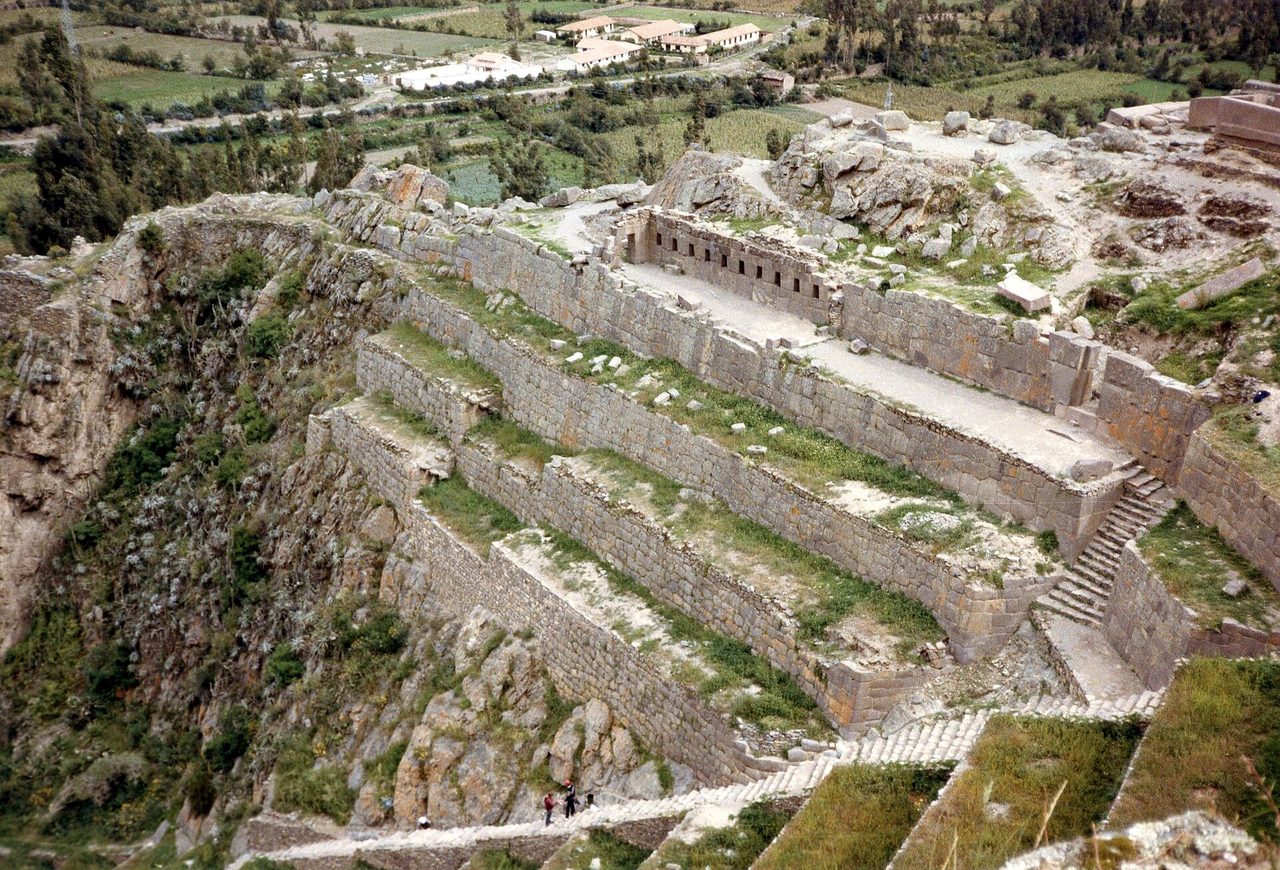
It is also, on the evidence, better than Cusco for actual Inca architecture. Ollantaytambo is a living Inca town — people are still using the original street grid and the original water channels — and the terraced temple hill above it is the single most impressive piece of stonework I have seen in Peru outside Machu Picchu itself. The salt terraces at Maras and the concentric agricultural rings at Moray are half an hour apart and take a morning between them. Pisac has both ruins and a market, and the ruins are the better half.
Two days does it properly: one for Pisac, Maras and Moray, one for Ollantaytambo before catching the afternoon train. The full route through the valley’s sites has the sequencing. Most of the ruins here are covered by the Boleto Turístico General, S/130 (about US$35) for ten days and sixteen sites, sold in cash and in person only — there is no official online sale, which catches people out.
3. Cusco itself — 2 days, roughly US$40–90
Cusco is a genuine city, not a staging post, and the mistake is treating it as one. It was the capital of an empire, then a colonial city built literally on top of the Inca one, and the result is streets where a 16th-century Spanish wall sits on a 15th-century Inca foundation you could not slide a credit card into. The Qoricancha shows this more clearly than anywhere else on earth.
Give it two days and use them differently: one for the centre, the Qoricancha and the San Pedro market, one for the ruins on the ridge above town — Sacsayhuamán and its neighbours, walkable uphill from the Plaza de Armas if your lungs have caught up. The San Blas lanes are the nicest hour of aimless walking in the country. The city guide to what is worth your time in Cusco sorts the essential from the filler.
The caveat: at 3,400 m your first day here is not a full day. If you fly in from Lima at sea level and try to do anything strenuous that afternoon, you will feel it. Plan the first day as coca tea and a slow lunch and mean it.
4. Three nights in the Amazon — 3–4 days, roughly US$350–800
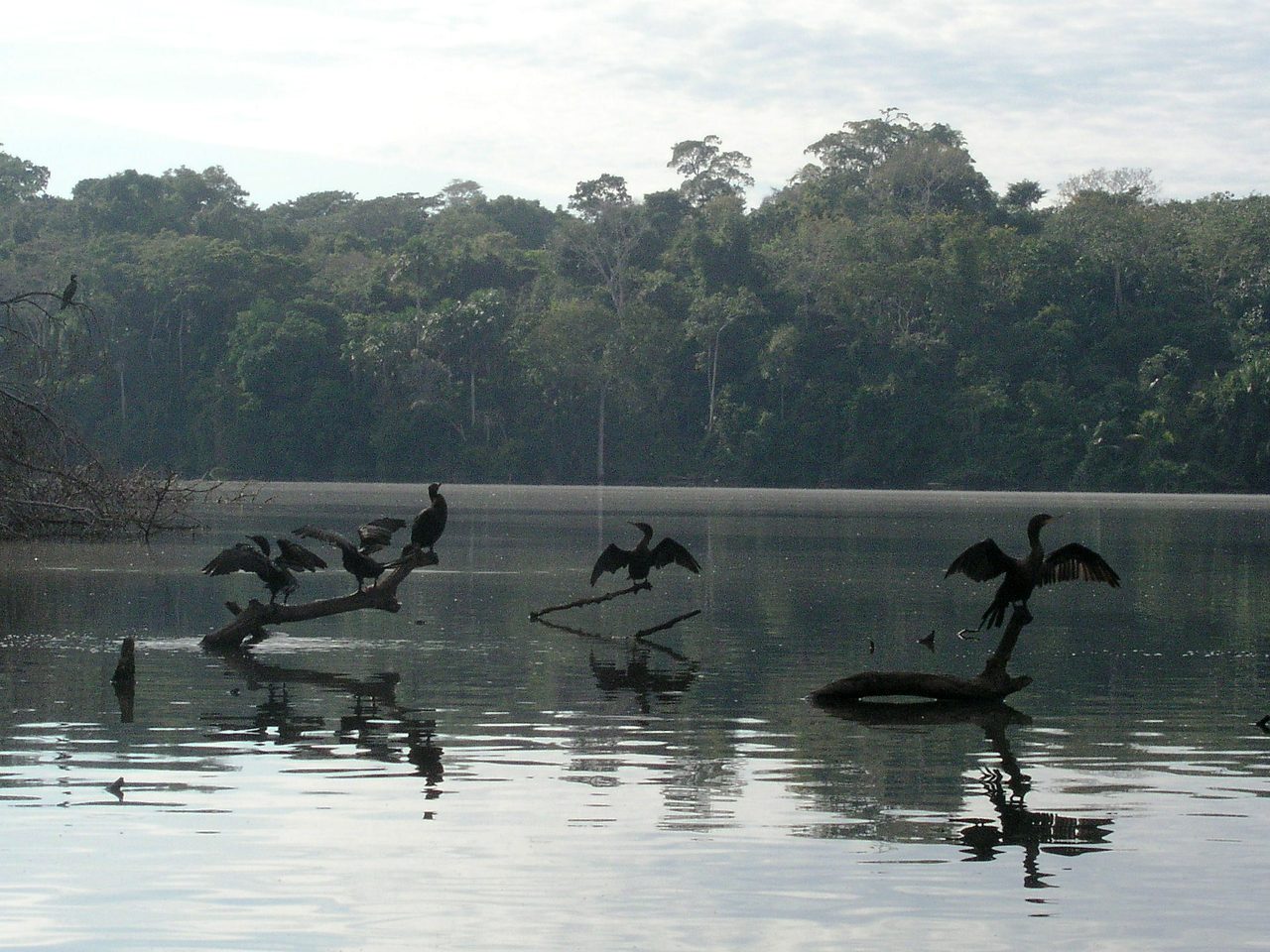
This is my most contested placement, and I will defend it. Most first-timers treat the rainforest as an optional extra and cut it when the days get tight. I think it is the single biggest upgrade available to a first Peru trip, because it is the only part of the itinerary that is completely unlike the rest. After a week of stone and thin air, dropping into 30°C humidity and a river full of caimans resets the whole trip.
The practical version: fly Cusco to Puerto Maldonado (about 50 minutes), boat upriver, stay three nights at a lodge in or near the Tambopata reserve. Three nights is the threshold. Two gets you one full day in the forest and an anticlimax; three gets you a proper macaw clay lick morning, a night walk and an oxbow lake at dawn. Expect roughly US$350–500 per person for a solid mid-range lodge on a three-night package including transfers, meals and guiding, considerably more at the high end, plus a reserve entry fee of around US$20. Lodge pricing moves a lot by season, so treat those as starting points. The comparison of the different ways into the Peruvian Amazon covers which lodges are worth the premium.
Who it is not for: anyone who genuinely hates insects, heat or early mornings, and anyone with only seven days. On a seven-day trip the jungle is the thing to cut, not the thing to squeeze in.
5. Eating in Lima — 1.5 days, roughly US$40–250
I have never met anyone who regretted the Lima days and I have met plenty who regretted skipping them. The city has a reputation as a grey airport town with bad traffic, and both halves of that are true, and it does not matter, because the food is on a level almost nowhere else in the Americas reaches at this price.
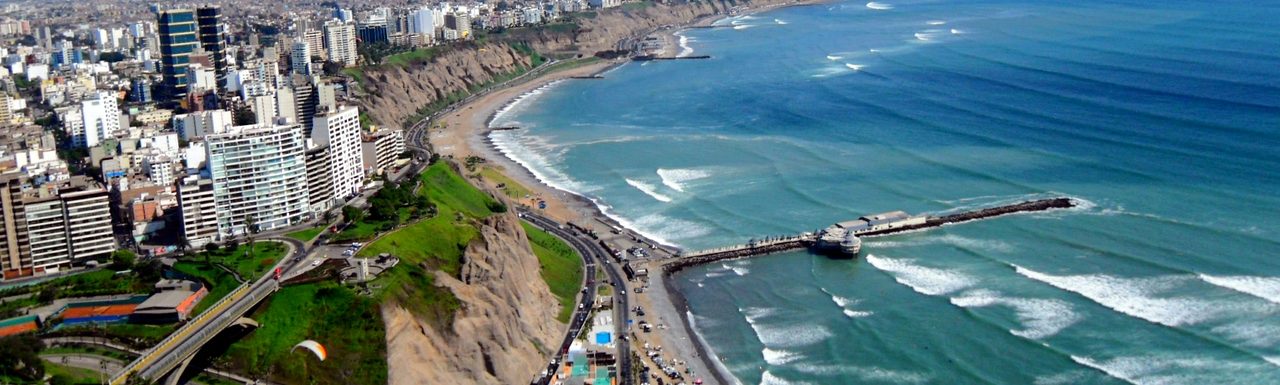
The important point for a first-timer is that you do not need the tasting menus. A US$12 lunch at a neighbourhood cevichería in Surquillo will be better than most US$80 meals at home, and the anticuchos from a street grill in Barranco at 9pm cost a few soles. Book one big-name restaurant if you want the experience, eat everywhere else on instinct, and spend an afternoon on the Miraflores clifftop watching paragliders. What to order and why is covered in the guide to Peru’s dishes and what makes them work, and the wider list of things worth doing in Lima itself handles the museums and the pre-Inca pyramids sitting in the middle of the suburbs.
Practical: build these days around your international flight rather than in the middle of the trip. Lima is at sea level, which makes it a good soft landing before altitude and a good decompression after.
Tier 2: excellent, if the days exist
These are not lesser experiences. Several of them are things I personally rate above parts of Tier 1. They are here because they cost more days than a nine-day trip can spare, or because they duplicate something you are already getting.
Lake Titicaca and an island homestay — 2–3 days
The lake is at 3,830 m and it does not feel like anywhere else. The bit worth doing is not the half-day boat trip; it is the overnight on Amantaní or Taquile, staying with a family, eating trout and boiled potatoes and going up the hill at sunset. That version is genuinely moving. The half-day version is not, and I have put it in Tier 3 below for a reason.
Cost is low — the boat trips are cheap and a homestay adds little — but the days are not, because Puno is seven hours by road from Cusco and five or six from Arequipa. The realistic budget is two nights and most of three days. The rundown of how to actually do Titicaca compares the half-day, full-day and overnight options honestly.
Arequipa and Colca Canyon — 3 days
Arequipa is the most attractive city in Peru and it is not close. Built from white volcanic sillar under three volcanoes, at a forgiving 2,335 m, it is also the best possible place to start acclimatising if you are arriving from the coast. The Santa Catalina monastery is a walled city inside a city and takes two hours.
From there, most people run the standard two-day loop to Colca Canyon: an ugly pre-dawn start, an hour at the Cruz del Cóndor lookout watching Andean condors ride the morning thermals, and a night in Chivay or Yanque. Group tours run roughly US$35–80 per person excluding the Colca tourist ticket (around S/70, about US$18). The condors are the real thing — a three-metre wingspan passing at eye level is worth the 3am alarm — but they are a morning-only, weather-dependent proposition and some people get an hour of empty sky. The guide to Arequipa and the canyon has the timings.
Walking to Machu Picchu instead of taking the train — 4–5 days
The classic Inca Trail is four days, three nights, and arrives through the Sun Gate on the last morning. It is a superb trek and it is a completely different proposition from the train version. It also eats five days, costs US$650–900 with a decent operator and US$1,500 upwards at the premium end, requires a permit capped at 500 people a day including porters and guides, closes for maintenance every February, and sells out four to six months ahead in high season. The full picture is in the guide to trekking the Inca Trail.
My honest read: if you have ten days or fewer, the trek and the Amazon are competing for the same block of time, and I would take the Amazon. If you have a fortnight and you like walking, take the trek. If the permits are gone, the Salkantay route needs no permit and several people I trust prefer its scenery.
The southern desert: Paracas, Huacachina and Ica — 2–3 days
South of Lima the country turns into pure desert and gets strange. The Ballestas Islands off Paracas are stacked with sea lions and Humboldt penguins for a two-hour boat trip. Huacachina is a small green lagoon surrounded by dunes the height of office blocks, and the dune-buggy and sandboarding run at sunset costs about S/40 (US$15–25) and is the most straightforwardly fun ninety minutes available in Peru — one entry on a much longer list of adventure activities in Peru. Nobody arrives expecting to enjoy it as much as they do.
The catch is that this corridor sits in the wrong direction from everything else. It is a natural add-on only if you are already spending time in Lima and have two days spare. The route down the desert coast lays out the bus timings.
Huayna Picchu or Machu Picchu Mountain — half a day
Cheap in days, expensive in planning. Huayna Picchu is the sharp peak in the photographs, capped at 400 climbers a day, steep, exposed and over in about two hours up and down. Machu Picchu Mountain is longer, higher and much less crowded, with a wider view and a worse photograph. Either adds around S/48 to your ticket and both sell out months ahead. The comparison of the two summit hikes is worth reading before you pick, because you cannot change your mind on the day and the wrong choice for your fitness is a genuinely unpleasant morning.
Tier 3: what I would skip on a first trip, and why
This is the part other lists will not write, because most of them are selling the tour. None of these are bad. All of them are a poor use of a scarce day when it is your first time in the country.
Rainbow Mountain
The most over-promised day trip in Peru. Vinicunca tops out just above 5,000 m — higher than anything else on a standard itinerary, higher than Everest Base Camp — and the tours start between 3am and 4am with roughly three hours of driving each side. The entry is only S/25 and the day tours are cheap at US$39–49, so the money is not the problem. The problem is that you are spending a full day and a serious altitude hit on a viewpoint that is crowded by mid-morning, dusty from heavy foot traffic, and only vivid in the right light. In flat cloud the stripes are muted, and the photographs circulating online are saturated well past what your eyes will see.
If it is genuinely your dream, go — but go after four or five days at altitude, not on day two, and consider Palccoyo instead: a flatter, shorter walk, far fewer people, slightly less intense colour. On a first trip I would put that day into the Sacred Valley without hesitating.
The Nazca Lines flight
The geoglyphs are genuinely remarkable and the flight is a poor way to experience them. A 30 to 35-minute overflight costs US$85–150 plus around S/30 airport tax and S/47 in tourist fees, so call it US$105–180 all in. You are in a small aircraft that banks hard left, then hard right, so both sides get each figure. A significant proportion of passengers are airsick by the third bank, the figures are smaller than expected, and the whole thing is over quickly. Add the two-plus days of driving to get down there and back and it is a lot of trip for a queasy half hour.
Two better options: skip it, or if you are passing through anyway, climb the roadside mirador for a few soles and see two figures properly from the ground. The lines are a fascinating thing to read about. They are not, for most people, a good thing to spend two days and US$150 on.
A half-day Uros floating islands tour
The reed islands are real, the Uros are real, and the standard 3-hour boat tour from Puno turns the whole thing into a receiving line. You are shuttled onto an island, given a short demonstration, invited to buy textiles and offered a ride on a reed boat for another S/10–20. It costs almost nothing (group tours from about US$12–25; you can do it independently for S/10 plus S/5 entry) and it feels exactly as transactional as it sounds. This is one of the most commonly reported disappointments in Peru, and it is a scheduling problem rather than a fake-village problem: three hours is not enough time for anything but a performance. Do the overnight on Amantaní instead, or do not go to Puno.
The Machu Picchu day trip from Cusco
It can be done. You leave Cusco around 4am, drive to Ollantaytambo, train, bus, two hours at the site, and get back around 10pm. Every operator sells it. I would not, on a first visit, spend eighteen hours travelling to spend two hours at the thing you flew across the world for — and the mid-morning slot you get is the most crowded of the day. If your dates genuinely force it, the mechanics of doing it in a single day are worth reading closely, because the margins are thin and one delayed train wrecks it. Otherwise, sleep in Aguas Calientes and go up early.
Northern Peru
Kuélap, Gocta, Chan Chan, the Moche pyramids, the surf at Máncora. All excellent. All in the wrong half of the country for a first itinerary, requiring separate flights and adding days you do not have. This is the reward for a second trip, when the classic circuit is done and the crowds have started to annoy you — and the routes through the north of the country are laid out for exactly that trip. Not this one.
Folkloric dinner shows and the cuy photograph
The set-menu dinner with panpipes and costume changes, sold outside every restaurant on the Plaza de Armas, is expensive, mediocre food attached to a performance staged for people who will not be back. Eat somewhere locals eat instead — in Cusco, these are the kitchens worth your evenings. Similarly, cuy — roast guinea pig — is a real Andean dish with real cultural weight, and the version served whole to tourists for a photograph is usually the worst example of it in town. Order it in a proper picantería or not at all.
The days budget: what each experience actually costs you
This is the table I wish someone had given me the first time. “Days” means days removed from your trip including transit, not hours on site. Prices are per person in 2026 and exclude international flights.
| Experience | Realistic days | Rough cost pp | Tier | Verdict |
|---|---|---|---|---|
| Machu Picchu (train, overnight below) | 2 | US$180–350 | 1 | Book it first, everything else fits around it |
| Sacred Valley (Pisac, Maras, Ollantaytambo) | 2 | US$60–120 | 1 | Best acclimatisation and the best stonework |
| Cusco city and the ridge ruins | 2 | US$40–90 | 1 | A destination, not a transit stop |
| Amazon lodge, three nights | 3–4 | US$350–800 | 1 | The biggest single upgrade to a first trip |
| Lima food days | 1.5 | US$40–250 | 1 | Cheap, easy, consistently the surprise of the trip |
| Lake Titicaca with island homestay | 2–3 | US$70–150 | 2 | Only worth it as an overnight |
| Arequipa and Colca Canyon | 3 | US$120–250 | 2 | Great city, weather-dependent condors |
| Inca Trail (4-day trek) | 4–5 | US$650–1,500 | 2 | Superb, but competes with the Amazon for days |
| Paracas, Huacachina, Ica | 2–3 | US$80–180 | 2 | Pure fun; wrong direction from everything else |
| Huayna Picchu / Machu Picchu Mountain | 0.5 | +US$13 on entry | 2 | Cheap in days, must be booked months ahead |
| Rainbow Mountain (Vinicunca) | 1 | US$45–70 | 3 | Skip on a first trip; Palccoyo if you must |
| Nazca Lines overflight | 2–2.5 | US$105–180 | 3 | Expensive, nauseating, brief |
| Uros half-day boat tour | 0.5 | US$12–25 | 3 | Too short to be anything but a sales stop |
| Machu Picchu as a day trip from Cusco | 1 (18 hours) | US$300–450 | 3 | Only if your dates leave no alternative |
| Northern Peru circuit | 5–7 | US$400–900 | 3 | Excellent — on your second trip |
Add the Tier 1 rows and you get roughly ten and a half days. That is not an accident: it is why the standard ten-day Peru trip exists and why seven-day trips feel rushed. Ready-made versions of each length are in the collection of day-by-day Peru itineraries.
What this looks like as an actual trip
Turning tiers into dates is where most of the value is, so here are the three shapes I would actually book.
Seven days: the compressed classic
Lima two nights, fly to Cusco, straight down to the Sacred Valley for two nights, train to Machu Picchu with a night in Aguas Calientes, then two nights in Cusco on the way out. That is all five Tier 1 items except the Amazon, and the Amazon is the one to cut — three nights of jungle does not fit in seven days without wrecking everything else. Do not attempt Titicaca or Colca on a week. You will spend two of your seven days on a bus.
Ten days: the version I would book
The seven-day trip plus a flight from Cusco to Puerto Maldonado and three nights in the rainforest, flying back through Cusco or Lima. This is the complete Tier 1 list, it moves between three genuinely distinct environments, and it does not have a single wasted travel day. If you would rather hike than see the jungle, swap the three jungle nights for the Inca Trail and lose the train days.
Fourteen days: add the southern circuit
Lima, then fly to Arequipa (2,335 m, easier on the lungs than starting in Cusco), two days there, two days Colca, overland to Puno for the lake and an island overnight, overland to Cusco, then the Sacred Valley and Machu Picchu, back to Lima. Add the Amazon at the end if you have the appetite. This is the route that makes the altitude curve work in your favour, which is the whole argument for doing it in this order.
Where the money actually goes
Peru is cheap to be in and expensive to move around. Backpackers manage on US$40–60 a day and a comfortable mid-range trip runs US$100–150 a day, but those figures assume you are not buying a train ticket that morning. Three line items dominate almost every budget: domestic flights, the Machu Picchu train, and any multi-day trek. Food, taxis, hotels and museum entries barely register by comparison — you can eat extremely well in Lima for US$15 a day.
The practical consequence is that saving money in Peru means making structural choices, not small ones. Taking Expedition class instead of Vistadome saves more than a week of lunches. Overlanding Cusco to Puno instead of flying saves a hundred dollars and costs seven hours. The detailed numbers are in the breakdown of what a Peru trip actually costs, and the survey of where to base yourself in each region covers the accommodation side, where the value is genuinely excellent at every level.
Five ways first-timers get this list wrong
Counting travel days as sightseeing days. The single most common planning error. A day that contains a flight is not a day you saw anything. Build your itinerary from days on the ground, then add the transit days on top.
Sequencing the altitude backwards. Flying Lima to Cusco and hiking the next morning is how people lose three days to headaches and nausea. Land at 3,400 m and go down to the Sacred Valley the same afternoon, or route through Arequipa first. The advice on acclimatising in the collection of practical tips for travelling in Peru is not boilerplate — altitude is the thing most likely to damage your trip.
Booking Machu Picchu last. Entry tickets, Huayna Picchu slots and Inca Trail permits sell out months before your flights do. Lock the citadel date first and build outward. Working out how many days to give Machu Picchu before you book anything else will save you a reshuffle.
Trying to cover three regions in eight days. The country is enormous and the terrain is hostile to overland travel. Two regions done properly beats four done from a bus window, every time.
Ignoring the season. The dry months of May to September give you clear Andean mornings and the highest chance of a cloud-free citadel; the wet season is green, cheap and quiet, with reliable afternoon rain in the highlands and a February Inca Trail closure. The month-by-month picture is in the guide to when to visit Peru, and there is a narrower analysis of the best months at Machu Picchu specifically, which do not perfectly match the national answer.
Frequently asked questions
What is the number one thing to do in Peru?
Machu Picchu, and it is not particularly close. It is the rare mega-attraction that survives its own reputation. The more useful question is what comes second, and my answer is the Sacred Valley — which most people treat as a corridor rather than a destination and consistently under-schedule.
How many days do you need in Peru?
Ten is the number where the trip stops feeling compromised. Seven covers Lima, Cusco, the Sacred Valley and Machu Picchu at a brisk pace. Fourteen adds the southern circuit or the Amazon comfortably. Under seven days and you are paying long-haul airfare to spend a third of your trip in transit.
Is seven days enough for Peru?
Enough for one region done well, yes. Enough to also see Lake Titicaca, Colca Canyon or the Amazon, no — and attempting it is the fastest way to have a bad time. On a week, pick the Cusco region, add the Lima food days, and let the rest go.
Is Machu Picchu worth it, or is it overhyped?
Worth it. The setting does most of the work: it is the drop into the Urubamba gorge on three sides and the peaks above that make the photographs, and neither survives being reproduced. The logistics are genuinely irritating — timed entry, fixed circuits, compulsory guide, a bus queue that starts before dawn — and it is still worth it.
What are the top things to do in Peru besides Machu Picchu?
Three nights in the Amazon, two days eating in Lima, the Sacred Valley’s Inca sites, Cusco itself, and an overnight on an island in Lake Titicaca. Those five would make a strong trip with the citadel removed entirely, which is more than can be said for most single-attraction countries.
Is Rainbow Mountain worth it?
Not on a first trip, in my view. It costs a full day, a 3am start and a hike above 5,000 m, and it delivers a viewpoint that is crowded, eroded and heavily dependent on light. Go on a return visit when you are already acclimatised, or take the quieter Palccoyo alternative.
Are the Nazca Lines worth the flight?
For most people, no. US$105–180 all in, a 30-minute flight in a small aircraft that banks steeply and repeatedly, and two days of driving to reach it. If you are already on the south coast, the roadside viewing tower shows you two figures for a few soles and costs you twenty minutes.
Is the Amazon worth adding to a first trip to Peru?
If you have ten days or more, it is the best addition available. It is the only part of a standard Peru itinerary that is fundamentally unlike the rest, and three nights is the minimum that makes it work. On seven days, leave it.
What is the best month to visit Peru?
May and September, at the edges of the dry season, are the sweet spot: reliable Andean weather without the July and August crowds and prices. June to August has the clearest skies and the most people. January to March is green, cheap and wet, and the Inca Trail closes for the whole of February.
How much does a trip to Peru cost?
Excluding international flights, budget travellers manage on US$40–60 a day and mid-range travellers on US$100–150. A ten-day trip covering the full Tier 1 list lands somewhere around US$1,400–2,500 per person including domestic flights, the Machu Picchu train and an Amazon lodge. The train and the lodge are the two lines that move that number most.
Do you need to acclimatise before hiking in Peru?
Yes, and it is the single most consequential thing on this page. Cusco is at 3,400 m, Puno at 3,830 m and Rainbow Mountain above 5,000 m. Give yourself two or three easy days before anything strenuous, ideally starting lower in the Sacred Valley or Arequipa, and take the first day genuinely slowly.
Do you need a guide at Machu Picchu?
Yes — entry with a licensed guide is required, and the circuit system means you will be following a fixed route regardless. Quality varies enormously, so if a guide is assigned rather than chosen, do some reading beforehand. Getting to the entrance in the first place involves a train, a bus and some timing, and the practicalities of reaching the site are worth working through in advance.
What should I wear at altitude and at the ruins?
Layers, and more than you think. Cusco mornings are cold, midday sun at 3,400 m burns fast, and the citadel sits in a cloud forest that can be humid and drizzling an hour after clear skies. Proper shoes matter more than anything else on the packing list — the stone is uneven and slick when wet. The specifics are covered in the guidance on dressing for the citadel and the highlands.
What is the best region of Peru for a first visit?
The Cusco region, without much debate. Machu Picchu, the Sacred Valley, Cusco itself and the easiest jungle access in the country all sit within a few hours of each other, which is why almost every first itinerary is built around it. The south (Arequipa, Colca, Titicaca) is the natural second region; the north is a separate trip.
What I would actually book
If someone handed me ten days and asked me to spend them: two in Lima at the start, straight to the Sacred Valley for two nights, Ollantaytambo and the afternoon train, Machu Picchu in the morning, two days in Cusco, then the short flight over the Andes to Puerto Maldonado and three nights in the forest. No Rainbow Mountain, no Nazca flight, no dinner show. Five things, done properly, in three completely different climates.
The instinct that ruins first trips to Peru is the fear of missing something. There is always another ruin, another lake, another canyon, and the country will still have all of them when you come back — which, going by everyone I know who has been once, you probably will. Pick the handful that earn their days and give them room. That is the whole method.