How Many Days Do You Need for Machu Picchu? (Honest Math for 2026)
One visit-day at the ruins, wrapped in four to five regional days - here's the honest math, with complete 2-, 3- and 5-day plans, the two-entry playbook, and the sequencing mistakes that cost people their visit.
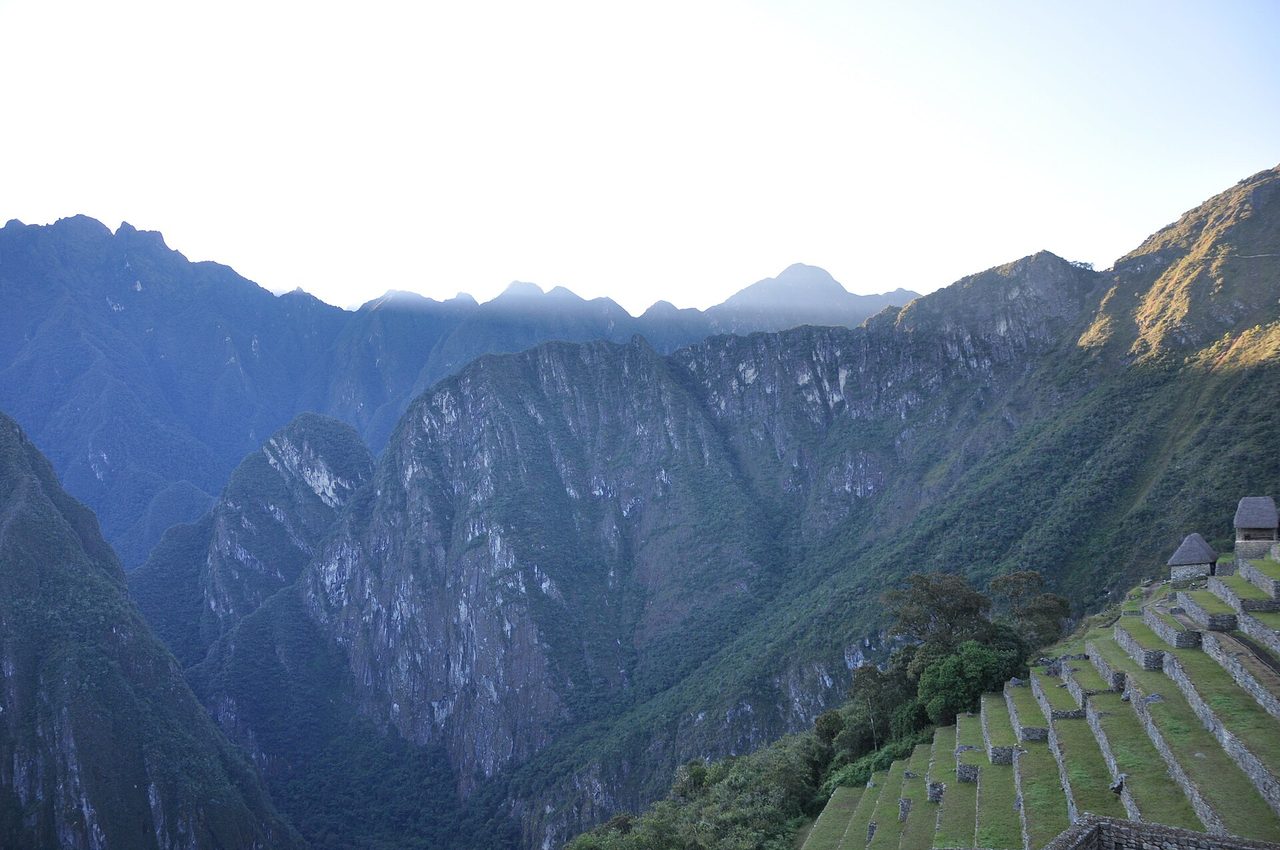
“How many days for Machu Picchu?” is the question I get asked most, and it’s really two questions wearing one poncho. The first: how much time do you need at the ruins themselves? (Less than you fear — one well-planned visit covers it for most people.) The second: how many days does the whole operation take — Cusco, altitude, trains, the Sacred Valley — before and after those hours among the terraces? (More than the brochures admit.) Conflating the two is how travelers end up either sprinting through the wonder of the world or budgeting a week for what needed four days.
The short version: plan on one full visit day at Machu Picchu, sleeping in Aguas Calientes the night before — and wrap it in a 4–5 day Cusco-region block to handle acclimatization and the journey properly. Serious photographers, summit collectors, and ruins obsessives should consider two entry tickets across two days. The one-day-from-Cusco sprint works but costs you the site’s best hours.
This guide gives you the honest math for every version — hours inside, days around, and complete day-by-day skeletons for 2-, 3- and 5-day plans — as part of our main Machu Picchu guide. For the full-country context, see the Peru itinerary guide.
How long do you actually get inside Machu Picchu?
Start with the constraint everything else hangs on: your ticket admits you once, at a fixed hour, onto a one-way circuit, for a stay the rules cap at roughly 2.5–4 hours (up to ~7 with a mountain-climb ticket). There’s no re-entry, no lingering till sunset, no “quick second lap.” A guided Circuit 2 walk runs about three hours at a pace that lets you actually look at things.
Here’s the counterintuitive good news: that’s enough. The circuit system, whatever its charms, has made the old all-day wander impossible — and in exchange it made planning simple. One entry = one morning or one afternoon. The variable isn’t hours inside; it’s which hours, and what you wrap around them.
What “a visit day” actually looks like, hour by hour
To make the abstractions concrete, here’s the anatomy of the core day — the one every plan above is protecting:
| Time | The dawn-entry visit day |
|---|---|
| 4:40 | Alarm in Aguas Calientes; caldo or hotel breakfast |
| 5:00 | Join the bus line, tickets bought yesterday |
| 5:30–6:00 | Shuttle up the switchbacks in the dark-going-blue |
| 6:00–6:15 | Gate, passport check, in — the site nearly empty |
| 6:15–9:30 | Circuit 2 with a guide: viewpoint in soft light, then down through the temples |
| 9:30–10:30 | Exit as the day-trip wave arrives; coffee outside the gate, bus down |
| 11:00–13:00 | Long celebratory lunch by the river; springs if staying, packing if not |
| 13:37/14:55 | Train out with the gorge in full sun — or a free afternoon if you wisely booked a second night |
Ten waking hours, of which barely half are logistics — that’s the ratio the extra planning days purchase, and why the sprint versions feel so different despite containing the same three hours of ruins.
One visit or two?
For most travelers, one visit is genuinely sufficient — Circuit 2 at dawn covers the classic viewpoint and the heart of the citadel, and leaves you sated rather than shortchanged. Book a second entry if any of these is you:
- You want a summit and the full site. The mountain tickets bind you to partial circuits — Huayna Picchu pairs with the lower city only, Machu Picchu Mountain with the viewpoint only. Completists need two tickets across two days (they’re cheap; the trains and hotel are the real cost).
- Photography is the point. Dawn light one day, afternoon light the next, two different circuits — that’s the full portfolio.
- Weather insurance in the green season. A February second entry is the cheapest guarantee that at least one visit gets the view.
The two-visit pattern costs one extra night in Aguas Calientes and about US$50–65 in ticket money — trivial against what most people paid to be on that ridge at all. Whether that outlay is justified in the first place is a fair question — we take it on in our honest verdict on the visit.
The wrapper: why “Machu Picchu” really means four or five days
Now the part itineraries bury. You cannot (responsibly) fly from sea level and visit the next morning — not because Machu Picchu is high (at 2,430 m it’s the low point of the region), but because everything you transit through is: Cusco sits at 3,400 m, and arriving there is a physiological event. The standard medical and guiding advice is two nights in the region before anything strenuous, ideally sleeping the first ones lower, in the Sacred Valley (2,800–2,900 m). Add the journey arithmetic — two hours of road plus two of rail each way — and the honest minimums assemble themselves:
| Days (Cusco region) | What it buys | Verdict |
|---|---|---|
| 1 (day trip) | The sprint: 16 hours, midday crowds, no summits | Only when truly time-starved |
| 2 | Overnight in Aguas Calientes, dawn visit | The efficient classic |
| 3 | + Sacred Valley en route, gentler pacing | The comfort sweet spot |
| 4–5 | + Cusco properly, acclimatized, maybe two entries | What I’d actually book |
| 6–9 | + a trek arrival (Inca Trail/Salkantay) | The full pilgrimage |
The acclimatisation rule that sets your real day count
Most answers to this question skip the only genuinely non-negotiable constraint. Machu Picchu sits at 2,430 m, where almost nobody has trouble. Cusco sits at 3,400 m, and every route to the citadel passes through it or above it. So your day count is not really set by the ruins. It is set by how far your body has to climb to reach the train.
The rule I use: count backwards from your entry hour, and make sure at least two sleeps sit between sea level and your first big walking day. Not two days of sightseeing — two nights of sleep, which is when acclimatisation actually happens. Where those nights are spent matters more than what you cram into the daylight between them.
| How you arrive | Nights before your Machu Picchu day | Where to sleep them |
|---|---|---|
| Fly Lima → Cusco (sea level to 3,400 m in 90 minutes) | 2 minimum, 3 if you hold a summit ticket | Sacred Valley, 2,800–2,900 m — not Cusco |
| Overland from Lima via the coast and Arequipa | 1 is usually enough | Anywhere; you climbed gradually |
| From Arequipa (2,335 m) or the Colca canyon | 1 | Valley or Cusco, either works |
| From Puno and Lake Titicaca (3,830 m) | 0 — you are already higher than Cusco | Straight through; you are the acclimatised one |
| Straight off a trek that crossed 4,000 m | 0 | Wherever you like |
The Puno row is the one people find surprising, and it is worth planning around: travellers arriving from Lake Titicaca can go almost straight to the train, which cuts a day or two off the whole block for anyone running the southern circuit in that direction. The Lima flight is the expensive one in day terms, because it hands you altitude you have not earned. For the physiology rather than my rules of thumb, the Cusco altitude guide covers what happens and what actually helps; how best to spend those first nights is the subject of how many days to give Cusco itself.
One caveat. Acclimatisation is not fair: fitness predicts almost nothing, age predicts almost nothing, and having been fine at altitude before predicts only a little. The rule above is a floor, not a target. If you have any history of altitude sickness, add a night rather than a pill and put it in the valley.
The one-day version, hour by hour
Before defending the two-day minimum, here is the one-day trip written out honestly, because plenty of people will do it anyway and deserve an accurate picture rather than a scolding. The standard packaged sprint from Cusco:
| Time | The day trip from Cusco |
|---|---|
| 3:40 | Alarm; breakfast is a bag left at reception |
| 4:15–6:00 | Van to Ollantaytambo through the dark valley |
| 6:10–7:40 | Train down the gorge; you sleep through most of it |
| 7:50–8:30 | Bus queue in Aguas Calientes, then the switchbacks |
| 9:00–12:00 | Circuit 2 at the busiest hour of the day, in flat light |
| 12:15–13:30 | Bus down, rushed lunch, bags still with you |
| 14:55–18:30 | Train and van back up the valley |
| 20:00–21:30 | Cusco, depending on traffic and how the road behaved |
Roughly seventeen hours door to door for three hours inside, and those three hours land in the window when the site holds its largest crowd and its flattest light. You cannot add a summit: the mountain tickets need an earlier entry than the day trip can deliver. And you have no slack, so one late train breaks the whole chain with nothing behind it.
It is not a scam and it is not pointless. If you have exactly one spare day and the alternative is not going, go. But be clear about what you are buying: the site at its most crowded, with zero margin. The overnight version costs one hotel night and returns the two things the sprint cannot — the early gate and a second chance. If it really is your only option, compare the routes between Cusco and the citadel first, because the train services and classes differ enough to matter on a day this long.
The 2-day version (tight but civilized)
For travelers already acclimatized in Cusco who need Machu Picchu inside 48 hours:
- Day 1: Late-morning colectivo to Ollantaytambo; poke around the fortress town; afternoon train down the gorge; check in at Aguas Calientes; hot springs or the site museum; buy tomorrow’s shuttle tickets tonight; early dinner, earlier bed.
- Day 2: 5:00 a.m. bus line, first shuttles at 5:30, through the gate at 6 on a Circuit 2 ticket with a guide; three hours in the quiet magic; down by 10:30; long lunch; 13:37 or 14:55 train, home to Cusco by early evening.
Total cost above your Cusco baseline: one hotel night, trains, entrance, shuttle, guide — roughly US$220–320 per person with standard trains. What it buys over the day-trip sprint: the dawn site, robustness against delays, and knees that still work.
The 3-day version (add the Sacred Valley properly)
- Day 1: Leave Cusco through the Sacred Valley — Písac’s terraces and market, lunch in Urubamba, Ollantaytambo by mid-afternoon for the fortress at golden hour. Sleep in Ollantaytambo (lower, prettier, station-adjacent).
- Day 2: Morning train to Aguas Calientes; museum-and-butterfly-farm afternoon or hot springs; early night.
- Day 3: Dawn entry, Circuit 2; optional add-on if you snagged a summit ticket; afternoon train and van back to Cusco.
This is the shape I recommend most often: the valley isn’t a transfer corridor, it’s half the show — and sleeping at 2,800 m beats 3,400 m for everyone’s first nights.
Two more shapes: the summit three-day and the unhurried four-day
The jump from three days to five is a big one, and two intermediate shapes cover most of the people stuck between them.
The 3-day summit version (mountain instead of valley)
- Day 1: Afternoon train from Ollantaytambo; check in at Aguas Calientes; buy tomorrow’s shuttle tickets tonight; eat early and skip the hot springs, because tomorrow is a climb.
- Day 2: 6:00 entry on a Circuit 3A ticket with Huayna Picchu, or 1A with Machu Picchu Mountain if drop-offs bother you. Climb first while it is cool, walk the circuit after. Down by early afternoon, springs, second night in town.
- Day 3: A second 6:00 entry on Circuit 2 for the classic viewpoint and the temples your mountain ticket kept you away from; midday train out.
This is the shape for people who came for the climb. It trades away the Sacred Valley entirely, which is a real loss, but it is the only three-day plan that delivers a summit and the postcard sector without one punishing day. It also asks more of your legs than most itineraries admit — wet Huayna Picchu stairs are the reason what you put on your feet is not a trivial question.
The 4-day version (the three-day plan plus a real Cusco day)
- Day 1: Cusco to the Sacred Valley by mid-morning; Písac terraces, lunch in Urubamba, Ollantaytambo fortress at golden hour; sleep in Ollantaytambo.
- Day 2: Moray and the Maras salt pans in the morning; afternoon train to Aguas Calientes; hot springs; early night.
- Day 3: Dawn entry, Circuit 2 with a guide; long lunch by the river; mid-afternoon train and van back.
- Day 4: Cusco — Qorikancha, the Casa Concha collection, San Pedro market, Sacsayhuamán at sunset.
Four days is where the plan stops feeling like transport. It is what I recommend to anyone whose Peru trip is ten days or shorter: the valley, the dawn entry and the city, without a fifth day. If the fourth day drifts, it trades easily for one of the shorter excursions out of the city.
The 5-day version (what I’d book with room to breathe)
- Day 1: Fly into Cusco early; go directly to the Sacred Valley (lower altitude = kinder first day); gentle afternoon in Písac or Urubamba.
- Day 2: Valley highlights — Moray’s crop-circle terraces, the Maras salt pans, Ollantaytambo fortress; second valley night.
- Day 3: Morning train to Aguas Calientes; springs, museum, early night.
- Day 4: Dawn entry — Circuit 2, or 3A with Huayna Picchu if you booked months out; afternoon train back toward Cusco; first night at full altitude, now well-acclimatized.
- Day 5: Cusco itself — Qorikancha, San Pedro market, Sacsayhuamán at sunset, and the Casa Concha museum to meet the artifacts you now have context for.
Five days, one region, zero sprinting — and it slots neatly into the classic two-week Peru arc (Lima → Cusco region → Titicaca or Amazon) mapped in the itinerary guide.
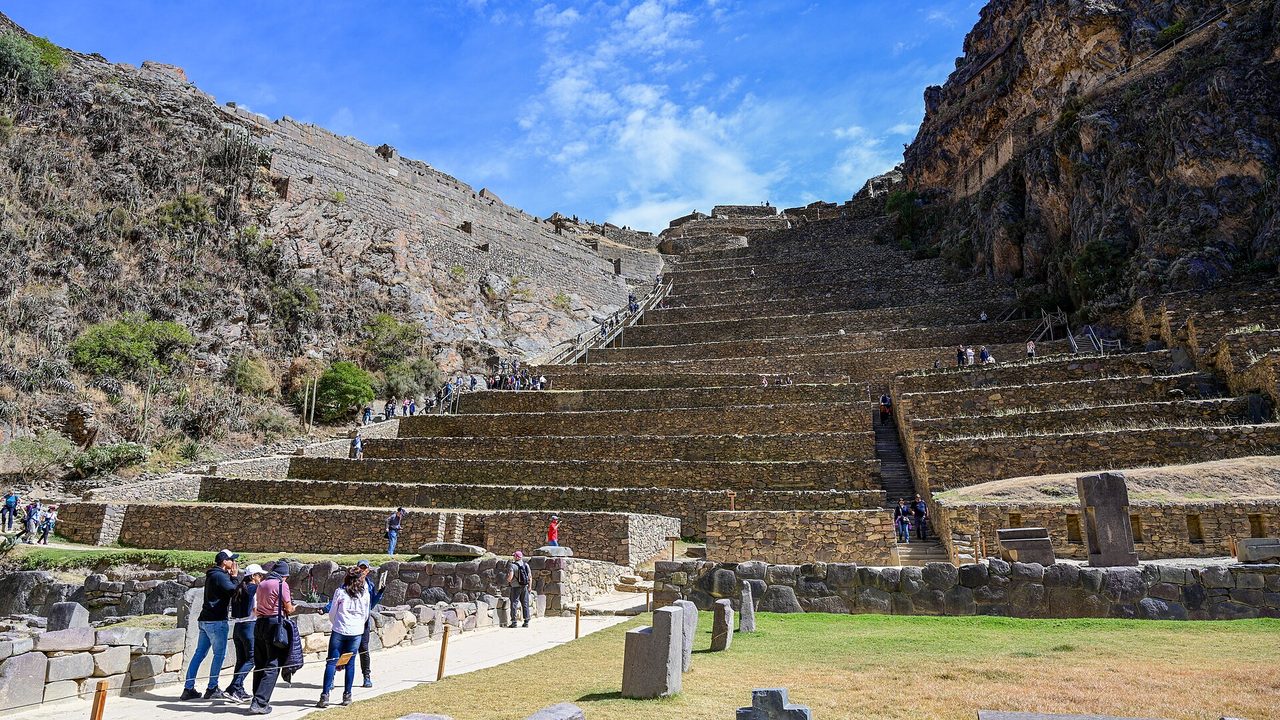
The trek versions (when the journey is the destination)
Arriving on foot reframes the day count entirely: the classic Inca Trail is 4 days/3 nights ending inside the site at dawn (plus the mandatory pre-trek acclimatization days — operators require you in Cusco 2–3 days early); Salkantay runs 4–5 days into Aguas Calientes with a normal next-morning entry; the 2-day “short Inca Trail” splits the difference beautifully for tighter schedules. Realistic all-in Cusco-region blocks: 7–9 days for the classic trail, 6–8 for Salkantay, 5–6 for the short trail. If those numbers made your calendar wince, that’s what the train is for.
The trek plans, day by day
Trek lengths get quoted as bare numbers, which hides the fact that they are not interchangeable. Here is what each actually asks of your calendar.
Classic Inca Trail — 4 days, 3 nights
- Day 1: Transfer to km 82, gentle walking, camp near Wayllabamba at about 3,000 m.
- Day 2: The hard one. Dead Woman’s Pass at 4,215 m, then a long descent to camp. This is why the pre-trek Cusco nights are compulsory rather than advisory.
- Day 3: The best one. Two more passes, cloud forest, and the ruins at Sayacmarca and Wiñay Wayna; camp near 2,650 m.
- Day 4: Up before four, Sun Gate at first light, down into the site, then your timed circuit. Train out that afternoon.
Block it as 7–9 days including two or three acclimatisation nights beforehand and a recovery day after. Permits go roughly a year ahead: the 2026 season opened on 17 November 2025 and was largely gone within about a week.
Salkantay — 5 days, 4 nights
- Days 1–2: Up toward Humantay, then over the Salkantay pass at 4,630 m — the highest point on any standard route to the citadel.
- Days 3–4: A long descent into cloud forest and coffee country, then the walk or the short train into Aguas Calientes.
- Day 5: A normal timed entry the next morning, exactly like everyone who took the train.
No permit lottery, more altitude, and a stop at the turquoise lake below the mountain that plenty of walkers rate above the pass itself. Salkantay is the honest choice if you booked late and still want to arrive on foot; the wider comparison sits in our guide to Peru’s best multi-day treks.
Short Inca Trail — 2 days, 1 night
Train to km 104, six hours of walking past Wiñay Wayna, the Sun Gate in late afternoon, and a bed in Aguas Calientes rather than a tent. Next morning you enter on a normal circuit ticket. It adds a single day to the standard overnight plan and delivers the arrival most people picture when they imagine walking to Machu Picchu.
Signs you’re under- or over-budgeting
Under-budgeting looks like: landing in Cusco and training out the same afternoon (altitude roulette); booking the last evening train after a dawn entry “to save a night” (you’ll spend the savings on stress); trying to bolt Rainbow Mountain onto the day after a summit climb (your quads vote no). Over-budgeting looks like: three nights in Aguas Calientes (the town’s charm ceiling is two); scheduling two entries “just in case” in bone-dry July (one dawn slot delivers); a full “rest day” in Cusco after Machu Picchu when the region’s best food and museums were the rest day all along. The efficient frontier, for most humans: four to five days, one or two entries, no sprinting.
A 60-second decision tree
- Fewer than 3 days in the region? → The 2-day overnight (or, if truly cornered, the day trip). Book Circuit 2, dawn slot.
- 3–5 days? → The 3- or 5-day shapes above. Add a summit ticket if booking early enough; add the Sacred Valley always.
- 6+ days and functioning knees? → Consider arriving on foot. The short Inca Trail gives the Sun Gate arrival in a 2-day package; the classic trail is the full rite.
- Been before? → One afternoon entry on a circuit you haven’t walked, one night in the gorge, done. Repeat visits are the cheapest they’ve ever been in effort terms.
- Photographer / completist? → Two entries, two days, both light regimes, both halves of the site. You already knew.
What each version costs (per person, above your Cusco baseline)
| Plan | Transport | Tickets & guide | Lodging added | Realistic total |
|---|---|---|---|---|
| Day trip (package) | included | included | — | US$300–380 |
| 2-day overnight | US$110–160 | US$75–110 | US$40–80 | US$225–350 |
| 3-day valley route | US$120–170 | US$75–110 | US$80–160 | US$275–440 |
| 5-day full region | US$140–200 | US$75–170 (two entries) | US$160–320 | US$375–690 |
| Classic Inca Trail block | trek package covers most | US$700–1,200 | ||
| Short Inca Trail block | trek package covers most | US$400–650 | ||
| Salkantay block | trek package covers most | US$400–750 | ||
Notice how gently the totals climb as the days double: the expensive parts (trains, entrance) are fixed, and extra days mostly cost hotel nights and food. Time at Machu Picchu is the rare travel good with steeply diminishing price and steeply increasing value. Full country-wide budget context in the Peru trip cost guide.
What one more day actually costs
The table above prices whole plans. Most real decisions are smaller than that: you already have a plan, and you are deciding whether to add one day to it. Priced as a marginal purchase, that day looks like this.
- Second entrance ticket: S/163 for a foreign adult, or S/211 with a Huayna Picchu or Machu Picchu Mountain route — roughly US$44 and US$57 at current rates. A conservation surcharge lifted these on 1 May 2026, so check the official portal before you budget.
- Shuttle bus: about US$24 round trip.
- Room in Aguas Calientes: US$40–80 for something decent, more between June and August.
- Food and incidentals: US$20–35.
- Trains: nothing extra. You were making that journey anyway.
Call it US$130–200 for an entire additional day at Machu Picchu, second entry included. Operators sell the same thing as a packaged add-on for around US$275–365 per person, which is the convenience premium made visible. Set either figure against the flights, the permits and the months of planning that got you onto that ridge and the extra day is one of the cheapest upgrades on offer — a point we push harder in the budget guide to visiting.
Where to sleep each night (the underrated variable)
The same day count feels completely different depending on the beds. My rules: never sleep your first regional night in Cusco if you flew in from sea level — the Sacred Valley’s 500-meter discount is the difference between waking up ready and waking up hungover-without-the-fun. Always sleep in Aguas Calientes the night before your entry — it converts the site’s best hour from impossible to routine. And save Cusco for after: it’s the region’s best food, nightlife and museums, and it’s far more fun with red blood cells that have caught up. The specific hotels worth the money at each stop are in where to stay in Peru and the Aguas Calientes guide.
The two-entry playbook, in detail
Since the double-visit is this guide’s power move, here’s exactly how to run it. Book both tickets the same session, months out for dry season: day one, an early Circuit 2 slot (the classic viewpoint plus the urban heart, in dawn light); day two, Circuit 3A with Huayna Picchu (the climb, plus the lower royal sector your first day skipped) — or swap in 1A with Machu Picchu Mountain if exposure isn’t your friend. Sleep both nights in Aguas Calientes; the middle evening is for the hot springs and the smug feeling of watching day-trippers sprint for trains. Two mornings also doubles your weather lottery tickets — in the misty months, this is the difference between hoping for the view and statistically expecting it. Total marginal cost over the single-visit version: one hotel night, one entrance, zero additional trains. Value per sol: the best on the mountain.
One admin note: the two tickets are independent purchases with independent passport checks, so the usual rules apply twice — and if you’re eyeing the seasonal extras (Sun Gate route 1C, Huchuy Picchu 3D, June–October), the second day is where they slot in without crowding the classic circuit. The full route-by-route matrix is in the tickets guide.
The second ticket is insurance, and nobody prices it that way
Here is the framing that changes people’s minds. By the time you reach the gorge, everything else is a sunk cost: the international flight, the Cusco nights, the train, the acclimatisation days you spent walking slowly around a market. All of it was spent to produce one morning. And that morning has a real failure rate, because cloud sits in this valley for hours and a green-season whiteout until ten is not rare.
If that single morning fails, you have not lost the ticket price. You have lost the point of the trip, and the only remedy is flying back to Peru. A second entry on a second day costs about US$44 plus a hotel night, and it converts an all-or-nothing bet into two independent attempts. Two clouded mornings in a row does happen. It is far rarer than one.
That is the real argument for the extra day, and it is a much stronger one than “you will enjoy it more.” You are not buying more sightseeing. You are buying a second draw. The side benefit is that the two visits genuinely differ — another circuit, another light, and a second walk through sectors that make a great deal more sense once you know what the place was built for. But even if the second visit added nothing at all, the insurance would justify it from November to March.
If your real question is “how many days in Peru”
Zoom out: the Cusco block above is one of Peru’s three anchor regions, and most first trips assemble two or three of them. The napkin math that works: Lima 2 days + Cusco region 4–5 + Titicaca 2 or Amazon 3 = a 10–12 day trip; drop to one anchor for a week, add the Arequipa/Colca loop or the southern coast for fifteen. Machu Picchu’s 4–5 days are the least compressible piece of any version — everything else flexes around it. Full combinations, with day-by-day skeletons, live in the Peru itinerary guide.
Matching Machu Picchu days to your total trip length
The practical version of that arithmetic, by how long you have in the country:
| Total trip | Days for the Machu Picchu block | What that looks like | What you give up |
|---|---|---|---|
| 7 days | 4 | Fly straight to Cusco, valley, gorge, dawn entry, one Cusco day | Lima beyond a transit night, and everything else |
| 10 days | 4–5 | The 4-day block plus a second entry or a big day hike, with 2 days in Lima | One of Titicaca or the Amazon |
| 2 weeks | 5 | Full region, two entries, plus a second anchor region | The north, and the coast if you pick the Amazon |
| 3 weeks | 5–8 | Arrive on foot — Salkantay or the Inca Trail — plus two other regions | Very little |
The pattern worth noticing is that the block barely grows. Tripling the trip adds at most a couple of days here, because the citadel has a natural ceiling and the extra time pays better in the Amazon lowlands, the northern ruins or the desert coast — our ranking of the places most worth your days is where to start choosing. Under seven days, do not add a second region. Over three weeks, Machu Picchu stops being the trip and becomes one very good week of it.
Sequencing mistakes that cost people their visit
- Flying in and going straight up. Cusco at 3,400 m on arrival day is when headaches are born. Valley first, city later.
- Booking trains before the entrance slot. The slot is the keystone; everything hangs off it. (Repeated across this site because the mistake is repeated across Peru.)
- Putting Machu Picchu on your last possible day. Weather and strikes are rare but real; a buffer day turns them into anecdotes.
- Treating the Sacred Valley as a highway. Moray, Maras and Ollantaytambo are half the region’s wonder at a tenth of the crowds.
- Stacking hard days. Summit climb + next-morning Rainbow Mountain + overnight bus is an itinerary written by someone who hates you. Alternate big and gentle.
Buffer days, and the 2026 disruptions that justify one
Every planning guide tells you to leave a buffer day. Almost none of them show you why, so the advice reads as vague caution and gets deleted first when the calendar tightens. Two events from this year make the case better than any warning could.
On 25 January 2026, a huaico — a mudslide — came down on the railway at PK 114.700 in the Mandor sector and closed the Machu Picchu–Hidroeléctrica line. That is the budget back door, the route via Santa Teresa that costs a fraction of the Ollantaytambo train. Service resumed on the evening of 26 January. Anyone who had built a tight plan around the cheap route lost a day and then had to buy onto the main line at short notice, at short-notice prices.
On 4 August 2026, a wildfire near km 107+400 dropped rock onto the track and suspended the main Ollantaytambo–Machu Picchu line. At least ten scheduled services were cancelled, hundreds of travellers sat in stations in Cusco and the valley with very little information, and the Ministry of Culture activated a force-majeure protocol so that affected visitors could reschedule or refund entrance tickets bought through the official portal. Trains ran again on 5 August.
Notice what those two have in common: each one closed the route the other left open. There is no routing under which both are simultaneously safe, and no amount of booking early prevents either. The only defence is a spare day. Add strikes to the list — regional paros have closed the road to Ollantaytambo more than once — and a buffer day starts to look like the cheapest insurance in the whole itinerary.
Where to put it: after Machu Picchu, in Cusco, never in Aguas Calientes. Cusco days reschedule freely, absorb a stranded afternoon easily, and sit next to the airport. Aguas Calientes wears thin fast and has no exit but the train. In practice: book your flight out of Cusco at least a full day after your entry slot, and hold a flexible Cusco room rather than a prepaid one. Both events above were announced and cleared within days, so confirm current line status with the operators and the Ministry of Culture before you travel rather than trusting anything written earlier, including this. Alternative access routes are laid out in how to get to Machu Picchu, and the contingency habits that make Peru trips resilient are in our Peru travel tips.
How many days for Machu Picchu: FAQ
Is one day at Machu Picchu enough?
One visit is enough for most travelers — the circuits cap your hours anyway. The trick is making it the right visit: dawn or late slot, Circuit 2, guide, slept-nearby. One day from Cusco (the 16-hour sprint) also works, with real costs in crowds and fatigue — see the day trip guide.
Can I do two circuits on the same day?
Only by buying two separate timed tickets and exiting-re-entering between them — permitted, occasionally done (a morning 3A climb plus an afternoon Circuit 2 is the classic combo), but it makes for a huge day and both slots must exist. Across two days is kinder.
How many days do I need from Lima, total?
Six as a sane minimum: fly to Cusco day 1 (straight to the Sacred Valley), valley day 2, Aguas Calientes day 3, Machu Picchu and back day 4, Cusco day 5, fly out day 6. Squeezable to four with discipline; the two you’d cut are the two your body wanted.
Do I really need the acclimatization days?
You need them for Cusco (3,400 m), which brackets every route in. Machu Picchu itself sits low enough that it’s often where people finally feel good — another argument for the valley-first sequencing that puts the highest sleeping altitudes last.
What about with kids or older travelers?
Add one day to whichever plan you chose and downgrade nothing else. The variable that matters isn’t walking speed — the circuits absorb slow — it’s recovery between big days. The 3- and 5-day shapes above work for multi-generation groups as written, with the day trip firmly discouraged.
What if I only care about the photo?
Then the honest minimum is still the 2-day overnight — because the photo you’re imagining was taken before 8 a.m. or after 3 p.m., and day-trip logistics deliver you at 10:30 with the haze and the crowds. One night in the gorge is the cheapest photography equipment you’ll ever buy.
Does the two-day trek (“short Inca Trail”) change the day count?
Barely — it’s the efficiency champion. Day one: train to km 104, hike six hours past Wiñay Wayna, arrive through the Sun Gate at golden hour, sleep in Aguas Calientes. Day two: dawn re-entry on Circuit 3 with your included ticket. Two days, one night, and you got both the trek arrival and the dawn citadel. Permits are far easier than the classic trail’s, too.
Is the rainy season a reason to add days?
One buffer day, yes — not for the site (it’s open) but for the trains, which occasionally pause for weather November–March. Slot it after the visit, before anything non-refundable; details in the best time to visit guide.
Can I visit Machu Picchu the day after I land in Cusco?
Physically, usually yes — the citadel sits a kilometre below Cusco, and people often feel better there than in the city. The risk is not the site, it is the twenty-four hours around it. A 4 a.m. start, a long transit and a three-hour walk on your first full day at 3,400 m is how a good trip becomes a headache with a view. If the schedule forces it, sleep that first night in the Sacred Valley rather than Cusco and take the earliest entry you can, so the hard part happens before the altitude catches up with you.
Should the buffer day go before or after Machu Picchu?
After. A buffer before the visit gets eaten by nerves and re-planning; a buffer after absorbs the actual failures — a cancelled train, a blocked road, a strike — without touching your entry slot, which is the one thing that cannot be moved. Put it in Cusco, keep the room refundable, and if nothing goes wrong you have simply gained a day in the best city in the region.
Does adding Rainbow Mountain change the day count?
It adds a full day, and a hard one: a pre-dawn start and a walk that tops out above 5,000 m. Never the day after a summit climb, and never in your first three days in the region. Slot the Vinicunca trip in after Machu Picchu, when you are as acclimatised as you are going to get, and treat it as the reason a 5-day block becomes a 6-day one rather than as something to squeeze in.
Final thoughts
Here’s the reframe that settles most planning anxiety: Machu Picchu isn’t a stop, it’s a sequence — valley, gorge, town, dawn, terraces, return — and the sequence is good all the way through. Give it four or five days and every link gets to be itself: the fortress at sunset, the train at golden hour, the springs with wrecked legs, the first bus in the dark, and then the moment the gate opens and the whole improbable city is standing there in the early light with your name on one timed, circuit-specific, utterly sufficient ticket. Don’t count the days you’re “spending.” Count the ones you’d otherwise have spent hurrying past the best parts.
A last word on flexibility: every plan above survives contact with reality better if one piece stays movable. Keep the Cusco days at the end (they reschedule freely), keep the entrance slot sacred (it doesn’t), and let the trains be the hinge between them. Travelers who structure it that way report the same thing: the region stopped feeling like a checklist and started feeling like a place — which was, presumably, the point of coming.
Sources
- Ministry of Culture — tickets, circuits and stay limits
- PeruRail — timetables used in the sample plans
- Machupicchu.gob.pe — official visitor information
- PeruRail — suspension notice, fire at km 107+400, 4 August 2026
- PeruRail news releases — current line status and suspension notices
Photo credits
All images are used under their stated licenses; thank you to the photographers.
- Photo: Dmitry Brant / CC BY-SA 4.0 via Wikimedia Commons — source
- Photo: Steve FUNG / CC BY-SA 4.0 via Wikimedia Commons — source
About this guide: Written by the Peru Tourism Guide team — writers and trip-planners who have explored Peru’s Andes, coast and Amazon over many visits and put hundreds of travelers on the right train to Machu Picchu. We update this guide as rules and timetables change.
Last updated: August 2026.