The Inca Trail to Machu Picchu: Complete Guide & Best Treks (2026)
Everything about the Inca Trail to Machu Picchu: the 4-day route day by day, permits and how to book, cost, difficulty, what to pack, and the best alternative treks.
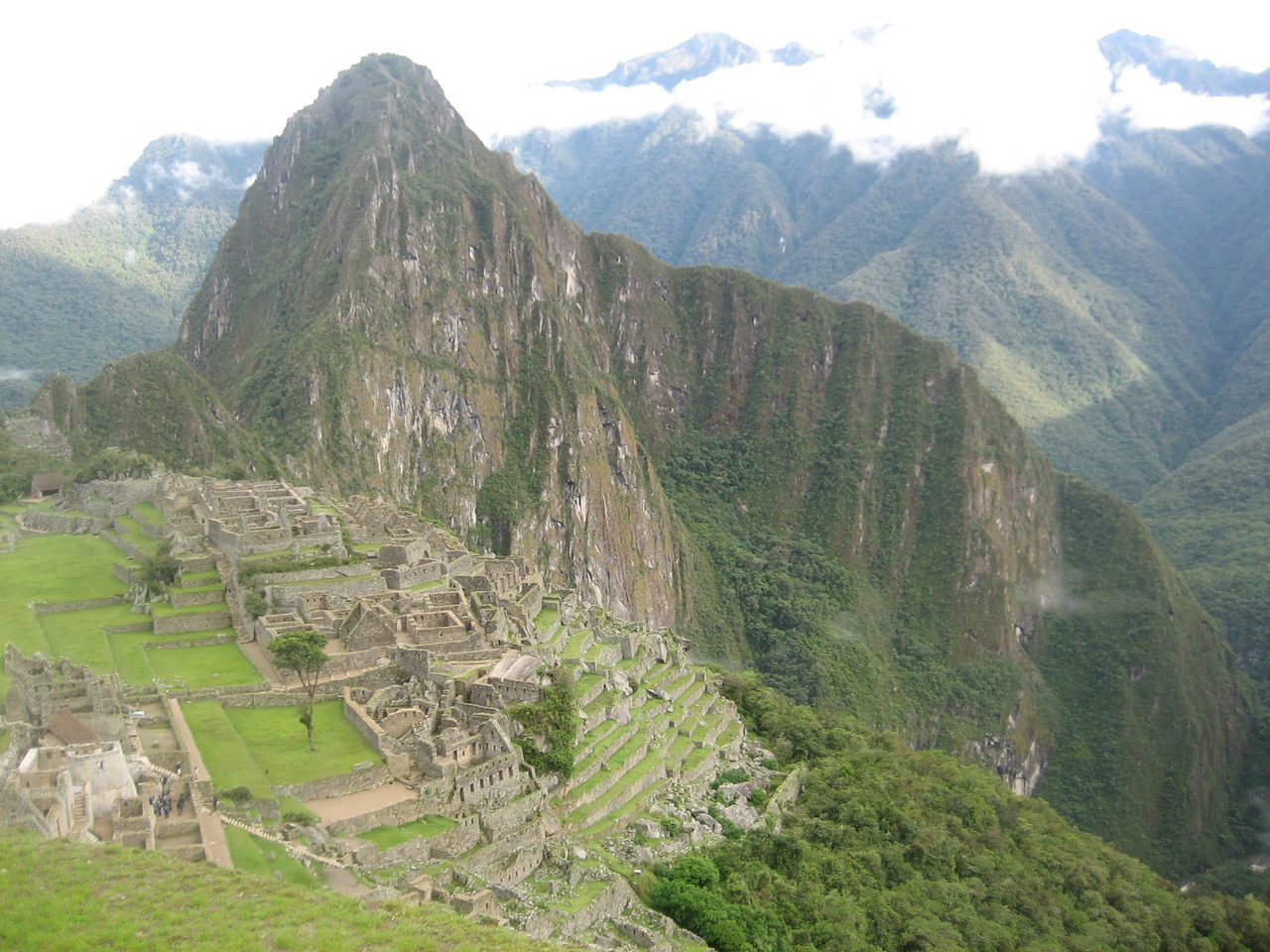
Walking to Machu Picchu instead of taking the train is one of the great travel decisions, and the Inca Trail is the most famous way to do it. Over four days you follow original Inca stone paths through cloud forest and over high passes, past ruins most train-day visitors never see, to arrive at the citadel through the Sun Gate at dawn. I’ve hiked it, and the moment Machu Picchu appears below you after days on the trail is genuinely hard to beat — you feel like you’ve earned it, because you have.
But the Inca Trail isn’t the only way to trek there, and for a lot of people it isn’t even the best one. This guide covers the classic route day by day, the all-important permits, the cost and difficulty, what to pack — and the excellent alternative treks (Salkantay, Lares, Choquequirao) for when permits are gone or you want bigger mountains.
The short version: the classic Inca Trail is a 4-day, roughly 43 km trek that ends inside Machu Picchu at the Sun Gate. It needs a permit booked months in advance (only ~500 people start each day, and it’s closed every February), and you must go with a licensed operator. If permits are sold out or you want a different experience, the Salkantay trek is the top alternative — higher, wilder, and permit-free.
Who this is for: anyone considering trekking to Machu Picchu and trying to choose a route. You’ll want to read it alongside our Machu Picchu guide and base yourself in Cusco to acclimatize first.
The treks to Machu Picchu at a glance
There are several ways to walk to Machu Picchu, and they’re genuinely different experiences. Here’s the quick comparison before we go deep on each:
| Trek | Days | Difficulty | Permit? | Best for |
|---|---|---|---|---|
| Classic Inca Trail | 4 (also 5) | Moderate–hard | Yes — book months ahead | History, original Inca paths, the Sun Gate arrival |
| Short Inca Trail | 2 | Moderate | Yes | A taste of the trail with less time/effort |
| Salkantay | 5 | Hard | No | Bigger mountains, remote scenery, availability |
| Lares | 3–4 | Moderate | No | Andean culture and villages |
| Choquequirao | 4–9 | Very hard | No | Remote ruins, almost no crowds |
All of them finish at Machu Picchu (the non-Inca-Trail routes via a train or a walk into Aguas Calientes for the final morning). A crucial point that trips people up: only the Inca Trail and the Short Inca Trail require a government permit and deliver you on foot through the Sun Gate. The alternatives are permit-free, which is exactly why they exist — and why they’re a lifesaver when the Inca Trail sells out. Let’s start with the classic.
The classic 4-day Inca Trail, day by day
The classic route covers about 43 km (26 miles) over four days and three nights, starting at “km 82” near Ollantaytambo and ending inside Machu Picchu. You hike with a licensed guide, and a team of porters carries the camp and most of the gear — you carry a daypack. Here’s how the days actually unfold.
Day 1: km 82 to Ayapata (a gentle start)
After an early transfer from Cusco or the Sacred Valley, you cross the Urubamba River at km 82 and start walking. The first day is the easiest — mostly gradual, following the river valley with views of the Inca site of Llactapata across the way, and your first taste of trail life. You’ll cover around 11 km to the first camp, where the porters will already have your tents and a surprisingly good dinner waiting. Use this day to find your rhythm; the real climbing comes tomorrow.
Day 2: Dead Woman’s Pass (the hard one)
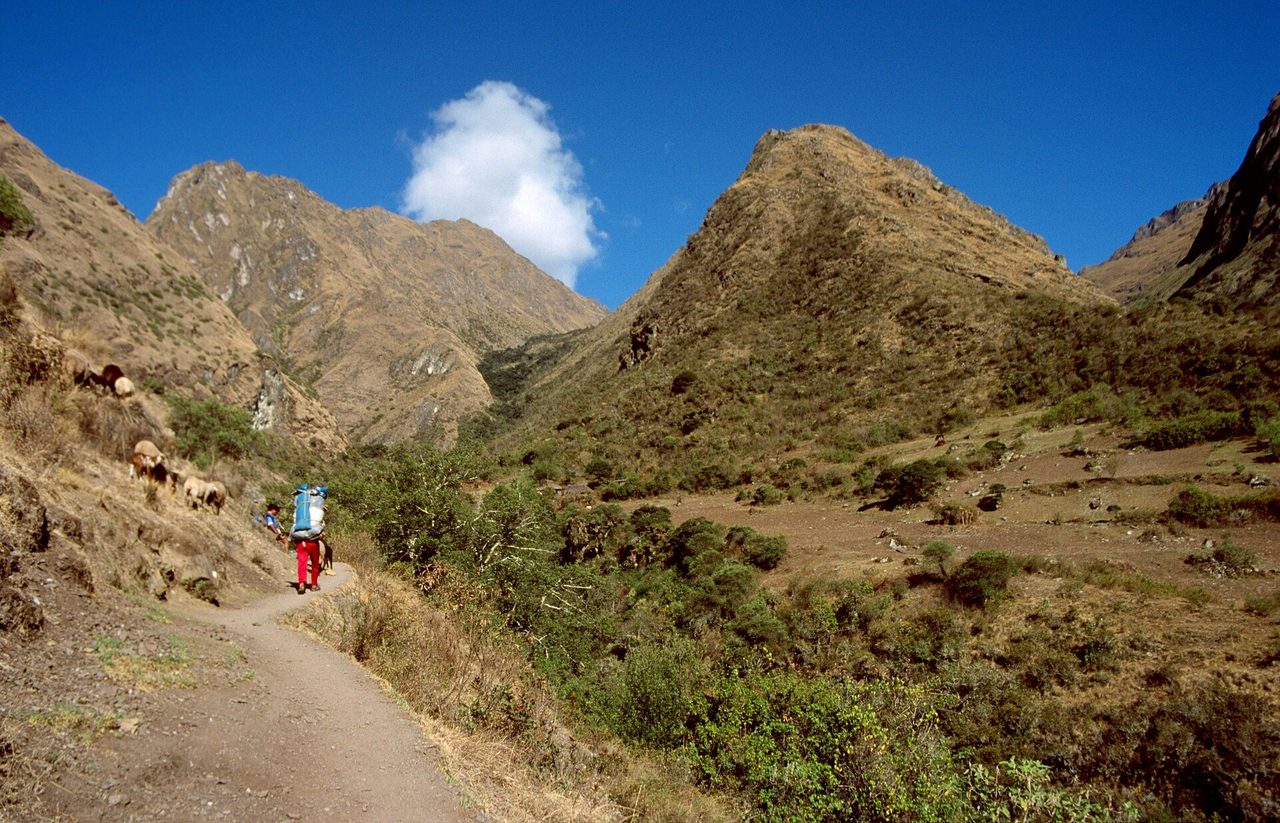
This is the day everyone remembers. You climb relentlessly to Warmiwañusca — “Dead Woman’s Pass” — the highest point of the trek at 4,215 m (13,829 ft). It’s a long, lung-busting ascent of stone steps, and the altitude makes it genuinely tough even if you’re fit; go slow, chew coca leaves, and take your time. The reward at the top is enormous, and then you descend steeply into the next valley to camp. If you’ve acclimatized properly in Cusco beforehand, this day is hard but very doable.
Day 3: ruins and cloud forest (the beautiful one)
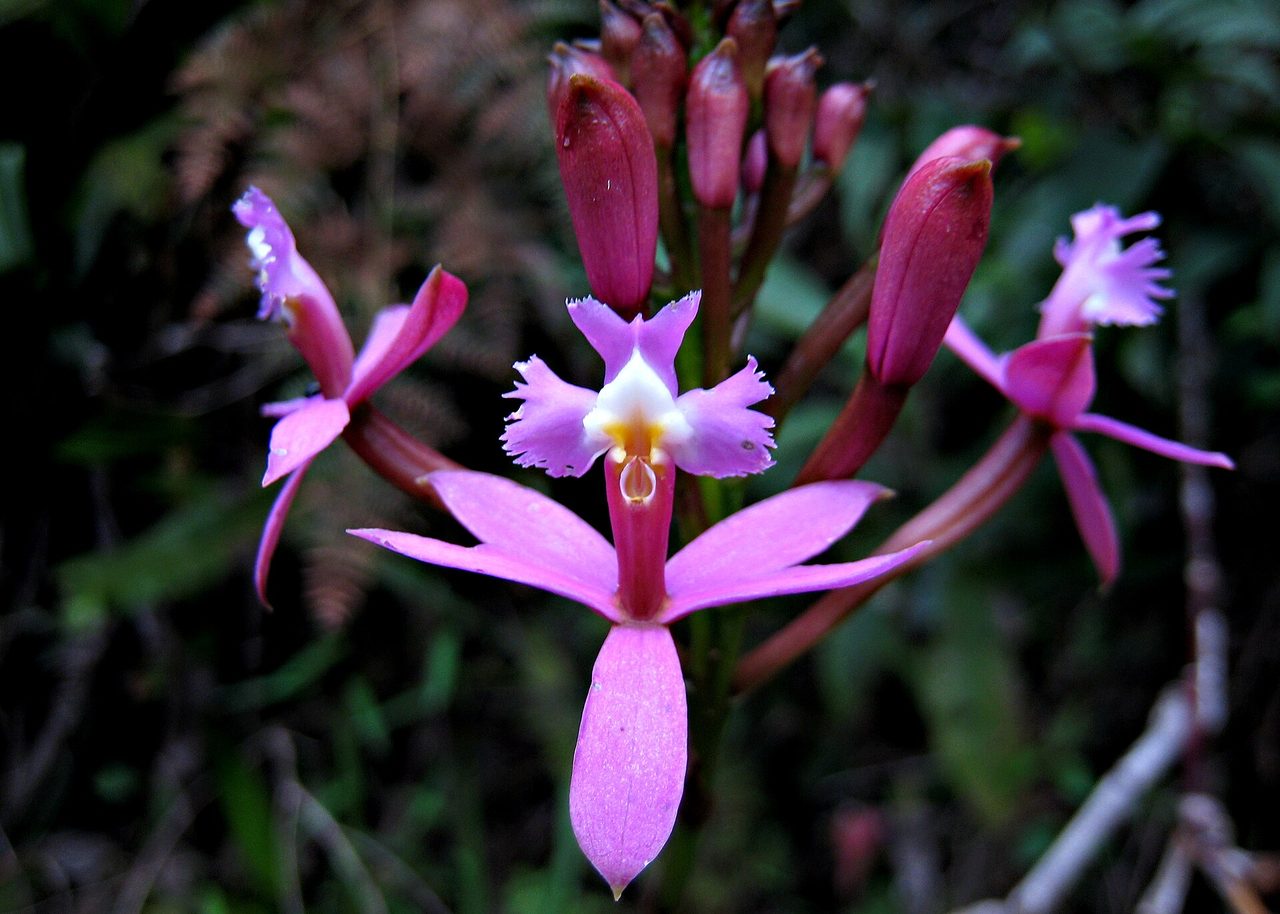
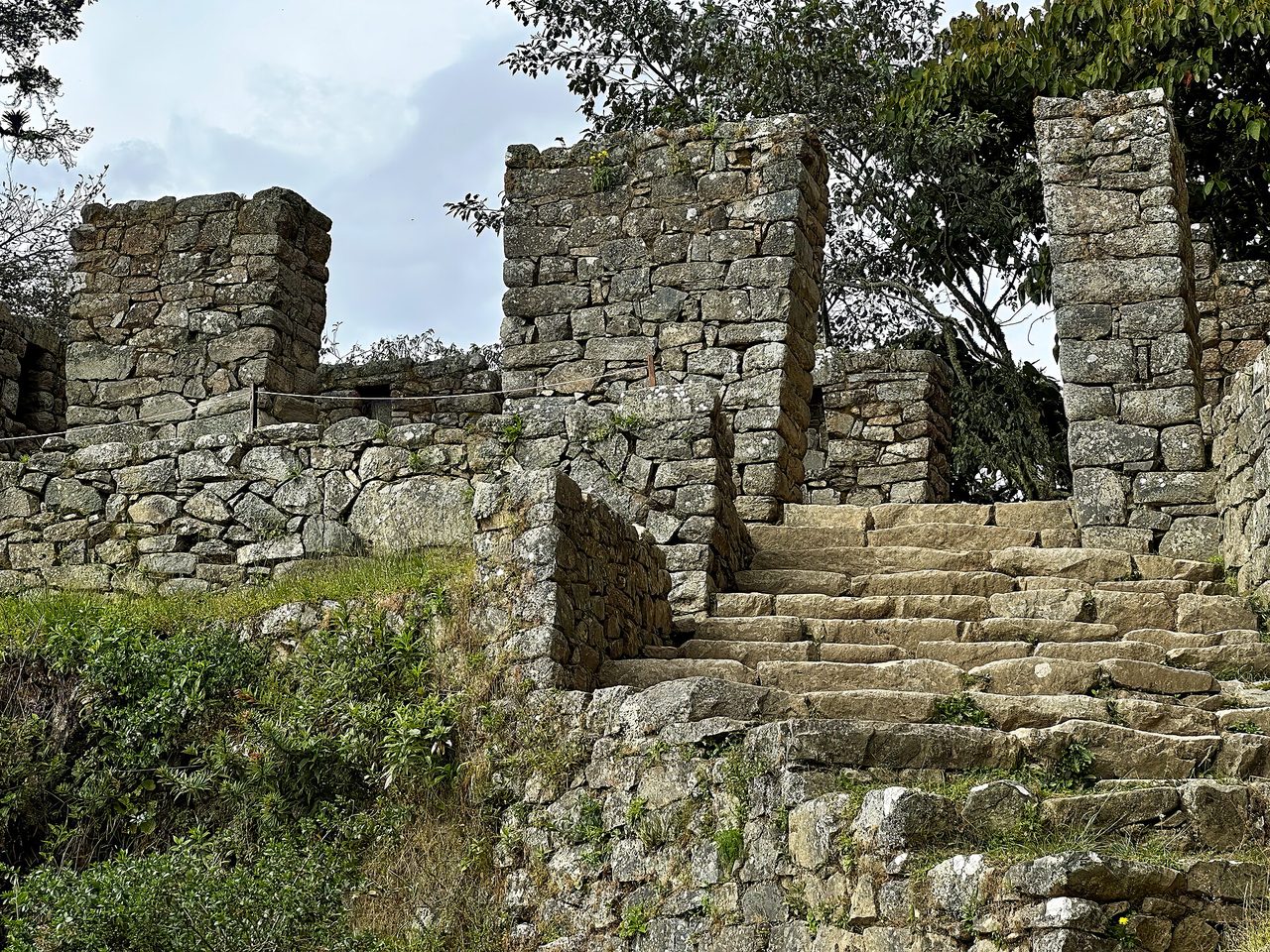
For many people this is the best day — longer but easier underfoot, and packed with ruins. You cross a couple more passes and walk through dripping cloud forest, stopping at the dramatic sites of Runkurakay, Sayacmarca and Phuyupatamarca, with the trail itself becoming ever more spectacular original Inca stonework. Late in the day you reach Wiñay Wayna, a gorgeous complex of agricultural terraces and the final campsite — close enough to Machu Picchu that the excitement really kicks in.
Day 4: the Sun Gate at dawn (the payoff)
The famous one. You’re up before dawn to queue at the final checkpoint, which opens around 5:30 a.m., then walk the last stretch in the half-light to Inti Punku, the Sun Gate. Crest it and Machu Picchu is laid out below you, lit by the rising sun — the view that everyone who’s done the trail talks about for years. From there you descend into the citadel itself for a guided tour, before catching the bus down to Aguas Calientes and the train back. It’s an early, emotional, unforgettable morning.
Note that some operators run a 5-day version of the classic trail, which spreads the same distance over an extra day for a gentler pace and quieter campsites — worth considering if you’d rather not rush. Either way, the Inca Trail is the only trek that delivers you to Machu Picchu on foot through the Sun Gate, which is a big part of why people choose it despite the permit hassle.
The ruins along the Inca Trail
Here’s what really sets the classic Inca Trail apart from the alternatives: it’s less a hike than a walk through an open-air museum, strung with Inca sites you can only reach on foot. In order, you pass:
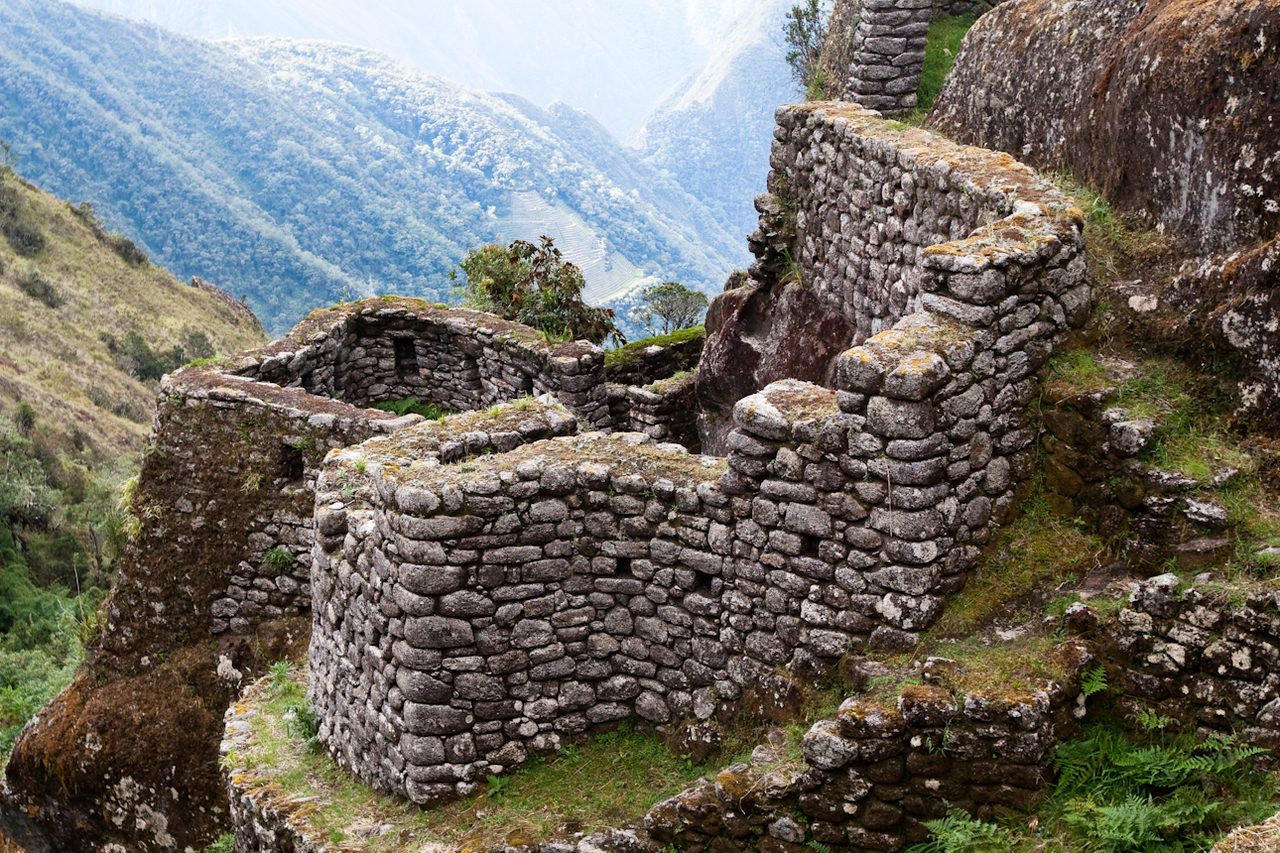
- Llactapata — sweeping agricultural terraces seen across the valley on day one, a gentle introduction to what’s coming.
- Runkurakay — a curious round structure, probably a watchtower or tambo (rest stop), perched above the second pass.
- Sayacmarca — the “inaccessible town,” clinging to a rocky spur and reached by a steep stone stairway.
- Phuyupatamarca — the “town above the clouds,” with beautifully preserved ceremonial baths and, on a clear day, jaw-dropping views.
- Intipata — a vast, vertigo-inducing sweep of terraces tumbling down the mountainside.
- Wiñay Wayna — “forever young,” the showstopper near the final camp: terraces, fountains and temples that rival anything until Machu Picchu itself.
By the time you reach the Sun Gate, you’ve essentially had a four-day tutorial in Inca engineering and ritual, which makes the citadel mean more when you finally see it. If Inca history is what draws you, this procession of ruins is the strongest argument for choosing the classic trail — and it dovetails with our guide to Inca ruins beyond Machu Picchu.
Inca Trail permits: how and when to book
This is the single most important thing to understand, because it’s where people’s dreams of hiking the Inca Trail most often die: you cannot just turn up. The trail is strictly permit-controlled.
- Only ~500 people start each day — and only around 200 of those are trekkers; the rest are the licensed guides, porters and cooks who make it possible. That hard cap is why permits vanish so fast.
- Book months ahead. For the peak dry season (roughly May to August) permits routinely sell out four to six months in advance, sometimes more. If your dates are fixed, reserve as early as you can — ideally as soon as the year’s permits are released (they came out in November for the 2026 season).
- You must book through a licensed operator. Permits are issued to registered trekking companies, not individuals, and are tied to your passport — so independent, guide-free hiking of the Inca Trail isn’t allowed. Choose your company, and they secure the permit in your name.
- The trail closes every February for maintenance and conservation (it’s also the wettest month). Machu Picchu itself stays open, and the alternative treks run year-round.
- Permits now include your Machu Picchu entry. As of the 2026 season, Inca Trail permits bundle the corresponding Machu Picchu ticket, which simplifies things — though you’ll enter on a specific circuit.
If permits for your dates are gone, don’t despair — that’s exactly what the Salkantay and Lares treks are for (more below). Our dedicated Inca Trail permits guide walks through checking availability and booking step by step.
How much does the Inca Trail cost?
A classic 4-day Inca Trail trek typically runs US$700 to $1,500 per person, depending on the operator and service level. That range is wide for good reasons, and the cheapest option is rarely the one I’d pick. The price reflects:
- The permit and your Machu Picchu entry.
- Your licensed guide, plus the porters and cook who carry and prepare everything.
- Camping equipment, meals on the trail, and transport to the trailhead and back (train and bus on the final day).
- How well the company treats and pays its porters — which is where budget operators cut corners.
Add-ons like a personal porter to carry your duffel, a single-supplement tent, or upgraded train tickets cost extra. Tips for the guide and porters at the end are customary and important — budget for them. For a full breakdown of what’s included and how to compare quotes, see our Inca Trail cost guide, and put it in the context of your overall Peru trip cost.
The Short Inca Trail (2 days)
If you want the iconic Sun Gate arrival but don’t have the time, fitness or permit availability for the full four days, the Short Inca Trail is a brilliant compromise. You take the train to km 104, then hike up past the lovely Wiñay Wayna ruins and along the final stretch of the classic route to enter Machu Picchu through Inti Punku the same afternoon — usually with a night in Aguas Calientes and a full Machu Picchu visit the next morning. It still requires a permit (though demand is lower than the classic), it’s far gentler, and it delivers the trail’s signature moment. It’s my go-to recommendation for anyone short on time or unsure about multi-day camping. See our Short Inca Trail guide.
The alternative treks to Machu Picchu
When the classic Inca Trail is sold out — or you simply want bigger mountains, fewer crowds or a cultural focus — these permit-free routes are superb in their own right. They don’t enter through the Sun Gate (you finish via a train or a walk into Aguas Calientes and visit Machu Picchu the next morning), but many trekkers actually prefer them.
The Salkantay trek (the top alternative)
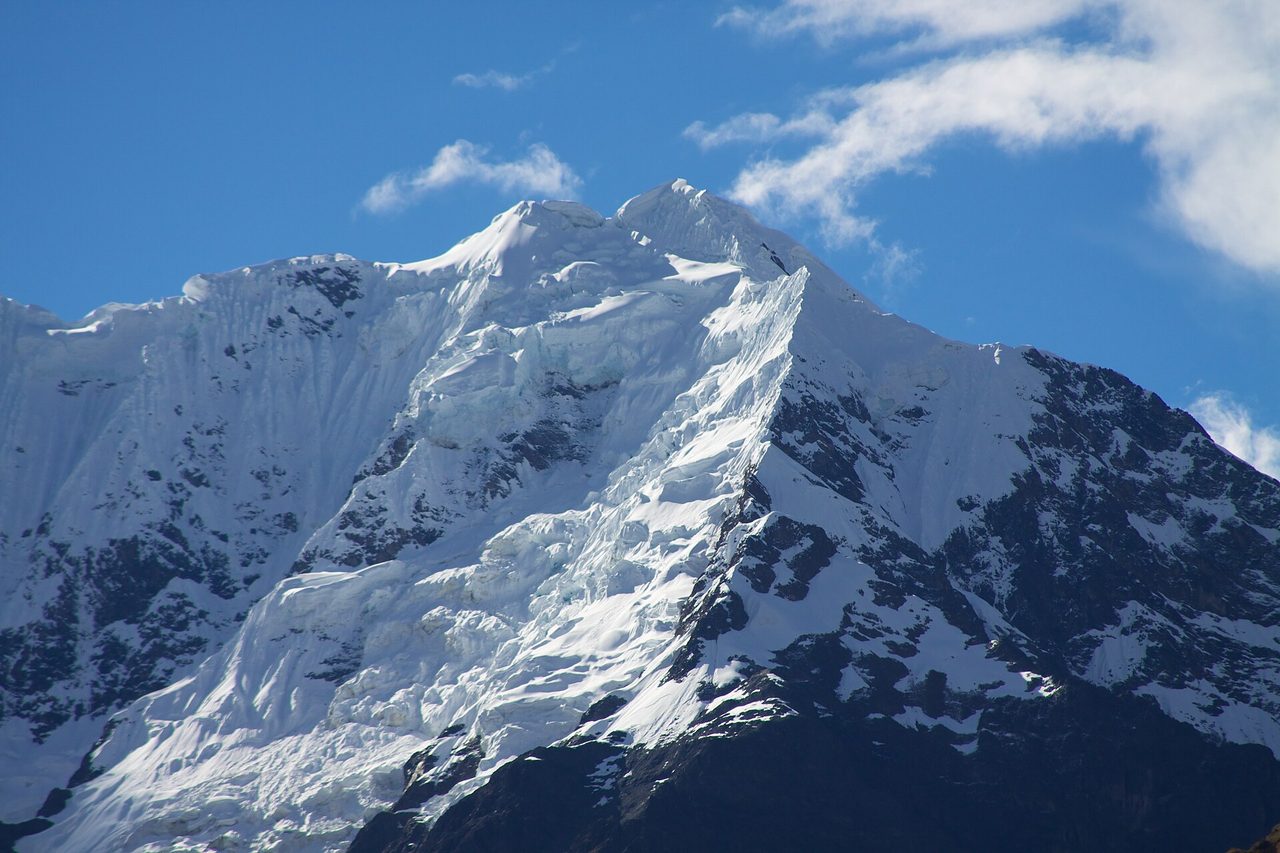
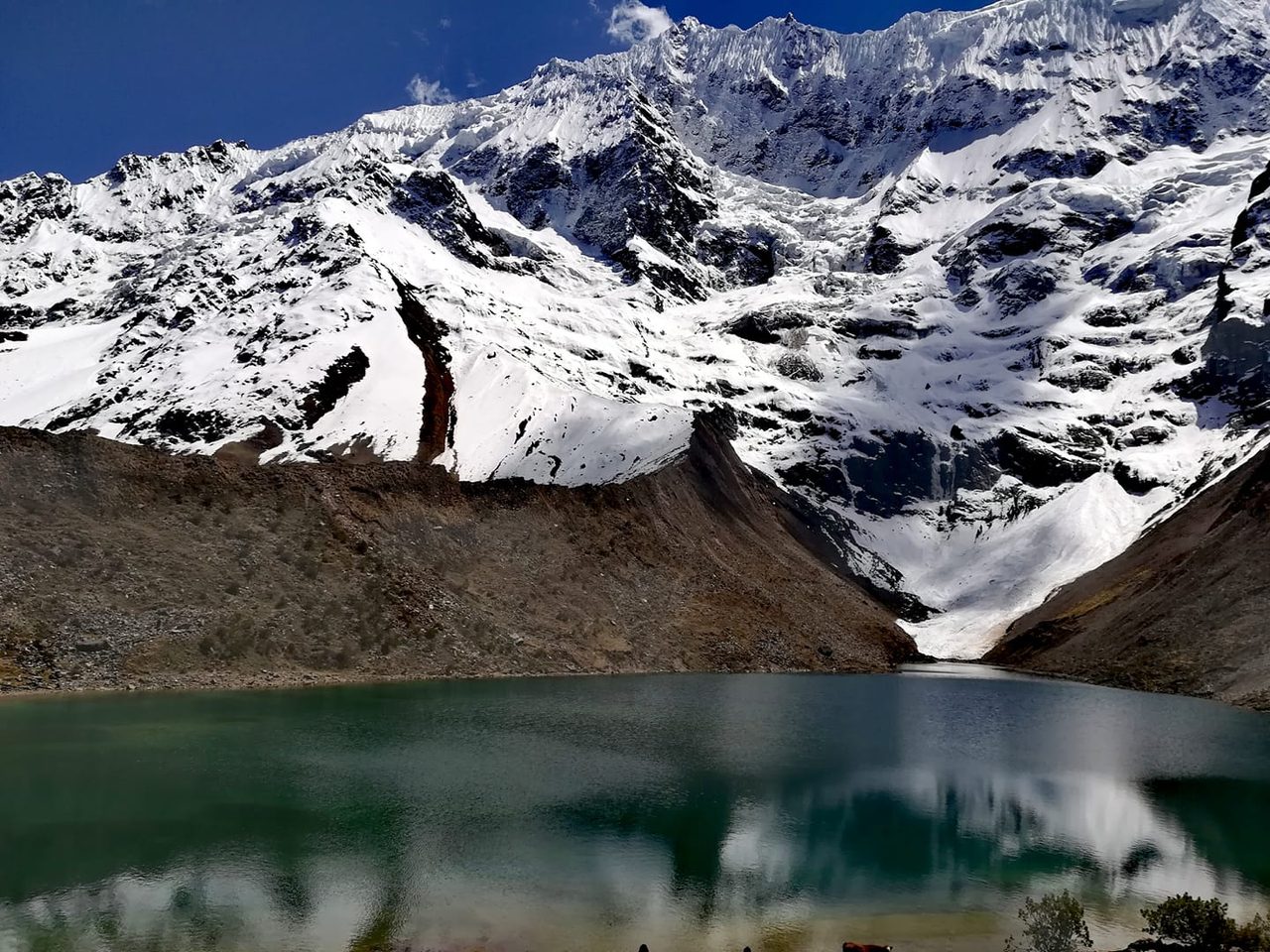
The Salkantay is the most popular alternative for good reason: it’s wilder and more dramatic than the Inca Trail, skirting the foot of the 6,271 m Salkantay peak and crossing a pass at about 4,630 m — higher than anything on the classic trail. Over (usually) five days you descend from glaciated high mountains into cloud forest and jungle, and many itineraries take in the stunning turquoise Humantay Lake on the first day. It needs no permit, so it’s bookable at short notice, and it’s a touch cheaper than the Inca Trail. The trade-off is the altitude and the longer, harder days. See the full Salkantay trek guide.
The Lares trek (culture over ruins)
The Lares trek trades archaeological sites for living Andean culture: you walk through remote highland villages where Quechua communities still herd alpacas and weave by hand, often with the chance to meet families along the way. It’s shorter and a bit gentler than Salkantay, with hot springs at the start and beautiful mountain-lake scenery. It usually finishes with a train to Aguas Calientes. Perfect if human connection and weaving traditions appeal more than another ruin. See the Lares trek guide.
The Choquequirao trek (for the hardcore)
For serious hikers, Choquequirao is the prize: a vast, barely-excavated Inca city often called Machu Picchu’s “sister,” reached only on foot via a brutal descent and climb in and out of the Apurimac canyon. Almost nobody is there. The classic version is a tough 4-day out-and-back, but longer expeditions even link Choquequirao to Machu Picchu over 8–9 days. It’s remote, demanding and unforgettable — see the Choquequirao trek guide.
There are others too — the Huchuy Qosqo, the Ausangate circuit, the Inca Jungle (which mixes biking, rafting and hiking) — but Salkantay, Lares and Choquequirao are the big three alternatives. You’ll find them all in our roundup of the best treks in Peru.
Inca Trail vs Salkantay: which should you choose?
This is the decision most trekkers agonize over, so let me make it simple. Choose the Inca Trail if the history is the point for you — walking original Inca paths, passing ruins the whole way, and arriving through the Sun Gate. It’s the iconic route, and that ending is unmatched. Choose Salkantay if you want the most spectacular mountain scenery, a wilder and more remote feel, a lower price, or simply availability — because it needs no permit, you can book it late. Salkantay is harder and higher; the Inca Trail is more historic and (slightly) more crowded. There’s no wrong answer, and plenty of people who’ve done both prefer Salkantay’s raw scenery. I break the two down point by point in our Inca Trail vs Salkantay comparison.
How hard is the Inca Trail? Difficulty and fitness
The Inca Trail is rated moderate to challenging — not technical (no ropes or climbing), but a real physical effort thanks to long days of stone steps, big ascents and descents, and the altitude. Day two’s climb to Dead Woman’s Pass is the crux. You don’t need to be an athlete, but you do need reasonable fitness and, above all, to be acclimatized: the single biggest factor in how the trek feels is whether you’ve spent a few days at altitude in Cusco or the Sacred Valley first. Do some hill walking and stair training in the months before, arrive a few days early to adjust, and pace yourself slowly on the climbs. Our Inca Trail difficulty guide covers training and what to expect, and the Cusco altitude guide covers acclimatization.
What to pack for the Inca Trail
Packing right makes a huge difference to your comfort. The essentials:
- Layers — it’s warm by day and below freezing at the high camps, so pack thermals, fleece, a down layer and a waterproof shell.
- Broken-in hiking boots with ankle support, plus camp shoes and good socks.
- A daypack for the day’s essentials (the porters carry the rest), a rain cover, and a reusable water bottle or hydration bladder.
- Sun protection — the high-altitude UV is fierce: hat, sunglasses, high-SPF sunscreen.
- Trekking poles with rubber tips (a lifesaver on the descents), a headlamp for the dawn start, and a small first-aid and blister kit.
- Your original passport — it’s checked at the trailhead and at Machu Picchu, and must match your permit.
A duffel weight limit applies to what the porters carry, so pack light. The full checklist, season by season, is in our Inca Trail packing list.
Choosing a trekking operator (this matters)
Because you can only hike with a licensed company, the operator you choose shapes your entire experience — and, just as importantly, determines how the porters are treated. The cheapest quotes too often mean underpaid, overloaded porters and corner-cutting on food and safety. Look for a company with fair porter policies (proper wages, weight limits, gear and meals for the team), strong recent reviews, good guides, and sensible group sizes. Paying a little more here is money genuinely well spent. We cover what to look for, and how to vet a company, in our guide to the best Inca Trail tour operators.
When is the best time to trek to Machu Picchu?
The dry season (May to September) is by far the best time to trek — dry, stable trails and clear mountain views, which on a multi-day hike makes all the difference. June through August are the busiest and have the coldest nights at the high camps; the shoulder months of April, May, September and October are the sweet spot, with good conditions and fewer people. The wet season (November to March) brings mud, slippery stone steps and cloud that can hide the views, and the classic Inca Trail closes entirely every February. The permit-free Salkantay and Lares treks run year-round, but the same weather logic applies. Match your trek to the season using our best time to visit Peru guide.
How a trek fits into your Peru itinerary
Don’t treat the trek as a standalone — it has to be wrapped in acclimatization. A 4-day Inca Trail or 5-day Salkantay needs at least two or three days beforehand at altitude in Cusco or the lower Sacred Valley, or you’ll suffer on the passes. So a realistic trek-focused trip looks like: a day or two in Lima, two or three acclimatizing in the Cusco region, the trek itself, then a rest day — roughly nine to twelve days all in. Plan it so the trek sits in the back half of your trip, once your body has adjusted. Our Peru itinerary guide shows how to slot it in.
Is the Inca Trail worth it?
If the journey to Machu Picchu appeals — days on ancient paths, ruins with no crowds, camping under Andean stars, earning that Sun Gate view — then yes, wholeheartedly. It’s one of the world’s great treks and a highlight of many people’s lives. But be honest with yourself: if you mainly want to see Machu Picchu and aren’t excited by multi-day hiking and basic camping, the train is a perfectly wonderful way to get there, and there’s no shame in it. The trek is an experience in its own right, not a better ticket to the same place. (For the citadel itself, we’ve written a separate take on whether Machu Picchu justifies the cost and the crowds.)
A booking and planning timeline
Because permits drive everything, work backwards from your dates:
- 6+ months out: choose your dates and a reputable operator, and book the Inca Trail permit (it’s the bottleneck). If you’re booking late and the classic trail is full, pivot to Salkantay or Lares, which don’t need permits.
- 3–4 months out: book flights and your Cusco/Sacred Valley acclimatization nights, and arrange travel insurance that explicitly covers high-altitude trekking.
- 1–2 months out: sort your gear, break in your boots, and start (or ramp up) some hill and stair training.
- On arrival: spend your acclimatization days before the trek, hydrate, and go easy — then enjoy it.
Trek responsibly
Trekking here comes with a responsibility to the trail and the people who make it possible. Choose an operator with genuine fair-porter policies — the porters carry astonishing loads and deserve proper pay, weight limits, gear and food. On the trail, follow Leave No Trace: carry out everything you bring, stick to the path to protect fragile terrain and ruins, and don’t touch or climb on the stonework. Tip your guide and porter team fairly at the end — it’s a meaningful part of their income. Treat the route as the 500-year-old living monument it is, and it’ll be there for the next trekker. Our Peru travel tips guide has more on traveling thoughtfully.
What is trek life actually like?
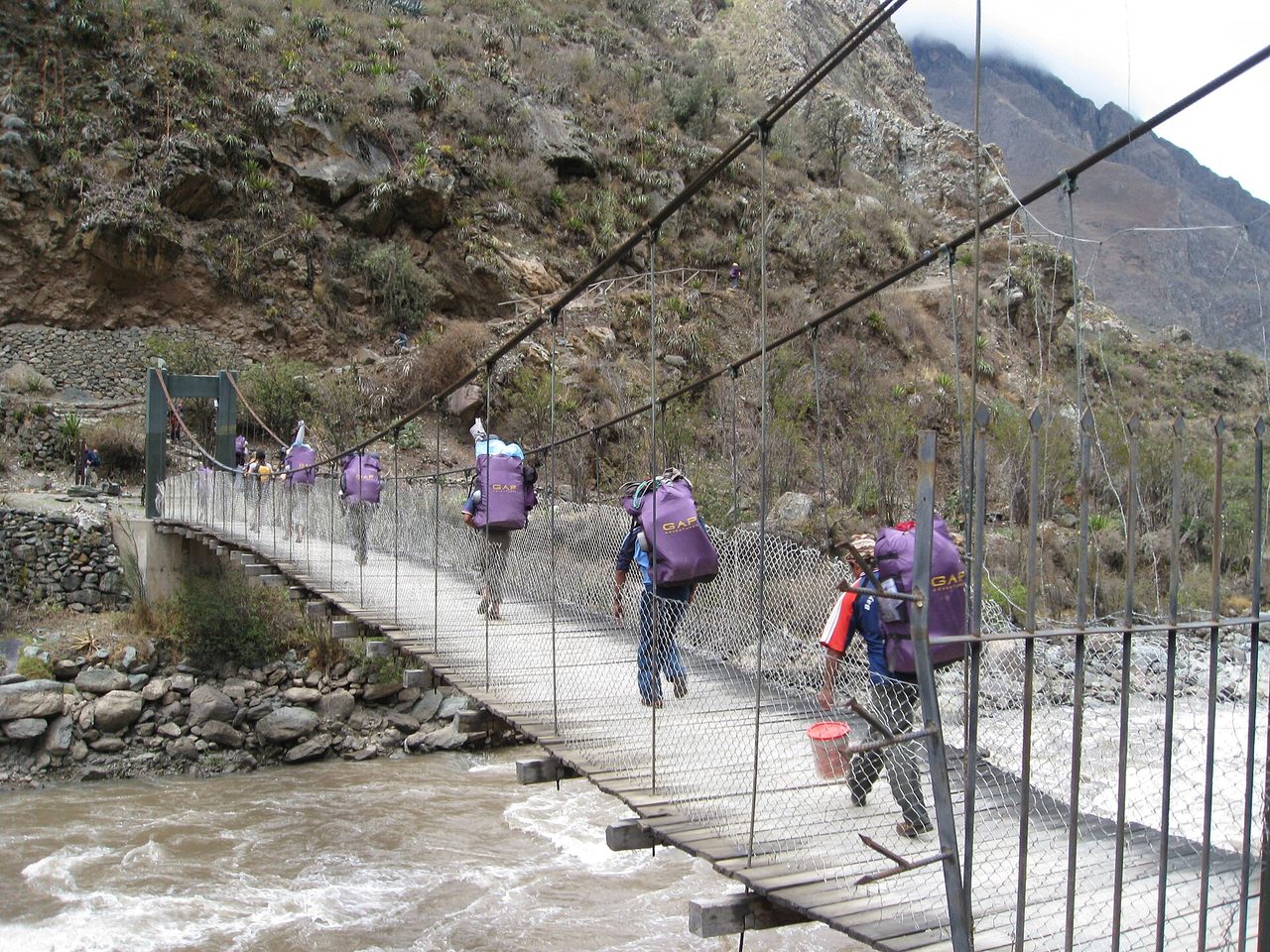
People are often surprised by how civilized the Inca Trail is, given you’re camping at altitude. On a good operator’s trip, the porters race ahead and have your tent pitched and a hot drink ready when you arrive; the cook turns out genuinely impressive multi-course meals from a tiny mess tent (soups, fresh dishes, even cake); and you’re woken with coca tea at your tent in the morning. You carry only a daypack. The flip side: nights are cold, the campsites are basic, toilets are rustic (bring your own paper and hand gel), and there are no showers until the end. You’ll be tired and a little grubby — but well fed, well looked after, and surrounded by extraordinary scenery. It’s camping, but the friendliest, most supported camping you’ll ever do.
Inca Trail and treks FAQ
How hard is the Inca Trail?
Moderate to challenging — not technical, but physically demanding because of the long days of stone steps and the altitude. Day two’s climb to Dead Woman’s Pass (4,215 m) is the hardest part. With reasonable fitness and proper acclimatization beforehand, most people manage it well. See our Inca Trail difficulty guide.
How far in advance do you need to book the Inca Trail?
For peak season (May–August), four to six months ahead, sometimes more — only ~500 permits are issued per day and they sell out fast. Book as soon as the year’s permits are released if your dates are fixed. If they’re gone, the permit-free Salkantay or Lares treks are your answer. See Inca Trail permits.
Can you hike the Inca Trail without a guide?
No. The classic and short Inca Trails require a permit issued only to licensed operators, and you must trek with a registered guide — independent hiking isn’t allowed. If you want a guide-free hike, choose an alternative like Salkantay (though a guide and operator are still strongly recommended there for safety and logistics).
How much does the Inca Trail cost?
A 4-day classic trek typically runs US$700–1,500 per person, covering the permit and Machu Picchu entry, your guide, porters and cook, camping, meals and transport. The cheapest options often cut corners on porter welfare and safety, so it’s worth paying a bit more. Tips are extra and customary. See Inca Trail cost.
Inca Trail vs Salkantay — which is better?
The Inca Trail for history, original Inca paths and the Sun Gate arrival; Salkantay for bigger, wilder mountain scenery, a lower price and no permit (so you can book late). Salkantay is harder and higher; the Inca Trail is more iconic. Neither is wrong. Our Inca Trail vs Salkantay guide compares them in detail.
Is the Inca Trail worth it?
If you love the idea of walking to Machu Picchu over ancient paths and arriving through the Sun Gate, absolutely — it’s one of the world’s great treks. If you mainly want to see the citadel and aren’t keen on multi-day camping, the train is a perfectly good alternative. It’s an experience, not just transport.
When does the Inca Trail close?
Every February, for maintenance and conservation during the wettest month. Machu Picchu itself stays open, and alternative treks like Salkantay and Lares run year-round, so February visitors still have options — just not the classic trail.
How long is the Inca Trail?
The classic route is about 43 km (26 miles) over four days and three nights, from km 82 to Machu Picchu. There’s also a 5-day version that covers the same ground more gently, and the 2-day Short Inca Trail from km 104. See the Short Inca Trail guide.
What is the best alternative to the Inca Trail?
The Salkantay trek — wilder, higher and more dramatic, with no permit required so you can book it at short notice. For culture choose Lares; for remote ruins and a serious challenge, Choquequirao. All finish at Machu Picchu via a train or a walk into Aguas Calientes. See our Salkantay and best treks guides.
Do you need to be very fit for the Inca Trail?
You don’t need to be an athlete, but a reasonable level of fitness helps a lot — you’ll be hiking 5–8 hours a day on steep, uneven steps at altitude. Some hill walking and stair training beforehand pays off, and acclimatization matters even more than raw fitness. Go slowly and you’ll be fine.
What is the highest point of the Inca Trail?
Dead Woman’s Pass (Warmiwañusca) at 4,215 m (13,829 ft), reached on day two. It’s the toughest moment of the trek. For comparison, the Salkantay trek climbs higher, to about 4,630 m at the Salkantay Pass.
Can you do the Inca Trail in 2 days?
Yes — the Short Inca Trail starts at km 104, climbs past Wiñay Wayna, and enters Machu Picchu through the Sun Gate the same day, usually with a night in Aguas Calientes. It still needs a permit but is far gentler than the four-day trek — ideal if you’re short on time or fitness.
Is the Inca Trail safe?
Yes, with a reputable operator. The main risks are altitude and slips on the steep stone steps, both manageable with acclimatization, sensible pacing and trekking poles. Guides carry first-aid kits and are trained in emergency response. Choose a well-reviewed company and follow their guidance.
What’s included in an Inca Trail tour?
Typically the permit and Machu Picchu entry, a licensed guide, porters and a cook, camping equipment and meals on the trail, and transport to the trailhead plus the train and bus on the final day. Sleeping bags, personal porters, trekking poles and tips are usually extra — check exactly what your quote covers.
How do you avoid altitude sickness on the trek?
Acclimatize before you start — spend at least two or three days in Cusco or the lower Sacred Valley. On the trail, walk slowly, drink plenty of water, eat lightly, lean on coca tea, and consider acetazolamide (Diamox) after talking to your doctor. Our Cusco altitude guide has the full plan.
When is the best time to hike the Inca Trail?
The dry season, May to September, for dry trails and clear views — with May and September the sweet spot for fewer crowds. Avoid the wet-season mud, and remember the trail closes every February. See best time to visit Peru.
Can you do the Inca Trail with kids?
Yes, with caveats. Most operators set a minimum age (often around 8–12) and the four-day trek is demanding for children given the altitude and long days. Active, older kids who are well acclimatized can love it; for younger families, the gentler 2-day Short Inca Trail, the Lares trek, or simply the train to Machu Picchu are better bets.
Do porters carry your backpack?
The porters carry the camp — tents, food, cooking gear — and you carry a daypack with your day’s essentials (water, layers, camera, snacks). For an extra fee you can hire a personal porter to carry a duffel of your personal kit up to a set weight limit, which many people do. Either way, pack light.
What happens if the Inca Trail is sold out?
Don’t panic — pivot to a permit-free alternative. The Salkantay and Lares treks both finish at Machu Picchu and can be booked at much shorter notice, and the 2-day Short Inca Trail sometimes has availability when the classic is full. You can also take the train and still see everything at the citadel itself.
Is the Salkantay trek harder than the Inca Trail?
Generally yes — Salkantay is longer (usually 5 days), climbs higher (about 4,630 m versus 4,215 m), and has bigger, more remote days. The Inca Trail is no walk in the park, but Salkantay asks a bit more of your fitness and acclimatization. In return you get wilder mountain scenery.
Do you need travel insurance for the trek?
Absolutely — and check the fine print. Many standard policies exclude high-altitude trekking, so make sure yours explicitly covers hiking above 4,000 m and, ideally, emergency evacuation. It’s a small cost for real peace of mind on a remote, high trail.
How many people hike the Inca Trail each day?
Around 500 people start the classic trail each day, but only about 200 of those are trekkers — the rest are the licensed guides, porters and cooks. That strict cap, set to protect the trail, is exactly why permits sell out months in advance and why the path never feels as crowded as Machu Picchu itself.
Can you see Machu Picchu without hiking?
Yes — you don’t have to trek at all. The train from Cusco or Ollantaytambo to Aguas Calientes, then a short bus up, gets you to Machu Picchu with minimal walking. Trekking is an experience in its own right, not the only way in. Our Machu Picchu guide covers the train route.
What is the Sun Gate (Inti Punku)?
Inti Punku, the “Sun Gate,” is the original Inca entrance to Machu Picchu, set on a ridge above the citadel. It’s where the Inca Trail finishes: trekkers crest it at dawn for the first, framed view of Machu Picchu below. Day visitors can also walk up to it from the citadel for the same vantage point.
Final thoughts
Trekking to Machu Picchu turns a sightseeing tick-box into one of the defining experiences of a trip to Peru. Whether you walk the historic Inca Trail or the wilder Salkantay, the formula is the same: book early (or pivot to a permit-free route), acclimatize properly, choose an ethical operator, and put one foot in front of the other. The reward — days in the high Andes and that first glimpse of the citadel — is worth every step. When you’re ready, pair this with our Machu Picchu guide and slot it into your Peru itinerary. However you reach the citadel, arriving on foot after days in the mountains is a memory that tends to outlast almost everything else from a trip to Peru. Start planning early, and the trail will be ready when you are.
Sources
- PROMPERÚ — the official Peru tourism board
- UNESCO World Heritage Centre — Historic Sanctuary of Machu Picchu
About this guide: Written by the Peru Tourism Guide team — writers and trekkers who have hiked the Inca Trail and its alternatives and helped many travelers choose between them. We keep this guide current as permit rules and prices change.
Last updated: June 2026.