Machu Picchu Day Trip from Cusco: Doable, But Read This First (2026)
The Machu Picchu day trip from Cusco, tested in person: the hour-by-hour timeline, exact train pairings, DIY vs package costs, what you sacrifice, and when the overnight is the smarter play.
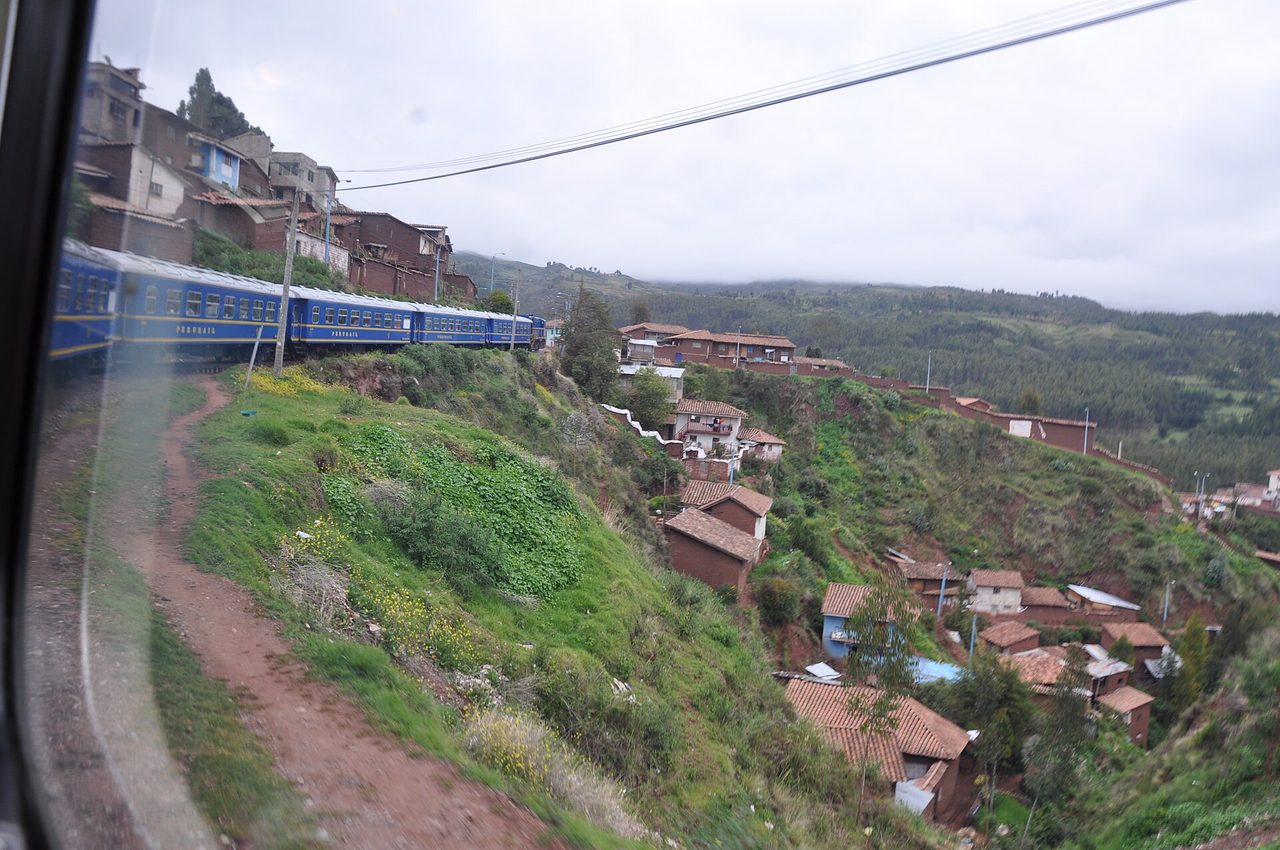
My alarm went off at 3:40 a.m. in a Cusco hotel room, and by 10 p.m. that night I was back in the same bed, legs humming, phone full of photos of one of the wonders of the world. In between: two van rides, four trains… no, two trains that felt like four, a bus up a mountain, three and a half hours inside Machu Picchu, and a quantity of coca tea I decline to disclose. So when people ask whether a Machu Picchu day trip from Cusco is doable, I answer with authority: yes. And then I ask them a follow-up question, which is the actual point of this guide: should you?
The short version: the day trip works. It’s a 14–17 hour round trip — roughly 4 a.m. to 9 or 10 p.m. — built around a dawn transfer to Ollantaytambo, the early train to Aguas Calientes, a late-morning or midday entrance slot, and an afternoon train back. Budget US$300–450 per person all-in, or a bit less DIY. It’s the right call when your schedule truly can’t spare a night. If it can, the overnight version is calmer, cheaper per hour of wonder, and dramatically more forgiving when something runs late.
This guide covers both honest paths: exactly how to do the day trip well — timings, train pairings, what to book in what order — and how to tell if you’d be happier stealing a night from Cusco instead. It’s part of our full Machu Picchu guide; transport basics live in how to get to Machu Picchu.
The brutal arithmetic of the day
Machu Picchu is only 75 km from Cusco as the condor flies, but the terrain forces a huge dogleg: two hours by road to Ollantaytambo, then an hour and three-quarters by train down the Urubamba gorge, then the shuttle up the switchbacks. Here’s a real day-trip timeline — this is the version tour operators run, and the one I did:
| Time | What’s happening |
|---|---|
| 4:00–4:30 | Pickup in Cusco; van to Ollantaytambo in the dark |
| 6:10–6:40 | Morning train departs (PeruRail Expedition 6:10 or Inca Rail Voyager 6:40) |
| ~8:00 | Arrive Aguas Calientes; walk to the shuttle queue |
| 8:30–9:00 | Consettur bus up (25–30 min plus queueing) |
| 9:00–10:00 | Enter on a 9 or 10 a.m. slot; guided circuit, 2.5–3.5 h inside |
| 13:00 | Bus down; late lunch in Aguas Calientes |
| 14:55–17:23 | Afternoon train back to Ollantaytambo |
| 17:00–19:30 | Van to Cusco |
| 19:30–21:30 | Hotel. Shower. Collapse, satisfied. |
Notice what that timeline contains: about ten hours of transit wrapping three-plus hours of citadel. That ratio is the whole debate. For some trips it’s a fine trade; for others it’s the tail wagging an exhausted llama.
The same day, written backwards from the last train
You don’t plan this day forwards. You plan it backwards. The whole structure hangs off one number — the last train you’re willing to be sitting on — and everything else is subtracted from it. Plan forwards from a 4 a.m. alarm and you get a schedule that folds the first time a queue runs twenty minutes long.
Trains leave Aguas Calientes well into the evening; in high season the final departure can go as late as around 9 p.m. For a day tripper only three matter: the 14:55, the 16:22 and the 17:23. Anything later drops you into your Cusco bed near midnight, at which point you haven’t done a day trip, you’ve done an ordeal.
So take the 16:22 and subtract. Two hours on the train, the uphill run being slower than the ride down. Thirty minutes at the station beforehand. An hour for lunch. Twenty-five minutes on the bus down. Three hours inside the citadel. That lands on a 10 a.m. entry; a 10 a.m. entry lands on the 6:10 out of Ollantaytambo; and the 6:10 lands you in a van at 4 a.m. The alarm isn’t a choice anybody made. It’s the last term in an equation. The route leg by leg is in our Cusco to Machu Picchu route guide. Here is that day at the resolution you live it, return legs included — the half no operator shows you.
| Clock | The leg | What the slack looks like |
|---|---|---|
| 03:40 | Alarm. Nothing in Cusco is open | — |
| 04:00–04:15 | Van leaves; over Chinchero, down into the valley | 15 min; drivers wait |
| 05:45–06:00 | Ollantaytambo station; boarding called by carriage | Miss it, day over |
| 06:10 / 06:40 | Train departs — Expedition or Voyager | Fixed |
| 07:50–08:25 | Aguas Calientes; five-minute walk to Hermanos Ayar | — |
| 08:00–08:40 | Shuttle queue: 20–40 min at peak | Buffer goes here first |
| 08:30–09:10 | Bus up: 8 km, thirteen switchbacks | — |
| 09:00–09:40 | Gate; passport out, ticket scanned, guide found | 30-min grace, no more |
| 10:00 | Entry hour; the circuit doesn’t loop back | What the day was built on |
| 12:30–13:30 | Exit; no re-entry. Bus down, 20–25 min | — |
| 13:00–14:15 | Lunch in Aguas Calientes | First unhurried hour |
| 15:50 | At the station; bags scanned, boarding by group | 20 min, and you’ll want it |
| 16:22 | Train back, about two hours | Last comfortable option |
| 18:20–18:45 | Ollantaytambo, dark; find your driver among forty vans | Twenty minutes of chaos |
| 20:00–20:30 | Cusco. Hotel. Shoes off | — |
| 21:00 | Dinner, if anywhere is still serving | Kitchens close early |
About seventeen hours between the alarm and the hotel door, of which roughly three are spent looking at Machu Picchu. Nothing in that right-hand column is padding: those are the only buffers in the day, and each absorbs exactly one thing going wrong. If you get back in time to eat, the late kitchens are in our roundup of Cusco restaurants.
Doing it yourself: the exact recipe
Independent is entirely doable and saves US$60–120 over a package. The sequence matters more than anything:
- Buy the entrance first — a 10 or 11 a.m. slot (or noon) on Circuit 2 if you can get it. Morning-of-9 works only if everything else cooperates; I wouldn’t build a day trip on an 8 a.m. entry. Details and sell-out math in the tickets guide.
- Book the trains around it. Out: the 6:10 (PeruRail Expedition) or 6:40 (Inca Rail) from Ollantaytambo. Back: the 16:22 or 17:23 — resist the romantic urge to book the last train; it leaves you zero slack. Roughly US$70–110 round trip in standard classes, more for panoramic. Operator comparison in the train guide.
- Arrange the Cusco–Ollantaytambo leg. Pre-dawn options: a taxi arranged the night before (US$25–40), a colectivo from Pavitos street (cheap, leaves when full — fine at 4:30 a.m., they know the train schedule), or your hotel’s driver. Allow a full two hours.
- Buy the shuttle ticket (US$24 round trip) online or at the Consettur booth on arrival — the queue moves faster than it looks.
- Hire a guide at the gate (US$25–60 in a small group) or pre-book one. Officially required, practically valuable, and they pace the circuit to your train.
DIY total: roughly US$200–280 per person with a standard train, entrance, shuttle, guide and transfers.
Which entry hours a day trip can actually reach
“Book a 10 or 11 a.m. slot” is correct but not very illuminating. You want the whole grid, because the ticket portal will cheerfully sell you a 7 a.m. entry and never mention that no day trip from Cusco can reach it. Entry runs hourly from 06:00 to 16:00. Here is what each hour means depending on where you slept.
| Entry hour | From a Cusco base | From an Ollantaytambo base |
|---|---|---|
| 06:00 | Impossible | Impossible |
| 07:00 | Impossible | First train only, nothing going wrong |
| 08:00 | Impossible | Reachable and sane |
| 09:00 | Reachable off the 6:10, zero slack | Comfortable |
| 10:00 | The realistic floor | Comfortable |
| 11:00 | The sweet spot | Comfortable |
| 12:00 | Works well; sells out last | Comfortable |
| 13:00 | Squeezes the 16:22 home | Fine |
| 14:00 | Only with the 17:23 back | Fine |
| 15:00–16:00 | Not compatible with a Cusco bed | Evening train, late dinner |
Two things fall out of that. First, the 06:00, 07:00 and 08:00 slots — the quiet ones, with mist on the terraces and photographs with nobody in them — are structurally unavailable. Not difficult. Not a matter of paying more. No combination of van, train and shuttle moves a body from a Cusco bed to that gate before nine. Second, the slots you can reach are precisely the busiest hours. You aren’t choosing between crowds and calm; you’re choosing between the mid-morning wave and the late-morning one.
Move your base to Ollantaytambo and the top of the grid opens. The earliest Sacred Valley departures leave around 5 a.m. in high season, putting you at the gate by roughly 7:45 — two entry hours that no money buys from Cusco. The only people who sidestep the grid are trekkers coming down through the Sun Gate on their own clock, and the permit lottery governing them is in our Inca Trail permits guide.
Or buy the package (and what it should include)
Every agency in Cusco sells the identical product: hotel pickup ~4 a.m., van, train, shuttle, guided circuit, afternoon train, drop-off. A fair 2026 price with standard trains is US$300–380; panoramic-train versions run US$400–480. What you’re paying for is orchestration — one WhatsApp thread instead of five bookings, and a human whose job is to fix it when a train hiccups. Check three things before paying: that the entrance is included and named (circuit and time slot in writing), which train classes both directions, and group size for the guiding. The horror stories almost all trace to “ticket not included, we help you buy” fine print.
One thing no operator can sell you: the 6 a.m. citadel. Day-trip logistics physically cannot put you at the gate for first light — that experience belongs to people who slept in Aguas Calientes.
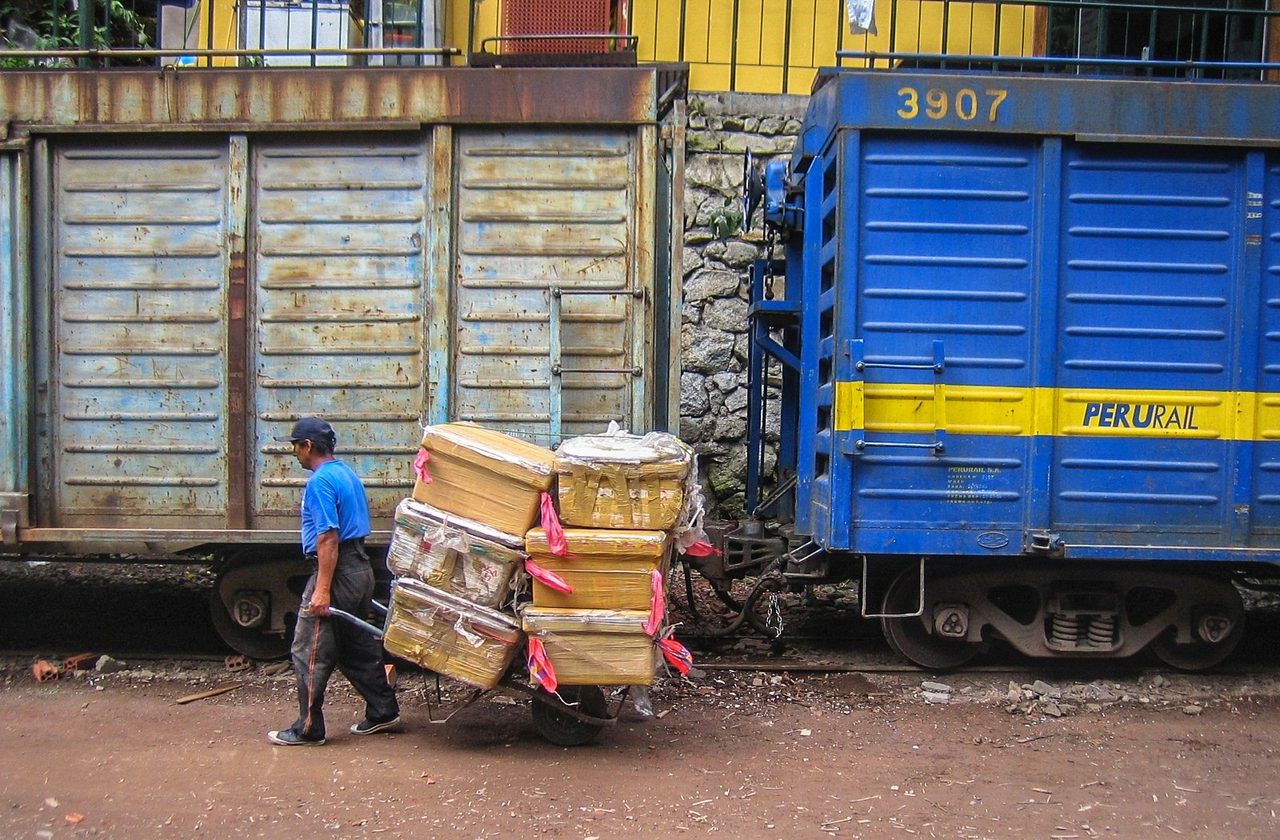
The day trip line by line, and the two-day version beside it
The day trip keeps winning because everyone quotes it as a single number. Break it apart, put the alternative beside it, and the argument changes shape. These are 2026 figures for one adult travelling independently in standard train classes, at roughly S/3.70 to the dollar. Entrance is S/163 for a foreign adult — the SERNANP conservation surcharge landed on 1 May 2026 and pushed it up from S/152 — or S/211 with Huayna Picchu or Machu Picchu Mountain, neither of which happens on a day trip.
| Day trip, one adult, DIY | Low | High |
|---|---|---|
| Cusco to Ollantaytambo (colectivo S/15, or a taxi share) | US$5 | US$20 |
| Train out, standard class | US$35 | US$60 |
| Consettur shuttle, round trip | US$24 | US$24 |
| Machu Picchu entrance, S/163 | US$44 | US$44 |
| Guide, shared group at the gate | US$25 | US$35 |
| Lunch, water, S/2 bathroom | US$12 | US$25 |
| Train back, standard class | US$35 | US$60 |
| Ollantaytambo to Cusco | US$5 | US$20 |
| Total | US$185 | US$288 |
Call it US$200–280 for a realistic middle, which is the figure in the recipe above. Now the same person, the same trains, the same ticket — but sleeping one night below the mountain and walking through the gate at six.
| Two days, one night in Aguas Calientes | Low | High |
|---|---|---|
| Cusco to Ollantaytambo (no pre-dawn premium) | US$5 | US$8 |
| Train out, afternoon service the day before | US$35 | US$55 |
| Aguas Calientes hotel, one night | US$35 | US$90 |
| Dinner in town | US$10 | US$20 |
| Consettur shuttle, round trip | US$24 | US$24 |
| Machu Picchu entrance, S/163 | US$44 | US$44 |
| Guide, shared group at the gate | US$25 | US$35 |
| Lunch, water, S/2 bathroom | US$12 | US$25 |
| Train back, midday service | US$35 | US$55 |
| Ollantaytambo to Cusco | US$5 | US$20 |
| Total | US$230 | US$376 |
The gap is US$45–90. That is the entire financial case for the day trip, and roughly what one leg of panoramic-class train costs. For that money the second day buys back the 06:00 entry, every hour on the grid, a night of sleep, a spare morning if something breaks, and a second ticket if the first is a whiteout. It improves again if two of you share a room. One honest counterweight: a Cusco room you already paid for doesn’t refund itself, and what it costs by neighbourhood is in our Cusco accommodation guide. The lunch line is generous on purpose; the trout is good, and our guide to Peruvian food explains what you’re ordering.
What the packaged tour really includes, and where its timings quietly differ
The packaged tour is a real product, and it’s worth knowing what sits inside the price. Almost universally: hotel pickup, a seat in a shared van both ways, both train legs in standard class, the shuttle up and down, the entrance ticket, a guide shared with ten to sixteen people, and a phone number that answers. Not included: lunch, tips, the S/2 for the bathroom, anything panoramic, and — read this twice — any binding guarantee about which entry hour you get.
Against a DIY total of US$200–280, the premium is US$60–120, roughly 25–45%. Alone, that is fair value: you’re buying a guide you’d have paid for anyway plus somebody else’s problem-solving. For two it becomes US$120–240, a night in a good Cusco hotel. Solo travellers should usually buy the package. Groups should usually not.
Now the part that goes unsaid. Operator timings differ from the brochure in four small, consistent, entirely legal ways.
- “Pickup at 4:00 a.m.” means the van starts a circuit of six to eight hotels at 4:00. You are either first — a 3:30 knock — or last, at 4:40, wondering if they forgot you. Ask where you sit on the route.
- “Entrance at 9 a.m.” usually means whatever slot the agency’s allocation still had when you paid. Get the circuit number and the hour written into the confirmation; if they won’t, that tells you something.
- “Three hours at the site” is gate to gate, including the guided walk and the turnstile queue. Time on your own feet is closer to twenty minutes.
- “Back in Cusco around 8:30 p.m.” means the van’s first drop-off. If your hotel is up in San Blas you are the last stop, and the last stop is not 8:30.
One more check: some agencies sell a “Machu Picchu full day” that is quietly the Hidroeléctrica run. If the price looks impossibly good, it is the road, not the train. What to ask an agency, and when to walk, is in our Peru travel tips.
The “budget day trip” that isn’t
You’ll see Cusco chalkboards advertising Machu Picchu “by car” for enticing prices. That’s the Hidroeléctrica route — 6–7 hours of mountain van each way plus a 3-hour walk along the tracks — and it is not a day trip. Done as one, it means visiting the citadel at a sprint after nine hours of travel, then nine more home in the dark on a cliff road. As a two-day, one-night budget adventure it’s legitimate and I describe it fondly in the getting there guide; as a “day trip” it’s a sleep-deprivation experiment with ruins attached. The genuinely cheap ways to see Machu Picchu are collected in Machu Picchu on a budget.
What the day trip costs you (beyond money)
Be clear-eyed about the trades:
- First light. The site’s emptiest, most magical hour (6–7:30 a.m.) is unreachable. You arrive with the mid-morning wave — the day’s peak crowds.
- The summit hikes. Huayna Picchu’s early climbing waves don’t pair with day-trip arrival times; Machu Picchu Mountain technically can, but adds hours you don’t have. If a summit matters to you, that alone decides it — see Huayna Picchu vs Machu Picchu Mountain.
- The buffer. Your itinerary becomes a chain of six connections with no slack. Usually fine. But when a February landslide pauses the trains or a strike closes the valley road, day-trippers are the ones who miss Machu Picchu entirely. Overnighters just shrug and go the next morning.
- The energy. Three-plus hours on uneven stone stairs at altitude, bookended by ten transit hours, is a genuinely tiring day even for the fit. Plan nothing ambitious the next morning.
Where the day breaks, and how fast
Six connections, no slack, one non-negotiable appointment in the middle. Nobody acts on “book a buffer” until they know what they are buffering against.
The grace period is thirty minutes and it is not a promise. Your ticket names an hour and a date. Turn up inside your hour and you walk in; turn up within about thirty minutes and rangers will usually wave you through. Later than that, the answer in 2026 has been no, repeatedly, to people who had flown a very long way. The ticket is not transferable, not refundable, and cannot be moved. Everything else in the chain has a fallback. This has none.
One late train is enough. The 6:10 puts you into Aguas Calientes around 07:50. The shuttle queue runs twenty to forty minutes at peak, and forms along Avenida Hermanos Ayar rather than at the stop, which is why it looks shorter than it is. The bus takes another twenty-five to thirty. That is a gate arrival between 08:45 and 09:20 for a 10:00 slot: forty to seventy-five minutes of buffer for the whole day. A forty-five-minute delay eats most of it. Ninety minutes eats your entry hour.
Then there is the mountain itself. Not hypothetical, and the dates are recent. On 25 January 2026 a mudslide at PK 114.7 shut the Machu Picchu–Hidroeléctrica section; a landslide at Mandor closed it again months later. And on 4 August 2026 a wildfire near km 107 brought rock down onto the Ollantaytambo–Machu Picchu line itself — the main line every day tripper uses — suspending service until crews cleared the track next day. An overnighter that week lost an afternoon. A day tripper lost Machu Picchu, and the ticket with it, because the ticket was for that date.
Strikes are the other one. Regional paros close the road to the Sacred Valley, sometimes with two days’ notice and sometimes with hours. The trains can run perfectly and it makes no difference: a blockade at 4:30 a.m. means you never reach Ollantaytambo. How road transport behaves nationally is in our guide to getting around Peru.
When it does go wrong, rail operators rebook you if there’s a seat and refund in a full closure. The entrance ticket is the piece that doesn’t bend. The Ministry of Culture office in town occasionally rescues a documented force-majeure case, but “our van was late” is not one. Buy the insurance; in the January-to-March rains, treat it as part of the ticket price.
Inside the citadel: the circuit you walk, and the hours you never see
The other half of what a day trip costs happens after you’re through the gate, and it’s easy to miss because you’re too happy to notice. Since 1 June 2024 the site runs on three circuits subdivided into ten routes, every one strictly one-way and ranger-enforced. You cannot double back for a second look at the Temple of the Sun, and you cannot re-enter on the same ticket. Circuit 2 is the right choice for a first visit and the one with the postcard view, but it is a corridor, not a garden.
On a day trip that corridor gets walked at somebody else’s pace. Your guide isn’t pacing you to your curiosity; they’re pacing the 16:22. Two and a half to three and a half hours is enough to see the citadel properly, and not enough to sit down for twenty minutes and let the place land. Context helps more than time here, which is the real reason to hire a guide: the terraces stop being pretty stonework once somebody explains the drainage, the astronomy and the abandonment. Our history of Machu Picchu is worth reading on the train.
The hours you never see are at both ends. Not just dawn — the late afternoon too. Last entries are still going through the turnstile at 16:00, the light goes long across the terraces, the groups have gone and the site quietens in a way it doesn’t at eleven in the morning. Every day tripper is on a train by then, by construction. If that leaves you wanting the unhurried version, the Sacred Valley is full of Inca sites you can wander at your own speed.
When the day trip is the right call
In fairness, the day trip earns its popularity, and there are trips where it’s simply correct:
- Your Peru window is tight and the alternative is not going at all. Obviously: go.
- You’re based in the Sacred Valley. From Ollantaytambo or Urubamba the arithmetic transforms — no 4 a.m. van, a civilized 7 or 8 a.m. train, home by dinner. The Sacred Valley day-trip version is honestly pleasant and I’d endorse it without caveats.
- Hotels are your hard constraint. Aguas Calientes lodging is mediocre for the price; if you’ve scored an unmissable Cusco hotel or your group can’t move bases, the long day beats repacking.
- You’ve been before. Repeat visitors who just want an afternoon circuit don’t need dawn; a midday slot with the 17:23 back is a lovely, low-stakes reunion.
Who should not attempt this in a day
Nobody selling a day tour has a reason to publish the inverse list.
Anyone who arrived in Cusco within about 48 hours. This is the big one, and the reason people come home describing Machu Picchu as miserable. Cusco sits at 3,400 m. The site itself is only 2,430 m — a thousand metres lower than your hotel — but the day begins and ends at altitude, with a 3:40 alarm and three hours of stone staircases in between, on a body that hasn’t finished adapting. Headache, nausea and grey exhaustion don’t care that you paid S/163. Give it two full days first; what to expect is in our guide to coping with Cusco’s altitude.
Anyone with three nights or fewer in Cusco. The day trip eats one and degrades the next morning, so you end up choosing between doing Machu Picchu badly and doing Cusco badly. How much time the city needs is in how many days to spend in Cusco.
Anyone stacking another altitude day beside it. Rainbow Mountain tops out above 5,000 m and has its own 4 a.m. start; putting it the day before or after is how people end up sick in a van. Our Rainbow Mountain guide is honest about which to drop.
Anyone flying out the next morning. Cusco’s airport cancels for weather. If the day trip goes wrong on a Tuesday you want Wednesday free to fix it.
Anyone travelling with small children, or with a knee that dictates the pace. The citadel is manageable. The seventeen-hour arc around it is not, and there’s no leaving early.
And anyone who came specifically for this. If it’s the thing you’ve wanted to see for twenty years, don’t meet it in the busiest hour of its busiest day on four hours’ sleep with one eye on a train. Buy the morning. If the night genuinely isn’t available, there are shorter day trips out of Cusco that don’t cost you a night’s sleep, and plenty of things worth doing in the city itself.
Eleven hard-won tips for surviving (and enjoying) it
- Sleep twice before, not after. Two early nights beat one heroic one; you’re waking at 3:40.
- Book the 16:22 back, not the last train. Slack is sanity. If everything runs perfectly you get a longer lunch; if not, you still get home.
- Sit on the left going, right returning — that’s the river side, and the gorge does its best work out those windows.
- Breakfast is a logistics problem. Nothing meaningful is open at 4 a.m.; have your hotel pack something or buy empanadas in Ollantaytambo station.
- Carry soles in coins — bathroom (S/2), luggage storage, coca tea. Cards fail exactly when queues are longest.
- Pack for four seasons: the day starts alpine-cold and peaks jungle-warm. Layers, rain shell, sunscreen, repellent — the full list is in what to wear to Machu Picchu.
- Daypack under 20 L or you’re renting a locker at the gate.
- Download everything offline — tickets, train PDFs, the guide’s WhatsApp. Signal in the gorge is theoretical.
- Acclimatize first. Do the day trip on day 3 or 4 of your Andes leg, not day 1 off the plane — sequencing advice in the itinerary guide.
- Eat lunch in Aguas Calientes after the visit, not before — climbing stairs on a full menu del día is a rookie regret.
- Put your phone away for the first ten minutes. You crossed half a country for this. Look at it.
Field notes from my own long day
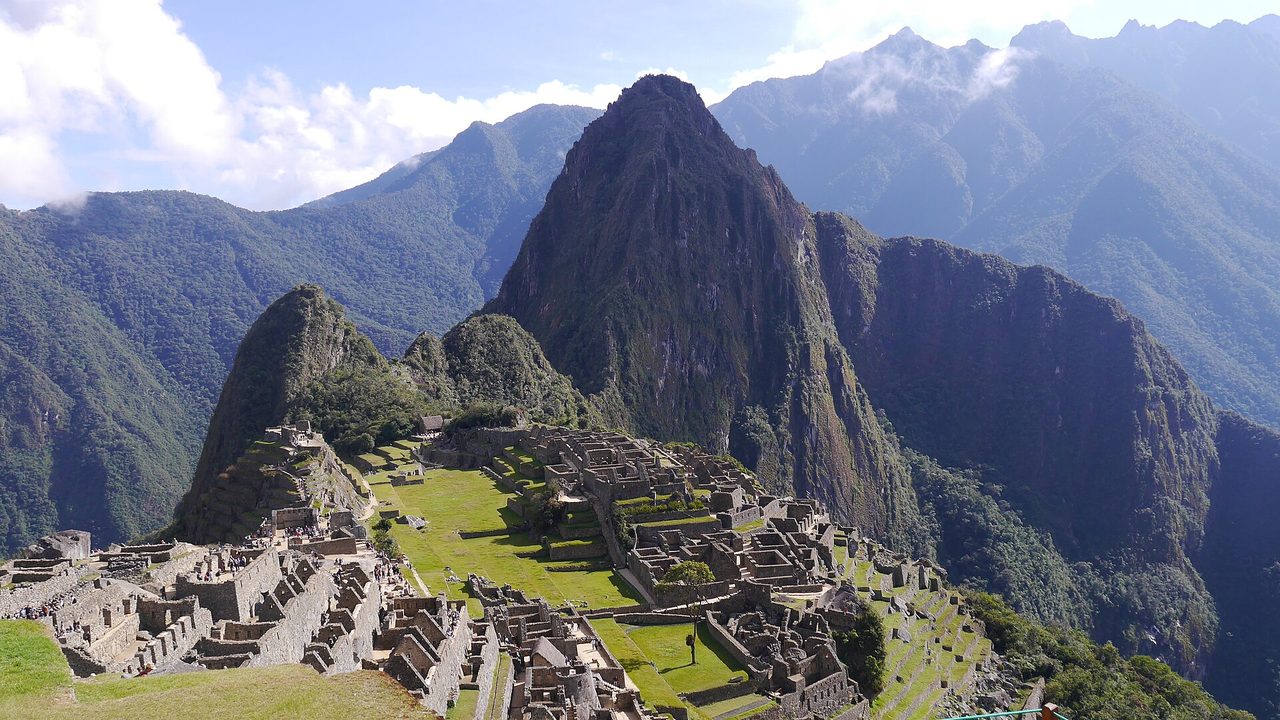
Some texture, because timelines lie by omission. The 4 a.m. van is silent and cold and smells of instant coffee; Cusco’s streets are empty except for bakers. Dawn happens somewhere above Ollantaytambo, and the station at 5:45 is a small, cheerful chaos of headlamps and last-minute sandwich purchases. The train is the day’s first gift — the gorge closing in, the river going white, eucalyptus giving way to cloud forest. By Aguas Calientes you’ve dropped a thousand meters and the air feels tropical. The shuttle queue looks alarming and moves fast. And then you’re through the gate with the 10 a.m. cohort, and yes, it’s busy — and then you turn the corner at the Guardian’s House and discover that no crowd on earth can make that view ordinary. The afternoon unwinds in reverse: a trout lunch by the river, the 16:22 with the light going gold in the gorge, the van dark and full of sleeping strangers. It’s a lot. It’s worth a lot. Both things are true.
The Sacred Valley variant (the day trip that doesn’t hurt)
If there’s one upgrade to make, it’s this: move your base to Ollantaytambo or Urubamba the day before. The same day trip becomes: walk to the station at 6:30, train at 7:45, inside the citadel by 10:30, unhurried circuit and lunch, 15:20 or 16:22 back, dinner in the valley by 7. No pre-dawn van, two fewer road legs, and the valley’s lower altitude means better sleep on both ends. You also position yourself for the fortress, Moray and the salt pans on the adjacent days — the valley deserves more than a drive-through, as the Sacred Valley guide argues at length. For day-trip purposes, consider it the cheat code.
How far ahead to lock each piece
The day trip’s fragility starts at booking. High season (June–August): entrance slot 2–3 months out (midday slots survive longest — convenient, since they’re the day-trip sweet spot), trains 3–6 weeks, packaged tours a month. Shoulder months: halve all that. Green season: assemble the whole day 48 hours ahead if you like, though I’d still buy the entrance before the train. The one constant: never buy a train ticket before you’re holding an entrance slot that pairs with it. Full timing math by season is in the best time to visit guide.
The spare hour in Aguas Calientes
Most day-trip schedules strand you in town with 60–90 minutes between the bus down and the train out. Use them well: the riverside Mercado Artesanal next to the station is better than its location suggests (alpaca goods at prices that undercut Cusco’s tourist core after a polite haggle); the hot springs that give the town its name are a 10-minute uphill walk and a genuine balm for stair-shocked calves if you’ve packed a swimsuit; and the trout ceviche at the unfancy places one street back from the river beats anything on the station square at half the price. What not to do: attempt the Machu Picchu Museum at the far end of town — it’s good, but it’s a 25-minute walk each way and missing your train over exhibit captions is a story nobody enjoys telling. More on the town’s surprising charms in the Aguas Calientes guide.
Day trip vs overnight: the honest ledger
| Day trip | Overnight version | |
|---|---|---|
| Time commitment | One 14–17 h day | ~24 h across two easy days |
| Cost difference | — | +US$40–90 (hotel) − often cheaper trains |
| Crowds you meet | Peak (9:30–13:00) | Dawn calm (6–9 a.m.) |
| Summit hikes possible | Realistically no | All of them |
| Delay resilience | Fragile | Robust |
| Fatigue | Significant | Mild |
| Entry hours you can book | 10:00–13:00 in practice | All of them, 06:00 to 16:00 |
| All-in DIY cost, standard class | US$185–288 | US$230–376 |
| If the line closes that day | You lose Machu Picchu | You lose an afternoon |
| Verdict | Right when time is scarce | Right whenever it isn’t |
If the right column is tugging at you, the two-day plan — afternoon train, hot springs, dawn entry, noon train back — is laid out in how many days for Machu Picchu.
If you only remember five things
- Entrance ticket first (10–11 a.m. slot), trains second, everything else third.
- The train leaves from Ollantaytambo, two hours from your Cusco bed. Respect the 4 a.m.
- Book the 16:22 home, not the last train — buffer is the whole game.
- You will not see first light or climb Huayna Picchu on a day trip. Decide if that’s fine before booking.
- From a Sacred Valley base, all of this gets 70% easier. Consider moving the base, not canceling the trip.
And a scheduling postscript: whichever version you choose, don’t stack the day trip against a dawn flight, a Rainbow Mountain hike, or anything else that requires functioning legs the next morning. Give the wonder a recovery buffer — your budget won’t feel it, but your knees will.
Machu Picchu day trip from Cusco: FAQ
How much does a day trip to Machu Picchu cost from Cusco?
DIY with standard trains: about US$200–280 per person including entrance, trains, transfers, shuttle and a shared guide. Packaged: US$300–380 standard, US$400–480 with panoramic trains. Solo travelers save meaningfully by joining group tours; couples and families often price out nearly identical either way.
How many hours do you get inside the ruins?
Your circuit takes 2.5–3.5 hours at guided pace, and staff keep things flowing one-way. With a 10 a.m. entry and a 16:22 train, you’re comfortable; you’ll even fit lunch. What you can’t do is linger until late afternoon.
Can I add Huayna Picchu to a day trip?
Effectively no from Cusco — its climbing waves are morning-only and pair with entry slots you can’t reach in time. From a Sacred Valley base, a 9 a.m. wave becomes technically possible with the first train and brisk connections, but you’re gambling the day’s centerpiece on zero delays. Sleep in Aguas Calientes instead.
Can I do the day trip entirely by public transport?
Mostly. Colectivos to Ollantaytambo run from Pavitos street in Cusco from very early (S/12–15), and everything after that is the same trains and shuttle everyone uses. The only genuinely awkward leg is the 4:15 a.m. departure — vans leave when full, and pre-dawn fill times vary. If your train is the 6:10, pay for a taxi and remove the variable.
What entry time should I book for a day trip?
10 or 11 a.m. is the engineering optimum: reachable from the 6:10–6:40 trains with buffer, deep enough into the day that a late train doesn’t void your slot, early enough to finish, eat, and make the 16:22 home. Noon works nearly as well and books up latest of all.
Is the day trip too much for kids or older travelers?
The limiting factor isn’t the ruins, it’s the 4 a.m. start and the 15-hour arc. Multi-generation groups consistently report the overnight version as the difference between a highlight and an endurance event. If a day trip is unavoidable, choose a midday entry, keep the visit to the core circuit, and book seats — not standing colectivos — for every leg.
What happens if the return train is delayed?
Delays of 30–60 minutes are routine and absorbed by your van driver’s patience. Genuine disruptions (weather, strikes) are rarer; operators rebook you on later services or, worst case, the next morning — which is why your first Cusco night after the trip shouldn’t be the night before an international flight.
Do day trips run year-round?
Yes, with one asterisk: in the January–March rains, occasional track closures compress the timetable and operators quietly consolidate departures. The day trip still runs most days — but this is the season where the overnight version’s resilience earns its keep, and where travel insurance stops being theoretical.
What is the last train back from Aguas Calientes, and should I take it?
Both operators run evening services, and in high season the final departure can leave as late as around 9 p.m. — check your date, because the timetable shifts seasonally. You should almost certainly not take it: it puts you into Cusco between 11 and midnight, on a mountain road, for perhaps ninety extra minutes at a site you were too tired to absorb. The 16:22 is the right answer; the 17:23 is the acceptable one.
What happens to my entrance ticket if I get to the gate late?
There is a grace period of about thirty minutes past your hour, and it is a courtesy rather than a right — in 2026 people have been turned away at exactly that margin. Past it the ticket is dead: not transferable, not refundable, not swappable. Documented force majeure sometimes gets rescued at the Ministry of Culture office. A late van does not.
Can I do the day trip on my second day in Cusco?
You can, and you will probably regret it. Two nights at 3,400 m is not enough acclimatisation for a 3:40 alarm and three hours of stone staircases, and altitude symptoms turn a wonder into an endurance test. Day four or five is the sweet spot.
How much do I really save by not sleeping in Aguas Calientes?
Between US$45 and US$90 per person — the gap between the two cost tables above, roughly the price of upgrading one train leg to panoramic class. If your reason for the day trip is money, the money is not the reason.
Is a Machu Picchu day trip worth it?
If it’s the difference between seeing Machu Picchu and not: emphatically yes — tiredness fades, that first view doesn’t. If you’re choosing between the day trip and one fewer pisco sour tour in Cusco: take the night in Aguas Calientes and meet the mountain at dawn. And if the question underneath is bigger than the format — whether the whole trip justifies the money and the crowds — we answer that honestly, case against included.
Final thoughts
I’m glad I’ve done the day trip — once. It taught me exactly what the extra night buys: not more hours at Machu Picchu, but better ones, at both ends of the day. So here’s the decision in one sentence: if your calendar gives you any way to sleep below the mountain, take it; if it doesn’t, do the day trip exactly as scripted above, book the 16:22 home, and know that fourteen transit hours is — still, absolutely, without question — a fair price for standing where you’re about to stand.
Sources
- PeruRail — official timetables and fares
- Inca Rail — official timetables and fares
- Ministry of Culture — official entrance tickets and time slots
- PeruRail — Expedition route durations and seasonal station changes
- PeruRail — service notices, closures and disruption updates
- Ministry of Culture — Machu Picchu circuits, capacity and site rules
Photo credits
All images are used under their stated licenses; thank you to the photographers.
- Photo: Samuel Jiménez Restivo / CC BY-SA 4.0 via Wikimedia Commons — source
- Photo: Jorge Láscar from Australia / CC BY 2.0 via Wikimedia Commons — source
- Photo: Maasaak / CC BY-SA 4.0 via Wikimedia Commons — source
About this guide: Written by the Peru Tourism Guide team — writers and trip-planners who have explored Peru’s Andes, coast and Amazon over many visits and put hundreds of travelers on the right train to Machu Picchu. We update this guide as timetables and prices change.
Last updated: August 2026.