Machu Picchu Tickets in 2026: Circuits, Prices & How to Buy
Machu Picchu tickets explained for 2026: all ten circuit routes compared, current prices, the tuboleto buying process step by step, sell-out timelines and what to do when your circuit is gone.
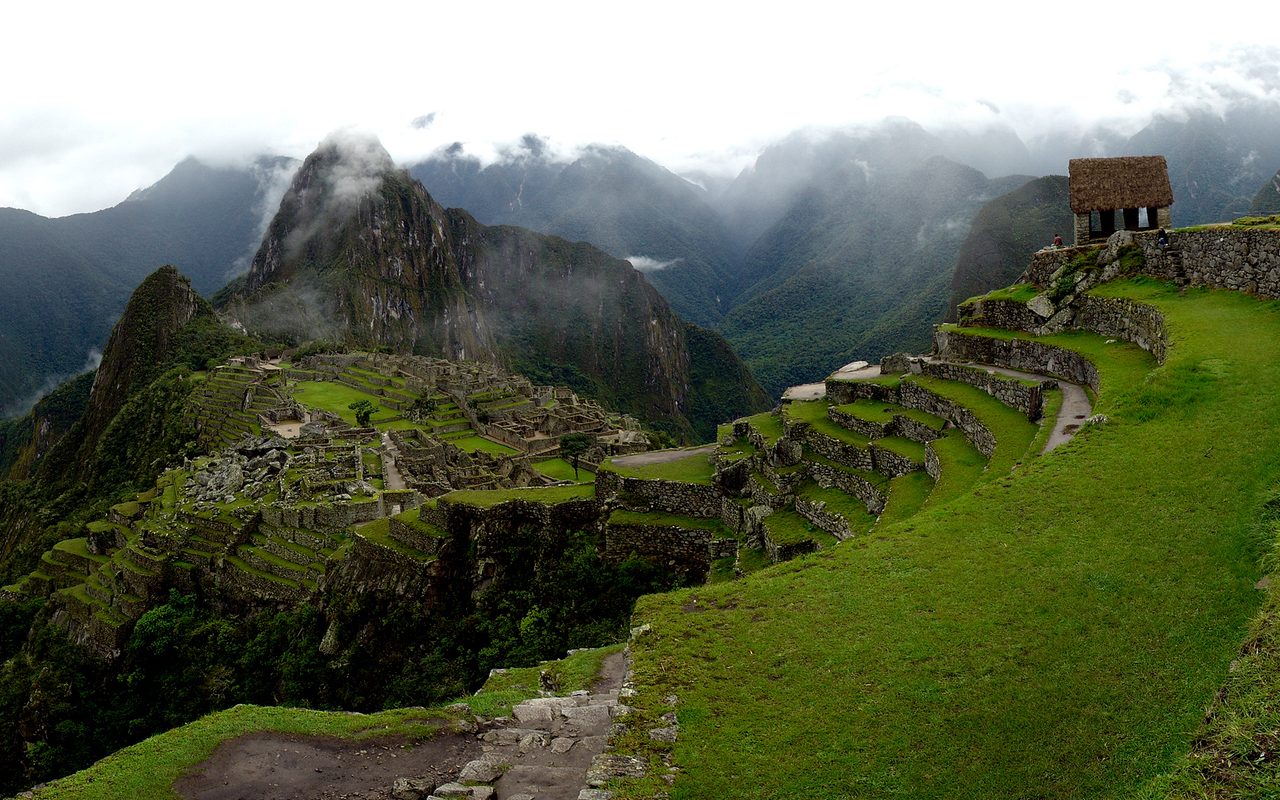
I once stood at the entrance gate of Machu Picchu and watched a couple discover, passports in hand, that the tickets they’d bought months earlier didn’t include the famous view. They had Circuit 3 tickets. The postcard photo — the one from every screensaver on earth — lives on Circuits 1 and 2. There was nothing the staff could do; the circuits are enforced, and their route simply never went up to the viewpoint. They were gracious about it. I’d have cried.
That’s the thing about Machu Picchu tickets in 2026: they’re not really tickets, they’re routes. Buying the right one is the single most consequential decision of your whole visit, and the official system — three circuits, ten routes, some of them seasonal, sold through a government website with moods — does not make it obvious. This guide untangles all of it: what each route actually includes, current prices, how the buying process works step by step, and what to do when the circuit you wanted is sold out.
The short version: Machu Picchu tickets are timed, circuit-specific and personal (passport-matched). A standard adult ticket now costs S/163 (about US$44) — S/152 plus the S/11 conservation surcharge introduced on 1 May 2026 — and the add-on mountain hikes cost S/211. First-timers who want the classic photo and a walk through the ruins should buy Circuit 2 (route 2A or 2B), several months ahead. Buy only at the official site, tuboleto.cultura.pe, or through a trusted operator. If the price is what’s making you hesitate, we weigh what you actually get for the money separately.
This is the tickets deep-dive of our main Machu Picchu guide. For the trains, treks and buses that get you there, see how to get to Machu Picchu.
How the ticket system actually works
Since the big reorganization of June 2024, every Machu Picchu ticket specifies four things: a date, an entry hour, a named visitor (your passport is checked at the gate), and a route through the site. Routes are one-way and enforced by staff at the junctions — you walk your circuit, you can’t backtrack, and once you exit, that’s it. No re-entry on a standard ticket, no wandering off-route, and officially no visiting without a licensed guide (in practice, enforcement of the guide rule is soft, but I recommend one anyway — the site is mute without context).
Entry slots run hourly from 6 a.m. to around 2 p.m., and your ticket admits you within that hour — miss it and you’re at the mercy of the gate staff’s goodwill. Plan to be at the gate 15 minutes early. Time inside is limited by route: figure two and a half to four hours for the standard circuits, longer for tickets that include a mountain climb.
Daily capacity in 2026 is 4,500 visitors on regular days and 5,600 on designated peak dates (January 1, Easter week April 2–5, the long high season from June 19 to November 2, and December 30–31). That sounds like a lot until you learn that the popular routes and hours are small slices of it — which is why Circuit 2 mornings vanish months out.
The three circuits, translated from bureaucrat
Ten routes sounds overwhelming. It’s really three decisions.
Circuit 1 — Panorámico (the view, not the city)
Circuit 1 takes you up to the Guardian’s House platform — the exact spot of the classic photo — and along the upper terraces, but never down into the citadel itself. No temples, no plazas, no Temple of the Sun. It exists mainly as a chassis for the add-on hikes:
- 1A — Machu Picchu Mountain: the viewpoint plus the long, steep climb up Montaña (3,082 m). Up to 7 hours inside. The biggest panoramas on the site.
- 1B — Upper Terraces: just the viewpoint section, about 2.5 hours. The minimalist option — fine if you only want the photo, underwhelming as your only visit.
- 1C — Sun Gate and 1D — Inca Bridge: seasonal routes (June 1–October 15) that bolt a walk to Inti Punku or the vertiginous Inca Bridge onto the terraces.
Circuit 2 — Clásico (the one you probably want)
Circuit 2 is the only circuit that combines the classic viewpoint and a proper walk down through the urban sector — Main Gate, Sacred Plaza, Temple of the Three Windows, the Sacred Rock, the granaries. It’s the complete first-visit experience, which is why it’s the most requested ticket and the first to sell out.
- 2A — Ruta Diseñada: the standard version, photo platform beside the Guardian’s House then down through the heart of the ruins.
- 2B — Lower Terrace: nearly identical; your viewpoint is a couple of terraces lower (the photo is indistinguishable to anyone but you), and the route swings past the Temple of the Sun, which 2A skips. If 2A is gone, take 2B without a second thought — some regulars actually prefer it.
Circuit 3 — Realeza (the city, not the view)
Circuit 3 explores the lower, royal-and-religious half: the farming terraces, Temple of the Sun from below, the Royal Residence, the water mirrors and the wonderful Temple of the Condor. What it never does is climb to the upper viewpoint — you see the citadel from within, not from above. It’s also the circuit used for Inca Trail hikers’ guided visit after they arrive through the Sun Gate.
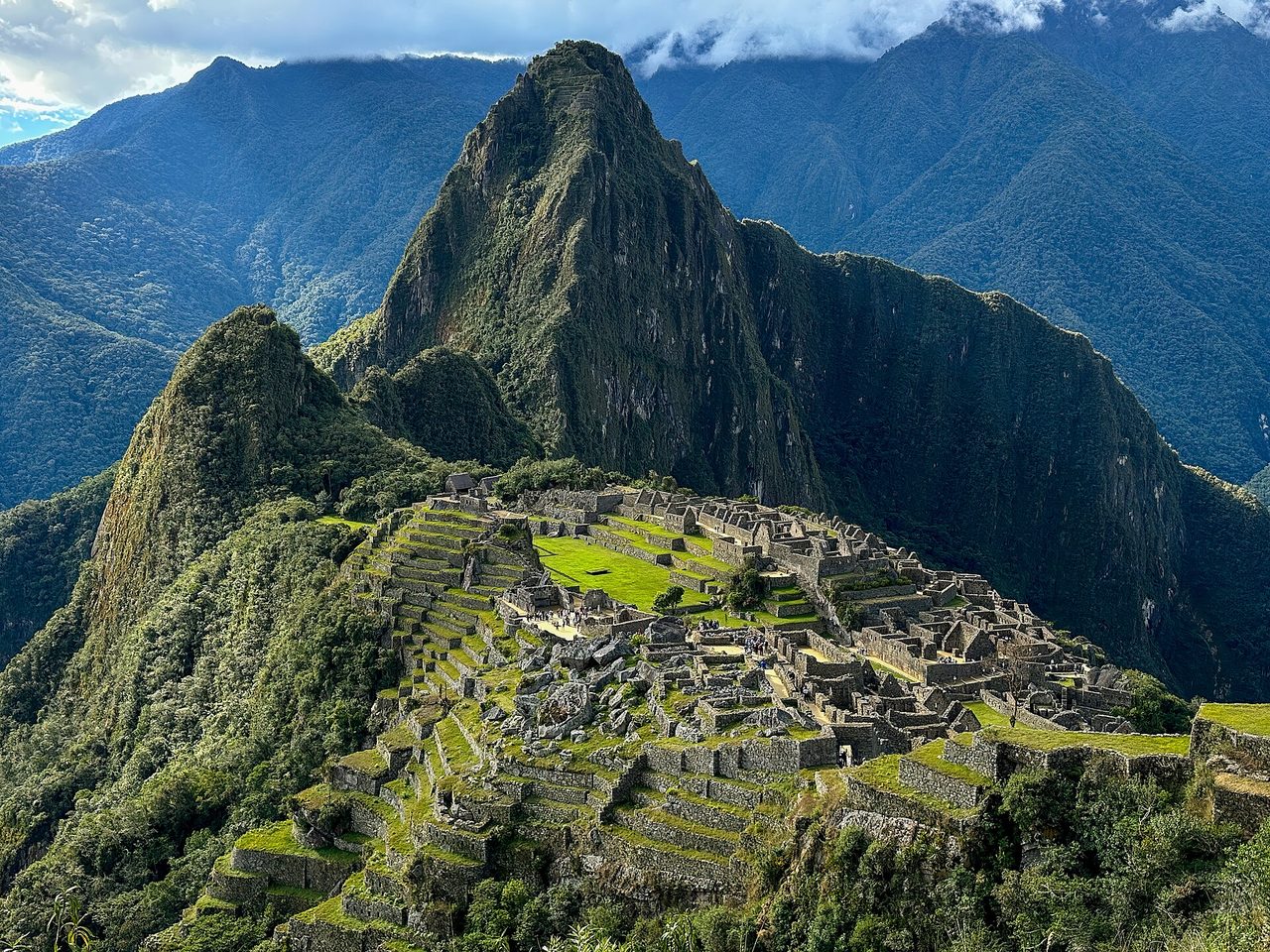
- 3A — Huayna Picchu: Circuit 3 plus the famous, knee-wobbling climb up the sugarloaf peak in every photo. Capped around 400 climbers a day; sells out first of everything.
- 3B — Ruta Diseñada: Circuit 3 on its own — about 65% of the citadel and the best consolation prize when Circuit 2 is sold out.
- 3C — Great Cavern and 3D — Huchuy Picchu: seasonal (June 1–October 15) add-ons; the Great Cavern is a genuinely tough scramble, Huchuy Picchu a pleasant 30–45 minute mini-summit.
| Route | Classic photo? | Inside the citadel? | Extra hike | Availability |
|---|---|---|---|---|
| 1A | Yes | No | MP Mountain (hard, ~3 h) | Year-round |
| 1B | Yes | No | — | Year-round |
| 1C / 1D | Yes | No | Sun Gate / Inca Bridge | Jun 1–Oct 15 |
| 2A / 2B | Yes | Yes | — | Year-round |
| 3A | No | Yes | Huayna Picchu (steep, ~2.5 h) | Year-round |
| 3B | No | Yes | — | Year-round |
| 3C / 3D | No | Yes | Great Cavern / Huchuy Picchu | Jun 1–Oct 15 |
All ten routes, resolved
The circuit summaries give you the shape. This is the resolution — what each route walks past, how long you get, who it suits. The official portal lists them as codes beside a map thumbnail and leaves you to infer the rest.
| Route | What you walk past | Inside | Entry hours | Suits |
|---|---|---|---|---|
| 1A MP Mountain | Viewpoint, upper terraces, then switchbacks to the 3,082 m summit | 6–7 h | 06:00, 08:00 | Fit hikers 18+ |
| 1B Upper Terraces | Viewpoint, terraces and qolqas — nothing below them | 2.5 h | Hourly 06:00–15:00 | Photographers, tight schedules |
| 1C Inti Punku | Viewpoint plus the graded walk to the Sun Gate at 2,745 m | 3–3.5 h | 07:00–10:00 | The trail arrival view, no trek. All ages |
| 1D Inca Bridge | Viewpoint plus the ledge path to the bridge, seen from a barrier, not crossed | 2.5 h | 08:00–11:00 | Heads for heights, 18+ |
| 2A Ruta Diseñada | Guardian’s House platform, Main Gate, Sacred Plaza, Temple of the Three Windows, Intihuatana, Sacred Rock, Condor | 2.5–3 h | Hourly 06:00–15:00 | First visit. Everyone |
| 2B Lower Terrace | Photo from a terrace lower, then qolqas, Inca House, water fountains and mirrors, main plaza, Temple of the Sun | 2.5–3 h | Hourly 06:00–15:00 | First visit when 2A is gone |
| 3A Huayna Picchu | Lower royal sector — Inca House, main plaza, Sacred Rock — then the climb to 2,720 m | 4–5 h | 07:00, 10:00 | Hikers who already have the photo |
| 3B Ruta Real | Agricultural overlook, Temple of the Sun from below, Inca House, water mirrors, Temple of the Condor | 2.5 h | Hourly 06:00–15:00 | Best consolation prize. All ages |
| 3C Great Cavern | Royal sector, then the drop and re-climb to the Temple of the Moon | 5–6 h | 08:00, 09:00 | Strong hikers 18+, empty trail |
| 3D Huchuy Picchu | Royal sector plus the short scramble up the little peak at 2,497 m | 2.5 h | 09:00, 11:00 | 18+, best-value add-on |
Four things that grid hides. The mountain routes carry sub-caps of their own — about 400 places a day on Huayna Picchu, 800 on Machu Picchu Mountain — which is why 3A empties first and 1A second. The seasonal routes run broadly June to mid-October, on dates that shift year to year. The 18-plus rule on 1A, 1D, 3C and 3D is enforced at the gate, not only at checkout. And the times are ceilings, not allowances: rangers keep the one-way flow moving, so on 2A in July you will not be dawdling. If standing still matters, book an afternoon slot.
Much of what you pass is mute without context, an argument for a guide and a reason to read some of how the citadel was built and abandoned first. And treat 1A and 3C as real mountain days: the site sits at only 2,430 m, low by Peruvian standards, but it is a long climb on wet stone, and our notes on coping with Cusco’s 3,400 m apply to the days before. Grip matters more than people expect — see what to wear at the site.
So which ticket should you buy?
- First visit, want it all: Circuit 2 (2A or 2B). Not close. Book the 6 or 7 a.m. slot for soft light and thin crowds.
- Determined to climb Huayna Picchu: Circuit 3A — and accept that you’re trading away the classic viewpoint. Serious photographers sometimes visit twice: 2A one day, 3A the next. I compare the two summit hikes honestly in Huayna Picchu vs Machu Picchu Mountain.
- Want a big hike and the photo: Circuit 1A with Machu Picchu Mountain.
- Circuit 2 sold out: 3B for the interior, or 1B if you mostly care about the view — or check 2B again a few days before your date; small batches of returned tickets sometimes reappear.
- Arriving via the Inca Trail: your trek permit includes the Sun Gate arrival and a Circuit 3 guided visit — your operator handles it.
Machu Picchu ticket prices in 2026
Prices are set in soles by Peru’s Ministry of Culture, and 2026 brought a mid-year increase — worth knowing if you’re booking for the second half of the year:
| Ticket | Through April 2026 | From May 2026 | Approx. USD |
|---|---|---|---|
| Standard circuits (foreign adult) | S/152 | S/163 | US$48–52 |
| With Huayna Picchu or MP Mountain | S/200 | S/211 | US$62–66 |
Children (roughly 3–17) and students under 25 with a valid ISIC card pay meaningfully less — on the order of 40–50% off — and citizens of Peru and the Andean Community (Bolivia, Colombia, Ecuador) have their own reduced rates and, periodically, free-entry days. Under-3s are free. Card payments online add a small processing fee, and agencies add their margin on top of everything — typically US$10–25 per ticket for the service.
Remember what the ticket doesn’t include: the train, the shuttle bus (US$24 round trip), and a guide (US$25–60 to join a group at the gate). The full damage is itemized in our Peru trip cost guide, and there are legitimate ways to shave it — see Machu Picchu on a budget.
What every ticket type actually costs now
The table above has the two numbers most readers need. Here is the whole grid, because the discounted categories are where the money is and where the arguments at the window happen. Post-1 May 2026 rates, in soles.
| Visitor category | Standard routes 1B, 1C, 1D, 2A, 2B, 3B, 3D |
Hiking routes 1A, 3A, 3C |
|---|---|---|
| Foreign adult, 18+ | S/163 | S/211 |
| Foreign student, under 26, university ID | S/88 | S/136 |
| Foreign child, 3–17 | S/81 | S/129 |
| Peruvian or Andean Community adult | S/69 | S/115 |
| Peruvian or Andean student / child | S/37 | S/85 |
| Under 3 | Free | Free |
“Andean Community” means Bolivia, Colombia and Ecuador alongside Peru, and foreign residents holding a carné de extranjería pay the national rate. Peruvians present a DNI, residents the carné, everyone else a passport.
What changed on 1 May 2026 was not really the ticket. The Ministry of Culture base fare stayed where it was; SERNANP, which runs the natural sanctuary wrapped around the ruins, added a conservation charge on top — S/11 for foreign visitors, S/5 for nationals and Andean Community citizens — ring-fenced for the protected area rather than the archaeology. The foreign adult ticket went from S/152 to S/163, the mountain tickets from S/200 to S/211, and every other line moved by the same eleven or five soles. The site is listed for both its stonework and its cloud forest, one of the few UNESCO-listed places in Peru where two agencies share a fence line, and the surcharge is the second one invoicing you.
Which raises something worth saying plainly. A great many pages still quote S/152 as the current price, including several of the biggest resellers on page one. If ours looks like the expensive tab, that is why — we do not sell tickets and there is nothing here to mark up. Check the figure against the official portal before you budget, because these numbers move and the last change arrived with a fortnight’s notice.
One exclusion matters: the surcharge is not applied to Inca Trail arrivals, whose sanctuary fee is folded into the permit. In dollars, at roughly S/3.70 through mid-2026, the standard adult ticket lands near US$44 and the mountain version near US$57 — indicative figures; the soles are the real ones.
The student discount is the trap on this page
An ISIC card no longer gets you the Machu Picchu student rate. It used to, for years. Forgeries became common enough that the Ministry dropped it, and the only document accepted now is a photo ID issued by the university you actually attend, carrying your name, photograph, the institution’s name and — the part that catches people — a printed expiry date. A card without one is refused however genuine it is. The rate applies under 26, and staff check it against ticket and passport at the entrance, not merely at purchase.
The consequences are practical. Fail to produce a qualifying card and you pay the difference on the spot, or are turned away if no window is open. Graduate in June, your card expires with the term, and you are an adult at S/163. Digital-only credentials do not count. Travelling with a seventeen-year-old, take the child rate instead.
One thing not to over-correct on: this rule belongs to Machu Picchu alone. COSITUC, which runs the Cusco Boleto Turístico covering Sacsayhuamán, Pisac, Ollantaytambo and Moray, still accepts ISIC for its 18–25 rate. The card is not dead weight; it just does not work at this one gate, and it keeps paying you back across the Sacred Valley sites.
When tickets actually sell out
Honest sell-out math, from watching this cycle for years:
- Circuit 3A (Huayna Picchu): the 400-ish daily permits go 3–6 months ahead for dry-season dates. This is the one to book the moment your dates firm up.
- Circuit 2 morning slots, June–September: gone 2–4 months ahead; in 2026 the crunch has been worse than usual, with some peak weeks selling out nearly half a year early.
- Circuit 2 shoulder season (April–May, October): a few weeks to a couple of months.
- Circuits 1B and 3B, and green-season anything: often available days ahead, sometimes same-week. January–March you can frequently book on arrival in Cusco.
Season strategy matters more than most people think — a rainy February morning and a crisp July one are different planets, crowd-wise. If your dates are flexible, read the best time to visit Machu Picchu before you commit.
When each month goes on sale
The math above tells you how early to buy. This tells you how early you can — the question people get wrong when they try to book eleven months out and find an empty calendar. Peru does not run a rolling window. It opens the following year in batches, and in 2026 they ran like this:
| Visiting | Went on sale |
|---|---|
| 1–5 January 2026 | 17–18 December 2025 |
| 6–31 January 2026 | 3 January 2026 |
| February 2026 | 12 January 2026 |
| March 2026 | 13 January 2026 |
| April 2026 | 14 January 2026 |
| May 2026 | 15 January 2026 |
| June 2026 | 16 January 2026 |
| July 2026 | 17 January 2026 |
| August–December 2026 | 19 January 2026 |
Read the last line twice. The entire back half of the year — including all of the 19 June to 2 November stretch when the cap lifts to 5,600 a day — went on sale on one morning in January, competed for largely by agency staff at screens. That is why Circuit 2 in July looks impossible in March. It was not gradually eaten. It was taken in an afternoon.
For 2027, nothing had been announced as of August 2026. The pattern points to approval in mid-to-late November and the calendar opening in batches from mid-December, but any site quoting a firm 2027 date today is guessing. If your dates fall June to September, watch the portal from early November.
The planning order that follows is the opposite of what most people do: fix the Machu Picchu date first, the morning your month becomes purchasable, then build outwards. That is the skeleton behind every one of our suggested Peru routes — the ticket is the anchor, not the flight. If your dates are open, pick the month for weather rather than for leftovers; the month-by-month view of the country covers what else that buys, since the coast, the Andes and the Amazon do not share a season.
How to buy on tuboleto.cultura.pe, step by step
The official site is the cheapest and most direct way to buy, and it has improved — but it still has quirks. Here’s the process as of mid-2026:
- Go to tuboleto.cultura.pe and switch the language toggle to English if you like (the flow is identical). Select “Llaqta de Machupicchu.”
- Pick your route — the site lists them as “Circuito 2 — Ruta 2A” etc., with a little map thumbnail for each. This is the moment to double-check against the table above; the names alone won’t save you.
- Pick date and entry hour. The calendar shows live availability per route. If your route shows zero, check adjacent hours and the sibling route (2A↔2B) before panicking.
- Enter every visitor’s details exactly as their passport shows. Name, passport number, nationality, birth date. Gate staff do check, and a mismatched number is the most common self-inflicted disaster in the queue.
- Pay by Visa or Mastercard. Here’s the famous quirk: the payment gateway rejects a nontrivial share of foreign cards for no discernible reason. Try a different card, try again later, or try the Niubiz/alternate payment option if shown. If nothing works, a reputable Cusco agency will buy the exact ticket for you for a modest fee — this is the one service they offer that’s worth every sol.
- Download the PDF and keep it on your phone (screenshots work; signal in Aguas Calientes is patchy, so don’t rely on re-downloading it). Print if you’re the belt-and-braces type. Bring the physical passport that matches it.
One warning that saves people real money: only tuboleto.cultura.pe and machupicchu.gob.pe are official. The polished sites ranking above them in Google — “machu-picchu.org,” “boletomachupicchu” and friends — are resellers. Some are legitimate agencies, some charge outrageous markups, and none are the government. Know who you’re buying from.
What actually breaks on the official site
The steps above are the happy path. This is where it fails, in roughly the order I hear about it.
The account and the clock
There is no guest checkout any more. The portal makes you register first — identity document, email, verification code, password — and the verification email often lands in spam, so do that days before you buy rather than at eight on release morning. Then know that adding seats to the basket reserves nothing: what holds a place is the reservation code generated after you confirm visitor details, and it carries a payment deadline of a few hours. People lose Circuit 2 dates by wandering off to find a passport number.
Foreign cards declining for no stated reason
The famous one, and the reason half the people reading this end up paying an agency. The gateway refuses a meaningful share of non-Peruvian Visa and Mastercards and tells you nothing useful. What helps, in order: switch on international online payments in your bank’s app; warn the bank the merchant is in Peru; try a different card from a different issuer; try a different browser with ad blockers off; try again a few hours later, when the gateway is measurably less loaded. Amex and prepaid travel cards fail more often than plain Visa debit. And if you are already in the country, reserving online and paying in person at a Banco de la Nación branch sidesteps the gateway entirely — the most underused fix here.
Two smaller traps
Type names exactly as the passport shows them: both surnames if you have two, no middle name if the passport prints none. Numbers can sometimes be corrected later; names cannot. And the cap is five visitors per reservation, so a group of eight is two transactions — put two people on two devices, not one person through two checkouts.
When paying an agency a markup is the right call
I am generally against paying somebody to press buttons, and the fee is real — US$10 to US$25 a ticket. Three cases make it rational. If your card will not clear and you are not yet in Peru, the fee is cheaper than not going. If you are chasing a June-to-September Circuit 2 or a Huayna Picchu date, agencies are on the portal the moment it opens and you are not. And if the ticket is one link in a chain, an operator who owns the chain earns their margin the first time something slips, because the run out from Cusco has four moving parts. Otherwise it buys nothing. And tell your bank you are travelling — that and a few other things worth knowing before you land prevent more grief than any booking trick.
Sold out? Your realistic options
First, don’t trust the first “sold out” you see — check both sibling routes and afternoon slots, and re-check a week or two before travel, when operators release unsold blocks back into the pool. Second, a limited allocation of next-day tickets has historically been sold in person at the Ministry of Culture office in Aguas Calientes (passport required, cash, queue forms early). It has saved many a disorganized traveler, but allocations change without notice — treat it as a last resort, not a plan, especially June–August. Third, reputable agencies sometimes hold inventory for their packages; buying their bundle may get you a date the public site won’t show. And if all else fails, Circuit 1B tickets linger longest — the photo-and-terraces visit is a lesser experience, but it is still that view.
The 1,000 next-day tickets, as they work now
That allocation has firmed up into something you can nearly plan around. As of mid-2026 the Ministry releases up to 1,000 tickets a day for next-day entry, sold at the MINCUL cultural centre on Avenida Pachacútec over an afternoon and evening window rather than at dawn. You must be there yourself with the passport you will use at the gate, and the thousand are split across all ten routes, so “available” usually means 3B and 1B rather than 2A. MINCUL now publishes a live count of what is left, at tuboleto.cultura.pe/cusco/1000boletos — check it before committing an afternoon to a queue. In July and August the allocation can be gone inside the hour, and betting on it means sleeping in town the night before anyway.
If you truly cannot get a date
At some point the honest answer is that you are not getting in this trip, and the sooner you accept it the better your week goes. Ollantaytambo, Pisac, Moray and Sacsayhuamán have no timed entry and no dawn queue, so a fortnight among the country’s other Inca sites is less a consolation prize than a quieter holiday, and the day trips within reach of the city will absorb the freed-up days. The other move, if you have a week and working legs, is to walk in on the classic trail — a separate allocation with its own clock, sometimes open when the day tickets are not. Salkantay, Lares and the Inca Jungle route are not equivalents: they finish in the valley and leave you needing the same timed ticket, as our comparison of the multi-day treks worth doing spells out.
Matching your entry hour to your trains
Because everyone fixates on the date, the hour is where itineraries quietly break. A few pairings that actually work, tested repeatedly:
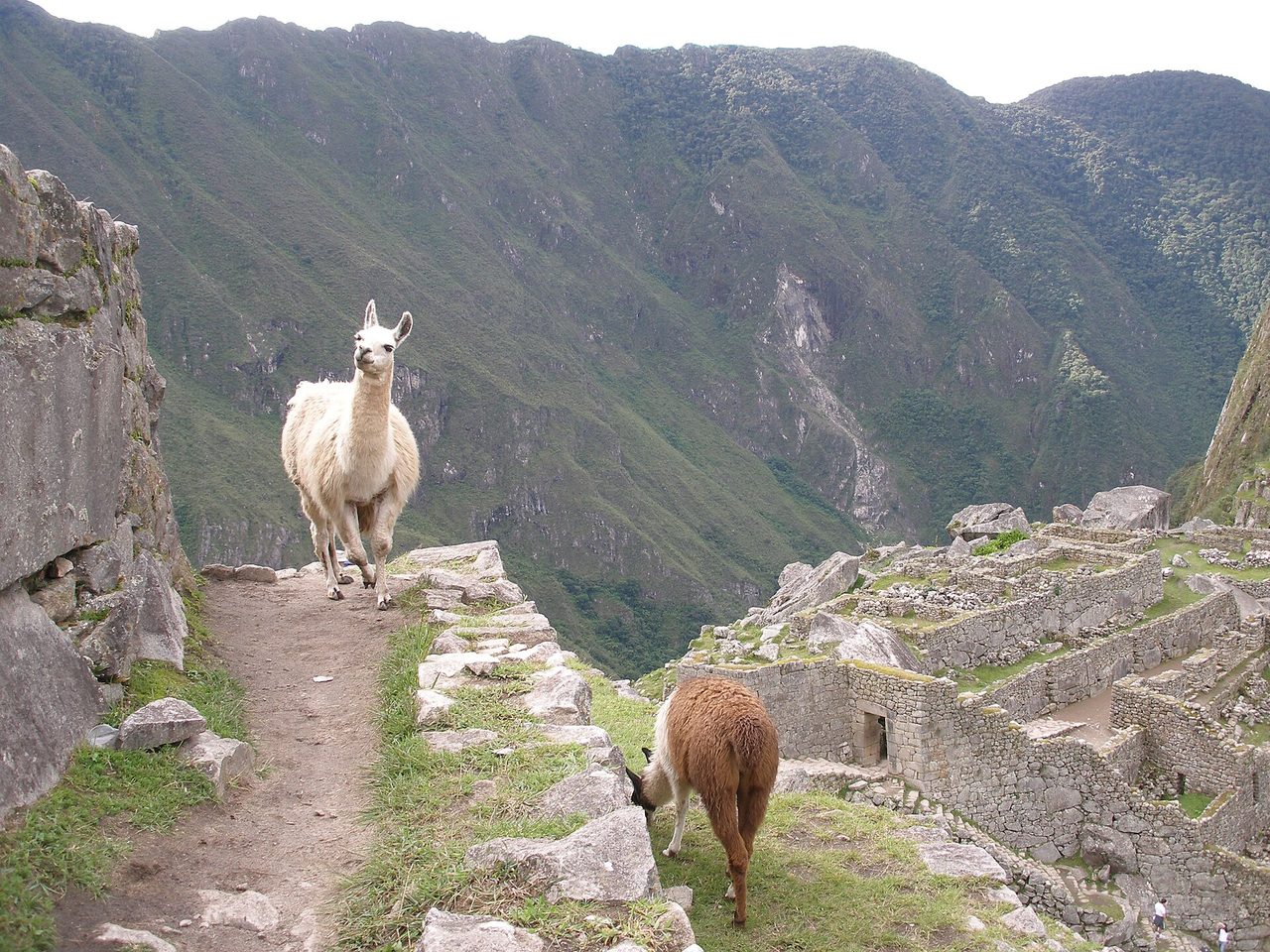
- 6–7 a.m. entry: only realistic if you sleep in Aguas Calientes. Be in the bus line by 4:45, first shuttle at 5:30, gate by 6:15. This is the magic window — mist rising, terraces empty, llamas unbothered.
- 10–11 a.m. entry: the earliest slot that works as a day trip from Ollantaytambo — catch a train around 7–8 a.m., shuttle up, no sprinting required. Doable from Cusco too, with a pre-dawn start; the full logistics are in the day-trip guide.
- 12–2 p.m. entry: the sleeper pick. The morning crowds drain away after 1 p.m., afternoon light warms the stone, and these slots outlast the morning ones by weeks in the booking calendar. Pair with a relaxed morning train and a night in Aguas Calientes, then an early train back the next day.
Whatever you choose, leave slack between your train arrival and your entry window — an hour minimum. The shuttle queue at 9 a.m. in July can eat forty minutes by itself.
Rules at the gate (read these, seriously)
- Passport must match the ticket. Renewments between booking and travel cause real problems; bring the old passport too if you can.
- Bags over ~20 L aren’t allowed in — there’s paid storage at the gate. Tripods, drones, walking-stick tips without rubber, food beyond snacks and single-use plastics are all officially banned.
- One direction, no re-entry. Bathrooms are outside the gate (S/2, bring coins). Go before you enter. This is the most repeated advice about Machu Picchu because it is the most ignored.
- Your entry hour is a window, not a suggestion. Aim for 15 minutes early; the combination of a missed train connection and a strict gate has ended more than one trip’s main event. Time the shuttle from Aguas Calientes accordingly — buses take 25–30 minutes, plus queueing.
Changing, refunding, or rescuing a ticket
The official position is unfriendly and mostly accurate: tickets are personal, non-transferable, dated and not refundable. But “mostly” is doing work in that sentence, and the exceptions are worth knowing before you write off S/163.
What has give in it and what does not
Names cannot be changed — not swapped to a friend, not corrected from a nickname to a legal name, not at the gate. Document numbers can sometimes be fixed through portal support if you catch the error early. Date changes are not self-service; requests go through support, are handled case by case, and frequently come back as no. Whatever you booked is what you walk.
Miss your hour and you have thirty minutes
The published tolerance is 30 minutes past your entry hour, with some operators quoting 45 in high season. Inside it you walk in and nobody comments. Outside it you are asking a supervisor for a favour, and the answer depends on why you are late and how you ask. A documented train delay helps genuinely — a screenshot of the service notice, better still written confirmation from the rail company. An alarm you slept through does not. Neither does arguing. Go to the supervisor desk rather than the main queue, keep it short, have the paperwork in hand.
Force majeure is a real category, and it gets used
When the site or the corridor closes for reasons outside anybody’s control, there is a procedure. On 4 August 2026 a wildfire near kilometre 107 dropped rock and burnt vegetation onto the line, the rail concessionaire suspended Ollantaytambo–Machu Picchu services, and within a day the Cusco culture directorate had activated its force-majeure protocol: affected visitors could reschedule or be refunded. Expect that pattern from strikes, landslides, fires and closures — handled through portal support, with documentation, slowly but genuinely. Never covered is a connection you missed yourself.
Insure the thing
Because the recoverable cases are narrow and the process slow, the sensible protection is a policy covering non-refundable bookings, bought the day you buy the ticket. The entry fee is a small sum; the train, guide and hotel behind it are not. Book those flexibly — most places in our guide to where to stay in Cusco hold a free-cancellation rate, which the Ministry emphatically will not.
Five ticket mistakes that keep happening
- Buying Circuit 3 for the classic photo. The photo lives on Circuits 1 and 2. This is the single most common heartbreak at the gate.
- Booking the train before the ticket. Entry hour dictates everything downstream. Ticket first, always — then build the train times around it.
- Typos in passport numbers. Triple-check at purchase; corrections afterward range from painful to impossible.
- Assuming you can “do both mountains.” Huayna Picchu and MP Mountain are separate tickets on separate circuits. Pick one, or plan two entries on two days — which, for what it’s worth, is how to see the whole site properly; I sketch a two-day version in how many days for Machu Picchu.
- Buying from a pretty reseller at double price. If the URL doesn’t end in cultura.pe or gob.pe, you’re paying a middleman — sometimes knowingly and happily, sometimes not.
Machu Picchu tickets FAQ
How far in advance should I buy Machu Picchu tickets?
For June–September: 3–4 months for Circuit 2, up to 6 for Huayna Picchu. Shoulder months: 4–8 weeks. Green season (November–April): a couple of weeks is usually plenty, February often days.
Can I change the date or name on a ticket?
Officially, tickets are non-transferable and date changes are not offered; refunds only in narrow cases (site closures). In practice: buy when certain, and travel-insure the rest.
Do children need tickets?
Yes, from age 3, at a reduced rate, with their own passport details on the ticket. Under-3s enter free.
Is the Sun Gate included in my ticket?
Only on route 1C (June–October) or by arriving on the Inca Trail. Standard Circuit 2 tickets do not reach Inti Punku — another frequent surprise.
Do I really need a guide?
The official rule says yes for first visits; enforcement is inconsistent. My advice is to take one regardless — roughly US$25–60 per person in a small group — because without the context you’re looking at very well-organized rocks.
How long can I stay inside?
Route-dependent: about 2.5–3 hours for 1B, 3–4 for the standard 2A/2B/3B visits, up to 7 for 1A with the mountain climb. Staff keep things moving; there’s no lingering until sunset, alas.
Are same-day tickets ever available?
Occasionally, in the green season, via the official site or the Aguas Calientes office. In high season, effectively never. Don’t build a plan around it.
Can I buy tickets in person in Cusco?
Yes — the Ministry of Culture office on Calle Maruri sells the same tickets at the same official prices, cash or card, with a human being who can see the whole availability grid. If you’re already in Cusco with flexible dates, it’s often faster than fighting the website, and it’s my standard recommendation for green-season travelers who’d rather not commit months out.
Is it cheaper to buy through an agency?
Never cheaper — agencies pay the same official price and add a service fee. What you’re buying is convenience: they absorb the payment-gateway headaches, bundle the ticket with trains and a guide, and know the release rhythms. For high-season Circuit 2 or Huayna Picchu dates, that expertise can be the difference between getting a slot and not.
What happens if I miss my entry time?
You’re dependent on the gate staff’s discretion, which stretches to perhaps an hour on a kind day and not at all on a busy one. There’s no refund for a missed slot. Sleep in Aguas Calientes the night before your slot and this risk mostly evaporates.
Why do other sites still say tickets cost S/152?
Because they have not updated since 30 April 2026. The base fare is still S/152; what changed is the S/11 SERNANP conservation charge on top, bringing the foreign adult ticket to S/163. A page quoting S/152 as the total is stale rather than cheaper — nobody sells below the official rate.
Does my ISIC card get me the student price?
Not at Machu Picchu, not since the Ministry stopped accepting it. You need a university-issued photo card showing an expiry date, checked at the gate as well as at purchase. Your ISIC still works for the discounted Cusco Boleto Turístico, so do not throw it away.
Do Inca Trail hikers pay the new conservation surcharge?
No. It is not applied to trail entries, whose sanctuary fees are inside the permit price. Trek in and want a separate visit the next day, and that second ticket is an ordinary one at the ordinary rate.
Can I buy two tickets for the same day and walk two circuits?
Yes, and it is the only legitimate way to see both halves of the site in one day. Nothing stops you booking 2A at 07:00 and 3B at 12:00 and paying twice. Leave four hours between them, and expect to exit and queue again.
Final thoughts
The circuit system gets grumbled about, and I understand why — it took a place that once rewarded aimless wandering and made it an itinerary. But it also saved Machu Picchu from being loved to death, and once you accept that the ticket is the itinerary, planning gets simple: decide what you must see, buy the route that contains it, and buy early. Get Circuit 2 if you can, be at the gate for the first light, and let the mountain do the rest. It’s very, very good at it.
Sources
- Ministry of Culture — official Machu Picchu ticket sales (tuboleto)
- Machupicchu.gob.pe — official visitor information and circuit maps
- PeruRail — 2026 circuits overview
- Gob.pe — Ministry of Culture guidance on buying Machupicchu entry tickets
- MINCUL — live availability of the 1,000 next-day tickets sold in Aguas Calientes
Photo credits
All images are used under their stated licenses; thank you to the photographers.
- Photo: Martin St-Amant (S23678) / CC BY 3.0 via Wikimedia Commons — source
- Photo: Steve FUNG / CC BY-SA 4.0 via Wikimedia Commons — source
- Photo: quinet / CC BY 2.0 via Wikimedia Commons — source
About this guide: Written by the Peru Tourism Guide team — writers and trip-planners who have explored Peru’s Andes, coast and Amazon over many visits and put hundreds of travelers on the right train to Machu Picchu. We update this guide as ticket rules and prices change.
Last updated: August 2026.