Machu Picchu: The Complete Guide to Visiting in 2026
A complete, up-to-date guide to visiting Machu Picchu in 2026: tickets and the new circuits, how to get there, the best time to go, what it costs, and how to beat the crowds.
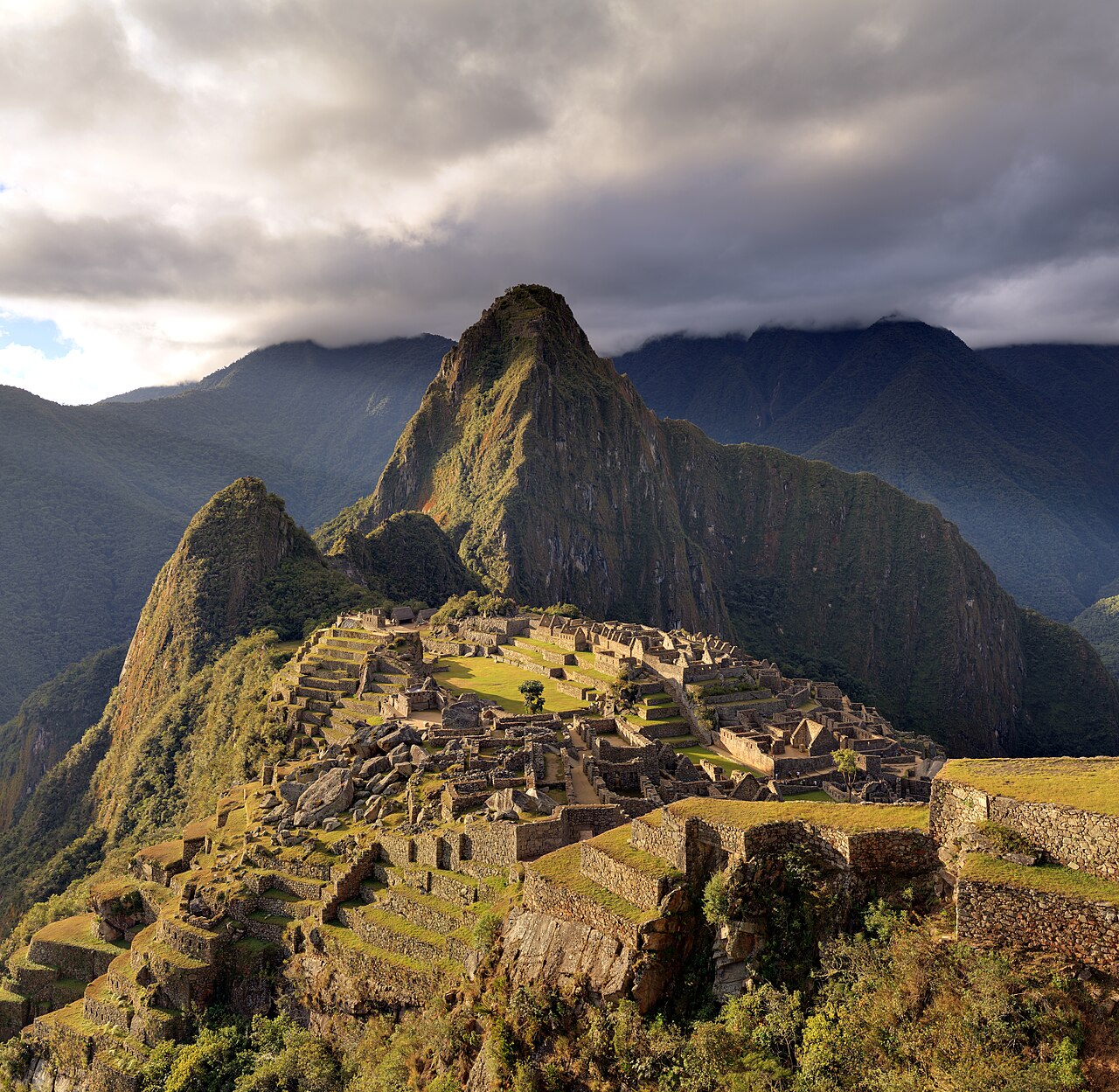
The first time I climbed the stone steps to the Guardian’s House and Machu Picchu finally opened up below me, I did the embarrassing thing every guide warns you about: I just stood there with my mouth open while a line of people piled up behind me. Photos don’t prepare you for the scale of it, or for how impossibly green and vertical the mountains are. I’ve been back three times since, and that first-look feeling has never fully worn off.
This guide is the one I wish I’d had before my first trip. It pulls together everything you actually need to plan a visit in 2026 — the new ticket circuits, how to get there, when to go, what it costs, and the small decisions that make the difference between a rushed, sweaty scramble and one of the best days of your life.
The short version: Machu Picchu is a 15th-century Inca citadel perched on a ridge at 2,430 m (7,970 ft) in Peru’s Andes. To visit in 2026 you buy a timed, circuit-specific entrance ticket in advance, take the train (or trek) to the town of Aguas Calientes, then ride a short bus up to the gate. Almost everyone bases this around the city of Cusco.
Who this guide is for: first-timers who want a clear, honest plan, and returning travelers who want to get the new circuit system right. I’ll link out to deeper guides on each piece — tickets, how to get there, the treks — as we go.
Machu Picchu at a glance
If you only skim one part of this guide, make it this. These are the facts that shape every decision below.
- What it is: a royal Inca estate and ceremonial site, built around 1450 and abandoned roughly a century later. A UNESCO World Heritage Site since 1983 and one of the “New 7 Wonders of the World.”
- Where it is: the Cusco region of southern Peru, above the Urubamba River, about 75 km (47 mi) northwest of Cusco as the condor flies — but several hours by train because of the terrain.
- Elevation: 2,430 m (7,970 ft) — notably lower than Cusco at 3,400 m, which surprises people. More on what that means for altitude below.
- Tickets: timed entry, sold by circuit. A standard 2026 foreign-adult ticket is around 152 soles (about US$45); add-on hikes cost more. Buy ahead at the official site.
- How long you need: the visit itself is 2–4 hours inside the citadel. Getting there and back eats a full day, so plan for at least one night nearby unless you’re doing a long day trip.
- Best time: the dry season (May–September) for the clearest skies; April, October and November for a good-weather, lower-crowd compromise.
What is Machu Picchu, and why all the fuss?
Machu Picchu (“old mountain” in Quechua) is the best-preserved Inca site in the world, and the reason most people come to Peru in the first place. What makes it special isn’t just age — plenty of ruins are older. It’s the setting and the engineering. The Inca built a self-contained town of temples, terraces, fountains and houses onto a knife-edge ridge between two peaks, in a place so hidden that the Spanish conquistadors never found it. The stonework in the finest temples is cut so precisely you can’t slip a credit card between the blocks, and it has shrugged off five centuries of earthquakes that have toppled colonial churches in Cusco.
Honestly, the hype is justified. I’ve seen a lot of famous sights that feel smaller and more crowded than the brochure promised; Machu Picchu is one of the rare ones that feels bigger. If you’re still on the fence, I dig into the “is it actually worth it?” question — crowds and all — in a separate honest take.
A quick history: who built Machu Picchu, and why
Most historians attribute Machu Picchu to the Inca emperor Pachacuti, who ordered it built around 1450 as a royal estate — part palace, part religious retreat, part working agricultural settlement. At its peak maybe 500 to 750 people lived here, many of them servants and farmers who kept the place running for visiting nobility. The Inca abandoned it within about a hundred years, likely around the time of the Spanish conquest in the 1530s, though probably for a mix of reasons rather than a single dramatic event.
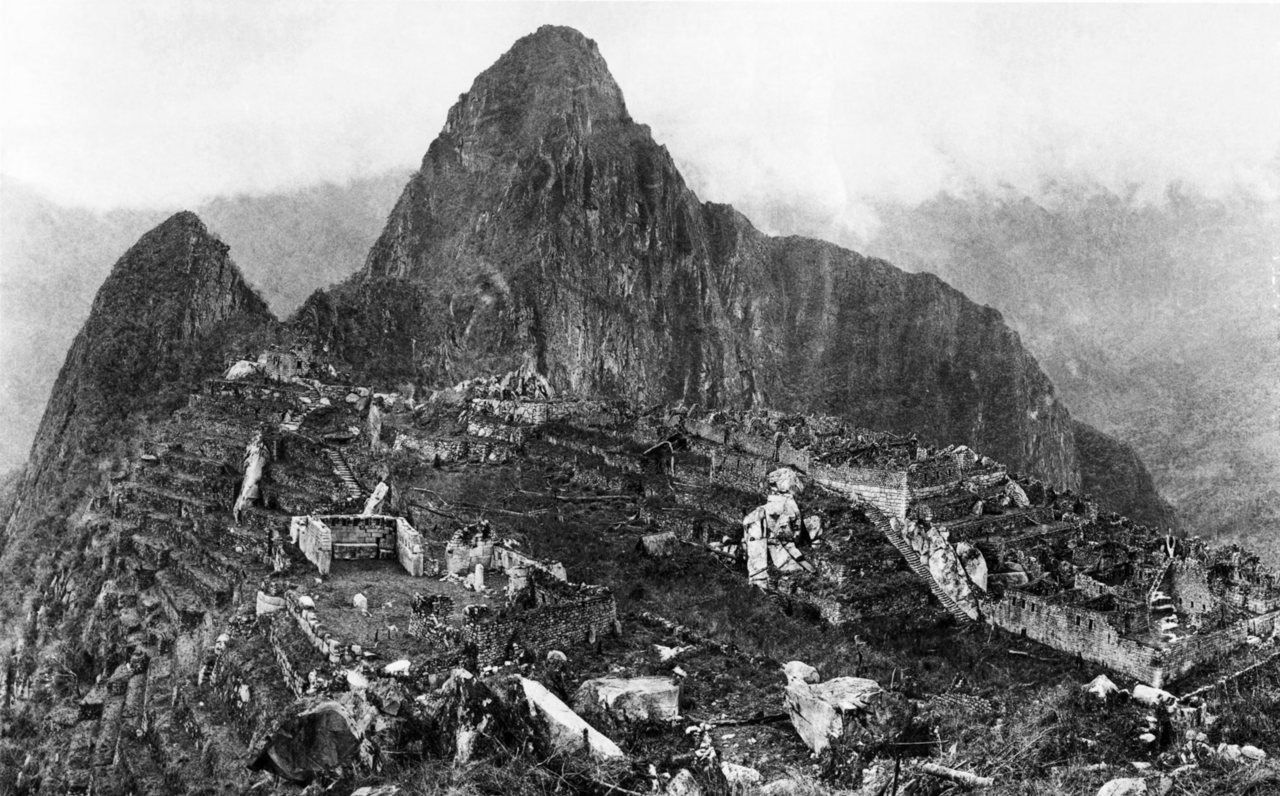
Because the Spanish never found it, Machu Picchu was never looted or destroyed the way other Inca sites were — it simply slipped into the cloud forest. Local farmers always knew it was there, but it entered the wider world’s awareness in 1911, when Yale historian Hiram Bingham was led to the overgrown ruins. Bingham gets the famous credit, though he was guided by locals and at least one farmer, Agustín Lizárraga, had carved his name into a temple wall years earlier. It’s a useful reminder that “lost city” is mostly a marketing line. If the history is your thing, I go much deeper in the full history of Machu Picchu.
How to get to Machu Picchu
This is where most first-time plans wobble, so let’s make it simple. There is no road to Machu Picchu and no airport at the site. Every route funnels through the town of Aguas Calientes (officially Machu Picchu Pueblo), which sits in the gorge directly below the ruins. From there it’s a 25–30 minute shuttle bus (or a steep 1.5-hour walk) up to the entrance gate.
The real question is how you reach Aguas Calientes. You have two ways in: by train or on foot.
By train (what most people do)
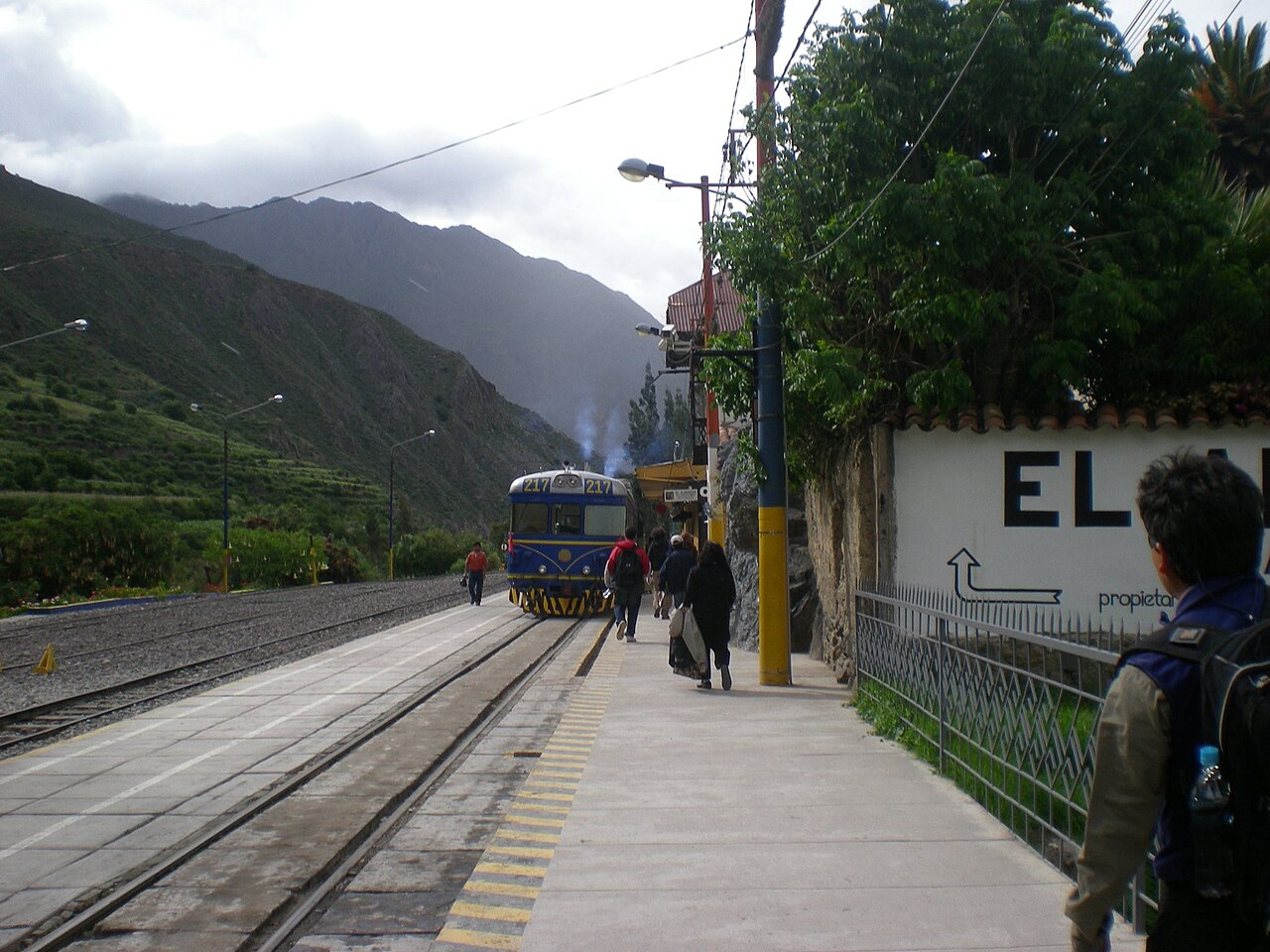
The train is the classic route, and it’s genuinely lovely — it follows the Urubamba River through the Sacred Valley with the Andes climbing up on both sides. Two companies run it: PeruRail and Inca Rail. Most trains leave from Ollantaytambo in the Sacred Valley (about 1.5–2 hours from Cusco by car), and the train ride from there to Aguas Calientes is roughly 1.5 hours. Some services run from Cusco itself (Poroy station) but these are frequently suspended, so don’t assume a direct Cusco departure without checking.
Trains range from comfortable standard cars to the panoramic Vistadome and the luxurious Belmond Hiram Bingham, with prices to match — figure anywhere from about US$70 to several hundred dollars round trip depending on the service. Book early in high season; trains sell out. I break down the services, classes and stations in the guide to the Machu Picchu train.
On foot (the treks)
The other way in is to walk, and for a certain kind of traveler it’s the best decision they’ll make in Peru. The famous Inca Trail is a 4-day trek along original Inca stonework that arrives at Machu Picchu through the Sun Gate at dawn — it’s the only route that delivers you to the ruins on foot from above. It requires a permit booked months ahead and sells out fast. If permits are gone or you want bigger mountain scenery, the Salkantay, Lares and Choquequirao treks are excellent alternatives that finish with a train or a walk into Aguas Calientes. I compare all of them in the treks to Machu Picchu hub.
Should you do it as a day trip?
You can visit Machu Picchu as a very long day trip from Cusco — early train out, afternoon train back — and plenty of people do. But it’s a 16-hour day with a lot of it spent in transit, and any train delay can squeeze your time at the ruins. I almost always recommend spending a night in Aguas Calientes or the Sacred Valley instead, so you’re not racing the clock. I weigh up both options in detail in the Machu Picchu day-trip guide and the question of how many days you really need.
Machu Picchu tickets: circuits, prices and how to buy (2026)
This is the part that has changed the most, so even if you’ve been before, read it carefully. Since mid-2024 Machu Picchu uses a circuit system: when you buy your ticket you choose a specific route through the site, and you have to follow it. You can’t freely wander or backtrack the way you could a decade ago. As of 2026 there are three main circuits, divided into ten sub-routes in total.
Every ticket is also timed — you enter within an assigned hour-long slot — and a licensed guide is officially required for entry. In practice enforcement of the guide rule varies, but you should plan to have one; it’s also genuinely worth it, because without context the site is just very pretty stone. Bring your original passport (not a copy); it’s checked against your ticket at the gate.
The three circuits, in plain English
| Circuit | Nickname | What you see | Best for |
|---|---|---|---|
| Circuit 1 | Panorámico | The upper terraces and the classic high viewpoint by the Guardian’s House. Pairs with optional side hikes (Sun Gate, Inca Bridge, Machu Picchu Mountain). | The postcard photo and big-view add-on hikes |
| Circuit 2 | Clásico | The classic high viewpoint and a walk down through most of the main ruins. The most complete single visit. | First-timers who want the view and the citadel |
| Circuit 3 | Realeza (Royalty) | The lower, “royal” sector and temples — no classic high viewpoint. Pairs with Huayna Picchu on some sub-routes. | Pairing with the Huayna Picchu climb |
My honest recommendation for a first visit: get Circuit 2. It’s the only one that gives you both the iconic panorama from above and a proper walk down through the heart of the ruins. It’s also the most requested circuit and the one that sells out first, so book it early. If your main goal is to climb Huayna Picchu, you’ll be looking at a Circuit 3 sub-route instead; if you only care about the classic photo and want to add Machu Picchu Mountain, Circuit 1 is your friend. I map out every sub-route and the exact differences in the complete Machu Picchu tickets guide.
Prices (2026)
Prices are set in Peruvian soles and change periodically, so treat these as a 2026 snapshot and confirm current rates when you book:
- Standard entry (foreign adult), Circuits 1, 2 or 3: around 152 soles (about US$45).
- Entry + Huayna Picchu or + Machu Picchu Mountain: around 200 soles (about US$55).
- Children, students with a valid ISIC card, and citizens of Peru and the Andean Community pay reduced rates.
Small online processing fees can nudge the final total up by a few dollars. A licensed guide is a separate cost — expect roughly US$25–60 to join a small group at the entrance, or more for a private guide.
Where and when to buy
Buy your ticket from the official government site — tuboleto.cultura.pe or the Ministry of Culture portal at machupicchu.gob.pe — or through a reputable tour operator who bundles it with your train and guide. The official site can be clunky and occasionally rejects foreign cards, which is one reason many travelers just let an agency handle the booking.
How far ahead? In the peak dry season (roughly May through September) the best morning slots, Circuit 2, and the Huayna Picchu add-on sell out two to three months in advance, sometimes more. In the green season you can often book a couple of weeks out. As a fallback, the Ministry of Culture releases a limited number of next-day tickets for purchase in person in Aguas Calientes (sold in the afternoon, passport required), but I wouldn’t build a trip around that gamble.
Huayna Picchu vs Machu Picchu Mountain: which hike?
Two peaks rise from the citadel, and each has a trail you can add to your ticket. They’re completely different experiences, and people mix them up constantly.
| Huayna Picchu | Machu Picchu Mountain | |
|---|---|---|
| What it is | The steep, iconic peak behind the ruins in every classic photo | The taller mountain opposite, a longer but steadier climb |
| Time | About 1.5–2 hours round trip | About 3 hours round trip |
| The vibe | Short, sharp, exposed; narrow Inca steps and a cable section near the top | Longer, higher, less vertigo; huge views back over the whole site |
| Best for | Confident hikers who want the dramatic, famous climb | Anyone wanting big views without the knife-edge exposure |
If you’re scared of heights, skip Huayna Picchu — the drop-offs are real and it’s not the place to discover a fear of exposure. Both require a specific ticket with a timed entry to the trailhead, and both have limited daily spots (Huayna Picchu is famously capped and books out early). Important 2026 note: Huayna Picchu is scheduled to close for maintenance during parts of the year (June 2026 is listed as a closure), so double-check availability before you set your heart on it. I compare them in depth, including fitness and fear-of-heights honesty, in Huayna Picchu vs Machu Picchu Mountain.
The best time to visit Machu Picchu
Machu Picchu is open year-round, and there’s no truly bad time — but the weather and the crowds pull in opposite directions, so it’s about picking your trade-off.
- Dry season (May–September): the clearest skies and the lowest rain risk, which is why it’s peak season. June through August are the busiest and the coldest at night. If you want that crisp, postcard-blue-sky photo, this is your window — just book everything early.
- Shoulder (April, October, November): my personal favorite. You still get plenty of clear days, the hillsides are greener, and the crowds and prices ease off. April and October in particular are a sweet spot.
- Green/wet season (December–March): the wettest months, with afternoon downpours and a real chance of cloud sitting on the ruins. The upside is dramatic, moody scenery and the fewest visitors. Note that the Inca Trail closes every February for maintenance (the site itself stays open).
Whatever month you choose, mornings tend to be clearest and the site is calmest right at opening and again in the late afternoon. I go month-by-month — including the famous mist and when it burns off — in the best time to visit Machu Picchu guide, and you can see how it fits the rest of the country in our best time to visit Peru overview.
What to see inside Machu Picchu: a self-guided tour
A good guide will lead you to most of these, but knowing the highlights in advance helps you choose the right circuit and slow down at the parts that matter. The citadel divides roughly into an agricultural sector — the famous sweeping terraces — and an urban sector of temples, plazas and houses, separated by a long dry moat. Here’s what to look for.
The Guardian’s House and the classic viewpoint
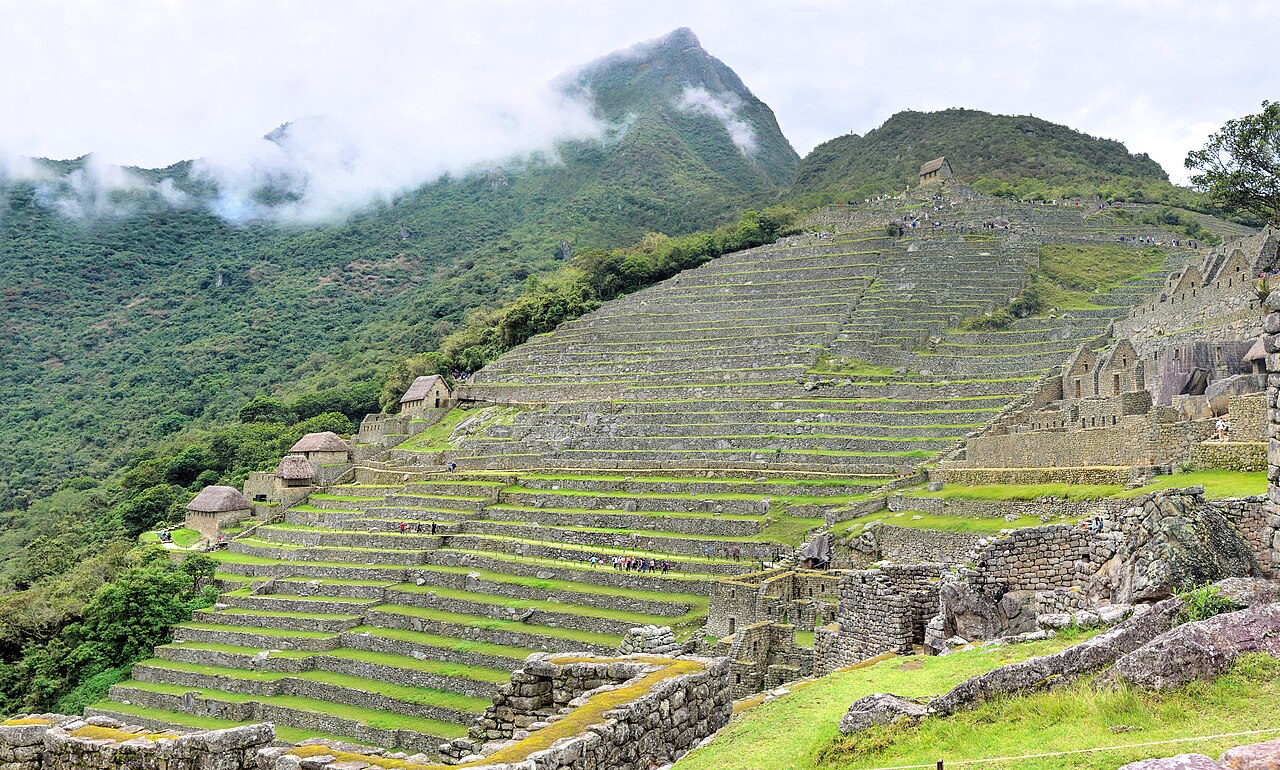
This is the spot every postcard is shot from: a thatched stone hut on the upper terraces, looking down over the whole citadel with Huayna Picchu behind. It’s the first big payoff of Circuits 1 and 2, and the light is best in the first couple of hours after opening, before the midday haze. Give yourself time here — this is the photo you came for.
The Temple of the Sun (Torreón)
A graceful curved tower built over a natural boulder, with some of the finest masonry on the site. Its windows are aligned so that light strikes precisely through them at the June solstice sunrise — a reminder that this was an astronomical and ceremonial place, not just a residence. You view it from above on the standard circuits.
The Intihuatana stone
Carved from a single outcrop of granite, the Intihuatana (often translated as the “hitching post of the sun”) is one of the most sacred objects on the site and one of the few ritual stones the Spanish never found and destroyed. Its angles track the sun across the seasons. It sits at the top of the urban sector, reached on the upper-circuit routes.
The Sacred Plaza, Principal Temple and Temple of the Three Windows
Clustered around a high plaza, these structures show off the Inca’s trapezoidal doorways and enormous, perfectly fitted stones. The Temple of the Three Windows frames the eastern horizon through three large trapezoidal openings — line up a photo through them and you’ll see why Inca builders are still studied by engineers today.
The Temple of the Condor
Down in the lower sector, a pair of natural rocks were shaped into the outstretched wings of a condor, with a carved head and white collar laid into the floor below. It’s clever and a little eerie, and it’s a highlight of Circuit 3’s royal-sector routes. If this is on your must-see list, choose your circuit accordingly — the upper circuits don’t reach it.
The agricultural terraces
The terraces aren’t just scenery; they were sophisticated engineering. Layered with stone, gravel and soil for drainage, they let the Inca farm a near-vertical mountainside and kept the whole site from sliding away in the rains. Walking among them on the way in gives you the best sense of just how much human effort this place represents.
Two worthwhile add-on walks
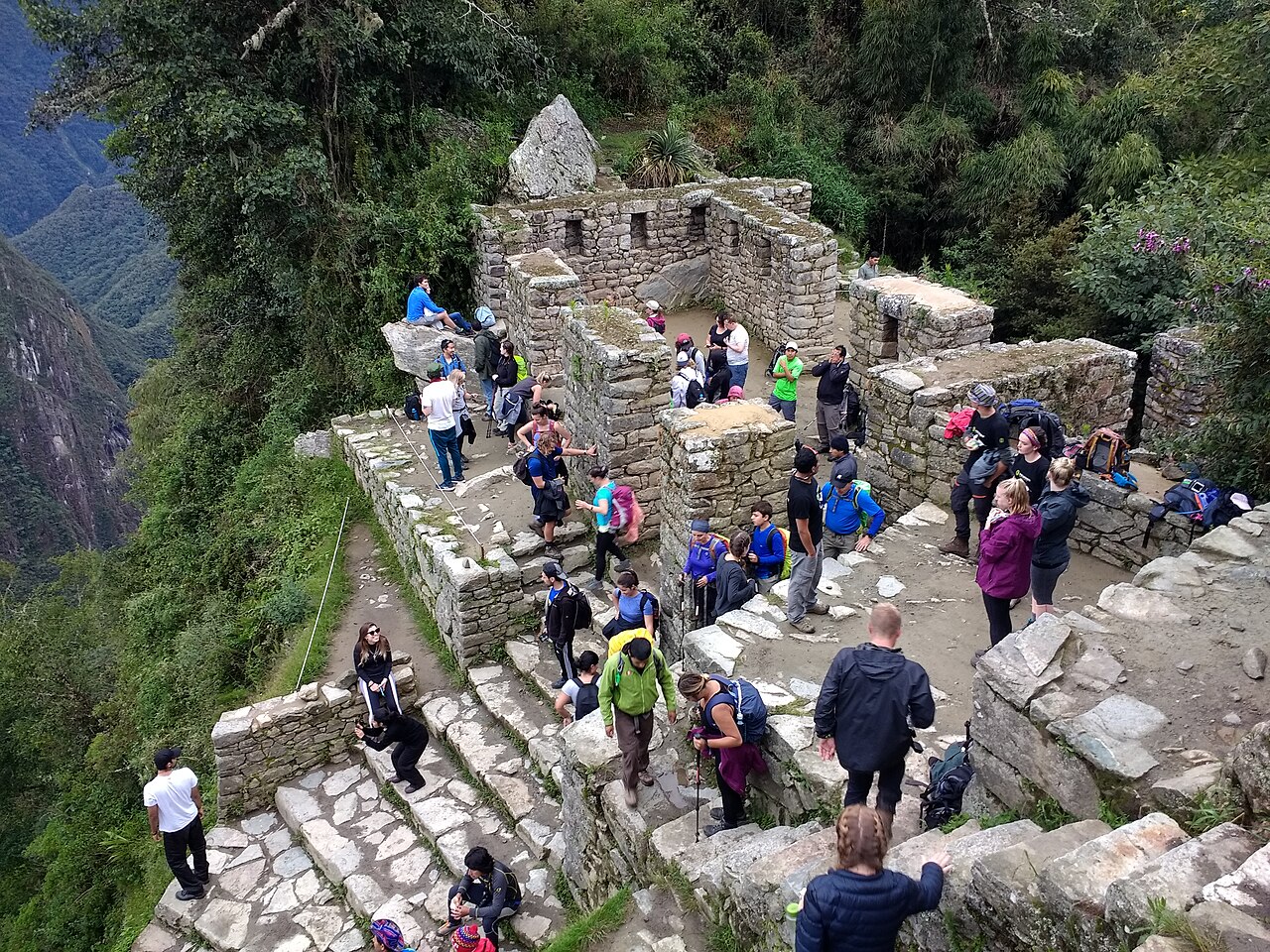
If your ticket allows, two short detours are well worth it. The Inca Bridge is a 20-minute walk to a heart-in-mouth log bridge set into a sheer cliff — you can’t cross it, but the path there is dramatic. The Sun Gate (Inti Punku) is a roughly one-hour round-trip climb to the pass where the Inca Trail first reveals the ruins; the view back down over the whole citadel is, for my money, even better than the Guardian’s House. Both are tied to specific circuit and ticket combinations, so check what yours includes.
How to beat the crowds
Machu Picchu sees well over a million visitors a year, and on a busy dry-season morning it can feel like all of them arrived on your train. The good news is that crowds are predictable, so they’re avoidable. The pinch point is mid- to late morning, when the day-trip groups from Cusco pour in around 9–11 a.m.
My playbook, in order of impact: stay overnight in Aguas Calientes and take one of the first buses up (they start around 5:30 a.m.) so you’re walking the upper terraces before the day-trippers land. If a dawn start isn’t your style, do the opposite and book an early-afternoon slot — by about 2 p.m. the morning waves are leaving and the light softens beautifully. Either way, go on a weekday rather than a weekend, and avoid the big Peruvian holidays, especially the Inti Raymi festival in late June and Fiestas Patrias in late July, when domestic tourism spikes.
Season helps too: an April or October visit feels noticeably calmer than mid-July. And here’s a reframe worth holding onto — the circuit system, frustrating as the rules can be, actually keeps foot traffic flowing one way, so even on full days you’re rarely standing in a true bottleneck. A little timing strategy turns a shoulder-to-shoulder visit into one where you get the Guardian’s House viewpoint almost to yourself.
Altitude, fitness and staying healthy
Here’s something that trips people up: Machu Picchu itself is not that high. At 2,430 m it sits about a kilometer lower than Cusco, so many visitors actually feel better at the ruins than they did in the city. The altitude problem isn’t Machu Picchu — it’s Cusco, where most people arrive first and fly in fast from sea level.
The fix is simple: acclimatize before you go up high. Give yourself two or three days in Cusco or, better, the slightly lower Sacred Valley before any hard hiking. Take the first day easy, drink a lot of water, go gently on alcohol, and lean on coca tea like the locals do. If you’re prone to altitude sickness, talk to your doctor about acetazolamide (Diamox) before you travel. I cover prevention, symptoms and when to worry in detail in the altitude sickness guide and the Cusco acclimatization guide.
As for fitness: walking the standard circuits is manageable for most people, but it’s not flat. Expect uneven Inca steps, some steep stretches, and thin air. If you can comfortably walk up several flights of stairs, you’ll be fine on the main routes — just slowly.
What to bring and the rules you should know
Machu Picchu has tightened its rules in recent years, and getting caught out at the gate is a frustrating way to start. The essentials:
- Your original passport — required to buy tickets and to enter. The name must match your ticket.
- Bag limits: large backpacks aren’t allowed inside; bring a small daypack (roughly 20 L or smaller). There’s a left-luggage office near the entrance for anything bigger.
- No tripods, drones, or selfie sticks, and officially no food inside (a snack and a water bottle in your bag are fine in practice — just don’t picnic).
- No re-entry: once you exit, your ticket is done, so use the bathroom (it’s outside the gate, and costs a couple of soles) before you go in.
- Single-use plastics and hard-soled trekking poles are restricted; poles with rubber tips are allowed and helpful for the steps.
For clothing, think layers: chilly and damp at dawn, hot and intensely sunny by midday. A light rain jacket, sun hat, sunscreen and good grippy shoes cover almost every scenario. Insect repellent matters more than people expect — the sandflies in the cloud forest are relentless. I get into exactly what to pack by season in what to wear to Machu Picchu.
Where to stay
You’ve got three broad bases, depending on how much time and money you want to spend.
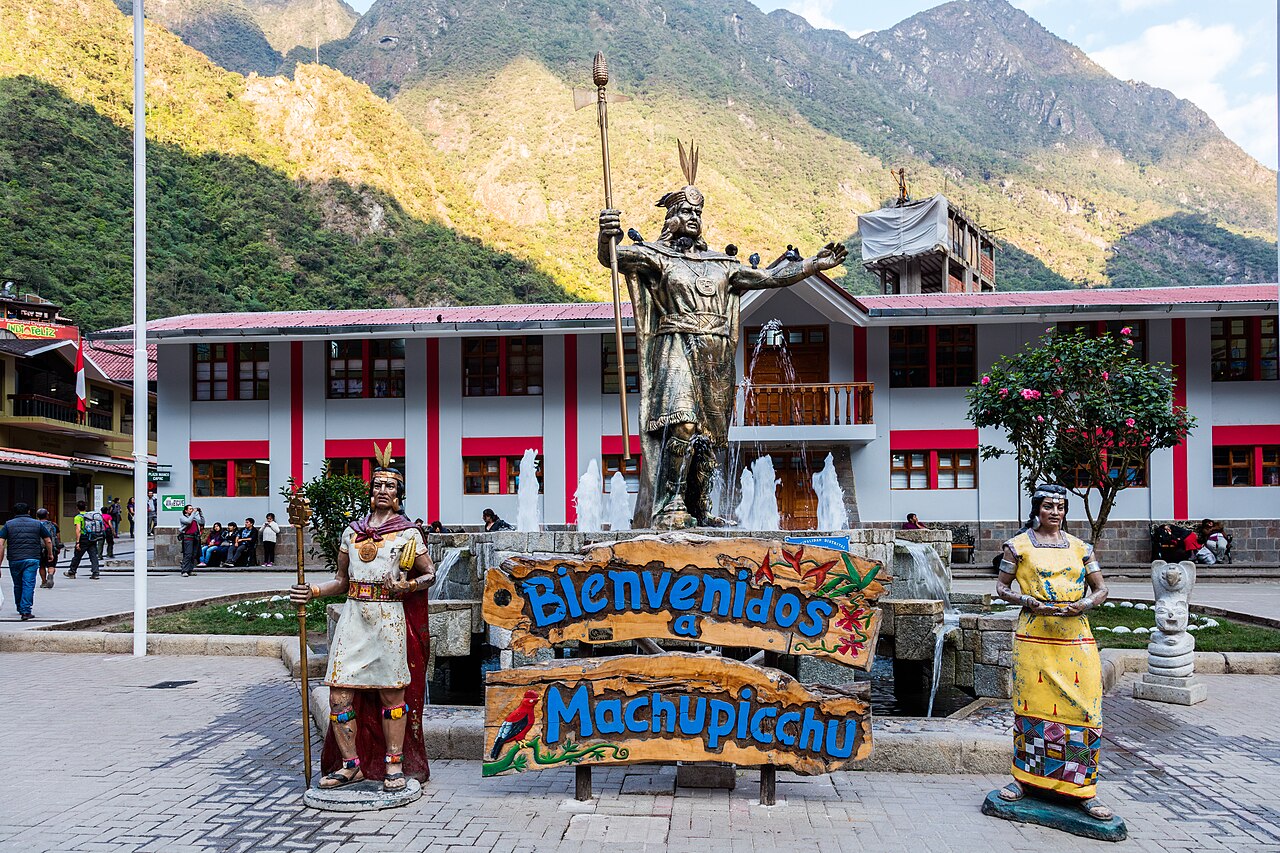
- Aguas Calientes (Machu Picchu Pueblo): the town at the foot of the mountain. Staying here lets you catch the very first buses up and beat the day-trippers to the gate — a genuine advantage. Options run from cheap hostels to the splurge-worthy Inkaterra Machu Picchu Pueblo Hotel.
- The Sacred Valley (Ollantaytambo, Urubamba): a lovely, lower-altitude base with great hotels, an easy train hop to Aguas Calientes, and far more charm than Aguas Calientes itself. My usual pick for a relaxed two-day plan.
- At the gate: the Belmond Sanctuary Lodge is the only hotel right next to the entrance — eye-wateringly expensive, but unbeatable for being first in at sunrise.
For a full rundown of neighborhoods, prices and my favorite hotels at each level, see the Aguas Calientes guide and our where to stay in Peru hub.
What it costs: a realistic Machu Picchu budget
Machu Picchu is the single most expensive day of a typical Peru trip, mostly because of the train. Here’s a realistic per-person estimate for the visit (entrance, round-trip train and bus, and a guide), not counting your hotel or meals:
| Style | Roughly per person | What that looks like |
|---|---|---|
| Budget | US$160–230 | Standard entry, cheapest train (or the cheaper Hidroeléctrica back-route), shared guide, bus up & walk down |
| Mid-range | US$280–400 | Circuit 2 entry, Vistadome train round trip, bus both ways, small-group guide |
| Splurge | US$600+ | Belmond Hiram Bingham train, private guide, lunch at the lodge |
The train is the line item with the most give — downgrading from a panoramic to a standard service is the easiest way to save real money. Budget travelers can cut costs further with the longer Hidroeléctrica route (a van plus a flat walk into Aguas Calientes) instead of the train. I break the numbers down, including money-saving tactics, in Machu Picchu on a budget, and put it in the context of a whole trip in our Peru trip cost guide.
Is Machu Picchu worth it? And the mistakes to avoid
Yes — even with the crowds and the logistics, it earns its reputation. But a few avoidable mistakes can take the shine off:
- Flying into Cusco and heading straight up to altitude. Give yourself acclimatization days first; don’t schedule Machu Picchu for day one.
- Booking tickets too late. Circuit 2 and Huayna Picchu in high season sell out months ahead. Lock these in before your flights if you can.
- Buying the wrong circuit. A surprising number of people end up on a lower-sector route and never get the classic photo. Know which circuit gives you what.
- Trying to do it all in one frantic day from Cusco. Possible, but stressful and exposed to train delays.
- Skipping the guide. Without one, you’ll walk past a thousand years of meaning. Hire one, even informally at the gate.
Putting it together: a simple two-day plan
If you want a template that consistently works, here’s the rhythm I’d book for most first-timers, assuming you’ve already had a couple of days in Cusco to acclimatize:
- Day 1: Morning train from Ollantaytambo to Aguas Calientes. Drop your bag, eat a relaxed lunch, soak in the hot springs, and get an early night.
- Day 2: First bus up at dawn, enter on a Circuit 2 ticket with a guide, then linger after the tour for photos as the morning groups thin out. Afternoon train back to the Sacred Valley or Cusco.
Tweak it to taste — add a sunrise, a summit hike, or a second day — but that two-day shape removes nearly all the stress. For how this slots into a wider trip, see our Cusco guide and the broader list of things to do in Peru.
Machu Picchu FAQ
How do I buy Machu Picchu tickets?
Buy them in advance from the official government portals — tuboleto.cultura.pe or machupicchu.gob.pe — or let a reputable operator bundle the ticket with your train and guide. Choose your circuit and time slot at purchase. The official site sometimes rejects foreign credit cards, which is why many travelers book through an agency.
Do you need a guide to enter Machu Picchu?
Officially, yes — a licensed guide is required, though enforcement varies in practice. Either way I’d hire one. You can arrange a private guide in advance or join a small group at the entrance for roughly US$25–60 per person. Without context, you’ll walk past the meaning of nearly everything you’re looking at.
How many days do you need for Machu Picchu?
The visit itself takes 2–4 hours, but the travel makes it a one- to two-day affair. A single very long day from Cusco is possible; an overnight in Aguas Calientes or the Sacred Valley is far more relaxed and lets you reach the gate before the crowds. Add a day if you’re hiking a summit.
Can you do Machu Picchu as a day trip from Cusco?
Yes, but it’s a roughly 16-hour day, much of it on trains, and any delay eats into your time at the ruins. It works if you’re tight on time, but staying nearer the site removes the stress and the risk. See our day-trip guide for the exact timings.
How far in advance should I book?
In the dry season (May–September), book the popular Circuit 2 and any summit hike two to three months ahead — Huayna Picchu and morning slots sell out first. In the green season a couple of weeks is usually enough. Inca Trail permits are a separate, even earlier booking, often four to six months out.
Is Machu Picchu hard to walk?
The main circuits are moderate — uneven Inca steps and some steep stretches at altitude, but nothing technical. If you can manage several flights of stairs, you’ll be fine taking it slowly. The summit hikes (Huayna Picchu, Machu Picchu Mountain) are a real step up in effort and exposure.
Which circuit is best for first-timers?
Circuit 2 (“Clásico”). It’s the only route that combines the classic high viewpoint with a walk down through most of the ruins, so you get both the photo and the experience. It’s also the most popular, so book early. Circuit 1 is for panoramic views plus add-on hikes; Circuit 3 pairs with Huayna Picchu.
Is Machu Picchu safe to visit?
Yes. The main risks are practical rather than criminal: altitude if you haven’t acclimatized, slippery steps when wet, and strong high-altitude sun. Watch your footing, hydrate, and use sunscreen. Keep an eye on Peru news for occasional transport strikes, which can disrupt trains — build a little buffer into tight itineraries.
Do you need to acclimatize for Machu Picchu?
For the ruins themselves, not much — at 2,430 m they’re lower than Cusco. The acclimatization you need is for Cusco (3,400 m) and the Sacred Valley, where you’ll arrive first. Spend two or three gentle days at altitude before any hard hiking. Our Peru travel tips hub covers health prep in full.
Final thoughts
Machu Picchu is one of those rare places that lives up to the impossible expectations we put on it. The logistics — circuits, trains, timed tickets — can feel like a lot when you’re planning, but they boil down to three decisions: when to go, how to get there, and which circuit to walk. Get those right, give yourself enough time, and the rest takes care of itself. Stand at the Guardian’s House on a clear morning, watch the cloud lift off the ridge, and I promise the planning will feel worth it.
From here, the natural next steps are sorting your tickets and circuit, deciding how you’ll get there, and choosing whether to trek in or take the train. Buen viaje.
Sources
- UNESCO World Heritage Centre — Historic Sanctuary of Machu Picchu
- Peru Ministry of Culture — official Machu Picchu tickets & circuits
Photo credits
All images are used under their stated licenses; thank you to the photographers.
- Photo: Martin St-Amant (S23678) / CC BY-SA 3.0 via Wikimedia Commons — source
- Photo: Hiram Bingham III (public domain) via Wikimedia Commons — source
- Photo: Thomas Quine / CC BY 2.0 via Wikimedia Commons — source
- Photo: Diego Delso / CC BY-SA 4.0 via Wikimedia Commons — source
- Photo: Flickr contributor / CC BY 2.0 via Wikimedia Commons — source
- Photo: Mx._Granger (public domain) via Wikimedia Commons — source
- Photo: joiseyshowaa / CC BY-SA 2.0 via Wikimedia Commons — source
About this guide: Written by the Peru Tourism Guide team — writers and trip-planners who have explored Peru’s Andes, coast and Amazon over many visits and put hundreds of travelers on the right train to Machu Picchu. We update this guide as ticket rules and prices change.
Last updated: June 2026.